Building Blocks: The Basic Ingredients Behind Japan’s Flavors
Negi: The Green and White at the Core of Japanese Cuisine
Food and Drink Culture Lifestyle- English
- 日本語
- 简体字
- 繁體字
- Français
- Español
- العربية
- Русский
A Green, Flavorful Staple of Japan’s Kitchen
While it may not be the star, negi (Allium fistulosum, a close relative of the leek) plays an important supporting role, or at least makes a brief appearance to add accent, in a huge range of Japanese dishes, making it one of the most widely used vegetables in the national cuisine. Now available all year round, it is originally a winter vegetable, with the cold temperatures enhancing its flavor and sweetness.
Negi is native to western China and northern Central Asia. Having been cultivated in China for more than 2,000 years, it was introduced into Japan by way of the Korean Peninsula. There are mentions of it on wooden tablets from the Nara period (710–94) and also in the early eighth century chronicle Nihon shoki, indicating that negi has been grown in Japan since ancient times.
It was originally used as a medicinal plant to warm up the body and relieve fatigue. Even now, some elderly people use the traditional folk remedy of wrapping pieces of negi in a scarf and wearing it around their neck to ward off early signs of a cold. It seems that the highly volatile allicin compound found in the vegetable has antibacterial and anti-inflammatory properties, which can reduce inflammation in the nose and throat, but would still be something of a strange sight in modern times.
It is for exactly those effects, though, that negi is used as a condiment. The sharp pungency of raw negi enhances the flavor of dishes such as chilled tōfu and soba noodles. This sharpness mellows when negi is cooked, developing into a subtle sweetness that makes it invaluable to soups and stir-fries. Shredded white negi that has been soaked in water makes a beautiful garnish for simmered fish and adds elegance to any dish. That’s why you can always find negi in a Japanese refrigerator.
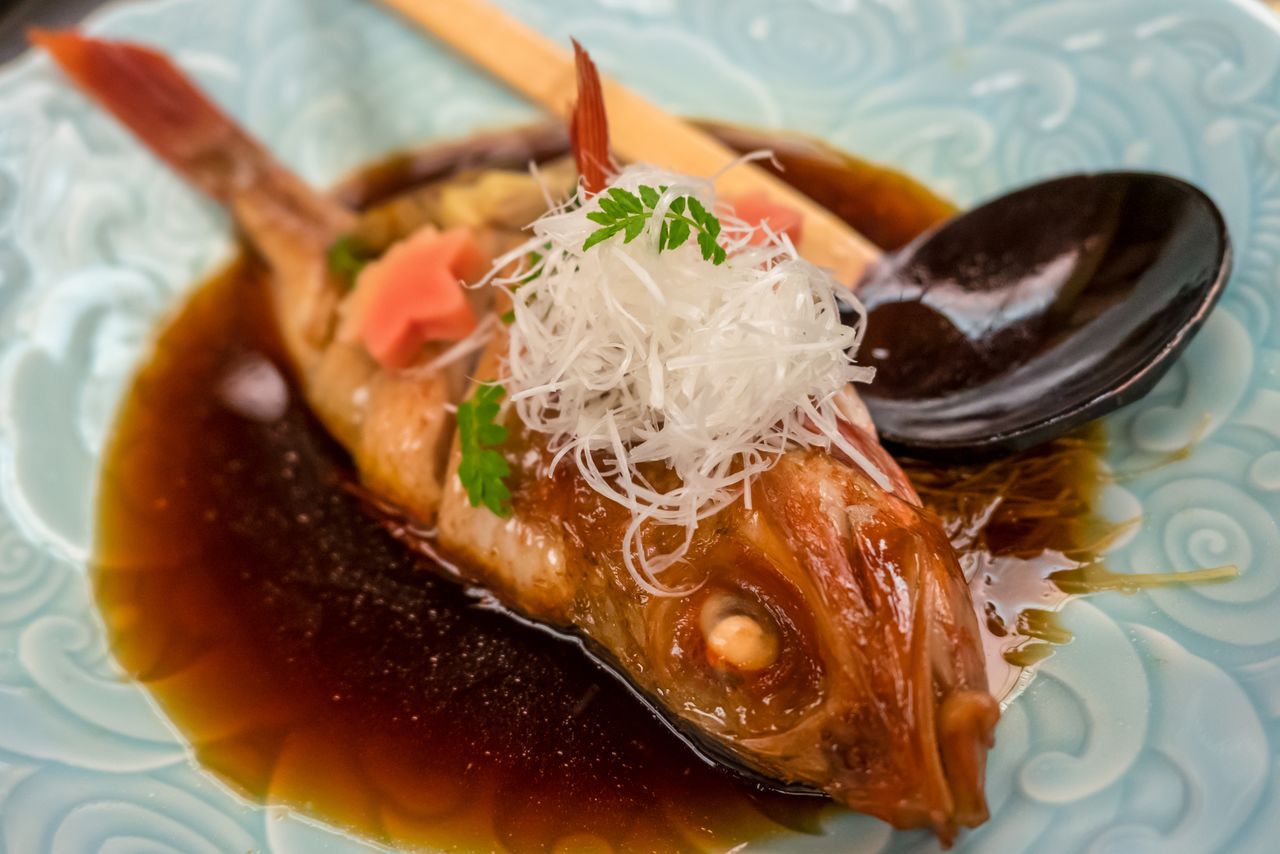
(© Pixta)
White in Kantō, Green in Kansai
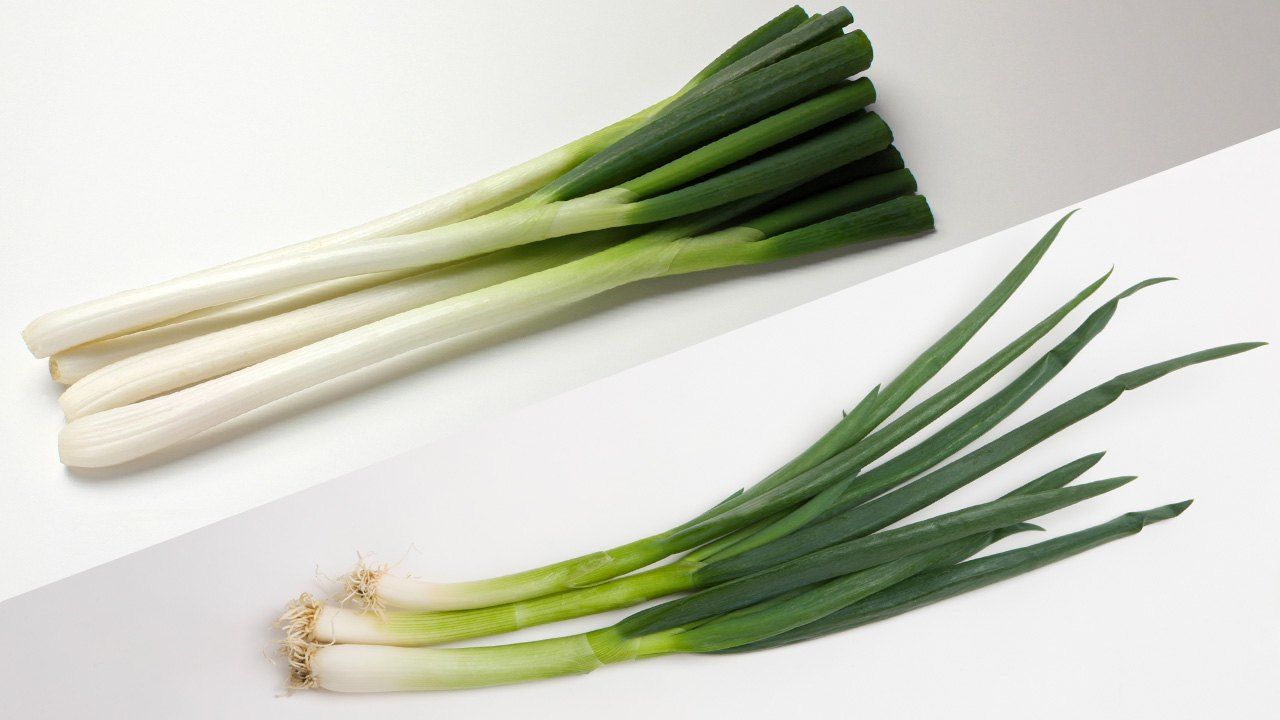
The main variety eaten in Kantō and eastern Japan is nebuka negi, which has an edible white stem. The green leaves, tough and fibrous, are often discarded. In Kansai and western Japan, meanwhile, the most commonly cultivated variety is ao negi or ha negi, with soft edible green leaves, similar to a scallion or spring onion, so the overwhelming majority of people in that region associate negi with the color green. Now that refrigerated shipping exists, both of these varieties are available across the country, but there remain significant differences in food culture surrounding negi, split between east and west.
There are also a number of specialty regional varieties, including the thick, short white-stemmed Shimonita negi (Gunma), the long, red-stemmed Hirata negi (Yamagata), the bright green-leaved Kujō negi (Kyoto), and the mildly pungent, subtly flavored Hakata bannō negi, all of which play their own role in local cuisines.
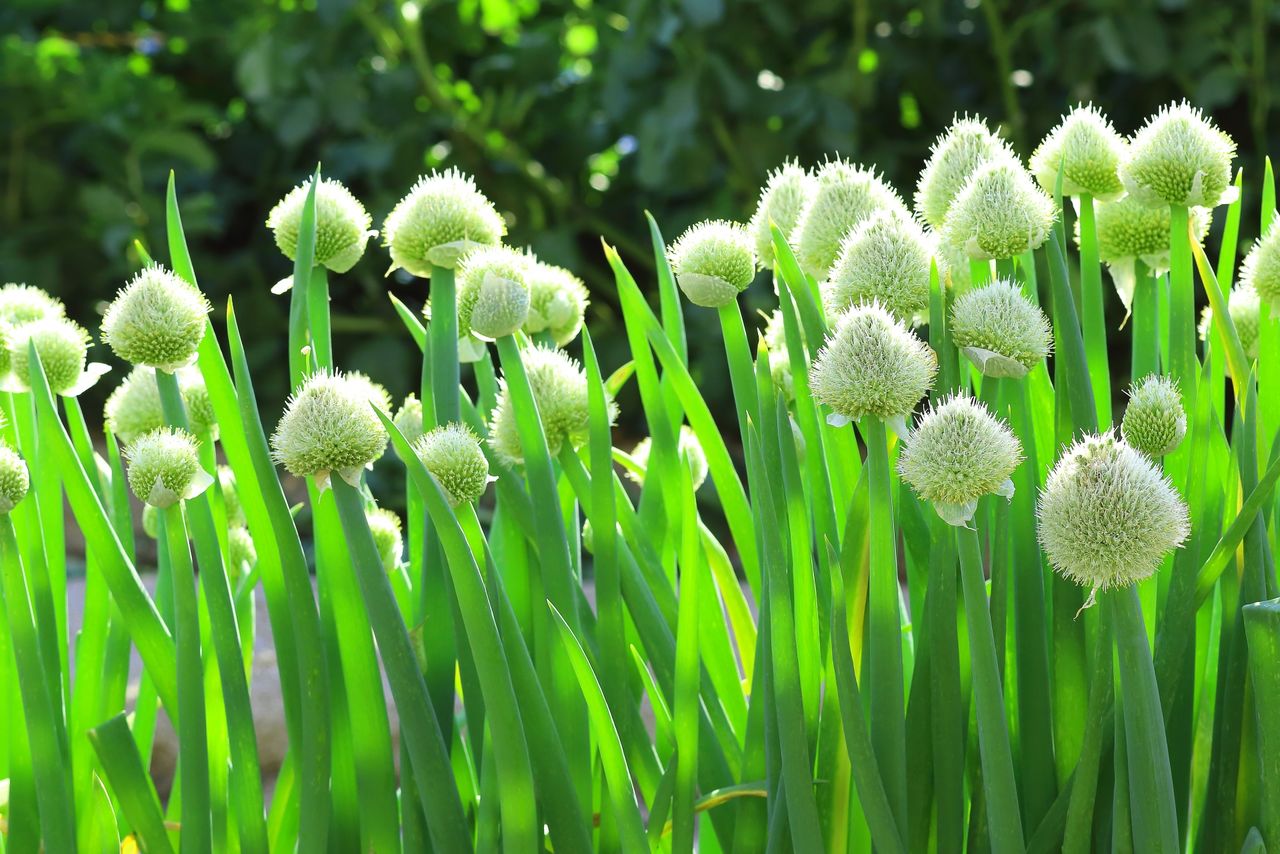
Negi, capped with flowering heads. (© PhotoAC)
(Originally published in Japanese. Banner photo: The long white-stemmed negi, prevalent in the east [© PhotoAC] and the long green-leaved negi, common in the west [© Pixta].)