Building Blocks: The Basic Ingredients Behind Japan’s Flavors
Kōya-Dōfu: A Traditional Preserved Food Bursting with Taste
Food and Drink Culture Lifestyle- English
- 日本語
- 简体字
- 繁體字
- Français
- Español
- العربية
- Русский
From the Freezing Cold of Mount Kōya
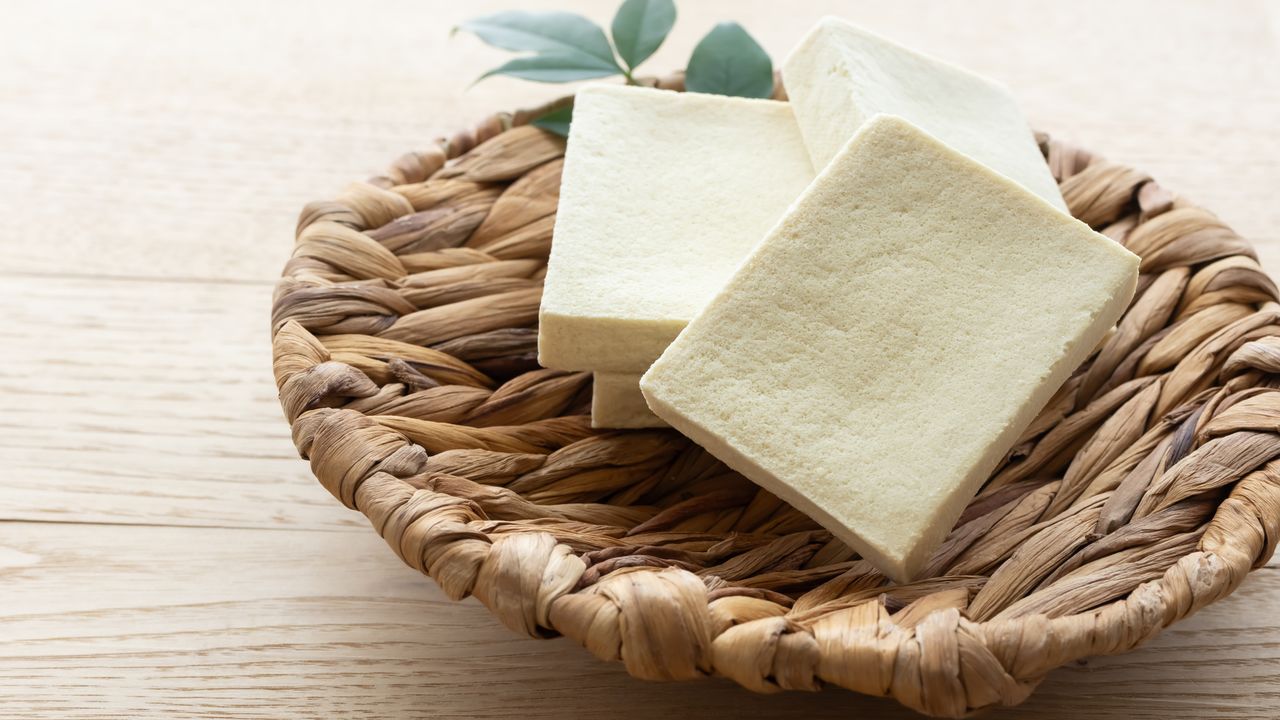
Kōya-dōfu is a traditional Japanese preserved food made by freezing and drying tōfu. In some regions, it is also called shimi-dōfu or kōri-dōfu, both names indicating that the tōfu has been frozen.
This food got its start around 800 years ago, during the Kamakura period (1185–1333), at a temple lodging on Mount Kōya, Wakayama Prefecture. The tōfu that had been prepared for meals froze due to the harsh nighttime temperatures. It would not do to waste it though, so the monks still cooked and ate it, leading to the discovery of a unique texture and flavor. It came to be named kōya-dōfu as it was highly valued by the monks on Mount Kōya and was often used in their shōjin ryōri Buddhist vegetarian cuisine.
Later, it became popular among the common people too and it was once tradition in cold regions such as Tōhoku and Shinshū to hang tōfu in winter from the eaves of buildings to freeze it.
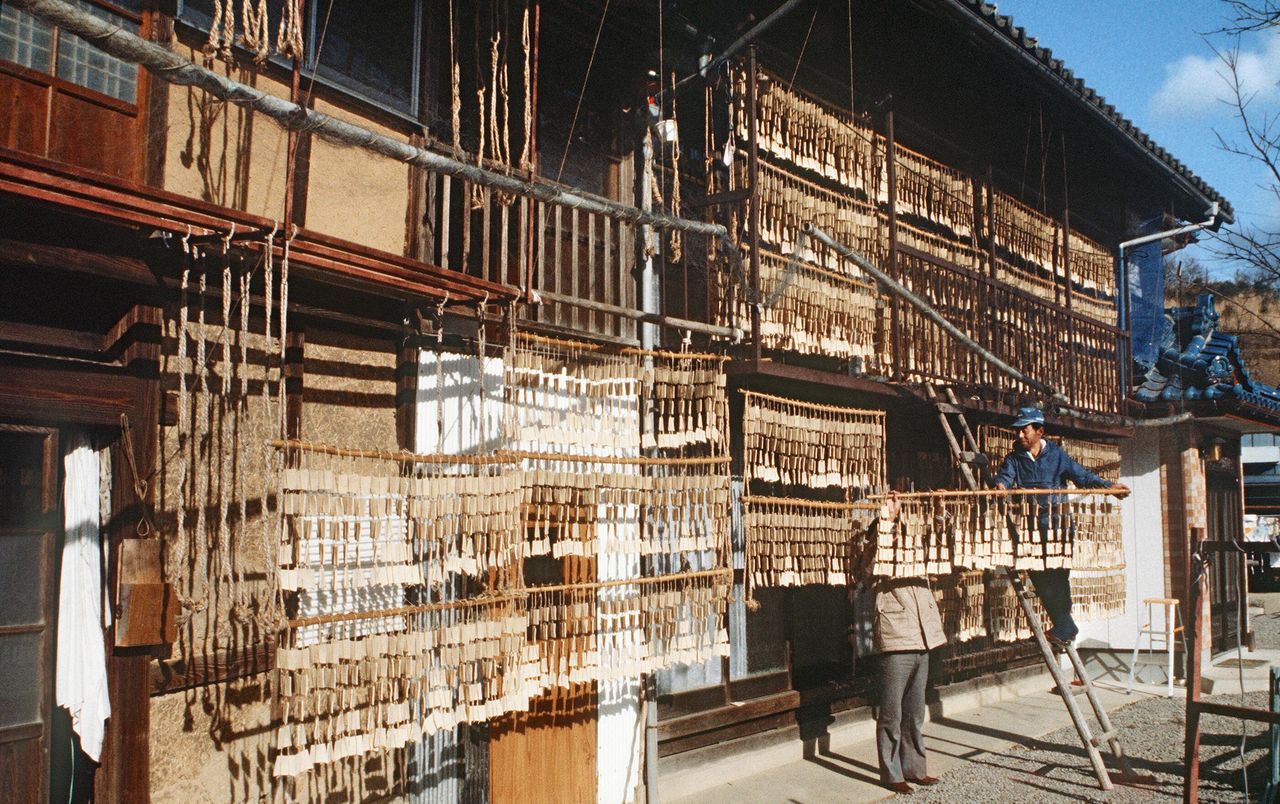
Making frozen tōfu in the city of Fukushima in December 1983. (© Jiji)
As kōya-dōfu retains all the properties of regular tōfu, it is rich in plant-based protein, calcium, iron, and dietary fiber. The freezing process makes kōya-dōfu highly absorbent like a sponge; letting it soak in plenty of dashi makes it a food that is both low in carbohydrates and calories, yet very filling. It is therefore gaining attention as a health food that can help prevent lifestyle-related diseases. It also makes a good emergency food supply, as it can be stored at room temperature.
Read on to see some of the ways kōya-dōfu makes it to the Japanese dining table.
Fukumeni
This dish, named after the Japanese cooking technique of slowly simmering and then soaking ingredients in ample amounts of dashi, lets the kōya-dōfu fully absorb the broth, so when you take a bite, you get a real burst of flavor.
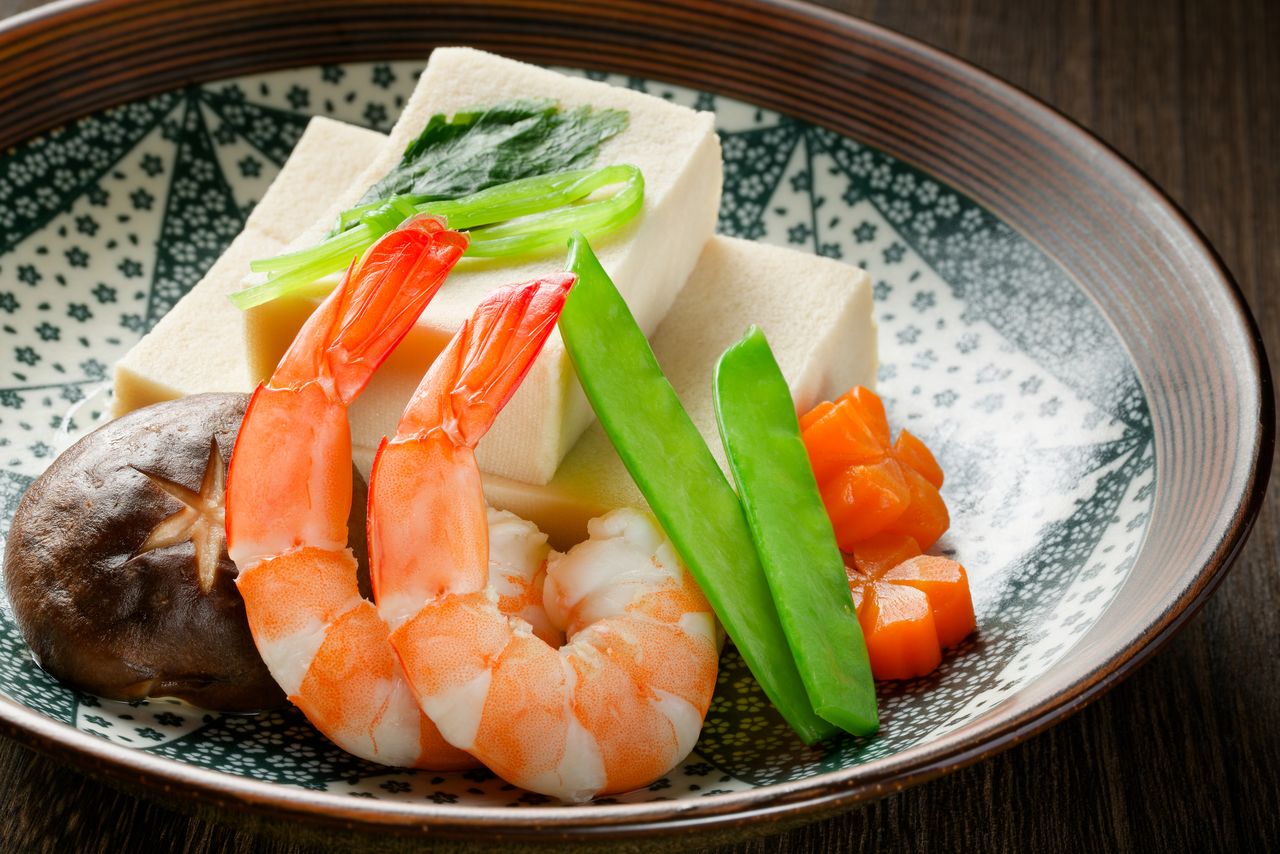
The fukumeni tōfu is served alongside other ingredients. (© Pixta)
Tamagotoji
Here, dashi-soaked kōya-dōfu is coated in egg and then cooked to bind everything together, resulting in a lavish yet healthy side dish that is high in protein and low in calories.
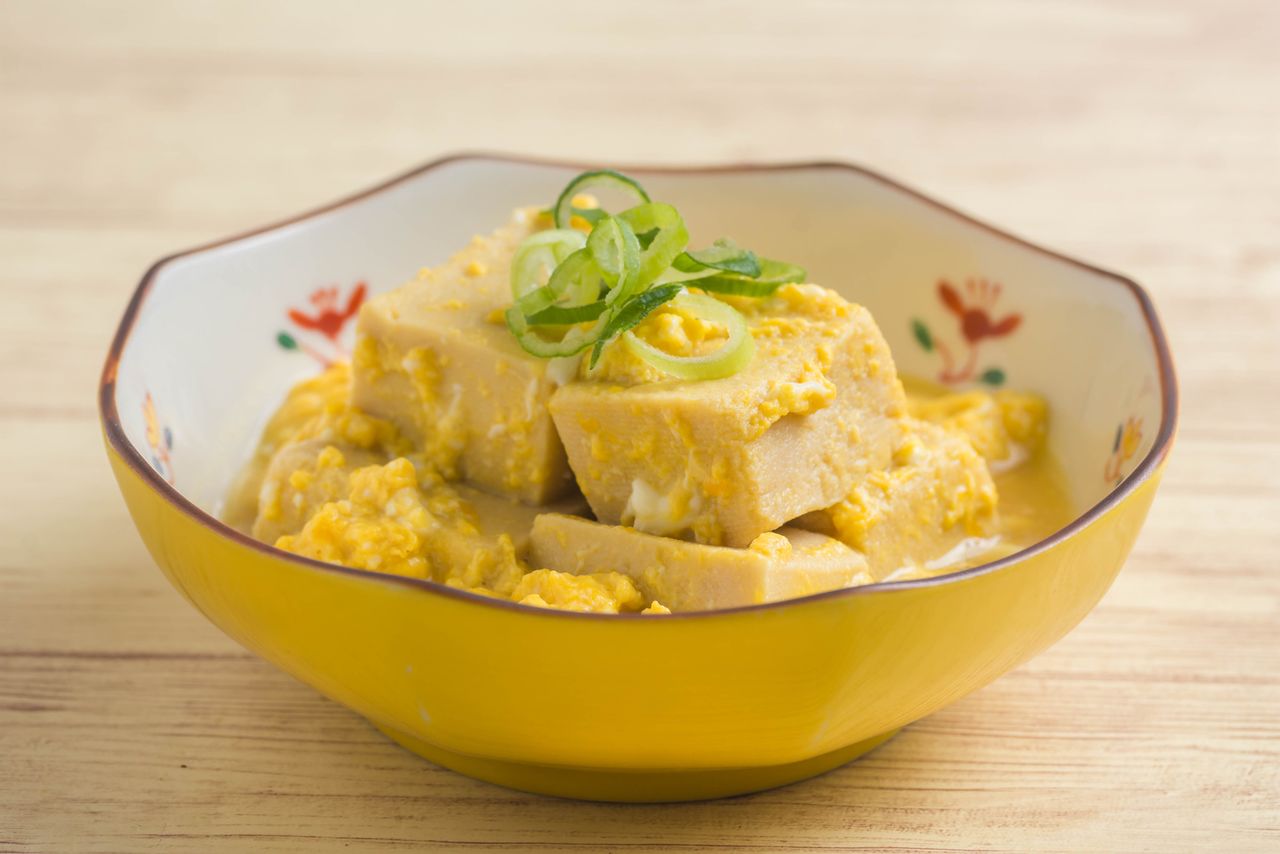
(© Pixta)
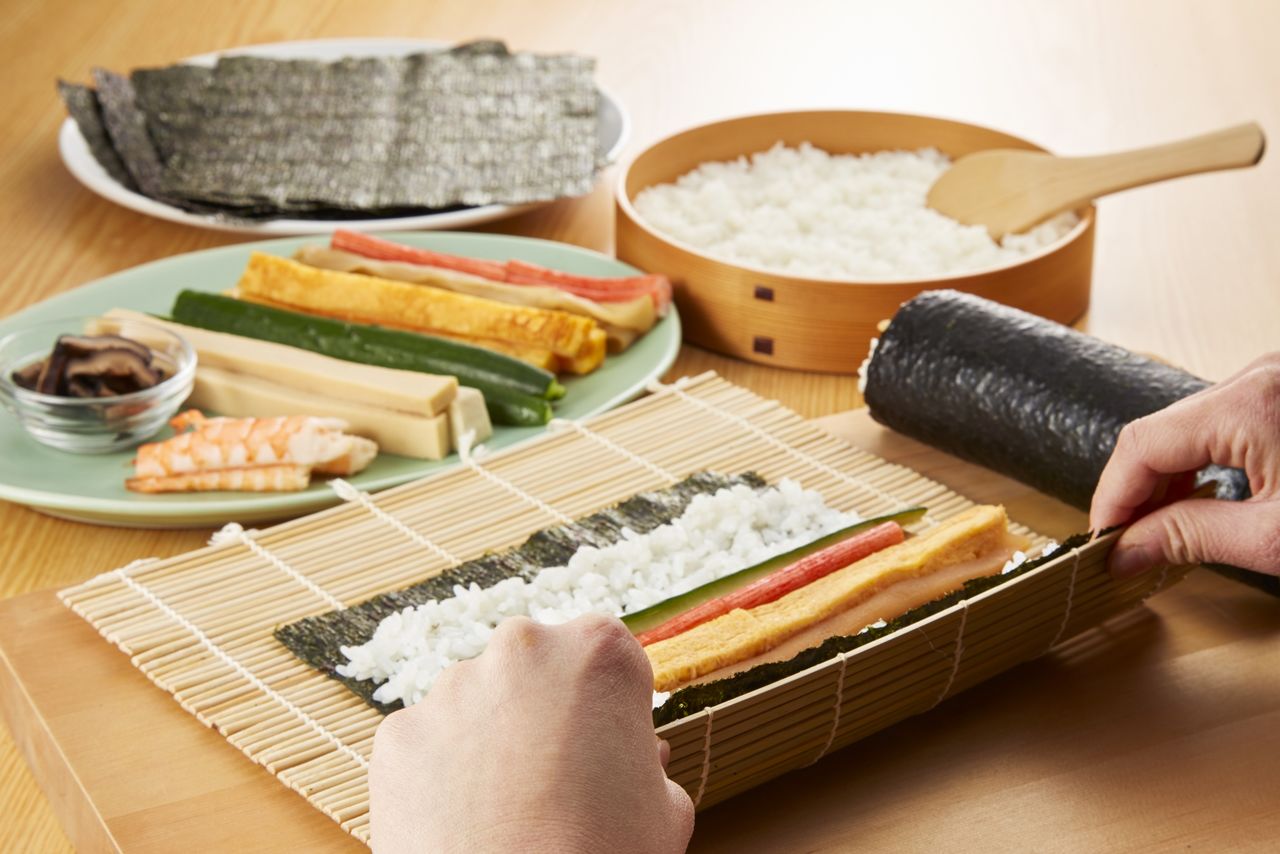
A Makizushi Filling
Futomaki, robust sushi rolls, are best enjoyed when stuffed full of ingredients, each with their own flavor and texture. In the Kansai region, kōya-dōfu simmered in dashi is one such classic filling.
(© PhotoAC)
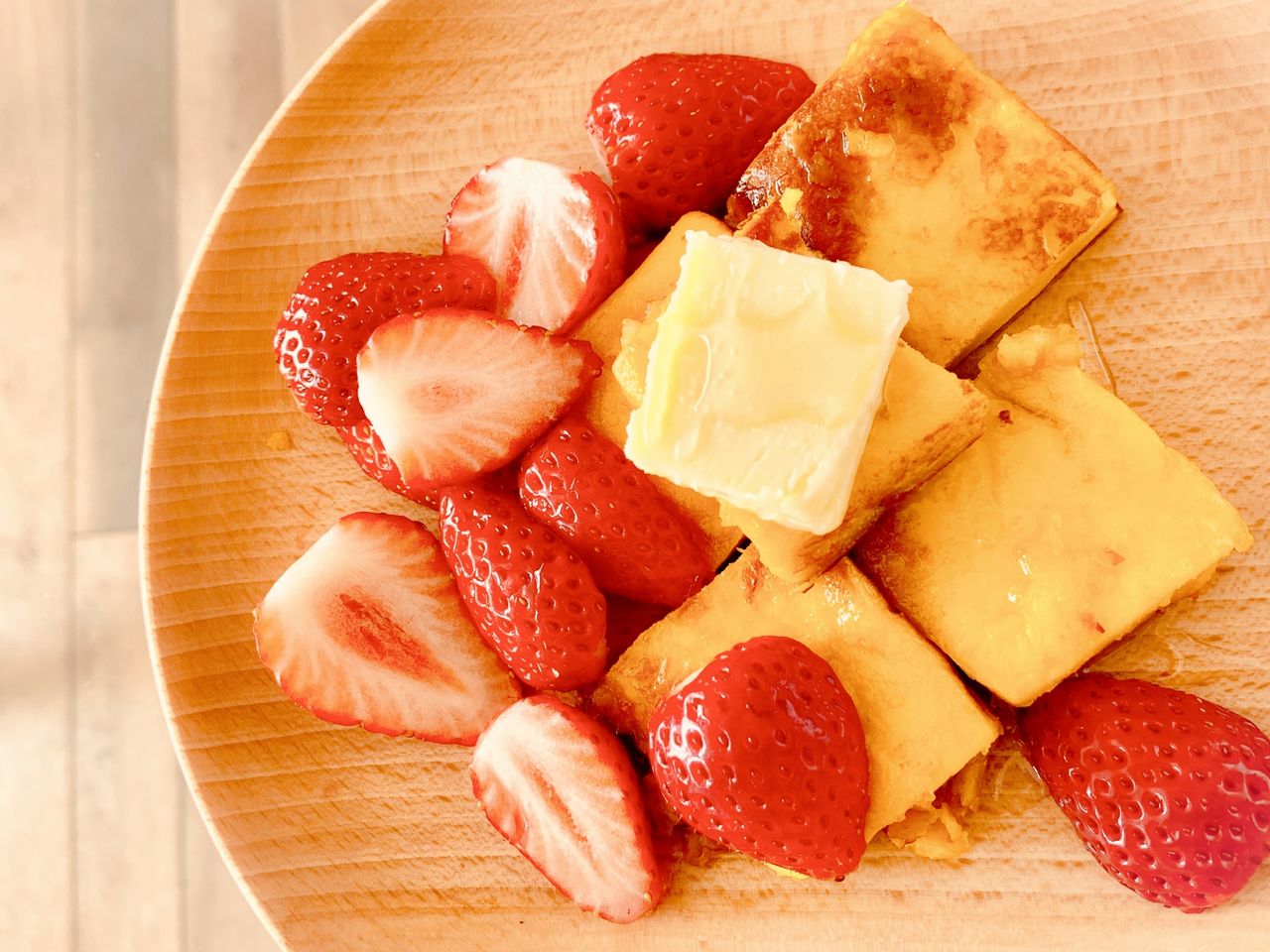
In the Style of French Toast
For this dish, kōya-dōfu is soaked in an egg-and-milk mix to reconstitute it and then fried in a pan, providing a gluten-free way to enjoy French toast.
(© PhotoAC)
(Originally published in Japanese. Banner photo © Pixta.)