Building Blocks: The Basic Ingredients Behind Japan’s Flavors
Iwashi: Japanese Sardines Packed Full of Flavor and Nutrition
Food and Drink Culture Lifestyle Guide to Japan- English
- 日本語
- 简体字
- 繁體字
- Français
- Español
- العربية
- Русский
A Fish for the Common People
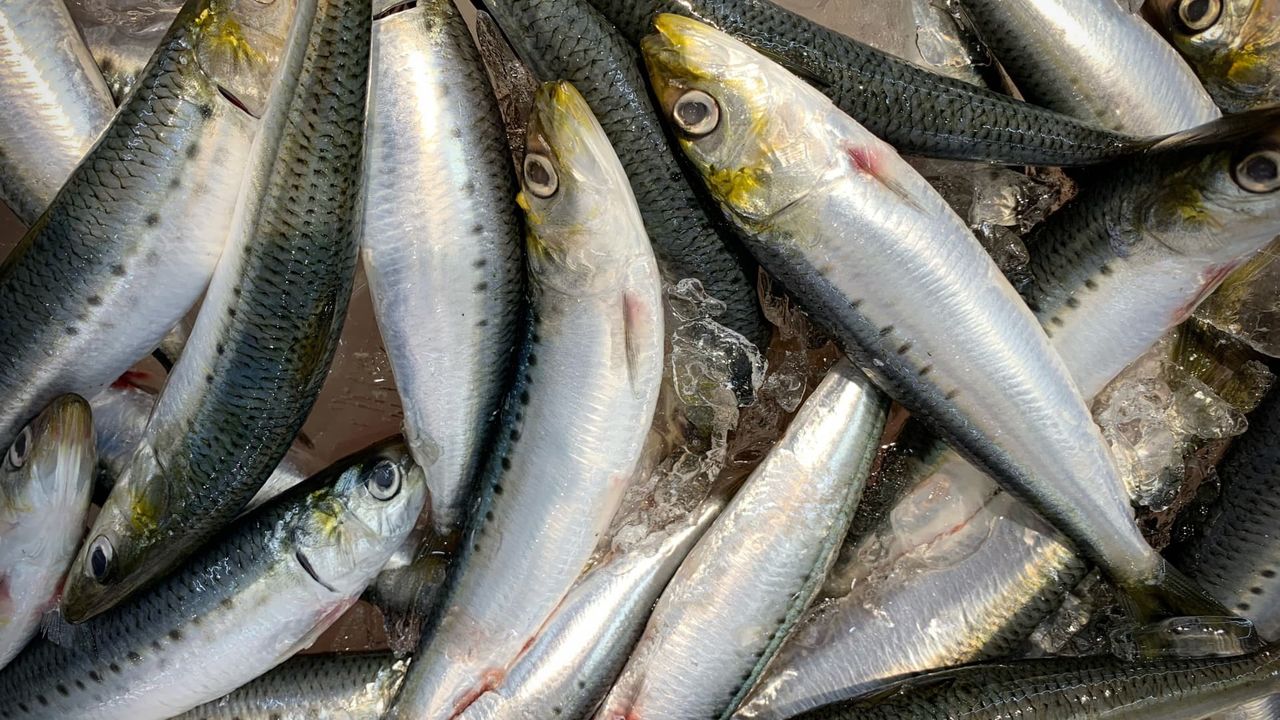
Iwashi, or sardines, are a type of oily fish belonging to the herring family. They are migratory and found swimming in large shoals along coastlines. They are distinct for their slender bodies and silver scales. Iwashi bones have been discovered in shell mounds dating from the prehistoric Jōmon period (ca. 10,000–300 BC), an indication that this fish has long been regarded as an important source of nutrition in Japan. It is one of the most common and familiar species of fish for Japanese people.
The Japanese name iwashi is said to come from the word 弱し (yowashi, meaning “weak”), due to the speed of its death after being removed from the water, by some accounts. Its Japanese kanji character (one that does not originate from China) is 鰯 (iwashi), formed through the combination of two radicals, 魚 (sakana, “fish”) and 弱 (yowa, “weak”).
Iwashi are highly nutritional, being rich in unsaturated fats like DHA and EPA, which help thin the blood, as well as calcium and vitamin D.
Three main species are available in Japan.
Ma-Iwashi (Japanese Pilchard)
This species is characteristic for having a blue back and rows of black spots along its sides. As it is migratory, the season for catching it varies by region, meaning it is available all year round. The peak season though is usually from around June to October. The ma-iwashi caught during the rainy season is especially delicious, boasting a buttery fatness, and is known as nyūbai (“rainy season”) iwashi.
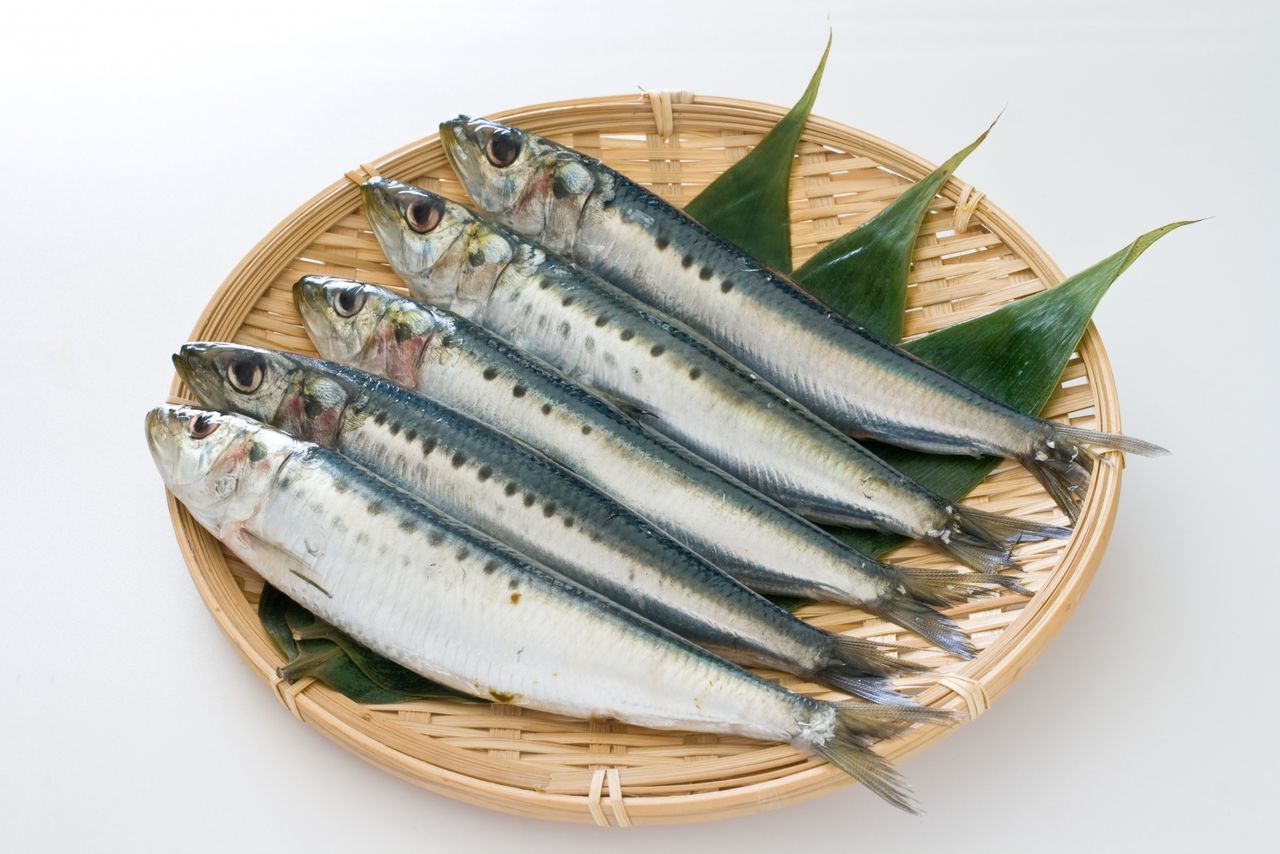
(© PhotoAC)
Urume-Iwashi (Round Herring)
As suggested by its name, urume (“watery eyes”), this species has large, glistening eyes. It is in season from autumn through winter. Rather than being sold fresh, urume-iwashi is processed to make dried fish, either whole or as mezashi (literally “eye-pierced”), where small whole iwashi are pinned together with a bamboo skewer through the eye sockets and dried.
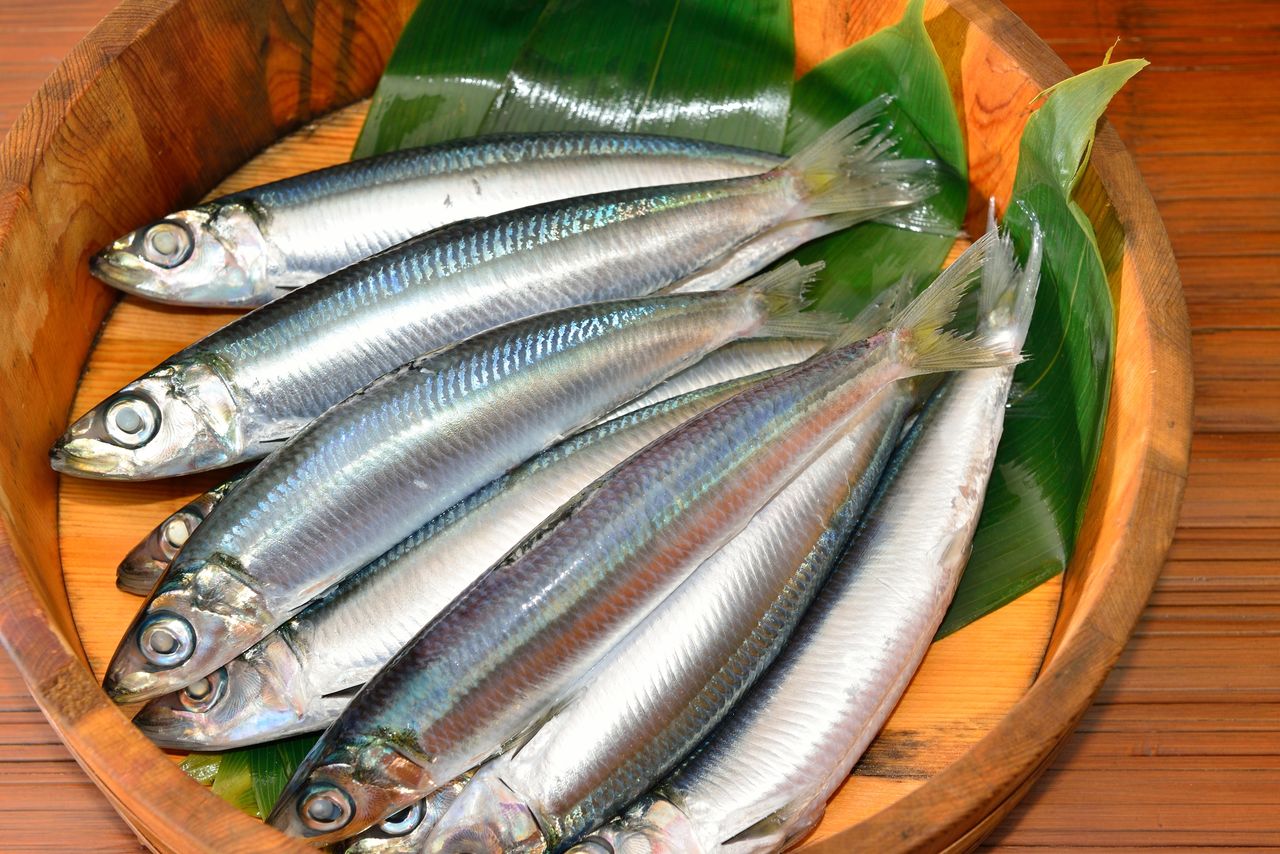
(© Pixta)
Katakuchi-Iwashi (Japanese Anchovy)
Katakuchi (literally “single-mouthed”) iwashi gets its name from having a smaller lower jaw, which creates the illusion of its mouth only being open on one side. When simmered in salt water (often seawater) and then dried, they become niboshi, which, along with konbu and katsuobushi, are a standard ingredient for making dashi stock. One particularly popular type of these dried anchovies is Ibuki iriko, produced on the Kagawa Prefecture island Ibukijima in the Seto Inland Sea. They create a richly flavored dashi with a real punch, so is used in a delicious and widely loved ramen soup too.
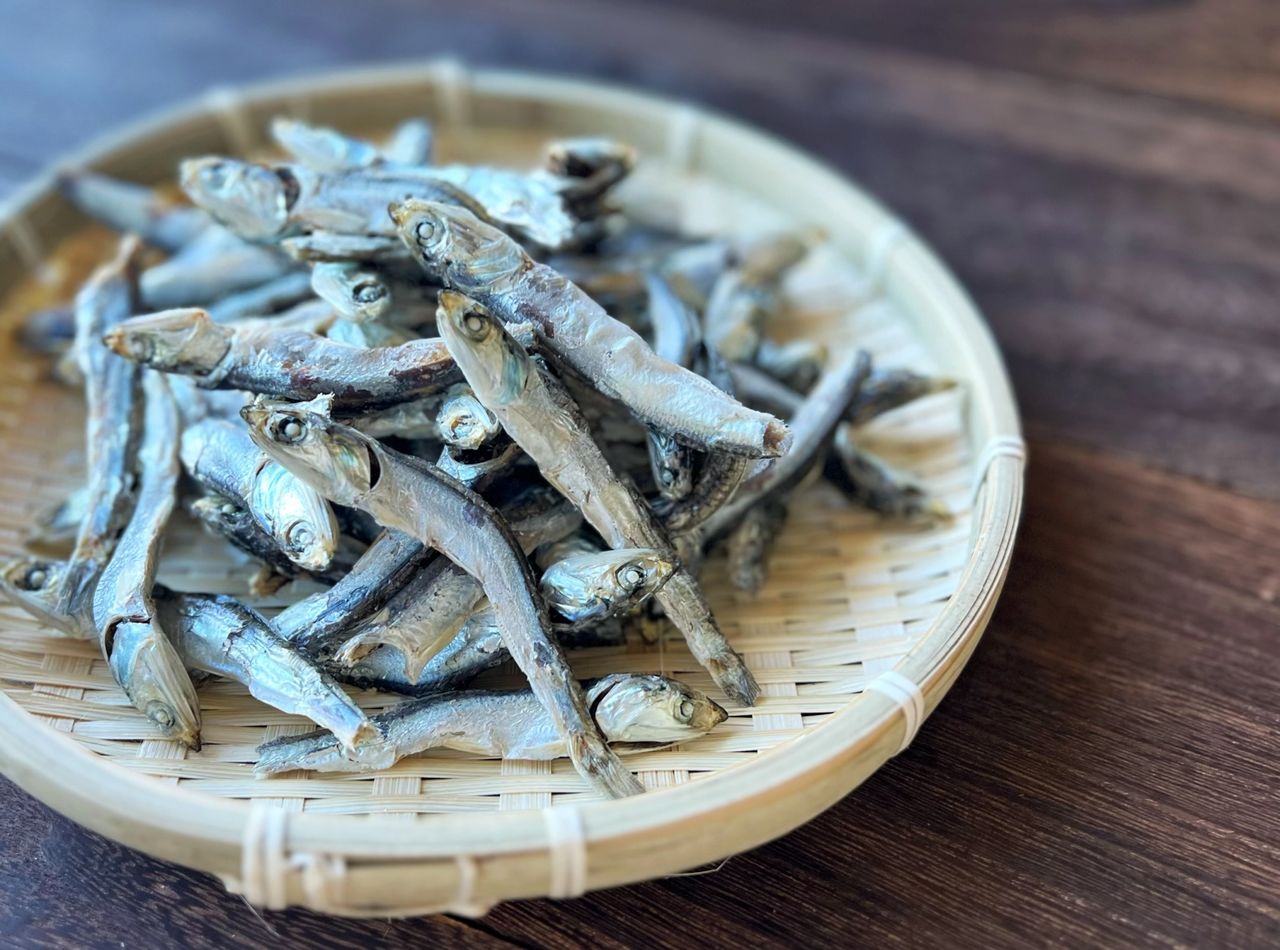
(© PhotoAC)
During the Edo period (1603–1868), when techniques for refrigeration and refrigerated transport were still very limited, the iwashi were often salted, dried, or boiled to make it possible to distribute them. Along with being consumed by humans, the iwashi were also dried and ground into powder to make hoshika, a fertilizer for use in fields. Thus this fish also contributed toward increased agricultural productivity.
In Western Japan, there is a custom during Setsubun to place grilled sardine heads skewered on sprigs of holly at the entrance of homes. It is believed that the spiky leaves of the holly and pungent smell of the iwashi ward off bad luck (represented by oni (demon-like creatures) and people also pray to remain in good health for the whole year.
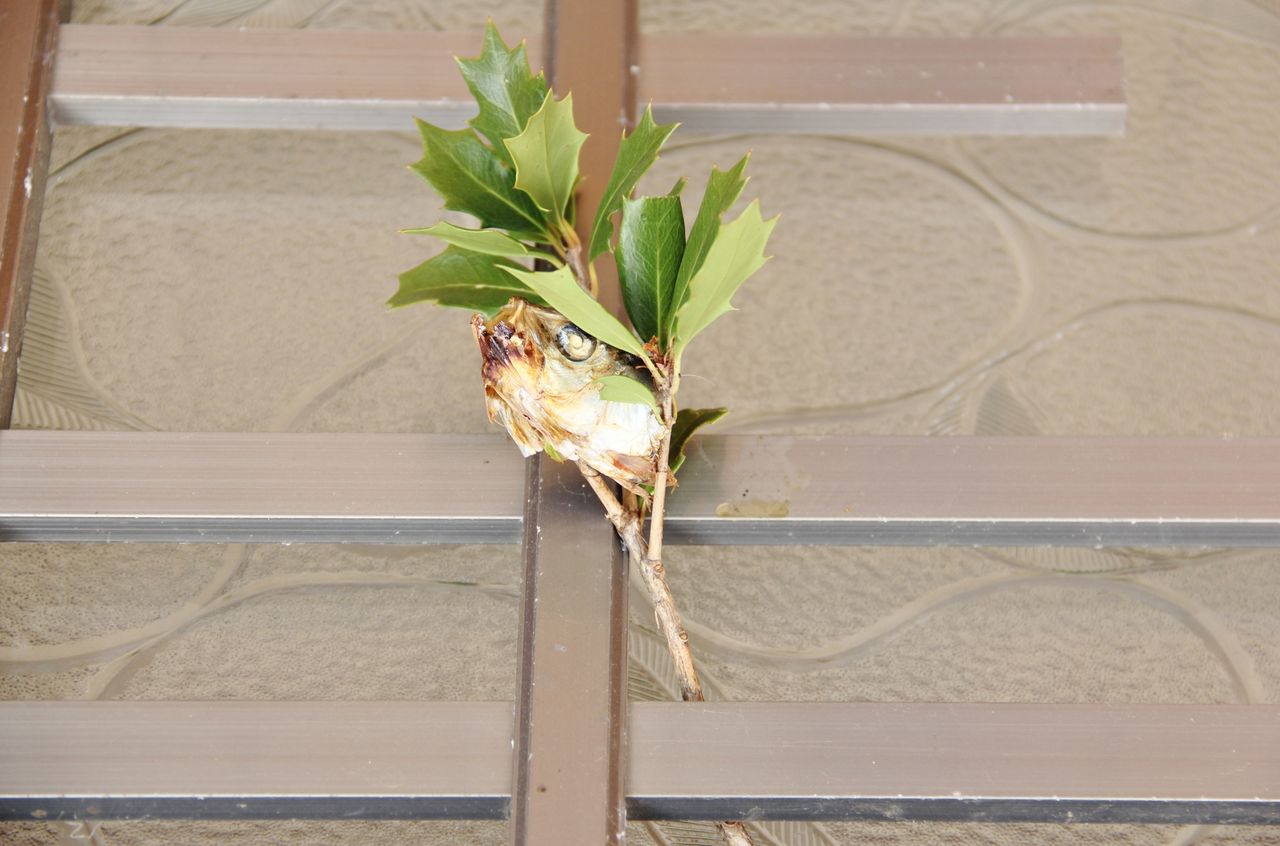
(© Pixta)
(Originally published in Japanese. Banner photo © Pixta.)