Building Blocks: The Basic Ingredients Behind Japan’s Flavors
Nukazuke: Delicious Tangy Pickles, Good and Good For You
Food and Drink Culture Lifestyle- English
- 日本語
- 简体字
- 繁體字
- Français
- Español
- العربية
- Русский
Putting the Vegetables to Bed
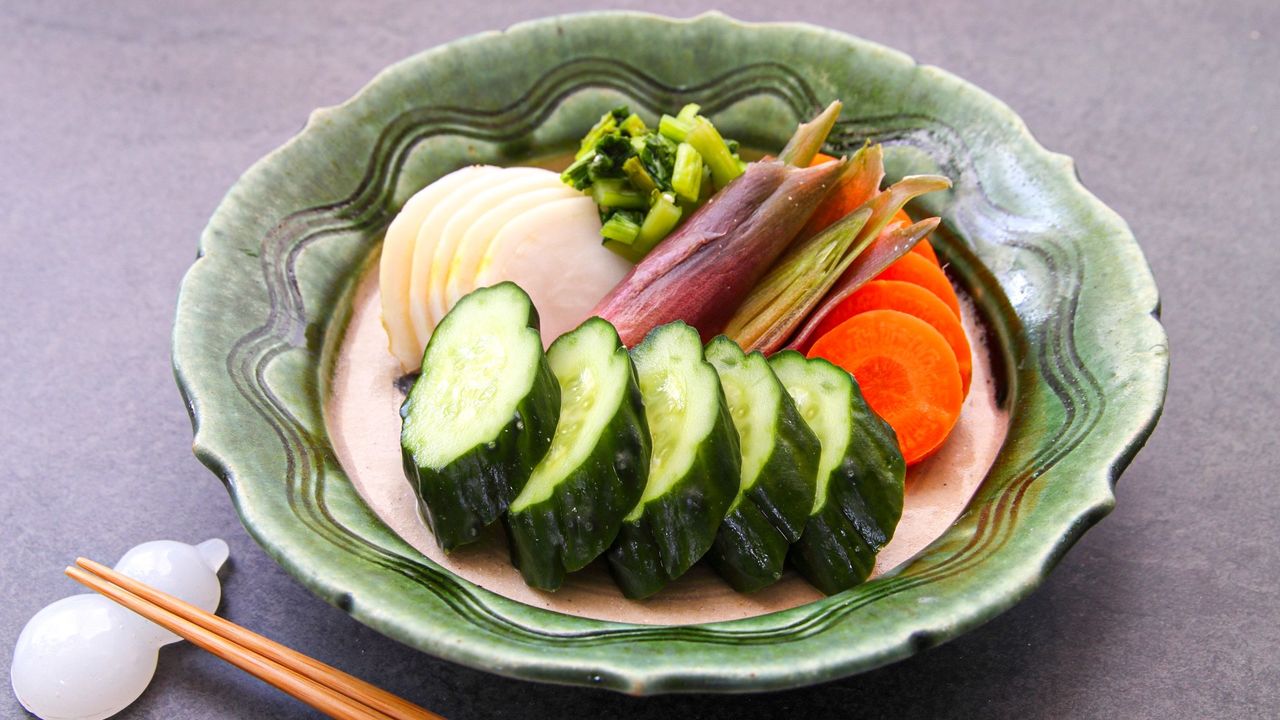
Nukazuke are a type of traditional Japanese pickle, made by placing raw vegetables in a nukadoko, a bed of nuka (rice bran, a byproduct of polishing rice) mixed with salt and water to create a paste, and then leaving them to ferment. These pickles became widely available during the Edo period (1603–1868), due to advances in rice milling technology and a rise in white rice consumption in urban areas. It is said the habit of eating nukazuke spread across Japan as a way to use up the large amounts of nuka being produced. Indeed, at one point in the past, the standard basic diet for common people was said to be rice, miso soup, and nukazuke.
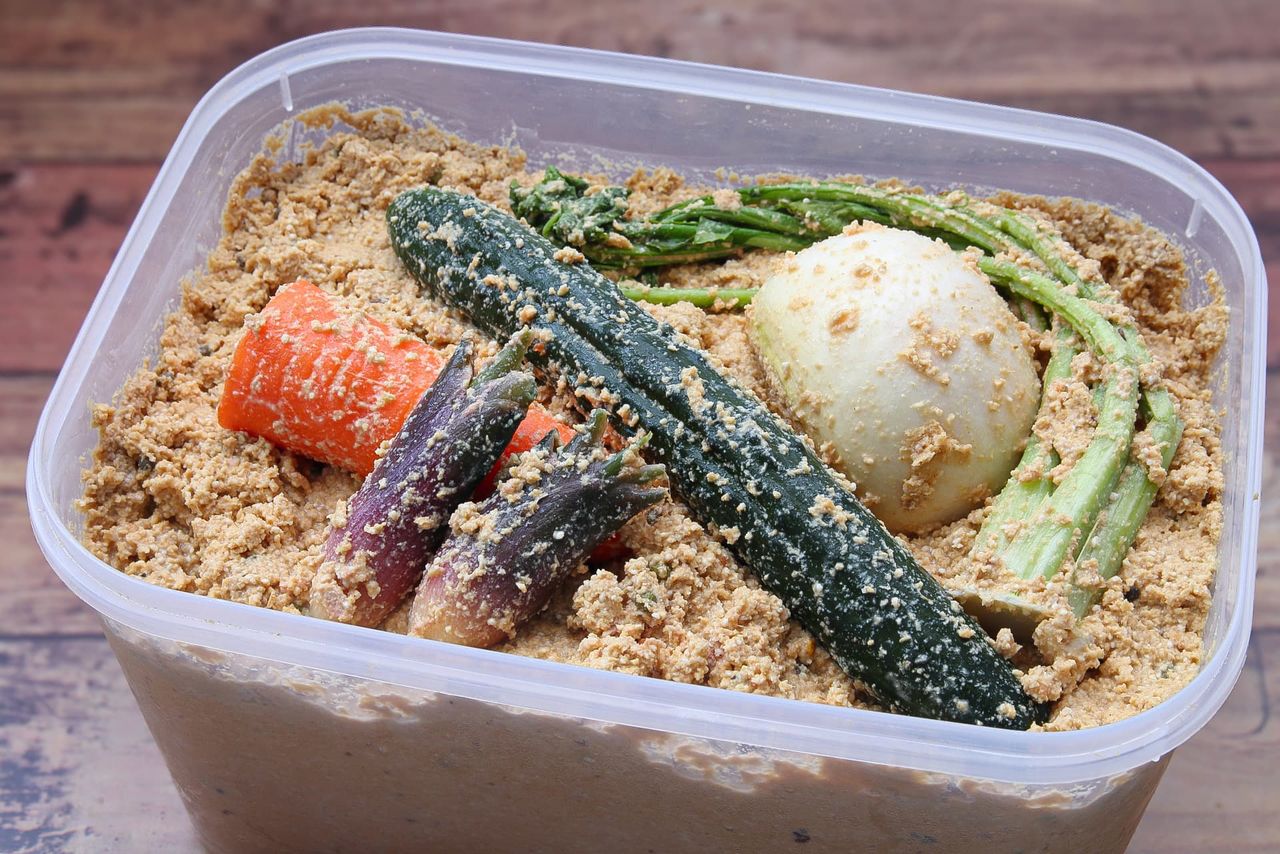
(© PhotoAC)
The nukadoko is rich in nutrients like vitamin B1 and potassium, and these are absorbed by the vegetables as they ferment, increasing their nutritional value. Nukazuke is also becoming well known as an excellent food for improving gut health. Eating these pickles helps to regulate gut flora as they contain more than 10 types of beneficial bacteria, including lactic acid bacteria, butyric acid bacteria, and yeast.
Every region, and sometimes even household, has its own specially adapted nukadoko, with extra ingredients like konbu, tōgarashi chilis (a typical version being a shichimi seven-spice mix), sanshō, yuzu peel, or apple peel added to enhance the flavor. The homemade nukazuke pickles made using a nukadoko that has been cultivated over generations has a truly unique flavor.
It is relatively easy for anyone to make nukazuke, but there are a few points to keep in mind. The first is that the nukadoko needs to be stirred every day in order to incorporate air into the paste. This creates the perfect environment for the microorganisms needed to make a delicious nukadoko.
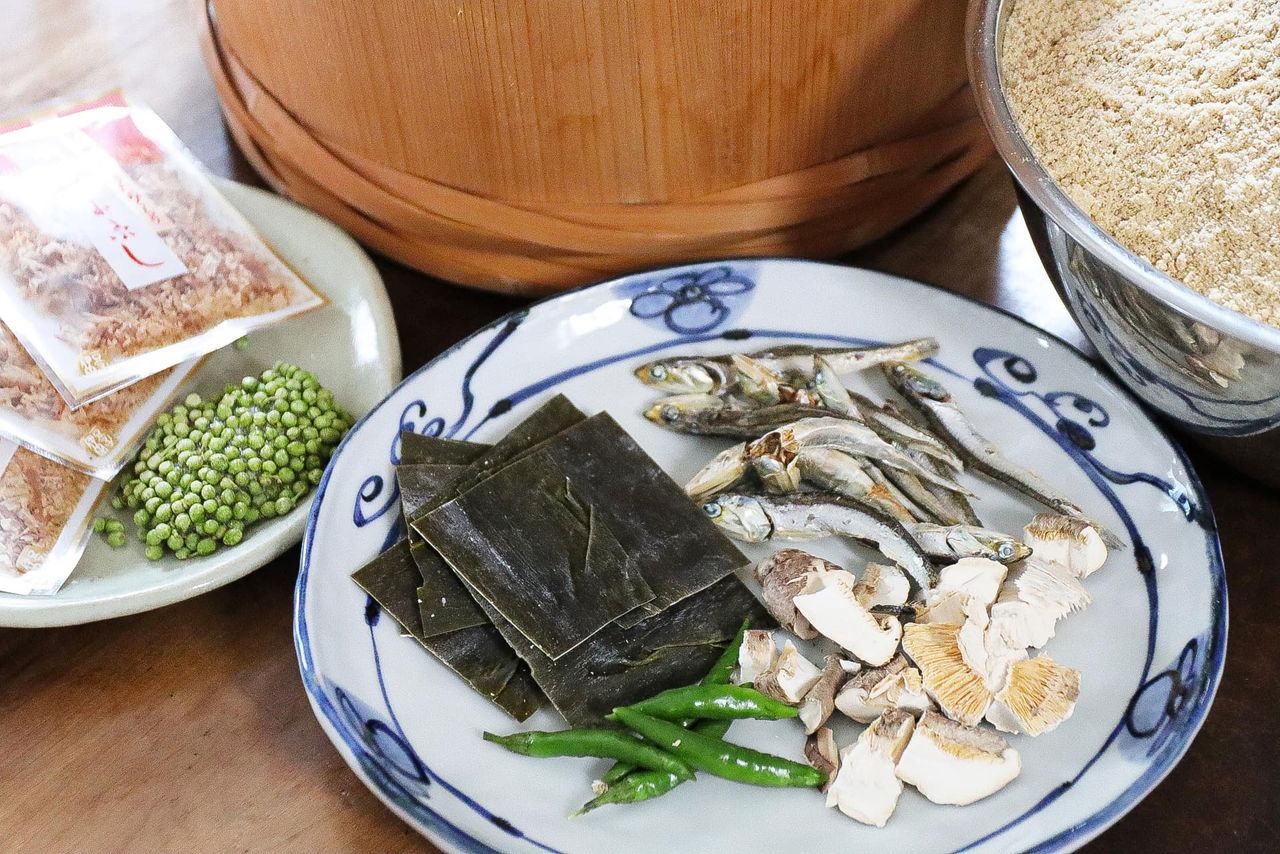
Some of the ingredients that can be added to the nukadoko (rice bran paste) to create a unique flavor (© PhotoAC)
There are many regional variations. The nukazuke pickles made in the Kantō area have a refreshingly salty and tangy taste, while in Kansai, people tend to prefer a rich yet milder flavor, created by adding konbu or dried shiitake mushrooms to the nukadoko paste. Meanwhile, in some areas of Kyūshū, it is common to add generous amounts of tōgarashi to the nukadoko, giving it a deep and distinctive fermented taste.
Traditionally, it was cucumber, daikon, eggplant, and carrot that were pickled, but in recent years, the range has expanded to include boiled eggs, cheese, bell peppers, cherry tomatoes, and okra.
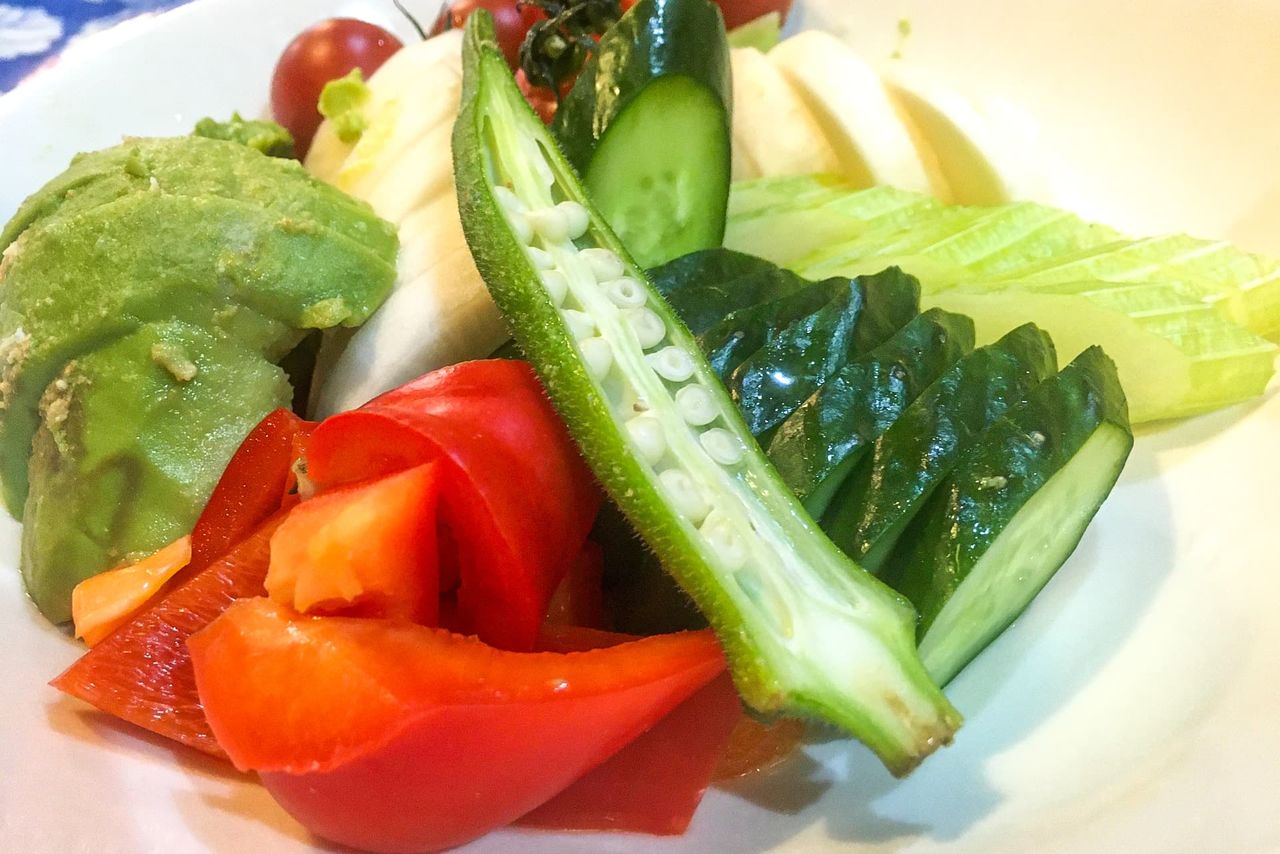
(© PhotoAC)
In Ishikawa Prefecture, there is a particular delicacy prized by sake lovers called fugu no ko nukazuke. It is made using the ovaries of the highly poisonous fugu (pufferfish), which are pickled in the nukadoko for several years to detoxify them and make them edible. Fukui Prefecture also boasts a famous nukazuke called heshiko, which is salted saba (mackerel) that has been fermented in the nukadoko over a long period. It has a distinct umami flavor and aroma, and is often served either in chazuke, a light meal of green tea poured over rice and pickles, or as a snack with sake. Up in Hokkaidō and Tōhoku, the cooler temperatures mean that the fermentation process takes longer, so slightly more salt is added to the nukadoko paste to ensure that the ingredients stay well preserved.
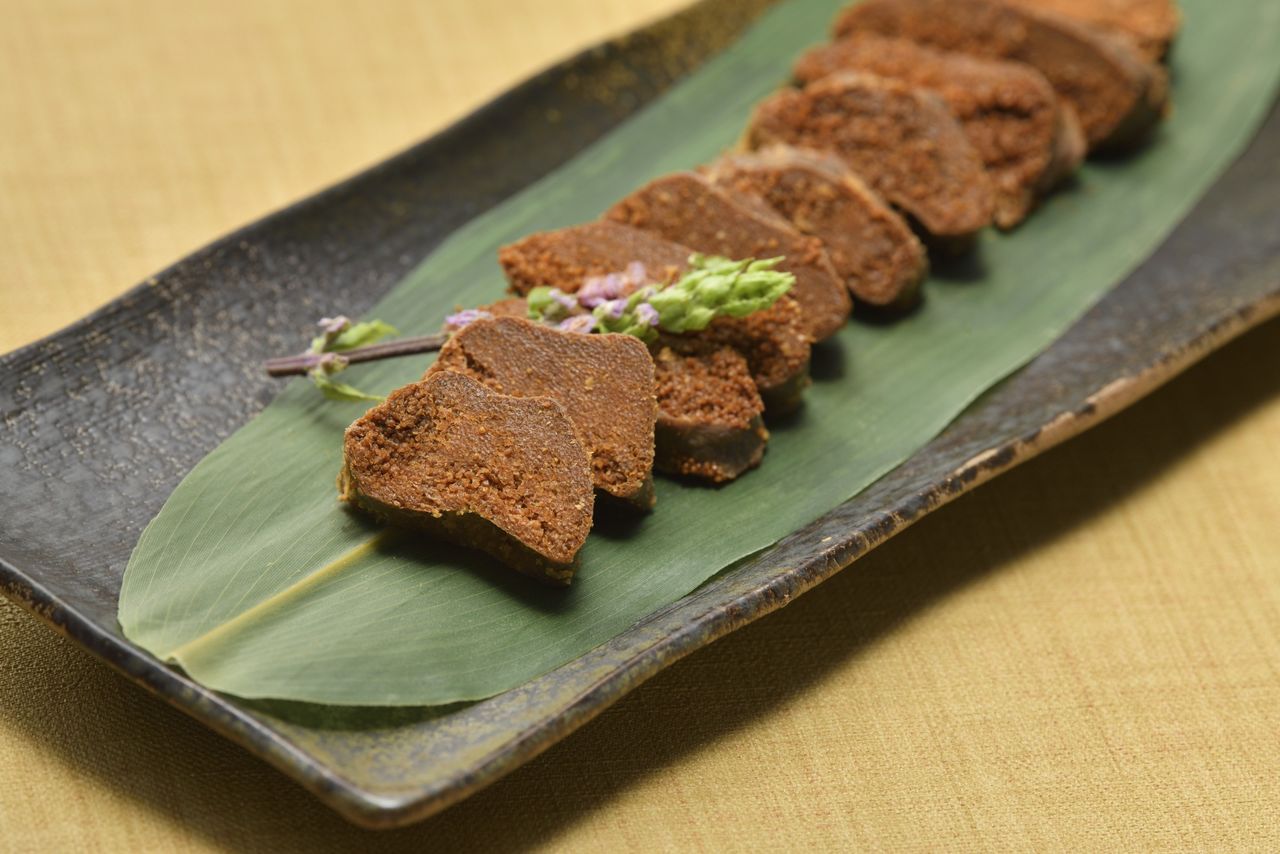
Fugu no ko nukazuke, pickled pufferfish ovaries. (Courtesy Ishikawa Prefectural Tourism League)
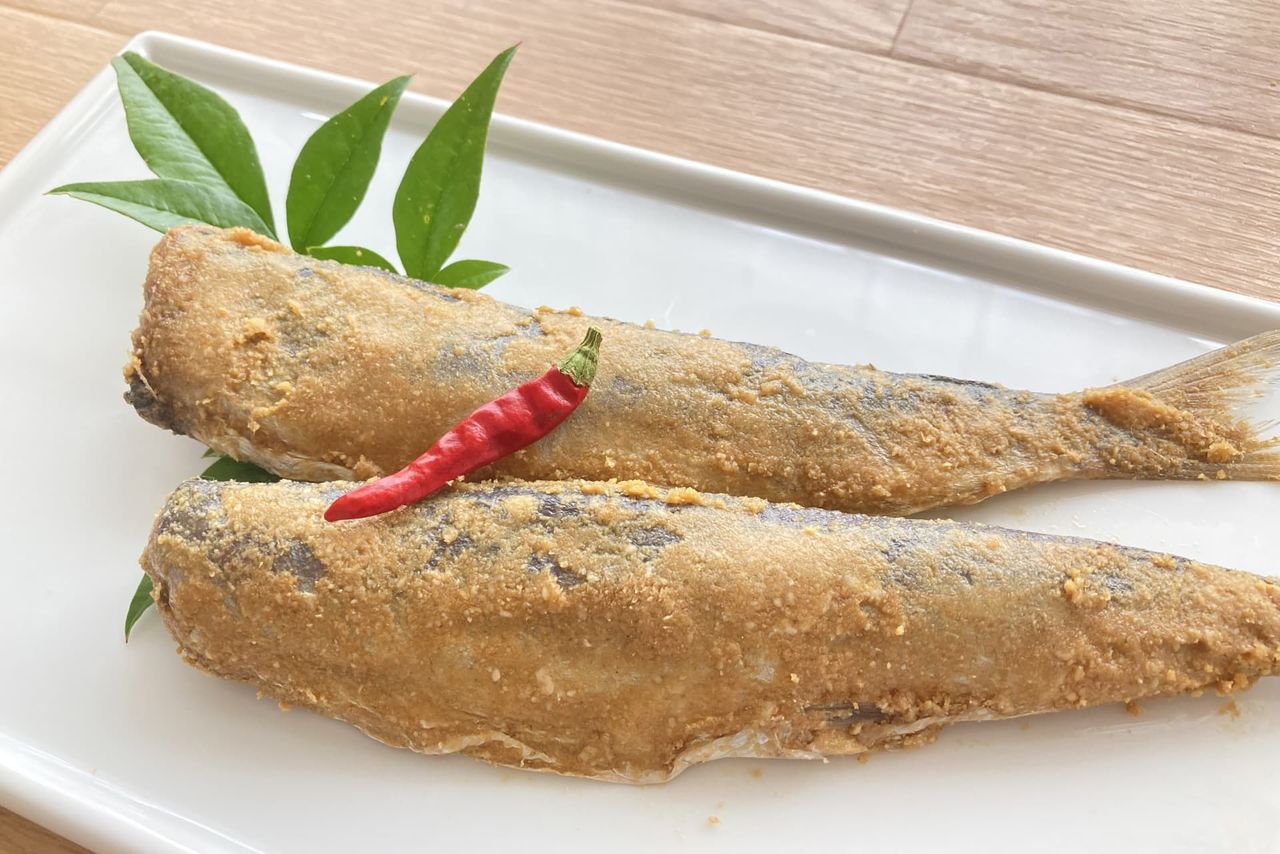
Heshiko, pickled salted mackerel. (© PhotoAC)
(Originally published in Japanese. Text by Ecraft. Banner photo: A selection of nukazuke pickles. © PhotoAC.)