Building Blocks: The Basic Ingredients Behind Japan’s Flavors
Maitake: Mushrooms with an Aroma and Texture to Make You Dance
Guide to Japan Food and Drink Lifestyle- English
- 日本語
- 简体字
- 繁體字
- Français
- Español
- العربية
- Русский
Production Centers Bring Maitake to the Table
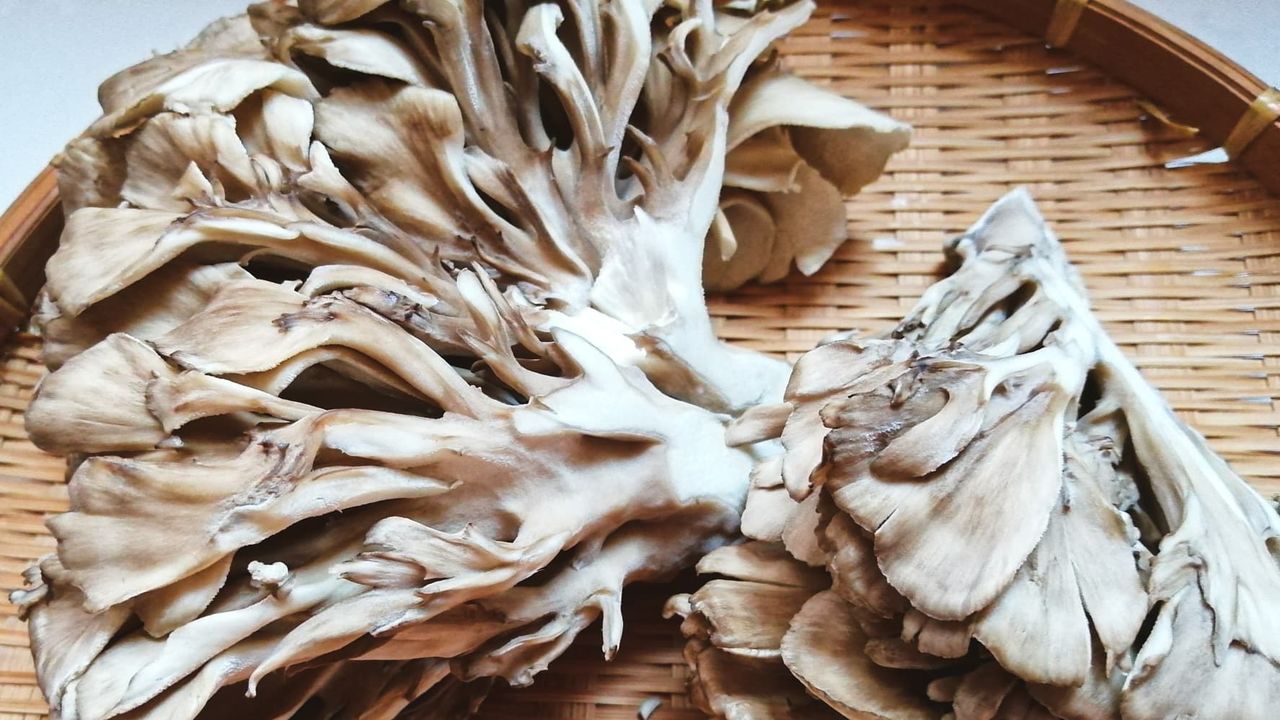
Maitake (Grifola frondosa, also known in English as hen-of-the-woods) grows at the bases of old broad-leaved trees such as beeches, chestnuts, and cherries. Wild maitake is extremely rare and due to its exquisite aroma and rich flavor, it is said that in the Edo period (1603–1868) people who presented them to feudal lords were rewarded with an equal weight in silver coins.
Maitake, written as 舞茸 in Japanese, literally means “dancing mushroom,” and there are various theories as to how it became so named—including that people who found it would dance for joy, that it resembled a fluttering butterfly, or that its frilly appearance is similar to the hem of a dancer’s kimono.
During the 1970s, steps were made in researching ways to cultivate maitake on a larger scale using logs and sawdust substrate. In the 1980s, a much larger step forward was taken when indoor cultivation techniques were developed so that temperature, humidity, and carbon dioxide levels could be strictly controlled. This led to new, far more productive methods being adopted across Japan.
Now the majority of maitake available in the market has been cultivated in these production centers. Unaffected by weather conditions, the product can be purchased at reasonable prices throughout the year, even at times when vegetables jump up in price. Maitake are easy to prepare, too, as instead of using a knife, you can just tear off small clusters with your hands for use.
Here are a few richly aromatic dishes featuring maitake mushrooms, many of which make full use of their ability to beautifully absorb savory flavors.
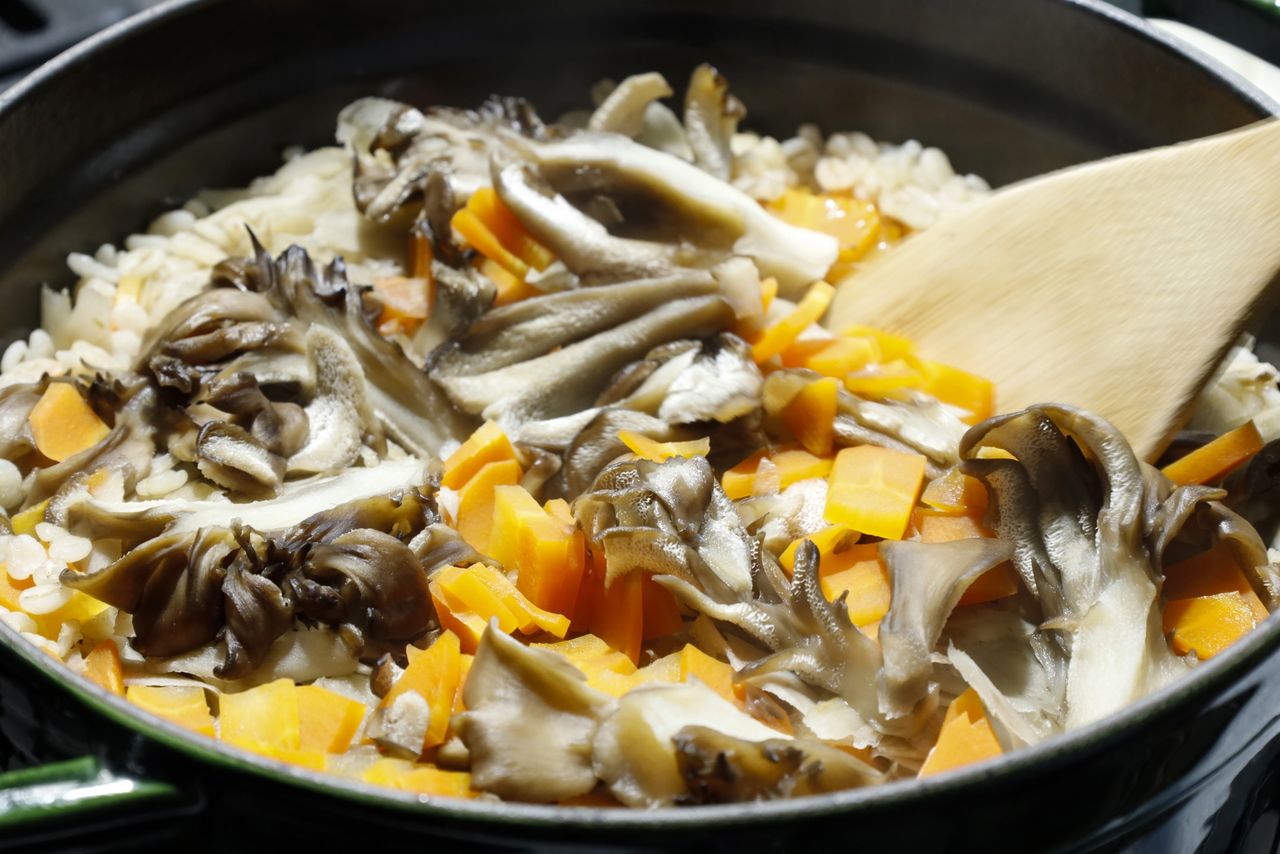
Takikomi-gohan
The lovely aroma and dense texture of maitake make it an excellent addition to this mixed-rice dish. Combine it with chicken to make it part of a satisfyingly filling meal.
(© Photo AC)
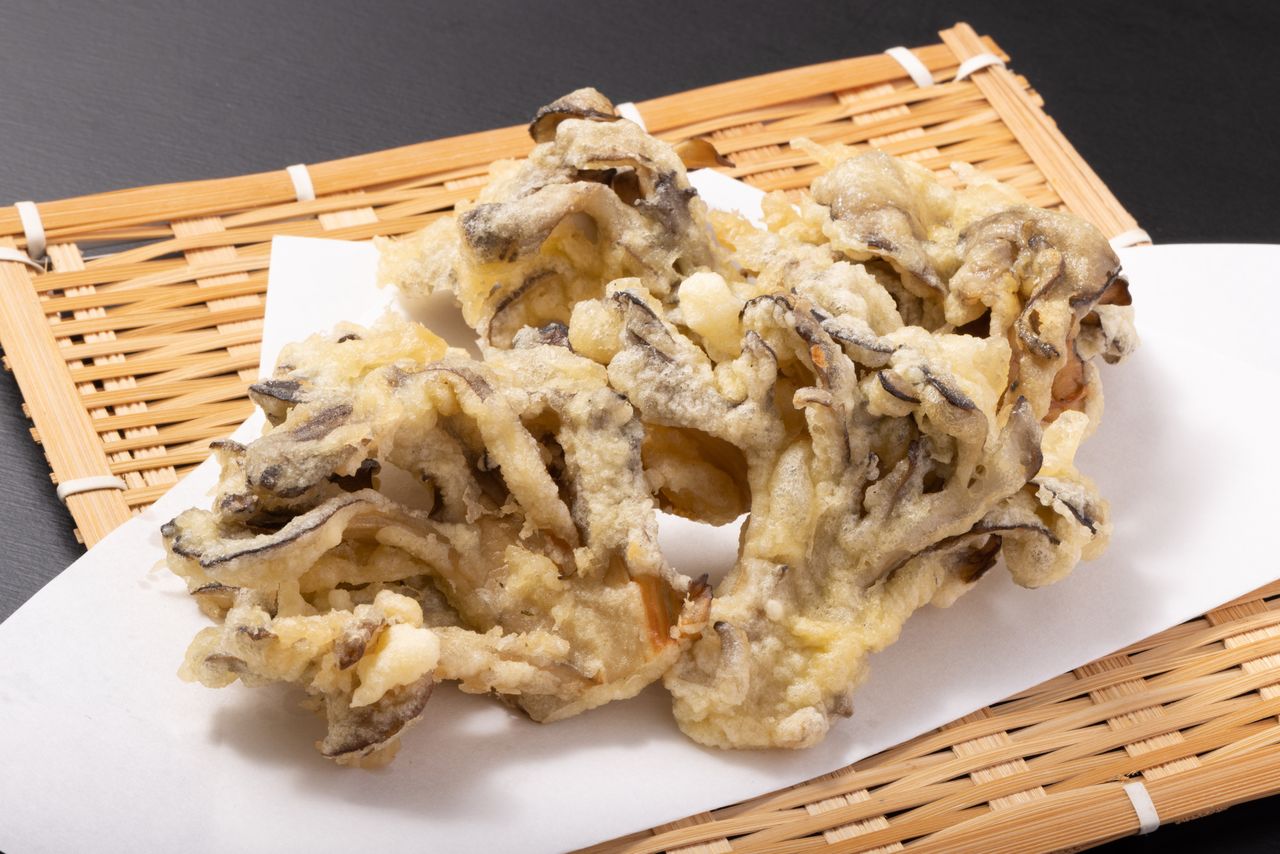
Tempura
Here, the crispy tempura batter seals in the rich umami and aroma, so when you take that first bite, you get the full impact of the maitake. This way of preparing also means a myriad of textures can be enjoyed, from crunchy frills to firm base. Delicious simply sprinkled with salt, it is also a very popular topping for soba and udon noodle dishes.
(© Pixta)
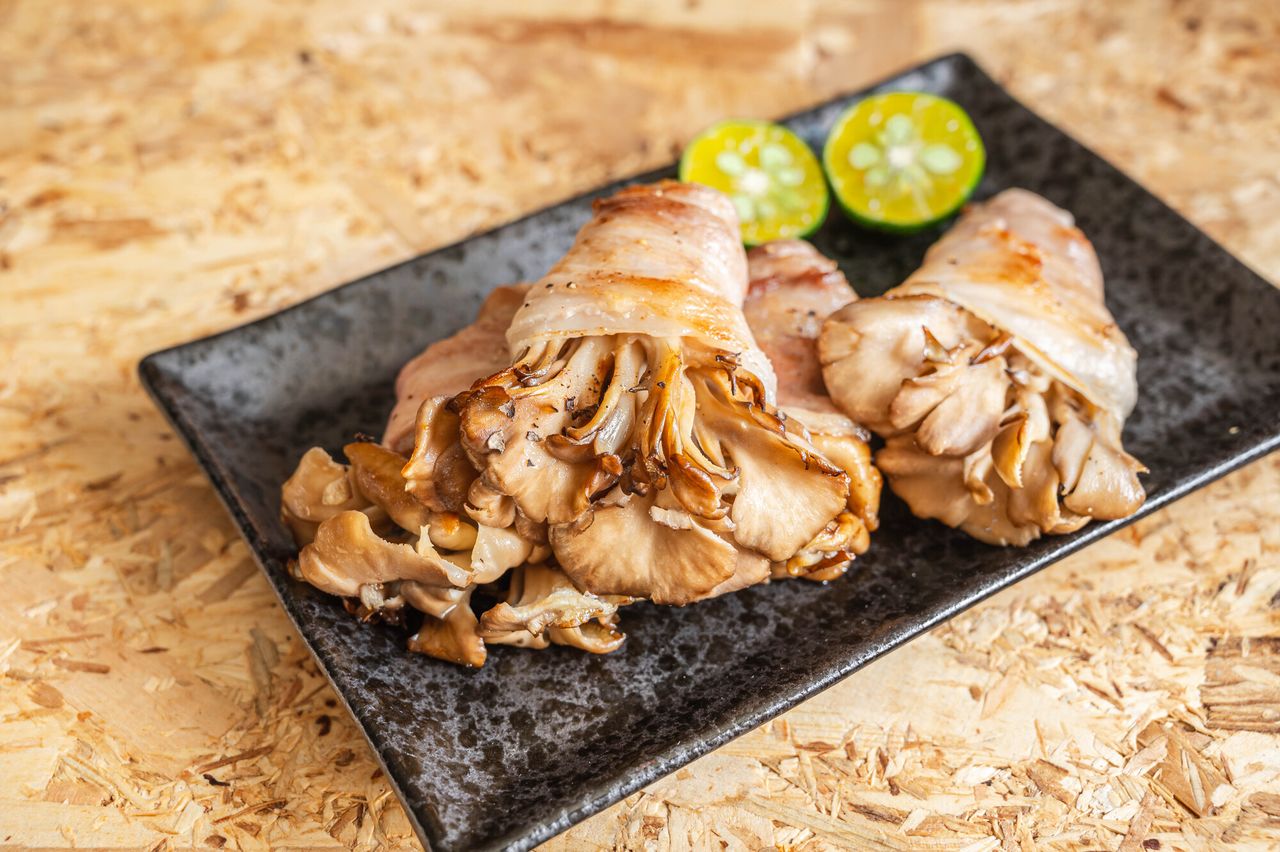
Butabara Maki
Mushrooms and oil are a wonderful combination. Here strips of thinly sliced fatty butabara (pork belly) are wrapped around clusters of maitake to create a truly hearty side dish. Again, this can be enjoyed simply seasoned with salt and pepper, or combined with a salty-sweet sauce using soy sauce and mirin, or a squeeze of fresh citrus as shown in the photo.
(© Pixta)
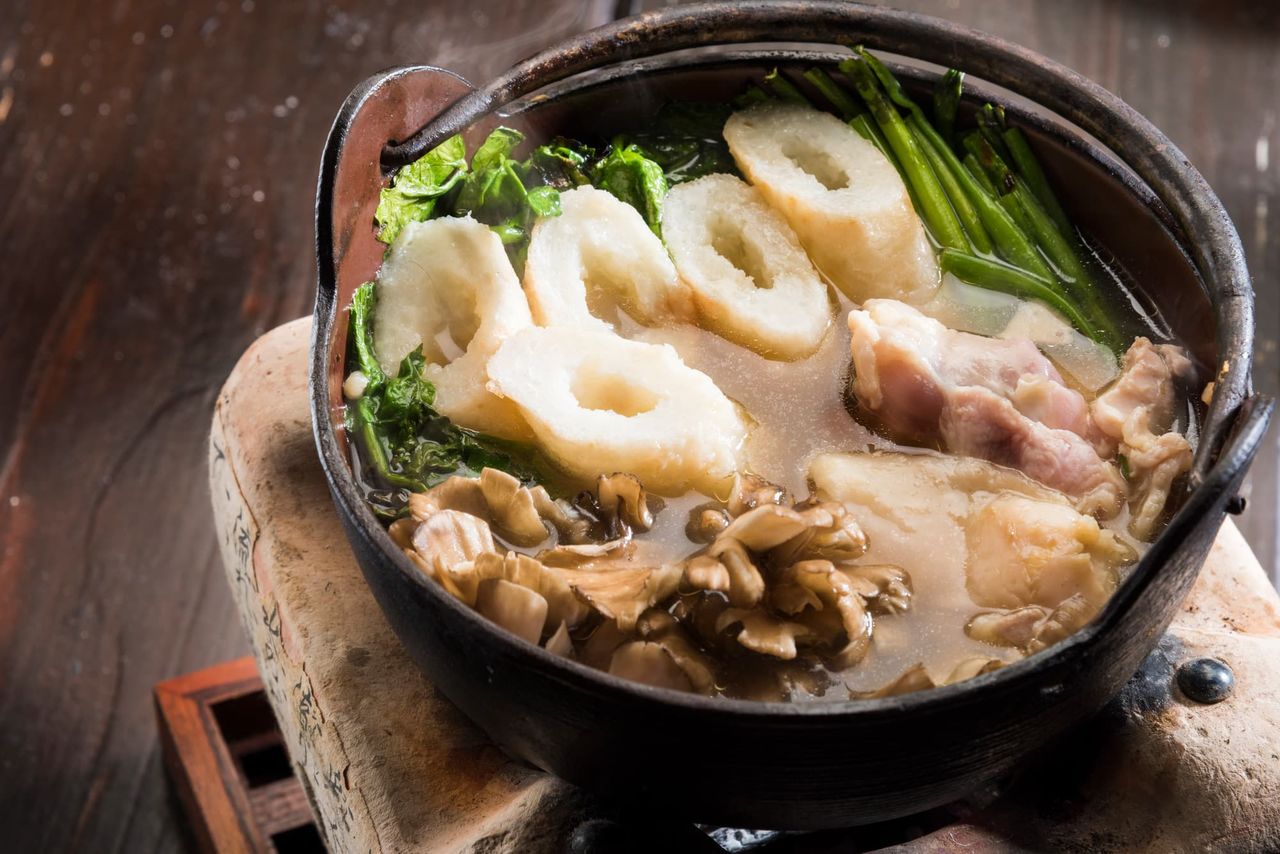
Kiritanpo Nabe
Maitake is a key ingredient in this traditional hotpot hailing from Akita Prefecture. It features a rich savory broth made from hinai jidori, a prized Akita type of chicken, that gains even deeper flavor through the mushroom umami.
(© Pixta)
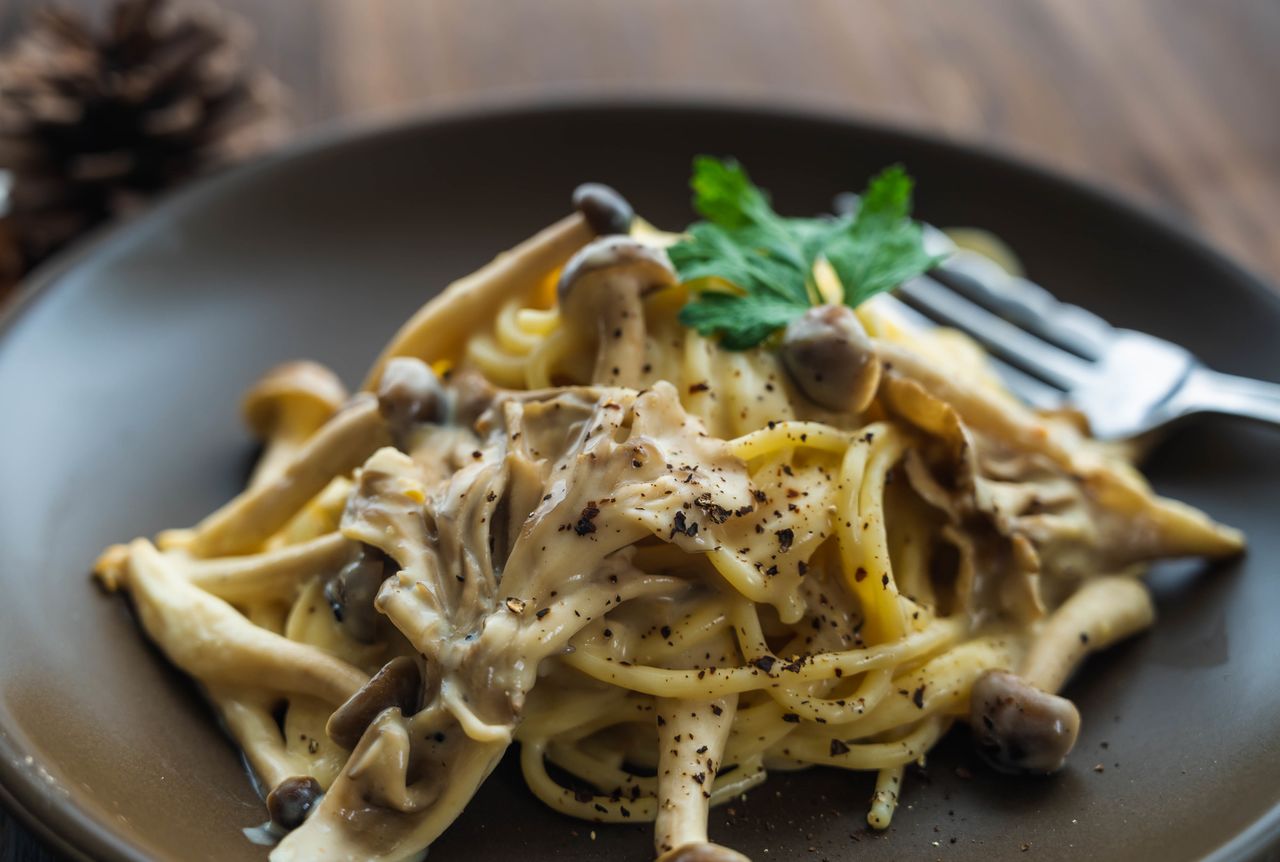
Maitake Pasta
A perfect ingredient for Western-style dishes too, the mushroom can be paired with both creamy and oil-based sauces for a real taste of pasta luxury.
(© Pixta)
(Originally published in Japanese. Text by Ecraft. Banner photo © Photo AC.)