A Calendar of Traditional Japanese Sweets
Nerikiri: Artistic Confections for Enjoying the Changing Seasons
Food and Drink Culture Art- English
- 日本語
- 简体字
- 繁體字
- Français
- Español
- العربية
- Русский
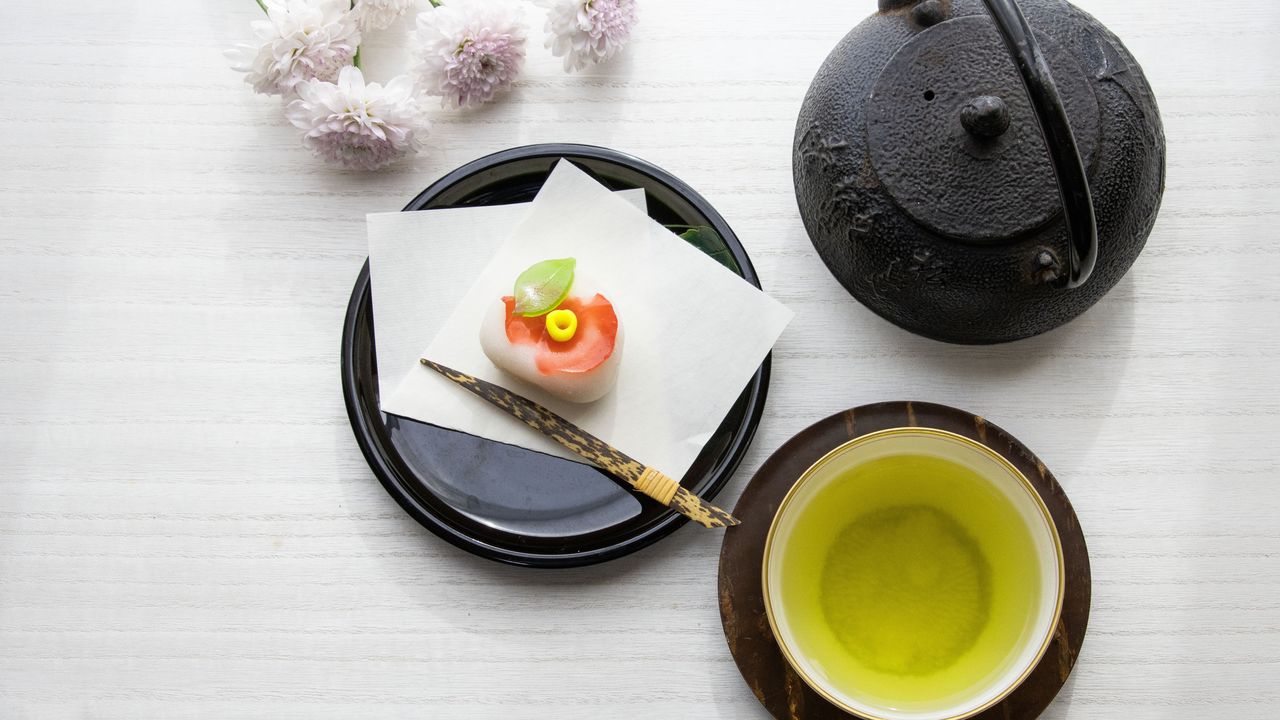
Nerikiri are miniature works of art made simply from beans, sugar, and rice. Below we present a calendar of these exquisite and delightful wagashi, or traditional Japanese confections, one seasonal selection each month.
The start of the Edo period (1603–1868) saw peace return to Japan at the end of a long period of conflict, and with the shogunate encouraging domestic sugar production, the confections served at tea ceremonies went under a transformation in both sweetness and exquisiteness.
Nerikiri is a quinessential Japanese confectionery, with a dough base created using smooth shiroan white bean paste blended with soft gyūhi mochi to give it pliability. These sweets, small enough to nestle in the palm of your hand, are colored using edible dyes and then shaped with cloth spatulas, or other implements to express a variety of motifs, including seasonal flowers and plants, traditional patterns, and even symbolic scenes from the Tale of Genji. Not only do they have a refined sweetness, they are pieces of art that can be visually enjoyed.
Watch the accompanying videos to see how a tiny ball of white dough comes to life as colorful, edible art in the palm of the hand.
(Translated from Japanese. Banner photo © Pixta.)