A Calendar of Traditional Japanese Sweets
January’s Wagashi: Fukinotō
Food and Drink Culture- English
- 日本語
- 简体字
- 繁體字
- Français
- Español
- العربية
- Русский
Fukinotō, or the shoot of the Japanese butterbur (Petasites japonicus), is an edible wild plant often referred to as the “sentinel of spring” for the way it pushes up and peeks out of the lingering snow. The plant is known for its distinctive bitterness, but an old saying—haru no sara ni wa nigami o more, or “pile up bitter foods on the spring plate”—illustrates the old view of this very taste as one that stimulates the metabolism and invigorates the body during the year’s last cold weather.
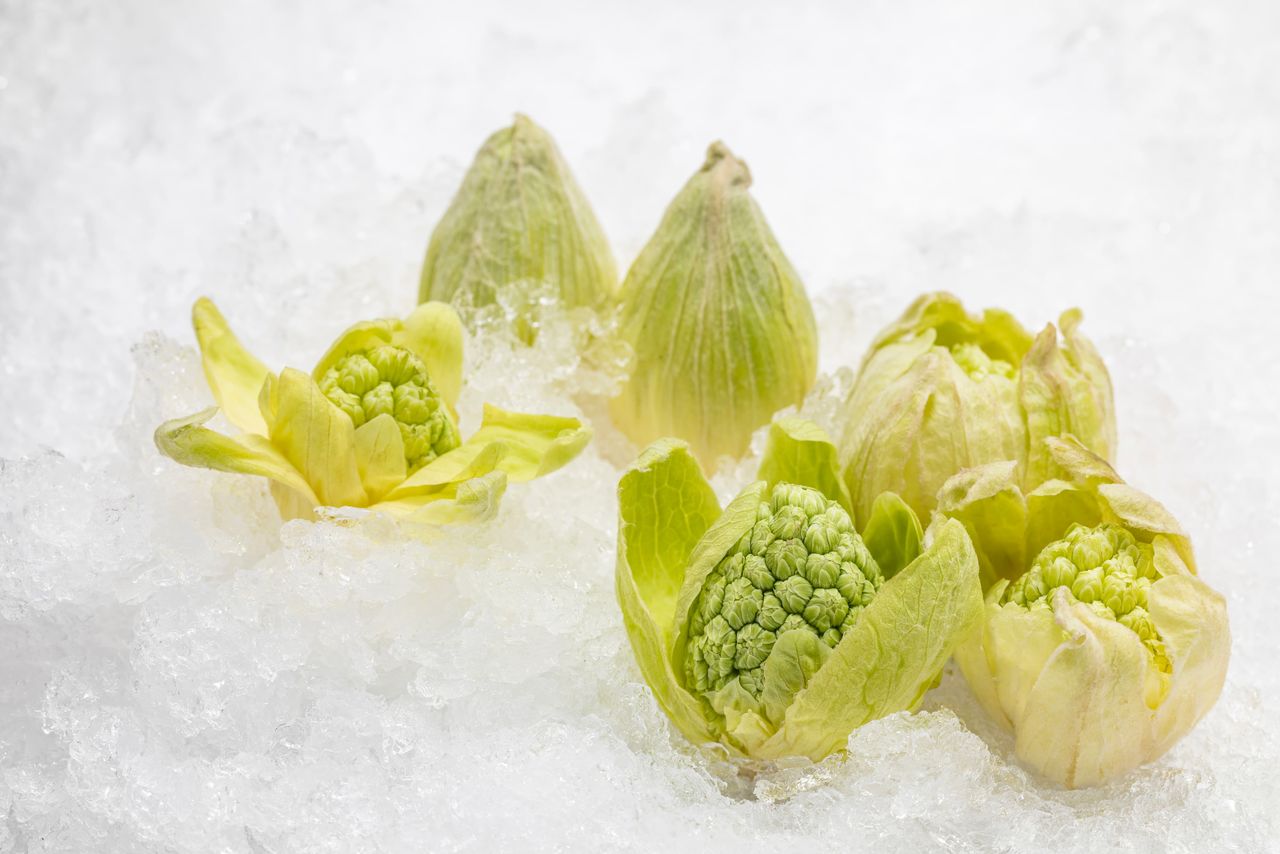
Fukinotō butterbur shoots pushing up through the snow. (© Pixta)
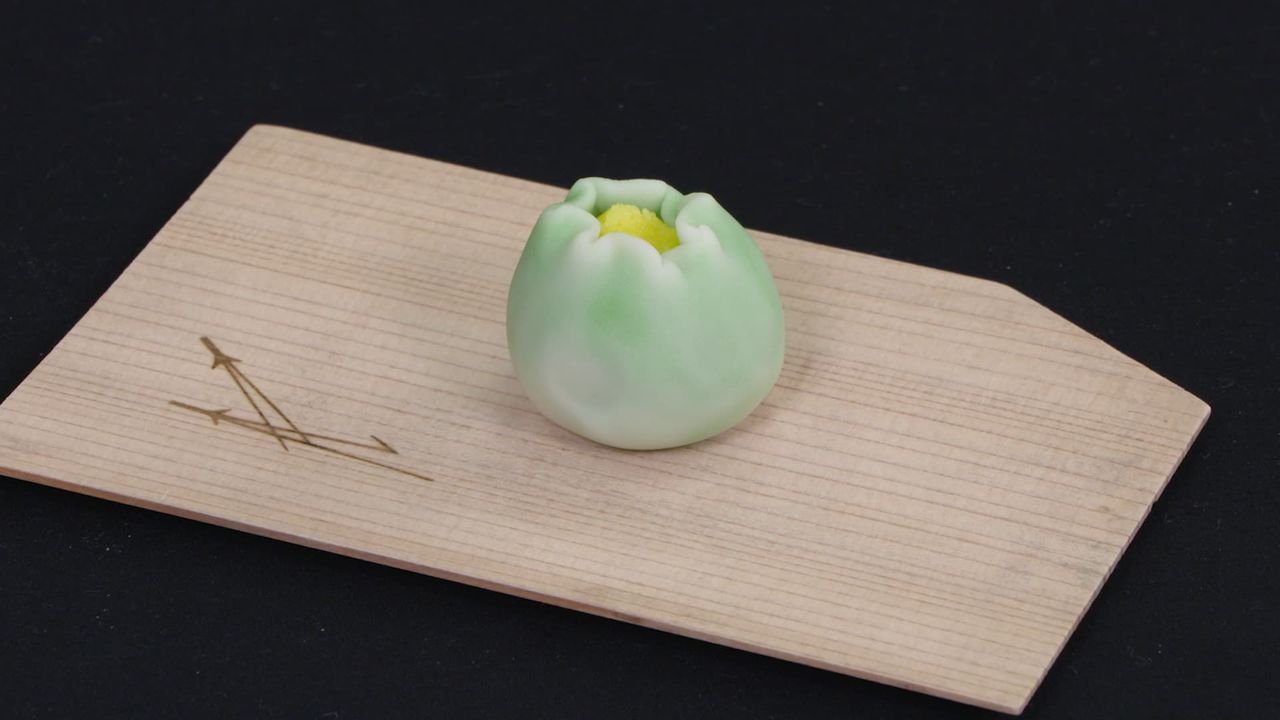
The shoots just emerging from the ground, with the buds still closed, are prized, as they have yet to develop their fully bitter flavor. For this nerikiri confection, though, the shape of a bud just past its prime is used, with the once closed leaves opening to reveal the tiny flowers clustered together like a bouquet. This small sign of spring on a dessert dish in the depth of winter is certain to create an enjoyable moment.
(Originally published in Japanese. Banner photo: a fukinotō nerikiri treat created by Gotō Reiko, Nagomi no Suzu. Courtesy of Gotō Reiko.)