A Calendar of Traditional Japanese Sweets
March’s Wagashi: Temari, a Playful Start to Spring
Food and Drink Lifestyle Culture- English
- 日本語
- 简体字
- 繁體字
- Français
- Español
- العربية
- Русский
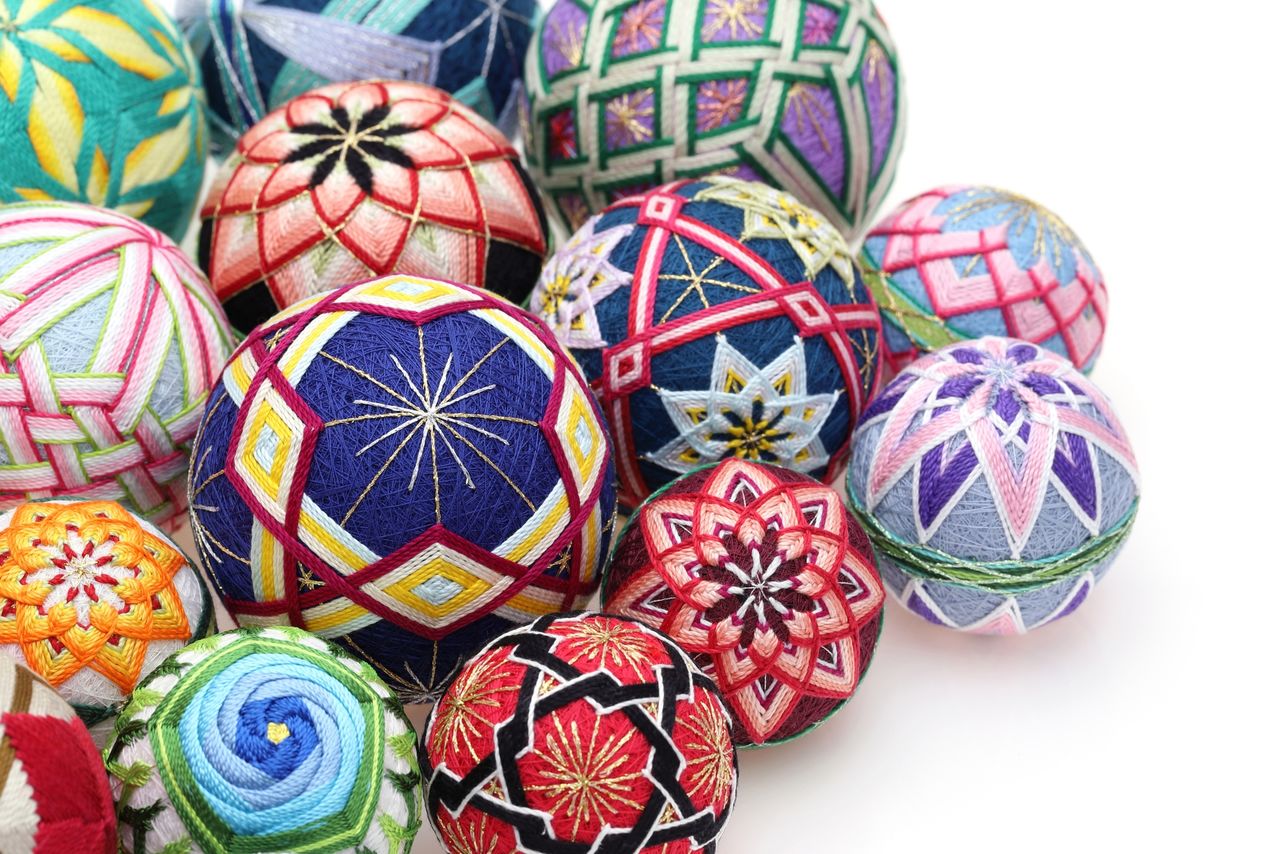
When winter is over, children who have been stuck indoors rush out to play ball games. Long ago, court nobles were known to pass the time with beautifully embroidered temari hand balls.
Temari were introduced to Japan from China, becoming established as an enjoyable pastime during the Heian period (794–1185). By the Edo period (1603-1868), they had come to symbolize “smooth relationships” and “everything working out well,” and were sometimes also given to children as gifts as a way of wishing for their healthy development or as a charm to ward off evil.
(© PhotoAC)
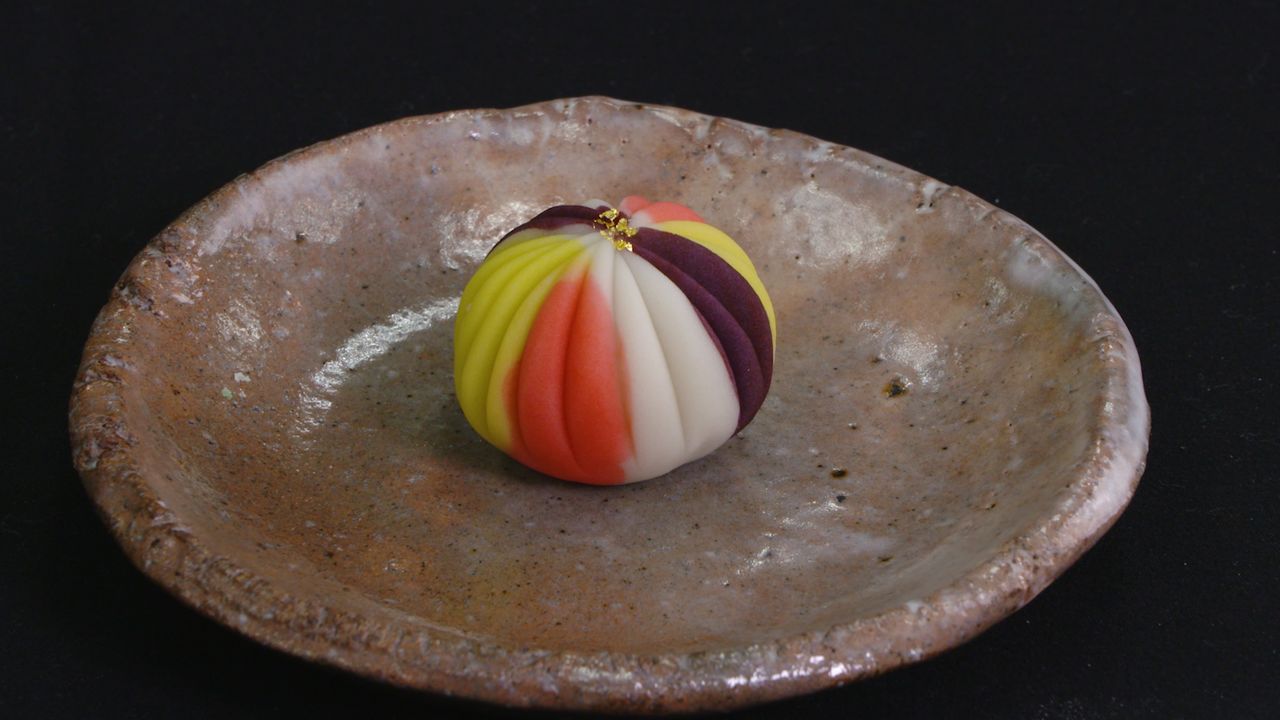
This nerikiri confection is just like one of the brightly colored, traditionally crafted temari that can be found all over Japan. Made with lovely spring colors, including pink and canola yellow, it has been shaped and scored with detailed lines using a sankakubō three-sided wooden tool, essential for making nerikiri. The finished piece is a true work of art.
When made completely in yellow, this sweet resembles a chrysanthemum flower, while all orange transforms it into a pumpkin. This is the fun of making nerikiri; the same technique can be used to create a whole range of effects just by varying the colors.
(Originally published in Japanese. Banner photo: a nerikiri treat created by Gotō Reiko, Nagomi no Suzu. Courtesy Gotō Reiko.)