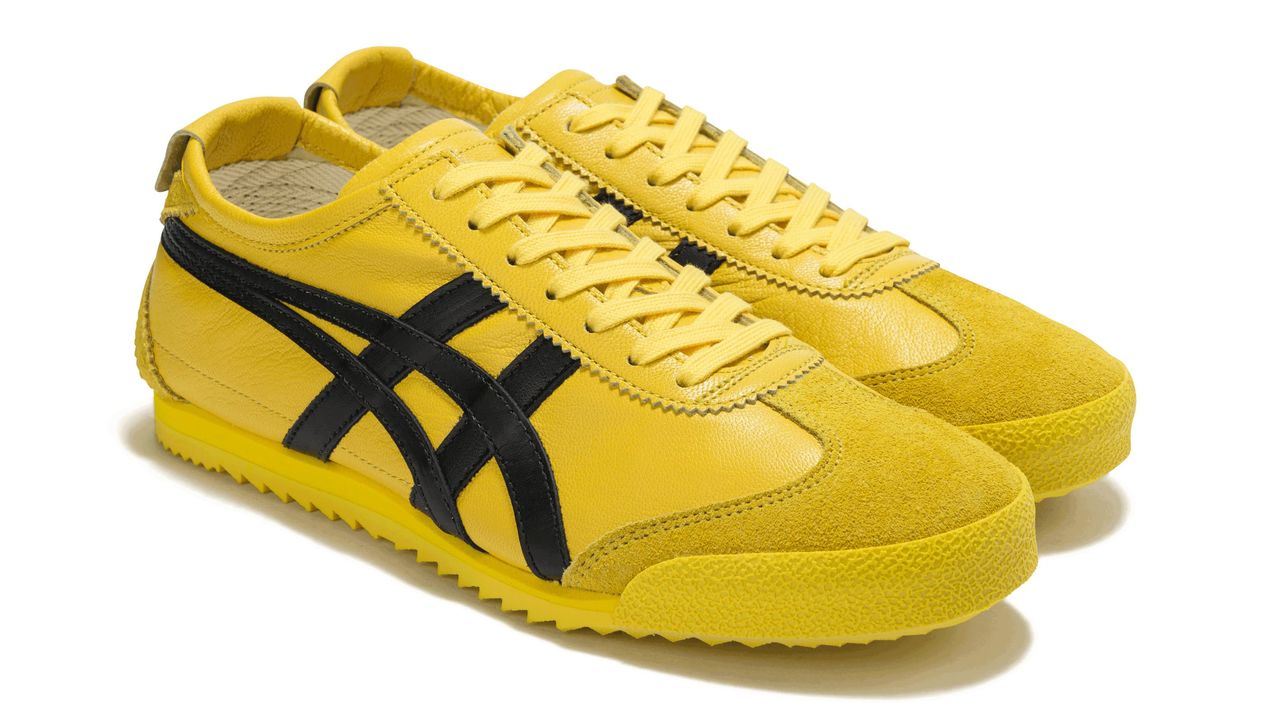
Onitsuka Tiger: From a Minor Figure in Sports Shoes to a Major Fashion Force
Culture Economy- English
- 日本語
- 简体字
- 繁體字
- Français
- Español
- العربية
- Русский
Surging Global Sales
In Tokyo’s luxury district of Ginza, Onitsuka Tiger’s flagship store attracts a constant flow of customers. Rows of stylish sneakers fill the shelves, catching the eyes of many foreign tourists. Customers line up at the register with boxes in hand, while a stream of satisfied shoppers head out, carrying bags with the Onitsuka Tiger logo. It’s easy to picture them returning to their home countries and becoming “missionaries” for the brand.
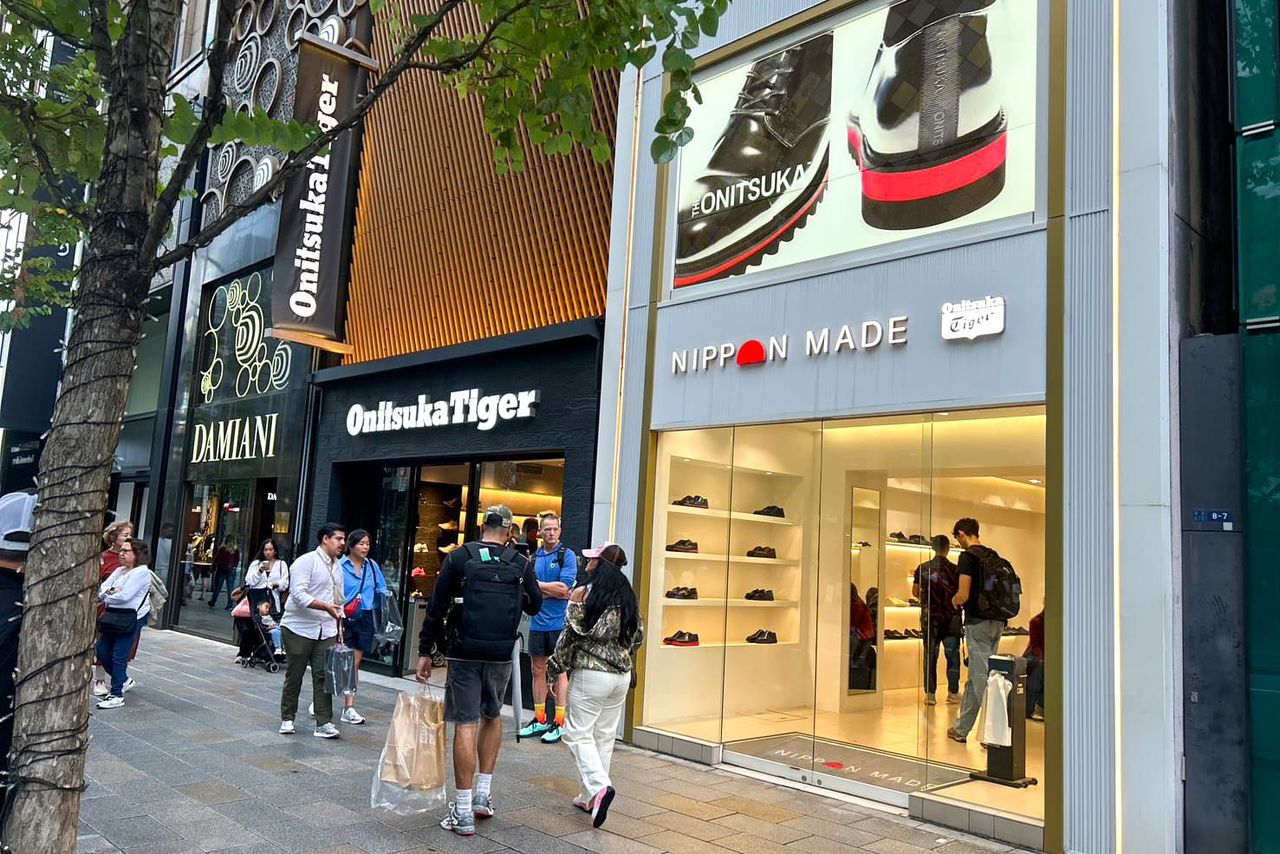
The Ginza flagship store, visited by many tourists to Japan, seen on October 19, 2025. (© Satō Hayahide)
The brand’s popularity is clearly reflected in the numbers. Onitsuka Tiger, operated as an independent company within sportswear maker Asics, posted global sales of ¥95.4 billion in 2024, a 58.3% increase from the previous year. That is a sharp rise for a maker that sold just ¥9.1 billion in 2011 and ¥45.5 billion in 2019. For 2025, sales from January to September reached ¥99.8 billion, up 46% from the same period last year. Some expect total sales for the 2025 calendar year to climb to ¥120 billion.
As of March 2025, the company has 48 stores in Japan and 185 abroad in 14 countries, including in major destinations like Paris, London, Milan, and Barcelona. Since opening its Omotesandō store in Tokyo in 2012, Onitsuka Tiger has pursued a strategy of placing directly managed stores in fashion-savvy locations in major cities worldwide, allowing visitors to experience the brand’s vision firsthand.
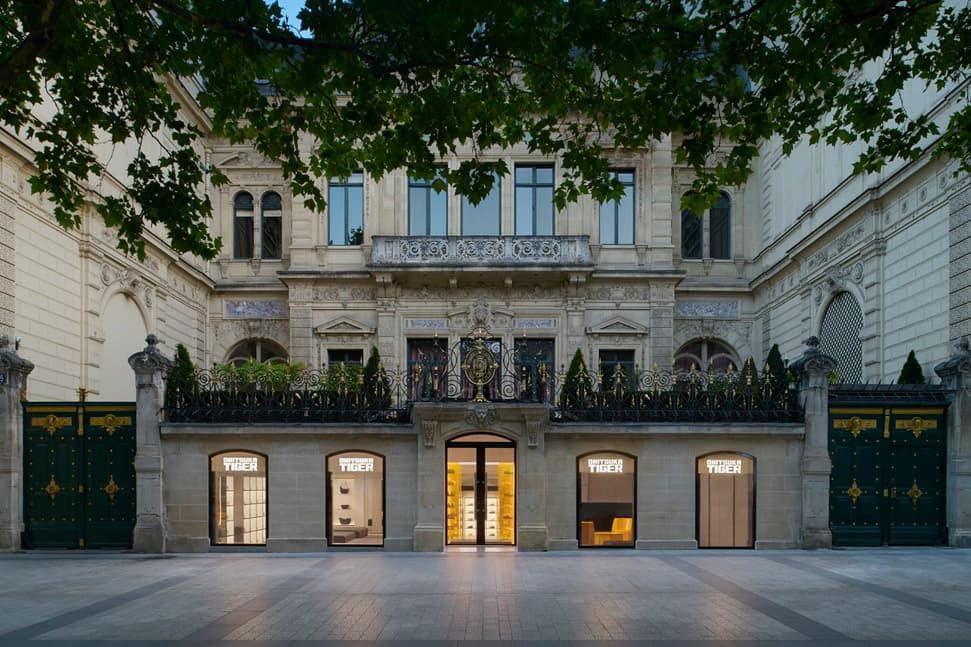
A flagship store on the Champs-Élysées in Paris. (Photo used with permission)
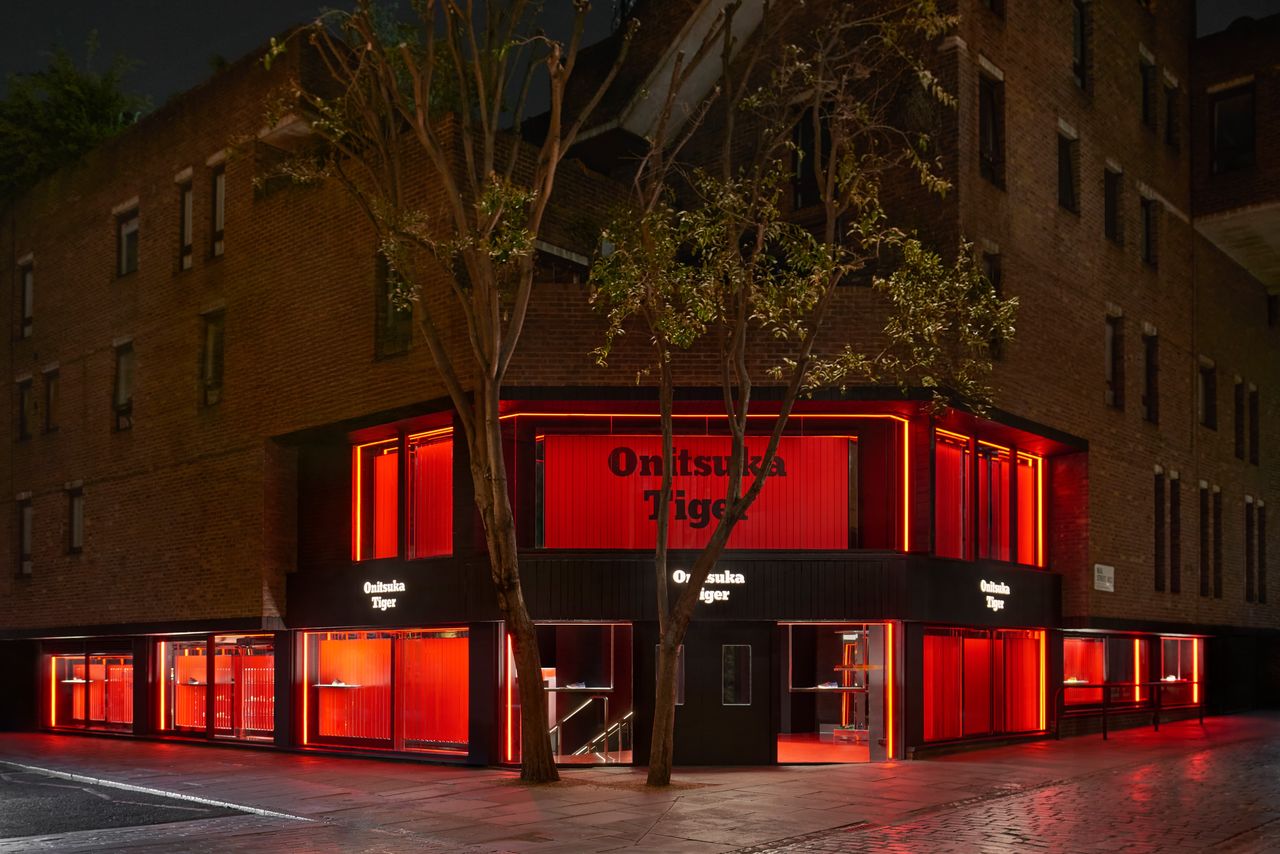
A red concept store in London, the first in Europe. (Photo used with permission)
Step into an Onitsuka Tiger store in Tokyo and you’ll see many foreign customers lining up to try on shoes, conversing in English and other languages. According to Asics, sales to inbound visitors at domestic stores from January to September 2025 more than doubled compared with the same period the year before.
Social Media Appeal and Functionality
One of the main appeals of the brand’s shoes is their social-media-friendly design. “I think they have a very clean look. The designs are really good,” says a 24-year-old man from Ohio during a visit to the Ginza store. He first became interested in Onitsuka Tiger after receiving a pair as a gift from a friend and has visited the store on every trip to Japan since. By “clean,” he explains, he means a simple look, free of unnecessary elements.
Color is another element that gives the shoes their distinctive appeal. “The color of the logo is unique. It’s not that common back in the States,” says an 18-year-old woman from Florida. She refers to the yellow “Tai-Chi” sneakers featured in the Quentin Tarantino film Kill Bill. Designs that look good in photos appeal to today’s young people, who often choose travel destinations based on information on social media.
Praise for functionality is equally strong. One woman from Oregon has bought a pair of Onitsuka Tiger waterproof boots for traveling to the Tōhoku region. “They’re comfortable, and the waterproofing is great,” she notes. As a luxury brand that balances design and performance, Onitsuka Tiger’s approach to making things that feel both old and new is drawing the attention of young people overseas.
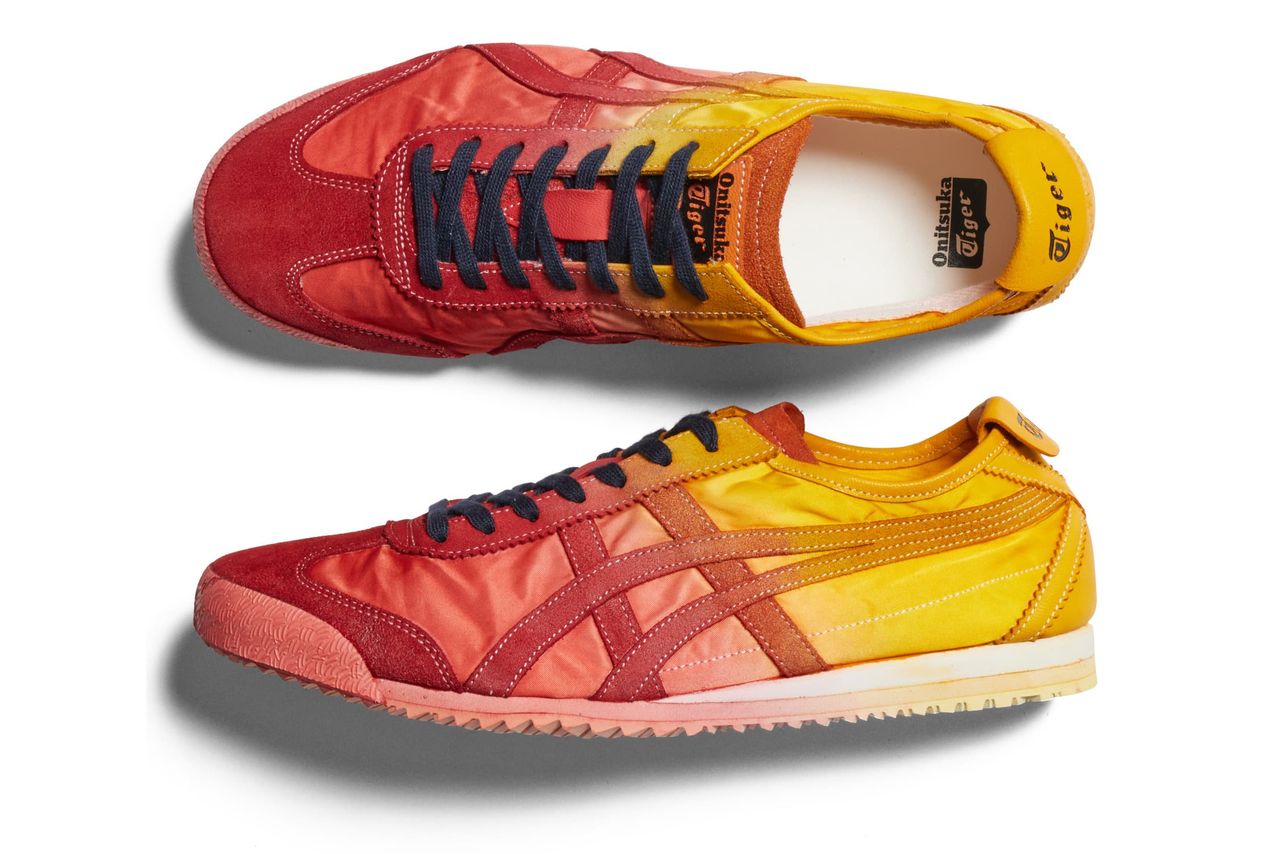
A special edition of the Mexico 66TM NM, available exclusively at the Barcelona flagship store. (Photo used with permission)
Value in the Buying Experience
Onitsuka Tiger’s appeal goes beyond its products. If the shoes alone were the draw, online purchases would suffice. Instead, customers find real value in the experience of visiting the brand’s dedicated stores and buying their shoes in person.
A Canadian man in his thirties lights up when he spots the Mexico 66, a model known for its quality leather and stylish form. “These are famous. I’ve been looking for them!” he exclaims, cradling them in his hands. “Everyone says you have to buy Onitsuka Tiger shoes when you come to Japan.” For Onitsuka lovers, the opportunity to go to one of these stores is a kind of pilgrimage.
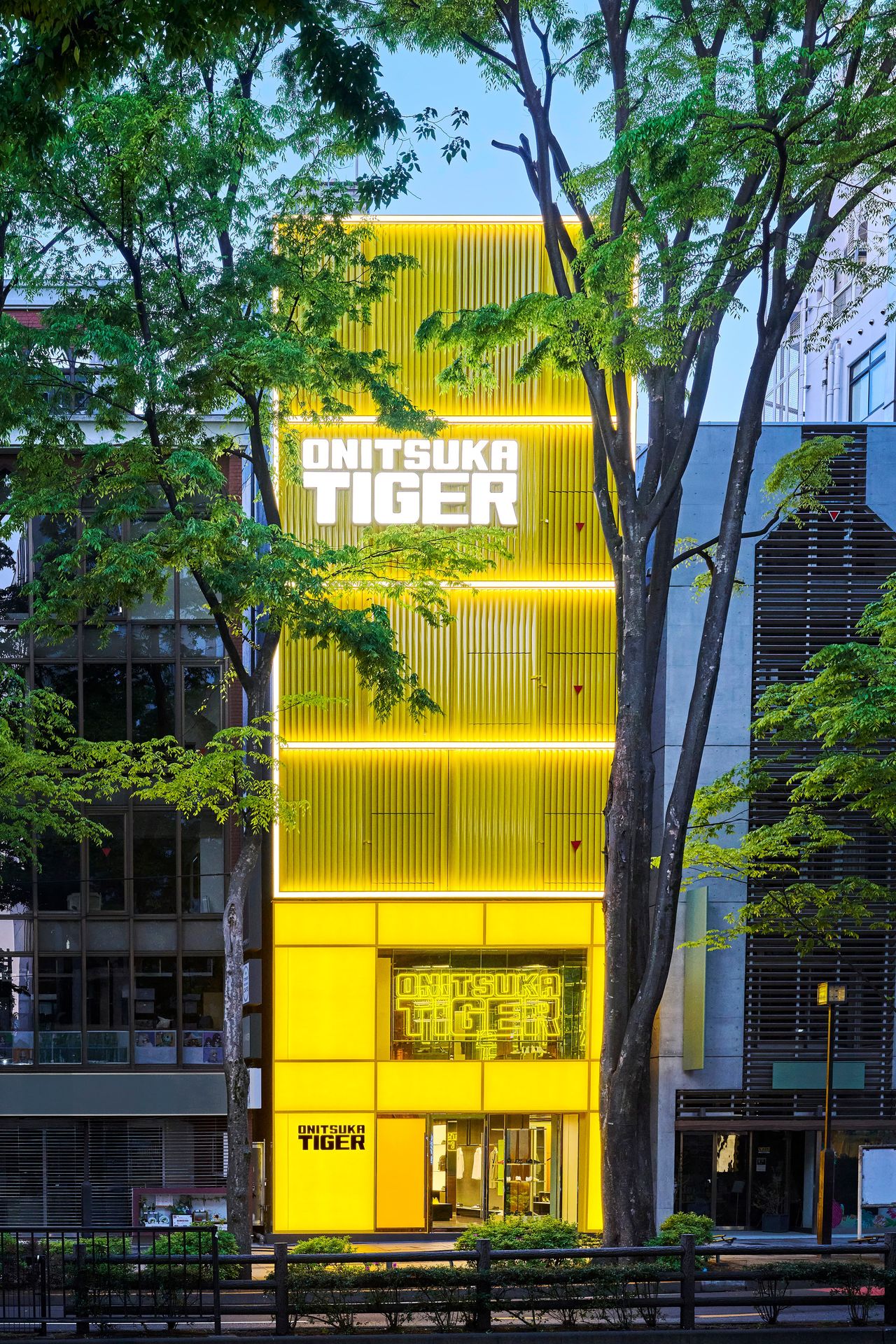
A yellow collection concept store in Omotesandō, Tokyo. (Photo used with permission)
The company is, of course, also involved in e-commerce, but it places greater emphasis on the experience of buying shoes at physical stores, where customers can pick them up, try them on, and compare different styles. To maximize the satisfaction of the experience, the brand puts significant thought into store design and the mood each space creates.
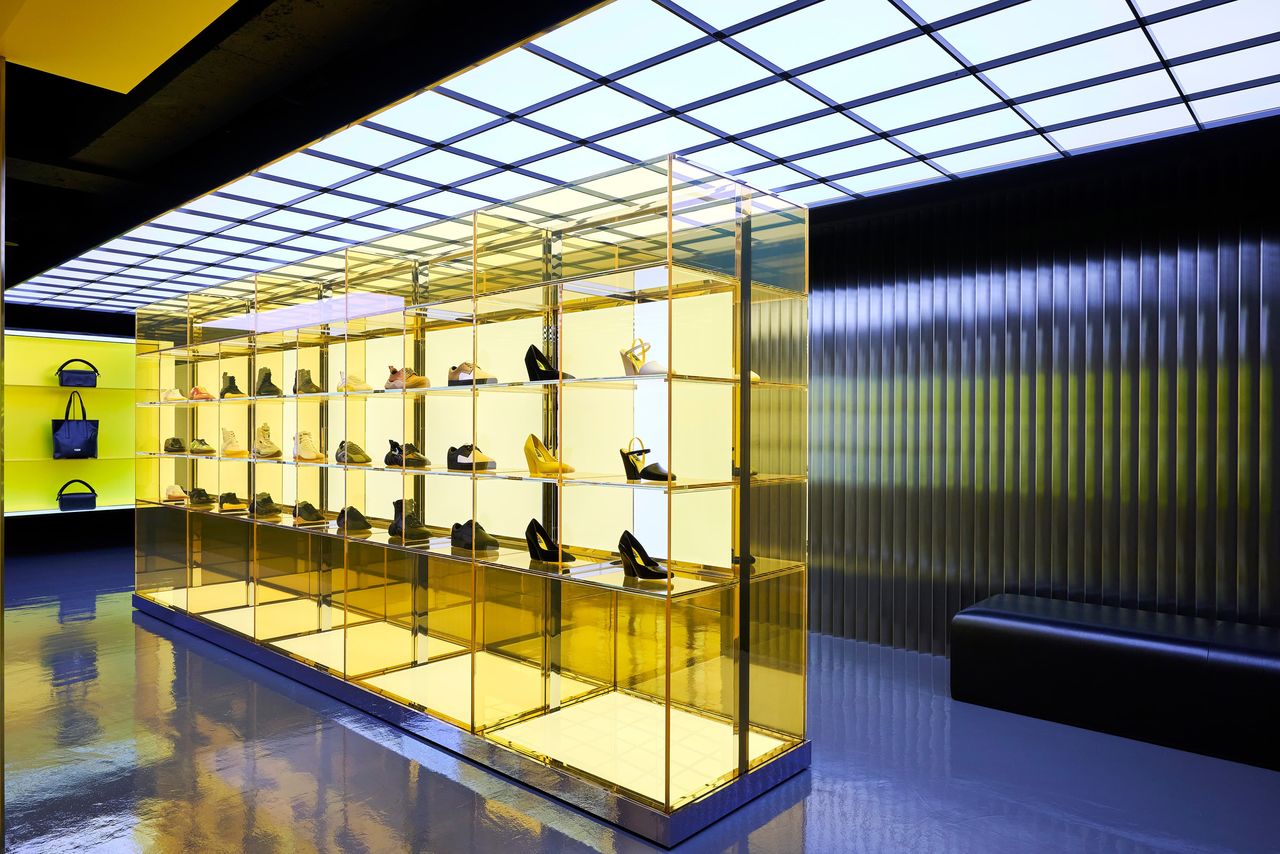
Interior of the yellow collection concept store. (Photo used with permission)
The stores use the brand’s signature yellow as a base, incorporating Japanese elements and materials to create memorable spaces. Rather than serving only as places to sell products, they appear designed so that visitors from abroad can enjoy them almost like a tourist attraction.
An Attractive Brand Story
“I’m interested in the brand’s story and background,” says the woman from Oregon. Onitsuka Tiger’s story, in fact, is another aspect that adds to its appeal.
The brand traces its roots back to 1949, when Onitsuka Kihachirō founded Onitsuka Co., Ltd. (now Asics) in Kobe. At the 1964 Tokyo Olympics, many athletes wore Onitsuka Tiger shoes, bringing the brand recognition for its competition footwear. However, after Asics was formed through a merger in 1977, the Onitsuka Tiger name was put on hold, and it disappeared from the market for about 25 years.
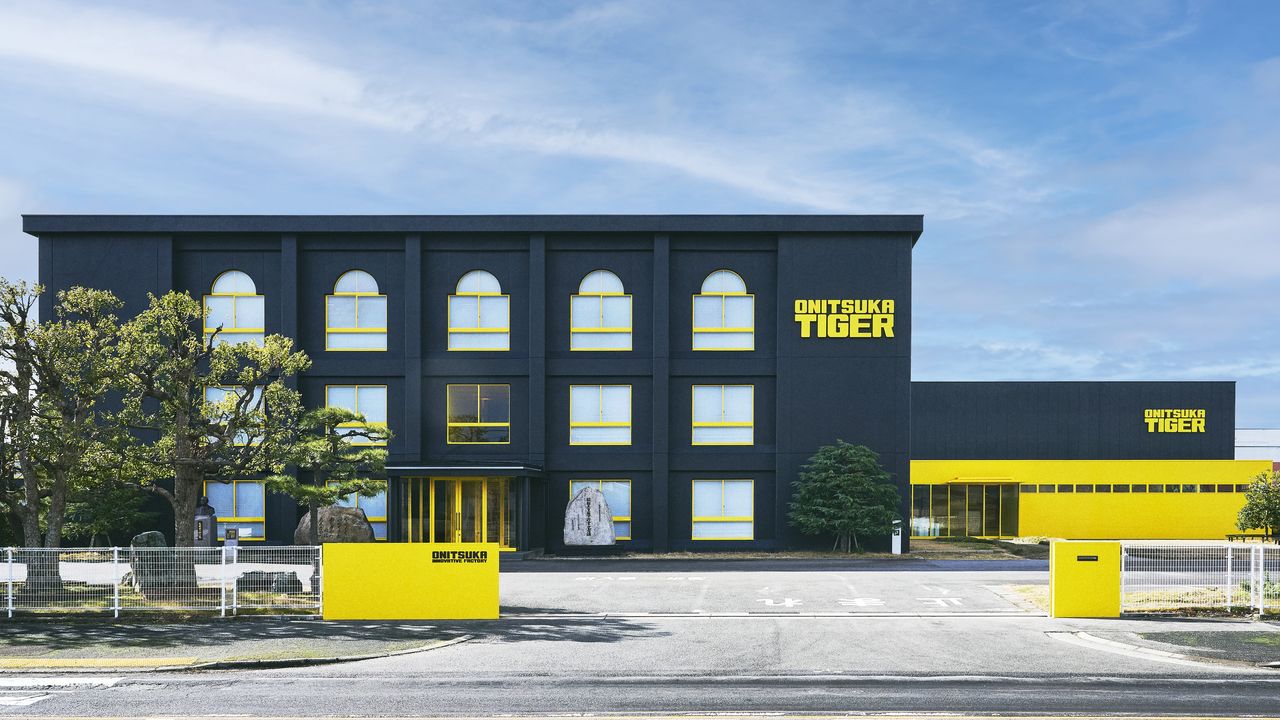
The Onitsuka Innovative Factory, Onitsuka Tiger’s first dedicated production facility located in Tottori Prefecture, the birthplace of founder Onitsuka Kihachirō. (Photo used with permission)
In 2002, it made a comeback. As the high-tech sneaker boom of the 1990s, typified by Nike’s Air Max series, began to fade, retro designs started to look fresh again. The previous models were updated with a modern twist. With the protagonist in Kill Bill, released in 2003, wearing Onitsuka Tiger shoes, the brand recognition took off globally. The combination of the tradition of craftsmanship with pop culture was felt to be very Japanese, and it proved to be a story that captivated international consumers.
Building on this narrative, Onitsuka Tiger has pursued a strategy of creating solid brand value. After its comeback, it reoriented itself as a fashion brand rather than a sports brand. By largely avoiding discount sales, it enhanced its sense of luxury.
“We’re not just a brand that sells products,” says Shōda Ryōji, the current head of Onitsuka Tiger and executive vice president of Asics. By delivering strong brand value supported by an attractive story, as opposed to relying on products alone, the company shows confidence that customer satisfaction is being maximized. The approach is resonating with young people, who are embracing the brand’s value.
Toward a Multifaceted Future
Onitsuka Tiger has been opening large flagship stores in prime locations across Europe, including an approximately 1,500-square-meter store on the Champs-Élysées that opened in July 2025. Even in the United States, where the brand withdrew its shops in 2023, the company plans to re-enter the market in 2027 as popularity continues to rise.
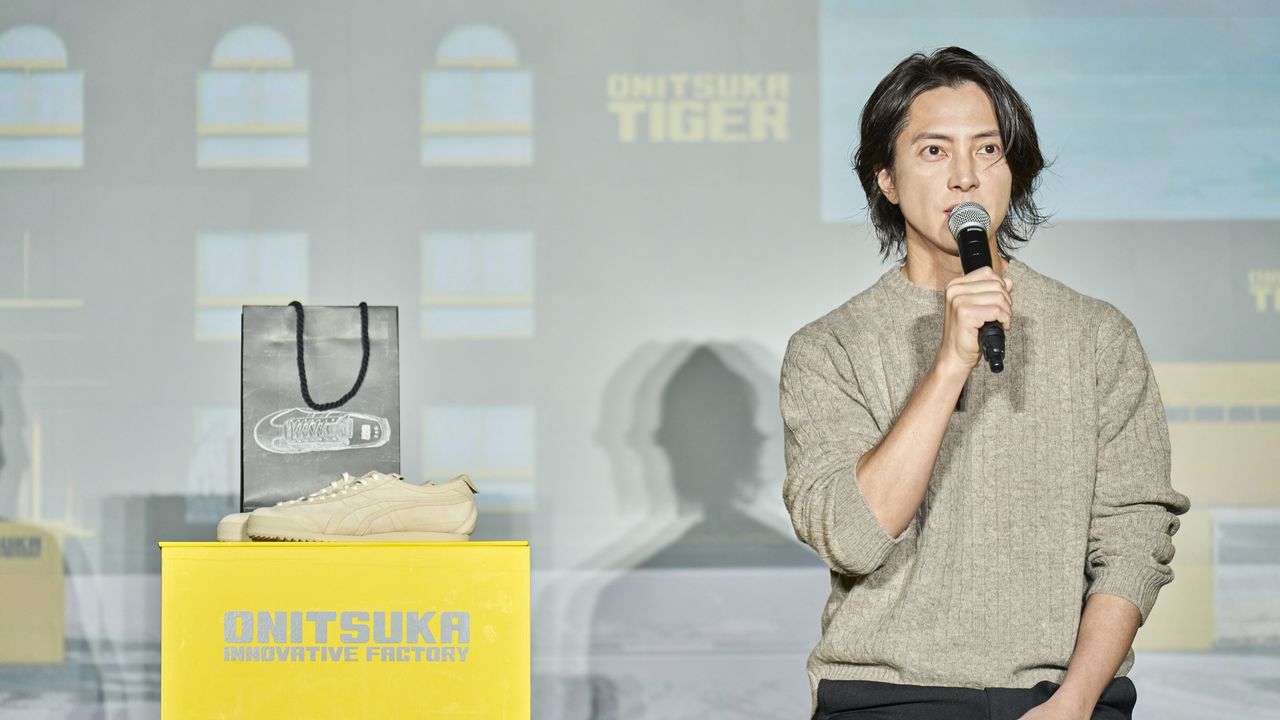
Actor Yamashita Tomohisa announcing the Mexico 66 NM L9, which he designed himself. (Photo used with permission)
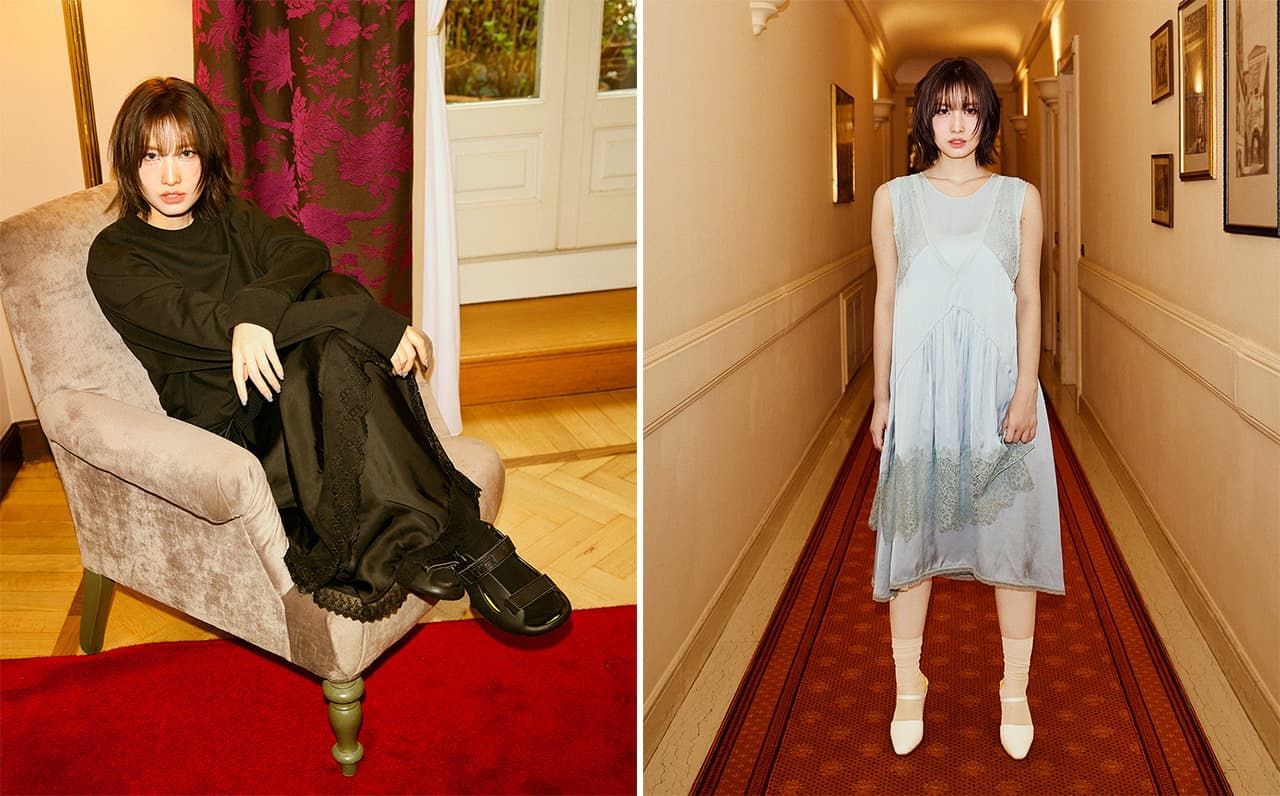
Brand ambassador Momo of the Korea-based girl group Twice wearing Onitsuka Tiger fashion items. (Photo used with permission)
The product lineup has expanded beyond shoes to include apparel, bags, and accessories. In November 2025, the brand also launched fragrances. Cafés are being opened in the Ginza and Shanghai stores, and the company is exploring additional ways to enhance customer experience, such as special sneaker embroidery services and personalized orders.
As it looks to its 100th anniversary in 2049, Onitsuka Tiger appears to be shedding its image as a shoe company and repositioning itself as a business built around a multifaceted “Onitsuka brand” going beyond athletic gear. It is a path that sets the company apart from sportswear giants like Nike and Adidas. Whether the next chapter will be marked by further success depends on how the company will brand its diverse and appealing range of products going forward.
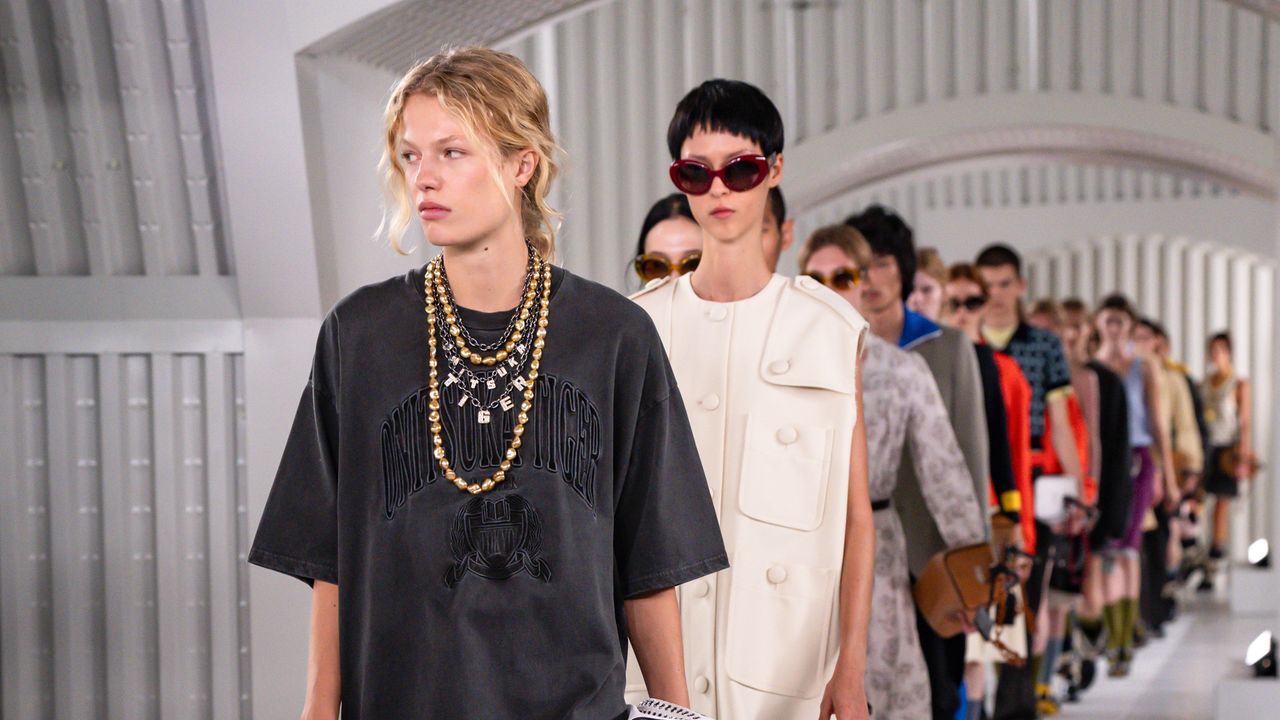
Onitsuka Tiger unveiled its spring/summer 2026 Collection at Milan Fashion Week. (Photo used with permission)
(Originally published in Japanese. Banner photo: The Mexico 66 Deluxe from Onitsuka Tiger’s globally popular Nippon Made series. Photo used with permission.)