Can Japan Stop National Stadium from Becoming White Elephant?
Newsfrom Japan
Culture Sports- English
- 日本語
- 简体字
- 繁體字
- Français
- Español
- العربية
- Русский
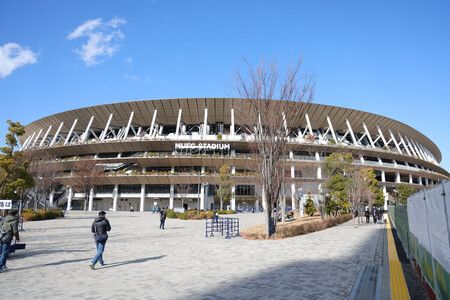
Tokyo, April 16 (Jiji Press)--More than four years after the Tokyo Summer Olympics and Paralympics in 2021, efforts are underway to rescue the new Japan National Stadium from its potential fate of becoming a white elephant.
The stadium, built at the heart of the country's capital in November 2019, served as the main venue for the Summer Games. Its annual maintenance and management costs are estimated to reach 2.4 billion yen, raising concerns that the stadium may turn into a negative legacy of the quadrennial sporting events.
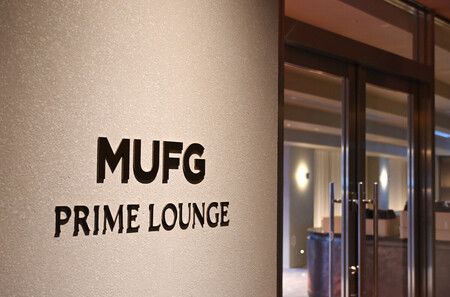
To make it viable, the government-affiliated Japan Sport Council, the owner of the stadium, last spring privatized its management and operations. Banking giant Mitsubishi UFJ Financial Group Inc., which earned the facility's naming rights, changed its name to MUFG Stadium in January this year.
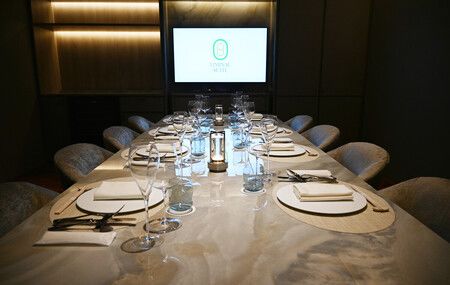
Last month, the stadium's operator announced the outline of a new project called "Kokuritsu Next," under which some 9 billion yen was spent on renovation. The stadium unveiled its revamped restaurant areas, as well as its newly built 53 hospitality suites for corporate clients.
"We aim to transform our facility into a future-oriented stadium connected with culture, the economy, the local community and society, not just a place where sports competitions are held," said Koji Takeuchi, president of the stadium operator, Japan National Stadium Entertainment Inc.
[Copyright The Jiji Press, Ltd.]