Use of Bioplastic Spreading in Japan amid Naphtha Woes
Newsfrom Japan
Economy- English
- 日本語
- 简体字
- 繁體字
- Français
- Español
- العربية
- Русский
Tokyo, July 17 (Jiji Press)--The use of biomass plastic, derived from renewable resources such as plants, to make garbage bags is spreading in Japan in response to supply disruptions of naphtha due to the Middle East conflict.
The "naphtha shock" exposed the risk of relying on Middle East crude oil for industrial and daily goods materials. The key is whether Japan can expand the utilization of nonfossil raw materials and decrease its dependence on materials derived from Middle East crude oil and petroleum.
Shinji Okuda, chief operating officer of Rice Resin Inc., a manufacturer of bioplastic made from rice in Namie, Fukushima Prefecture, northeastern Japan, said that requests for consultations increased three to five times after the Middle East conflict began.
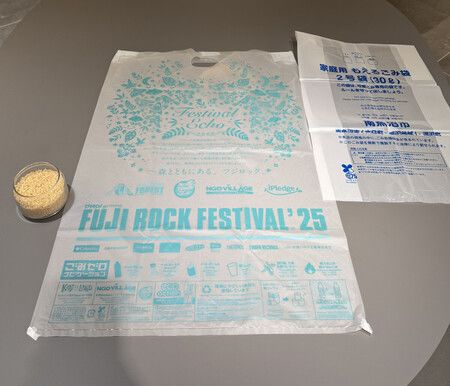
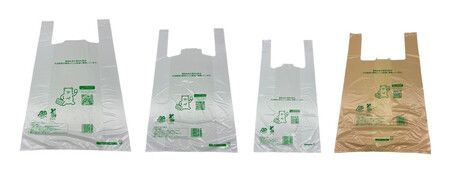
The company annually produces some 500 tons of bioplastic, which contains up to 70 pct rice unsuitable for consumption, such as old government-stockpiled rice. It sells garbage and shopping bags made from the bioplastic to municipalities and retailers.
The city of Fukagawa in the northernmost prefecture of Hokkaido is considering introducing Rice Resin garbage bags on a trial basis after no organization participated in a bidding to supply garbage bags in April.

[Copyright The Jiji Press, Ltd.]