Japan’s Deadliest Air Disaster: The Crash of JAL 123 in 1985
Guideto Japan
Society- English
- 日本語
- 简体字
- 繁體字
- Français
- Español
- العربية
- Русский
A Deadly Crash
On August 12, 1985, the crash of a Japan Airlines Boeing 747 in central Japan resulted in 520 fatalities. It was Japan’s deadliest air accident, as well as the deadliest air disaster in history involving a single aircraft and no additional deaths on the ground.
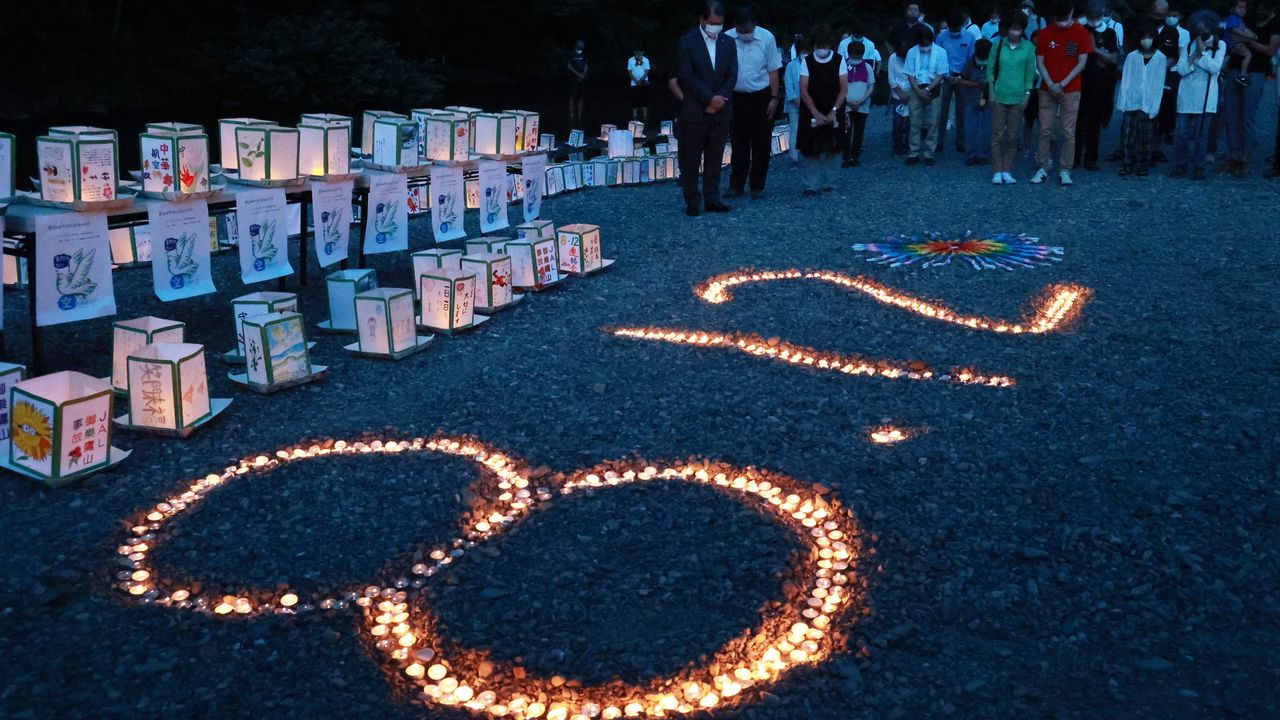
Every year on the anniversary of the tragedy, relatives of the 520 victims—the 15 crew members and 505 passengers—and others climb Mount Osutaka in the village of Ueno, Gunma Prefecture, close to the site of the accident, to pay their respects in front of the grave markers erected in the names of the dead.
Flight JAL 123 was scheduled to fly from Tokyo to Osaka. About 10 minutes after takeoff in the early evening, the aircraft suffered a rupture in its rear pressure bulkhead, rendering it uncontrollable. The pilots tried in vain to regain control of the aircraft for half an hour before it crashed into the mountains. While almost all those on board were killed, four people miraculously survived. Among those who died was Sakamoto Kyū, the singer who won global fame with his hit song “Ue o muite arukō,” released internationally as “Sukiyaki.”
(Originally written in English. Banner photo: Mourners make a silent prayer in Ueno, Gunma Prefecture, in August 2022 to mark 37 years since the disaster. © Jiji.)