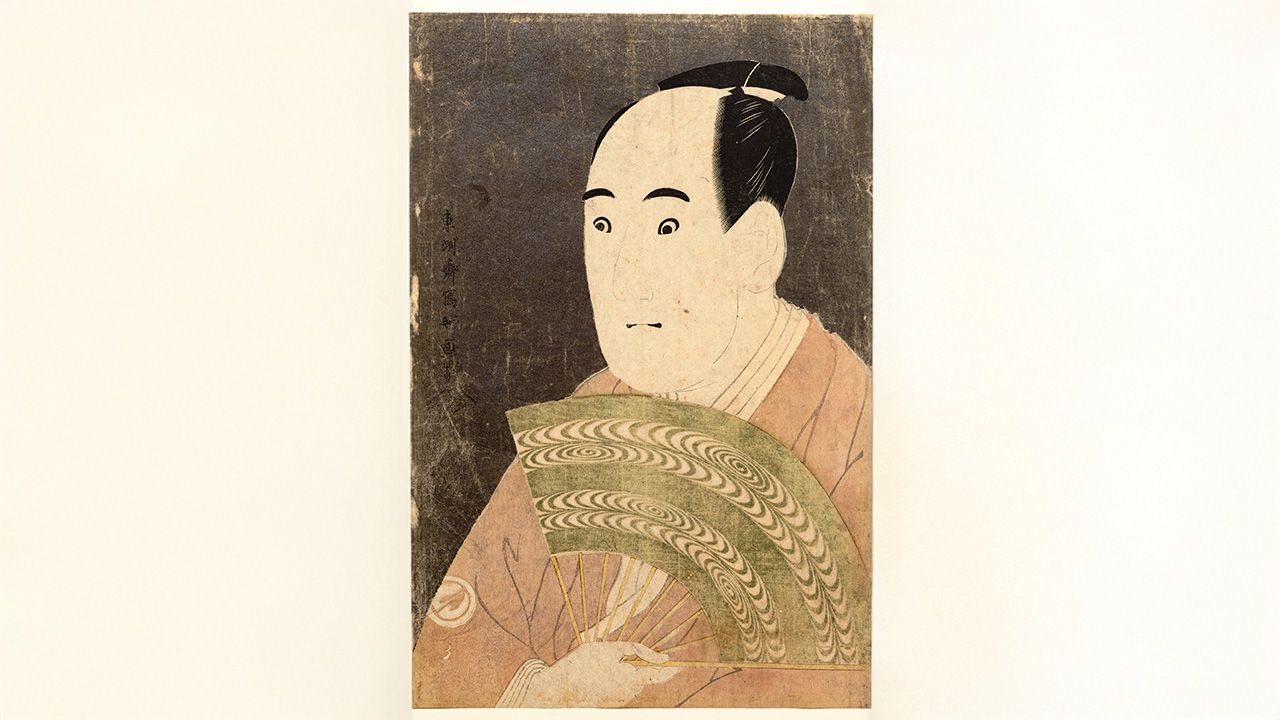
The Chonmage: Japan’s Traditional Topknot
Guideto Japan
Culture- English
- 日本語
- 简体字
- 繁體字
- Français
- Español
- العربية
- Русский
Distinctive Hairstyle
The traditional chonmage topknot was a distinctive hairstyle for male samurai during the Edo period (1603–1868) that also spread among the wider population, and it is still worn by sumō wrestlers today. In the Edo period style, the top of the head was shaved and the remaining hair tied together into the topknot. However, with the influx of Western thinking after the Meiji Restoration of 1868, the chonmage came to be seen as old-fashioned.
In modern Japan, the chonmage is associated with sumō wrestlers, who wear it if their hair is long enough; there is no requirement for shaving, although some may have the hair taken off the crown to make the chonmage easier to form. In tournaments and on other special occasions high-ranking wrestlers have their hair shaped into the more formal ōichōmage (ginkgo-leaf knot).
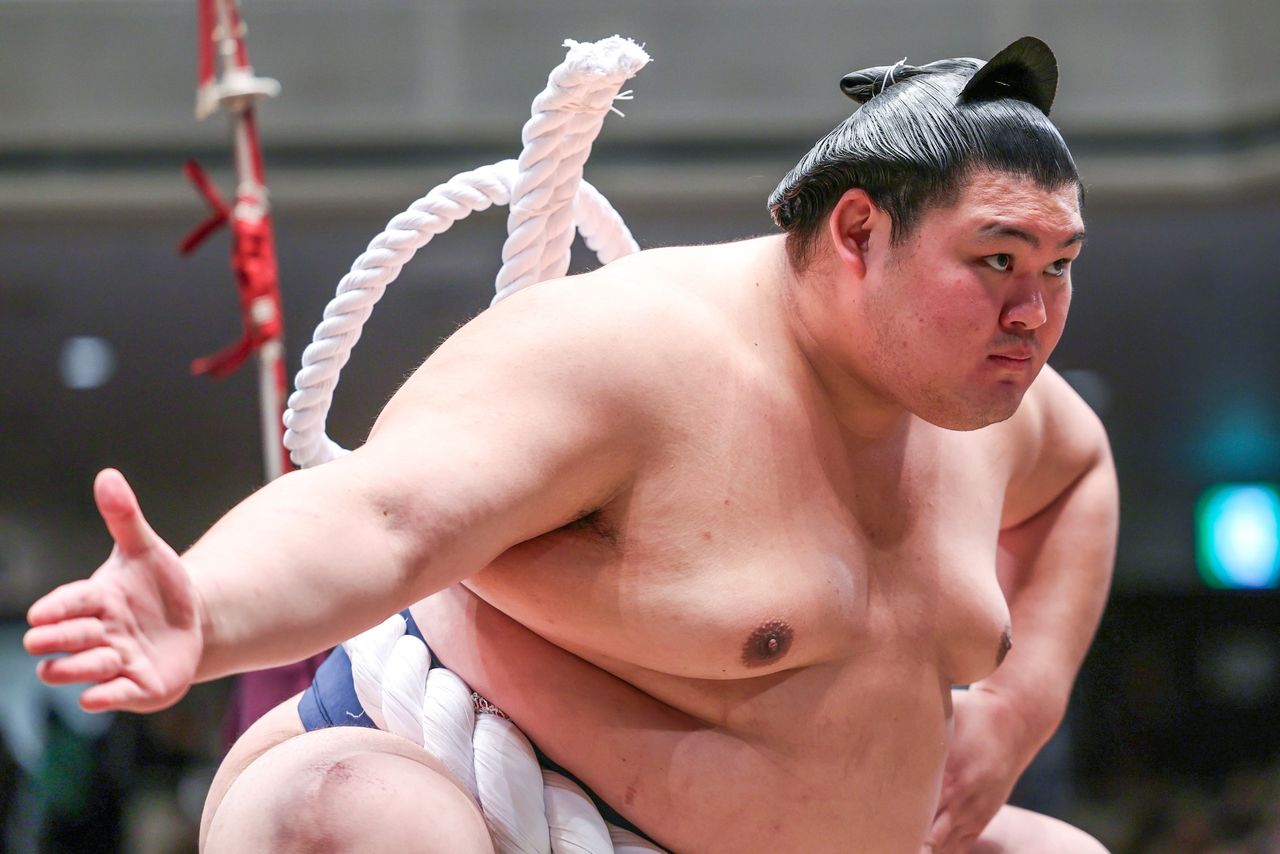
Yokozuna Ōnosato with an ōichōmage at the Grand Sumō Tournament in Tokyo on January 16, 2026. (© Jiji)
(Originally written in English. Banner photo: A painting by the famous ukiyo-e artist Tōshūsai Sharaku shows a kabuki actor performing as a high-ranking samurai. Courtesy Tokyo National Museum/Colbase.)