Botamochi and Ohagi: Sweet Spring and Autumn Rice Cakes
Guideto Japan
Food and Drink Society- English
- 日本語
- 简体字
- 繁體字
- Français
- Español
- العربية
- Русский
Equinox Treats
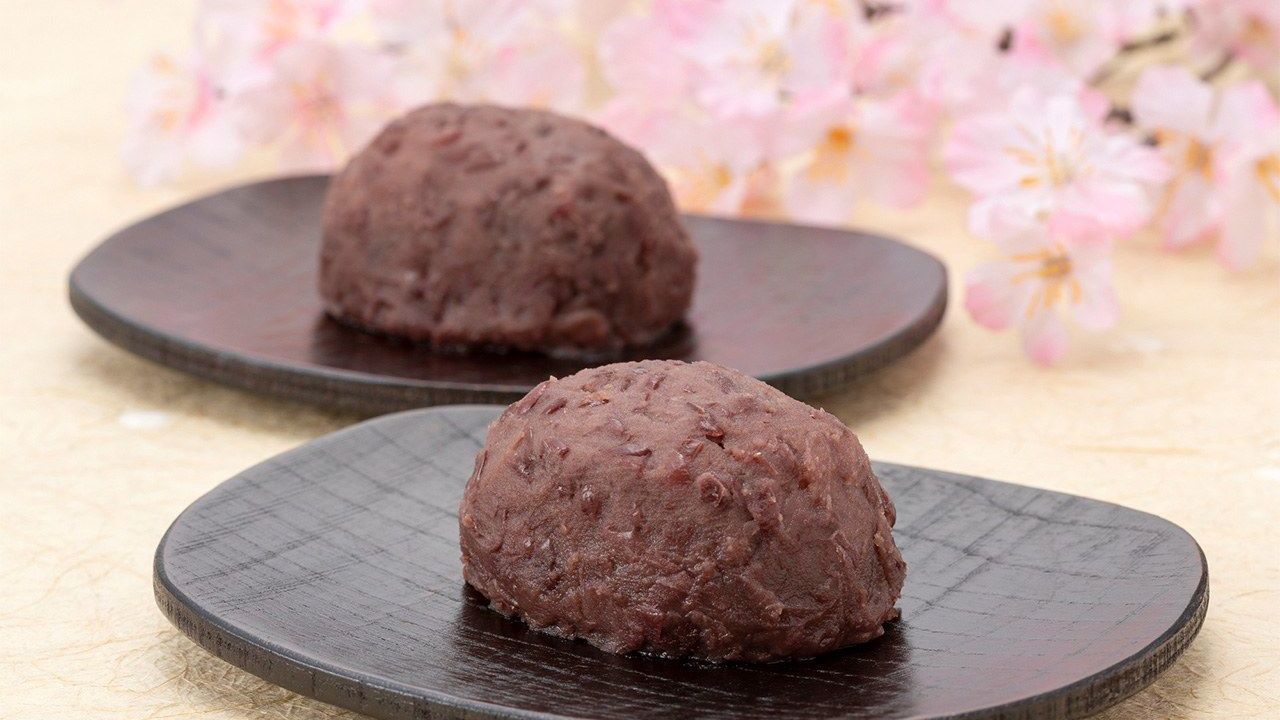
Botamochi and ohagi are traditional Japanese sweets enjoyed during Higan, week-long periods around the spring and autumn equinoxes when people customarily visit family graves. They are made from glutenous rice covered in sweet adzuki bean paste. Botamochi is enjoyed during the spring equinox and represents the peonies, botan in Japanese, that are in bloom at this time. Ohagi is eaten in autumn and is named for the hagi or bush clover that flowers in the fall. Along with being seasonal treats, the confections are given as offerings at ancestors’ graves and butsudan (household Buddhist altars) to pray for a good crop.
Botamochi and ohagi are essentially the same, although some people follow the tradition of using smooth bean paste (koshian) for botamochi, and coarse paste (tsubuan) for ohagi. This is based on the idea that in autumn, the skins of freshly harvested adzuki are still soft, and using tsubuan preserves the distinct texture.
(Originally written in English. Banner photo: Rice cakes known as botamochi in spring and ohagi in autumn. © Pixta)