Emperor’s Birthday (Japan’s National Holidays)
Guideto Japan
Society- English
- 日本語
- 简体字
- 繁體字
- Français
- Español
- العربية
- Русский
A New Date with Each New Imperial Era
February 23 is a national holiday honoring the birthday of the current monarch, Emperor Naruhito.
Unlike most national holidays, the Emperor’s Birthday changes its date with each reign. Until the imperial succession in May 2019, it fell on December 23, the birthday of now Emperor Emeritus Akihito. It then switched to February 23, when Emperor Naruhito ascended the throne. Because of the timing of the imperial succession, the Emperor’s Birthday was not observed as a national holiday in 2019.
Traditionally, an emperor’s birthday was observed as Tenchōsetsu, a term drawn from a classical Chinese phrase in the Laozi meaning “heaven is everlasting, earth enduring.” The wish for stability and continuity shaped the celebration of Emperor Xuanzong’s birthday during China’s Tang dynasty, when the custom originated.
The first recorded Tenchōsetsu in Japan was in 775, when Emperor Kōnin marked his own birthday in this way. The practice faded over time but was revived as a national holiday in 1868. In 1948, during the reign of Emperor Shōwa, the newly enacted Act on National Holidays designated April 29 as the Emperor’s Birthday; this is now the holiday known as Shōwa Day.
The birthday of Emperor Meiji, November 3, later became a holiday known as Meijisetsu. Since 1948, it has been celebrated as Culture Day.
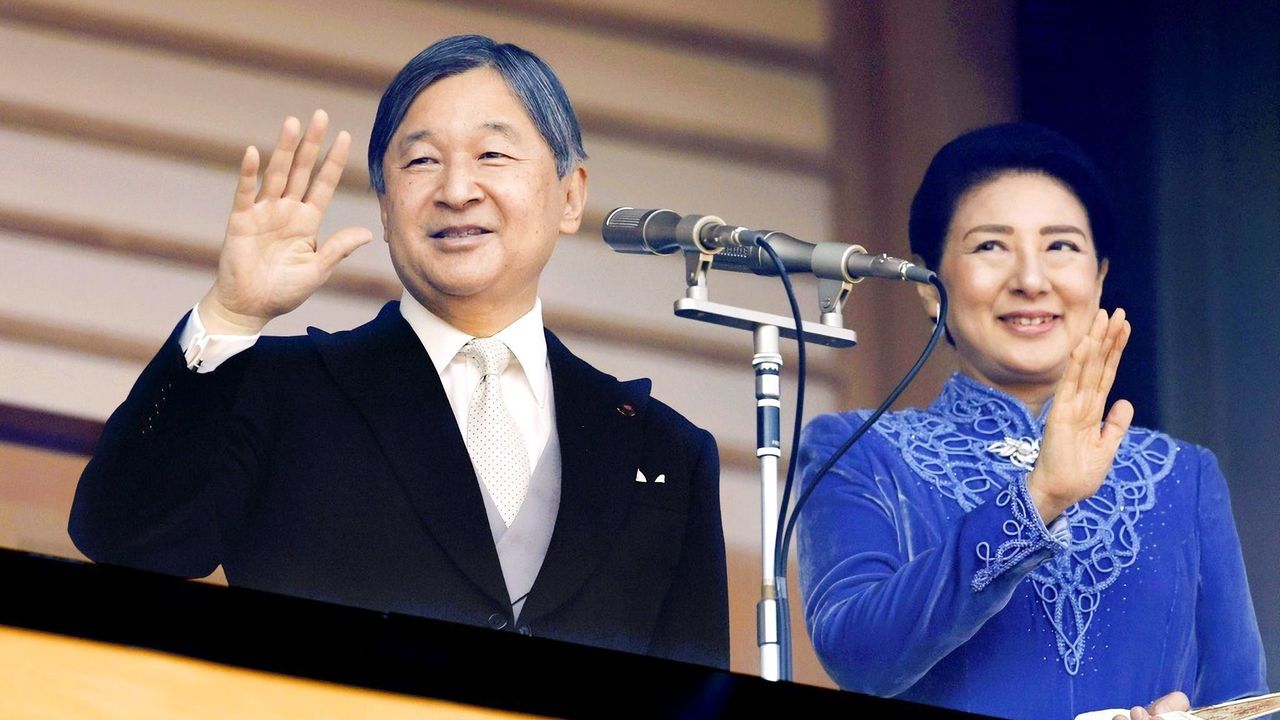
Celebrations are held at the Imperial Palace on the Emperor’s Birthday each year. The emperor stands on the palace balcony with his family and greets public well-wishers.
Data Sources
- National holidays (Japanese) from the Cabinet Office.
- Act on National Holidays from the Ministry of Justice.
- His Majesty’s Birthday Receptions from the Imperial Household Agency.
(Translated from Japanese. Banner photo: Emperor Naruhito, at left, stands with Empress Masako and waves to members of the public from the Imperial Palace balcony. © Kyōdō.)