Shōwa Day (Japan’s National Holidays)
Guideto Japan
Society History- English
- 日本語
- 简体字
- 繁體字
- Français
- Español
- العربية
- Русский
Looking Back to the Twentieth Century
Shōwa Day, at the start of the Golden Week holiday period, remembers the period from 1926 to 1989, during the reign of Emperor Shōwa.
Before the war, April 29, the birthday of Emperor Shōwa, was observed as Tenchōsetsu. In 1948, the Act on National Holidays established it as a public holiday under the name “Emperor’s Birthday.”
After Emperor Shōwa passed away in 1989, the Emperor’s Birthday was moved to December 23, the birthday of Emperor Akihito, and April 29 was initially set to lose its status as a national holiday. However, because the date had long been established as the start of Golden Week, removing it would have disrupted people’s lives and the economy. As a result, it was retained as a holiday under a different name. At first, it was renamed “Greenery Day,” in tribute to Emperor Shōwa’s deep interest in observing the natural world.
However, the evolution of the holiday did not end there. Calls, particularly from conservative groups, grew for a national holiday bearing the name “Shōwa,” in recognition of the era that saw Japan’s postwar recovery. Efforts toward legal revision continued for many years. Following a revision to the Act on National Holidays in 2005, the day was redefined as one to look back on the Shōwa era, a tumultuous period for Japan of war and recovery, and to contemplate the country’s future. As a result, from 2007 onward, April 29 was renamed from Greenery Day to Shōwa Day. Meanwhile, Greenery Day was moved to May 4.
Data Sources
- National Holidays (Japanese) from the Cabinet Office.
- What is Shōwa Day? (Japanese) from the Shōwa Day Network.
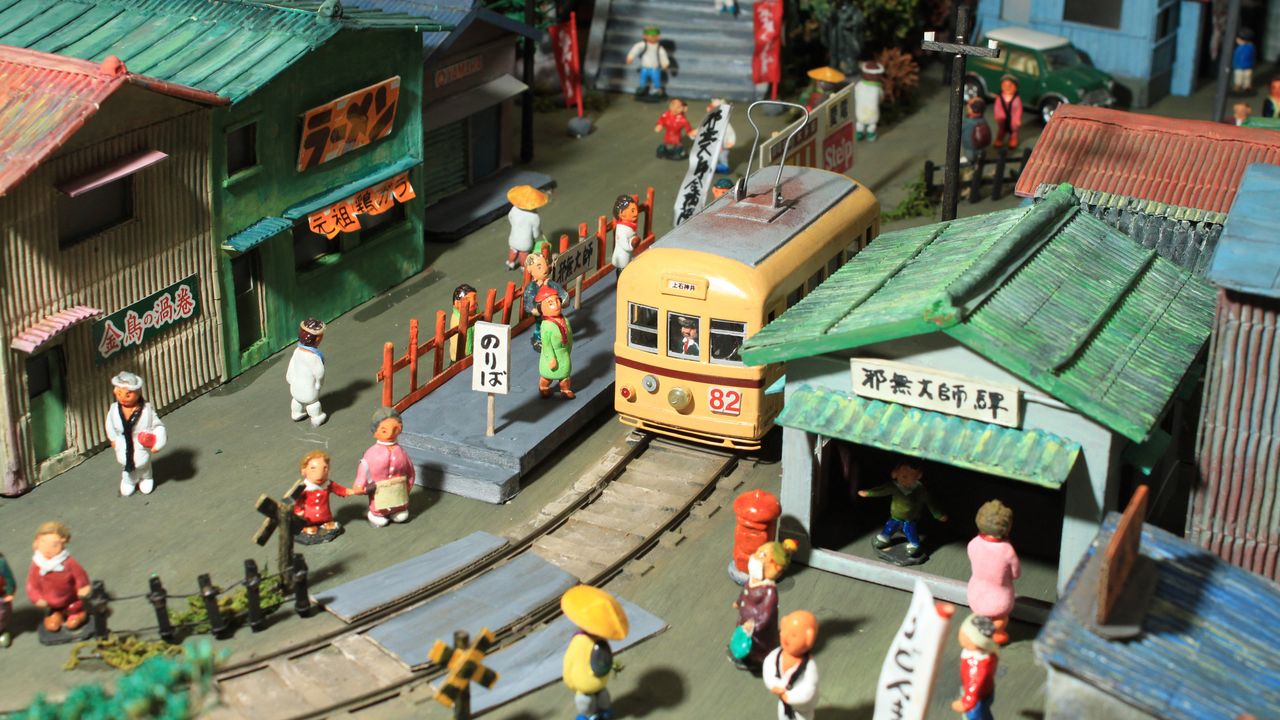
(Translated from Japanese. Banner photo: A miniature diorama recreating a Shōwa-period townscape. © Pixta.)