Shizuoka: A Global Center for Plastic Modeling
Guideto Japan
Culture Travel- English
- 日本語
- 简体字
- 繁體字
- Français
- Español
- العربية
- Русский
Hobby Town
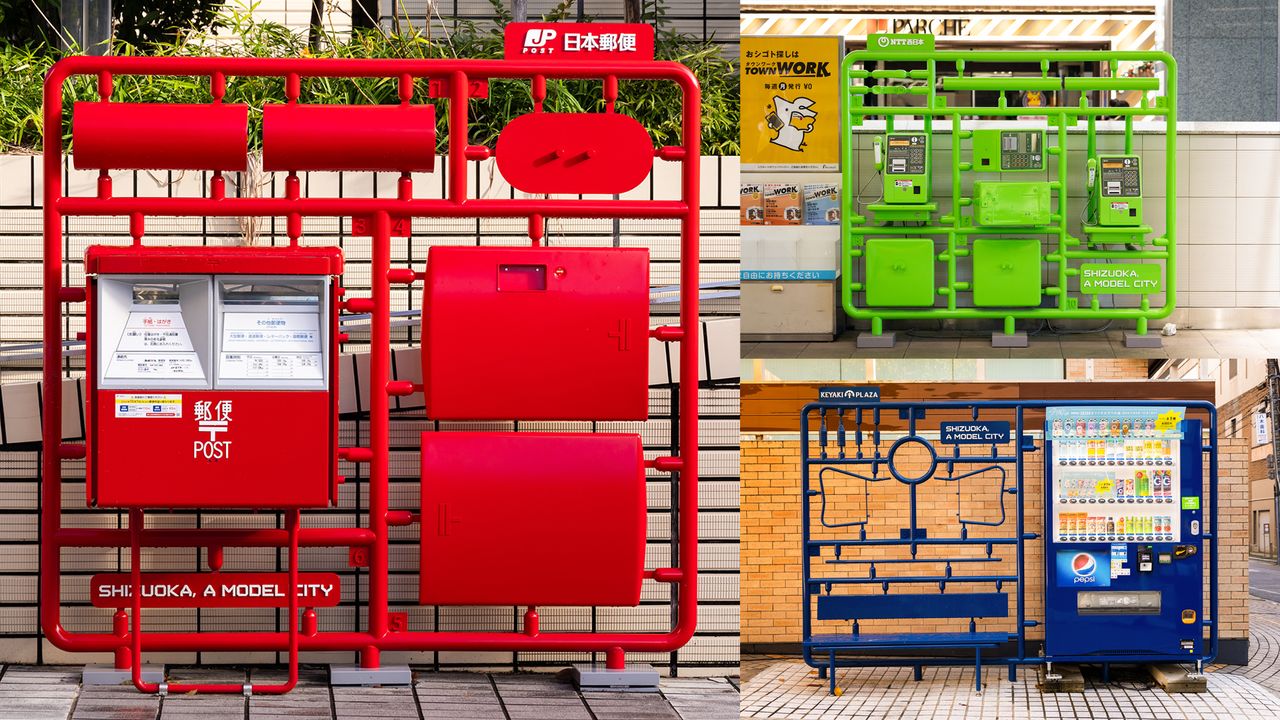
The city of Shizuoka is a modeling mecca. Home to 10 hobby manufacturers—Tamiya, Bandai, Aoshima, and Hasegawa, to name a few—it is where more than 80% of Japan’s plastic model kits are produced. The town is so passionate about its status that authorities at city hall created a special department to promote plastic models, playfully proclaiming the municipality “A Model City.”
To highlight its modeling culture, Shizuoka has established 15 life-size monuments shaped like plastic model kits around town. These include information signs as well as working public phones and a mailbox designed to look like kits with pieces still attached to their runners.
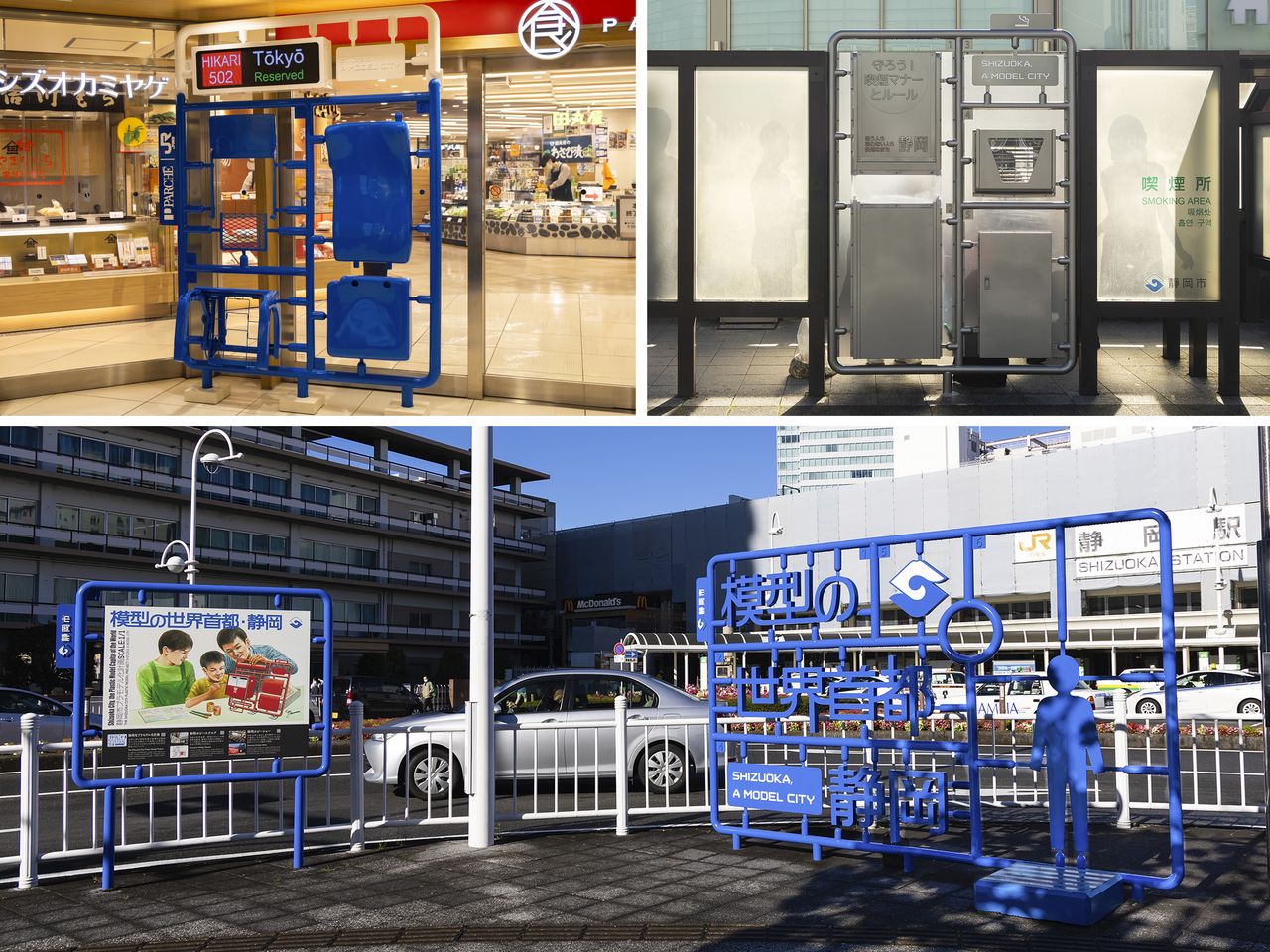
Clockwise from upper left: a monument in the shopping arcade near Shizuoka Station features parts of a seat and a digital display of a Shinkansen; the monument at the smoking area near the station’s north exit consists of parts from a large outdoor ashtray; a monument designed like an old-style model box and a newly opened kit advertises Shizuoka’s connection to modeling. (© Nippon.com)
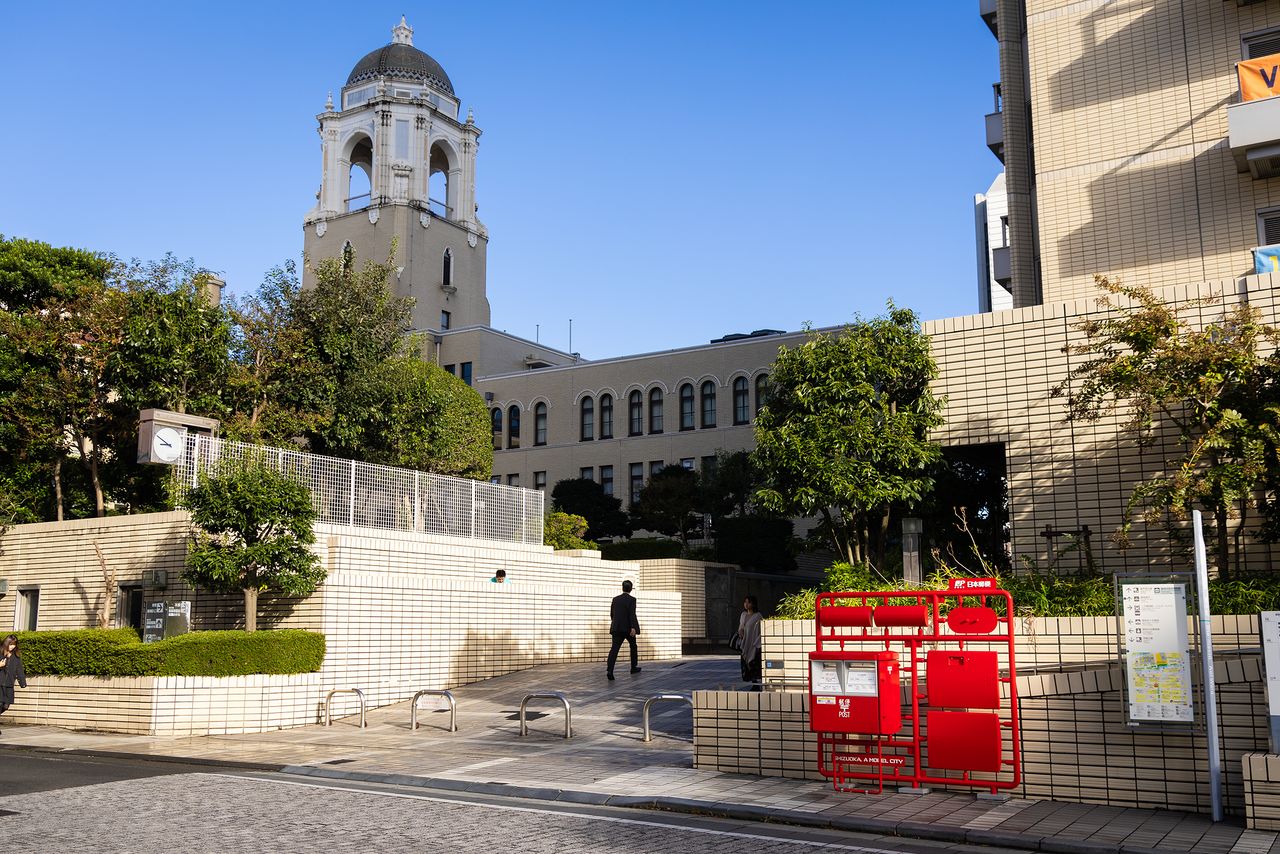
The monument outside Shizuoka City Hall includes an actual post box. (© Nippon.com)
The monuments have garnered attention as the modeling market as a whole continues to enjoy broad popularity. According to a Tamiya spokesperson, the pandemic brought a brisk uptick in sales for plastic models as people stayed at home, with the hobby taking on a family flair as parents and children shared in the fun of building replicas together.
Makers have also capitalized on the growing popularity of radio-controlled cars as more people take to the outdoors for activities like camping. These trends have fueled the sales of higher-end items, as former hobbyists rediscover modeling in middle age and snap up expensive kits that were once beyond their budgets.
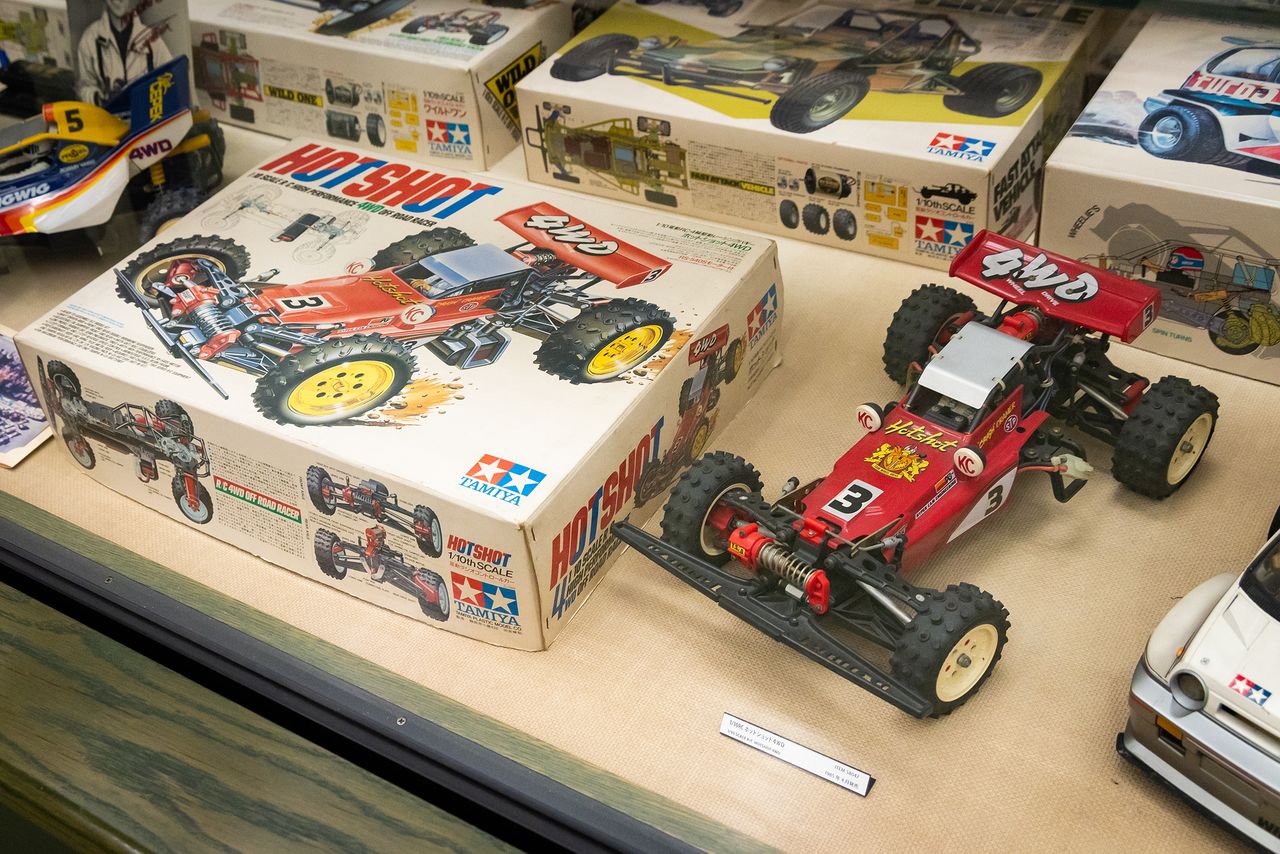
Tamiya’s Hotshot. The four-wheel-drive radio-controlled buggy debuted in 1985 and remains a popular item with hobbyists of all ages. (© Nippon.com)
Hobby Square is another site celebrating Shizuoka’s modeling industry. The facility, near the south exit of JR Shizuoka Station, has displays highlighting the history of plastic modeling and exhibits from different makers, including rare and historic items. The onsite shop carries new releases and specialty items.
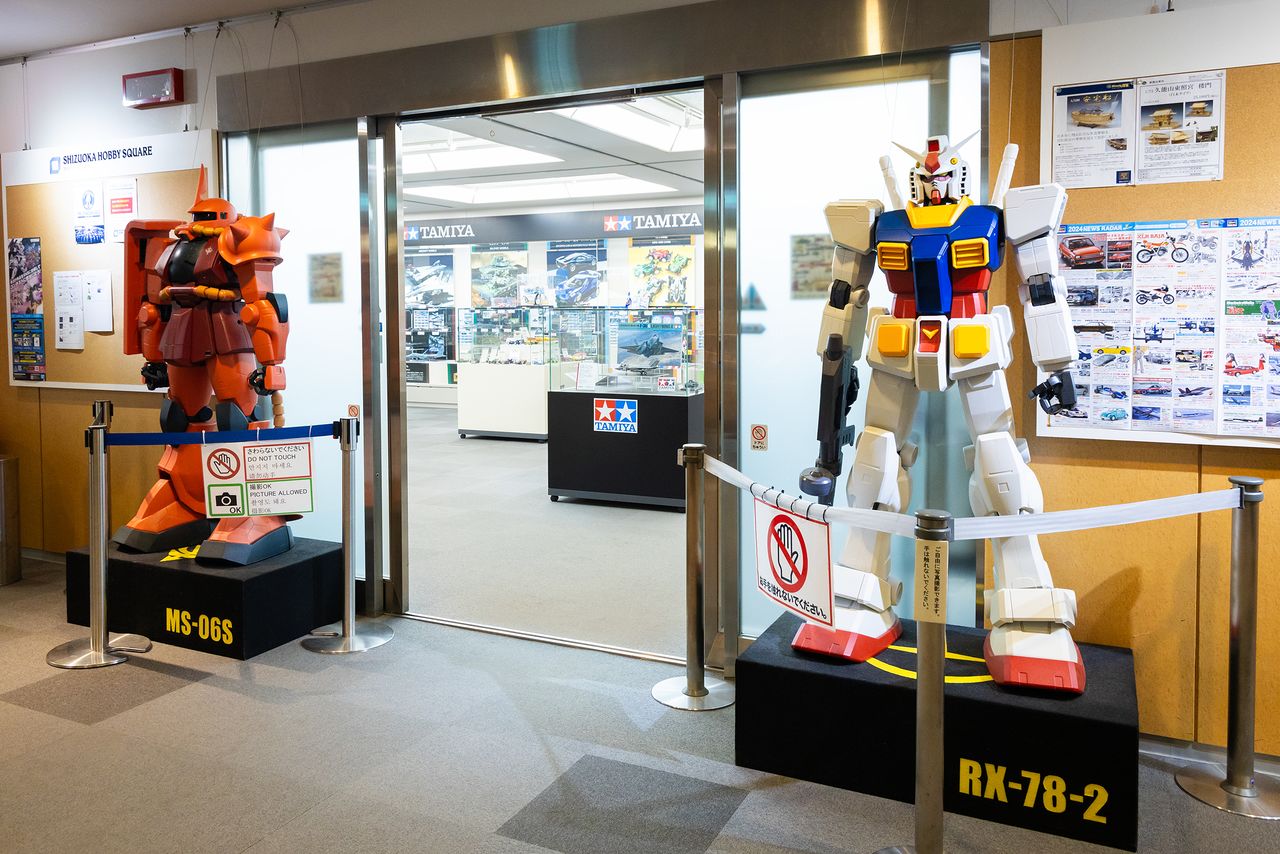
Characters from the Mobile Suit Gundam series, a mainstay among modeling enthusiasts, greet visitors to Hobby Square. (© Nippon.com)
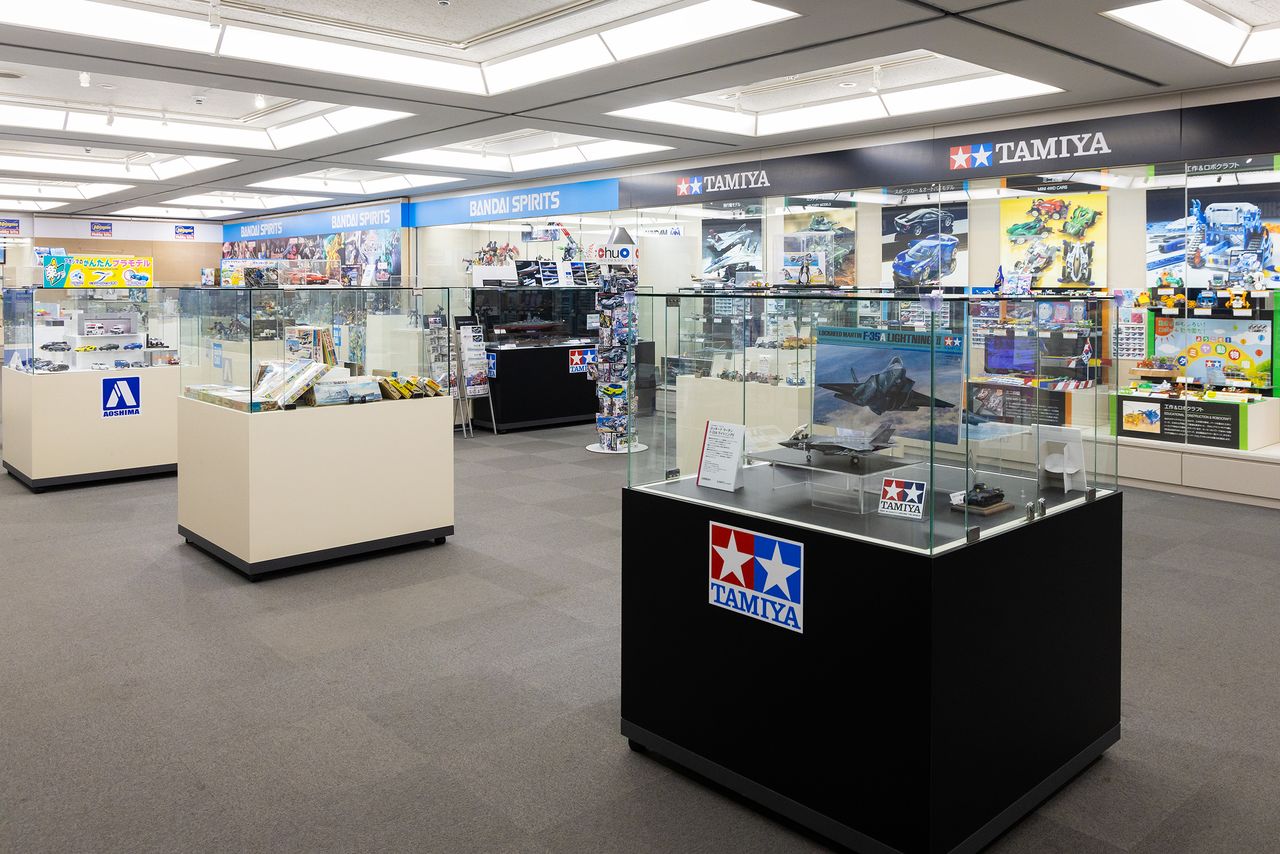
New and historic items are on exhibit at Hobby Square. (© Nippon.com)
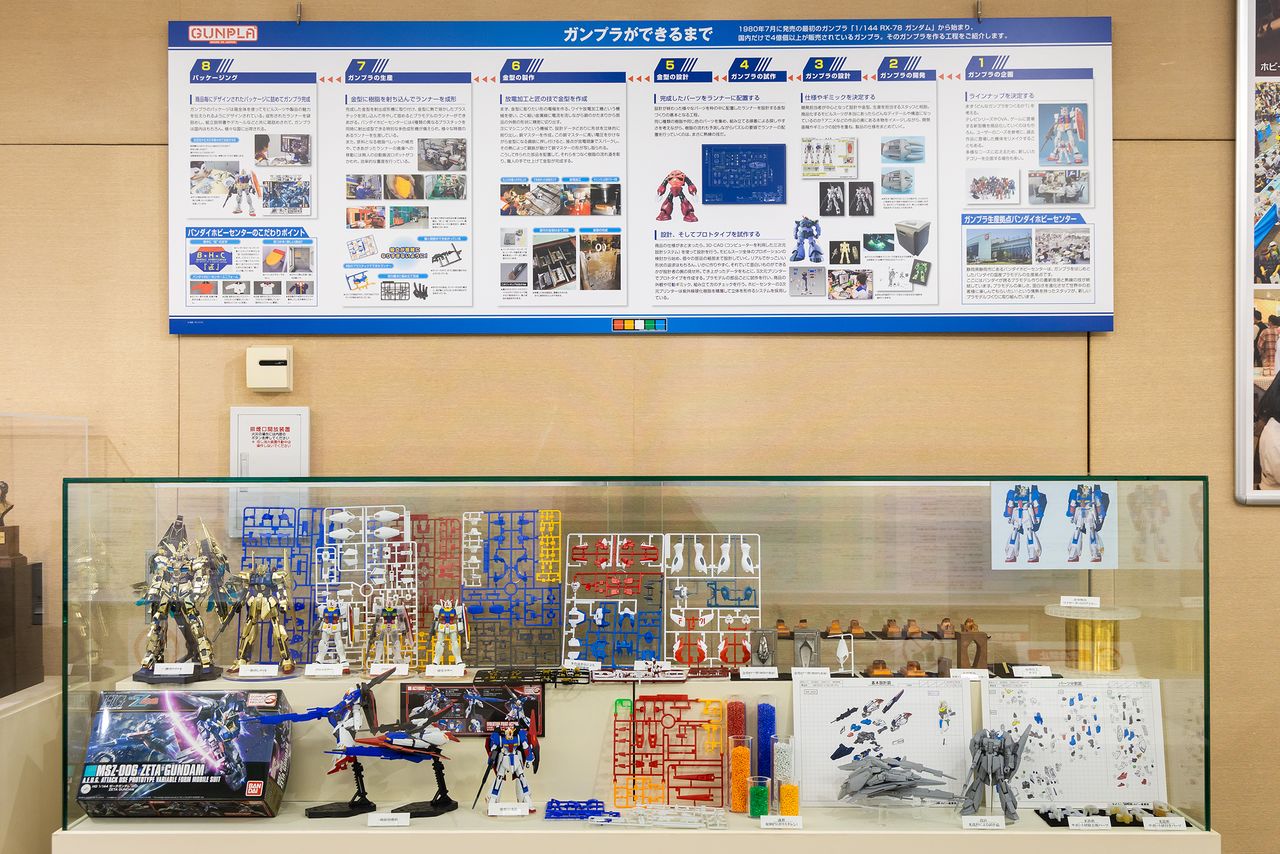
An exhibit detailing the manufacturing process for Gundam models. (© Nippon.com)
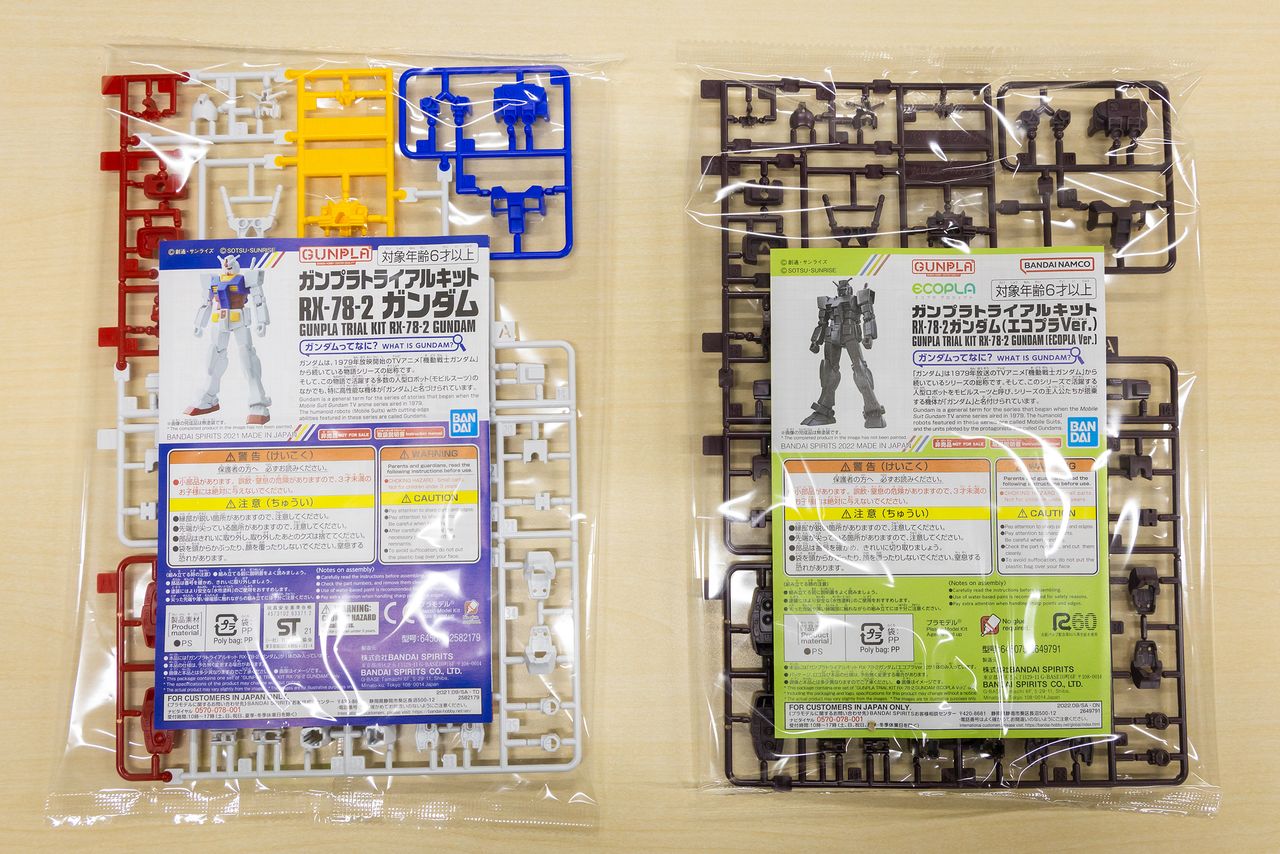
Manufacturer Bandai offers specially designed model kits as part of its Gunpla Academia, a school-based initiative to introduce students to the world of craftsmanship. (© Nippon.com)
Deep-Rooted Craftsmanship
Shizuoka’s tradition of craftsmanship was greatly influenced by Tokugawa Ieyasu (1543–1616), the founder of the Tokugawa shogunate that ruled Japan for more than 200 years. As a young boy, Ieyasu was a political hostage in Sunpu, which later became the modern city of Shizuoka. At age 40, he took control of the area, relocating from Hamamatsu to the southwest, and built Sunpu Castle in 1589.
Ieyasu gathered master carpenters, sculptors, metalworkers, and other skilled craftsmen from around Japan for the project. He also rebuilt the important Sengen Shrine and later expanded the confines of the castle, where he settled after passing the title of shōgun to his son Hidetada, although he continued to wield power behind the scenes. After Ieyasu’s death in 1616, the craftsmen constructed Kunōzan Shrine as his resting place.
Later shōguns supported these artisans, and many settled in the area, taking advantage of the surrounding forests to create exquisite crafts. Such traditions as Suruga bamboo craftwork are still produced today.
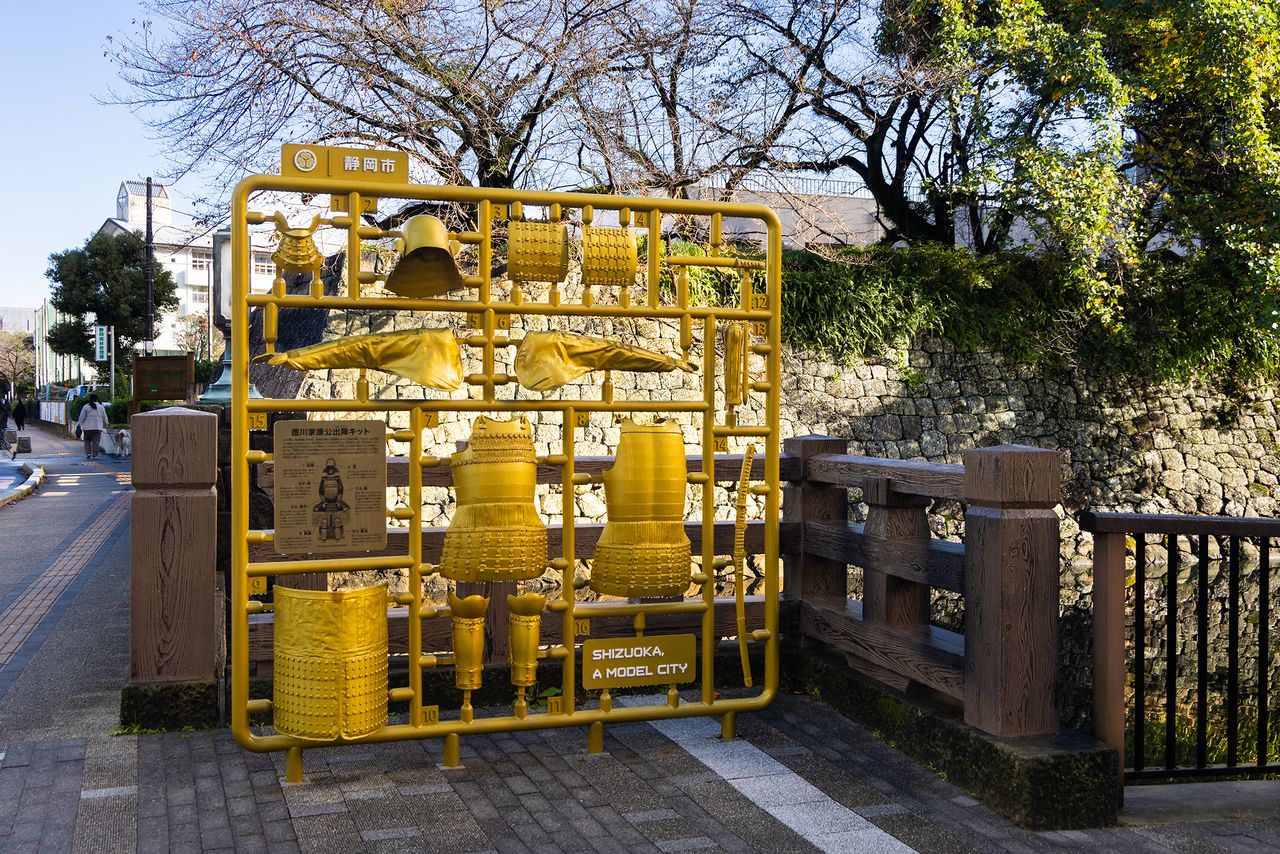
A plastic model monument featuring the golden Kindamigusoku armor worn by Tokugawa Ieyasu. (© Nippon.com)
The Model Industry Lifts Off
Shizuoka’s modern model-making industry dates to 1924 when aviation enthusiast Aoshima Jirō founded an airplane research center in the city. Using his knowledge and experience, Aoshima started manufacturing wooden model airplane kits, which he began to sell in 1932. The models were used to teach aviation, becoming popular items nationwide.
Restrictions in the postwar years forced the area’s burgeoning number of manufacturers to shift to selling wooden ships. From the late 1950s, as imported plastic models grew in popularity, they adopted plastic for their kits.
Aoshima established Aoshima Bunka Kyōzai in 1961 to develop and manufacture model kits, and the company grew to be an industry leader with its easy-to-build offerings.
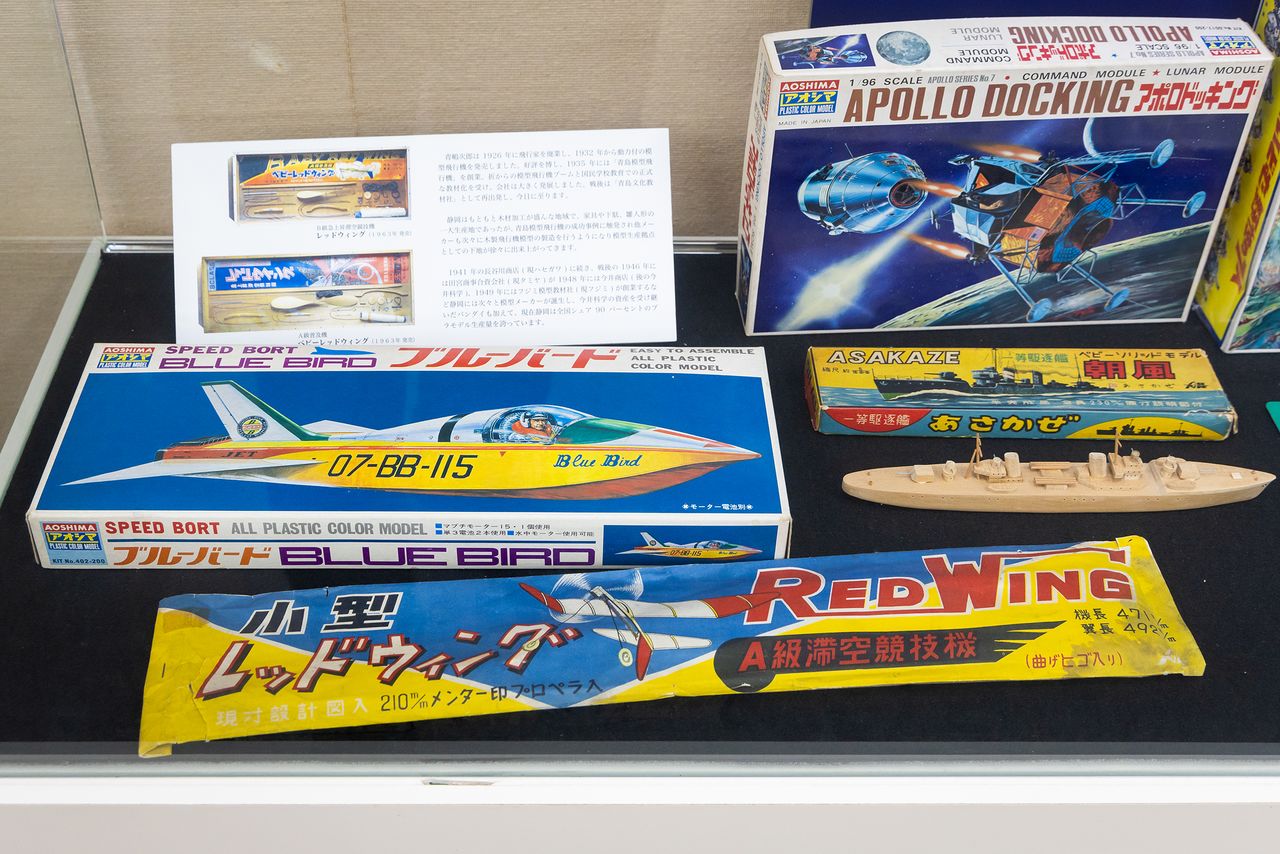
Early wooden models made by Aoshima’s company on display at Hobby Square. (© Nippon.com)
A Global Model Giant Emerges
Tamiya is another Shizuoka success story. Founded as a lumber company in 1946, it began selling wooden model kits in 1948, making these its primary offering after closing the lumber mill in 1953. It released its first all-plastic kit, a 1/800 scale of the Japanese battleship Yamato, in 1960, but it was the Panther, a 1/35 scale motorized tank issued in 1962, that gave the firm its first major hit and led to the establishment of a separate plastic molding division.
Tamiya continued to find modeling success, including the 1976 release of the 1/12 scale radio-controlled Porsche 934 Turbo and its mini 4WD models of the 1980s. It began expanding overseas, and in 1994, it set up its only factory abroad, in Cebu, Philippines, making the firm one of the largest model manufacturers in the world.
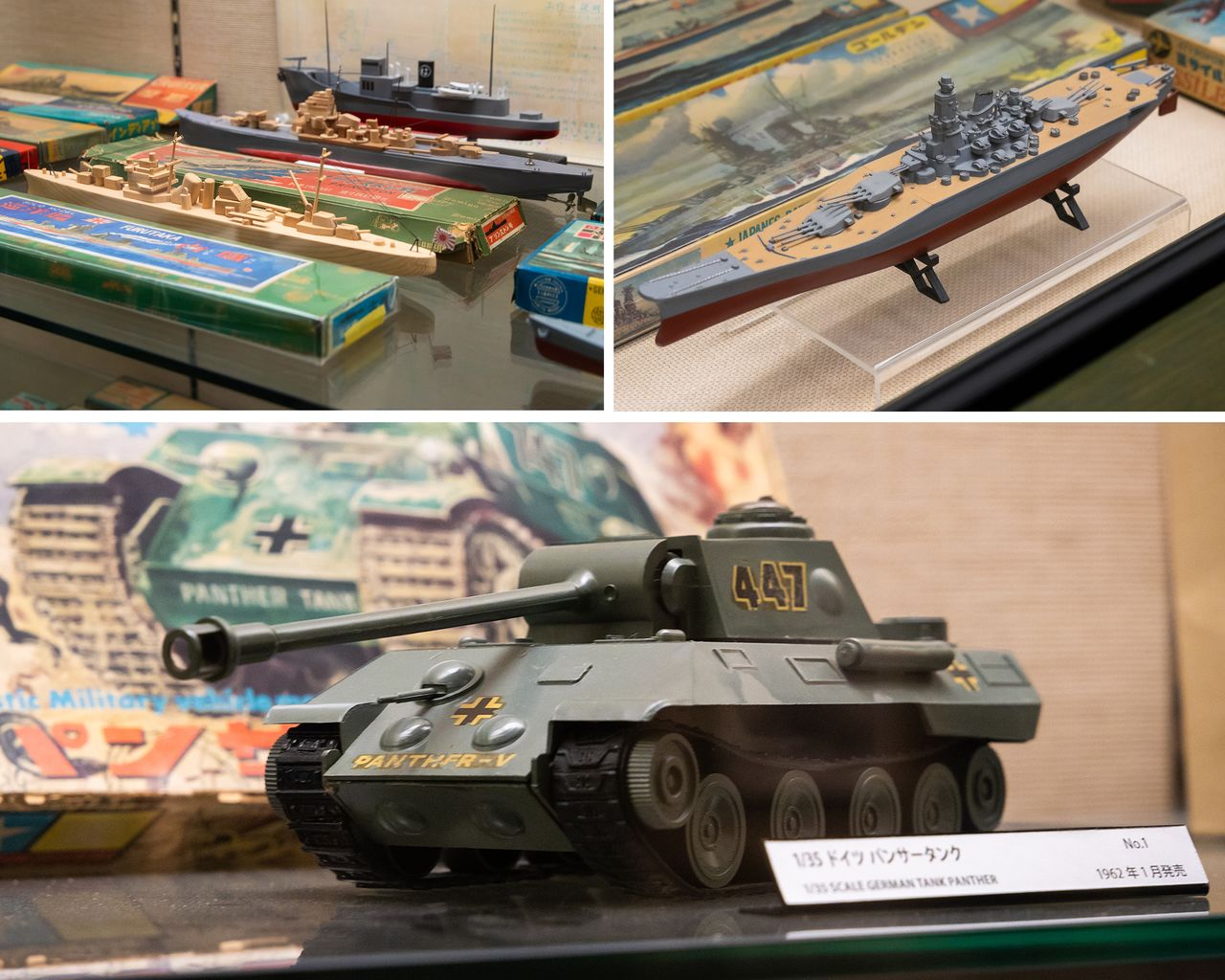
Clockwise from upper left: Wooden boat models; the 1/800 scale model of the Yamato; Tamiya’s Panther tank. (© Nippon.com)
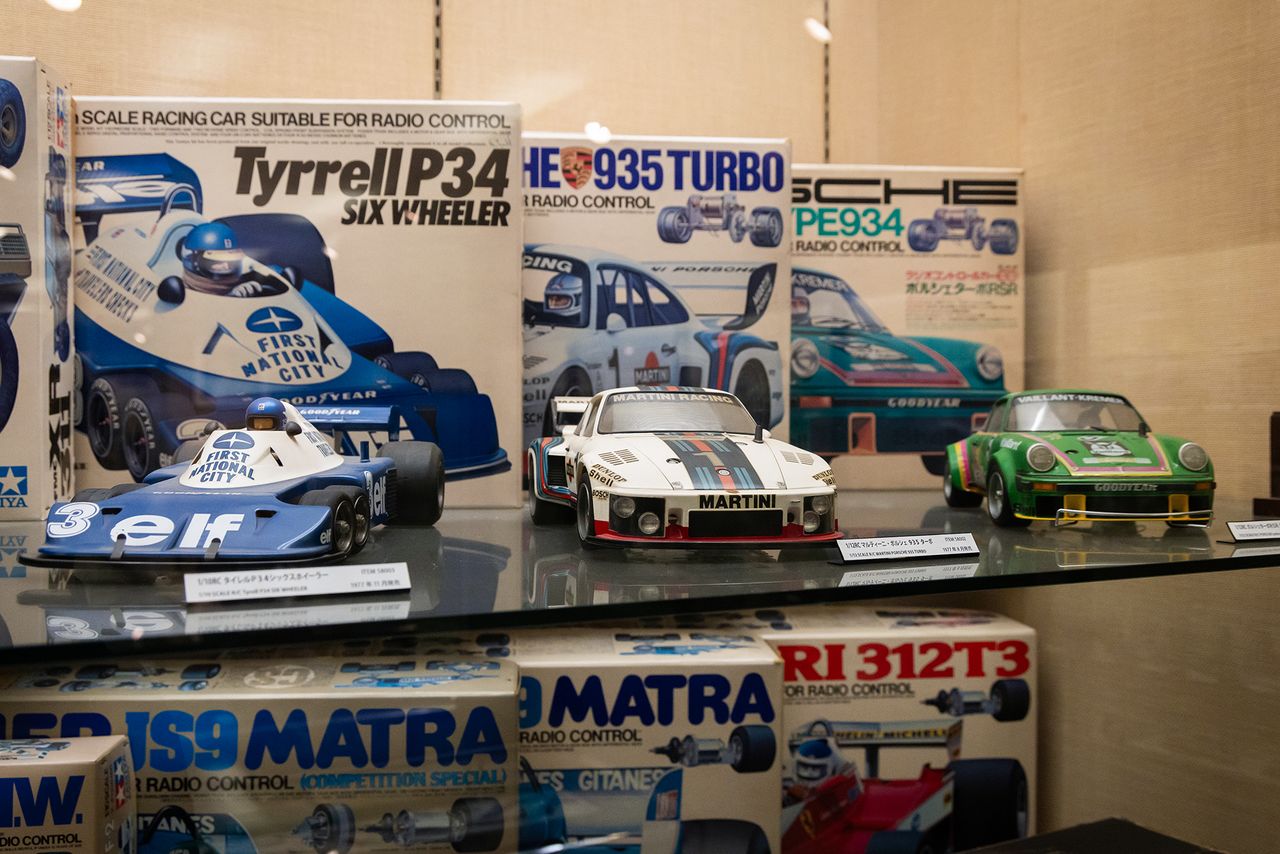
Tamiya’s radio-controlled Porsche 934 Turbo (right), which triggered a radio-controlled car boom in Japan, and other offerings in the series. (© Nippon.com)
Tamiya Craftsmanship
Tamiya offers fans several exhibits of interest at its head office. The Archive Room displays products from early wooden models to modern creations, and the lobby of its headquarters features actual sports cars and other vehicles, many of which have been turned into radio-controlled models. The exhibits are open to the public by reservation.
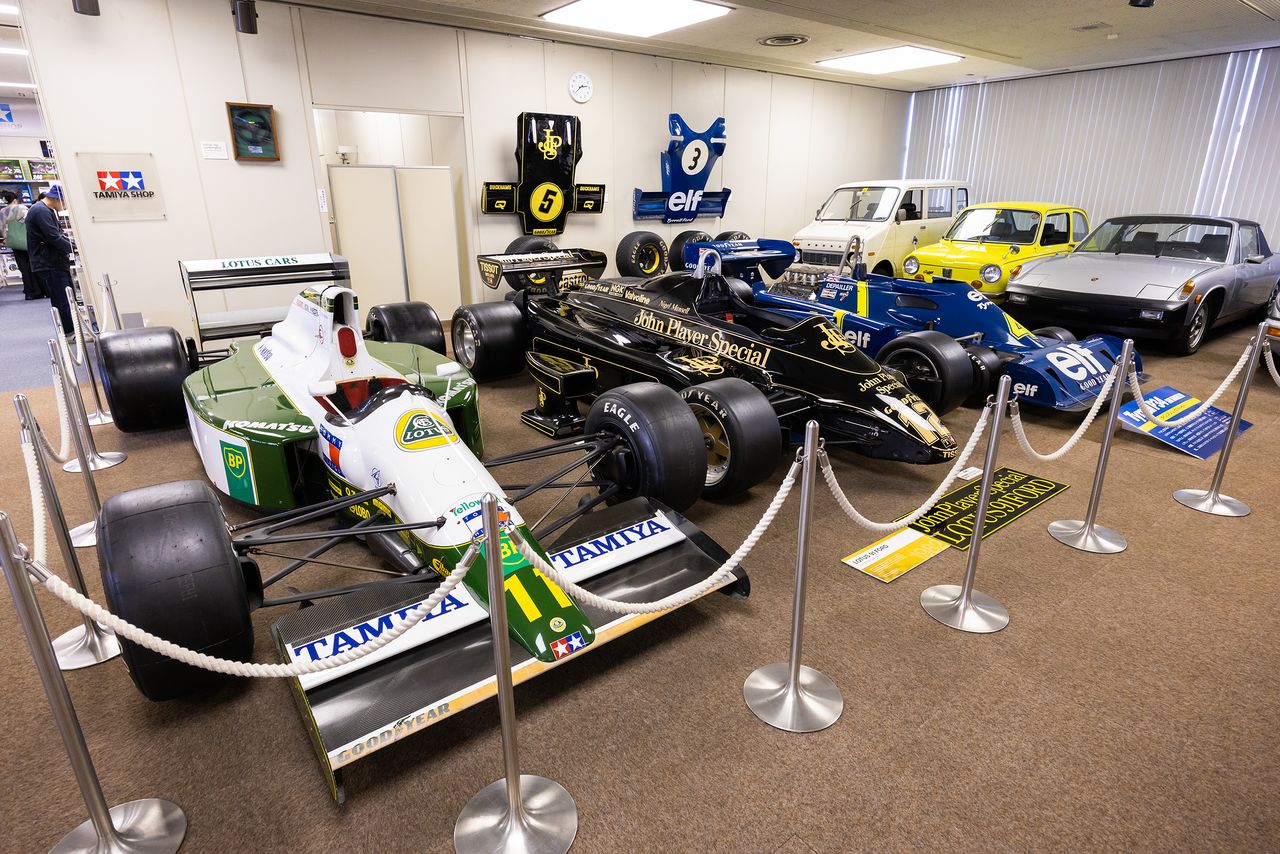
Racing cars on display at Tamiya’s headquarters. (© Nippon.com)
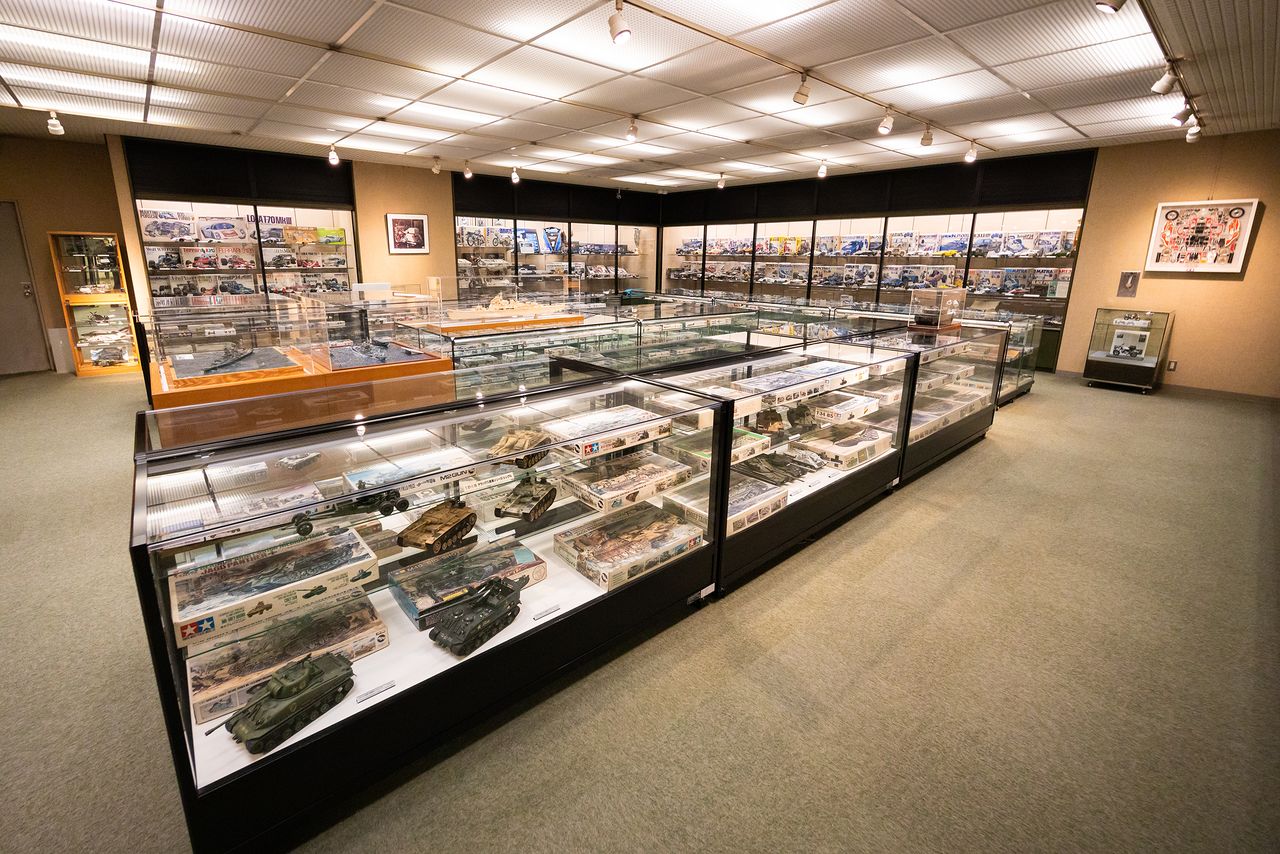
Tamiya’s Archive Room. (© Nippon.com)
Tamiya has also helped in establishing Takumishuku, a center highlighting the traditional crafts of the region. Visitors to the facility can try their hand at techniques like Suruga bamboo lattice ware, hand-dyeing, pottery, and lacquerware, providing a sense of the centuries-old culture of craftsmanship that remains the backbone of Shizuoka’s plastic model industry.
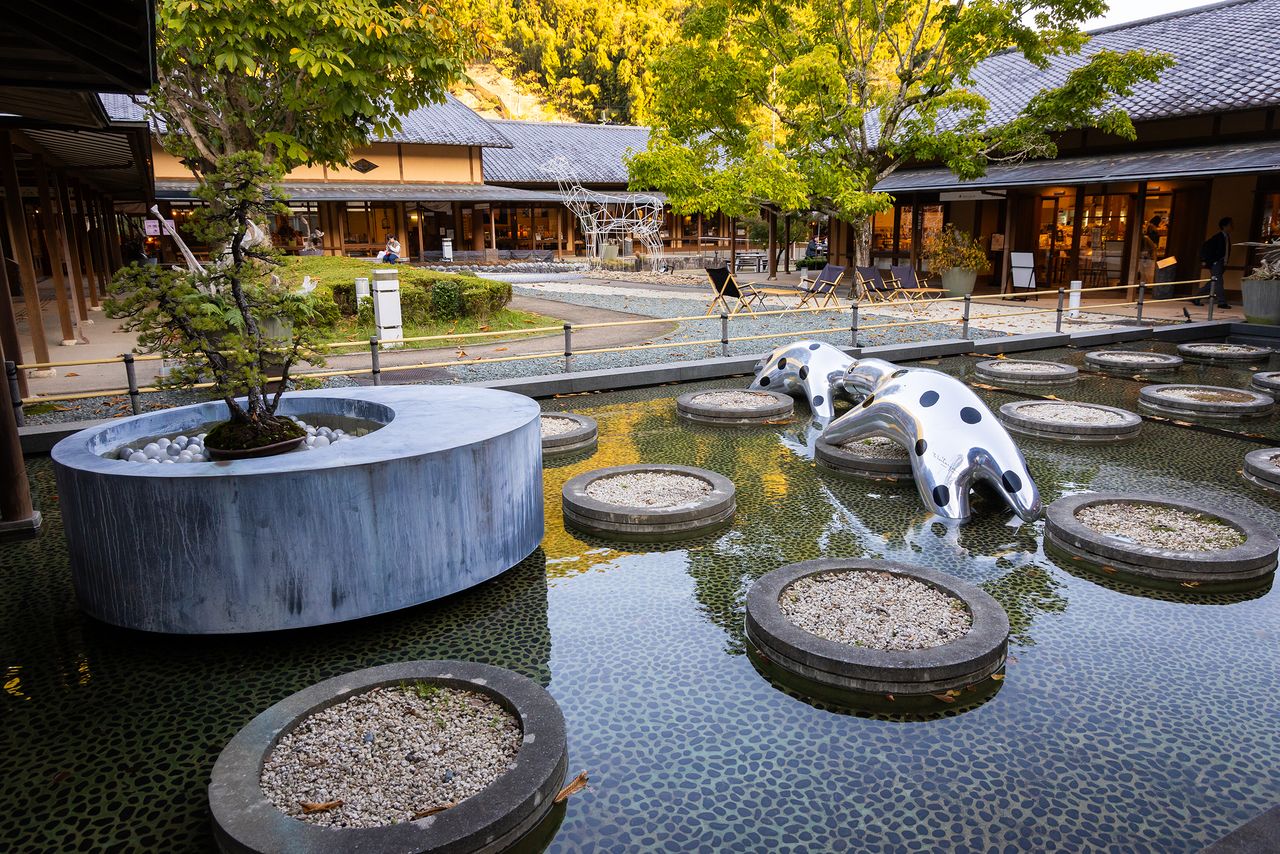
The interior of Takumishuku. (© Nippon.com)
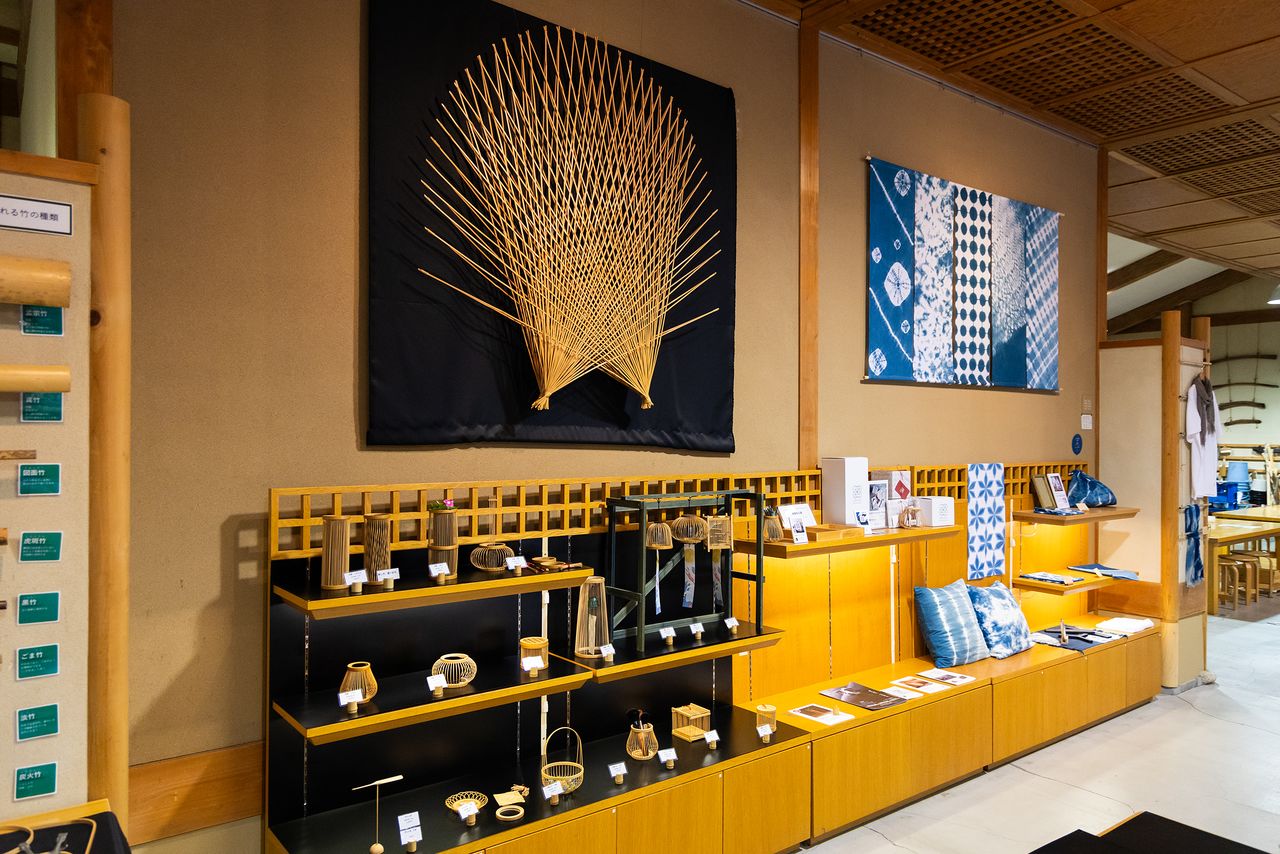
A display of Suruga bamboo lattice ware and indigo dyeing. (© Nippon.com)
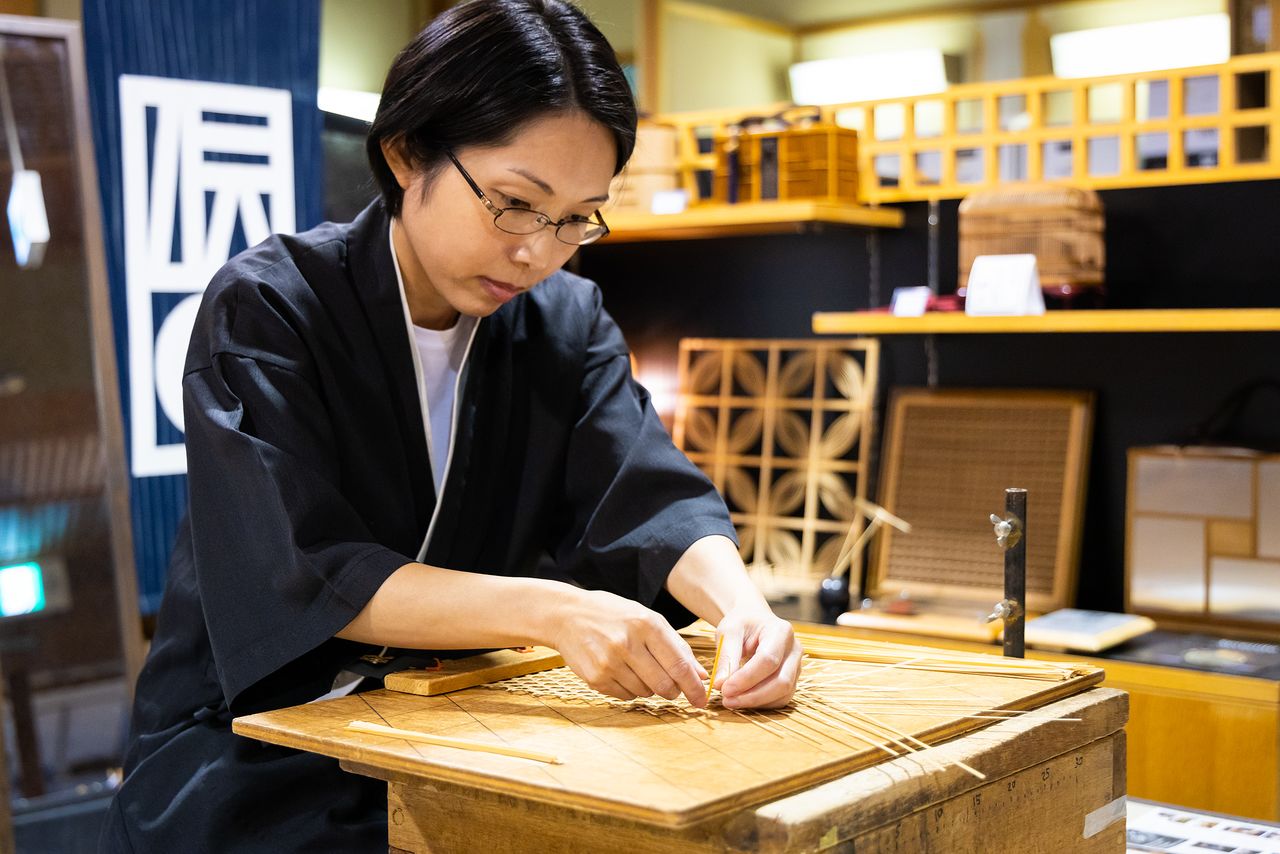
An artisan shows how Suruga bamboo lattice ware is made. (© Nippon.com)
(Originally published in Japanese. Reporting, text, and photos by Nippon.com. Banner photo: Different plastic model monuments around Shizuoka. © Nippon.com.)