JFL Today: Considering Japanese-Language Education for Foreign Residents
Teaching with Tech: The Digital Tools Supporting Foreign Children’s Education in Japan
Society Education- English
- 日本語
- 简体字
- 繁體字
- Français
- Español
- العربية
- Русский
New Tools for the Classroom
Foreign children living in Japan may have an easier time picking up the language than their parents do, but learning Japanese to the level where they can use it at school is still a challenge.
In this series we look at some of the ways educators are putting information and communication technology to use to help their youngest learners. More detailed articles will be posted soon; check back for the links as they are added in each section below.
Tackling Teacher Shortages with Online Learning
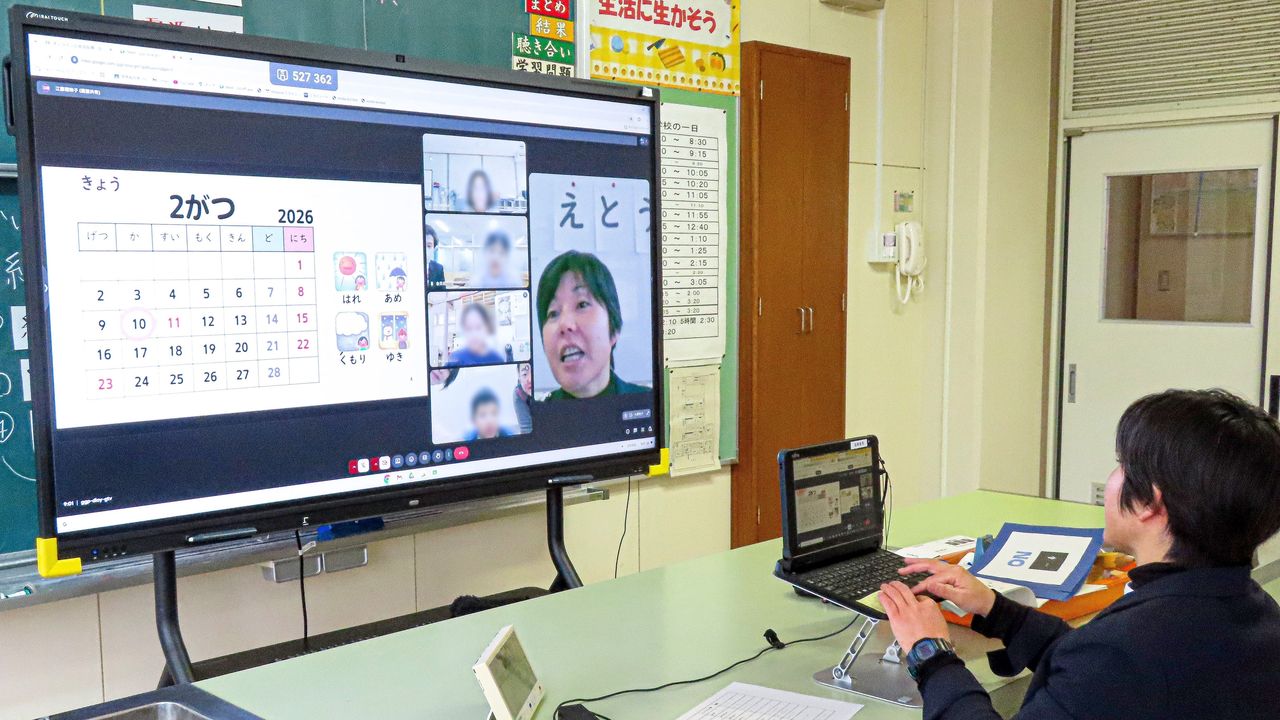
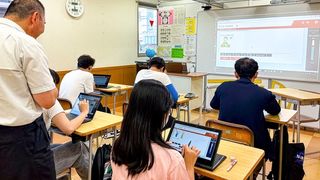
The Fukuoka Municipal Board of Education is testing remote classes for foreign children. (© Tanaka Keitarō)
Information and communication technology is increasingly relied on in Japanese language learning where there is a shortage of specialized personnel to handle educational tasks in person.
As the number of children with foreign roots is rapidly rising, the Fukuoka Municipal Board of Education has linked multiple schools online through a hub school to provide Japanese language instruction on screen. The initiative aims to ensure access to Japanese language education even at schools that do not have dedicated instructors for Japanese as a foreign language.
One advantage of this approach is that it allows schools to provide classes of a reasonable quality even if they lack their own instructional setup. ICT thus reduces disparities in learning opportunities between schools and areas. Challenges remain, however, such as how to help children who are just beginning to learn Japanese stay focused while learning through a screen.
Tablet-Based Apps Keep Kids Engaged
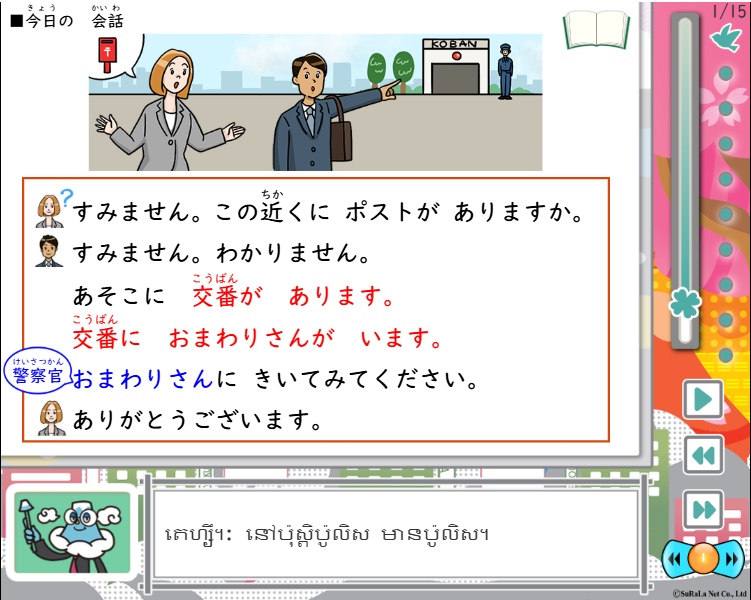
The tablet app Surala Nihongo helps students learn conversational Japanese on a tablet. Text in the student’s native language (Khmer in the image shown) appears at the bottom of the screen to aid understanding. (© Surala Net)
ICT is also transforming Japanese language teaching materials themselves.
Surala Nihongo is a tablet-based learning program designed with guidance from Japanese-language education experts to help students begin learning Japanese from the basics. It combines narration by voice actors, native language subtitles, and animation. Students can learn vocabulary and expressions through voice and video along with writing, making the task more approachable even for those who are just starting to learn Japanese.
In Japanese language education, there are major differences in proficiency depending on children’s ages and when they arrived in Japan. When students attend the same class and listen to the same explanation, their level of understanding can vary greatly. Digital tools can draw on AI to provide questions tailored to the learners’ individual levels of comprehension, letting them study ahead at their own pace and review material more efficiently. Surala Nihongo is also easy for teachers to use as a supplementary classroom resource and to support individual learning within limited instructional time.
Connecting School and Home with Digital Correspondence Solutions
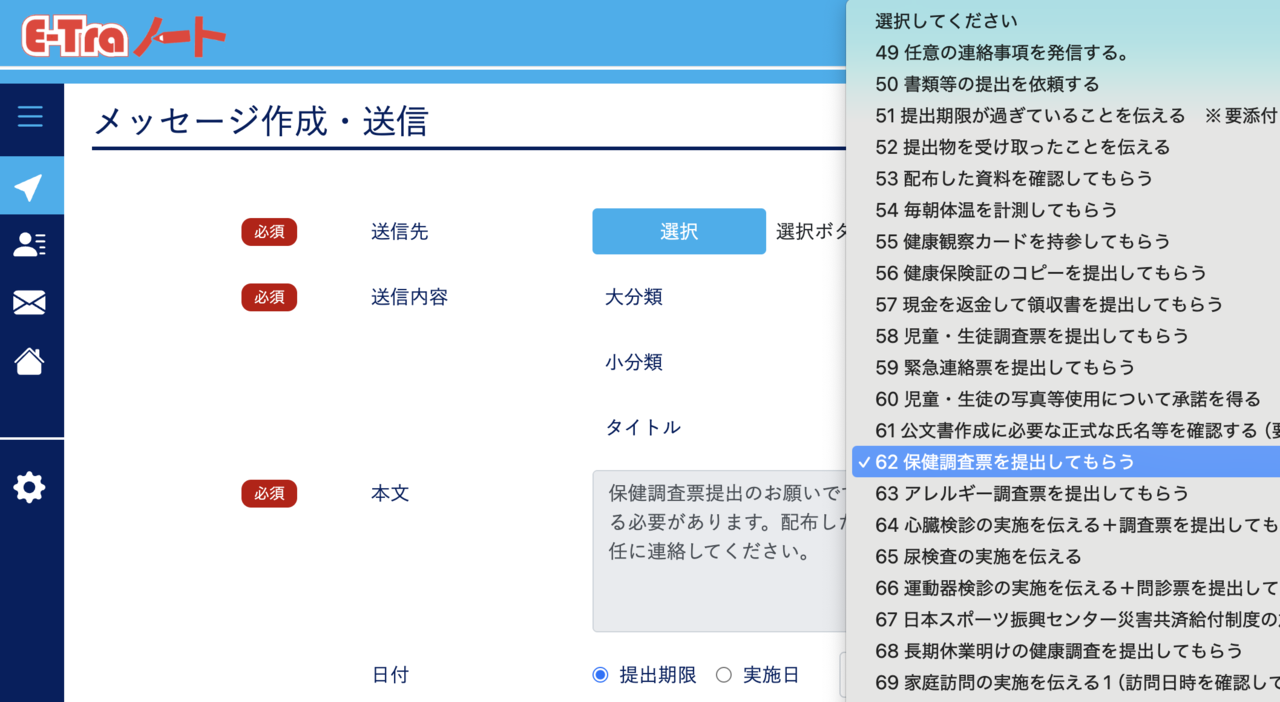
The E-Tra Note screen as displayed on a computer. Users can choose a situation (“request submission of health questionnaire” is selected here) to automatically generate appropriate sentences. (Courtesy Wakabayashi Hideki)
The role of ICT is not limited to direct education itself. Connecting schools and homes is another significant function.
E-Tra Note is a multilingual IT correspondence log used in 160 schools throughout Japan. It delivers school communications to families in various languages. Its purpose is to deliver messages from schools to parents who are not proficient in Japanese. The system was conceived by Wakabayashi Hideki, a visiting associate professor at Utsunomiya University, and developed by a prominent printing company.
Teachers create messages by selecting from 500 preregistered templates, phrases, and words in Japanese. Households then receive the messages translated into their registered languages.
Schools need to be able to share information on the daily details—such as what students need to bring to school, homework assignments, scheduling for events and parent-teacher meetings, and absence notifications—with parents of children who have foreign roots. If they cannot do this, children’s school life and education will be affected. Tools like E-Tra Note facilitate communication with parents and can also help strengthen trust in the school.
Tech as a Tool, Not an Educational Replacement
In the ways described above, tech is being put to full use in the educational setting in Japan. Remote classes in Fukuoka alleviate shortages of instructors and regional disparities in teaching capacity. Surala Nihongo supports individuated learning based on each student’s proficiency level. E-Tra Note reduces barriers between schools and families. These three examples show that ICT is not merely a convenient tool but is in fact something with the potential to serve as a foundation for supporting the education of children with foreign backgrounds.
In the Japanese government’s Comprehensive Measures for Acceptance and Orderly Coexistence of Foreign Nationals, set forth in January, it is stated that guidelines will be systematically presented on effective instructional content and methods, including the use of ICT and generative AI, so that smooth instruction can be provided to students who require Japanese-language education.
Of course, ICT alone cannot solve every challenge. Face-to-face interaction, direct instruction, and attentive support from staff remain essential. Nevertheless, as personnel shortages continue and linguistic diversity increases, digital tools are becoming an important option for maintaining educational quality and expanding learning opportunities. How to broaden the use of ICT is an important question if children of foreign background are to be able to learn regardless of where they live or their family circumstances.
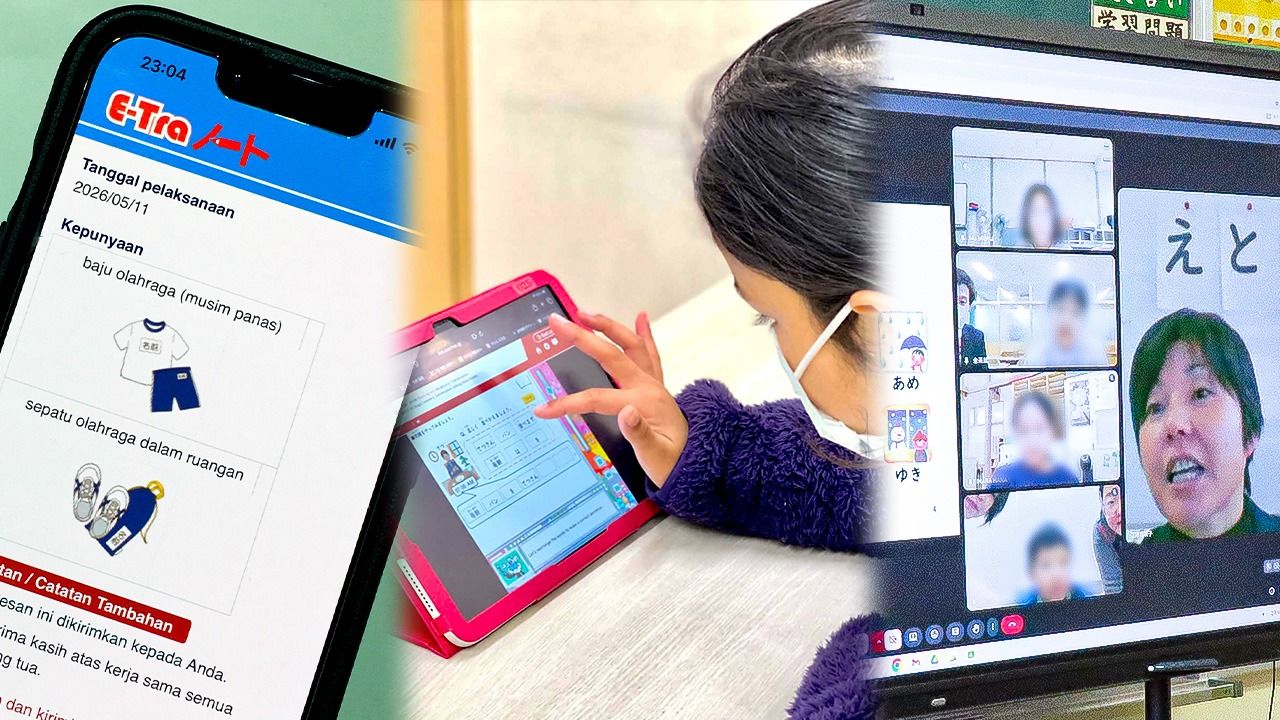
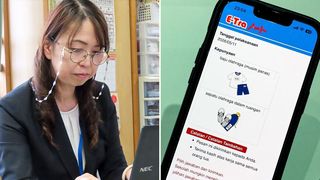
(Originally published in Japanese. Banner photo: Digital tools support the learning and school life of children with foreign roots. Left and right images © Tanaka Keitarō; center image courtesy Shingaku Juku Quest.)