
Highly Inappropriate: Many Japanese Companies Not Prepared for Part-Timer Sabotage
Society Economy Work- English
- 日本語
- 简体字
- 繁體字
- Français
- Español
- العربية
- Русский
The phrase baito tero has become common in Japan for describing pranks or other inappropriate actions by part-time employees at companies, typically spread on social media. It derives from an abbreviated form of arubaito, meaning “part-time work” and tero, or “terrorism.”
In December 2025, the human-resource service provider Mynavi ran a survey aimed at company employees aged 20 to 69 who were engaged in hiring part-time workers and who had experienced baito tero within the most recent year, asking them about the nature of the phenomenon and the type of measures they were implementing to prevent it. The survey received 1,500 valid responses.
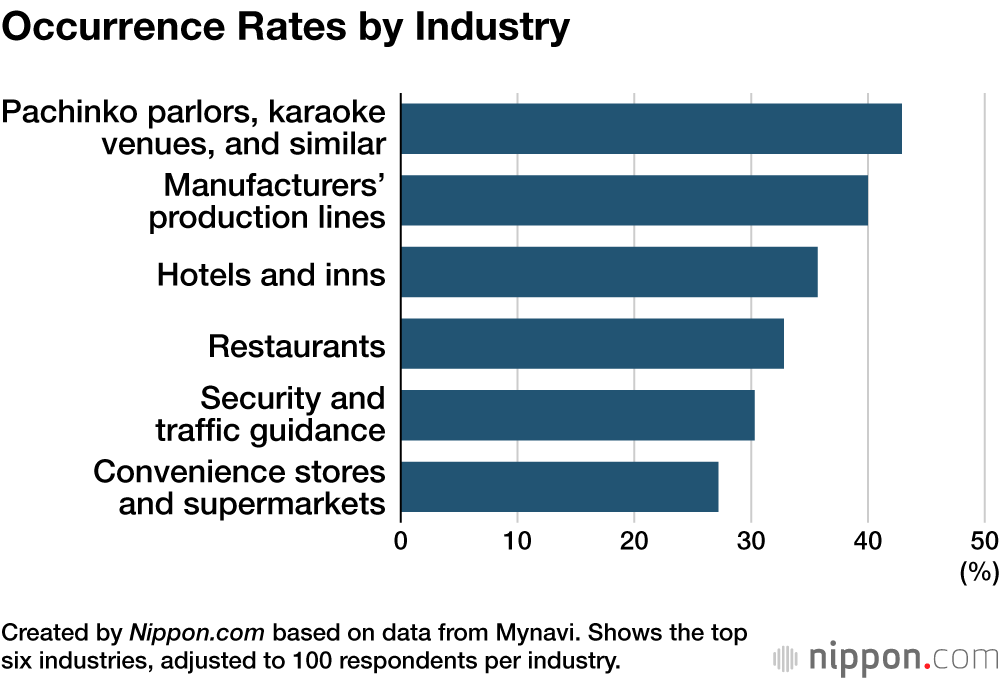
In total, 26.3% of companies had been subject to baito tero. By industry and category, the most common was “pachinko parlors, karaoke venues, and internet cafes,” with 42.9%. This was followed by “manufacturers’ production lines” at 40.0% and “hotels and inns” with 35.7%.
The type of incidents that occurred ranged from “thoughtless social media and online posts” and “pranks” to “careless handling of information” and more deliberate acts like “sharing disinformation.” While measures, including education and awareness training, can improve this situation, there are cases where risk management and compliance measures are necessary.
Compared to companies with no incidents of baito tero, it was predicted that the companies that did were twice as likely to experience similar cases this year as well. The more recent the incidents, the more strongly aware companies were of the risks.
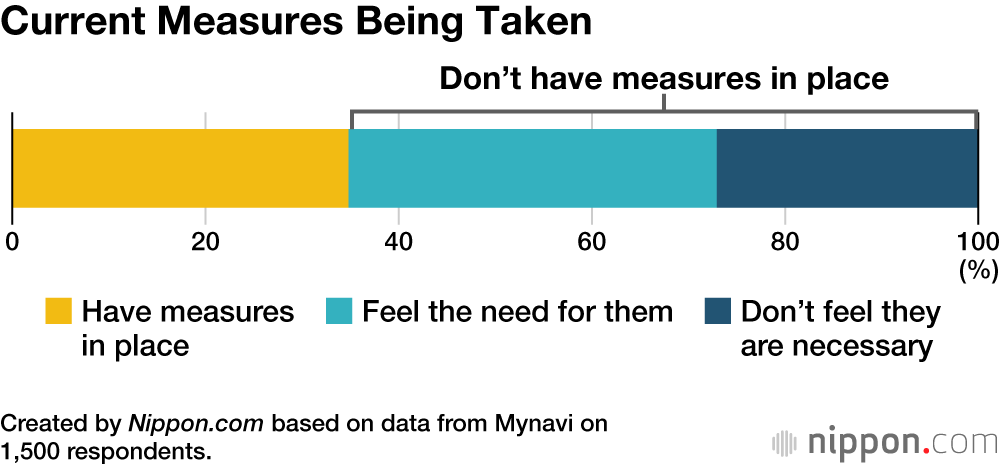
Meanwhile, while 34.8% of companies had baito tero measures in place, 38.1% “feel they are necessary, but don’t have them in place” and 27.1% “don’t feel they are necessary,” indicating that the majority of companies were not taking precautions.
No Use of Mobile Phones
Looking at specific measures, the most common ones were no use of mobile phones during work hours or prohibited from bringing one to work and a clause in the written pledge related to social media use.
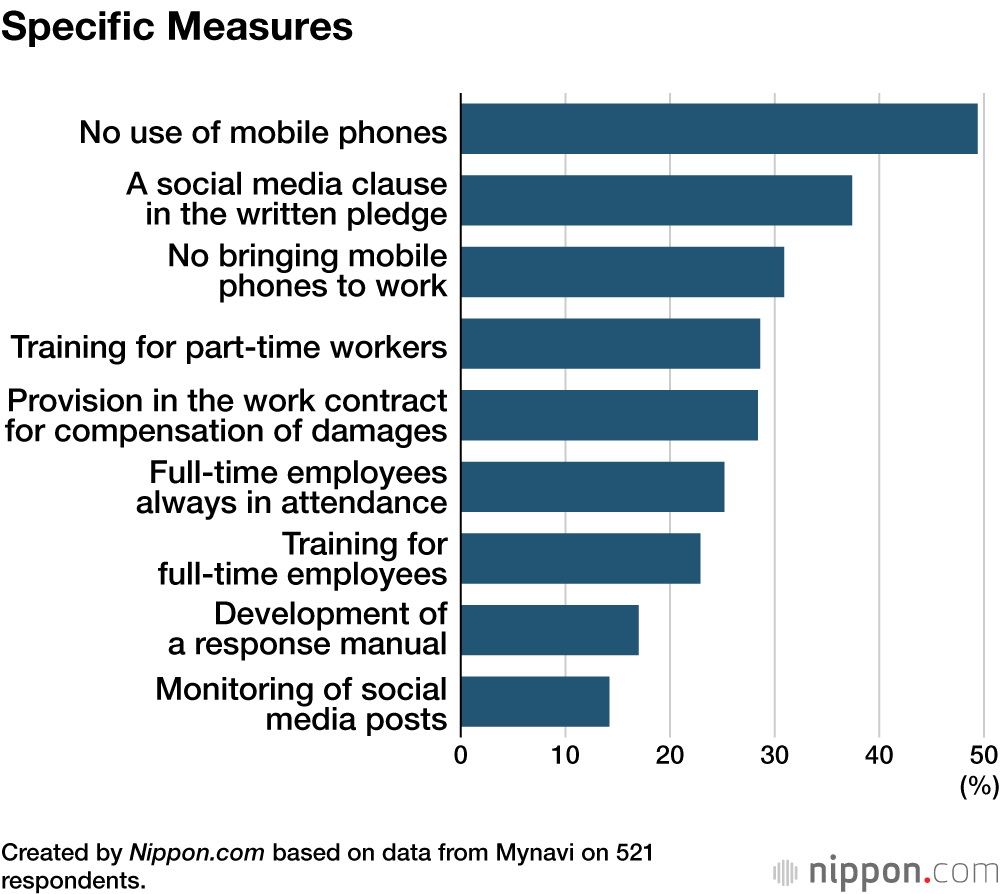
Companies that had experienced baito tero were focusing on strengthening their on-site management policies, including “no use of mobile phones during work” and “development of a response manual,” as well as establishing response procedures.
On the other hand, companies who had never experienced these incidents were concentrating on establishing prevention measures, including making sure there were “full-time employees in attendance,” “a social media clause in the written pledge” and “training for part-time workers,” as a way to improve the business acumen of the workers.
Data Sources
- Survey on baito tero and measures being taken by businesses (Japanese) from Mynavi.
(Translated from Japanese. Banner photo © IllustAC.)