Sticker Mania Sweeps Japan
Society Culture- English
- 日本語
- 简体字
- 繁體字
- Français
- Español
- العربية
- Русский
Drop, Water, and Marshmallow
A mania for collecting stickers has hit Japan, leading to soaring demand, schoolyard trading, and increased interest in the different types available. Some stores have even had to limit how many each customer can buy.
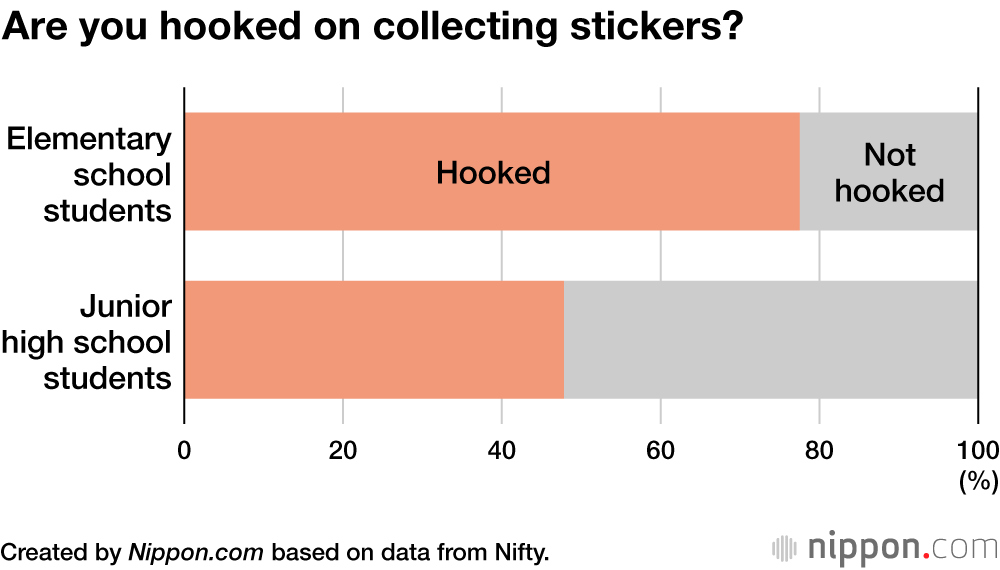
A survey found that 77.5% of elementary schoolers and 47.8% of junior high school students described themselves as “hooked” on collecting stickers. The survey was conducted by Tokyo company Nifty from December 2025 to January 2026, targeting users of its children’s website Nifty Kids, and collecting 2,484 responses.
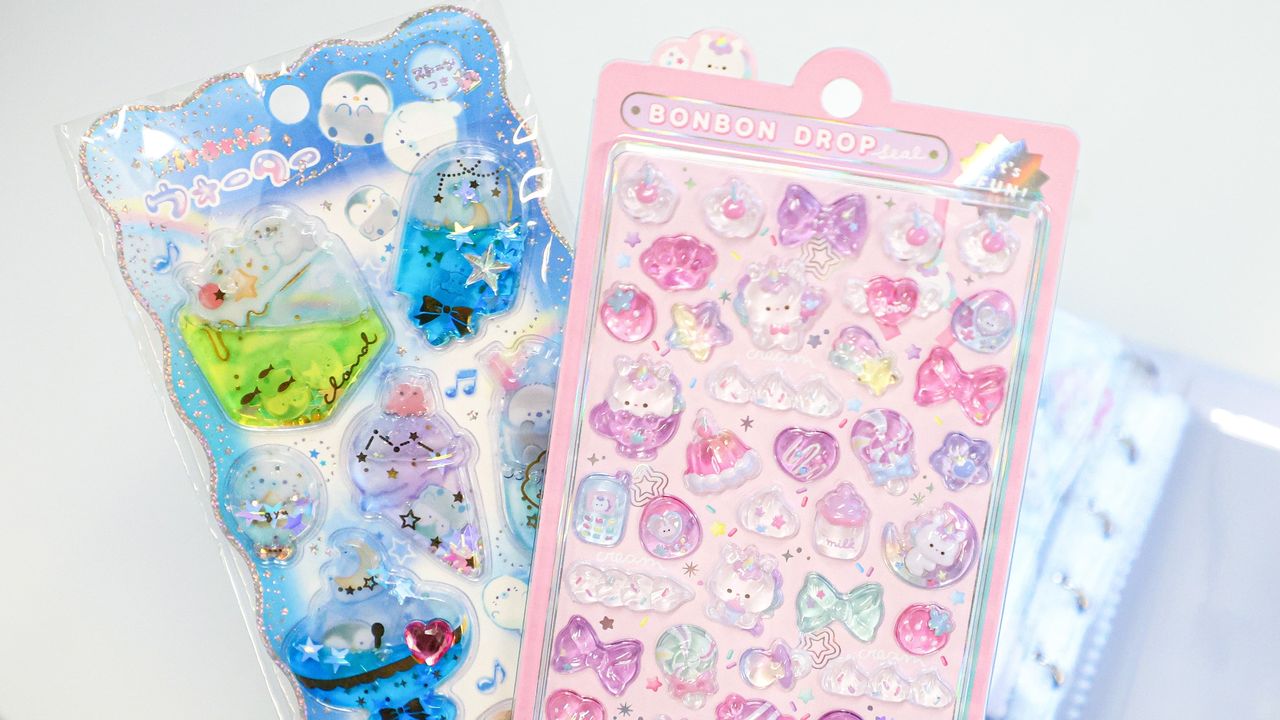
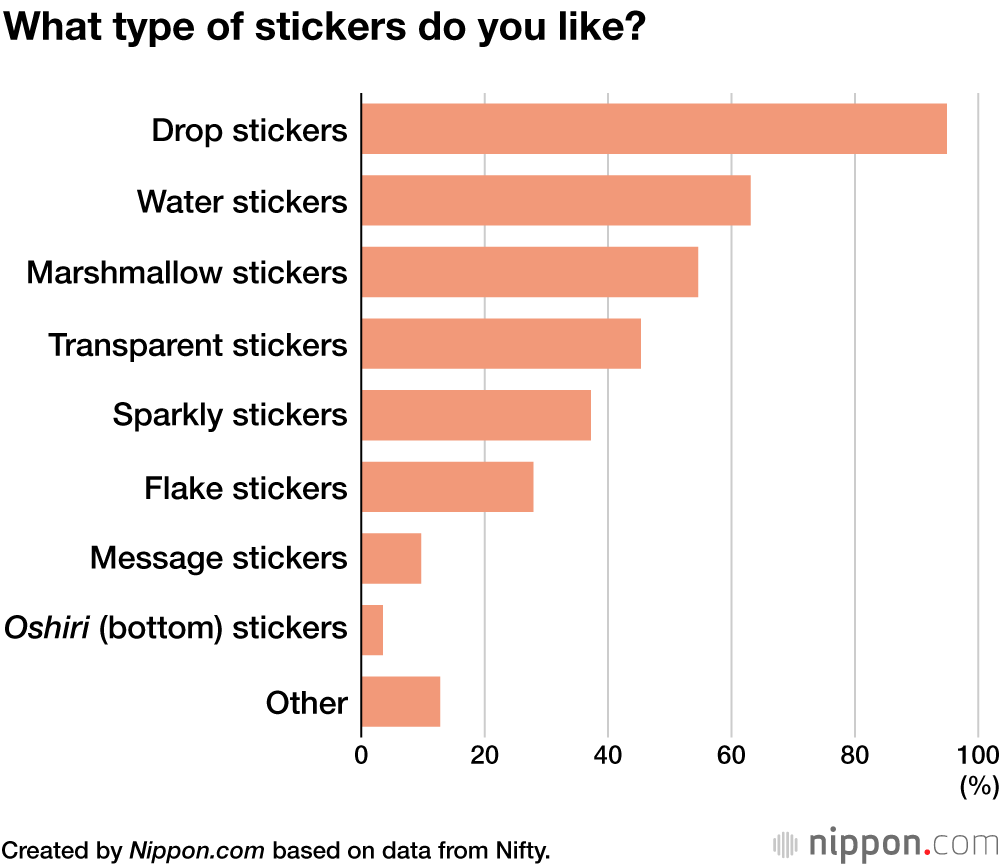
The most popular type are “drop stickers,” chosen by 94.9% of those surveyed, which are characterized by a puffy, three-dimensional shape and glossy appearance. The trend was sparked by the Bonbon Drop Sticker, nicknamed Bondoro, which was released in 2025 by the Osaka stationery maker Q-LiA. These stickers have become so difficult to obtain that knockoff versions are now circulating.
The next most popular types are “water stickers” containing liquid or sequins sealed inside small capsules, chosen by 63.1% of respondents, and the soft, squishy “marshmallow stickers,” selected by 54.6%. Also popular are oshiri (bottom) stickers, a soothing type of sticker featuring animals or other characters with raised, soft, squishy rear ends, and thin, individually cut “flake stickers.” Stickers made with special materials or those that offer something a little different are particularly popular.
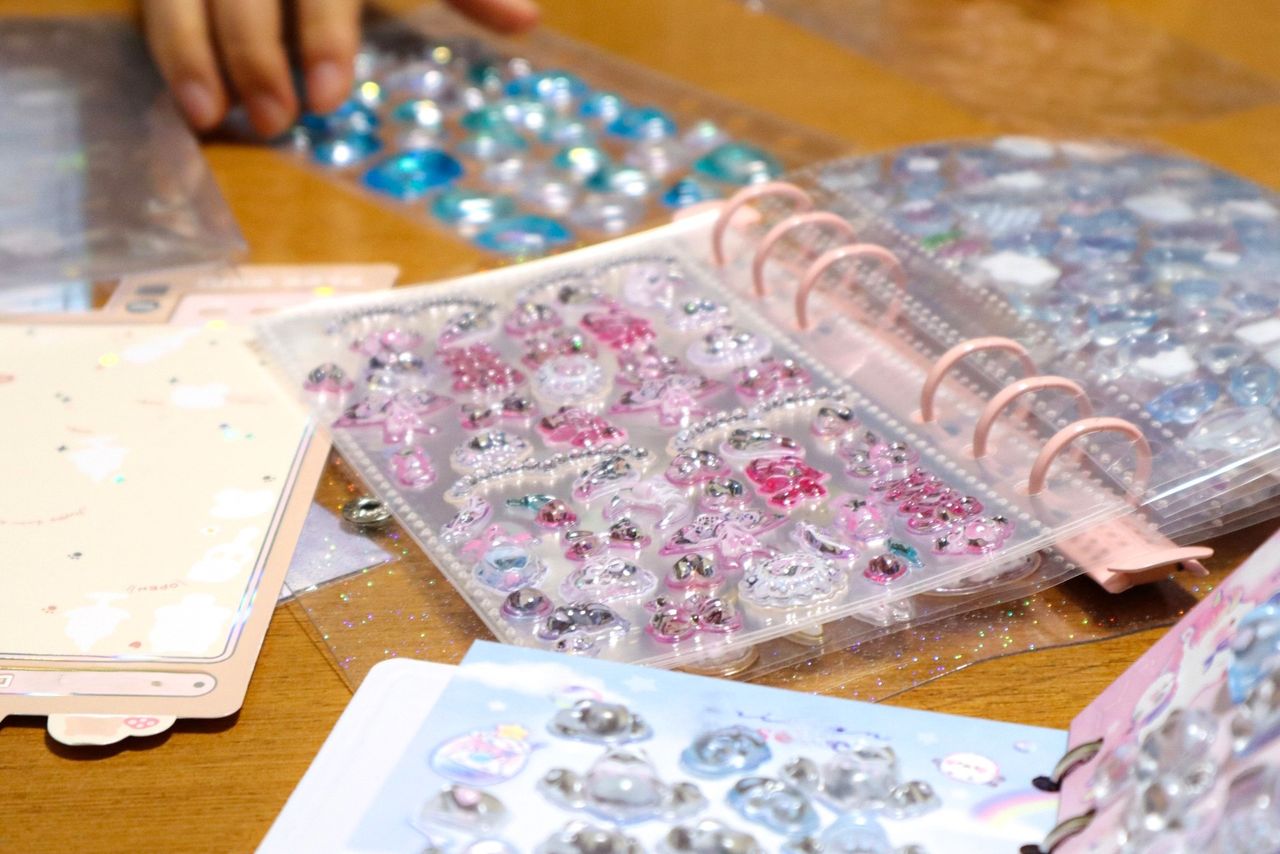
(© PhotoAC)
More than 90% of respondents said they keep the stickers they collect in a sticker album. Among students who have albums, 90.0% of elementary schoolers and 67.1% of middle schoolers said they trade stickers with classmates. Sticker trading has become a way for children to communicate with one another, and some said they started keeping an album because they were worried they might be left out of their friends’ social circles without one.
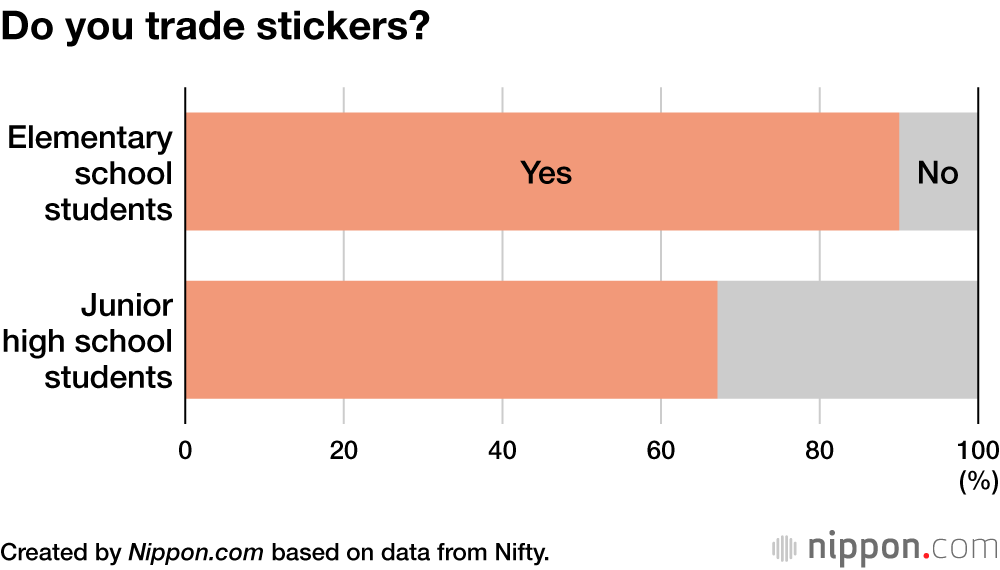
Overall, 46.1% of respondents said they had felt they either “lost out” or “got a good deal” in a sticker trade. Examples included comments such as, “I traded a sticker from a ¥100 shop for a ¥500 Bondoro,” and “I gave away something that’s hard to get hold of but only received an ordinary sticker in return.” Rare stickers are often described using financial terminology, with highly sought-after ones said to have a “high exchange rate.”
Some respondents also said that they enjoy trading stickers according to certain rules that take others’ feelings into account. Examples include rules such as “stickers received from a friend should not be traded with someone else” and “for the first trade, ignore exchange rates and simply give the other person a sticker they like.”
Data Sources
- Survey on sticker collecting (Japanese) by Nifty.
(Translated from Japanese. Banner photo: Bonbon drop stickers. © Jiji.)