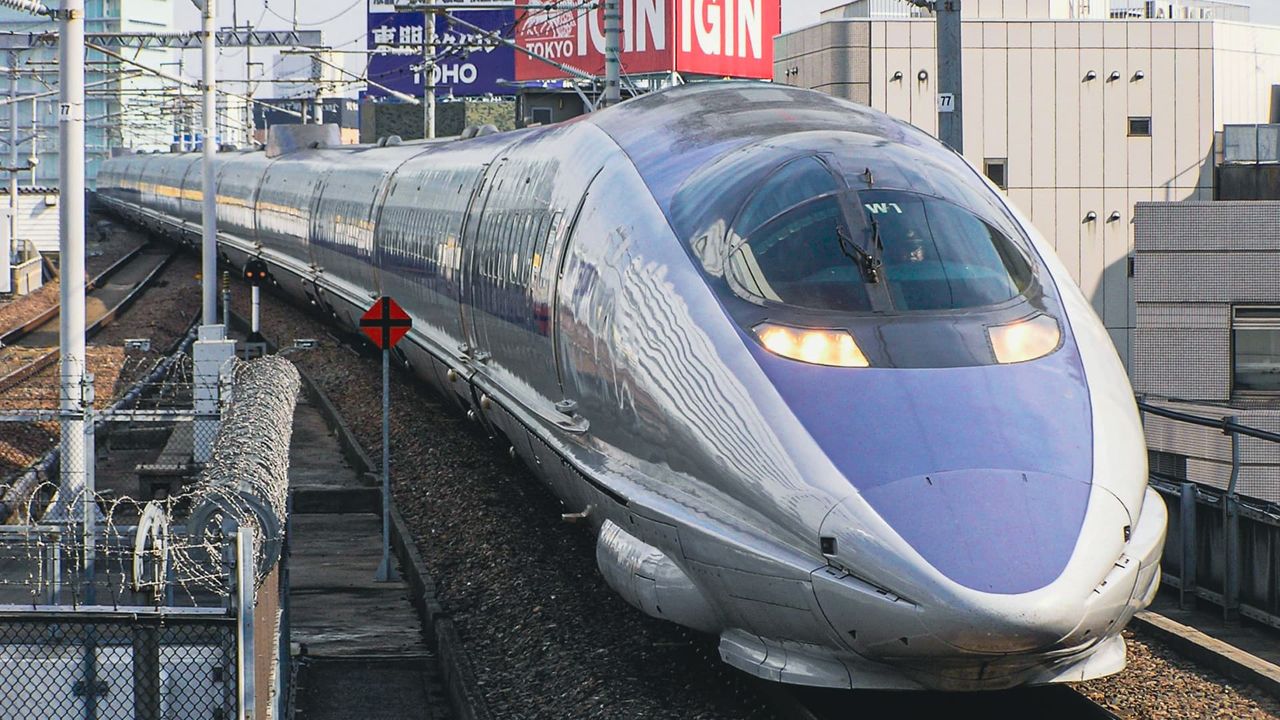
Shinkansen 500 Series Set for Retirement
Guide to Japan Society Economy- English
- 日本語
- 简体字
- 繁體字
- Français
- Español
- العربية
- Русский
Train Tie-Ups with Popular Characters
500 Series (1997–2027; 300 km/h)
The 500 series Shinkansen is set to retire from regular service at the end of January 2027, due to the aging of the vehicles. At the time the series entered service in 1997, it was the world’s fastest train in regular commercial operation, reaching the speed of 300 kilometers per hour on the San’yō Shinkansen line between Shin-Osaka and Hakata Station in Fukuoka. The train is known for its rounded, aircraft-like body, with a long, sharply pointed nose.
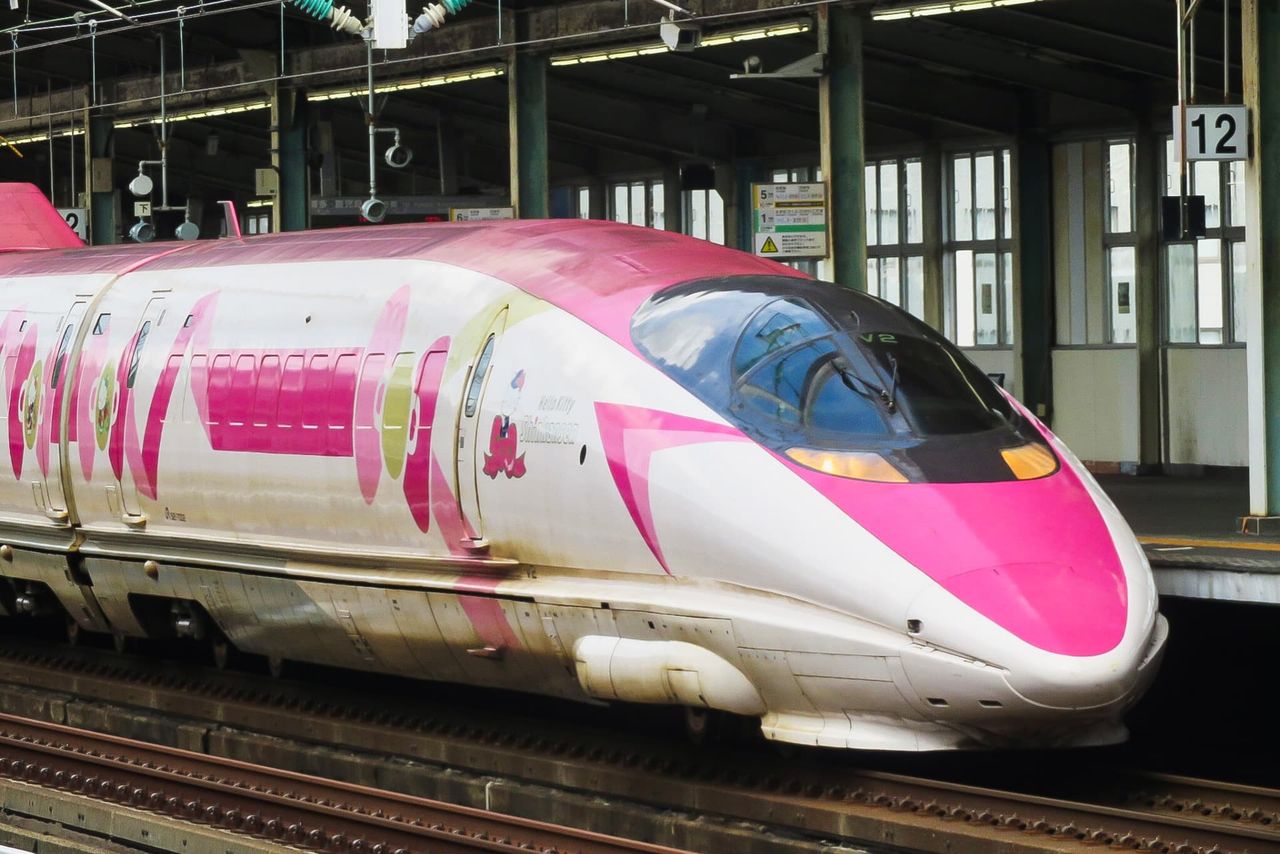
A 500 series Hello Kitty Shinkansen. (© Photo AC)
After the 500 series was removed from the superexpress Nozomi service, it mainly operated as a local Kodama train on the San’yō Shinkansen Line. It also became popular for its use in a series of limited-time events involving tie-ups with the anime Neon Genesis Evangelion and the character Hello Kitty.
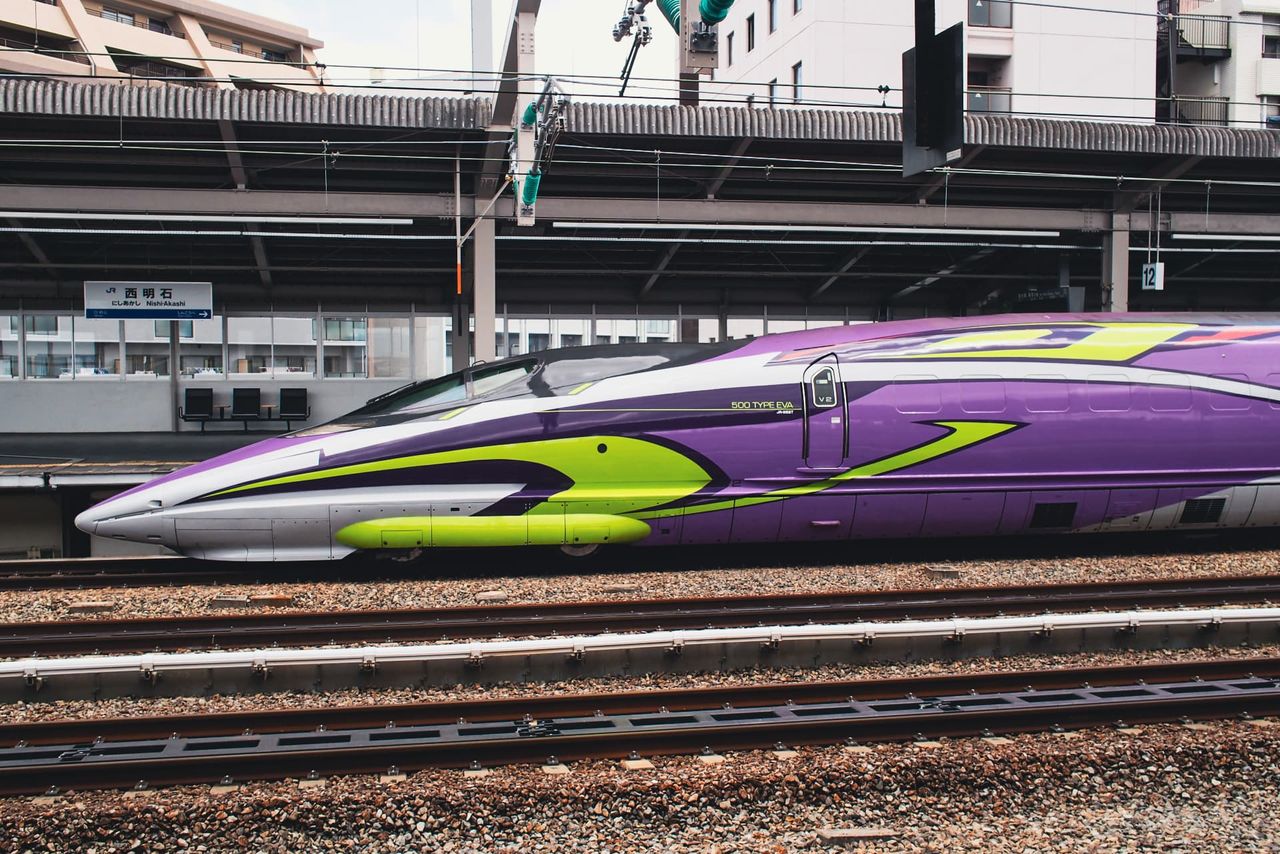
The 500 Series “500 Type EVA.” (© Photo AC)
Rolling Stock Used on the Tōkaidō, San’yō, and Kyūshū Shinkansen Lines
The other generations of rolling stock used on the Tōkaidō, San’yō, and Kyūshū Shinkansen are listed below (along with maximum operating speeds at the time each series was introduced).
0 Series (1964–2008; 210 km/h)
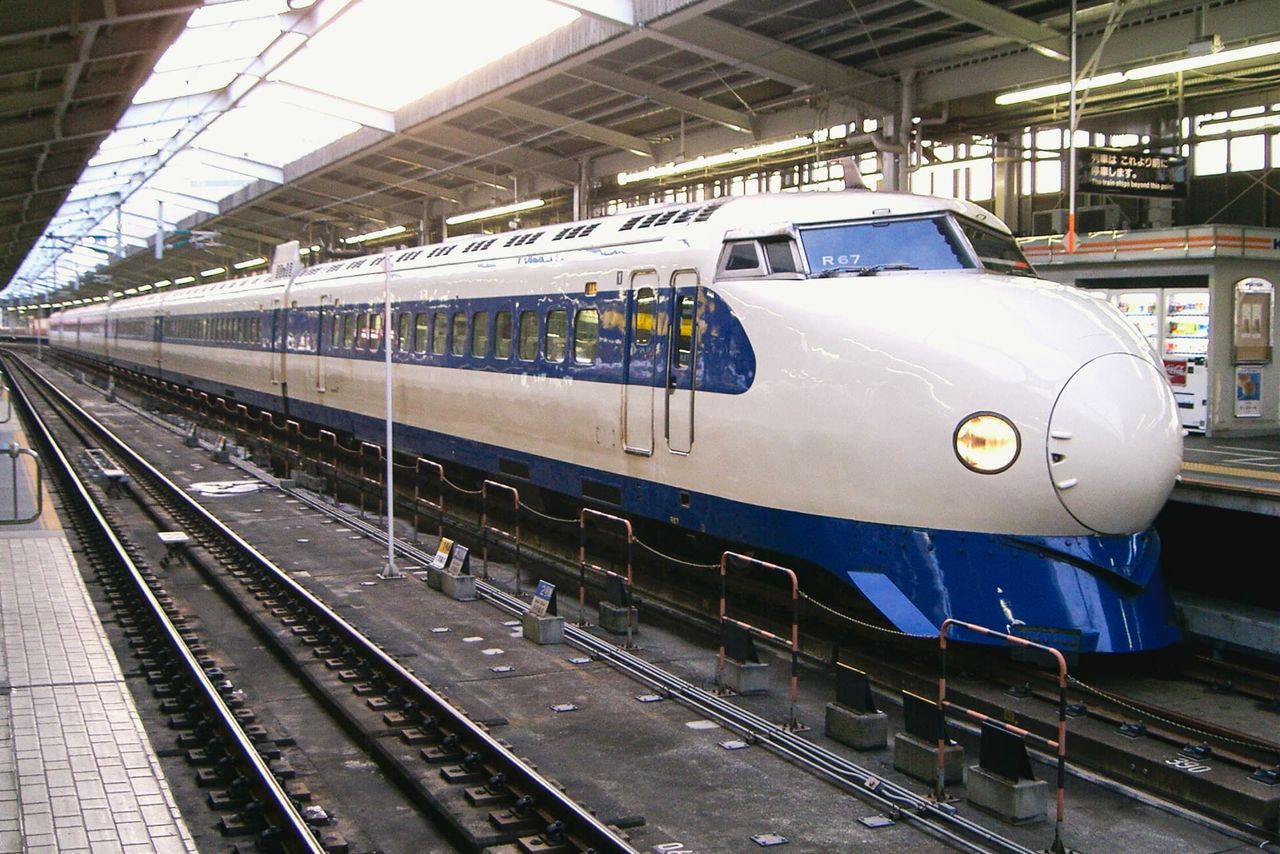
The 0 series Shinkansen. (© Photo AC)
The first-generation rolling stock of the Tōkaidō Shinkansen entered service just before the opening of the 1964 Tokyo Olympics. At the time of its debut, the Hikari service took four hours to travel from Tokyo to Shin-Osaka. Dubbed the “dream superexpress,” the 0 series became a symbol of Japan’s period of rapid economic growth and an integral part of everyday life.
100 Series (1985–2012; 220km/h)
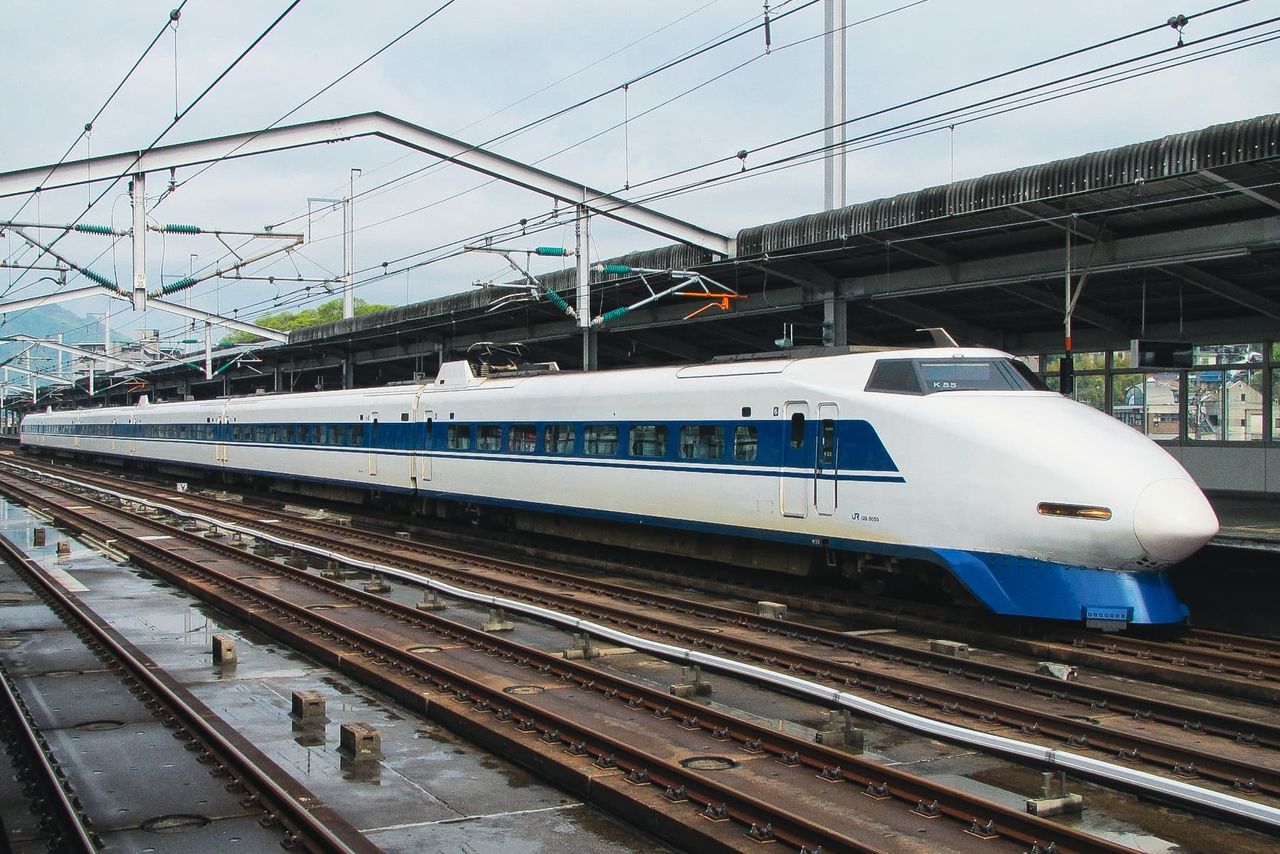
The 100 series Shinkansen. (© Photo AC)
Introduced in the final years of the Japanese National Railways era as the successor to the 0 series, the 100 series increased the maximum operating speed by 10 kilometers per hour. It was also the first Shinkansen train to incorporate double-decker cars.
300 Series (1992–2012; 270 km/h)
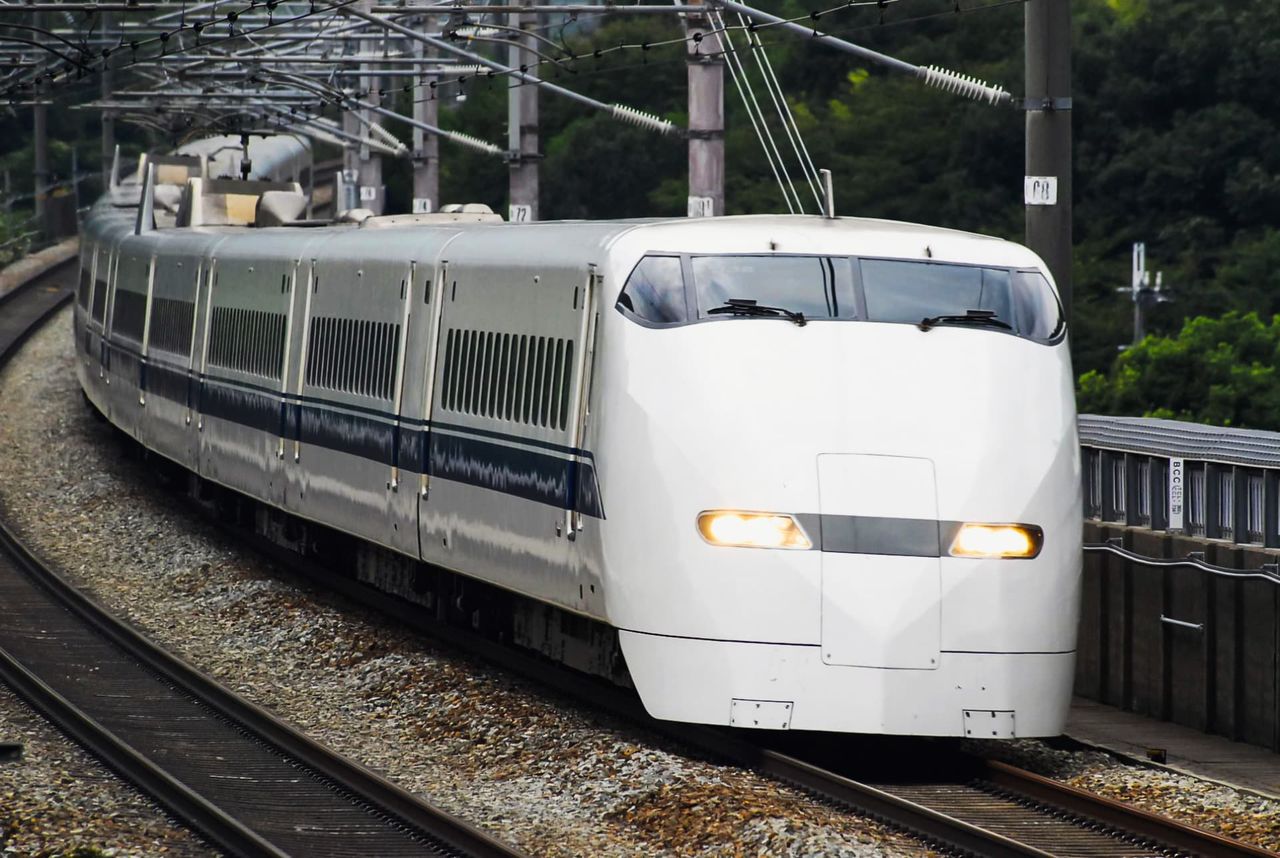
The 300 series Shinkansen. (© Photo AC)
The weight of the train cars was reduced through the use of an aluminum alloy, and the travel time between Tokyo and Shin-Osaka was cut by around 30 minutes, for a journey lasting 2 hours and 30 minutes.
700 Series Shinkansen (1999 to present; 285 km/h)
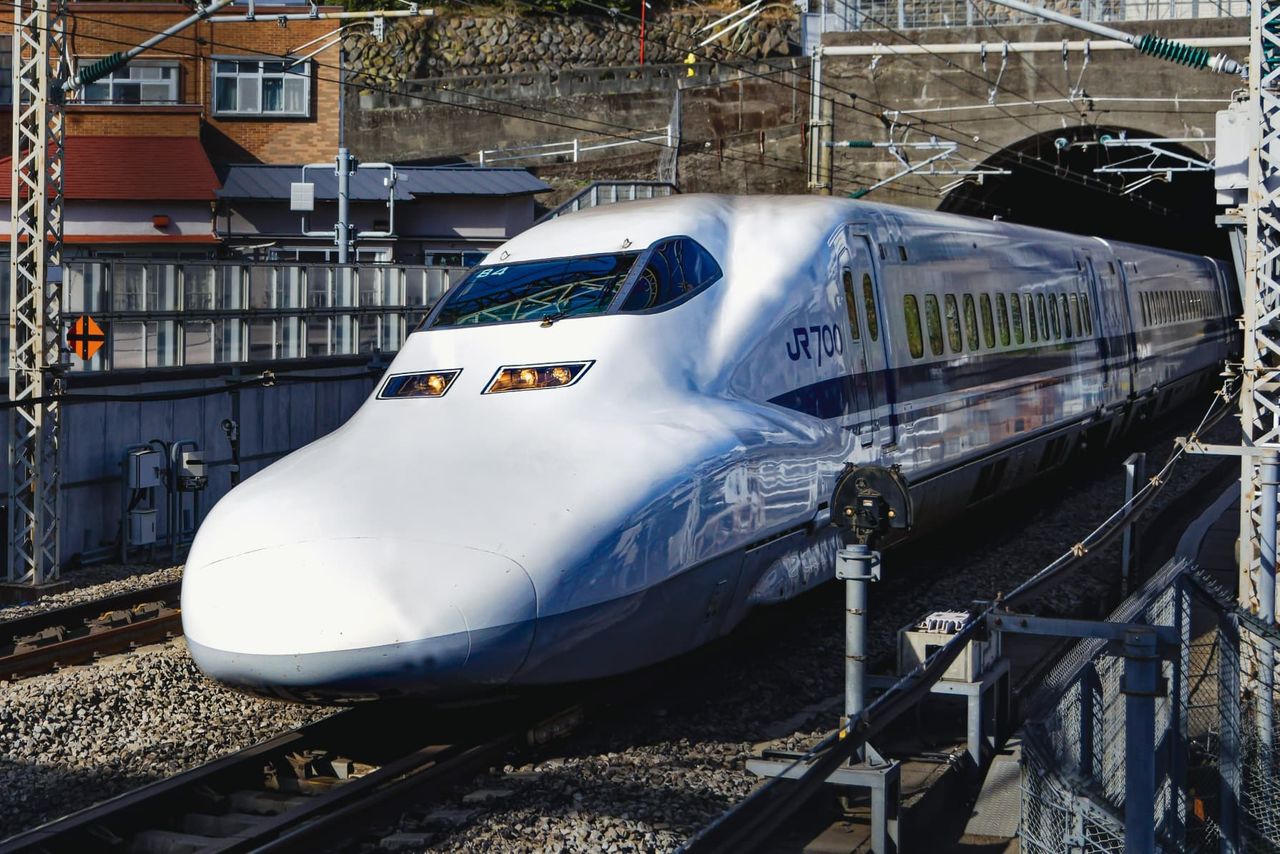
The 700 series Shinkansen. (© Photo AC)
Developed on the basis of 300- and 500-series technologies, the 700 series featured a distinctive, elongated nose designed to reduce air resistance when entering tunnels. This unique duck-billed shape earned it the nickname Platypus.
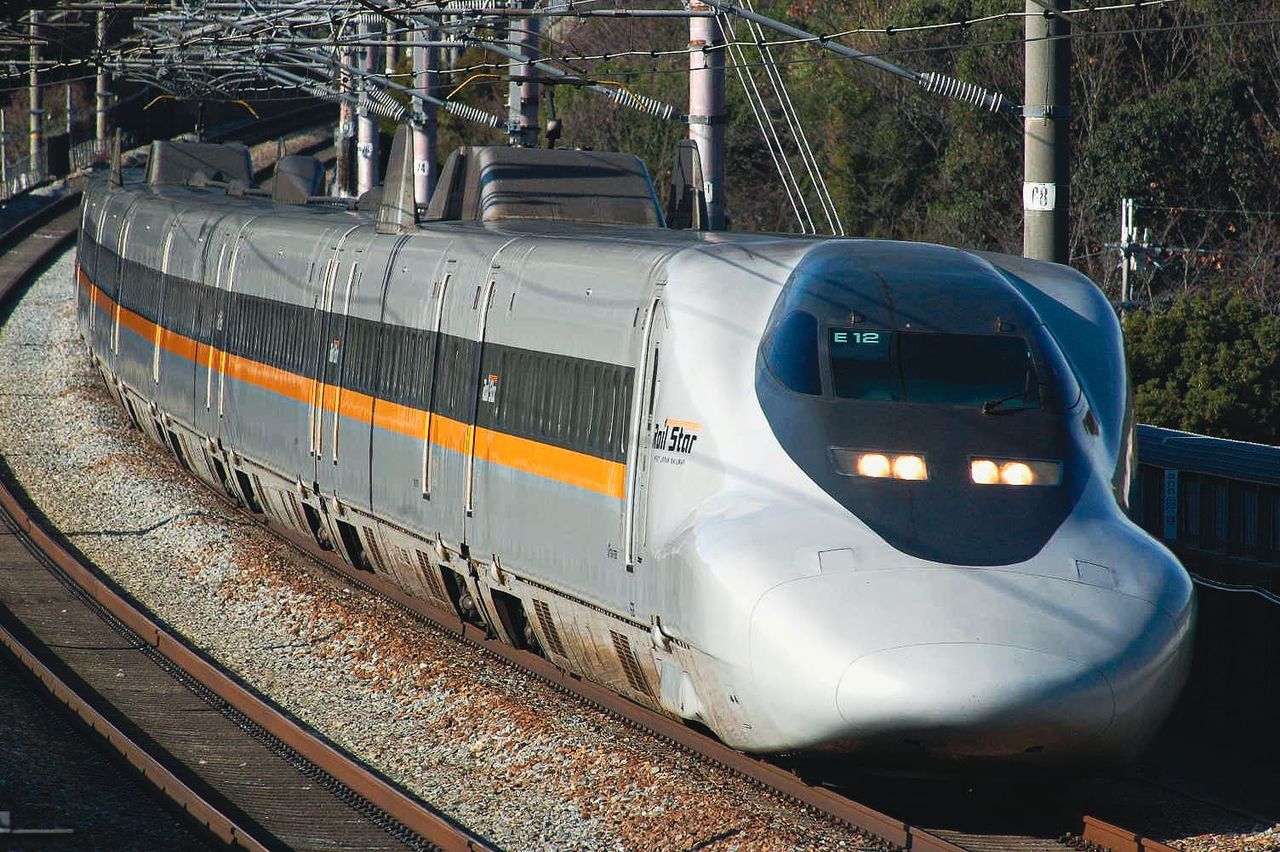
The San’yō Shinkansen 700 Series Hikari Rail Star. (© Photo AC)
800 Series Shinkansen (2004 to present; 260 km/h)
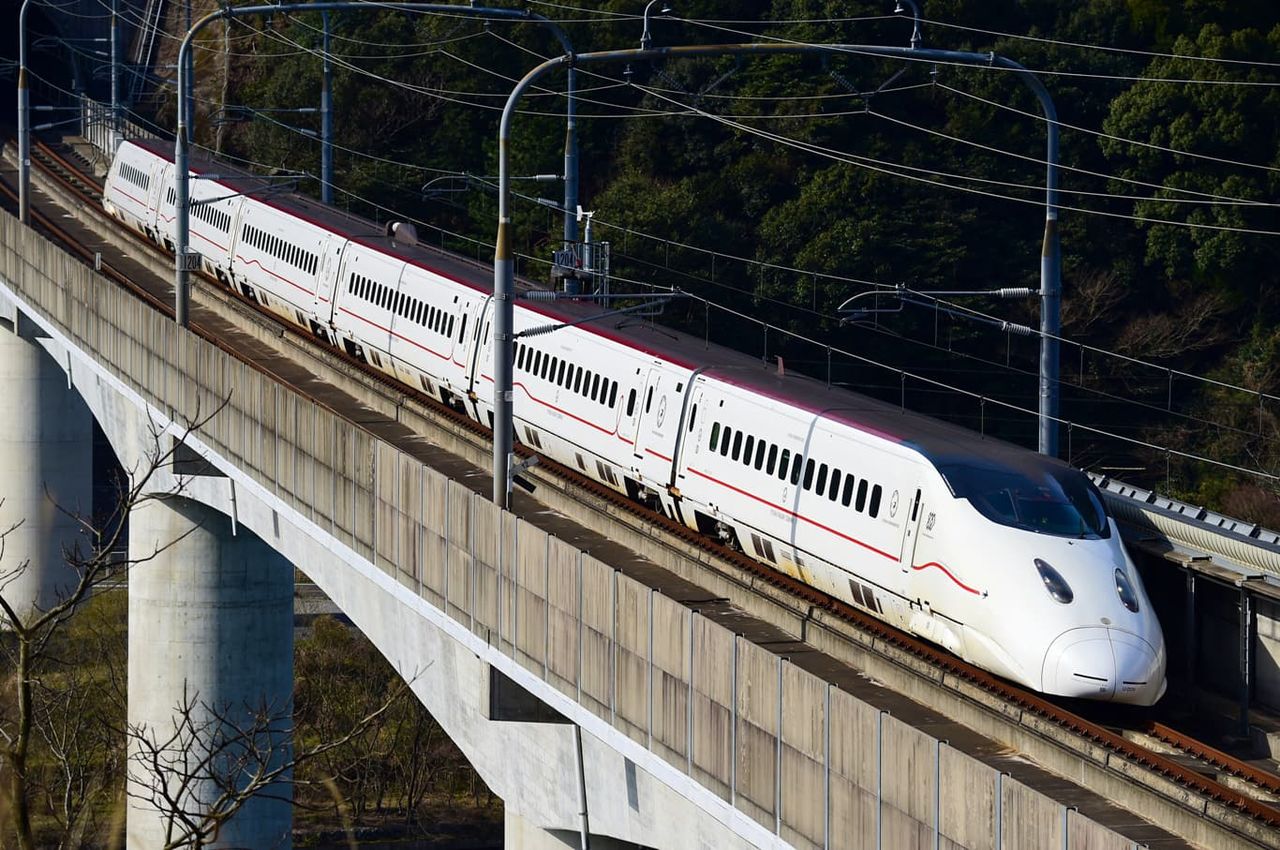
The 800 Series Shinkansen. (© Photo AC)
Introduced for the partial opening of the Kyūshū Shinkansen in 2004, the 800 series is still in service as the Tsubame on the route between Hakata and Kagoshima-Chūō.
N700 Series A (2007 to present; 300 km/h)
N700 Series S (2020 to present; 300 km/h)
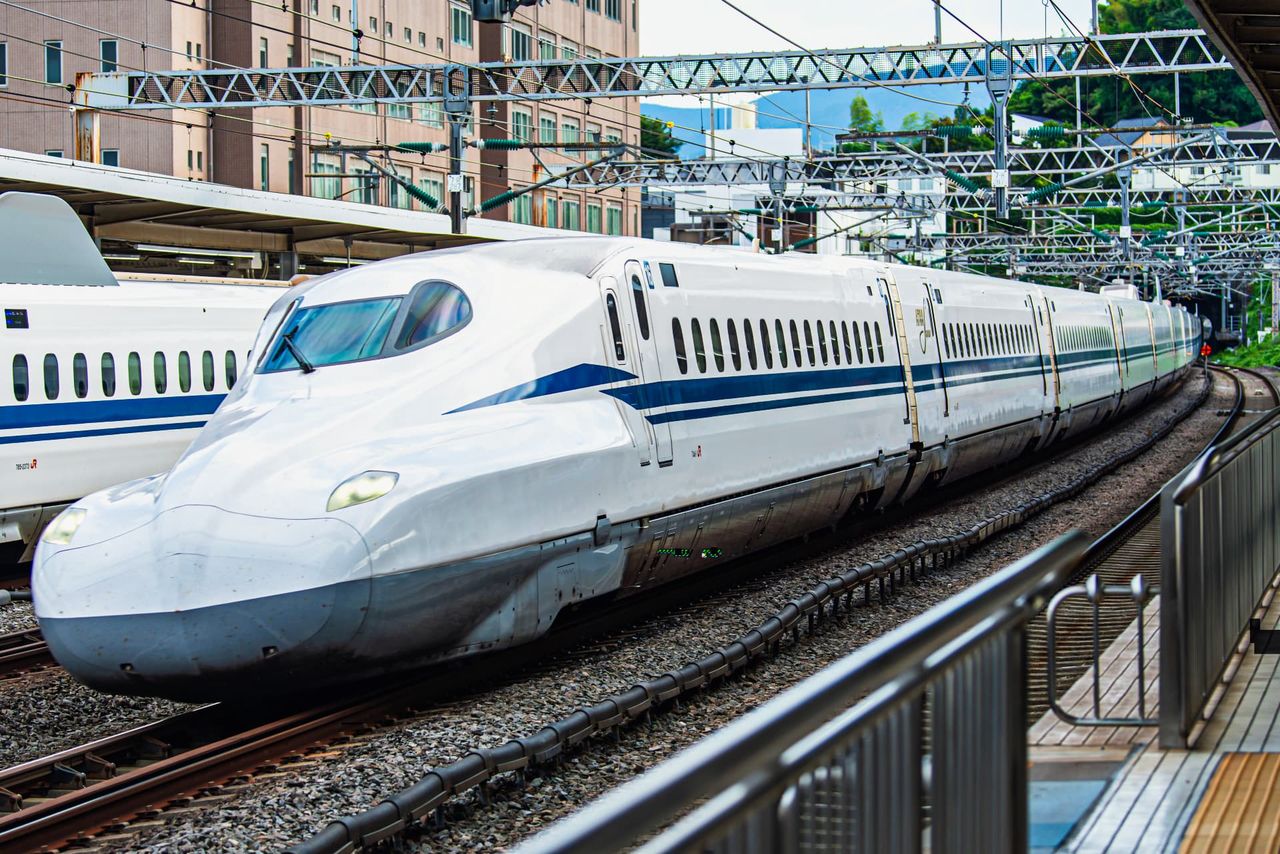
The N700 series S Shinkansen. (© Photo AC)
The successor to the 700 Series, it reduced the travel time between Tokyo and Shin-Osaka on the Tōkaidō Shinkansen by 5 minutes to 2 hours and 25 minutes.
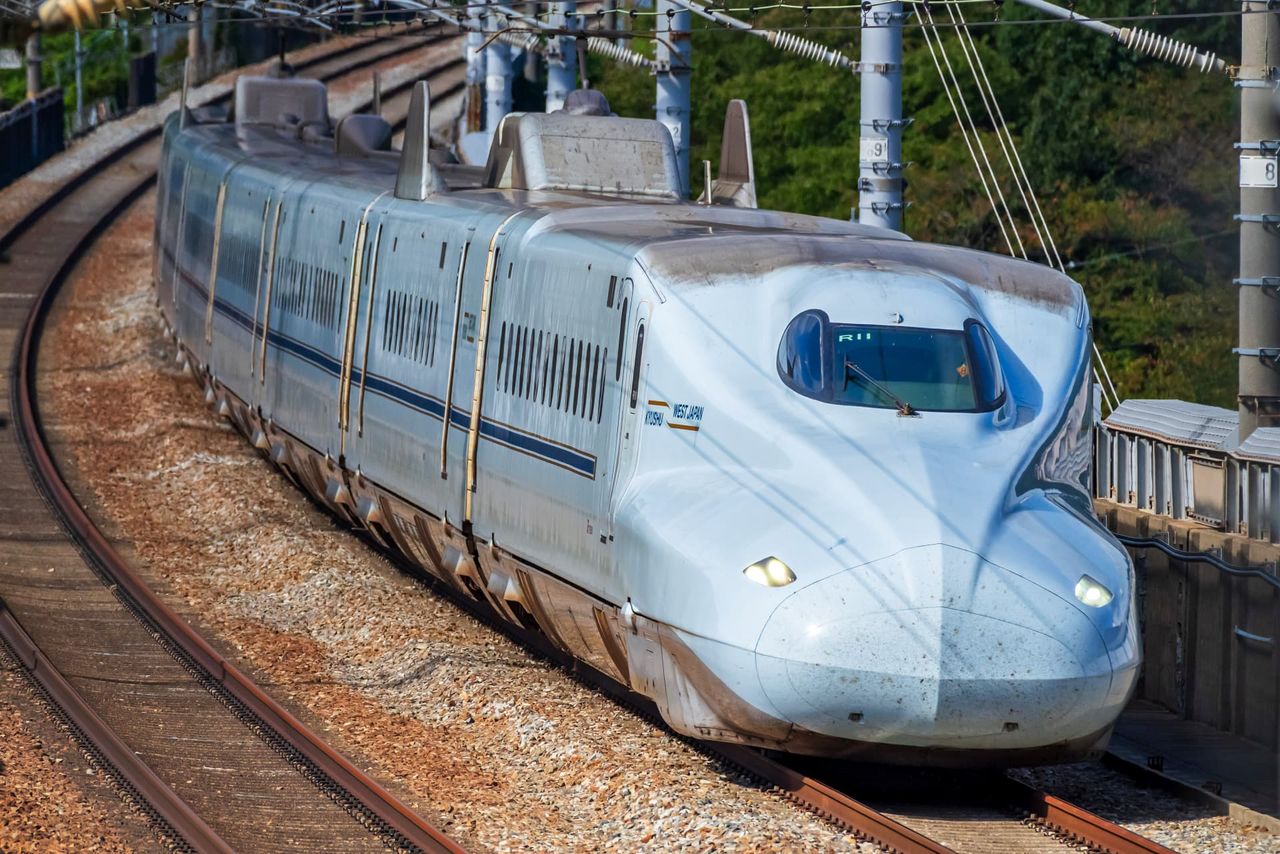
N700 series 7000 subseries operating the Mizuho service on the San’yō and Kyūshū Shinkansen between Shin-Osaka and Kagoshima-Chūō. (© Photo AC)
N700 Series S8000 Subseries (2022 to present; 260 km/h)
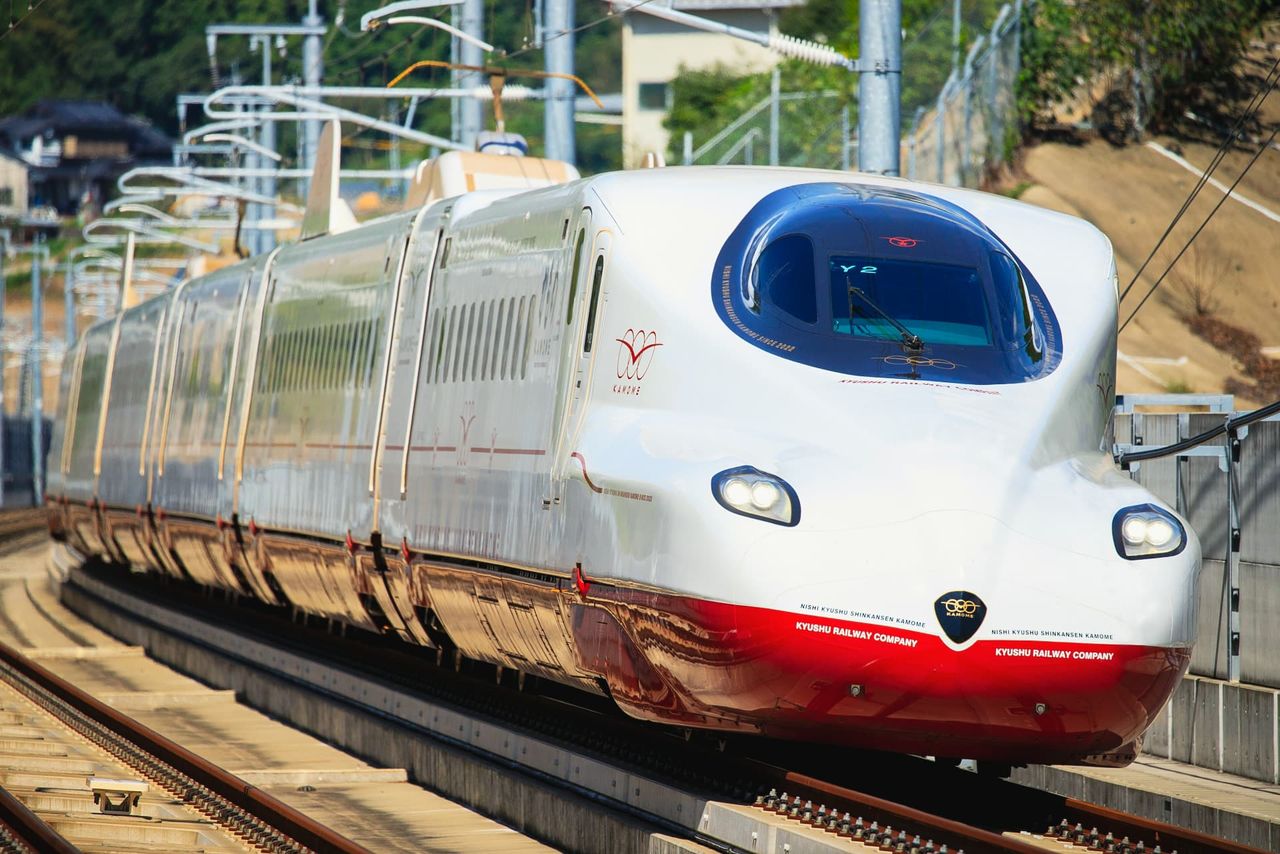
West Kyūshū Shinkansen Kamome. (© Photo AC)
Operating as the Kamome on the Nishi Kyūshū Shinkansen between Takeo-Onsen and Nagasaki, it connects with the Relay Kamome limited express on the standard rail network, making it possible to travel from Hakata to Nagasaki in as little time as 1 hour and 20 minutes.
Data Sources
- Information on the retirement of the 500 Series Shinkansen (Japanese) from JR West
- Rolling stock guide (Japanese) from JR Central
- Shinkansen rolling stock (Japanese) from Nippon Sharyō
- Information on opening of Nishi Kyūshū Shinkansen (Japanese) from Nagasaki prefectural government
(Translated from Japanese. Banner photo: 500 Series Shinkansen. © Photo AC.)