Living in Tanizaki’s Shadows
Books Architecture Arts- English
- 日本語
- 简体字
- 繁體字
- Français
- Español
- العربية
- Русский
An Older Way of Life, a Book to Match
It might seem odd that I celebrate the birthday of a man who, if he were still alive, would be 140 years old this July 24. Or that I’ve made a pilgrimage to his grave, which lies in a quiet, unremarkable hillside grove in a temple graveyard on the outskirts of Kyoto. Yet he’s had a large impact on me and changed the direction of my life; his writing convinced me to spend the rest of my time in Japan.
I discovered Tanizaki Jun’ichirō in the mid-1990s, when I had just become a cotenant of a late nineteenth-century cottage that perched on the coast southeast of Tokyo. A number of foreigners had rented it over the years from the landlady who lived next door, and most had treated it just as I first perceived it: a ramshackle building to crash in while enjoying weekends of sand and sea. It was furnished with discarded office furniture and threadbare carpets, and the interior was sloppily lathered in various shades of what was once white paint.
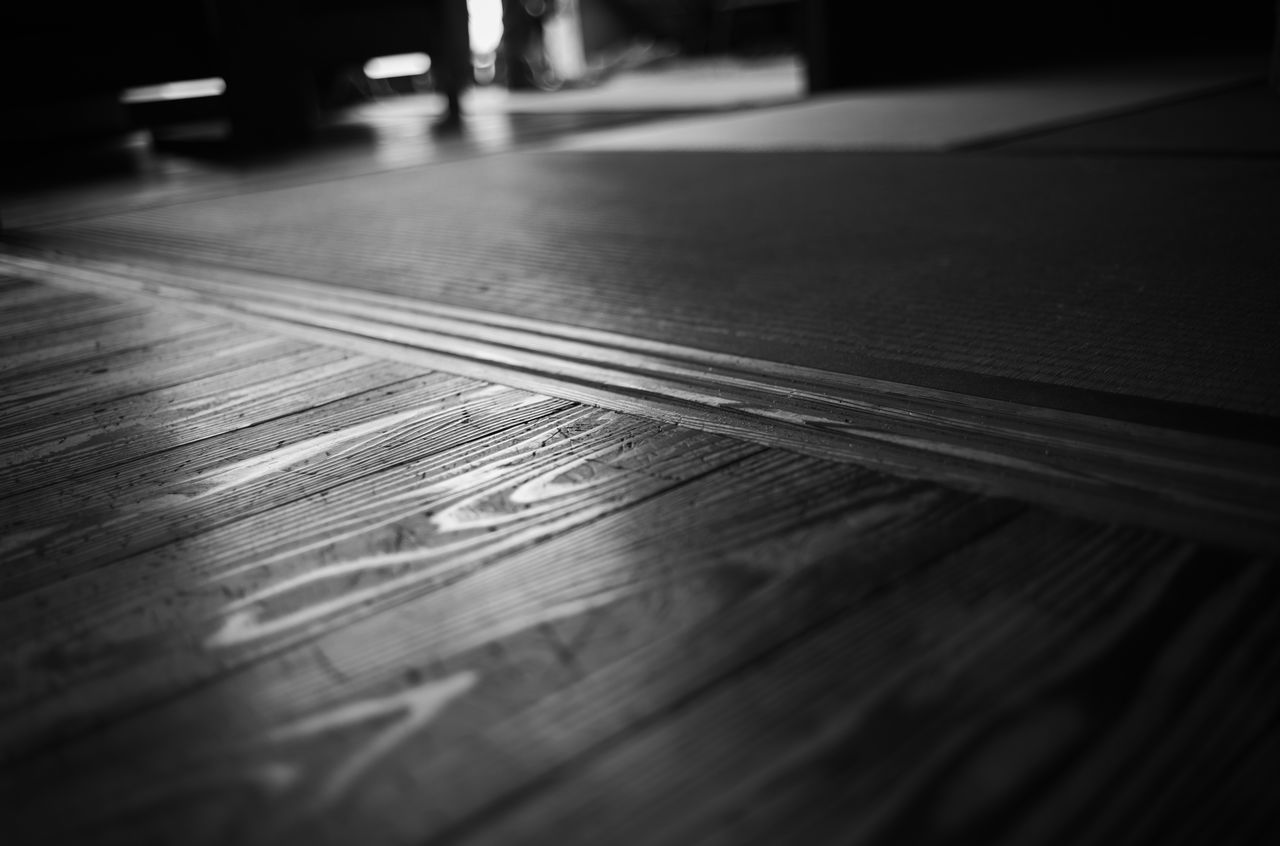
But there was a hint of something more. The first sign was a large, traditional wooden bath that could be filled using a length of a fat bamboo stalk cut in half—ideal for sitting up to your neck in after a day of swimming. Over the months, I discovered more cool features: beautifully aged wood interior framing under the bad paint jobs, a traditional sunken storage space under the kitchen floor, tatami mats under the raggedy carpet. No longer content with just beach time, just for the fun of it I started restoring the house to its original condition.
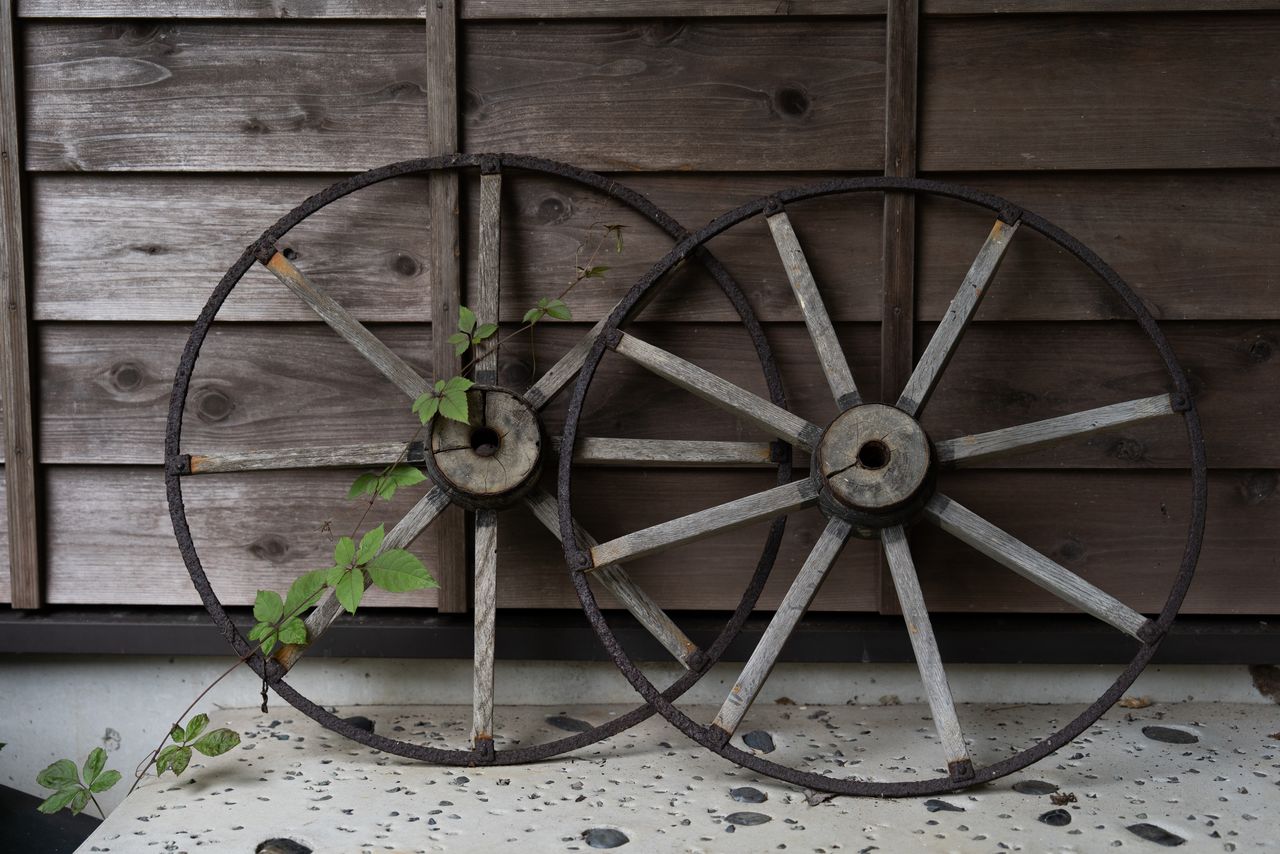
(© Narita Mieko Haku)
I just happened to be reading In Praise of Shadows, a 1977 translation by Thomas Harper and Edward Seidensticker of In’ei raisan, a 1933 collection of essays by Tanizaki. The book is both a meditation on traditional Japanese aesthetics and a reflection on the changes Japan and the Japanese people were going through as it opened to the world. It has long been required reading for architects and artists trying to grasp the essentials of these areas.
The enjoyment in reading Shadows was following along as Tanizaki’s mind ranged across differences with the West in such subjects as construction, paper, soup, theater, makeup, lacquerware, dancing, interior decorating, skin color, ghosts, and toilets. His long sentences suggested a stream of consciousness, though on closer reading, one can feel his careful constructs. His descriptions of certain details—the feel of washi paper, or the sight of a gold lacquered bowl in candlelight—spurred me into an appreciation of certain aspects of Japan that had never registered before. Sentences like this one, as rendered by Harper and Seidensticker, grabbed my attention:
We delight in the mere sight of the delicate glow of fading rays clinging to the surface of a dusky wall, there to live out what little life remains to them.
(I would eventually approach this passage similarly in my own translation: “We will forever find great pleasure watching the intimate scene of the end of the day’s natural light clinging stubbornly to the last moments of life on a dusky wall.”)
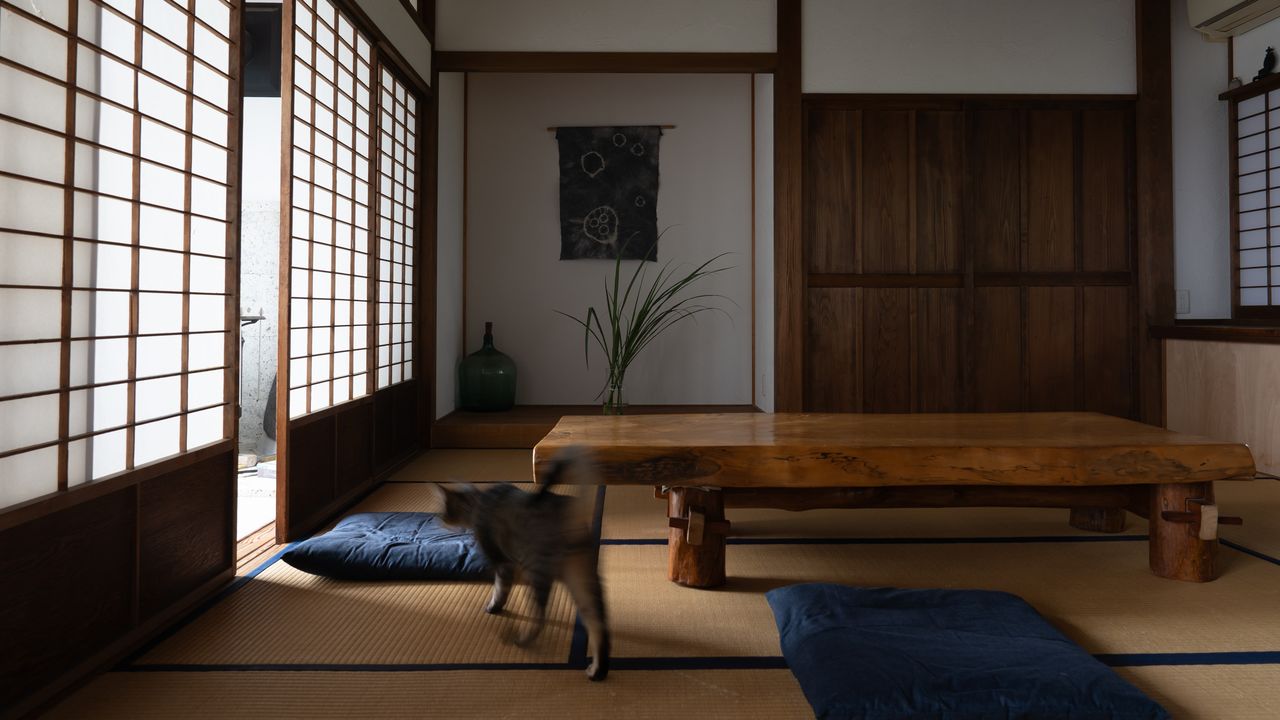
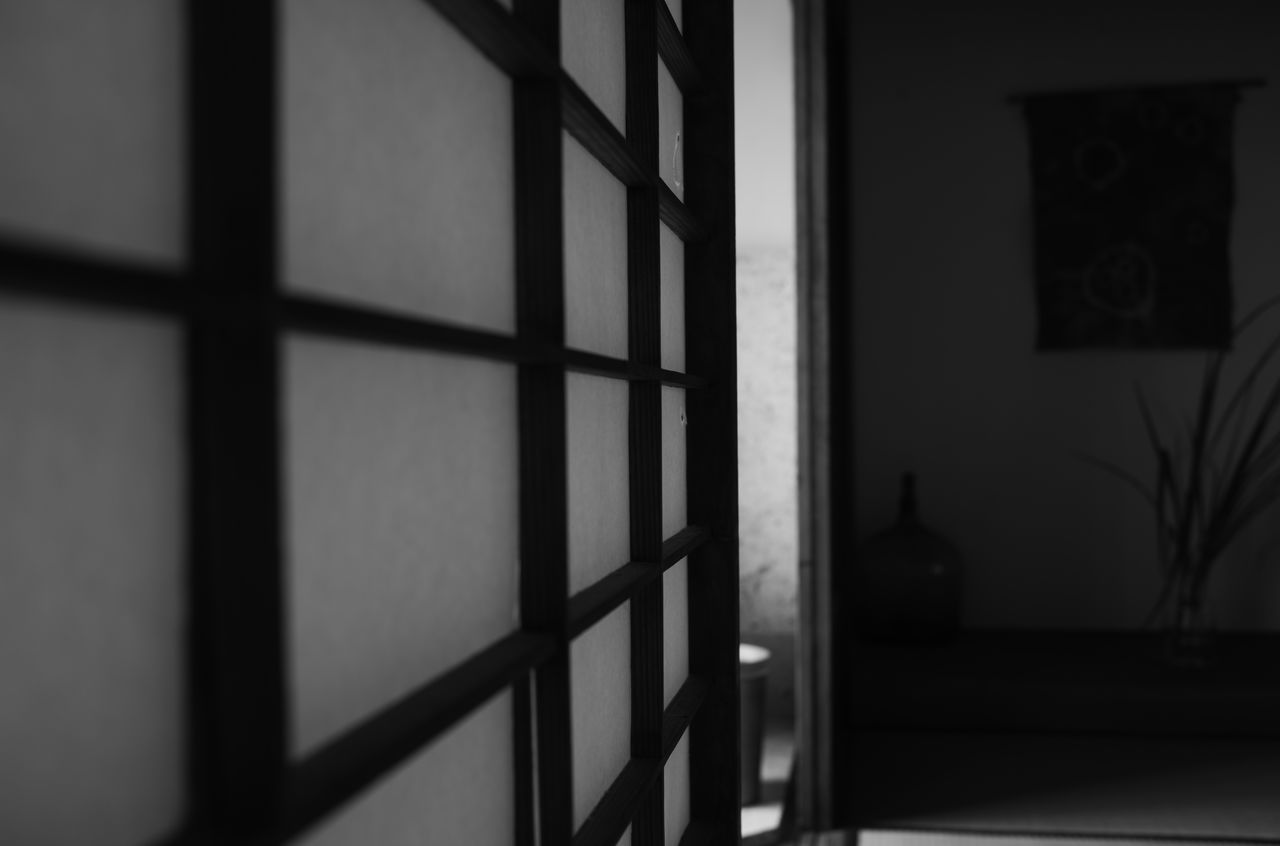
I suddenly saw the rough, earthen walls I was working on in a whole new light, so to speak. I became more aware of the textured highlights of the house: the fine ridges of tatami, the grain of the worn wood pillars, the soft light through the shōji transoms. The house was no manor—nothing like the carefully preserved farmhouses and merchant residences that can be found scattered about the countryside. A modest seaside home: two tatami rooms, an engawa corridor facing the garden, a kitchen, a bath and toilet. But the years had done nothing to erase what the local carpenters had left behind. Their work was their signature.
(© Narita Mieko Haku)
Our Literary Guide to Living Space
Deeply intrigued, I forced myself to read Tanizaki’s original Japanese, which was not an easy task. In it, I found a brief mention of how some traditional toilets had “a narrow window at floor level for sweeping out the dirt; through this, one can all the more intimately hear the sound of raindrops trickling from the leaves and the eaves . . .” It described what I had found in the beach cottage toilet, something I thought unusual and unnecessary. But this spurred me into scraping the crusted paint from the window frame so that I could open and shut it—and hear rain, and waves.
As a writer and editor, it also left me hoping that one day I would see to a new translation—to make Tanizaki’s voice into something closer to the way I imagined him speaking.
As life would have it, coincidences conspired to make that happen. My work on the house led to a deep and very warm friendship with my elegant landlady. She was an honored guest at my wedding, held in the restored tatami rooms. A few years later I found myself the owner when she moved into a facility for the aged, and offered me the property. I had never thought of living there—or in Japan, to be honest—permanently, but this changed everything. My wife and I committed to leaving Tokyo for the coast, and we started looking into what it would take.
Sadly, we soon learned that the foundation couldn’t handle major restoration work. We decided to rebuild, with two conditions: We would center it around the eight-mat room that was the heart of the original house, and we would salvage as many of the interior fittings as possible.
We found Tanizaki to be extremely helpful throughout the process of preserving the old and creating a more livable new, not least through the frustrations he expressed in his book. He wrote of his struggle when building his own home to stay warm—a difficulty shared by many, including the foreigners now buying up old homes in Japan. But we were able to find new technologies that allowed us to improve insulation without harming the visual aesthetic. While Tanizaki famously called the traditional toilet “the apex of refinement,” I suspect that section was tongue-in-cheek, as he admits abandoning the idea of equipping the traditional “drop zone” with a flush mechanism. We also resisted putting in a “squat toilet,” and went with a fully modern bidet-equipped “shower toilet”—a modern convenience I’m fairly sure he would have come around to as well.
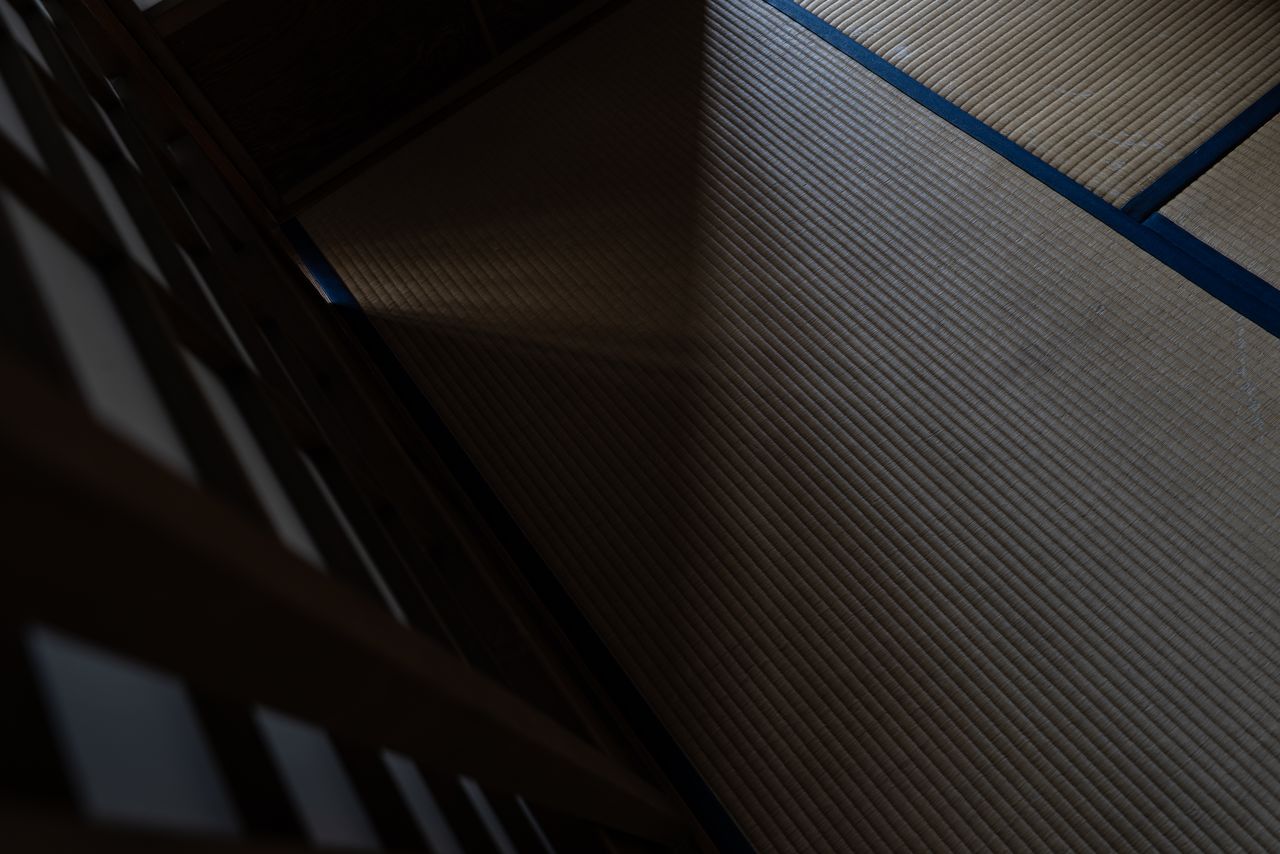
Meanwhile, though, his poignant descriptions of tatami, such as this one, convinced us of its importance in daily life:
. . . light is seen indistinctly, delicately quivering here and there like slender liquid streams that flow across the tatami and empty into still pools, weaving a design that lacquers the very night itself.
(© Narita Mieko Haku)
If I could add my own complaint to his about the way traditional aspects of life are being lost to modern Japan, it would surely be on the subject of tatami. When I arrived in Japan more than a half a century ago, tatami rooms were still a feature even in condominiums and new houses; that is no longer true. The use of the soft flooring is dropping precipitously, and tatami makers are increasingly hard to find. When tatami does appear in new living spaces, it often seems like an afterthought—raised a step up, treated as something almost exotic, reserved for guests or special occasions. We insisted that our zashiki tatami room be level with the rest of the house—and the easy access has made the room become our go-to space for family dinners, despite the comparative comfort of the dining table and chairs nearby.
Bring Shadow into Our Lives
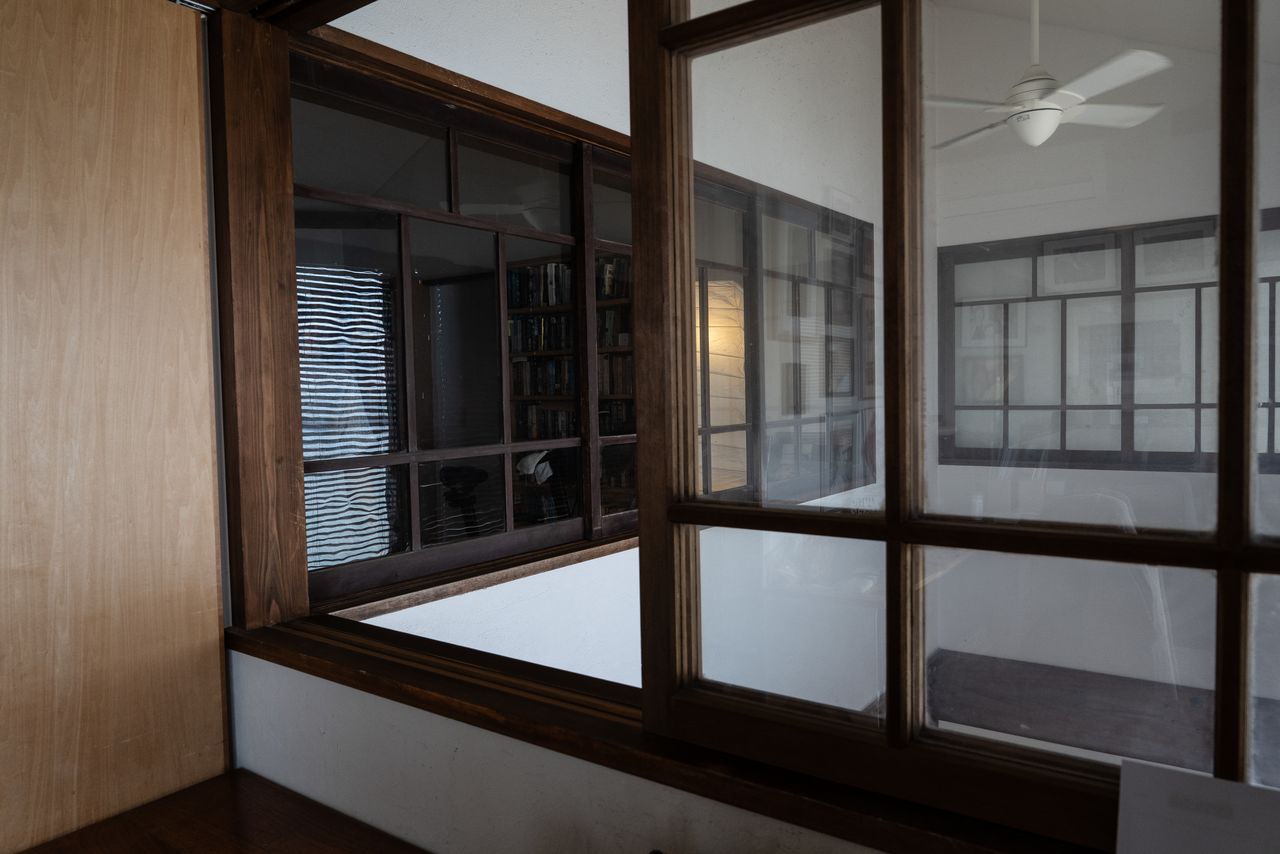
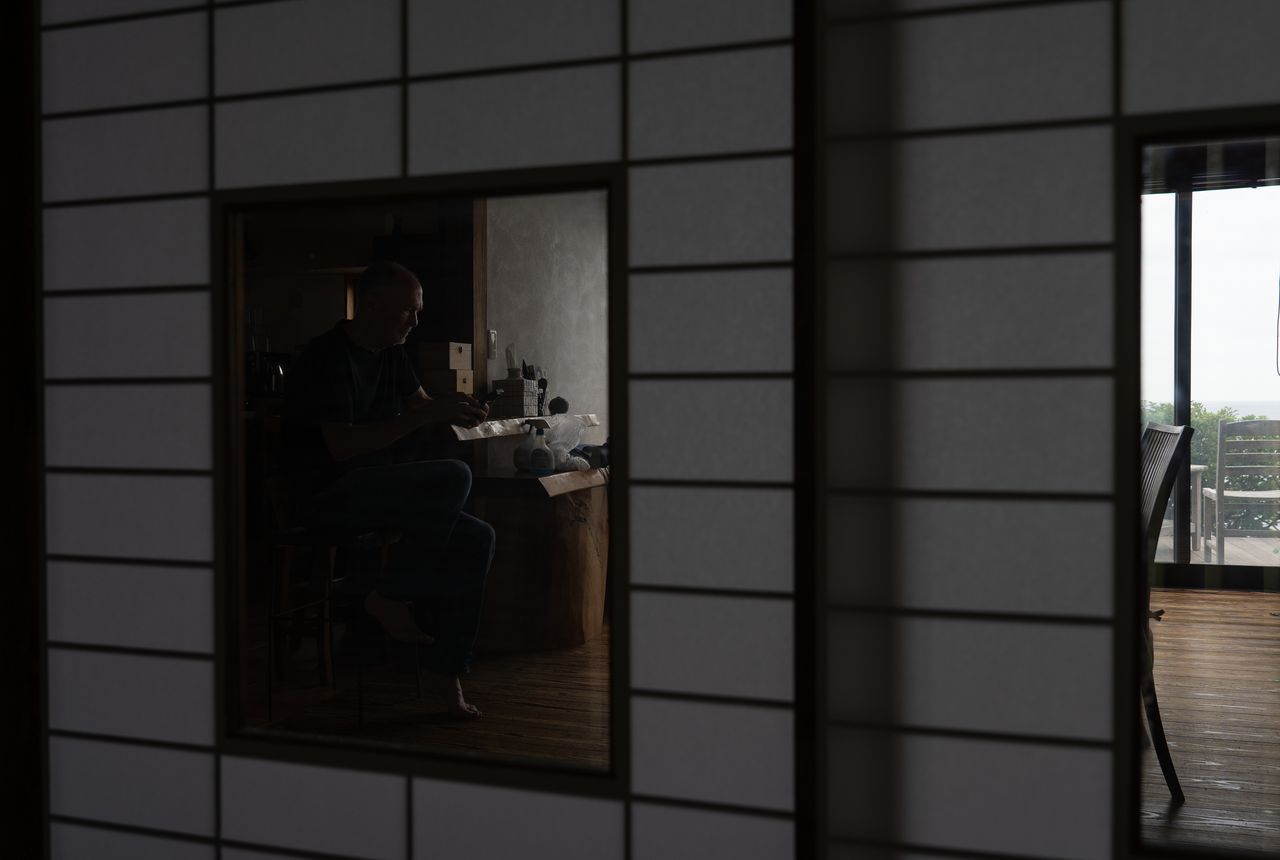
The finished house is a mix of Japanese and Western aesthetics, but Tanizaki’s perspective colored all of our decisions. We discussed the book with the firm that built it for us, and were heavily involved in every aspect of the design. The old glass windows that once struggled to keep freezing temperatures from the hallway in winter are now part of the interior atrium. The shōji doors around the traditional zashiki living space and the entrance all come from the old house; though the doorways had to be slightly lowered to hold them. The floor of the tokonoma alcove, is the same slab of wood from the former construction. A narrow wooden space faces the windows, similar to the engawa—the traditional corridor facing the garden.
(© Narita Mieko Haku)
(© Narita Mieko Haku)
And we didn’t forget his emphasis on light—and, of course, shadow. Tanizaki’s thoughts are not a doctrine, but a jumping-off point to consider and reconsider possibilities. We chose deep eaves on the front of the house, no fluorescent lighting, rooms lit only through washi shades, indirect lighting whenever possible. His broad brush touched everything, down to the choice of dining ware, for example. Take this passage on miso soup served in a lacquerware bowl:
It is impossible to distinguish what is there in the darkness, but one feels the slow liquid movement of the broth in the bowl, sees the slight beads of moisture at the bowl’s edge, then notices the steam rising as it carries the aroma—offering faint hint of the taste before the soup ever enters the mouth. . . . It is a moment of mystery, a hint of Zen.
In lesser hands, that could be ho-hum hyperbole, but the humor, and beauty, is evident in his excesses. He is at his curmudgeonly best when he’s ranting about excessive lighting, something that is hard to disagree with in modern Japan. It is often, he writes, “an expense paid solely to erase the shadows from every corner of the room, a way of thinking that is incompatible with the concept of beauty we find in the traditional Japanese room.”
It has been 16 years since our house was finished. Soon after the move, I found myself with enough time on my hands to tackle my own translation of In Praise of Shadows. I thoroughly enjoyed the struggle with his very difficult Japanese, and untangling some of the long, drawn-out sentences was a puzzle that took longer than I’d expected. It was published in 2019, with a thoughtful foreword written by architect Kuma Kengo.
(© Narita Mieko Haku)
I pick it up even now, looking for certain passages that have stayed with me over the years, and I’m often surprised by how fresh it seems—a reminder that, after all, they are Tanizaki’s words, not my own. And while there are parts that read as dated by today’s standards—Tanizaki was a man of his time, as I am of mine—the longer I live in this house, with its deep eaves, washi-shaded light, and Japanese cedar floors aged by years of use, the more I find that his particular way of paying attention—slow, digressive, alert to texture and shadow and the weight of things—is both a philosophy worth following and a habit I am happy to have caught.
(Originally written in English. All translations from Tanizaki’s work are by Gregory Starr unless otherwise noted. Banner photo © Narita Mieko Haku.)