Confronting the Years: A Photographer’s Tour of Japan’s Hyper-Aging Society
Doctor Gon: Island-Hopping Physician Yasukawa Keigo on the Front Line of Elder Care
Images Society Health- English
- 日本語
- 简体字
- 繁體字
- Français
- Español
- العربية
- Русский
A Vital Safety Net
Tiny Ōgami Island floats in the sea some four kilometers off the coast of Miyako Island. Purported to be the home of gods, it is revered as a holy place and still hosts special religious festivals. I travel with Yasukawa Keigo, a 62-year-old physician who goes by the moniker Doctor Gon, aboard the ferry to Ōgami to care for some of the island’s aged residents. Once home to over 200 inhabitants, the island now has fewer than 20, nearly a third of whom are aged 75 or older. Even with the ferry, it can be a challenge to reach the remote island, and Yasukawa describes how in emergencies he has had to make the journey by jet ski.
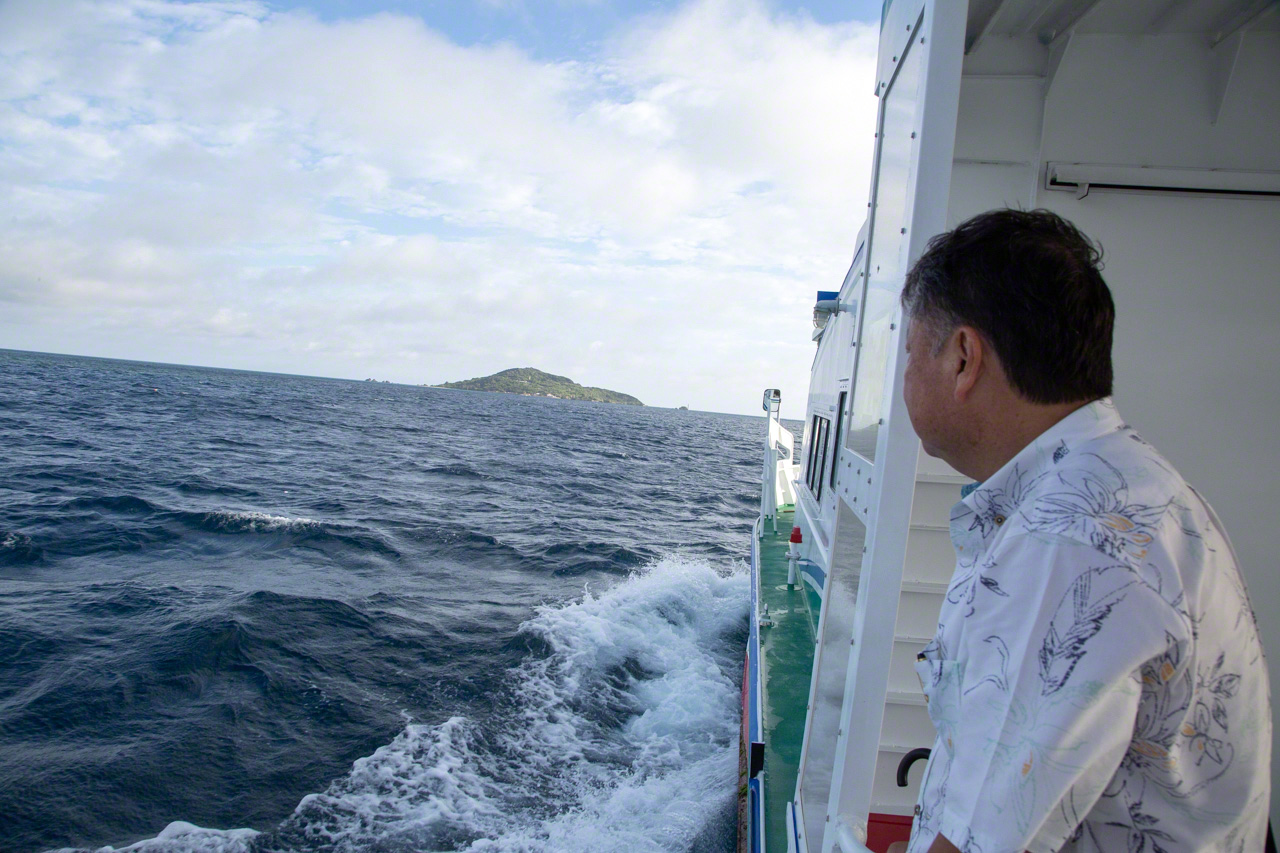
The ferry ride to Ōgami takes about 15 minutes from Miyako Island. (© Ōnishi Naruaki)
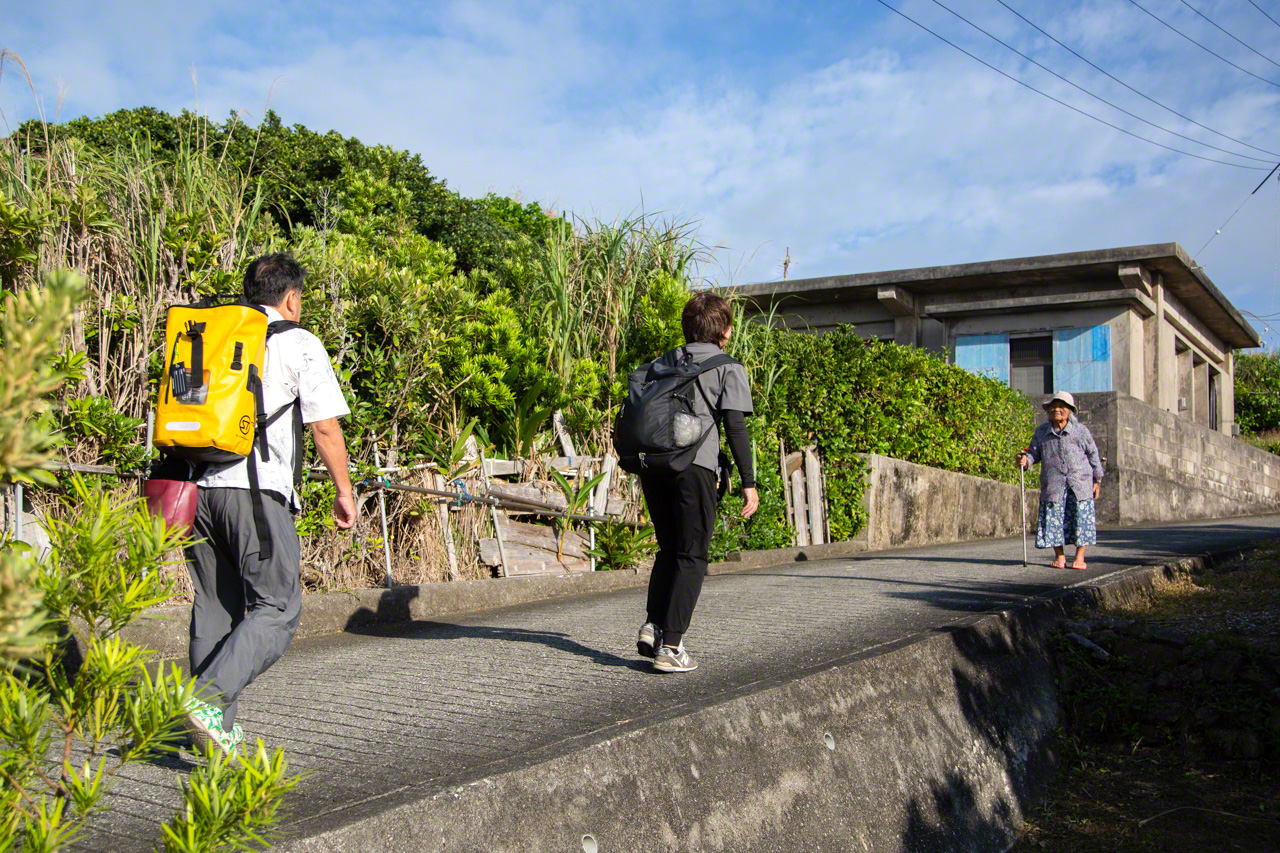
An elderly resident greets us as we climb the path from the ferry. (© Ōnishi Naruaki)
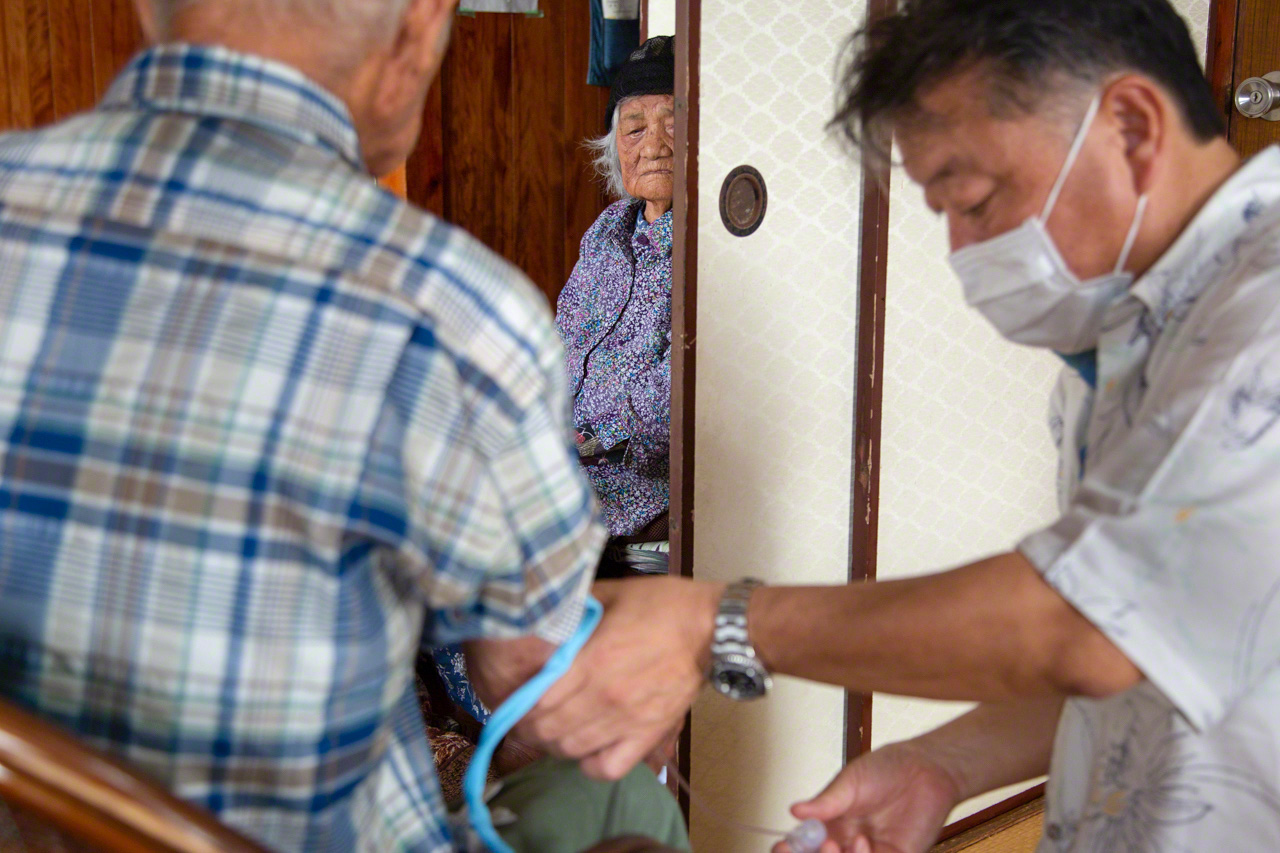
The woman watches on, concerned for her husband’s health. (© Ōnishi Naruaki)
Yasukawa recalls that it was not possible at first to access Ōgami Island because of the tradition of not allowing outsiders to visit. “To protect the holy sites,” he explains. “I became friends with an elderly man who worked on the ferry, and his mother became my first patient there.” For two years, she was his only patient from the island, but after numerous visits he was finally accepted by the locals.
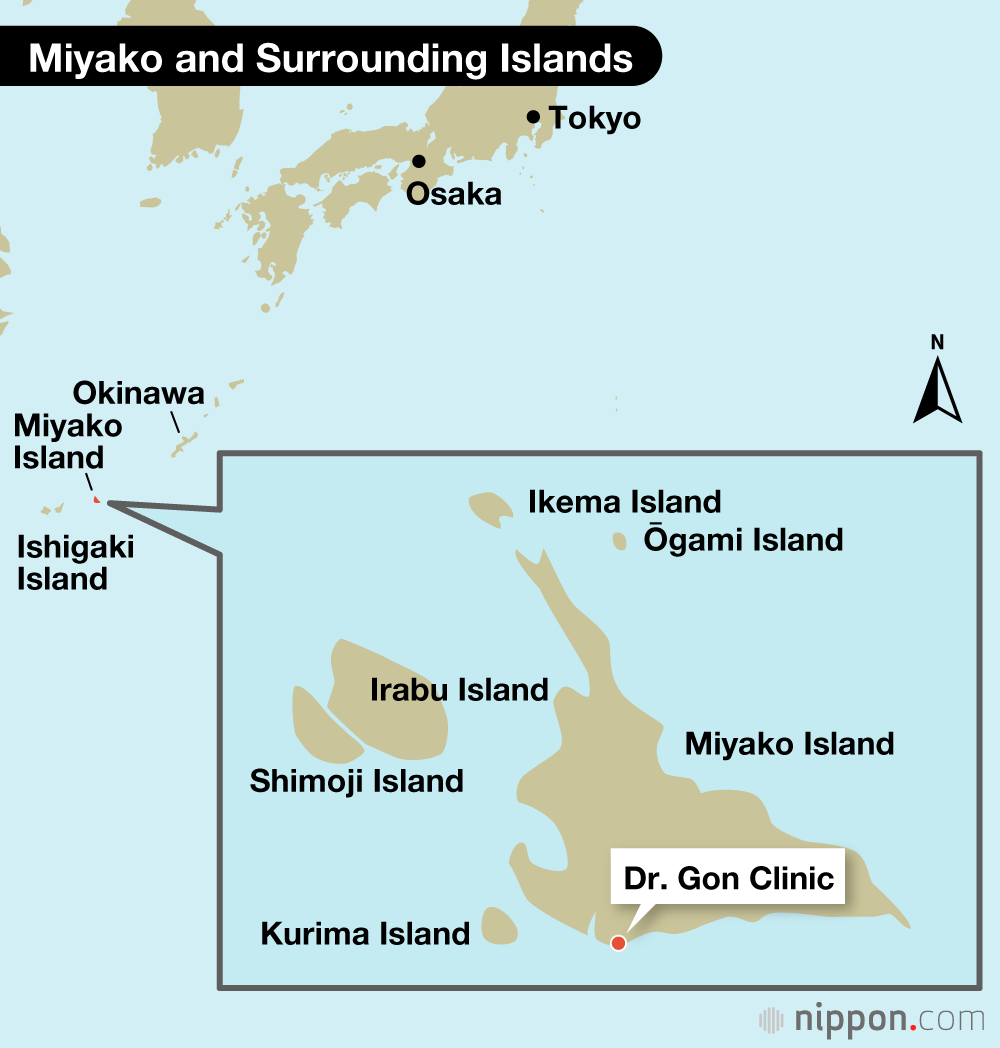
Based at his Dr. Gon Clinic, Yasukawa serves Miyako and its five surrounding islands. Bridges connect four of the islands to Miyako—most recently Irabu Island in 2015—leaving Ōgami as the last one only accessible by sea. The ferry is often canceled due to rough seas, but despite the island’s relative inaccessibility, Yasukawa is determined to continue visiting for as long as it has residents.
We stop at the home of Isa Teruo (aged 75), who returned to the island three years ago to care for his aged mother. “The Dr. Gon Clinic is a safety net for the people of Ōgami,” he declares. “Three people currently receive home care from him. Miyako Island has two general hospitals, but it’s wonderful that he can visit, because it’s quite an effort for elderly people to travel to the hospital.”
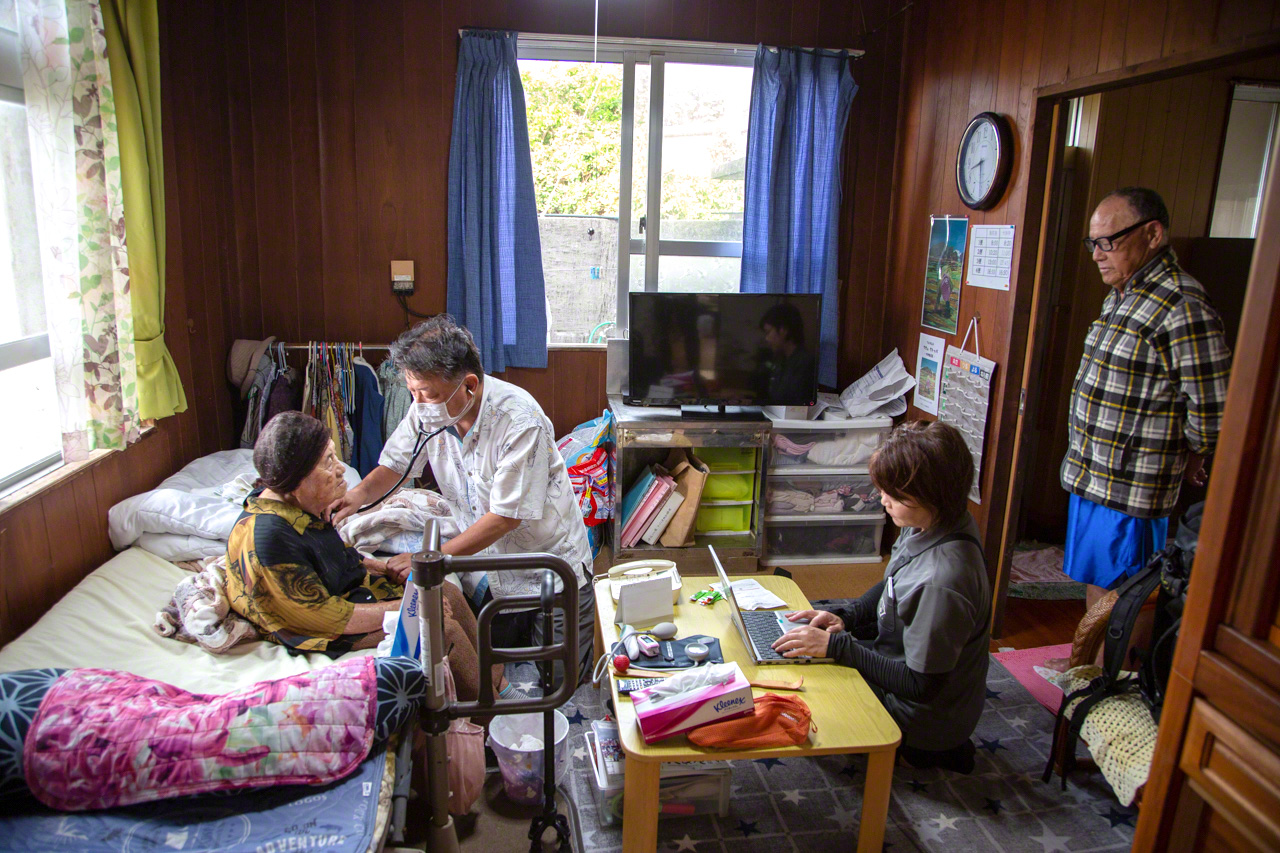
Yasukawa provides a check-up for Isa Tsuru (aged 95). Once or twice a month, a physician from the Dr. Gon Clinic visits her. Son Teruo (right) watches with concern. (© Ōnishi Naruaki)
After two and a half hours on the island, Yasukawa reboards the ferry to Miyako.
The Deep Significance of Home Visitations
I next accompany Yasukawa on consultation visits around Miyako and the four other islands. Entering the home of an elderly female patient, Yasukawa announces, “Grandma, Dr. Gon is here.” He speaks warmly with the woman, who is nearly 100, as he conducts his checkup. “How have you been? I’m going to give your heart a listen. Deep breaths! Your heartbeat is fast. We can’t have you getting a blood clot and having a stroke. I’ll prescribe some good medicine, so you’ve nothing to worry about.”
Yasukawa often finishes visits with the phrase jōtō-sa, which in Okinawan dialect means something akin to “everything is fine.” There is no doubt his reassuring words are as effective as any medicine.
Modern medicine relies on repeated tests to gather data on the whole body. But what is most important for people’s health is to eat properly, expel what should be expelled, and sleep well. There is no substitute for being thankful for your health, passing each day without incident, and knowing “everything is fine.” Proper medical consultation is not possible without recognizing a patient’s living environment. Hygiene, eating habits, and family relations all create an environment distinct from uniform clinical conditions, which makes home visitations a particularly important practice.
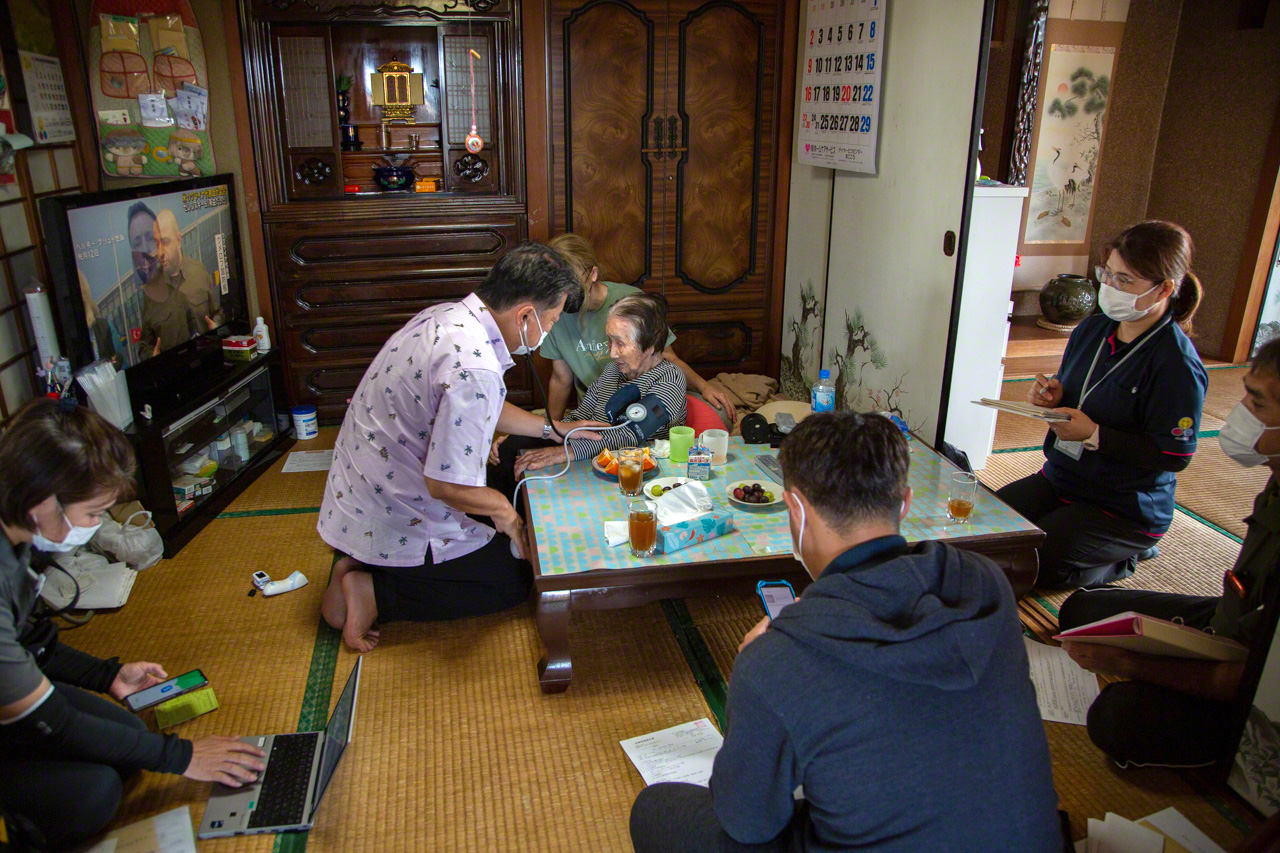
With home visitations, staff and family members cooperate to support the patient. (© Ōnishi Naruaki)
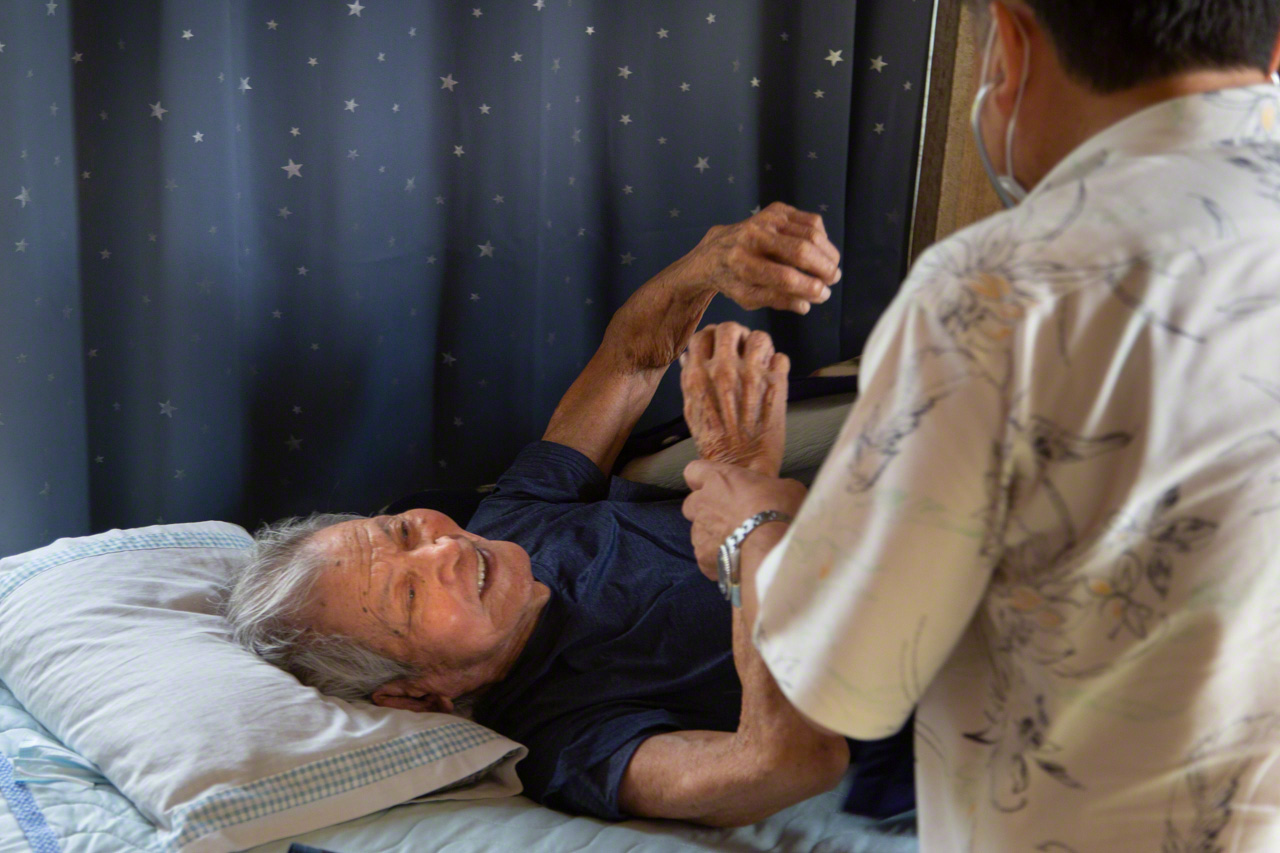
Yasukawa finishes his visit by assuring his patient that all is fine. (© Ōnishi Naruaki)
Caring for an Army of Elderly Patients
Yasukawa was born on Miyako Island in 1963. His father was also a doctor who researched the debilitating tropical disease filariasis and traveled to Naha, Tokyo, and even as far as Scotland for his work. Yasukawa initially failed his college entrance exams before entering Kyōrin University’s School of Medicine in Tokyo. After graduating, he worked for the Department of Critical Care and Emergency Medicine at Tokyo Women’s Medical University. Although he saved many lives as a critical care physician, there were also many in his care who never recovered completely or remained in a vegetative state. He began to contemplate whether he was really saving lives or just preventing people from dying. He was stunned to learn that a colleague even referred to him derisively as a “vegetable maker.”
Later, as medical director in the emergency department at a hospital in Ibaraki Prefecture, he made home visits to critically ill patients after they were discharged. He developed confidence that he could provide emergency and critical care, even involving surgical techniques, to seriously impaired patients in their homes.
In 1997, he returned to Miyako Island and established a clinic in the main town. Three years later, he founded the Dr. Gon Clinic in Ueno, a doctorless town in the island’s south, naming it after his childhood nickname “Gon-chan.” There, he focused on home visitations.
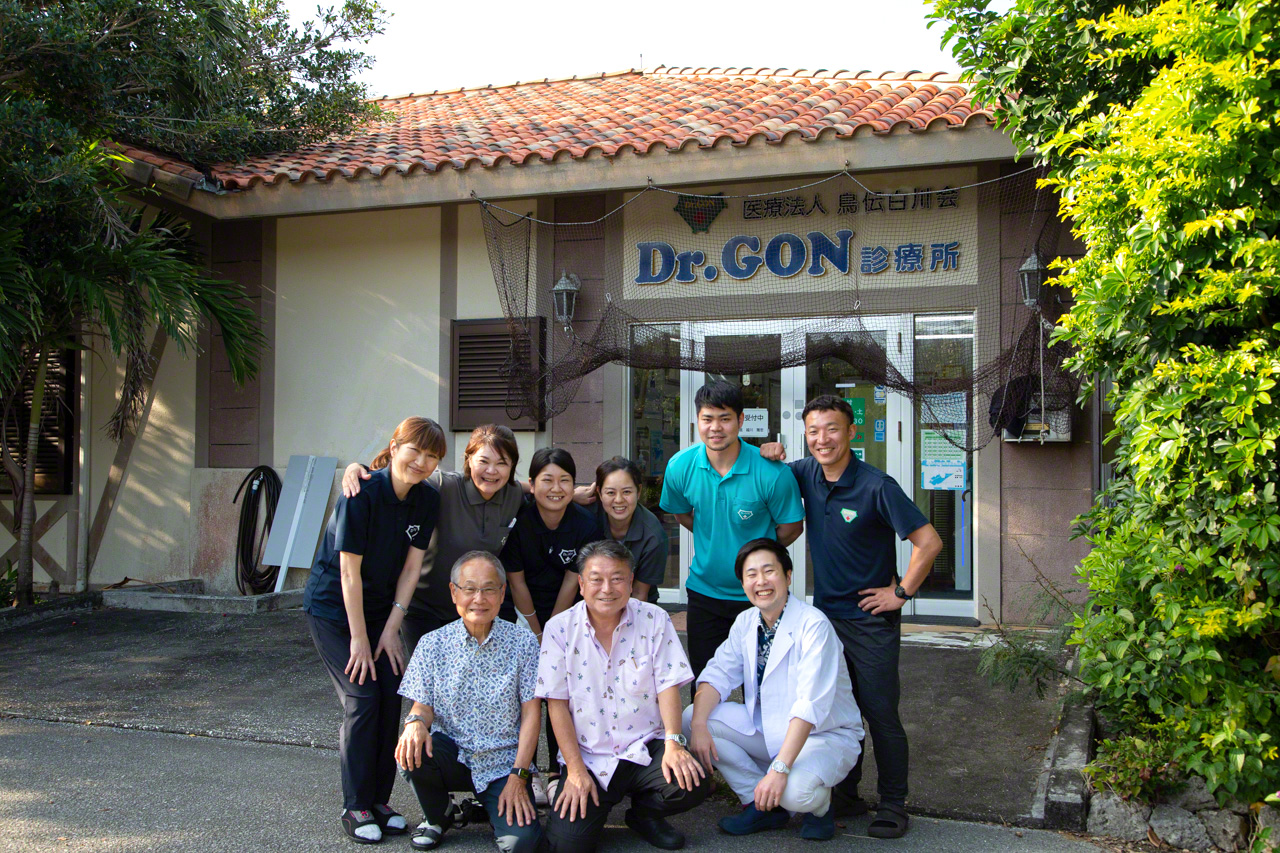
The Dr. Gon Clinic, with its red-tiled roof characteristic of Okinawa, employs three doctors and eight other staff. (© Ōnishi Naruaki)
During his career in emergency medicine and the 28 years since opening a clinic in his hometown, Yasukawa has cared for over 10,000 patients in the final stages of life. Now, he epitomizes the principle he described in his 2004 book Nihon de ichiban shiawase na iryō (Japan’s Happiest Medical Care) of there being “lives that doctors should save and lives they should quietly care for.”
Harnessing Technology
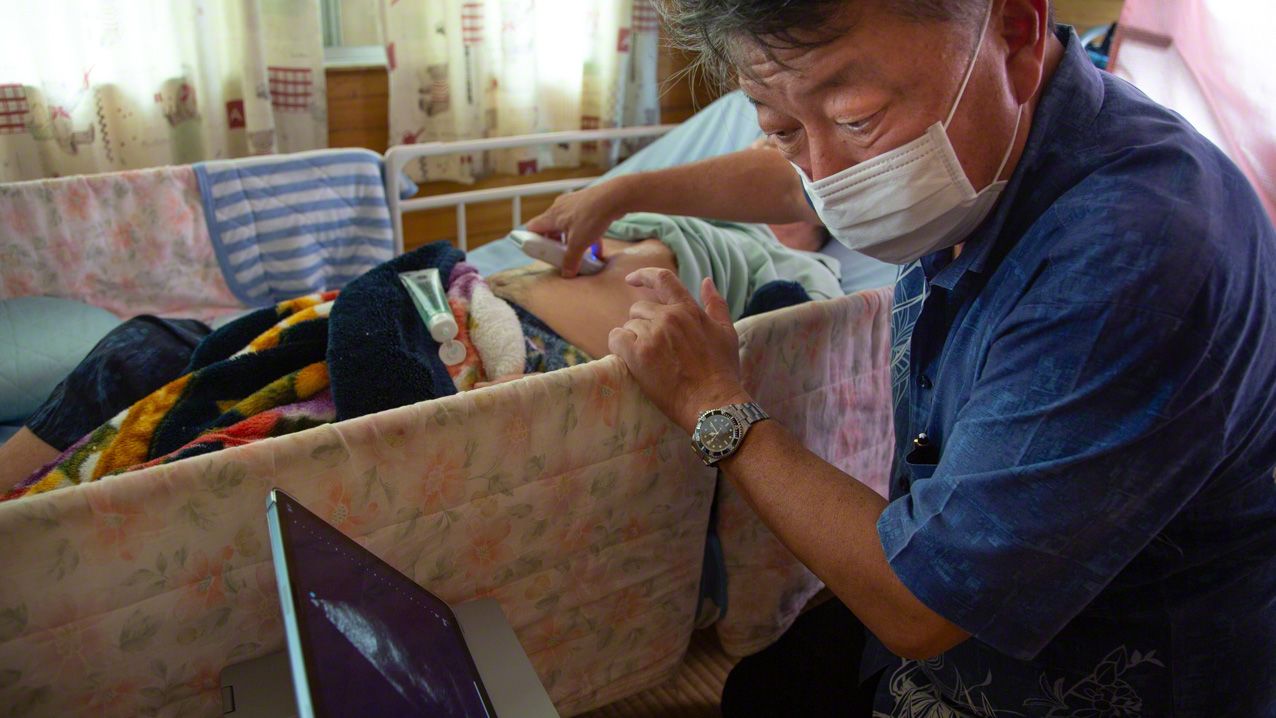
The growth in home medical visitation has led to the introduction of compact, high-performance medical equipment. Critically ill patients who once required hospitalization can now be cared for at home. The vehicle Yasukawa uses for home visitation is equipped with such devices as a portable electrocardiograph, an artificial respirator, and a micro-volumetric drug infusion pump. During my time with the doctor, he relied most frequently on his ultrasound diagnostic equipment, which he uses to examine a patient’s abdominal region or organs like the heart or bladder. Connected to a smartphone or tablet, the equipment allows him to diagnose ailments and take emergency measures, including conducting simple surgical procedures. He can even examine for ophthalmological disorders using a dedicated smartphone attachment.
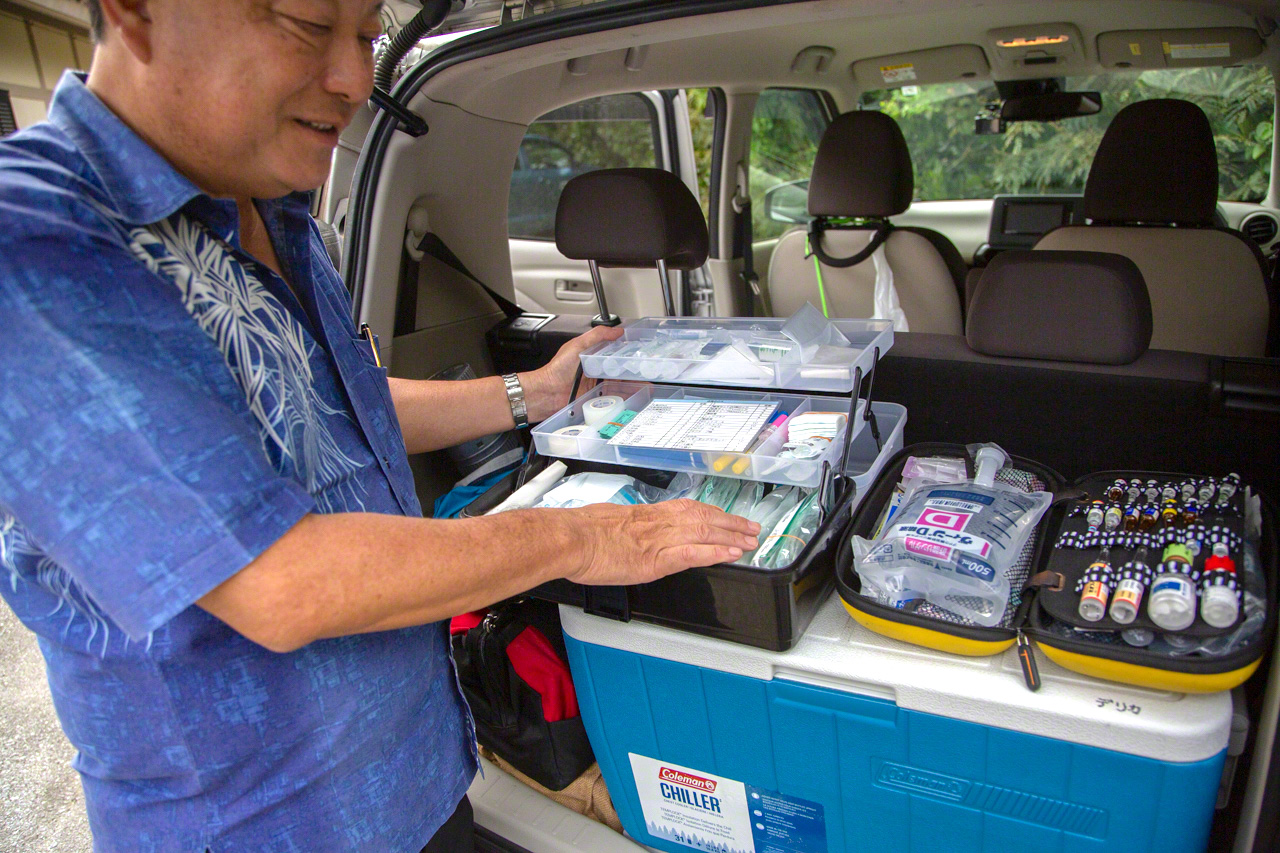
Yasukawa’s visitation vehicle is packed with medicines and medical equipment. (© Ōnishi Naruaki)
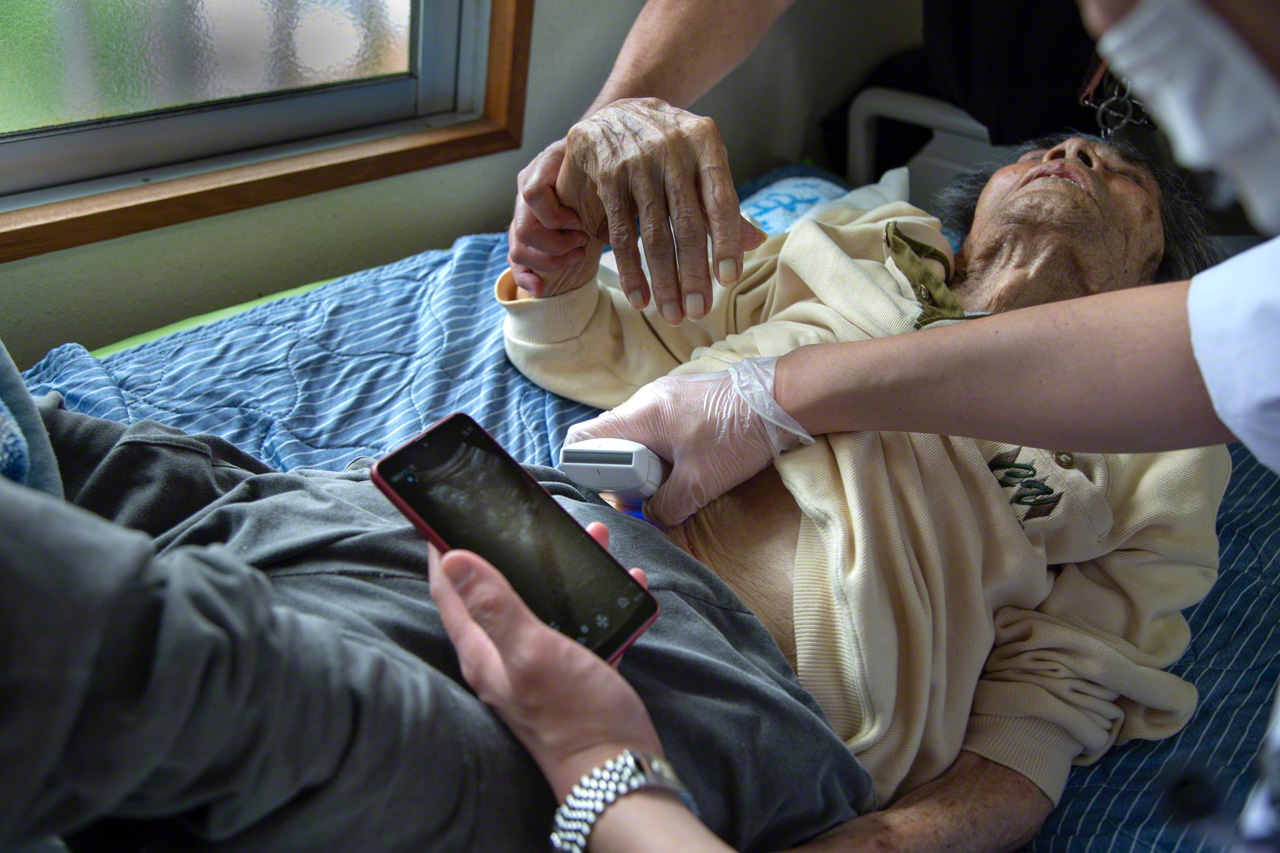
Yasukawa examens a patient using portable ultrasound equipment. (© Ōnishi Naruaki)
Home Visitation is Team Work
This comprehensive medical home visitation service relies on collaboration by a specialist team that includes doctors, nurses, rehabilitation therapists, carers, and home helpers. Yasukawa can send diagnostic information, prescriptions, and so on from the patient’s home to the hospital, pharmacy, care manager, and other involved parties. He uses a network system he developed from the filing system used during his time at the Tokyo Women’s Medical University to improve efficacy of treatment and care through information sharing among his team.
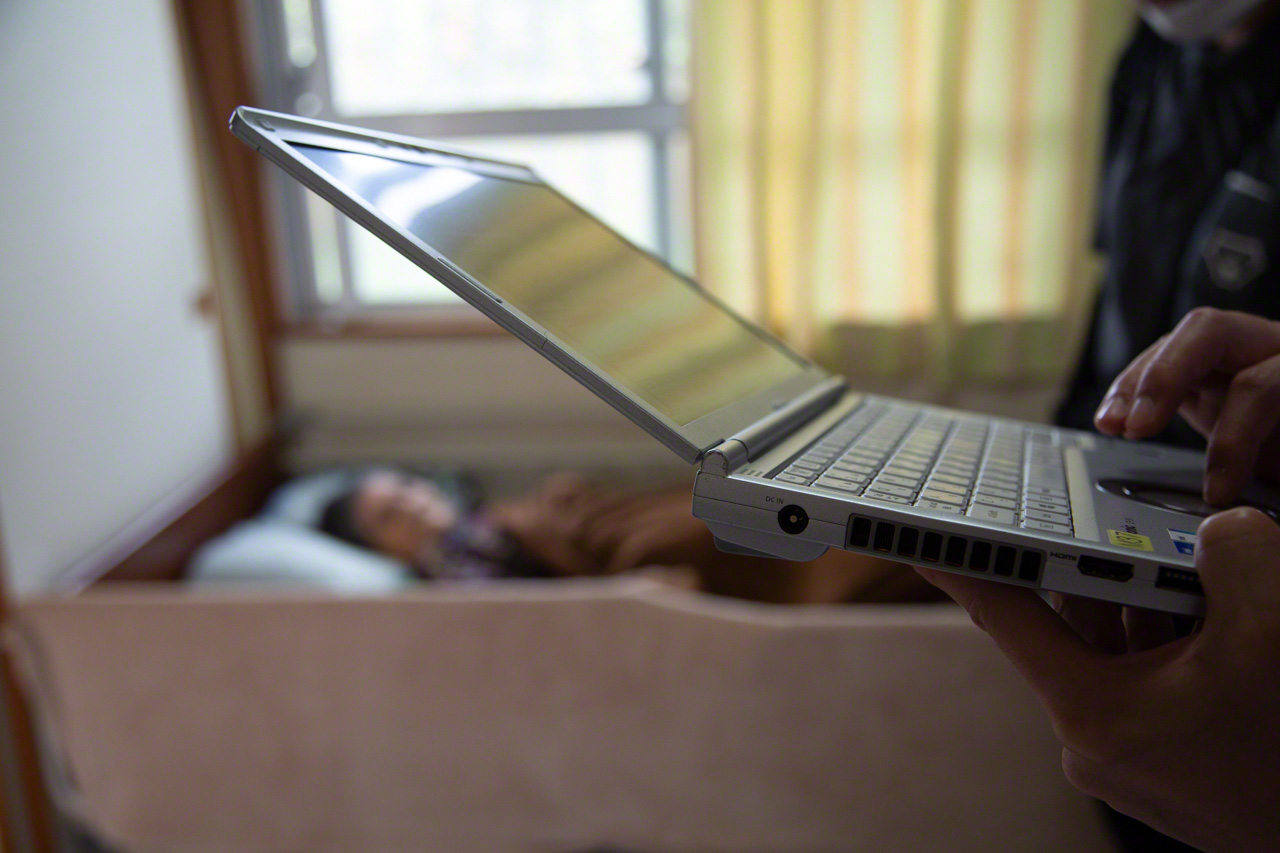
An effective electronic medical record network is the key to home medical visitation. (© Ōnishi Naruaki)
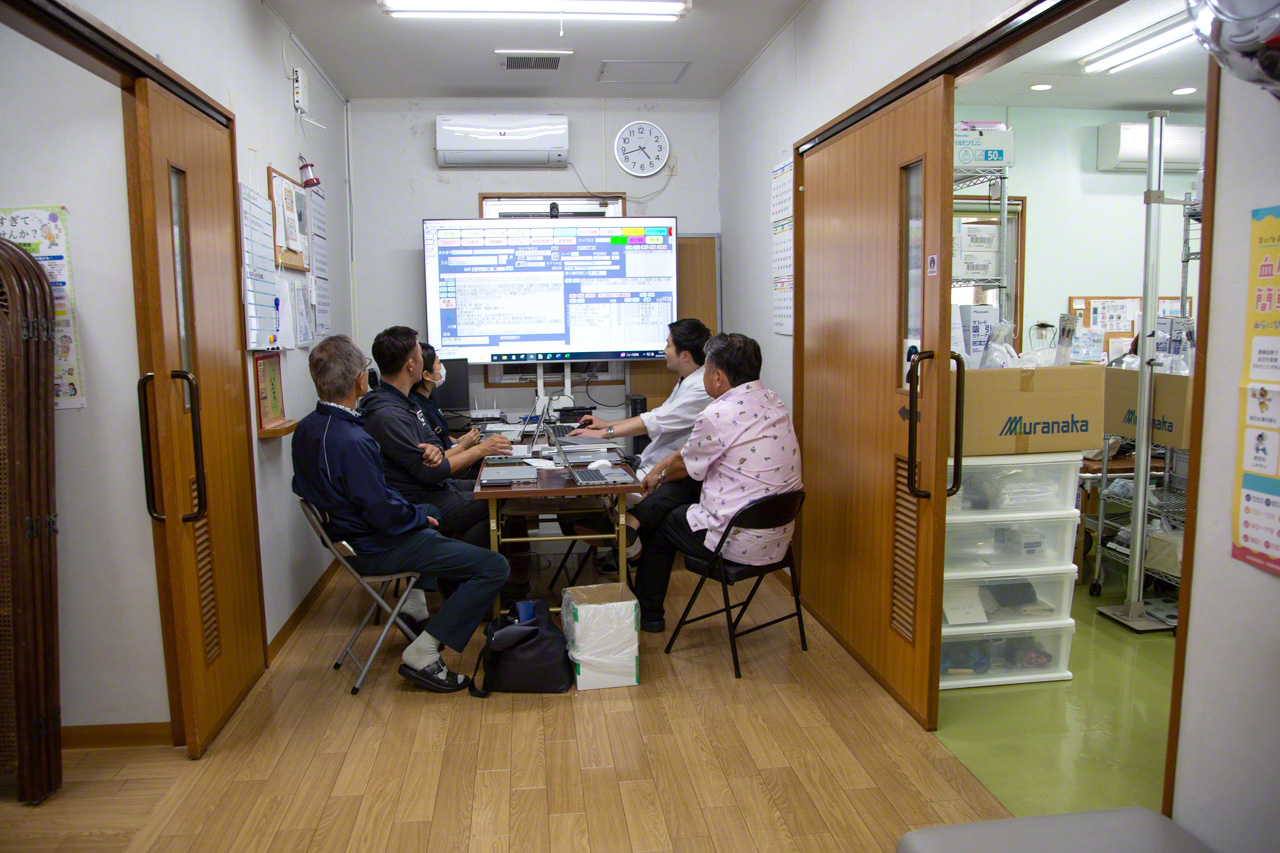
The staff meet each evening after visitations to share information. (© Ōnishi Naruaki)
Eight years ago, a home nursing service was set up to support the Dr. Gon Clinic. Nurse Tomari Mika is the service’s key player. The staff can provide around-the-clock support and stay with patients who are facing imminent death. Last year, the service provided end-of-life care for over 60 patients, or roughly one per week.
“When a patient passes away, we wash the body together with the family,” explains Tomari. “Taking the time to provide this extra care, to make them look their best in death, is also therapeutic for the bereaving family. Being present at the deathbed is a special opportunity to recognize a person’s life with the family. It’s also satisfying as a nurse.”
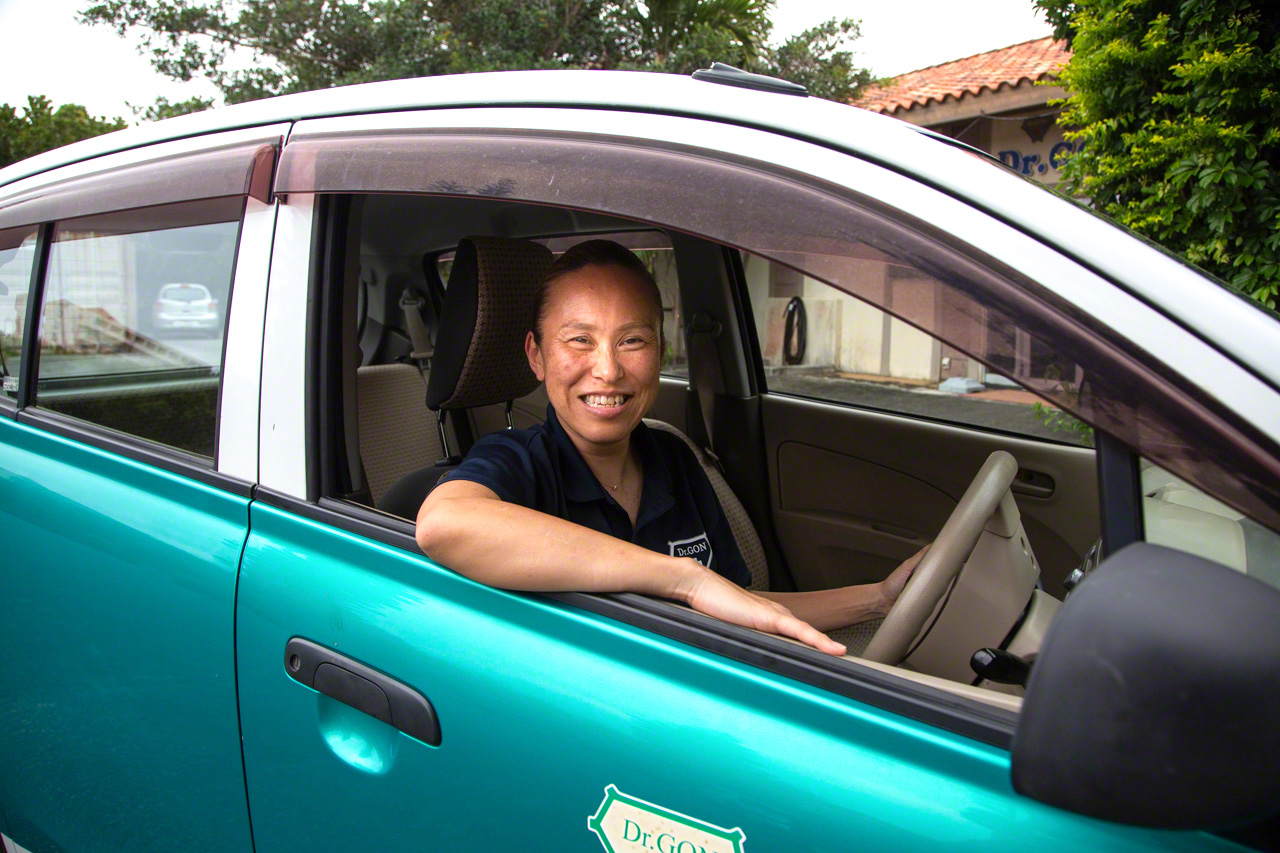
Tomari Mika. (© Ōnishi Naruaki)
Sharing the Essence of Medical Care
I next accompany Dr. Kobayashi Jun’ichi (aged 31), who has been working at the Dr. Gon Clinic for about six months, on home visits. Specializing in gastroenterology, he came to Miyako to gain experience in medical home visitation. In the future, Kobayashi says he hopes to return to his family’s practice in Hyōgo Prefecture to focus on providing in-home care. “There is so much I can learn from Dr. Yasukawa.”
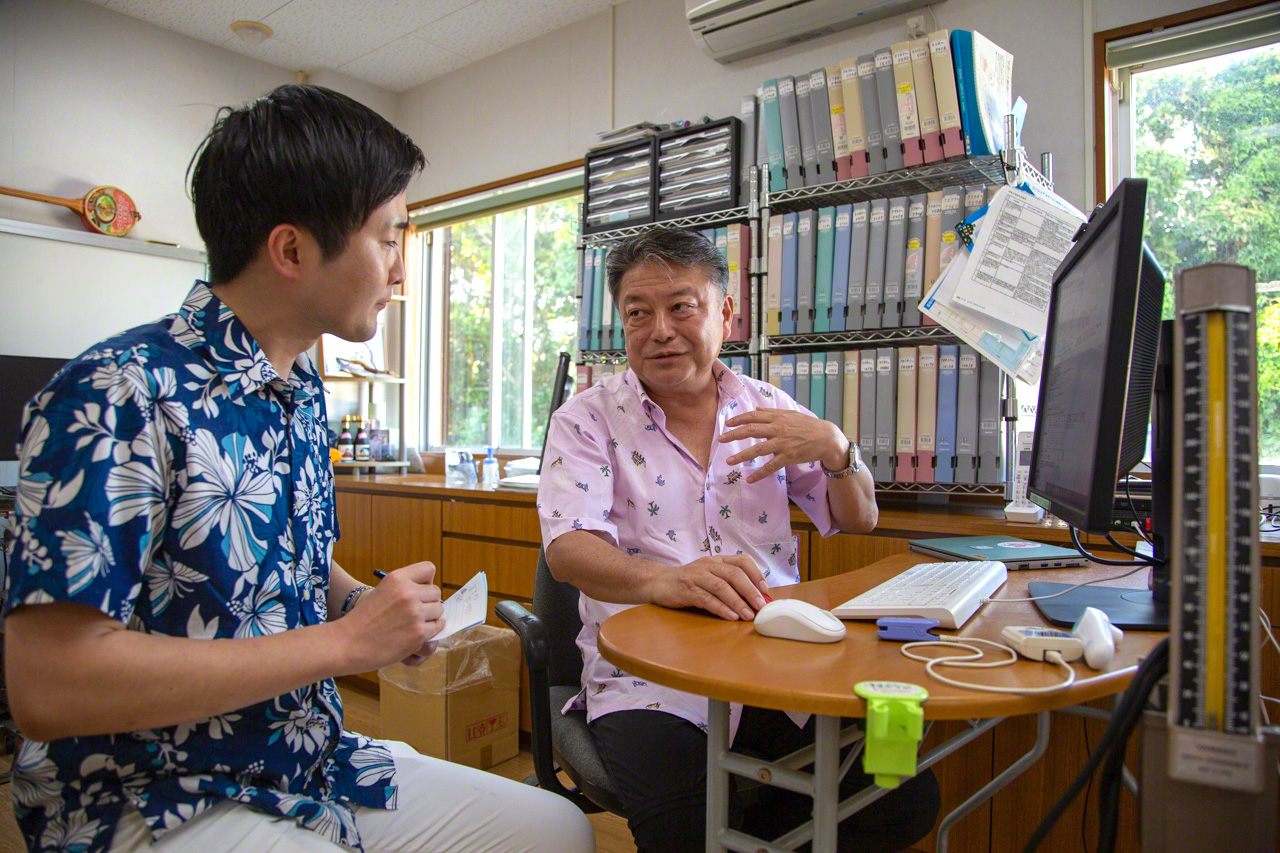
Kobayashi listens attentively to Yasukawa’s advice. (© Ōnishi Naruaki)
In 2004,Yasukawa opened another clinic in Kamakura, Kanagawa Prefecture, with an ulterior motive of attracting new staff. Recruitment of doctors, nurses and other staff on Miyako Island is a challenge. But Kamakura’s proximity to the Tokyo metropolis makes it easier to secure human resources. He asks his Kamakura clinic staff to occasionally assist on Miyako, and typically they are more than willing. While they may be reluctant to move there permanently, they are still enticed by the subtropical setting and the warmth of the locals. Experiencing the essence of medical care on the islands provides them with an opportunity to reconsider what it means to be a healthcare professional. With Japan becoming a hyper-aged society, such new approaches to medical care deserve greater attention.
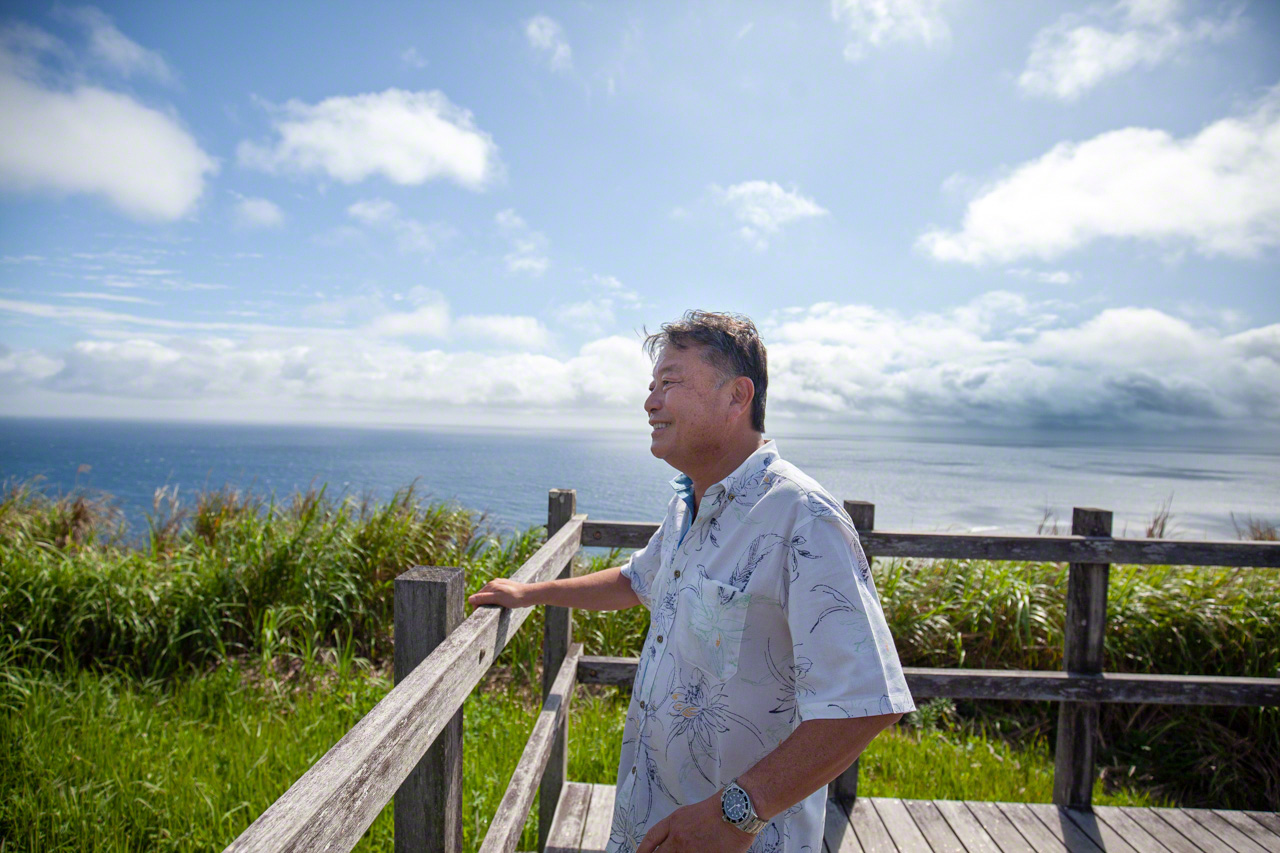
Yasukawa takes in the view from an observation deck on Ōgami Island. (© Ōnishi Naruaki)
Yasukawa’s medical visitation service takes him inside his patients’ homes, where he sees the traces of lives lived, and local memories engraved. At times there are glimpses of family history, of family members past and present. It reminds me of the term chirei, which describes spirits that live in the earth, bringing abundance and protecting the circle of life. Because of the isolation of these islands, these are truly local guardian deities. Yasukawa has seen the spectrum of life with his own eyes, from emergency rooms to patients’ homes. For him, medical care is more than the physical examination of these elderly men and women. It is also a journey through the memories of these remote islands.
(Originally published in Japanese. Banner photo: Dr. Gon performs an internal examination using portable ultrasound equipment. © Ōnishi Naruaki.)