The 12 Heavenly Generals at Shin-Yakushiji, Nara
Images Art History- English
- 日本語
- 简体字
- 繁體字
- Français
- Español
- العربية
- Русский
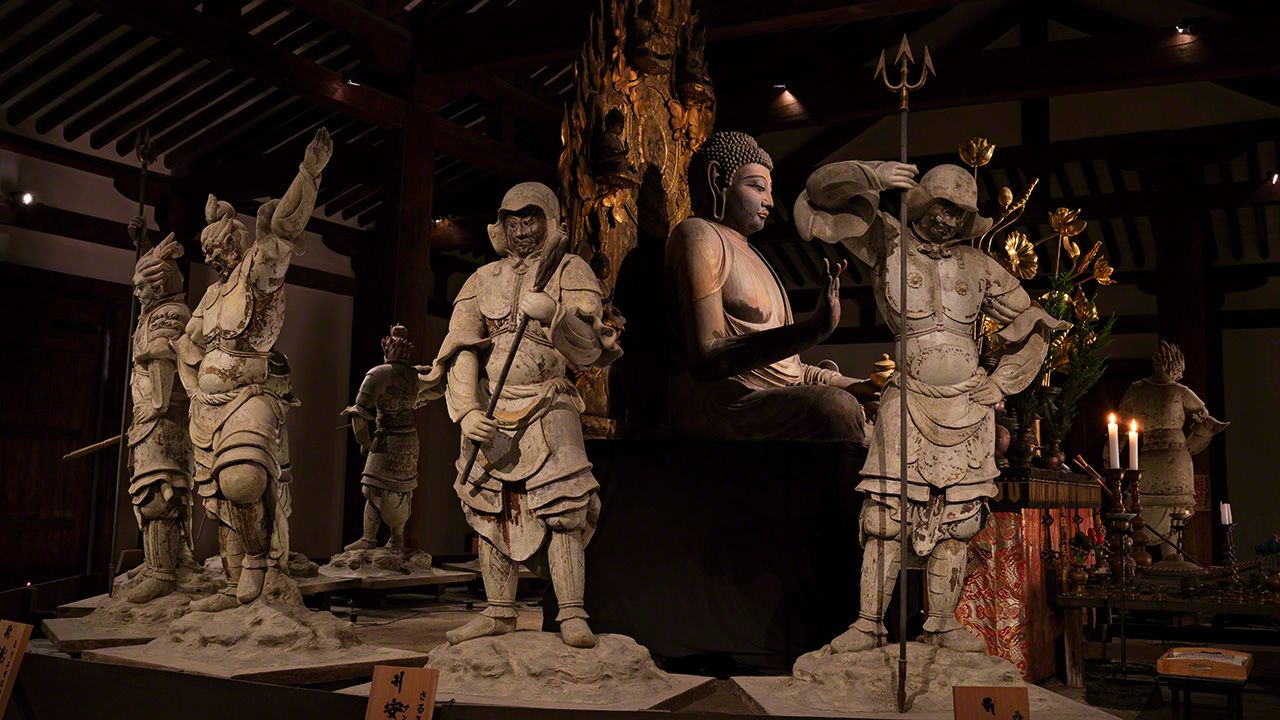
As you step inside the main prayer hall of the temple of Shin-Yakushiji in Nara, an array of sculptures greets you, dressed severely in armor, anger bristling from their features. They are an army of the 12 Heavenly Generals, who guard the main image of the temple, a sculpture depicting Yakushi Nyorai (Bhaisajyaguru, or the Medicine Buddha), a national treasure.
The 12 Heavenly Generals are vassals of Yakushi Nyorai, sworn to defend and protect all those who place their faith in the Medicine Buddha Sutra. Although we can only see 12 figures in our own world, in fact each general leads an army of 7,000 soldiers, so that the main image is protected by a grand army of 84,000 soldiers in total. The thought of this invisible heavenly host of defenders creates a prickle in the air as you walk around the area where the main image is housed.
The images are made using the sozō technique, in which clay and other pliable organic materials are pressed in layers onto a simple wood framework and left to harden. This method was brought from Tang China during the Tenpyō era (729–49). Rope is wrapped around the inner core that forms the framework of the sculpture, before three layers of clay are added and sculpted over this rope. The arrival of this method marked a breakthrough. Previously, most Buddhist images had been carved out of a single piece of wood or molded in bronze. The introduction of this new technique used the qualities of clay to produce realistic sculptures full of dynamism and movement. Looking at the images one by one, it is impossible not to be struck by their individuality, and by the astonishing skills with which the sculptor has brought out the distinctive character of each individual.
The 12 Heavenly Generals at Shin-Yakushiji are said to be the oldest as well as one of the largest sets of sculptures depicting this motif in Japan. However, the origin of the sculptures remains a mystery. The official temple history record, written in the Edo period (1603–1868), says that the statues were brought here from Iwabuchiji, no longer extant, which was an important temple in the Nara period (710–94).
The images that follow introduce each of the 12 generals in turn, starting with Bazara (Vajra), and moving counterclockwise. (In a temple, the norm is to move clockwise, keeping the images on your more auspicious right side, so most visitors would look at the statues in the opposite order.)
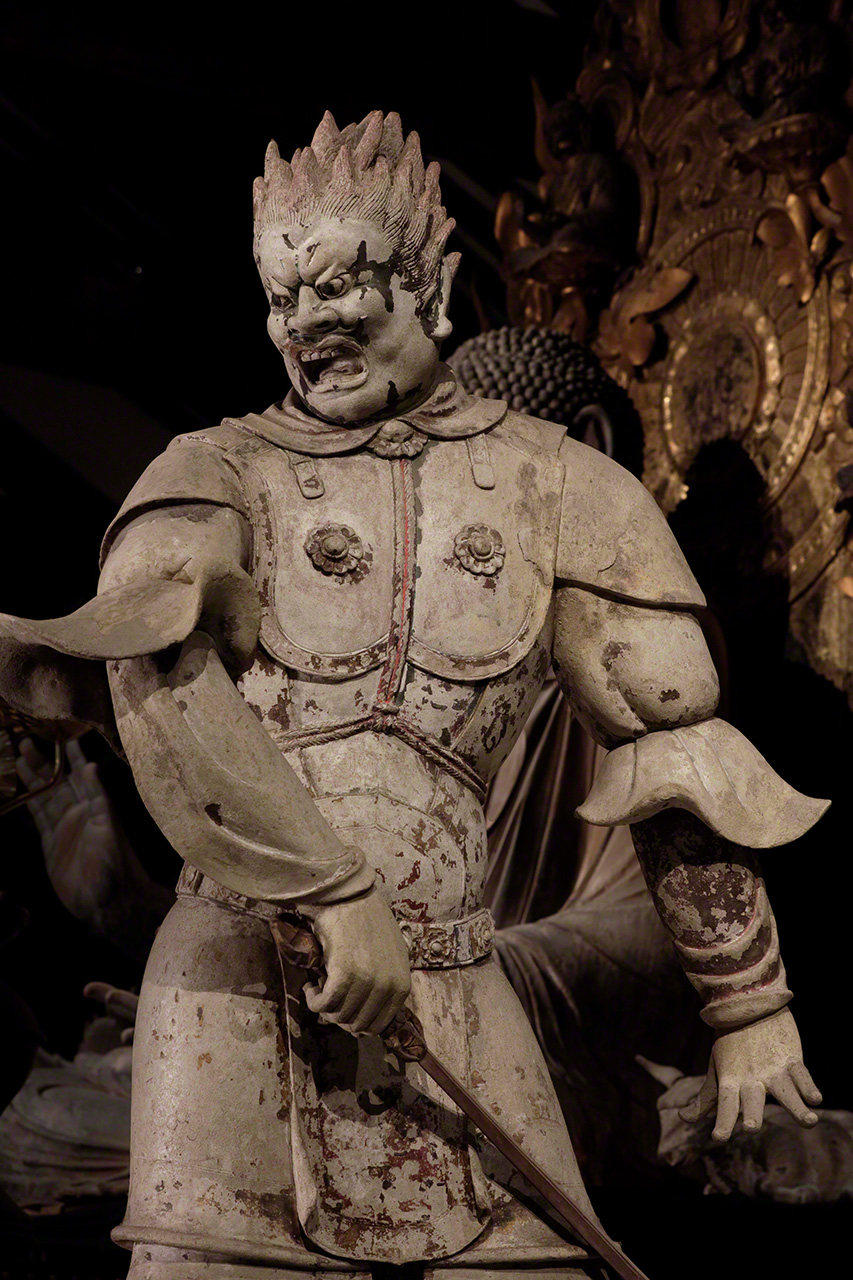
Bazara (Vajra) (© Muda Tomohiro)
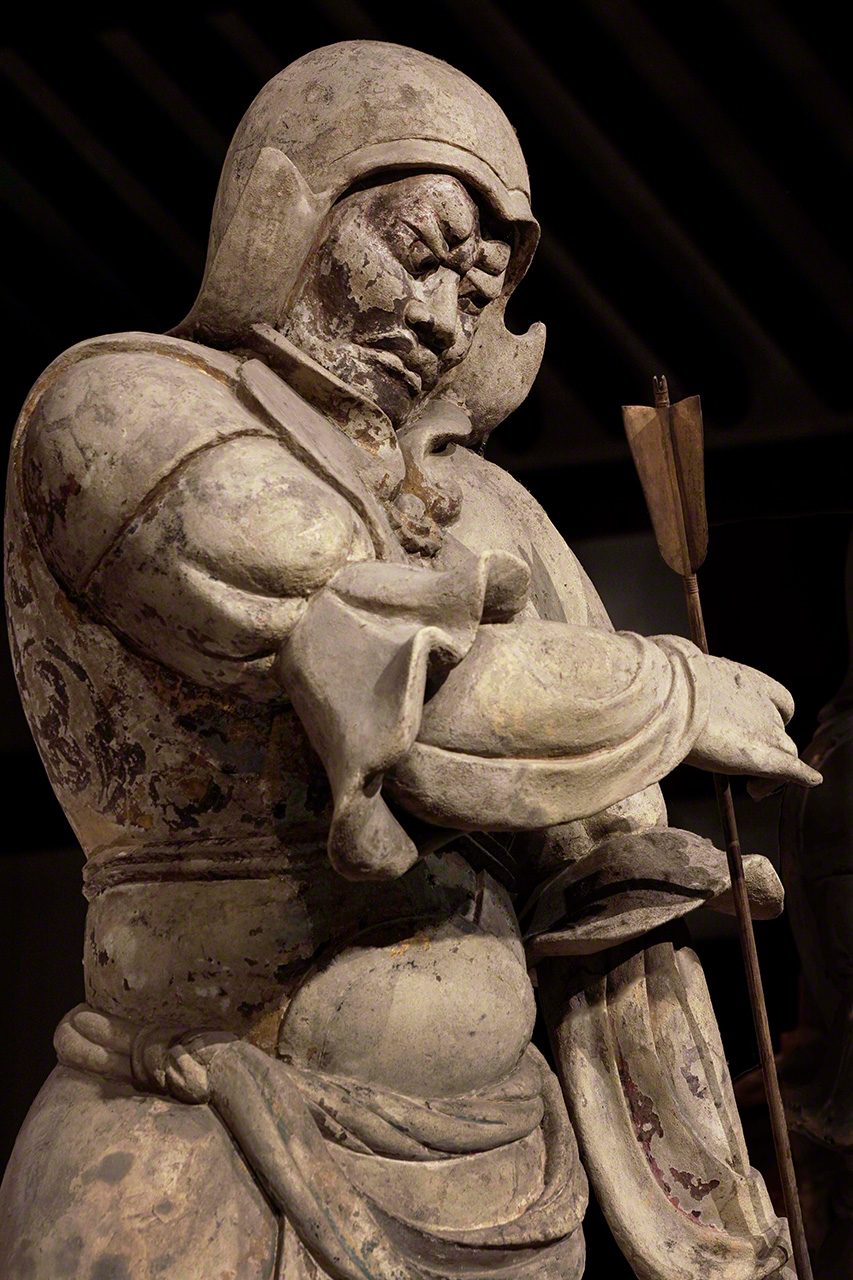
Anira (Anila) (© Muda Tomohiro)
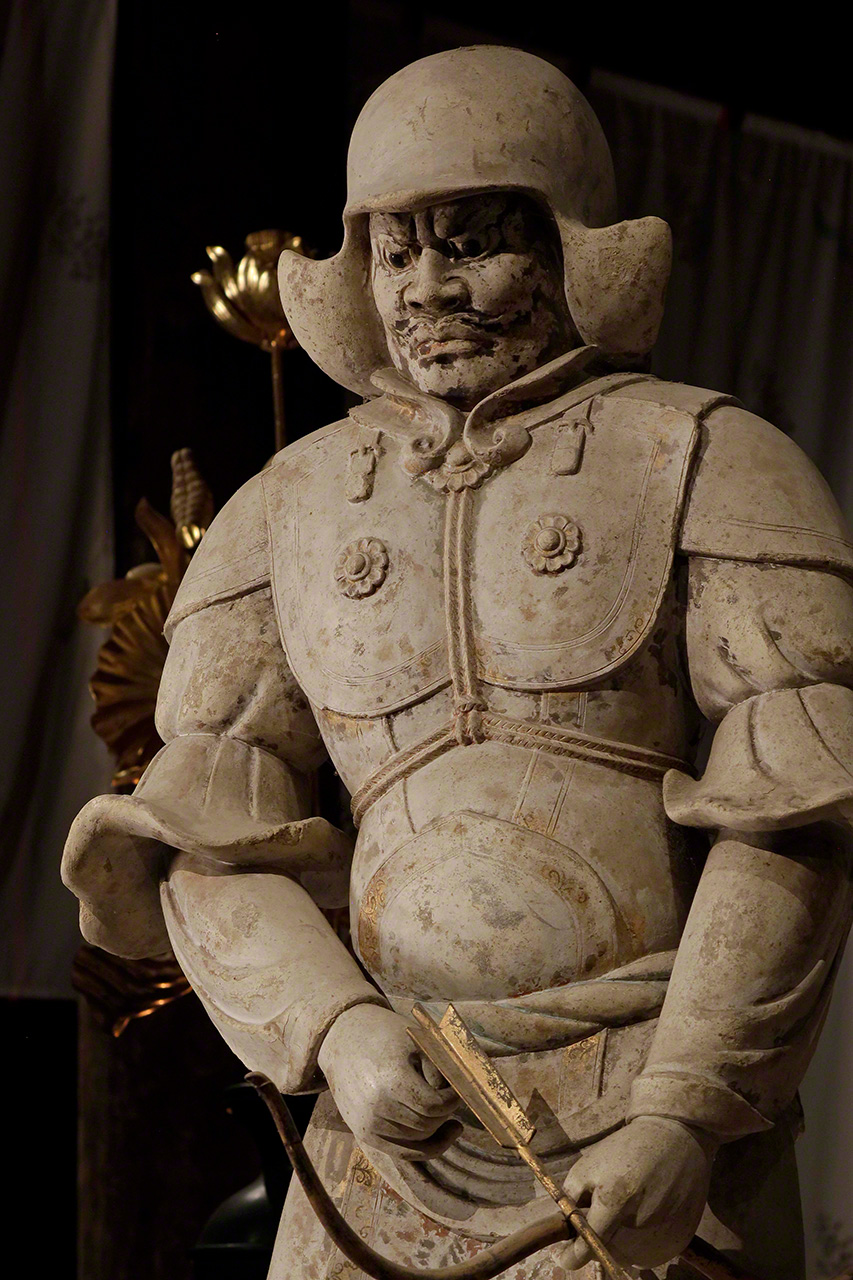
Haira (Pāyila) (© Muda Tomohiro)
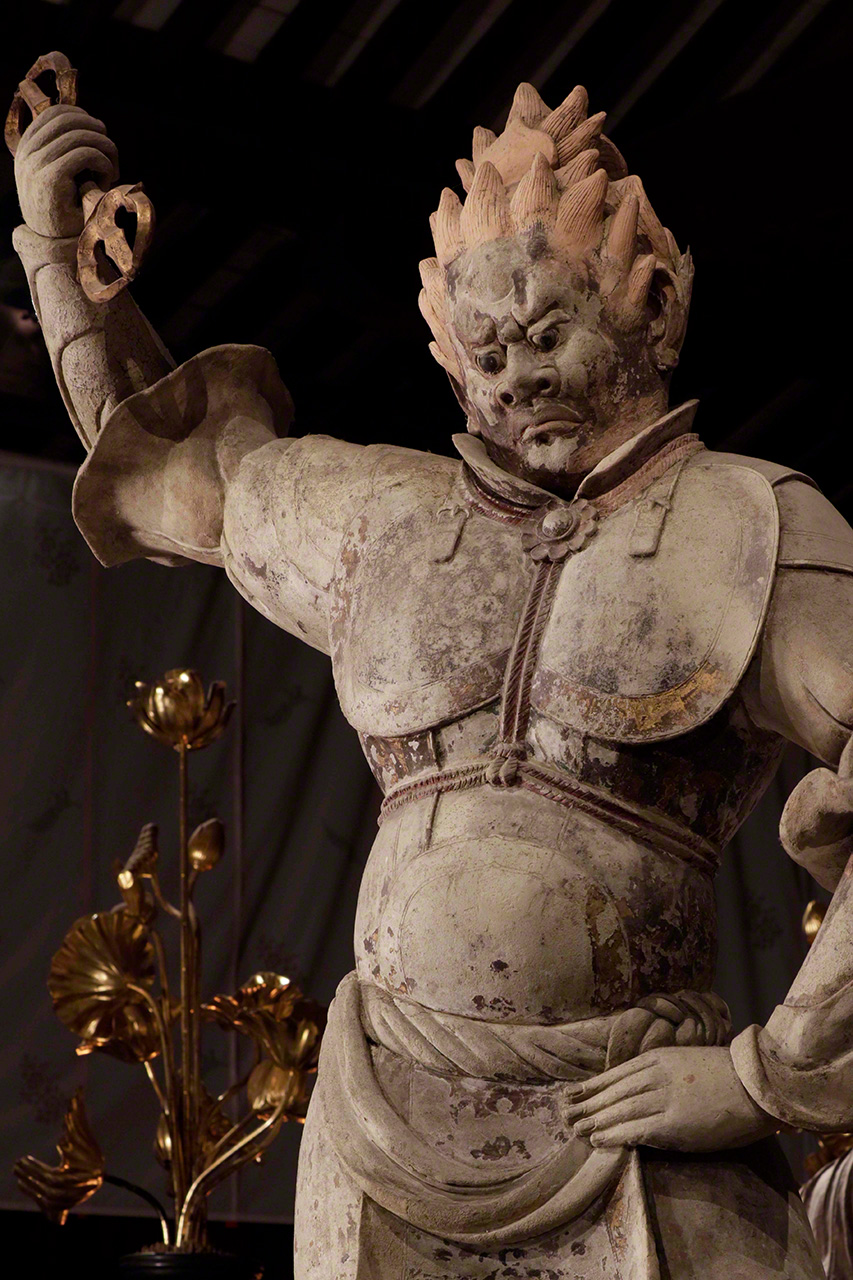
Bigyara (Vikala) (© Muda Tomohiro)
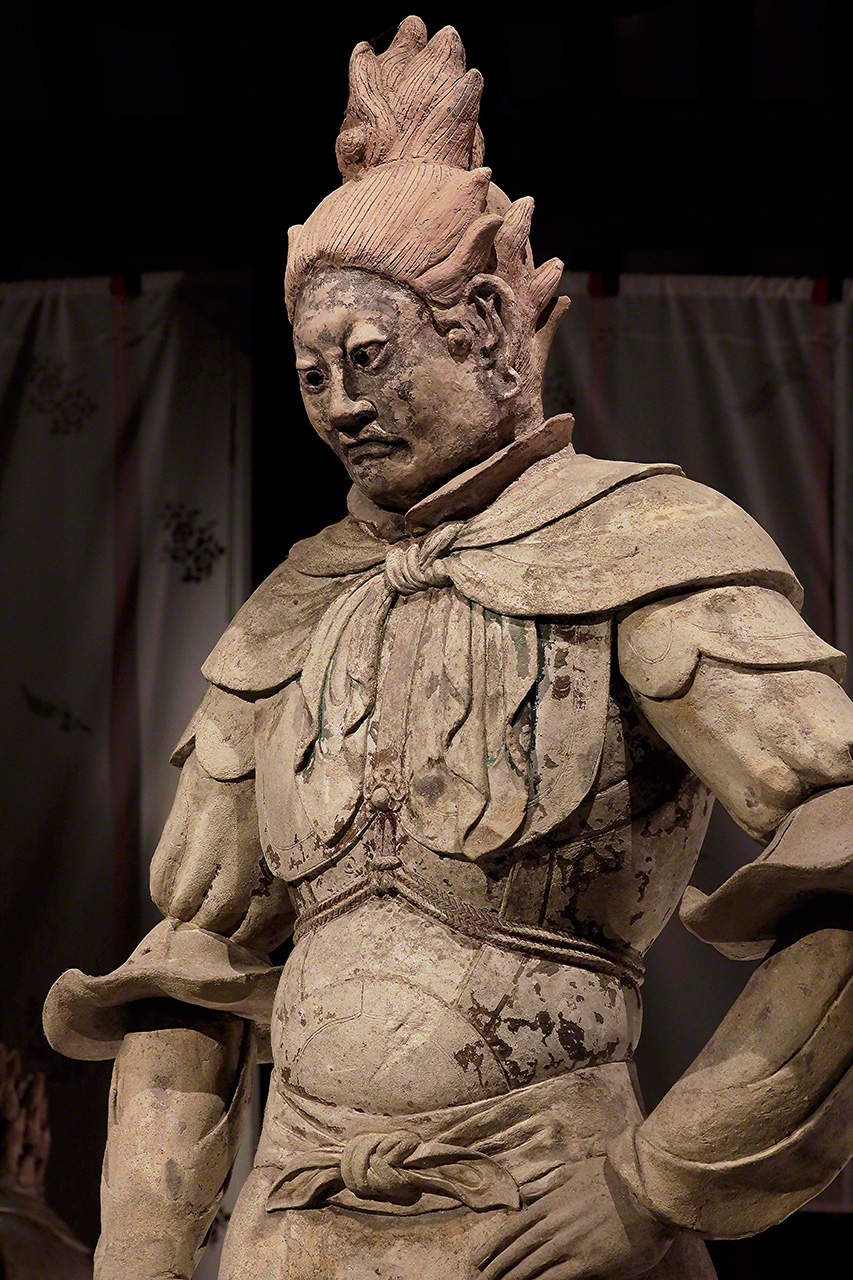
Makora (Mahāla) (© Muda Tomohiro)
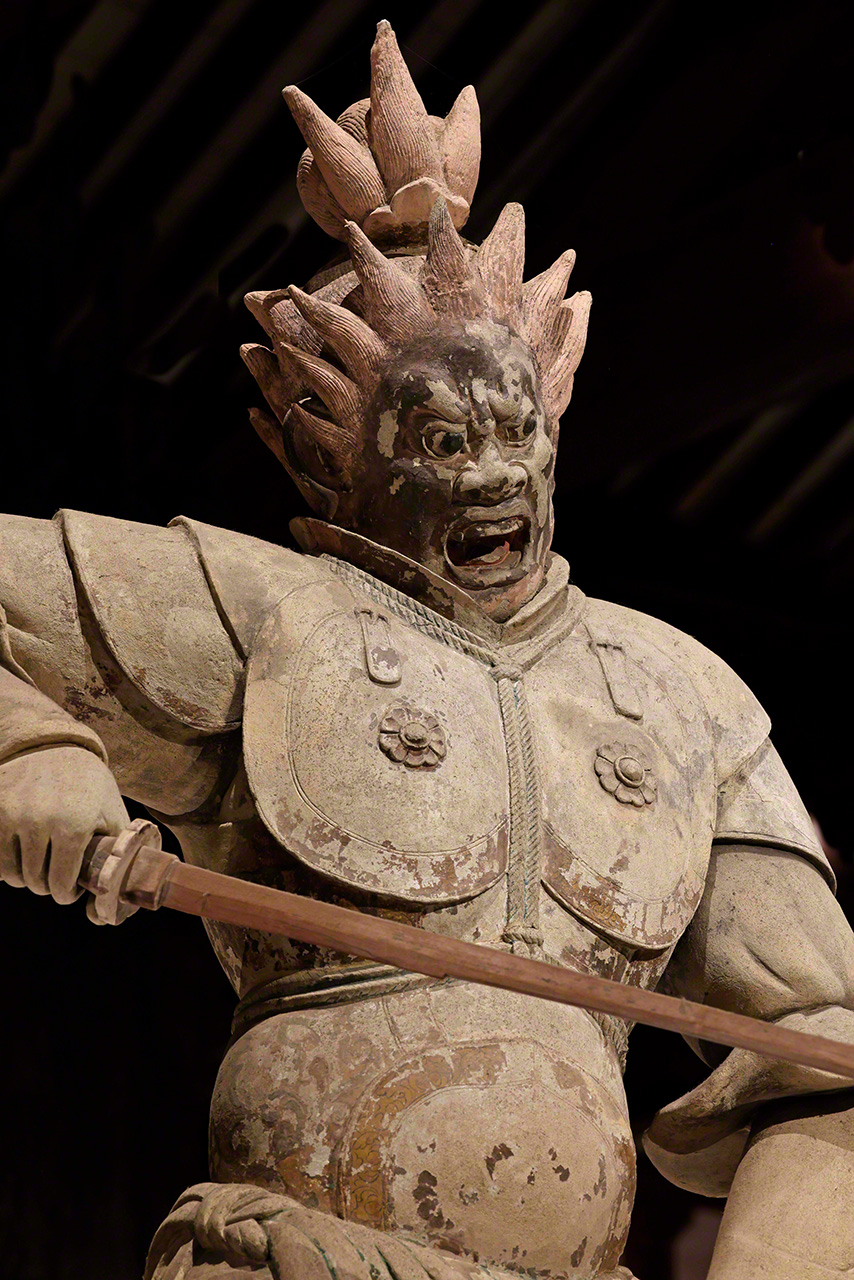
Kubira (Kimbhīra) (© Muda Tomohiro)
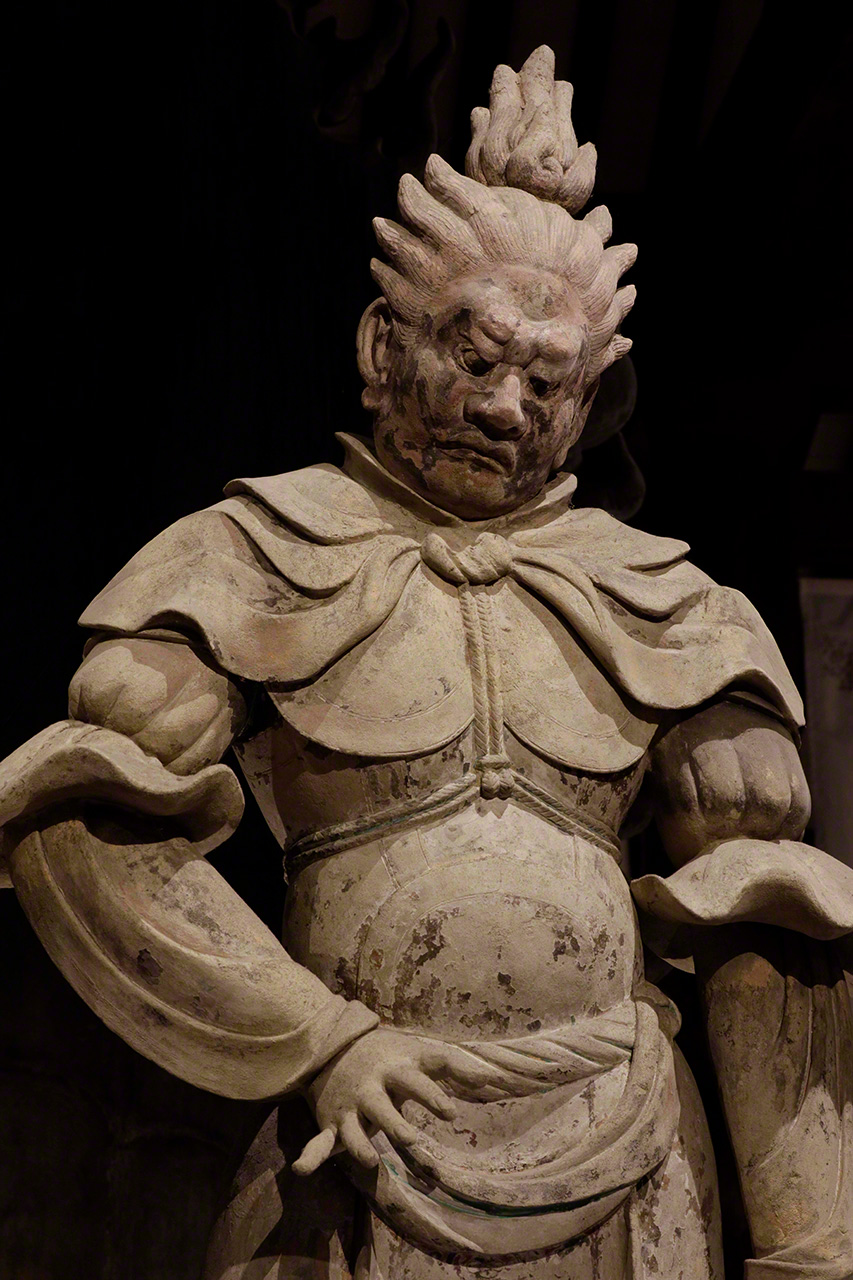
Shōtora (Caundhula) (© Muda Tomohiro)
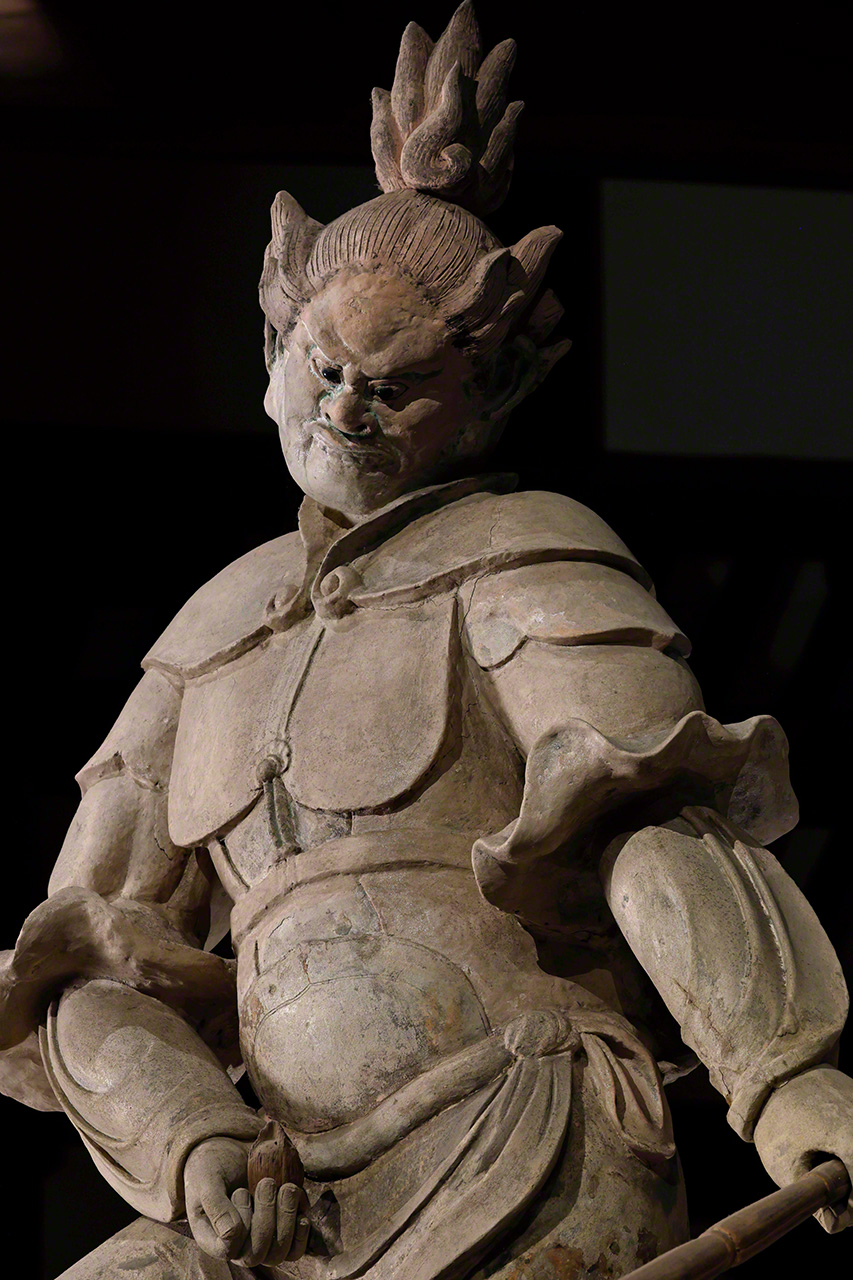
Shindara (Cidāla) (© Muda Tomohiro)
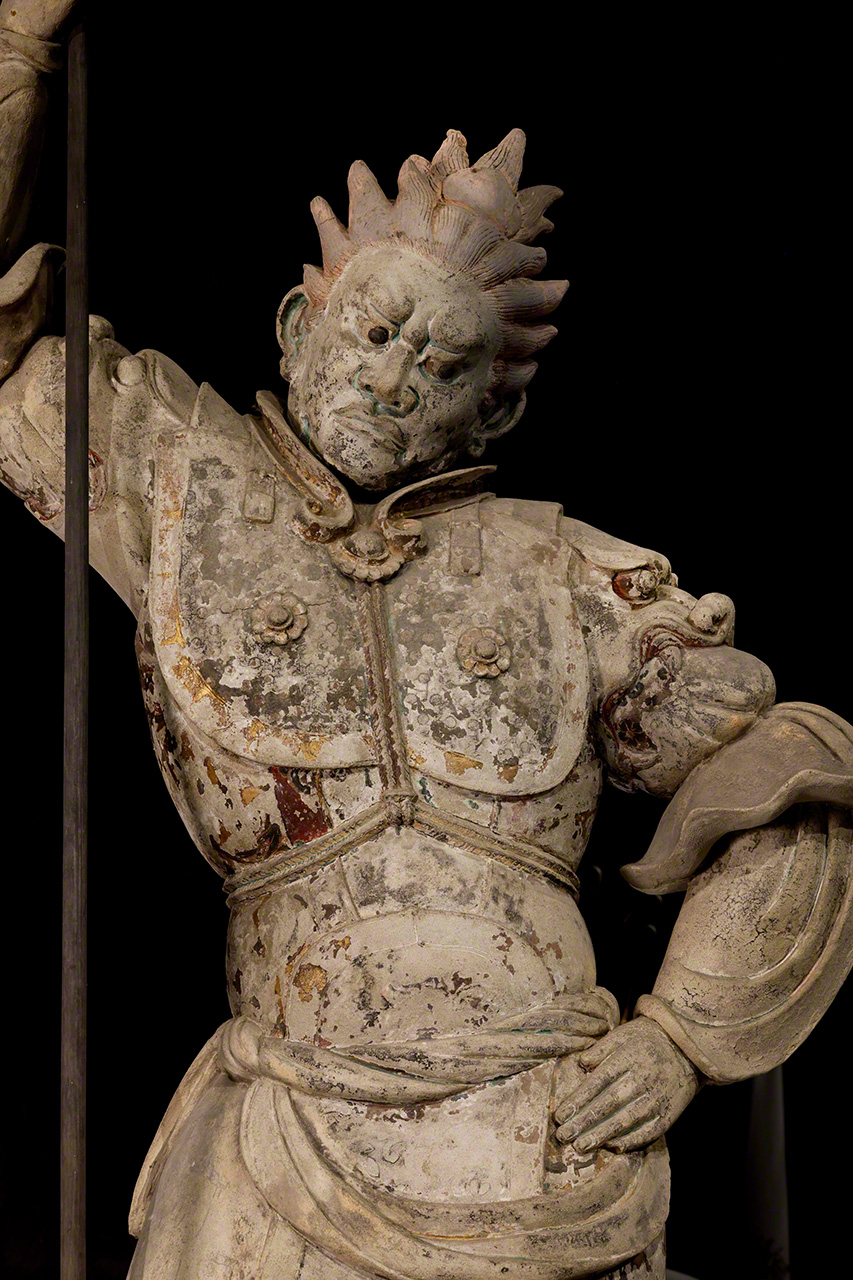
Santera (Santhila) (© Muda Tomohiro)
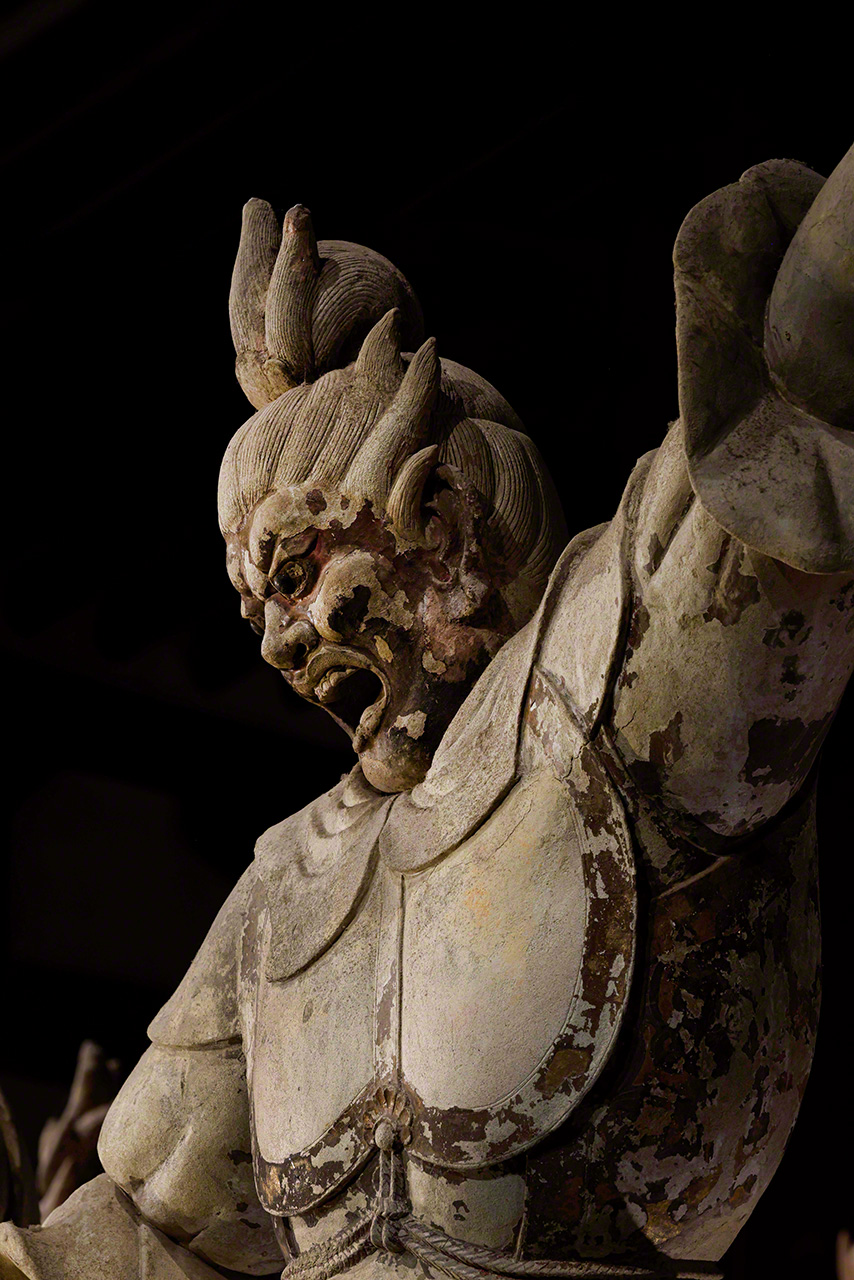
Meikira (Mekhila) (© Muda Tomohiro)
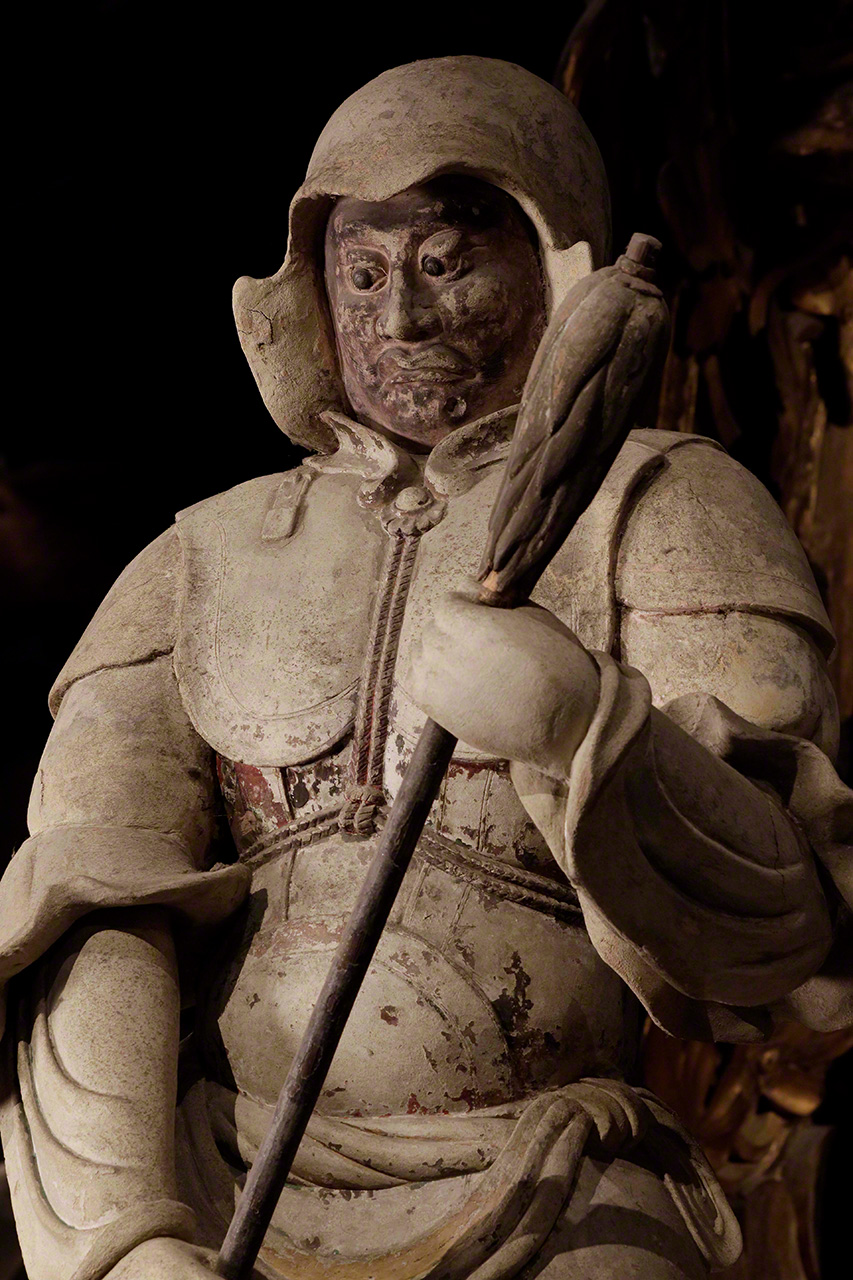
Antera (Antila) (© Muda Tomohiro)
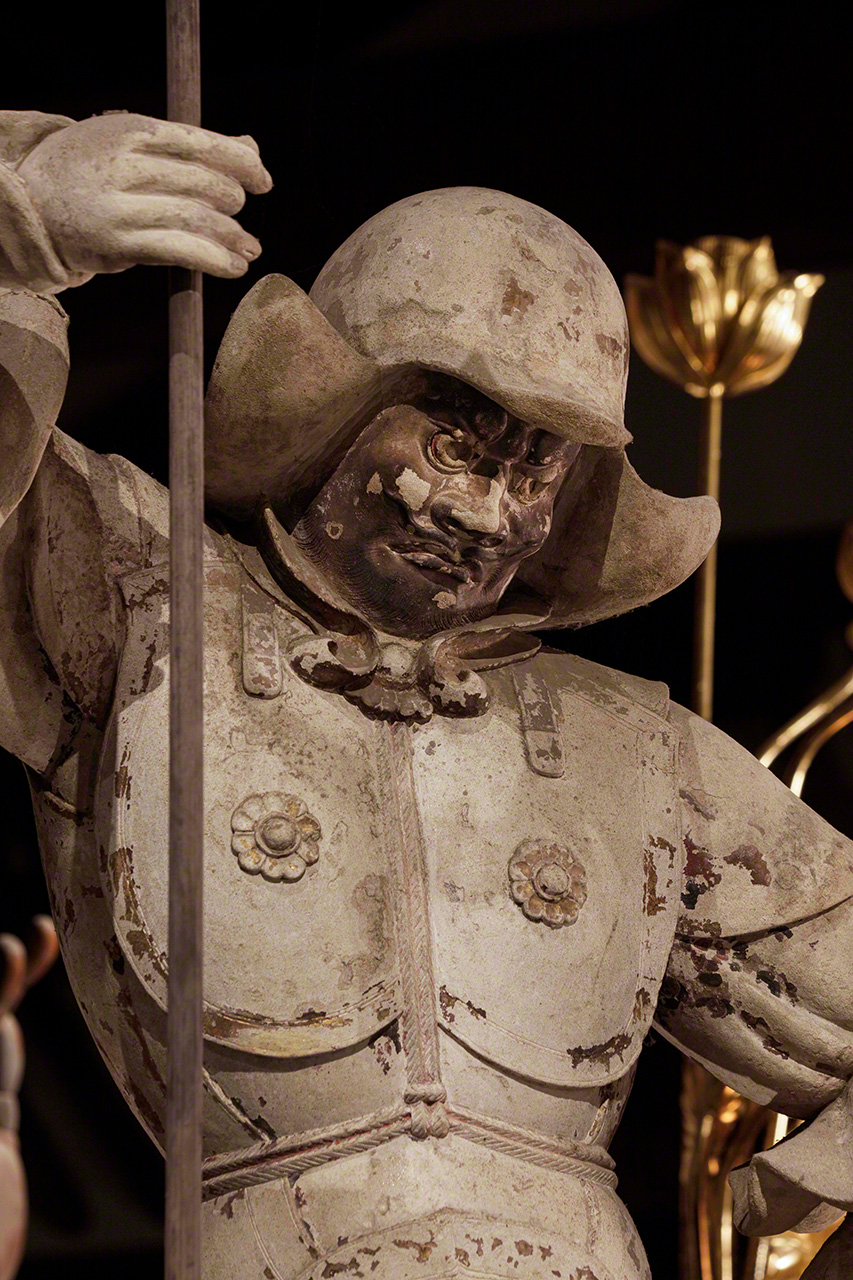
Indara (Indala) (© Muda Tomohiro)
Photographer Muda Tomohiro describes the experience of photographing the 12 heavenly guardians and experiencing their overwhelming energy at close hand. “Going in order around these 12 images arranged in a circle around Yakushi Nyorai, so full of vibrancy, character, and energy, I started to feel that each general was a manifestation of the energy and aura released by the Buddha who sits at the center of the cosmos. Countless generations of worshipers must have been inspired by the same aura as they have paid their respects in the prayer hall, drawn to linger as long as possible in the special atmosphere of this powerful space.”
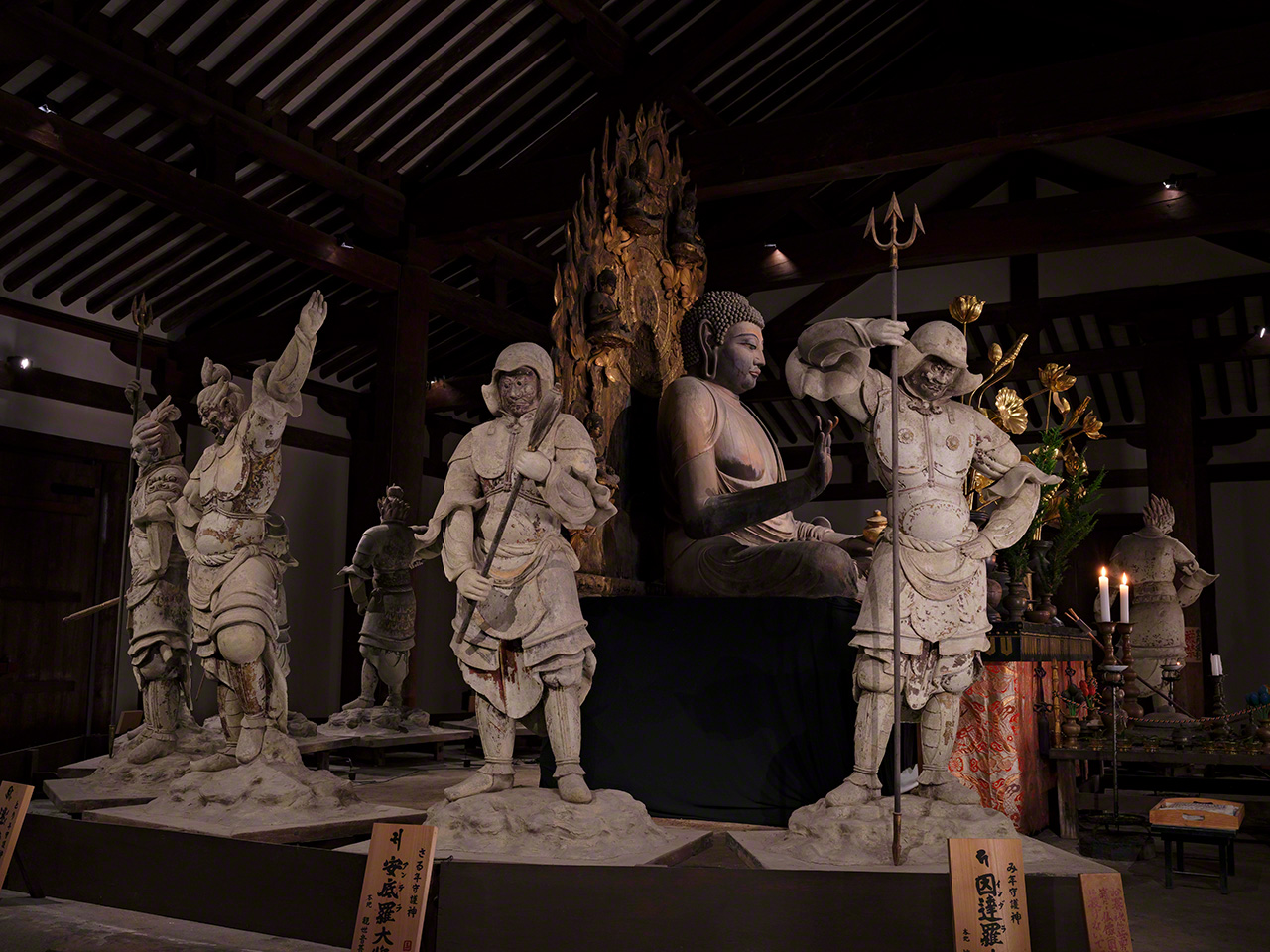
(© Muda Tomohiro)
From an early stage in Chinese history, symbolic animals became associated with the 12 divisions of the zodiac calendar, with each animal associated with a particular time of day and direction. After Buddhism arrived in China, the 12 Heavenly Generals, originally an Indian concept, became associated with the animals of the zodiac. In Japan, it became common from the Kamakura period (1185–1333) to add the animals to the heads of the heavenly generals, which were worshipped as the guardians of the zodiac.
These figures date from the Tenpyō period, before the arrival of this concept in Japan. But as the years went by and belief in the generals as the guardians of the zodiac grew, Shin-Yakushiji adapted to the changing beliefs. The pictures below introduce the same statues again, this time in the order of the East Asian zodiac.
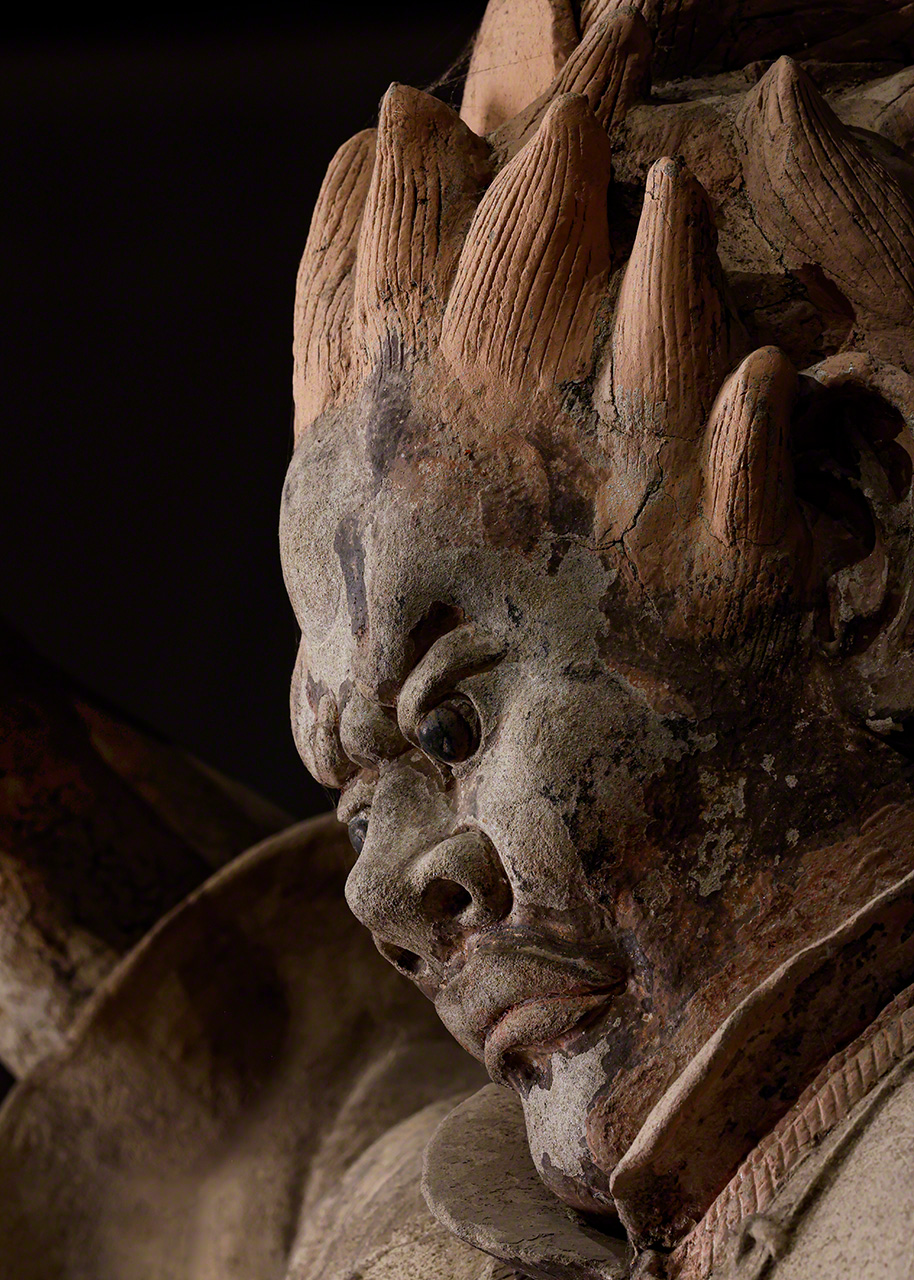
Rat: Bigyara (National treasure) (© Muda Tomohiro)
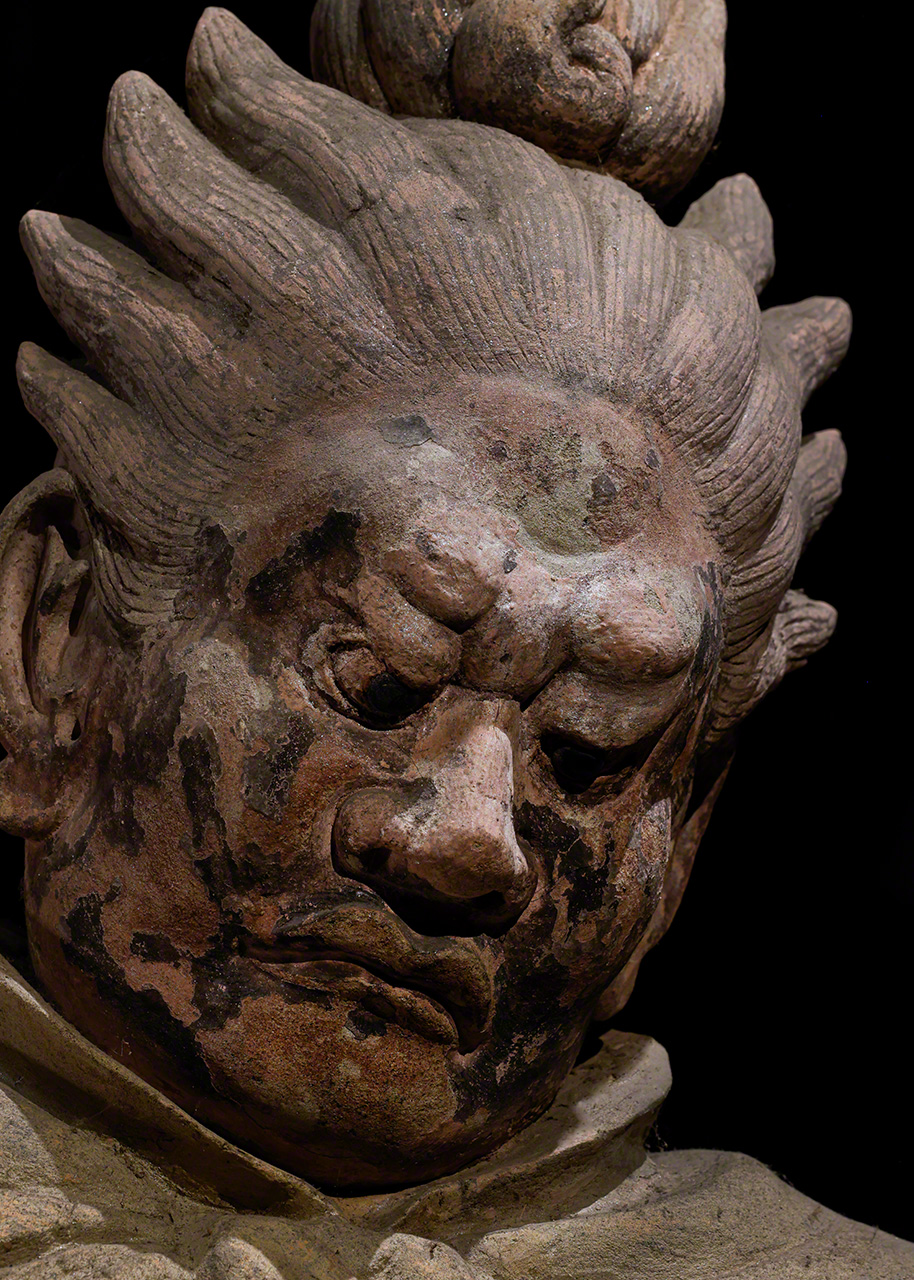
Ox: Shōtora (National treasure) (© Muda Tomohiro)
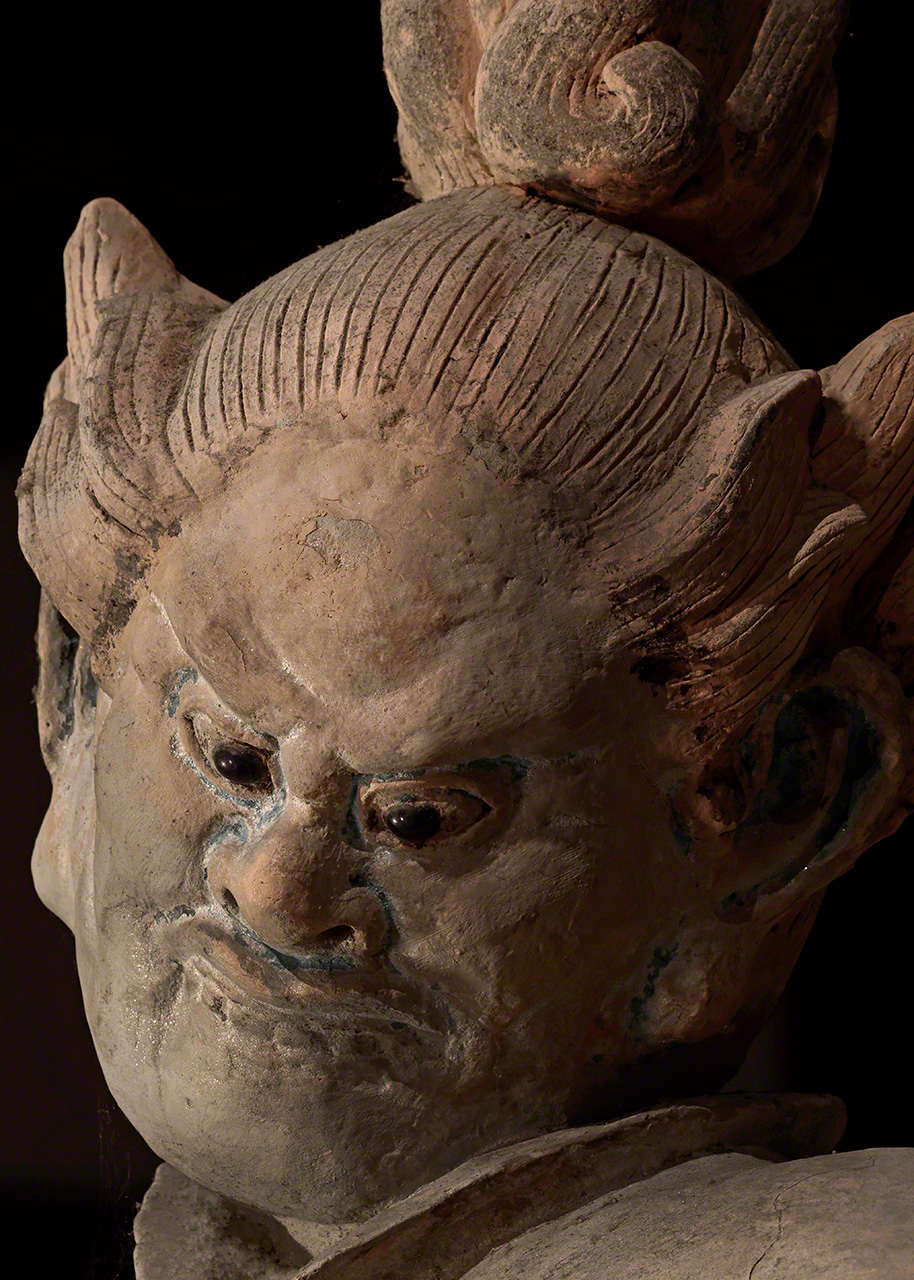
Tiger: Shindara (National treasure) (© Muda Tomohiro)
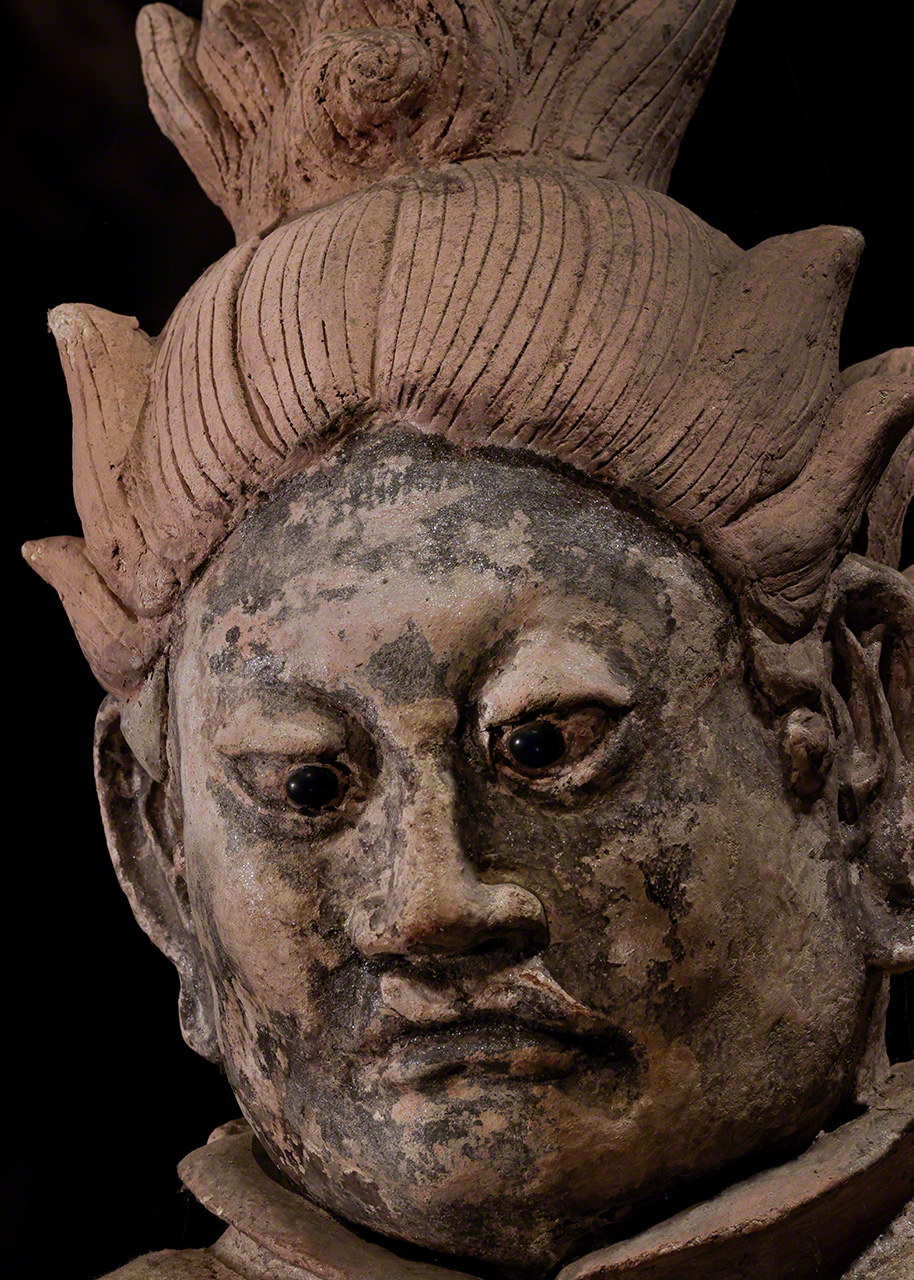
Rabbit: Makora (Mahāla) (National treasure) (© Muda Tomohiro)
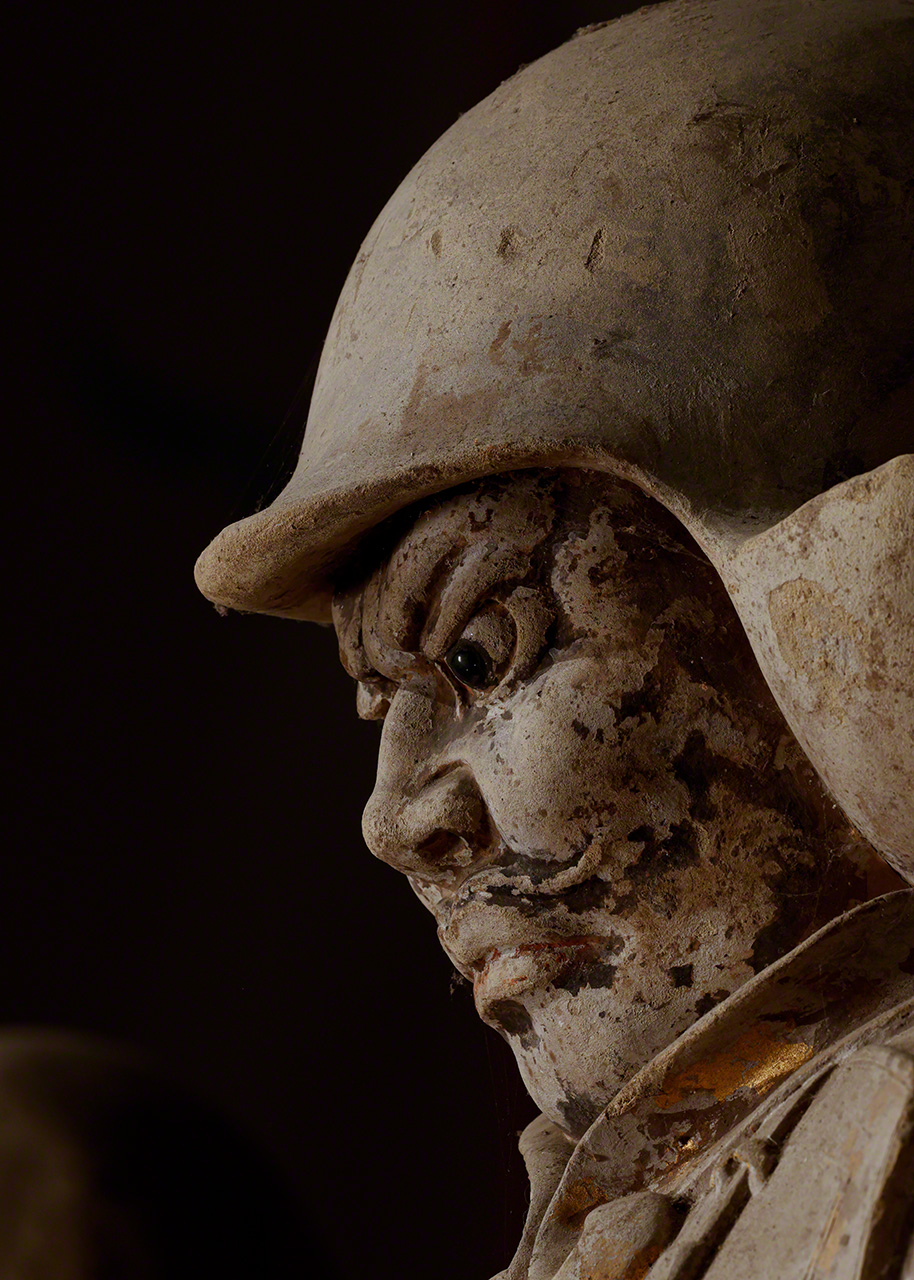
Dragon: Haira (Pāyila). A reproduction made in 1931. (© Muda Tomohiro)
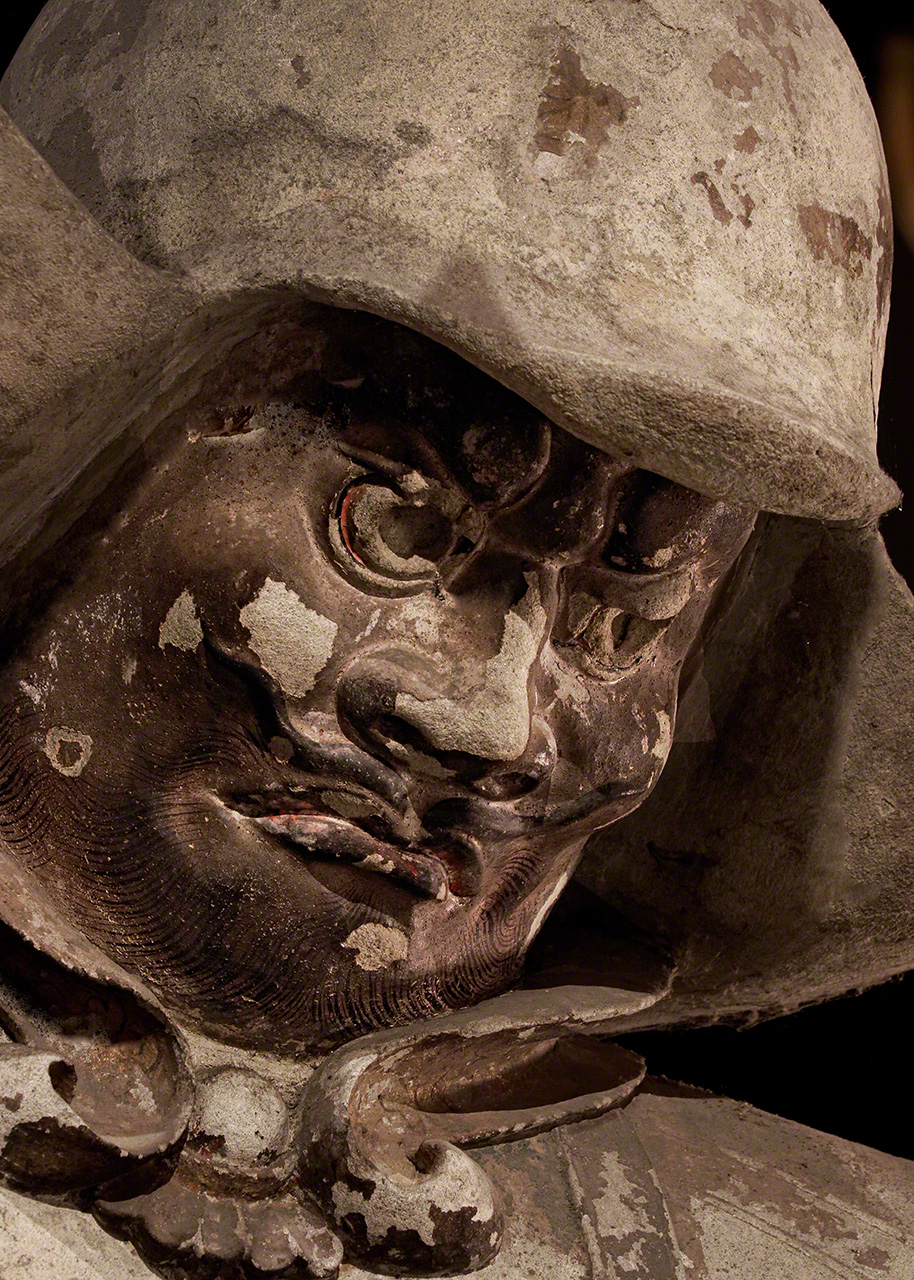
Snake: Indara (Indala) (National treasure) (© Muda Tomohiro)
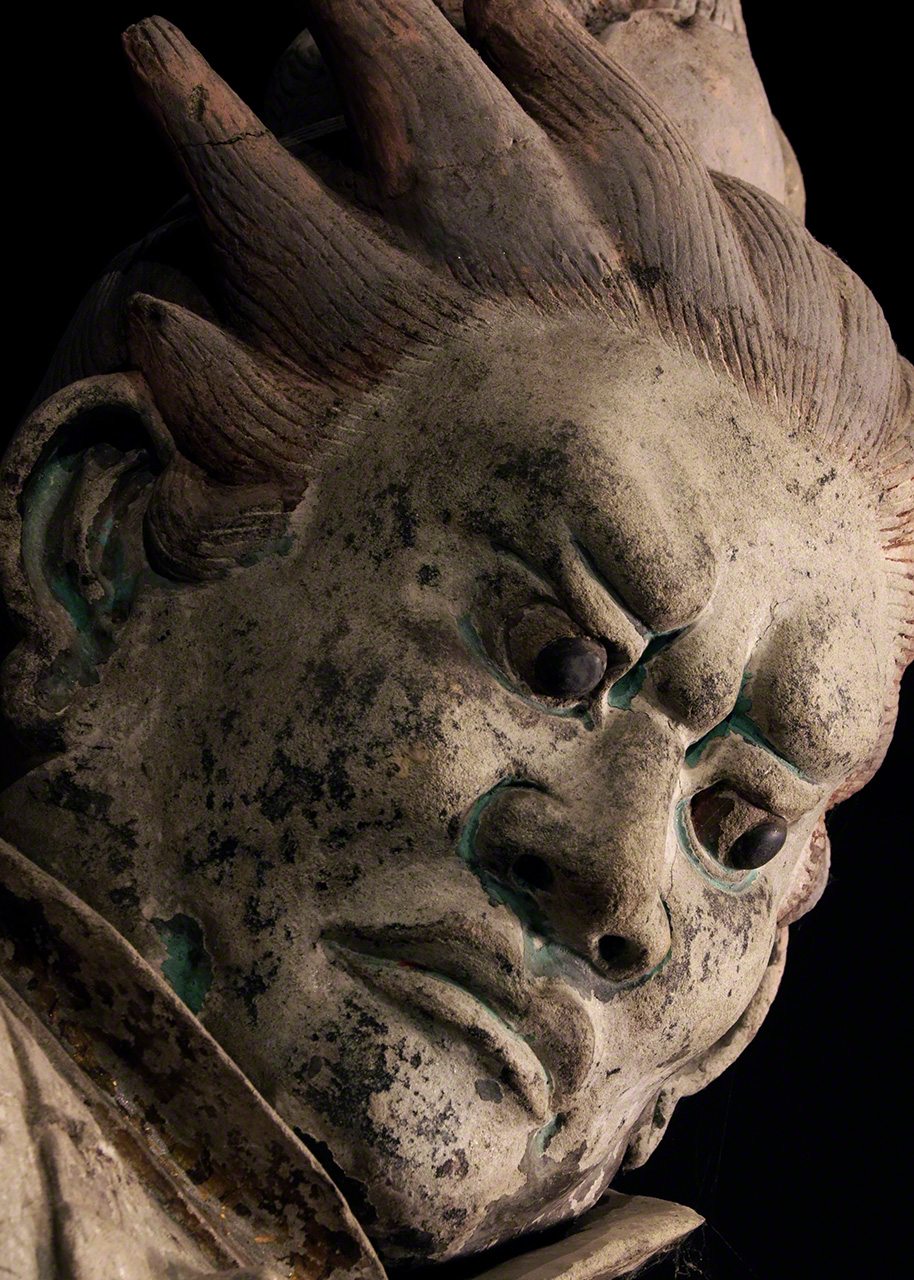
Horse: Santera (Santhila), (National treasure) (© Muda Tomohiro)
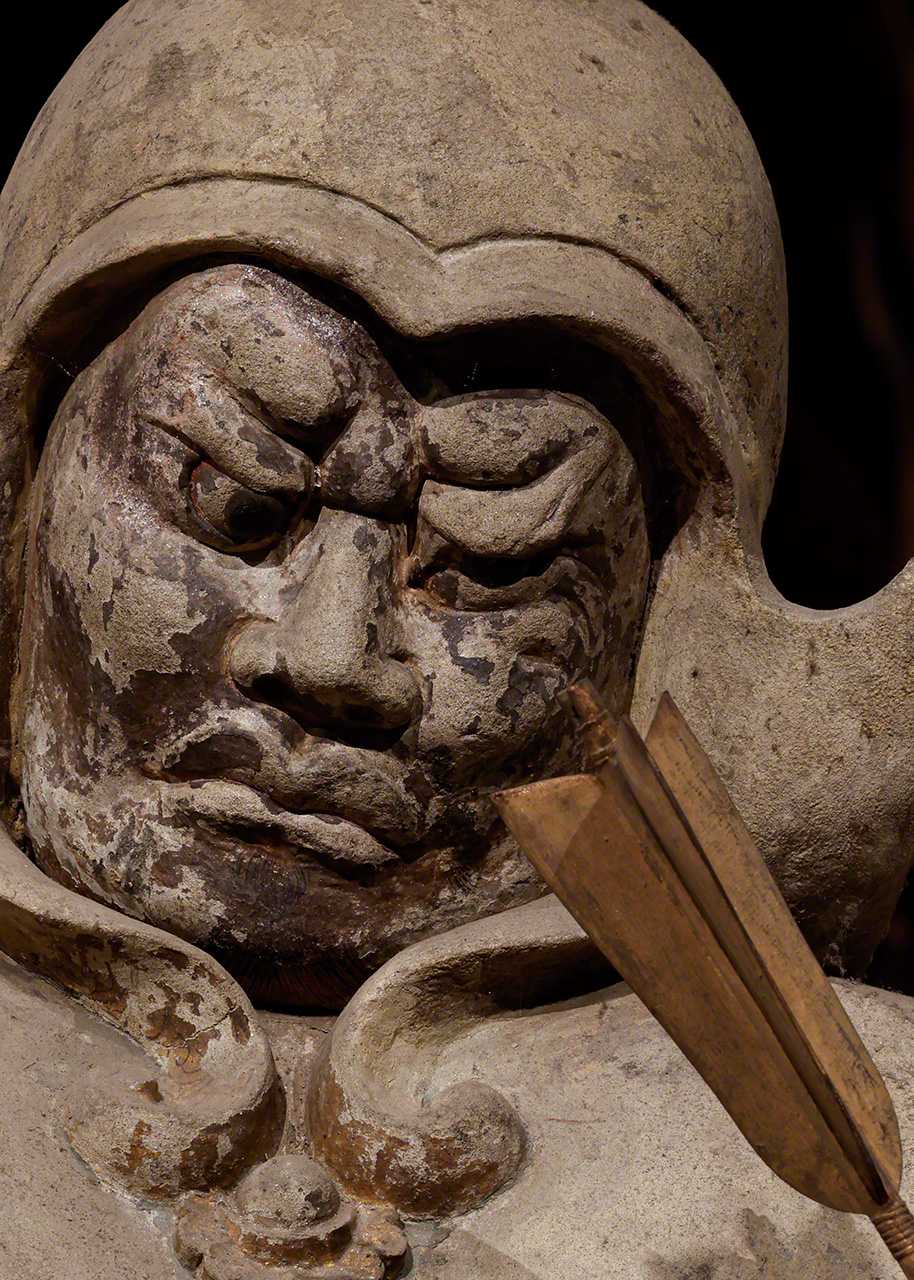
Sheep: Anira (Anila), (National treasure) (© Muda Tomohiro)
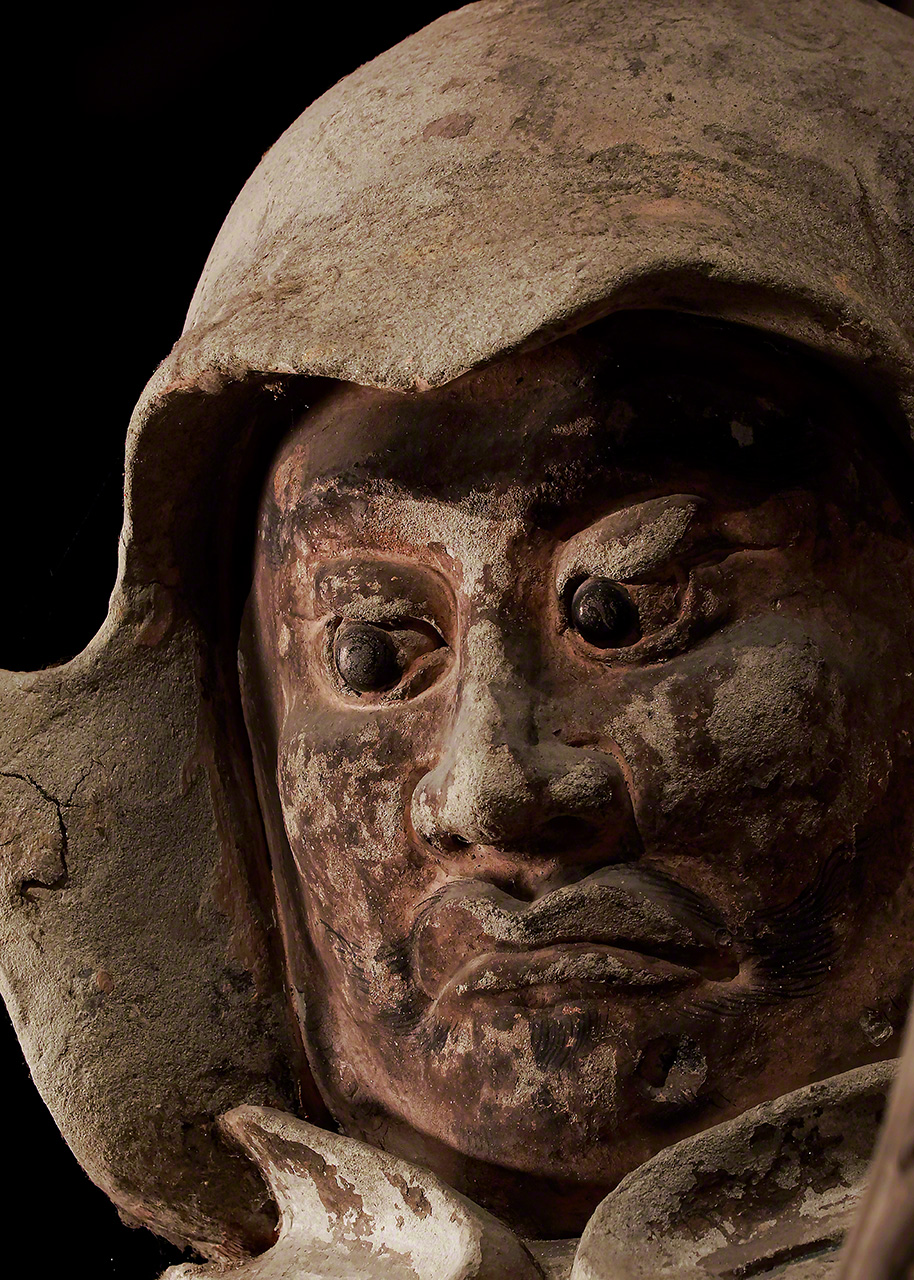
Monkey: Antera (Antila), (National treasure) (© Muda Tomohiro)
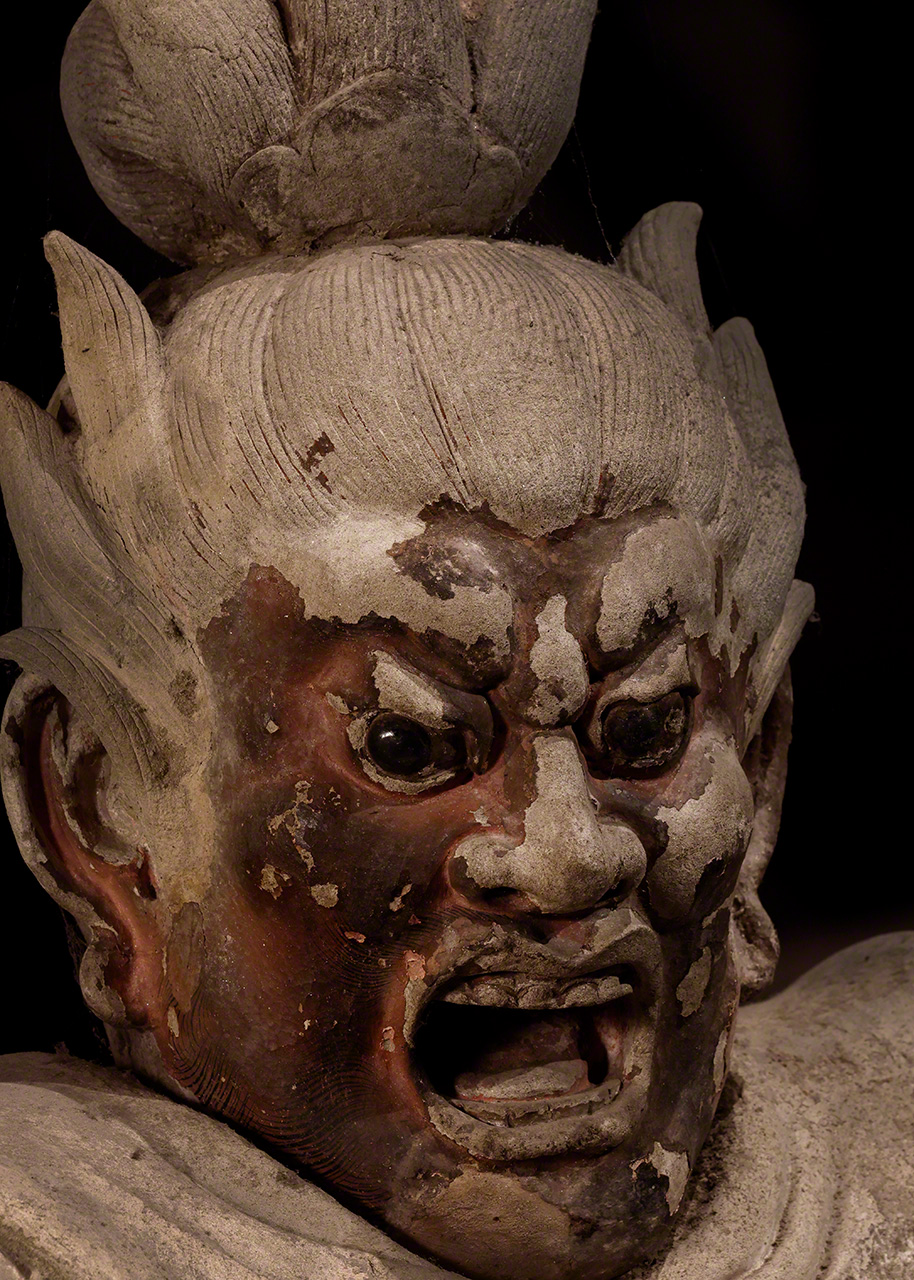
Rooster: Meikira (Mekhila), (National treasure) (© Muda Tomohiro)
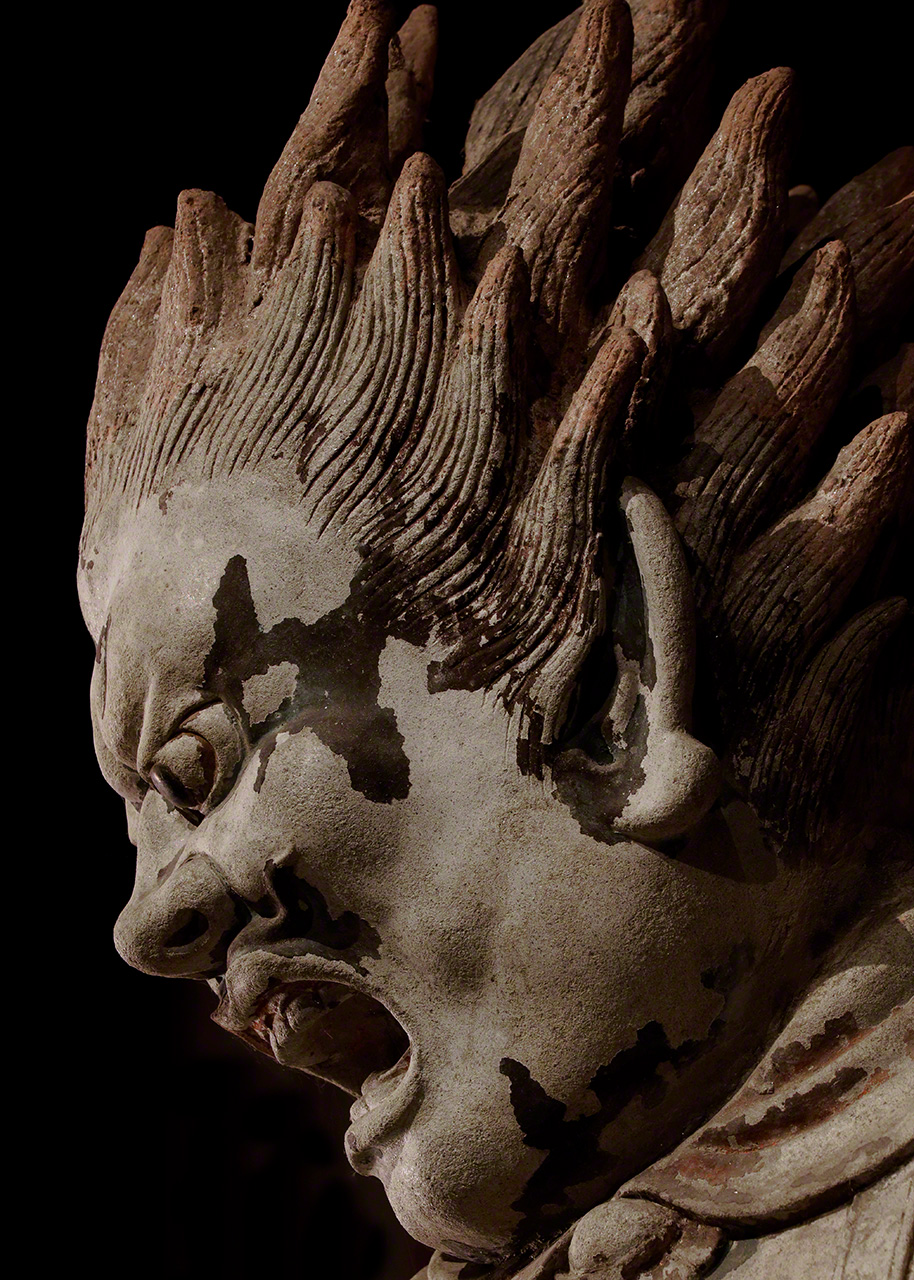
Dog: Bazara (Vajra), (National treasure) (© Muda Tomohiro)
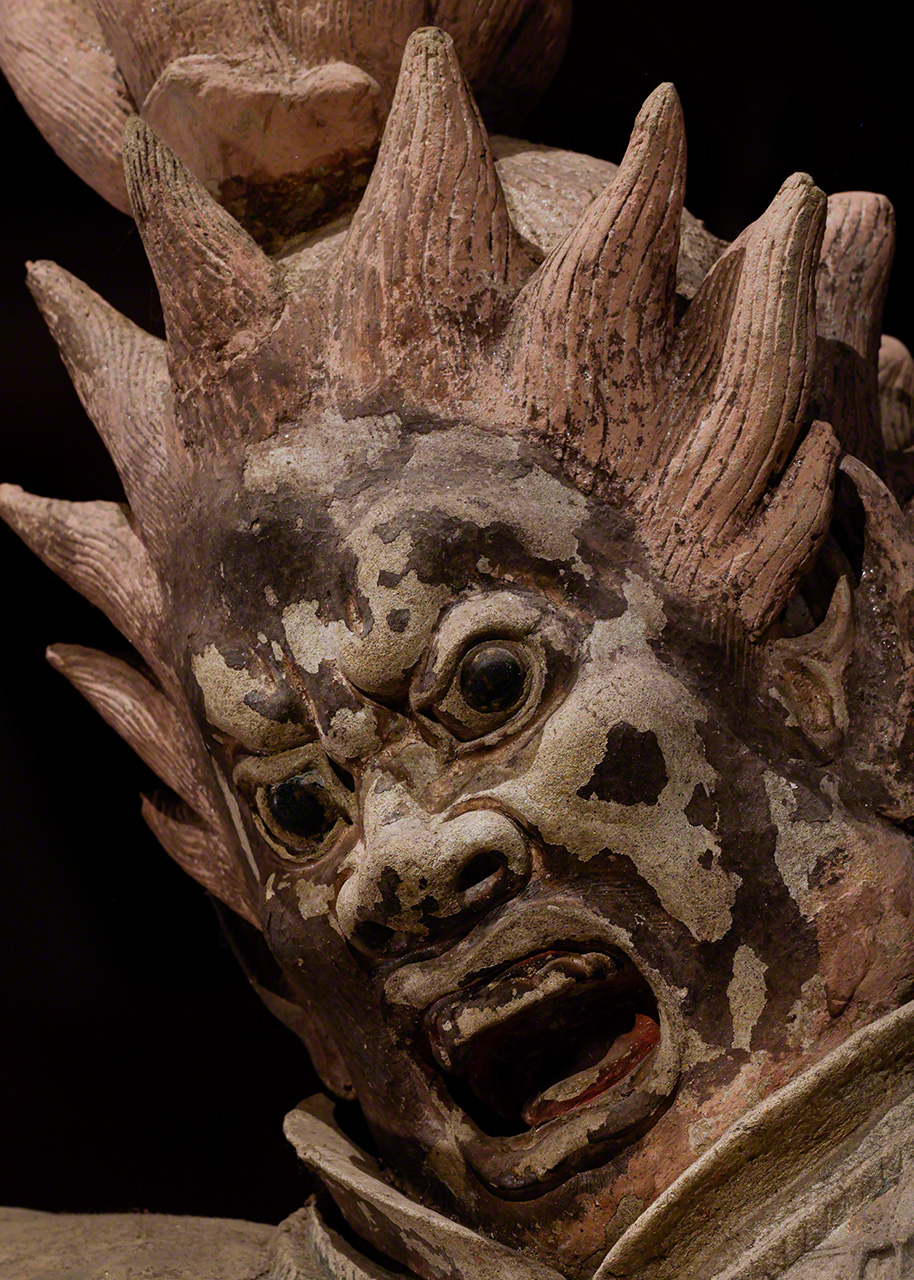
Boar: Kubira (Kimbhira), (National treasure) (© Muda Tomohiro)
Many people come to visit the 12 Heavenly Generals early in the new year, bringing their hopes for the year to the guardian deity in charge of their own zodiac year. The 12 heavenly guardians extend a protective welcome to everyone who brings their prayers here, as they have done for centuries.
This year is the Year of the Horse. Santera (Santhila), who holds his left hand to his waist and holds a spear in his right hand, is regarded as the guardian of this division of the zodiac. I pray he will keep us safe from disasters and other turmoil during the 12 months to come.
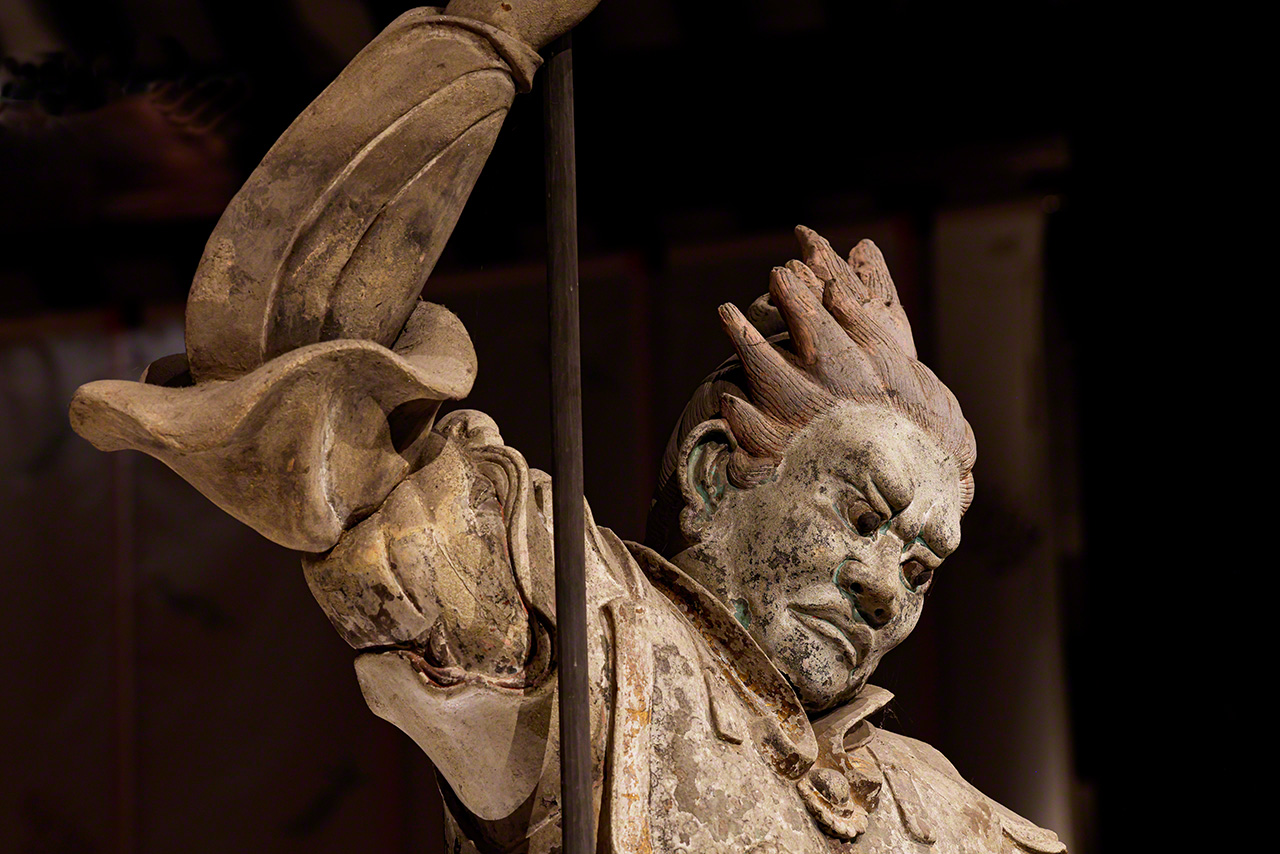
Santera (Santhila) is the heavenly general responsible for the year 2026 in the zodiac calendar. (© Muda Tomohiro)
Standing Figures of the 12 Heavenly Generals
- Heights: 1.52–1.66 meters
- Date: Nara period (Tenpyō era, 729–49)
- Shin-Yakushiji (Nara Prefecture)
- National treasure (all except Haira, the “Dragon General,” which was reproduced in 1931.)
(Originally published in Japanese. Banner photo: The 12 Heavenly Generals guarding the seated image of Yakushi Nyorai at Shin-Yakushiji, Nara. © Muda Tomohiro.)