Japanology: Deep Dives into Daily Life in Japan
Gearing Up for Class: Essential School Supplies for Japanese Elementary Students
Lifestyle Education Family Society Culture- English
- 日本語
- 简体字
- 繁體字
- Français
- Español
- العربية
- Русский
Classroom Basics
The approach of the new school year brings a time-honored custom in households around Japan: equipping students with the huge array of items needed for the coming twelve months. While the required supplies vary a little by school, most lists include essentials ranging from pencils and erasers to indoor shoes and cleaning towels to specific art and math supplies. Below is a look at the different items Japanese elementary school students take to school.
Stationery
The pencil remains the most fundamental of all school items, but it is important to select the correct type. Japan follows the international HB (Hard-Black) grading scale, with numbers like 2H and 4B indicating the hardness of the graphite. Lower elementary school students typically use softer 2B pencils and migrate to harder HB pencils—similar to a standard American No. 2—as they progress to higher grades.
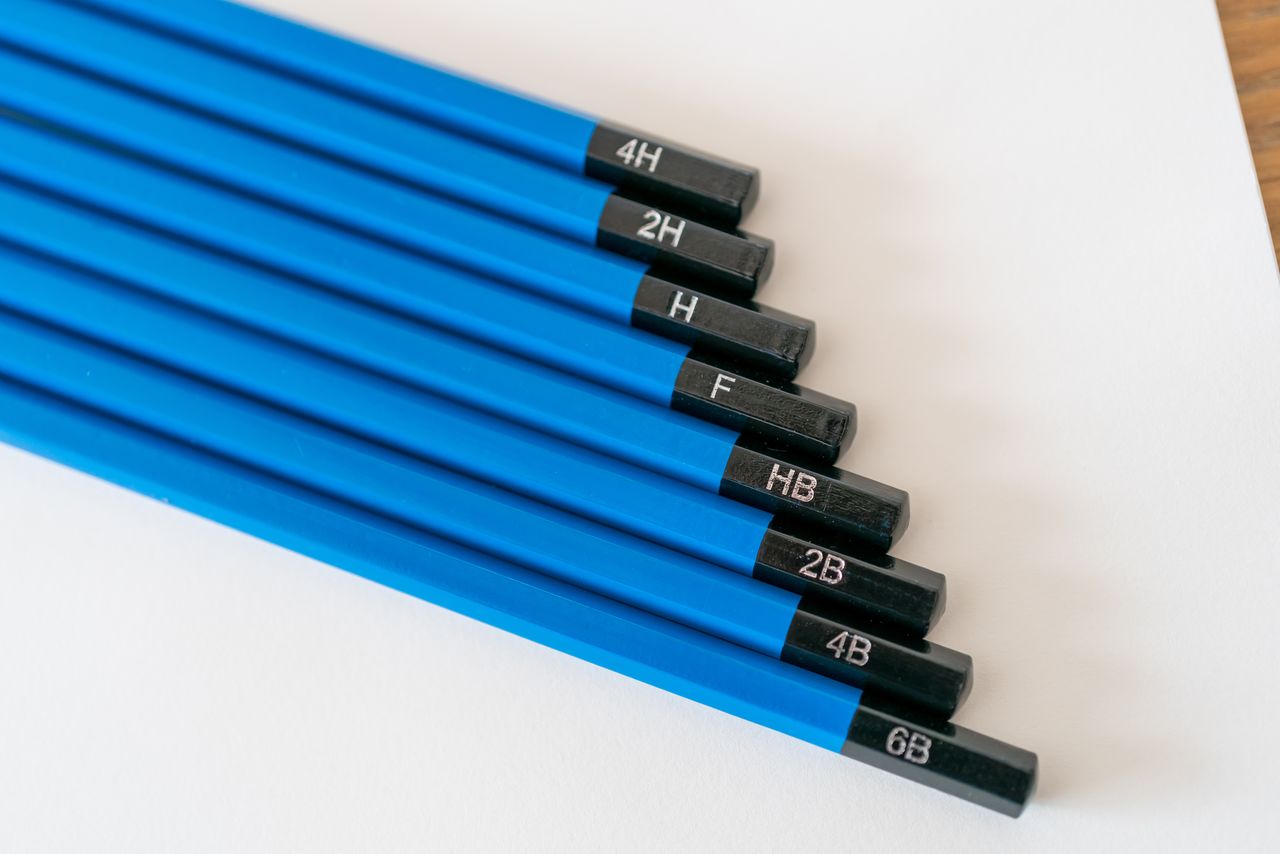
Students can choose from pencils graded H (hardest and lightest) to B (darkest and softest). (© Pixta)
Other necessary items for pencil cases (fudebako) are erasers, red and blue pencils for marking and correcting mistakes, and a permanent marker to write names on different classroom supplies. However, mechanical pencils and ball pens are considered unsuited to pupils learning beginner writing skills, and their clicking is also a potential distraction.
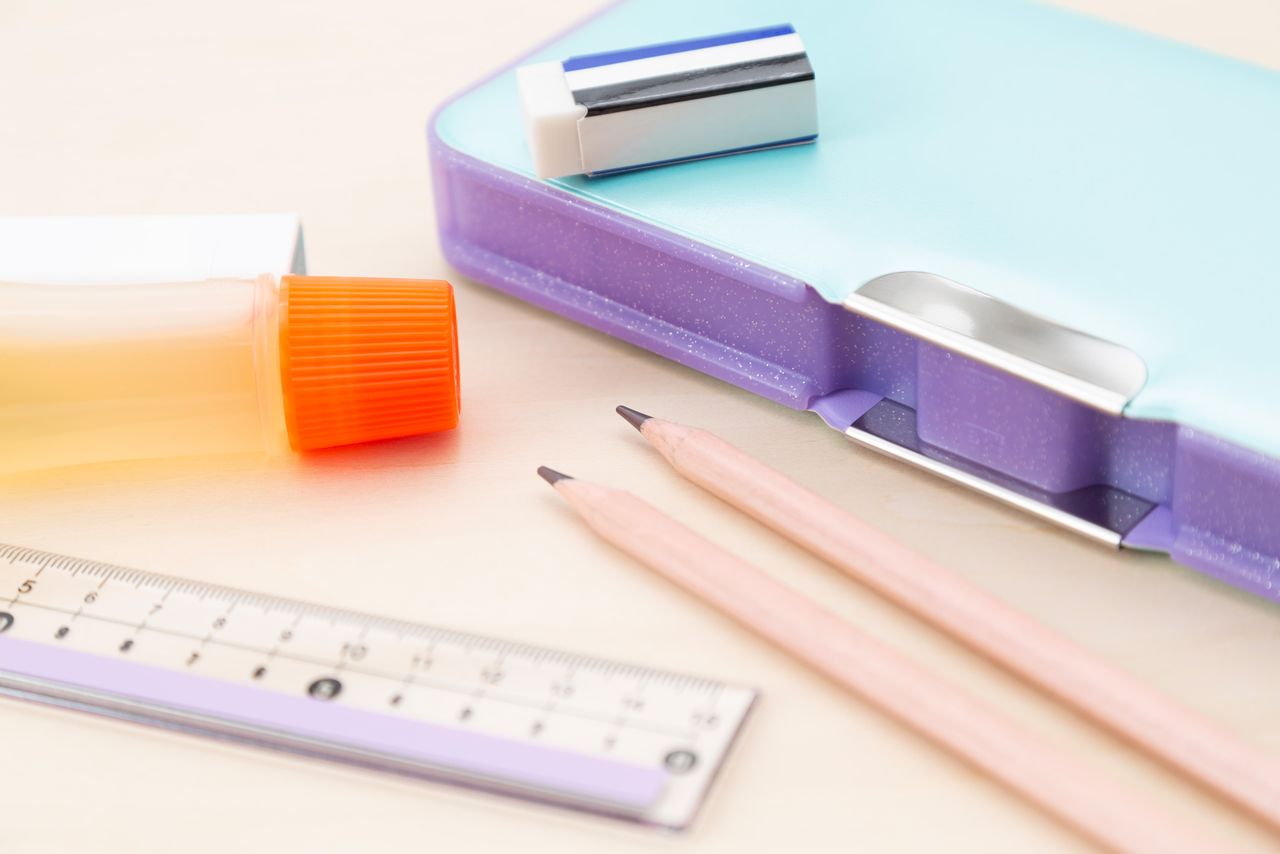
Many schools prohibit stationery items printed with popular characters as a potential class-time distraction. (© Pixta)
Rounding out the list of essential stationery are notebooks. These range from grid-lined paper tailored for practicing kanji to subject-specific exercise books. Schools typically provide one of each type of notebook at the beginning of the year, with households buying any additional numbers as needed. It is important to check small details like the width of lines or number of grids per page to avoid buying the wrong type.
School Supply Box and Math Kits
Students usually buy their own craft supplies, including crayons, colored pencils, and items like glue, scissors, and tape. These are stored in dedicated school supply boxes called dōgubako. The task of keeping dōgubako in order helps to instill habits of neatness and organization.
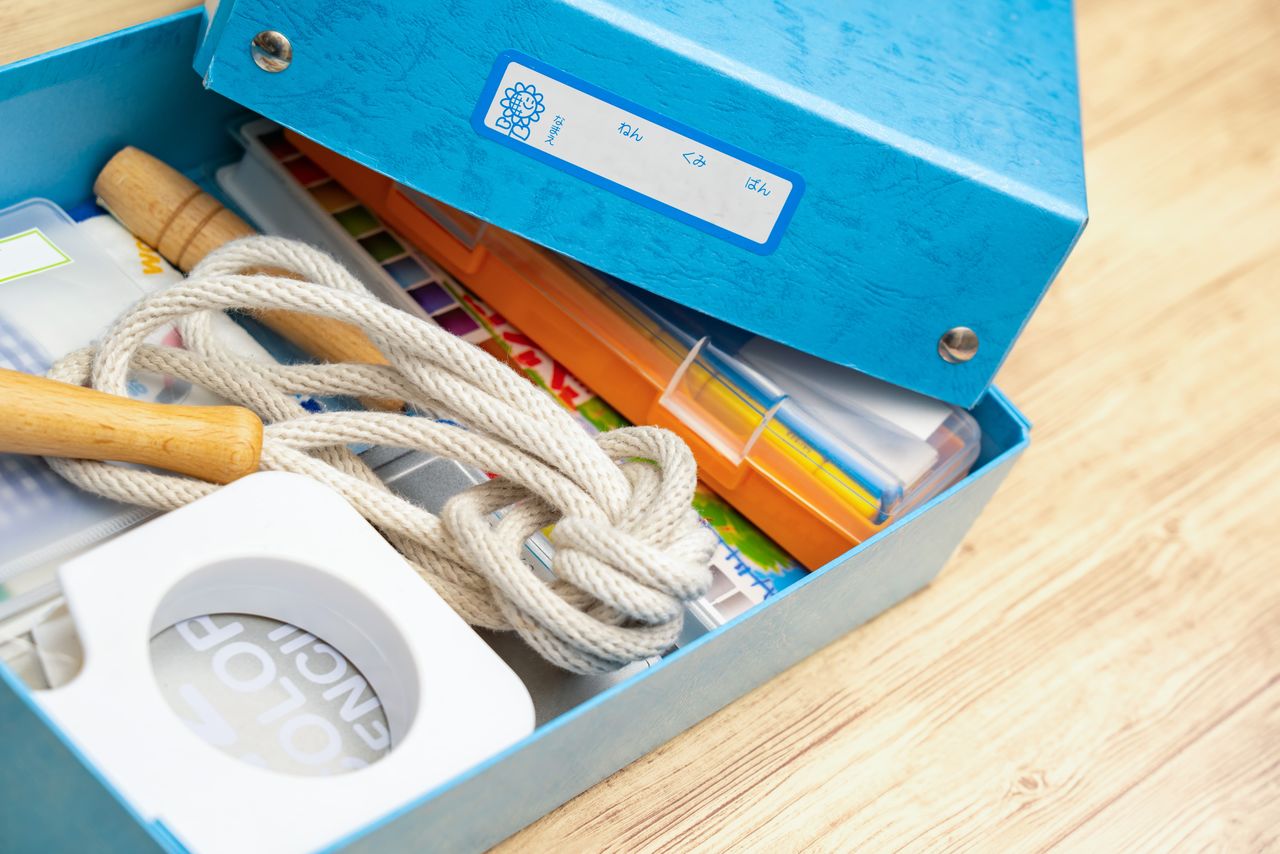
Dōgubako hold frequently used items. (© Pixta)
The math kit, or sansū setto, is core to Japan’s early math education, which emphasizes structured problem-solving. The kits are packed with manipulatives—flashcards, a ruler, a clock face, magnetic shapes—that provide hands-on practice. Schools often provide kits to students at the beginning of the year, but they also can be purchased at retail outlets.
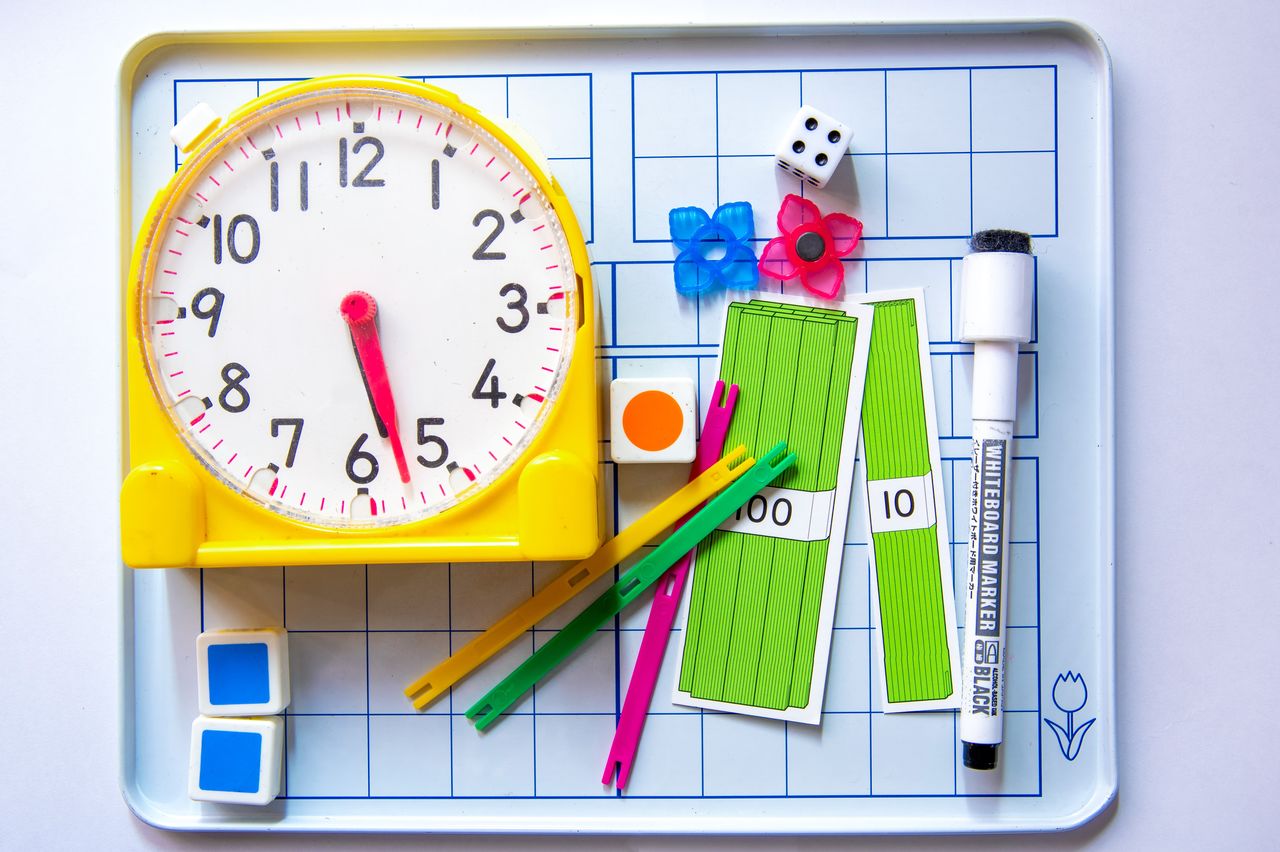
Students use math kits to physically solve problems. (© Pixta)
Rounding out the list of classroom items are textbooks. These are typically distributed by schools at no cost. Since the start of the 2020s, an increasing number of schools are providing students with tablets.
Every item a student has, from their pencils to each tiny math counter, must be labeled with their name to prevent it from being mixed up or lost. This is a daunting task, particularly when done by hand, and many households use stickers printed with the student’s name to simplify the process. With hundreds of items needing labeling, though, it remains a time-consuming chore. A 2025 online survey by stationery maker King Jim found that 83.5% of households said labeling belongings was the most difficult part of preparing a child for the start of the school year.
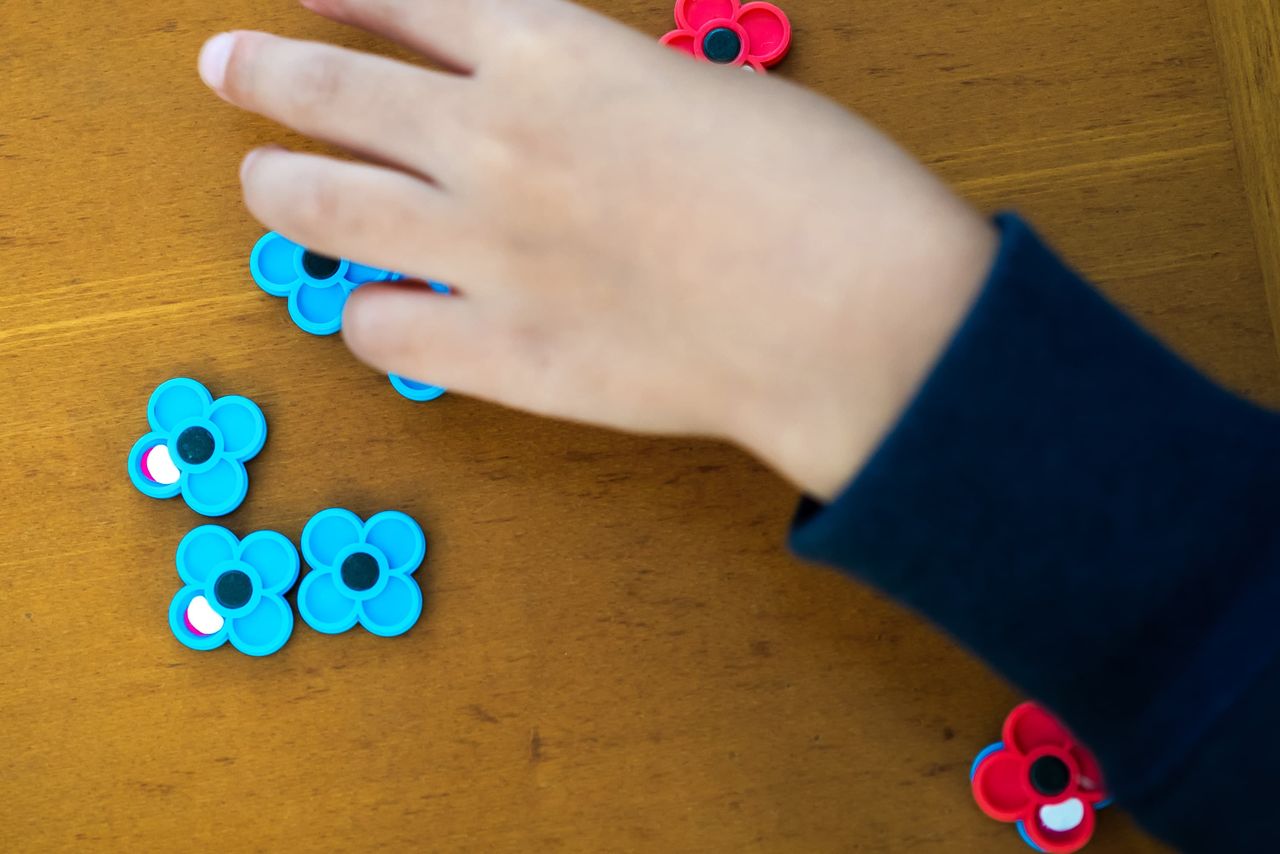
Even the smallest item, like these colored math counters, must be labeled with the owner’s name. (© Pixta)
Safety Matters
Elementary school children typically walk or ride public transportation to school in Japan and different items are used to help ensure their safety. When going to or from school, students, particularly first graders, don bright yellow hats and have matching covers over their randoseru, the distinct school backpacks of elementary children in Japan. The color makes students more visible to motorists. The use of yellow hats is said to have originated as a suggestion from the Wakayama prefectural police around the 1960s, a time when car ownership in Japan was growing rapidly.
Yellow umbrellas, often featuring a clear panel on one side for visibility, are also common items, as are yellow raincoats, which are recommended for students in the lower grades. Children also carry small buzzers on their randoseru that emit a loud alarm when triggered, with some models being equipped with GPS.
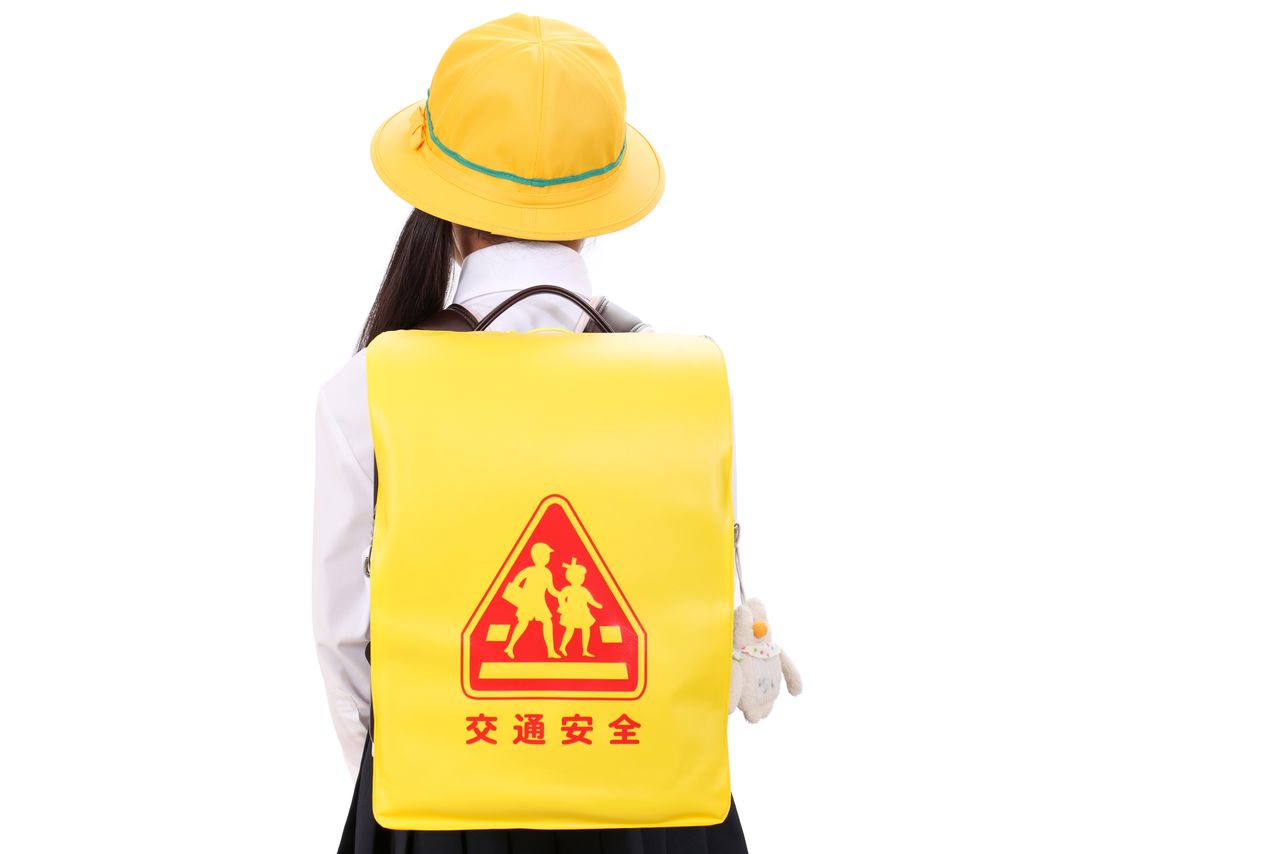
A yellow school hat and randoseru cover. (© Pixta)
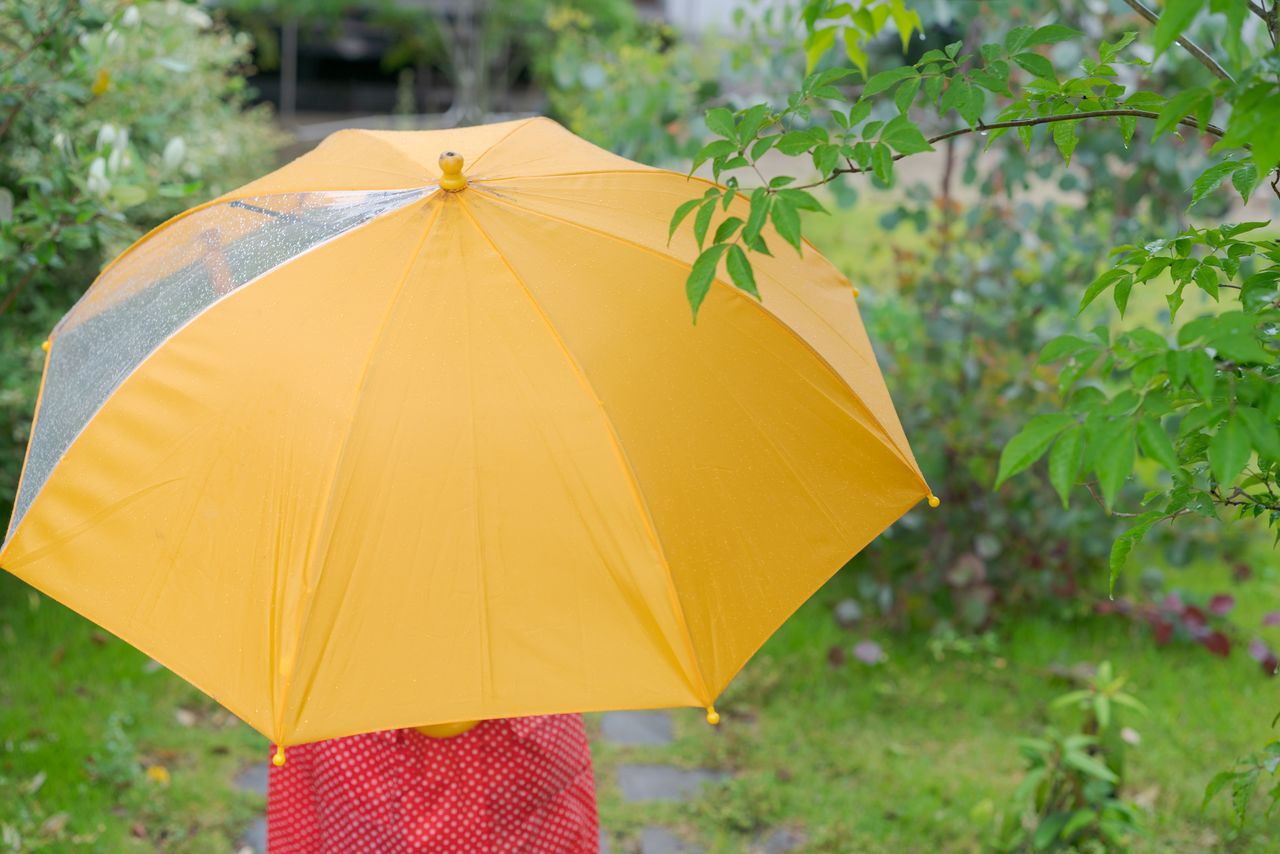
A yellow school umbrella with a clear window allowing the user to see better. (© Pixta)
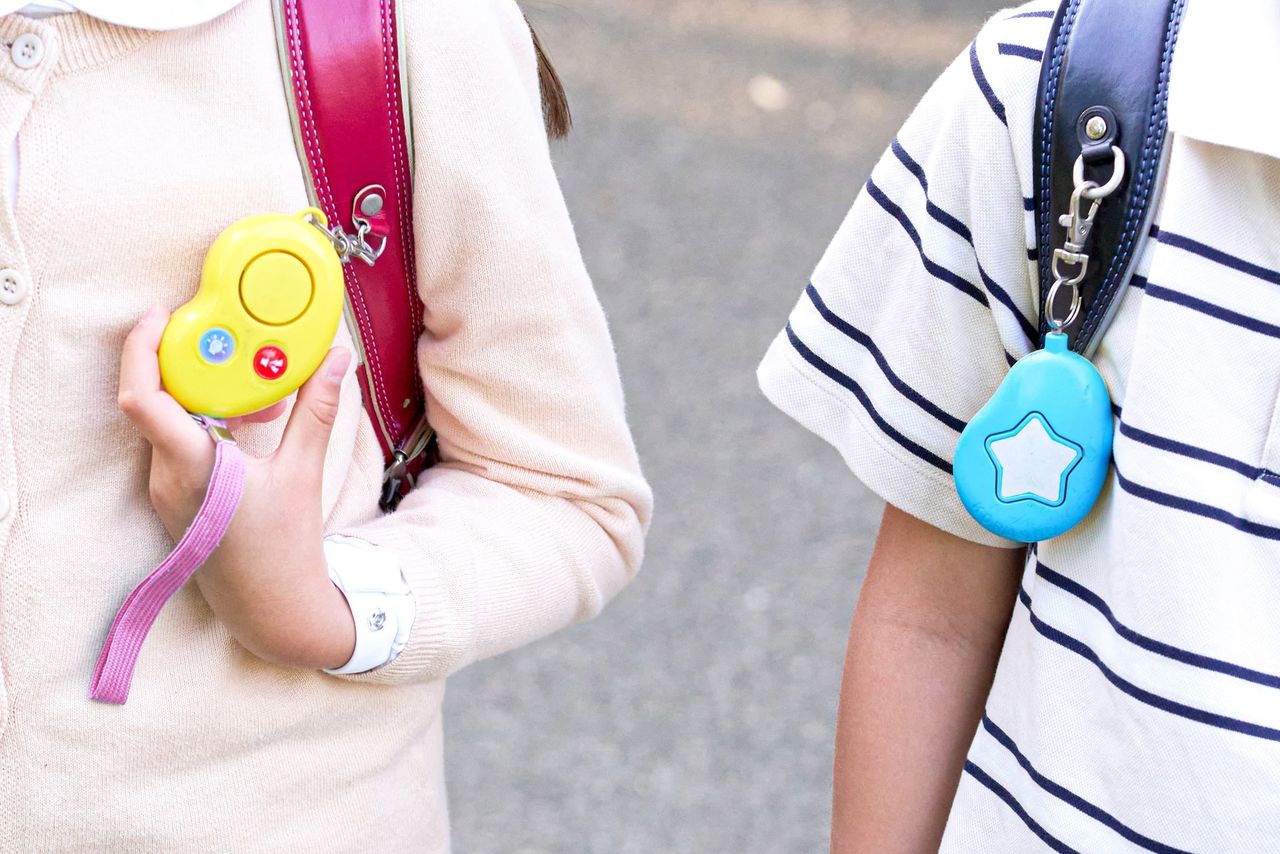
Safety buzzers can be triggered by pushing a button or pulling a pin. (© Pixta)
Classroom Apparel
With a few regional exceptions, most public schools give students broad freedom to dress how they want. However, gym clothes are generally standardized items, typically a shirt and shorts made of stretchy, breathable, and quick-drying fabric. Shirts have the family name of the student written on them. A reversible red-and-white sports hat completes the outfit.
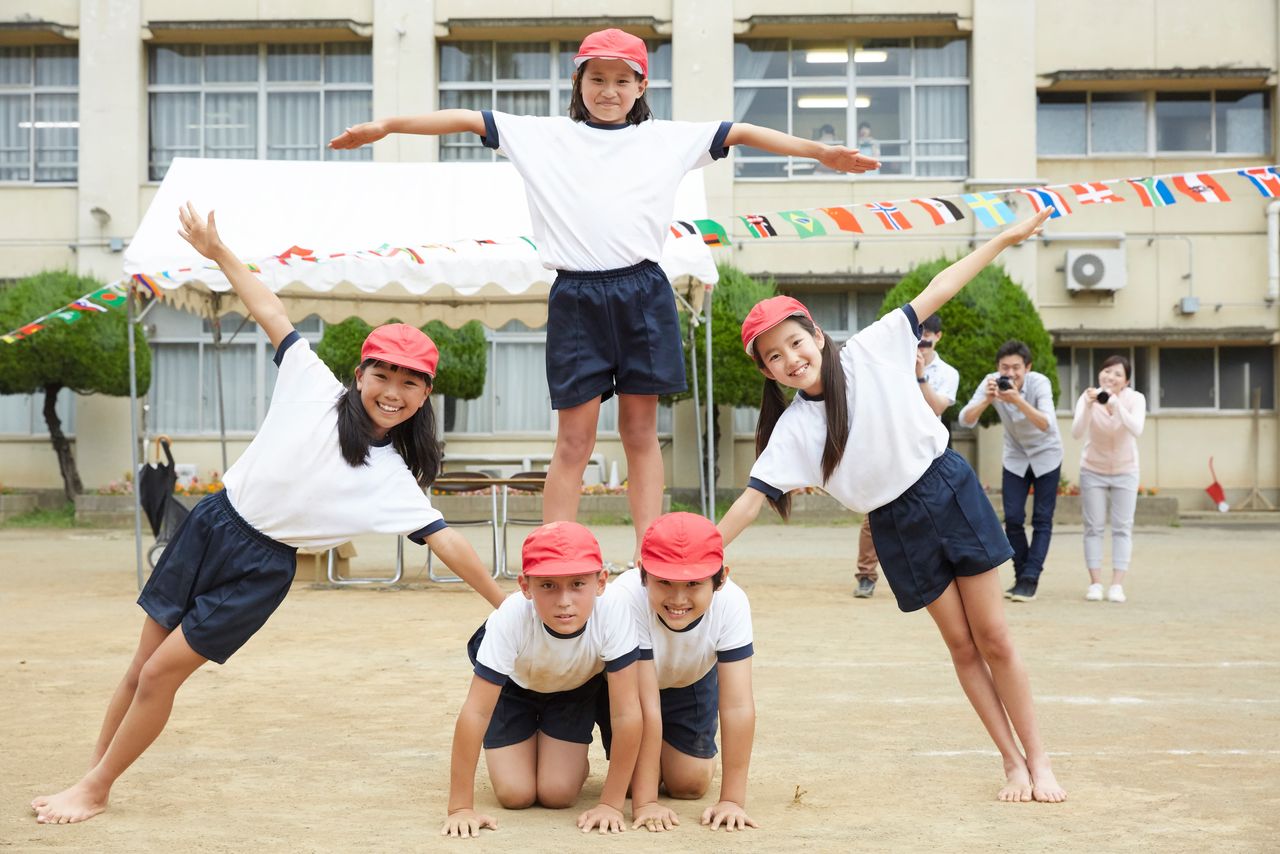
Sports uniforms are worn during physical education classes and for school sports festivals. (© Pixta)
Students take off their regular shoes when arriving at school and slip on indoor footwear called uwabaki. The standard type of indoor shoe is made of heavy fabric with flat rubber soles and no laces, making them easy to slip on and off. Students store their shoes in dedicated shoe lockers at the entrance. Recently, some public schools are doing away with uwabaki and allowing students to remain in their outdoor shoes to reduce the number of belongings pupils must carry and to avoid accidents associated with crowding around shoe lockers.
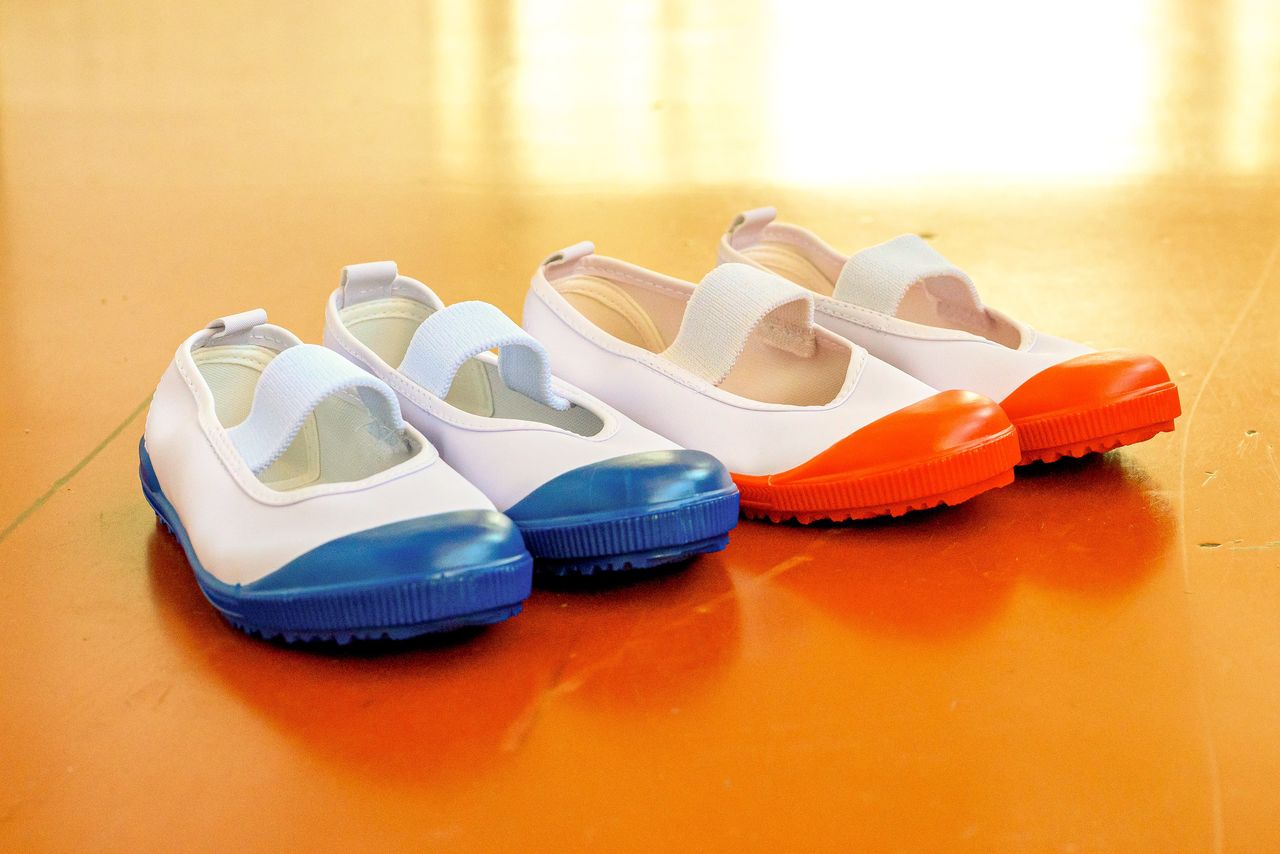
Different colored uwabaki. Students are expected to take their indoor shoes home on weekends to be washed. (© Pixta)
Cleaning Rags and Tote Bags
Different tote bags are needed to carry indoor shoes and gym clothes as well as lunch items, water bottles, and materials for music and art classes. Schools might specify size and color, with households either sewing them by hand or buying ready-made types.
Schools in the Kantō and Tōkai regions often require students to have traditional padded hoods called bōsai-zukin that are worn in case of an earthquake. The hoods also double as seat cushions. Since the 2011 Great East Japan Earthquake, many schools have shifted from hoods to helmets.
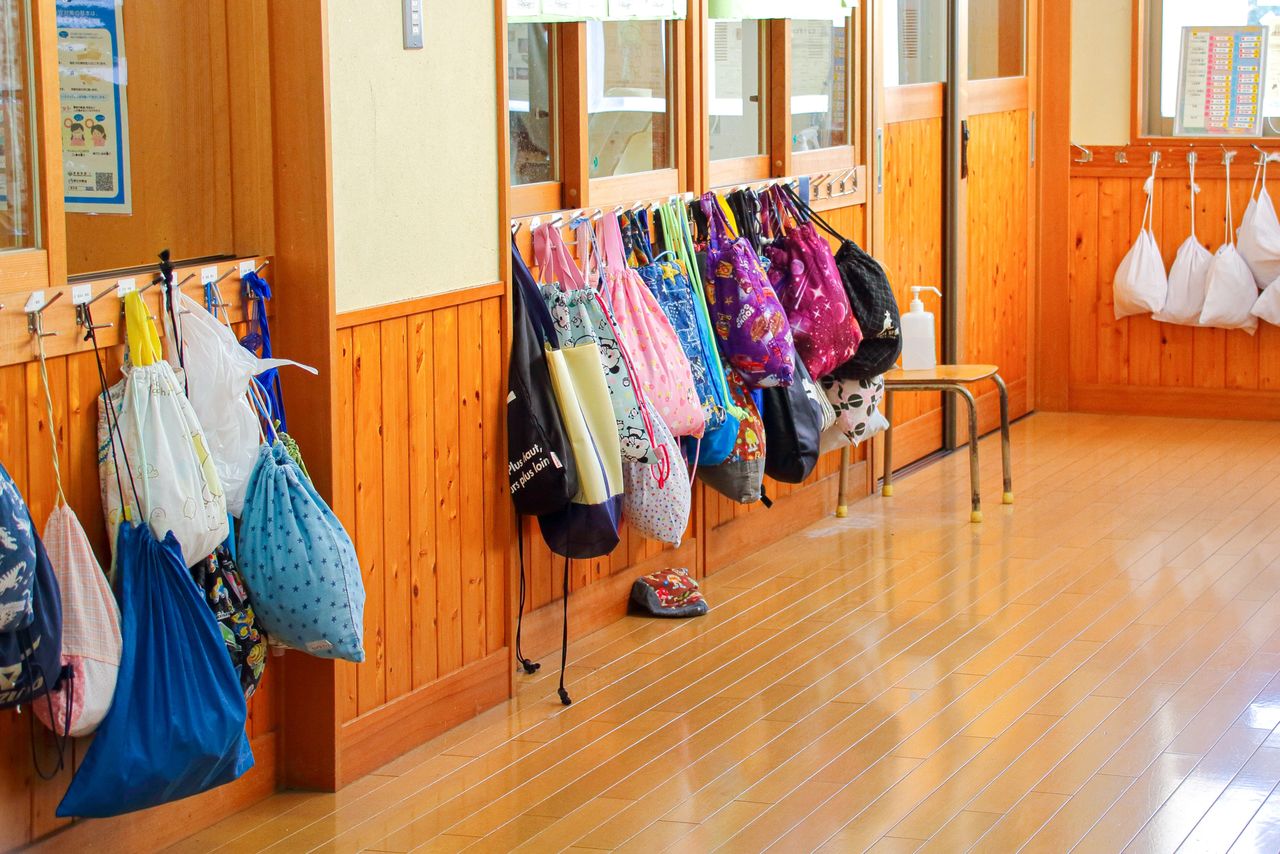
Tote bags hang at the ready. (© Pixta)
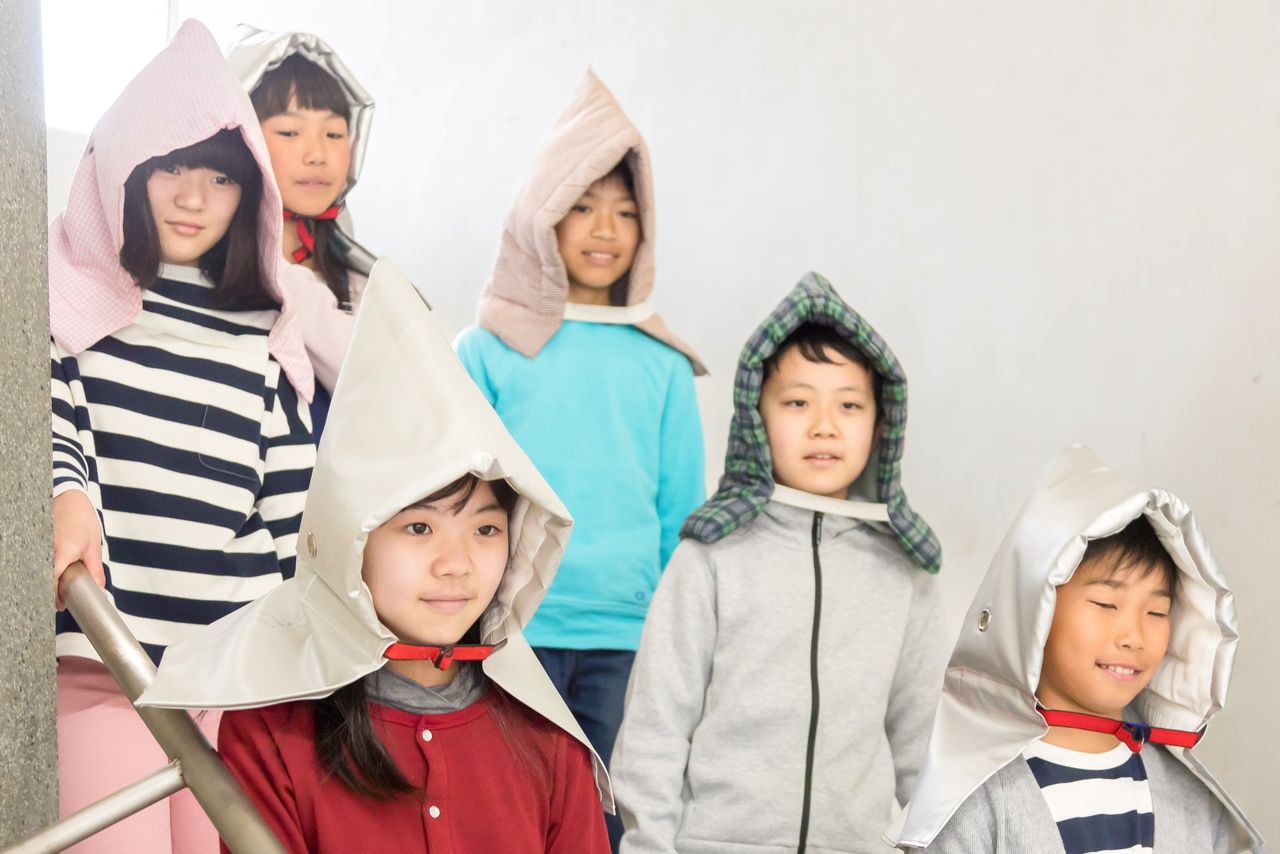
Students wearing bōsai-zukin (padded hoods). (© Pixta)
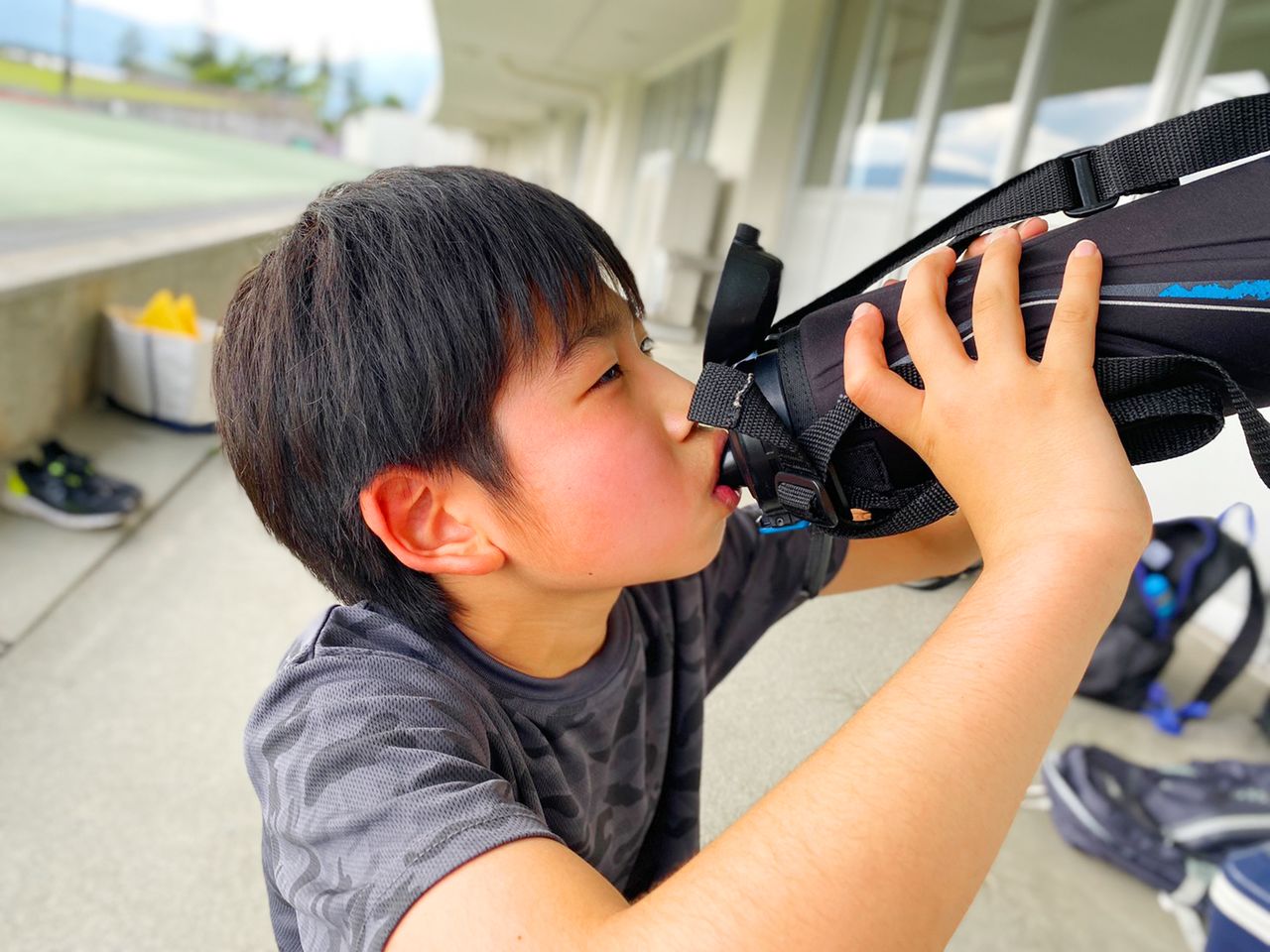
Water bottles are a must-have items during the hottest months. Schools typically stipulate that they be filled with non-sugary drinks, such as barley tea. (© Pixta)
Students are assigned the chore of cleaning classrooms, hallways, and other areas of schools. To do so, children bring heavy cleaning rags called zōkin from home. These were traditionally made from old cloth or towels but today are commonly available at ¥100 shops.
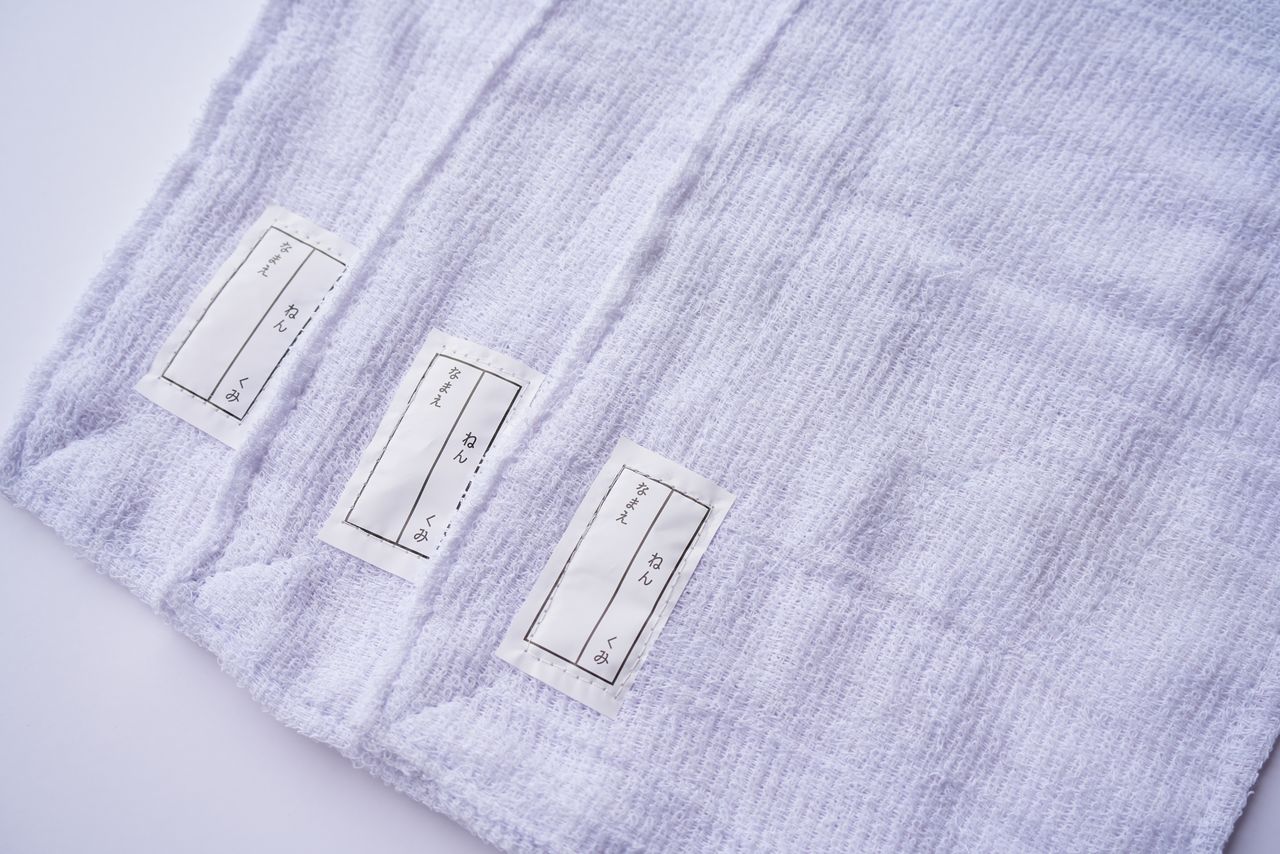
Zōkin often have labels for students to write their name, grade, and which class they are in. (© Pixta)
Calligraphy, Music, and Crafts
Many schools have pools where in the summer months students learn basic swimming skills. Standard school-designated swimwear is a one-piece swimsuit for girls and brief-style trunks for boys, although these have given way in recent years to rash guards and shorts for both genders as concerns over sun exposure and modesty increase. Mesh caps, often color-coded by swimming ability, are also a must. As children progress through the grades, households may have to purchase new suits to replace the ones their child has outgrown.
Students study different instruments while at elementary school. First and second graders typically practice the melodica, which has a small keyboard with a tube or mouthpiece for blowing into that is easy to play and clearly show the pitch of every note. Graduating from the melodica, students move on to the recorder in grade three.
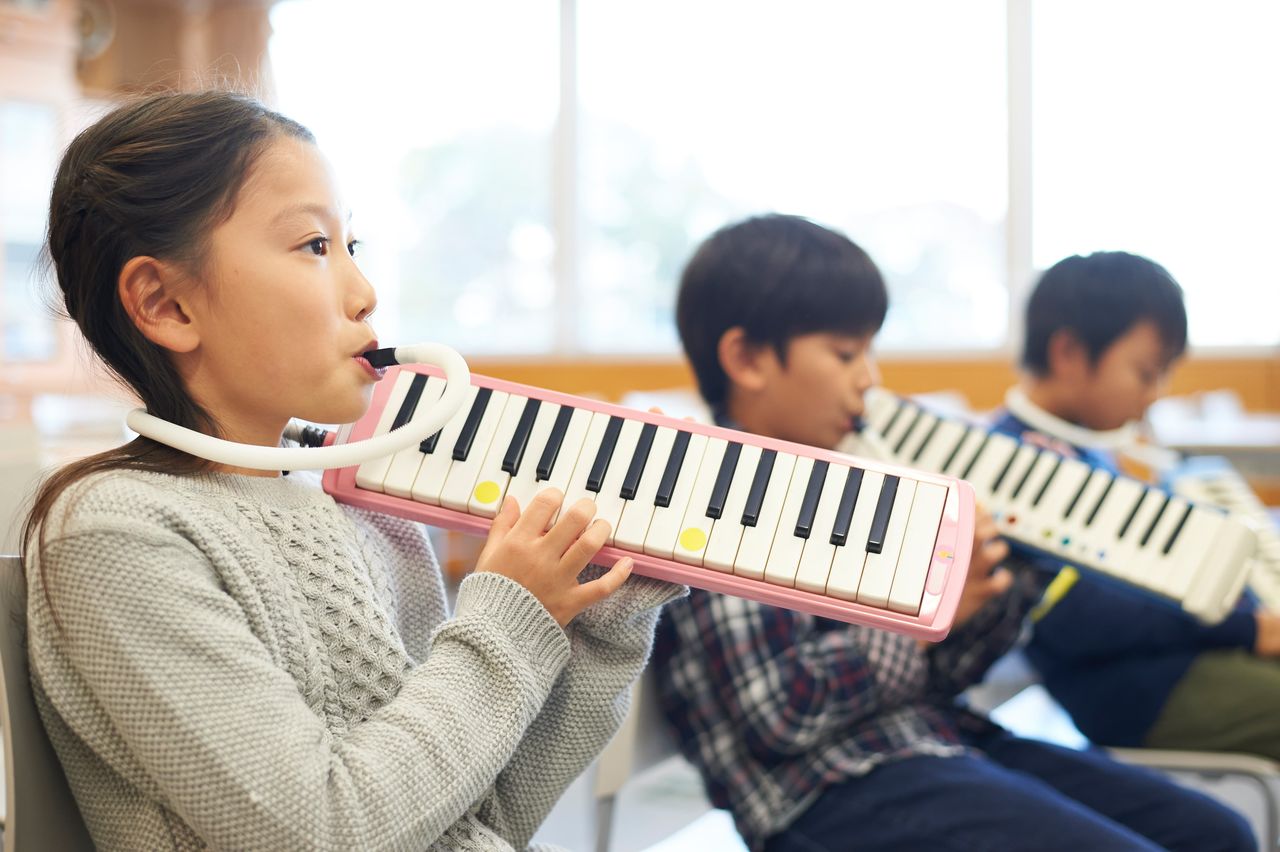
Students play the melodica during music class. (© Pixta)
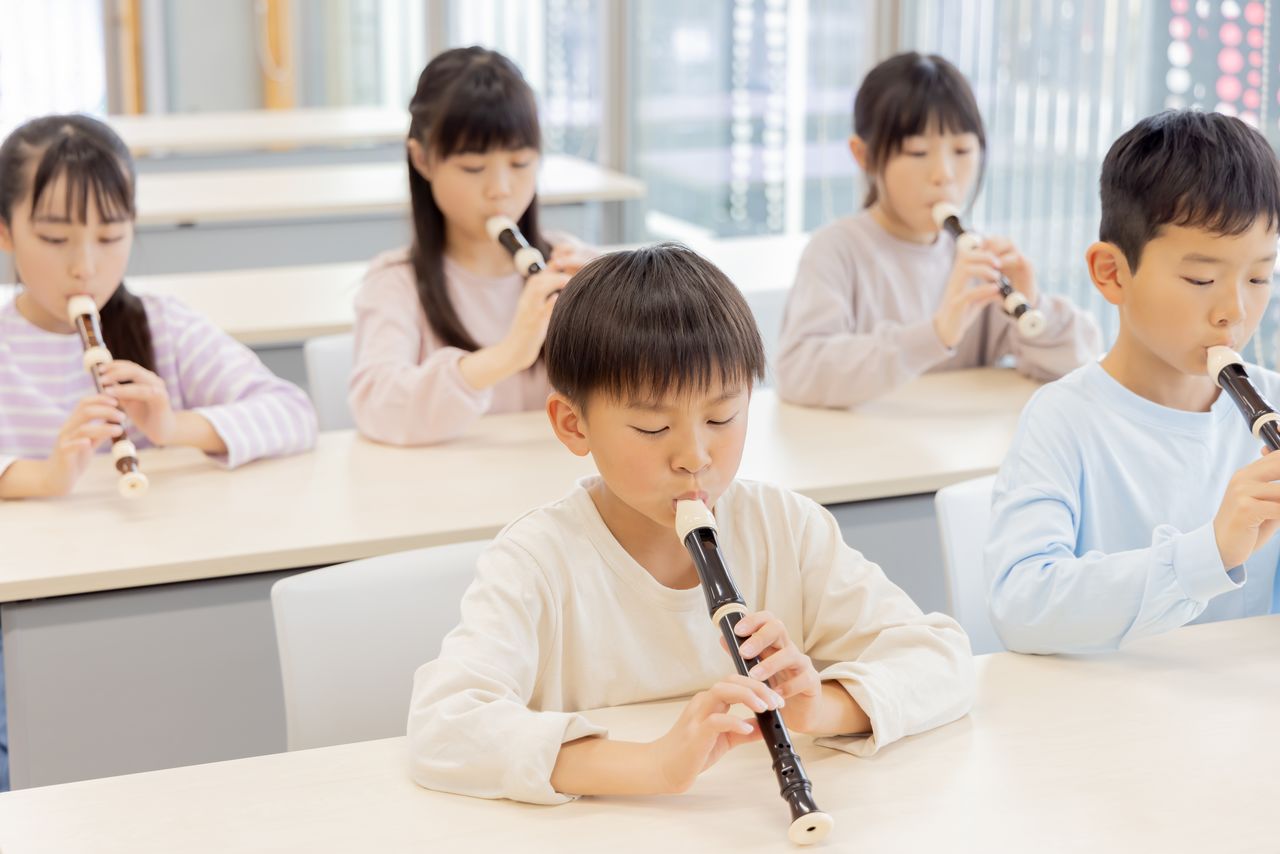
German-style soprano recorders are the standard choice at public elementary schools. (© Pixta)
Along with instruments, third graders also need a calligraphy set and a watercolor kit, fourth graders a woodblock carving set featuring different sized chisels, and fifth graders a sewing kit.
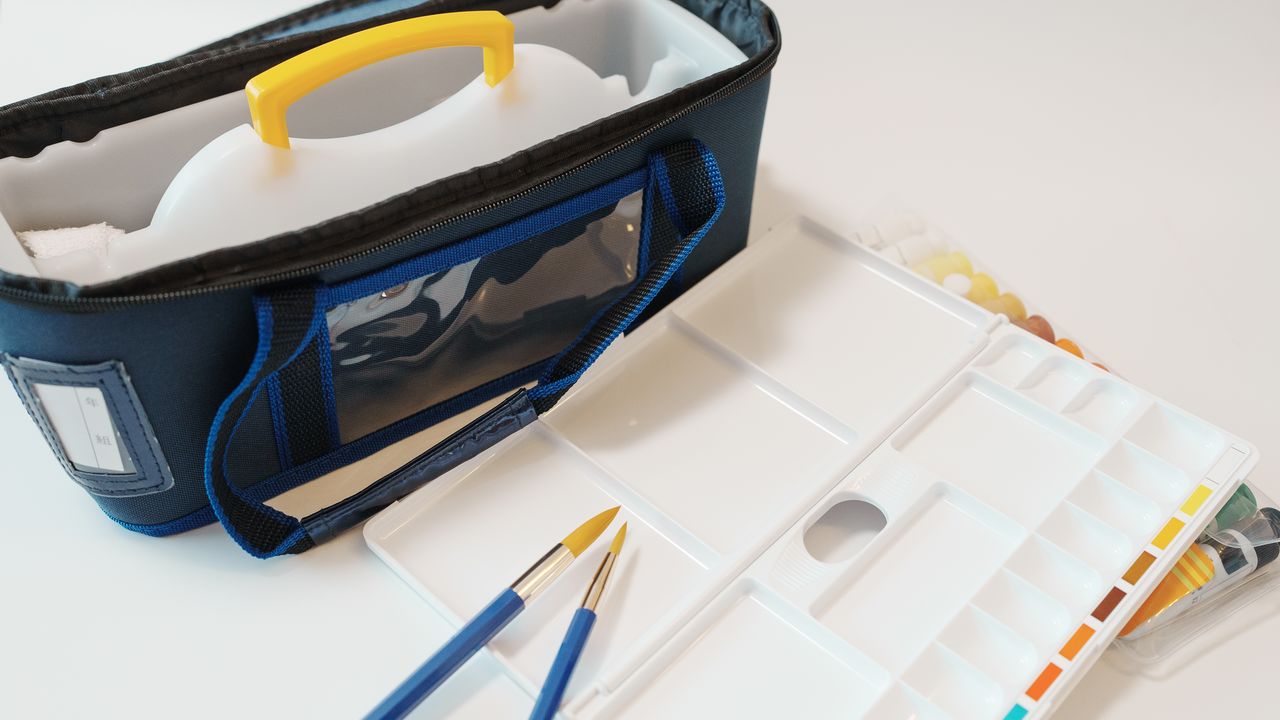
A watercolor kit includes brushes, a basin, paints, and a pallet. (© Pixta)
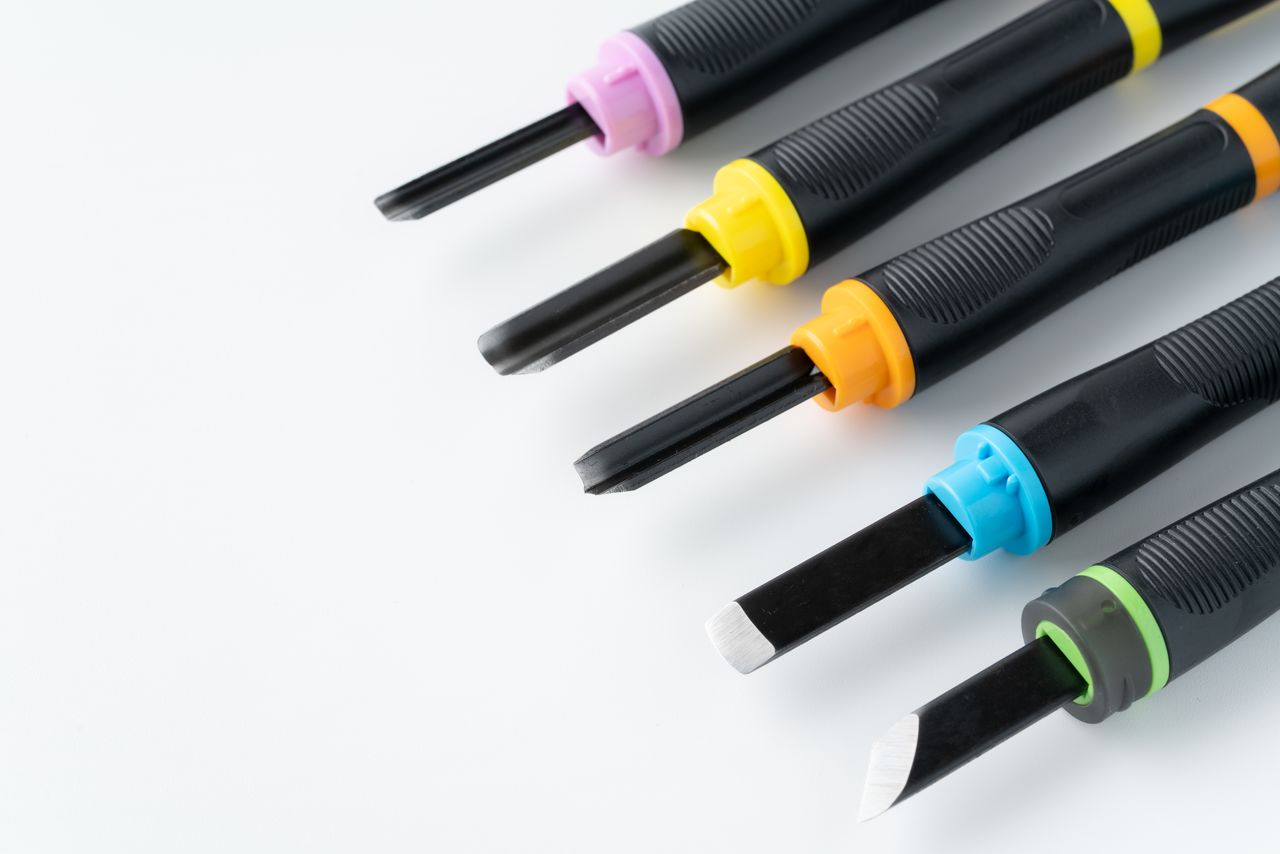
Chisels for carving. (© Pixta)
The various instruments and art sets are specially designed for child use and come in dedicated bags for easy transport. Schools often arrange bulk purchases to make things easy for households and teachers.
Hidden Costs of Compulsory Education
Households are not strictly required to buy school-recommended supplies, but many do for convenience and to make it easier for their child to fit in with their peers. Math sets run around ¥3,000, while calligraphy, paint, and sewing sets range from ¥2,000 to ¥4,000 each. Many families turn to discount retailers, ¥100 stores, or online platforms offering secondhand items to save on costs. It is also common for supplies to pass down from older to younger siblings or to friends.
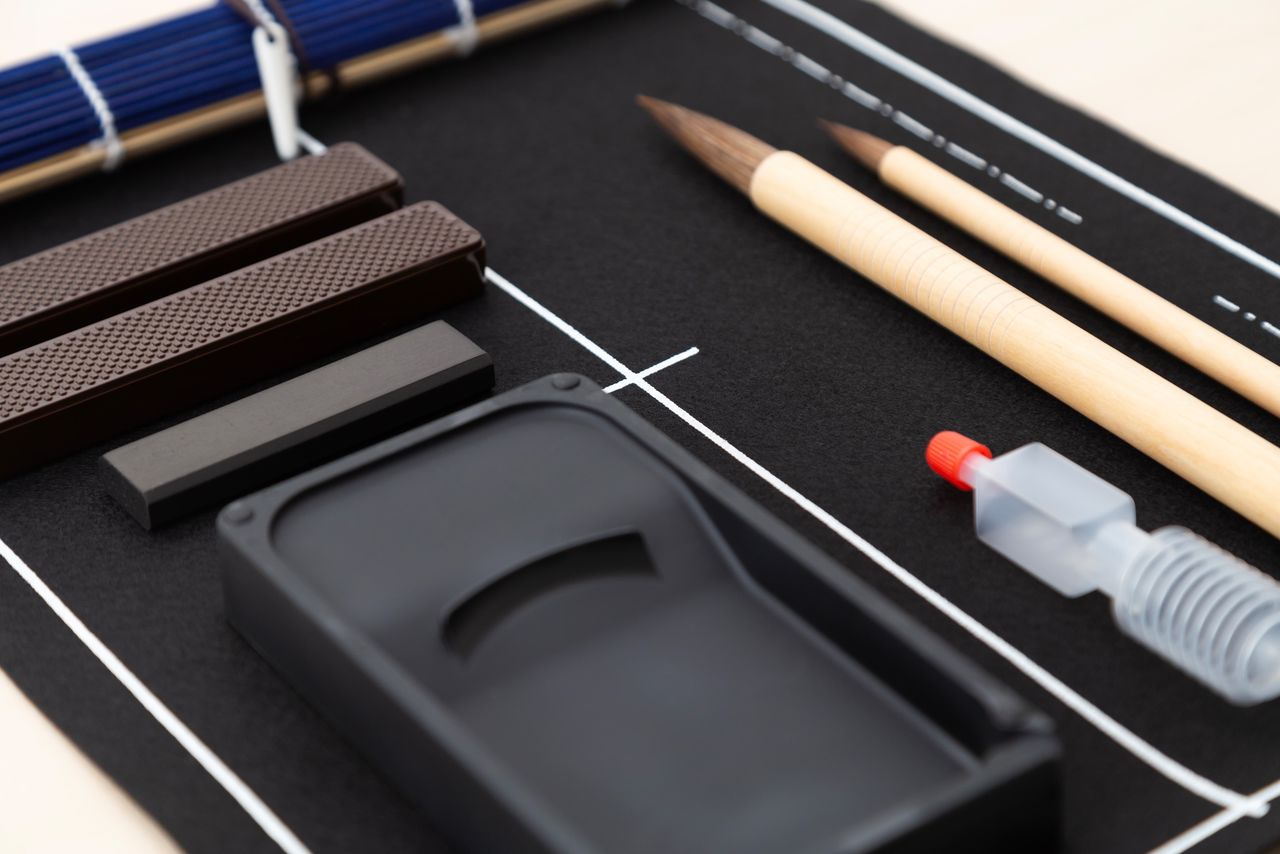
Inexpensive calligraphy sets are widely available at specialty shops and online. (© Pixta)
A 2026 online survey by the education company Benesse found that 40% of households with a child in the first grade spent between ¥10,000 and ¥30,000, not including buying a randoseru, on school supplies. While tuition and textbooks are free, stationery, swimwear, indoor shoes, and the like are often decried as hidden education fees. Some schools have started sharing programs and stockpiling supplies to ease the financial burden.
The responsibility of Japanese elementary school children to look after their different school supplies is often praised by the domestic and overseas media for instilling a sense of responsibility and fostering a communal identity. However, there is also criticism of the requirement for every child to have the same items as being outdated in its assumptions of uniformity, and many schools and regional governments are adapting their policies to reflect Japan’s changing social circumstances.
(Originally published in Japanese. Banner photo © Pixta.)