Exploring Wagyū: A Guide to Buying and Preparing This Magnificent Meat
Food and Drink Culture Guide to Japan- English
- 日本語
- 简体字
- 繁體字
- Français
- Español
- العربية
- Русский
An Eye for Meat
The first step to enjoying a wagyū meal is training your eye to recognize the best quality meat. Wagyū is judged on four characteristics: shimofuri, or its fat marbling; the color and quality of the fat; the meat’s color intensity; and the grain and firmness of the flesh.
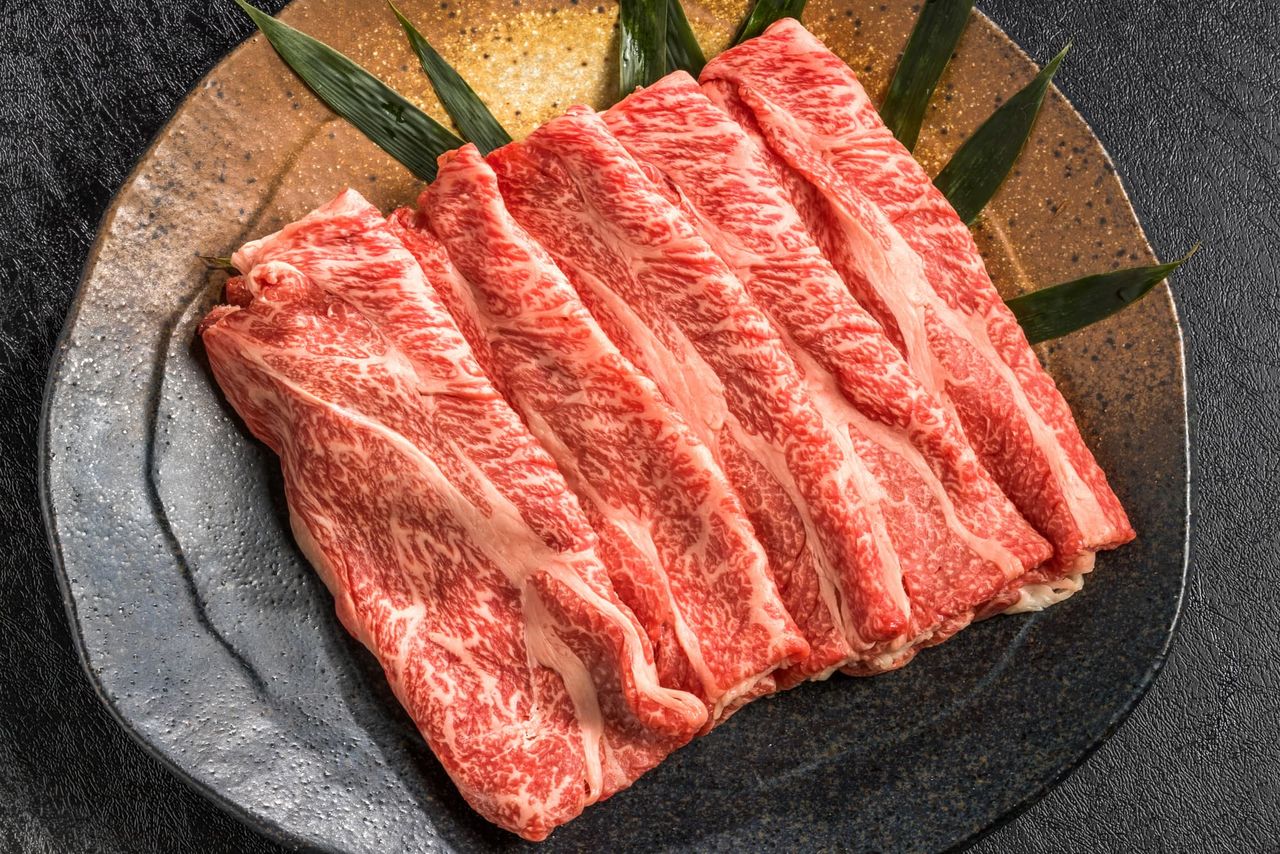
Heating the fat to melting brings out the flavor. (© Pixta)
You might have seen cuts labeled “Top Rank A5” on market labels or restaurant menus. Going up the ranks from A1 to A5 indicates increasing levels of fat.
Good-quality fat is snow-white or cream colored, and heating it to melting brings out the meat’s aroma, richness, sweetness, mouthfeel, and aftertaste. High-quality fat also helps mitigate the feel of tough meat fibers on biting.
The appearance of a cut of wagyū is often judged based on its marbling, but it’s not necessarily true that more fat equals better meat. Some people feel that A5 is too fatty, making an A3 cut a better choice for their table.
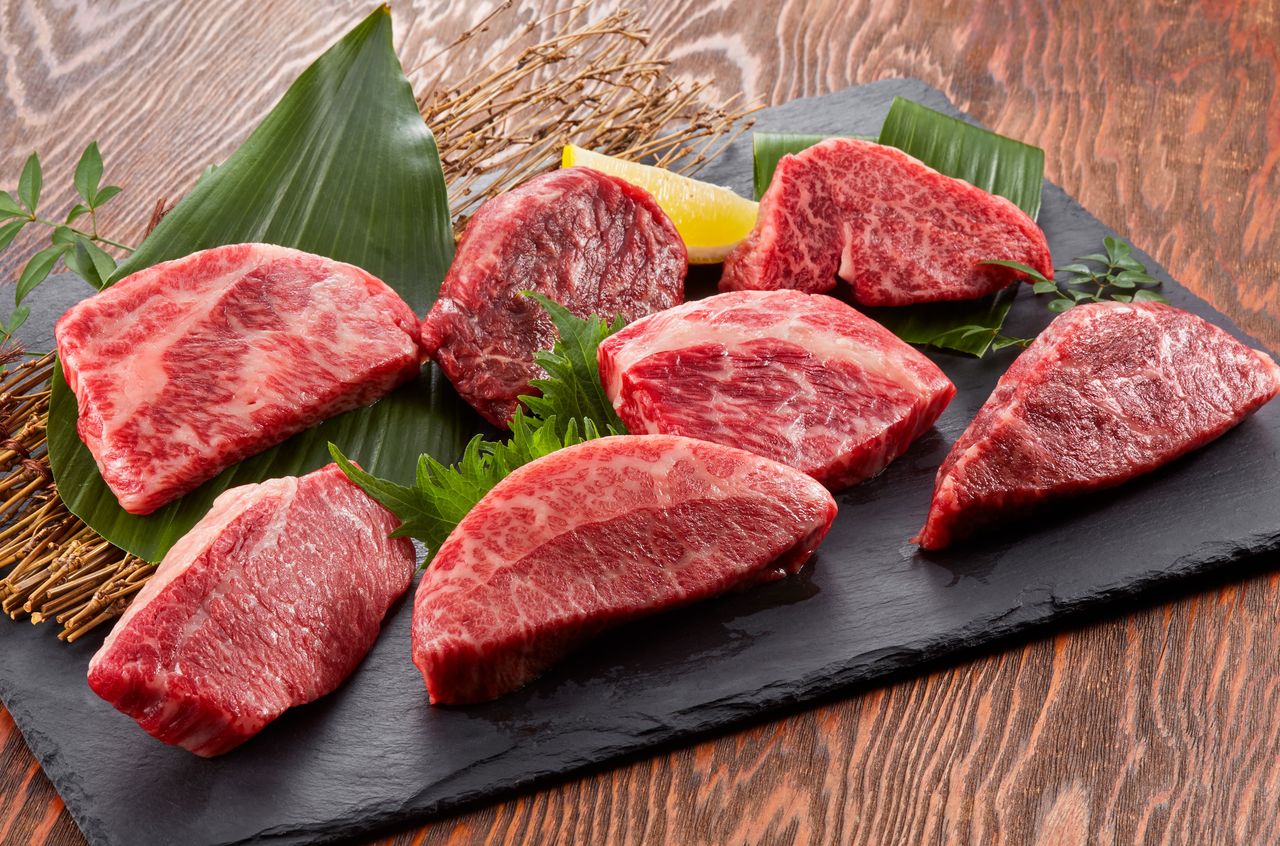
Vibrant, glossy color is key to identifying good wagyū. (© Photo AC)
Good meat has a vibrant red color. “Grain” refers to the fineness and spacing of the muscle fibers, and the finer the grain, the tenderer the meat. Lower moisture content, meanwhile, leads to better firmness.
It’s important not only to judge the meat’s overall appearance, but to tilt the packing tray to make sure the meat doesn’t drip, and see if the surface looks dried out. You can also press gently with a finger to check its firmness, but make sure not to overdo it until you’ve paid for the cut!
Thin Slices are a Japanese Original
Japanese people often eat beef sliced as thinly as possible. This is likely rooted in the fact that beef only became a common food in Japan from the Meiji period (1868–1912), when cattle were raised as draft animals for farming and cargo haulage, which meant their meat was tough. On top of that, Japanese people often had weaker jaws than people from cultures with longer histories of eating meat, so thinner slices were easier to eat. From that perspective, sukiyaki—which features thin slices of beef browned and stewed with vegetables in a sweetened soy-sauce broth—probably came about as a clever way to make beef more enjoyable for Japanese palates.
Nowadays, tender wagyū characterized by fat marbling is king of the meat market, but you don’t need tender sirloin or filet meat to make good sukiyaki or shabushabu, where thinly sliced meat is quick-boiled at the table, letting the flavor of the fat melt away into the stew. I recommend more reasonably priced cuts like chuck, chuck roast, or round.
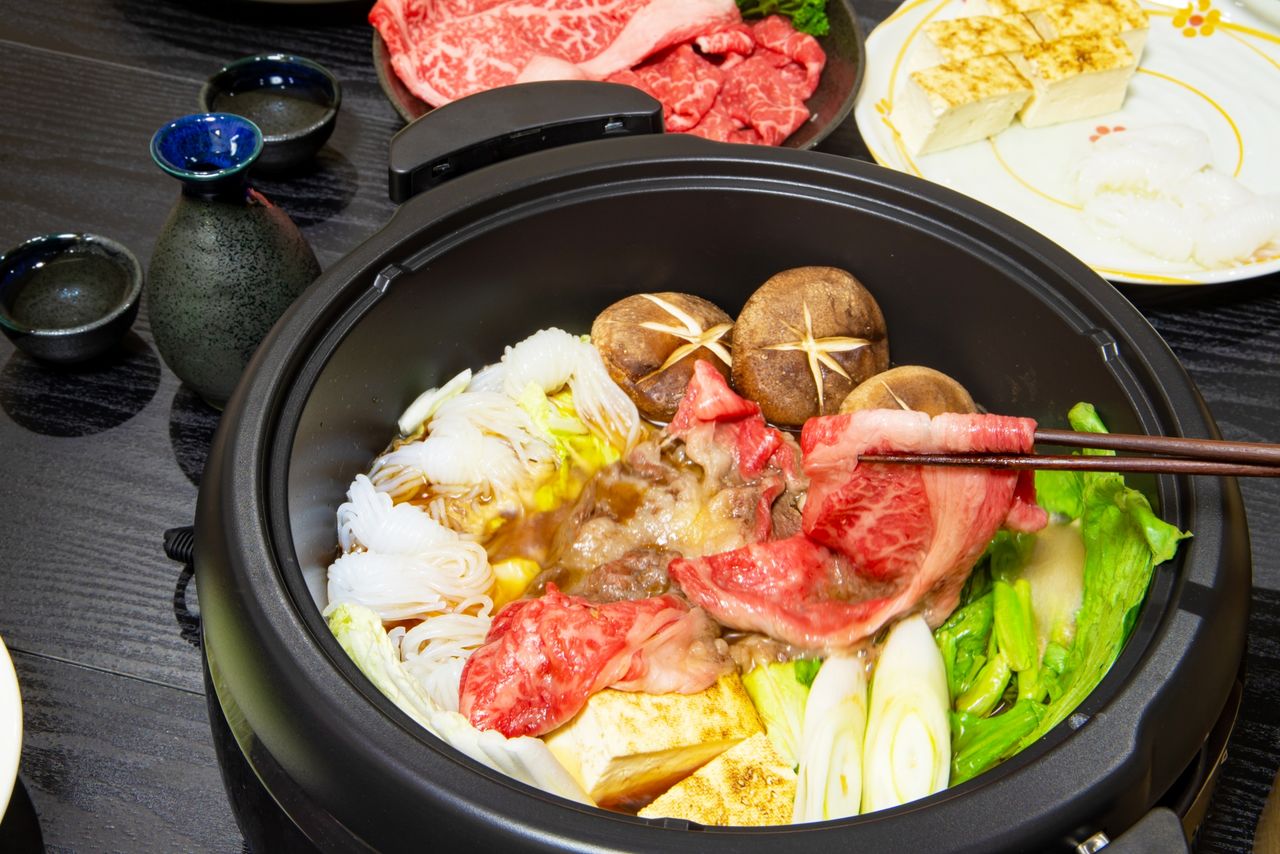
Use cuts like round or chuck for sukiyaki. (© Photo AC)
Wrap Well to Stop Oxidation
Wagyū fat has a low melting point and oxidizes quickly, so temperature control and anti-oxidation measures are vital. When you buy wagyū at a meat department or butcher shop, please don’t just put it in the refrigerator as-is. If you have a home vacuum sealer, vacuum packing is ideal. If you don’t, wrap it tightly in plastic wrap and keep it in the fridge to prevent oxidation and reduce bacterial growth. Poor handling can lead to unpleasant odors as the fat oxidizes.
Remove the meat from the refrigerator well in advance of cooking to let it come up to room temperature. When you chill meat in the refrigerator, it cools from the outside in. Cooking it works the same way, heating from the outside in, so suddenly putting cold meat in the pan could lead to uneven cooking, where the fat melts but the meat itself fails to properly heat up.
Steak Should Be Steamed
The basics of cooking a steak are the same for wagyū as lean beef. However, with heavily marbled wagyū, the enjoyment is largely determined by the fat’s texture and aroma, so there is a slight difference in approach. When cooking lean meat, overcooking produces toughness as the muscle fibers dry out and tighten.
With wagyū, though, heating leads to the fat melting, which gives the meat its tender juiciness and better aroma. So, cooking lean meat is all about preventing moisture loss, while cooking wagyū is all about using the fat and avoiding melting it out. Wagyū should be cooked over high heat, but not too long, and you should try to put a rich char on the outside and let the internal fat melt just the right amount.
Wagyū is a fatty meat, so there is no need to add any fat or oil to your frying pan. Start by thoroughly browning one side of the meat on high heat. Then, turn the steak over and reduce to medium or even low heat and steam the meat. A proper browning on one side of the meat helps firm up the fibers to seal in the juice and aroma.
Starting from a low heat lets all the flavor escape. When the chef covers the steak with a metal dome at a proper teppanyaki restaurant, that is the same idea as steaming. It lets heat penetrate slowly into the heart of the cut. If too much fat comes to the surface, you should wipe it away so the meat doesn’t end up feeling too oily.
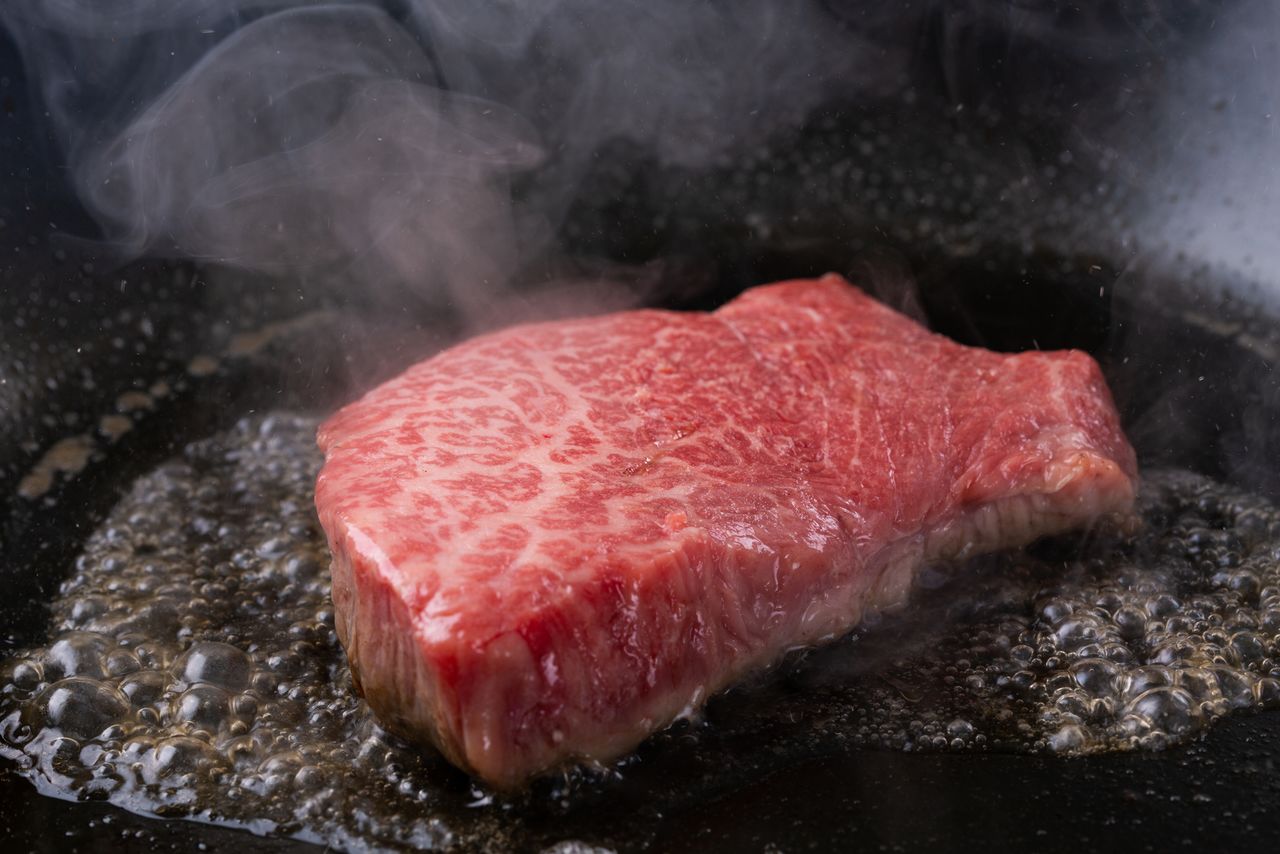
The trick to cooking wagyū is not to let too much of the fat melt away. (© Pixta)
Salting and peppering should be done just before cooking. Personally, I only use salt. Salt brings out the natural flavor of meat, so it’s a perfect match. It’s just like adding a pinch of salt to watermelon to bring out the sweetness. With lean meat, you should rub the salt in, but there is no need with wagyū. The low melting point of the fat means salt penetrates easily.
Great Served Cold!
Conventional wisdom says that wagyū isn’t suited to cold dishes. Of course, it is true that fattier wagyū is best eaten warm, when the fat is liquid.
Recently, breeding and feeding management advancements have led to larger cattle, with some now topping a metric ton. The resulting meat, however, has lost some of its intense flavor. Now might be the time to try cold dishes from cuts that have long been considered best eaten warm, like the rump or round.
Cook up a roast, slice it thin, and use it to top a salad. Served this way it has a surprisingly light flavor, but even cold the savory aspects and aroma come through. If you ask me to recommend a dish, that’s the one.
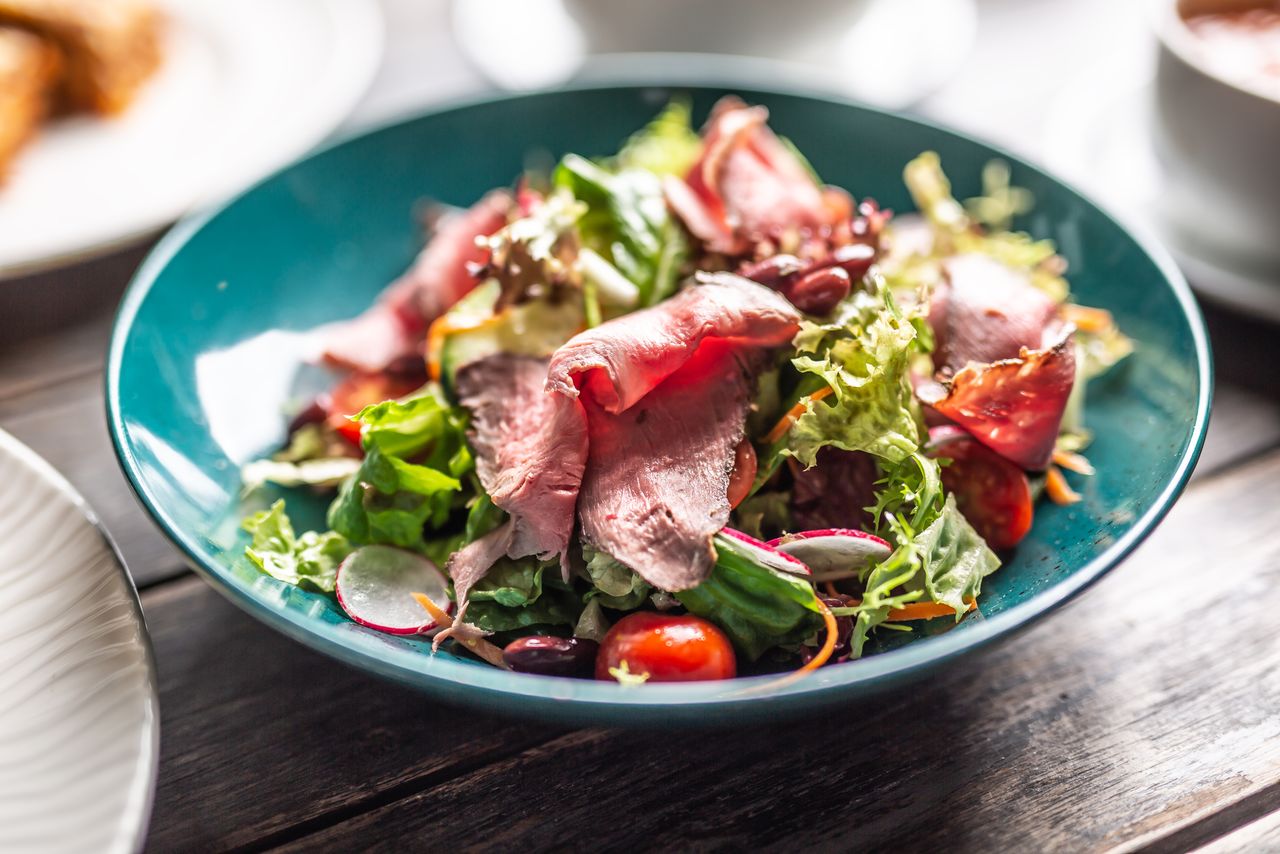
Roast beef in a salad. (© Pixta)
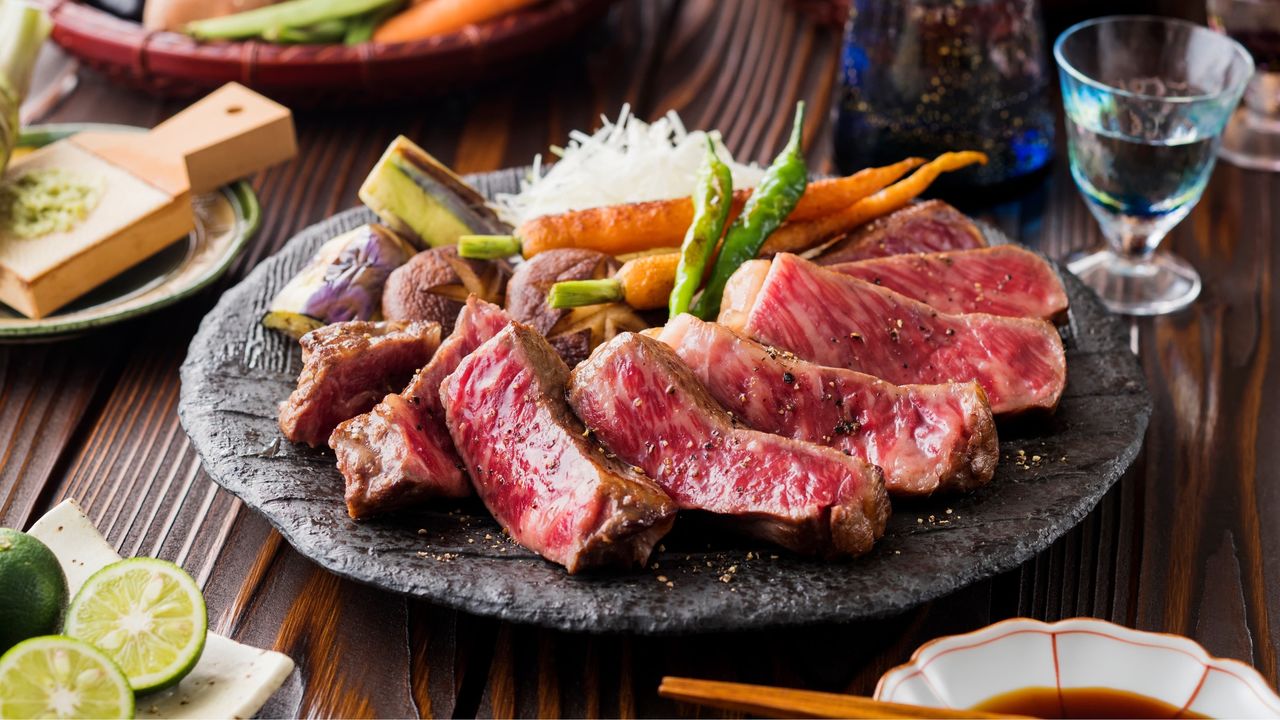
Wagyū is the result of improvements performed through long years by Japanese breeders, coming from a food culture that values visual aspects of food along with its all-important flavor. Wagyū’s beauty is found in the delicate pink created by red meat marbled with white fat. When a restaurant brings out the meat of the day for approval before cooking, the mere sight gets the taste buds singing. Next time you have wagyū at home, try kicking off your enjoyment through the eyes first.
(Originally published in Japanese, based on an interview by Yamada Michiko. Banner photo: A beautifully marbled wagyū sirloin steak. © Pixta.)