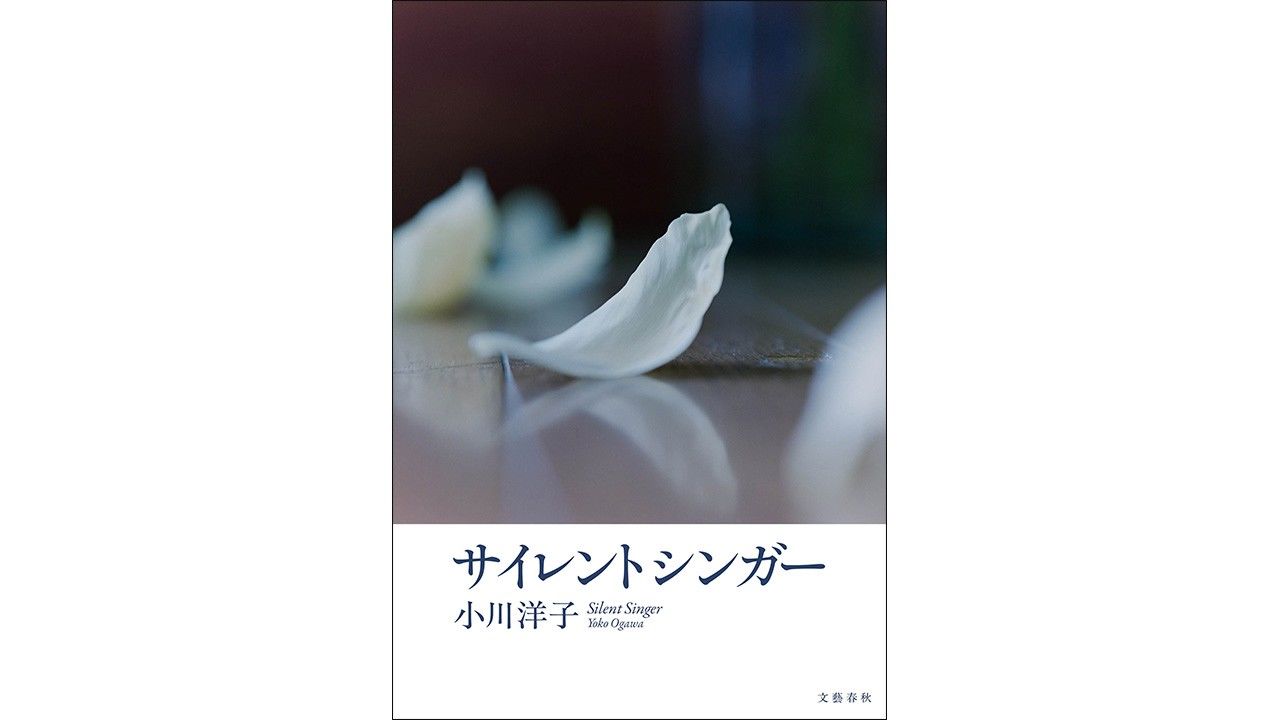
“Silent Singer” by Ogawa Yōko: Silence Soothes the Soul
Books Society- English
- 日本語
- 简体字
- 繁體字
- Français
- Español
- العربية
- Русский
A Community of the Introverted
At five o’clock every afternoon, the speakers at the town hall play a recording of the song “Going Home,” based on the famous melody in Dvorak’s New World Symphony. The singer is Lyrica, who was invited to make the recording when she was still a young girl. No one in the surrounding community notices that the voice is hers, even though they have heard it every day for years.
The Acacia Fields is a community in the hills, surrounded by deep forest, on land that once housed country retreats. The residents are shy, introverted people who avoid social contact. They have enclosed their land within a wire fence, inside which they cultivate crops, raise sheep, and lead a peaceful life of quiet self-sufficiency.
Within the community is a creed of sorts: “Silence soothes the soul.” The residents wear black, the color they consider least disruptive to the quiet they crave, and communicate using a system of gestures they have made themselves, which they refer to as “finger words.” This simple sign language contains the bare minimum of signs necessary for daily life.
A Voice Like the Wind in the Forest
Lyrica, the story’s main character, lives with her grandmother near (but not quite inside) the community. Her grandmother is employed in the community’s guardhouse, where she performs odd jobs and sells to occasional visitors the organic vegetables and homemade cakes and sweets made by the community, and high-quality wool shorn from the local sheep.
Lyrica has grown up around the community, where she has been cherished since she was a baby. While her grandmother works, she is looked after by an elderly caregiver, who sings “Going Home” to her as a lullaby, the only song he knows. As she grows older, she discovers that her voice has a mysterious power to soothe animals and people alike. Her singing seems to meld with the natural scenery and is often compared to the wind rustling through the forest.
One day, a young boy goes missing in the woods, and is never found. Lyrica and her grandmother gather scraps of wood and fabric to make dolls to console and guide the lost boy. They place them on the banks of a small pond, fed by a natural spring in the forest. Over the years, the collection grows. When the grandmother dies, Lyrica takes over her duties and occasionally takes on singing jobs outside the community. These include voice work for a toy company, singing on behalf of a doll, and songs for various commercials. She never performs in public, but her voice resonates quietly in the hearts of her listeners. In the forest, she sings for sheep who have died and lost children.
A Community of Strangers
Apart from when she goes out for work, Lyrica is quite assimilated to the ways of the people of Acacia Fields. She learns to drive and on her journeys into the outside world, the only person to whom she opens her heart is a young man who works in the toll booth on the road out of the mountains.
How Lyrica grows up in this world of solitude and how she learns to interact with the world around her forms the heart of the story. Silent Singer is also a work deeply marked by the author’s own life and worldview. Comments by Ogawa Yōko herself provide useful hints for understanding the novel.
In a dialogue with fellow writer Kakuta Mitsuyo, published in the November 2025 issue of Shinchō, Ogawa says, “As a child, I lived in a small house attached to a Konkōkyō church,” referring to a Shintō-inspired sect based in Okayama Prefecture, where the author grew up.
She says that her experience of faith was not of a one-to-one relationship with the kami but something that came from growing up in the church. “All kinds of people used to gather there: young and old, men and women. They would shed their job titles and social positions and values and come together as people. And that was the environment where I grew up.
“When my parents weren’t around, I would spend time with older women I wasn’t related to at all, hanging out and eating snacks. I have vivid memories of being cared for by this community of strangers. And I think this experience gave me a sense of trust in others.”
Ogawa goes on, “I think that foundation lies at the root of a structure that often occurs in my novels, where people who don’t know each other well are brought together temporarily and strike up a bond that gradually grows deeper. In Silent Singer, people who have forsaken language live together in this place called the Fields. I suppose I’m fascinated by the role of communities like this, which are not dependent on family relationships.”
Her early experiences shaped the creation of the Acacia Fields community in Ogawa’s latest novel.
“These people are too sensitive to survive in the outside world. The Fields where the story is set provide a refuge. They climb the mountains to escape from the world of everyday life, and eventually arrive at this place where they can be themselves.
“Humanity and human society can be cruel. Everyone struggles to come to terms with that cruelty in their own way,” she says. The language of the novel is beautifully delicate and poetic, but here and there among the silken strands of the prose are sharp barbs that are not part of any dreamlike fantasy. The outside world feels contempt for the residents of the Fields and the words hurled at them often amount to little more than abuse. What does the future hold for Lyrica? Will her relationship with the young man bring happiness?
Are contentment and happiness really to be found in a world of silence? When we look at the swirling clamor and thoughtlessness that spew from social media today, it is easy to see why the author’s message and her protagonist’s quiet, contemplative voice, will resonate deeply with readers.
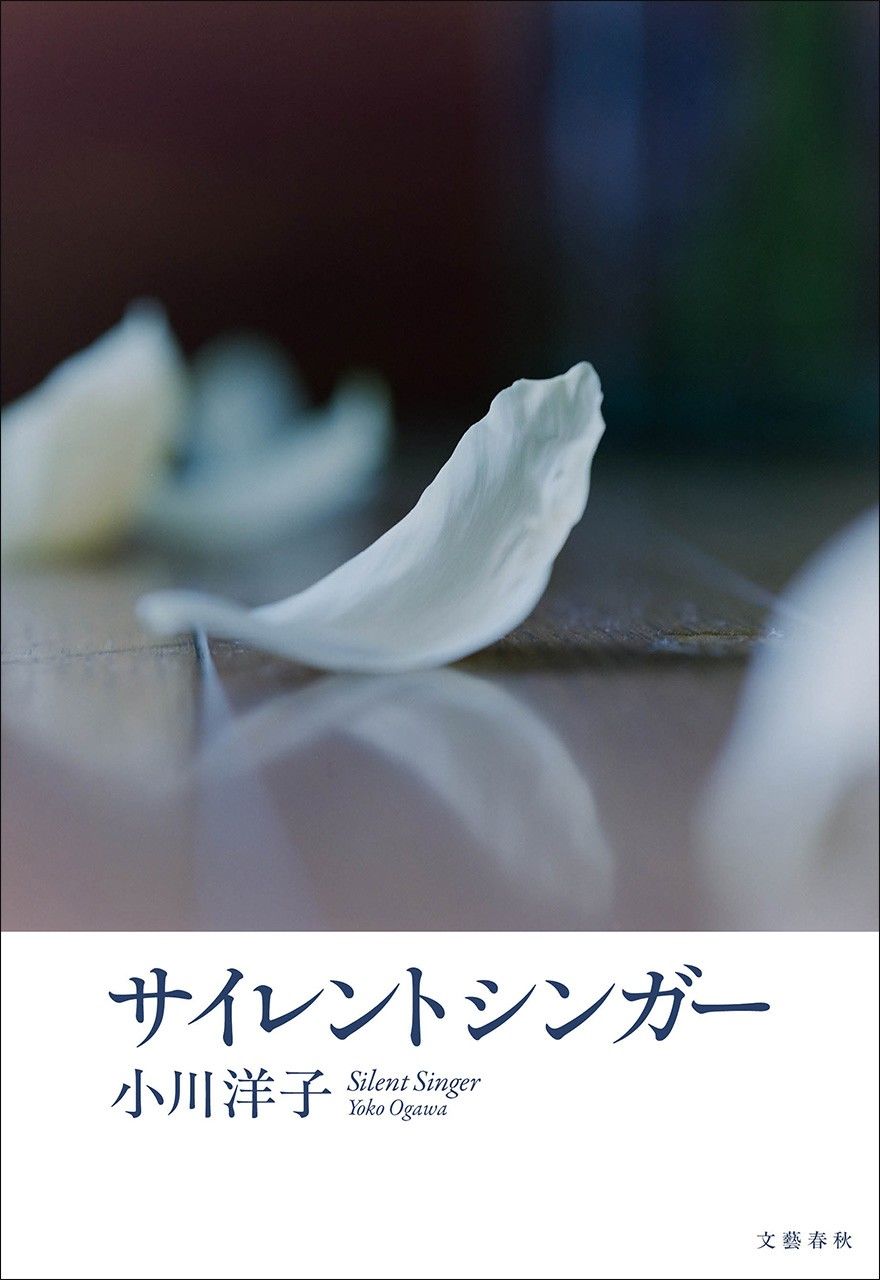
Silent Singer
By Ogawa Yōko
Published by Bungei Shunjū in 2025
ISBN: 978-4-16-391991-1
(Originally published in Japanese. Banner photo © Bungei Shunjū.)