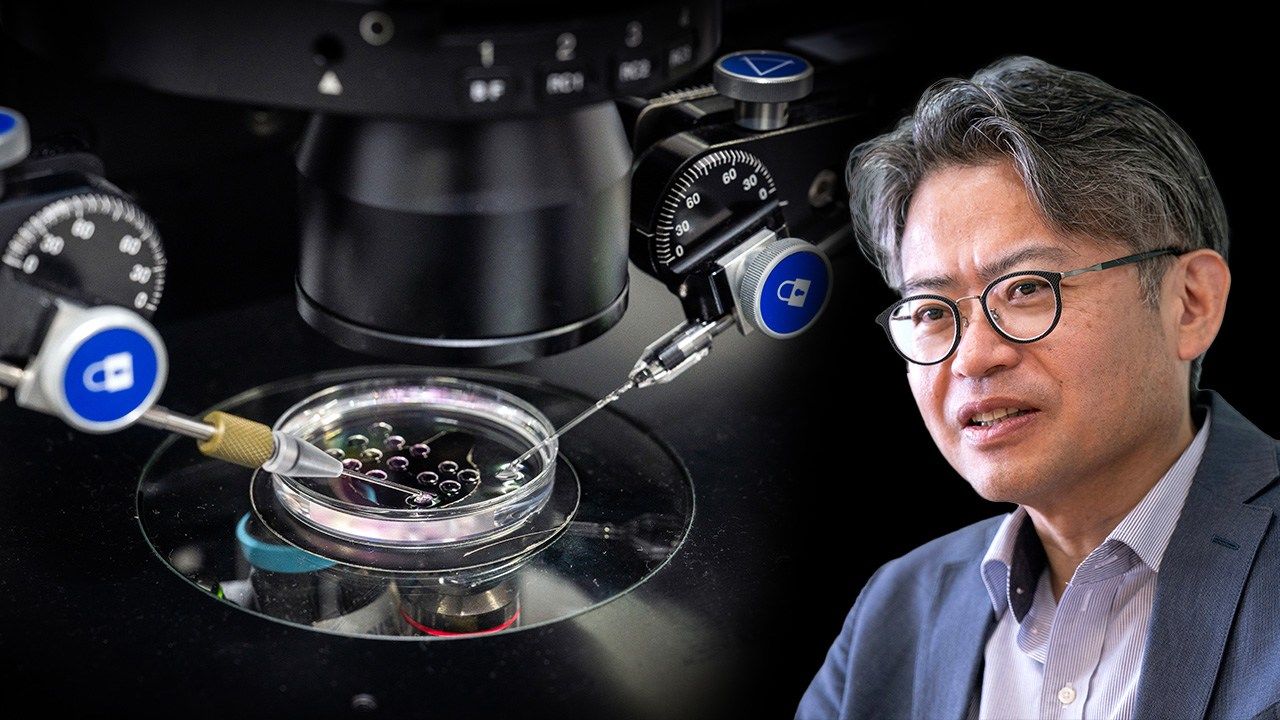
The Present and Future of iPS Cells
The Twin Potentials of iPS Research: Rejuvenation Promise and Cancer Risk
Science Health Economy
Yamada Yasuhiro
Professor of medicine at the University of Tokyo. After Graduating from Gifu University in 1997, he served as assistant professor at the same institution, followed by a research position at the Whitehead Institute for Biomedical Research, MIT (Rudolf Jaenisch Lab). Appointed associate professor at Gifu University, then professor at the Center for iPS Cell Research and Application (CiRA), Kyoto University, in 2010. Became professor at the University of Tokyo’s Institute of Medical Science in 2017, and assumed his current position in 2022.
- English
- 日本語
- 简体字
- 繁體字
- Français
- Español
- العربية
- Русский
Changing the Destiny of Cells
In 2006, Kyoto University’s Professor Yamanaka Shin’ya made a groundbreaking discovery: a method to reprogram ordinary body cells such as skin, nerve, or bone cells into a highly adaptable, embryo-like state known as induced pluripotent stem (iPS) cells. Until then, it was believed that once a cell’s identity was set, it could not change; a nerve cell would always be a nerve cell, a skill cell always a skin cell, and so on. Yamanaka’s iPS cell technology has overturned this idea by making it possible to rewrite the destiny of cells.
While iPS cell technology has shown promising results in the field of regenerative medicine, which restores tissues and organs, Professor Yamada Yasuhiro of the University of Tokyo had been using iPS cells to study the mechanism of diseases such as cancer. In recent years, research aimed at uncovering the aging process has also been gaining momentum, and there is growing attention on the possibility of rejuvenating aged cells, as resetting a cell’s destiny through iPS cell technology could, in theory, reverse functional decline associated with aging.
“From a cellular level, iPS cells can be generated from a cell regardless of how aged it is,” says Yamada. “We can’t say when, but there’s no doubt that this is a technology that may one day make biological rejuvenation a reality.”
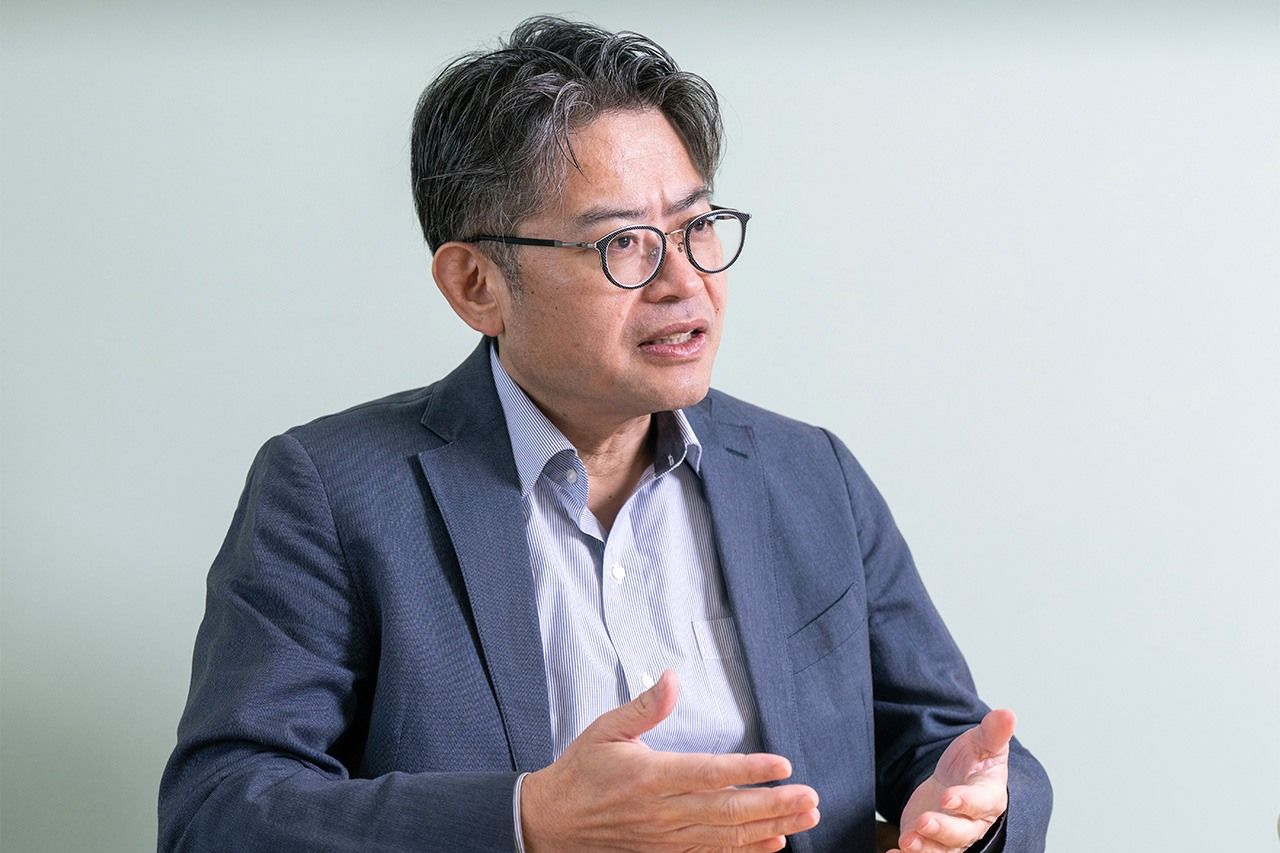
(© Yokozeki Kazuhiro)
Anti-aging research using iPS cells has become a hot topic globally in recent years. Particularly drawing interest is research using a method called “partial reprogramming” in which cells are not fully converted into iPS cells but are partially reprogrammed, thereby reversing some characteristics of aging.
For example, Altos Labs, an anti-aging research startup established in 2021, drew attention after receiving major funding from Amazon founder Jeff Bezos.
In March 2022, the Salk Institute for Biological Studies and Genentech, a subsidiary of the Swiss pharmaceutical giant Roche, reported in the journal Nature Aging that they had partially reprogrammed the cells of middle-aged and older mice to make iPS cells using four genes, known as “Yamanaka factors,” and had succeeded in reversing the signs of aging including functional decline. Longer-term observations showed no increase in cancer or other health problems. The study made headlines for potential future applications in humans, such as in treatment of age-related neurodegenerative diseases or increasing cellular functionality and recovery.
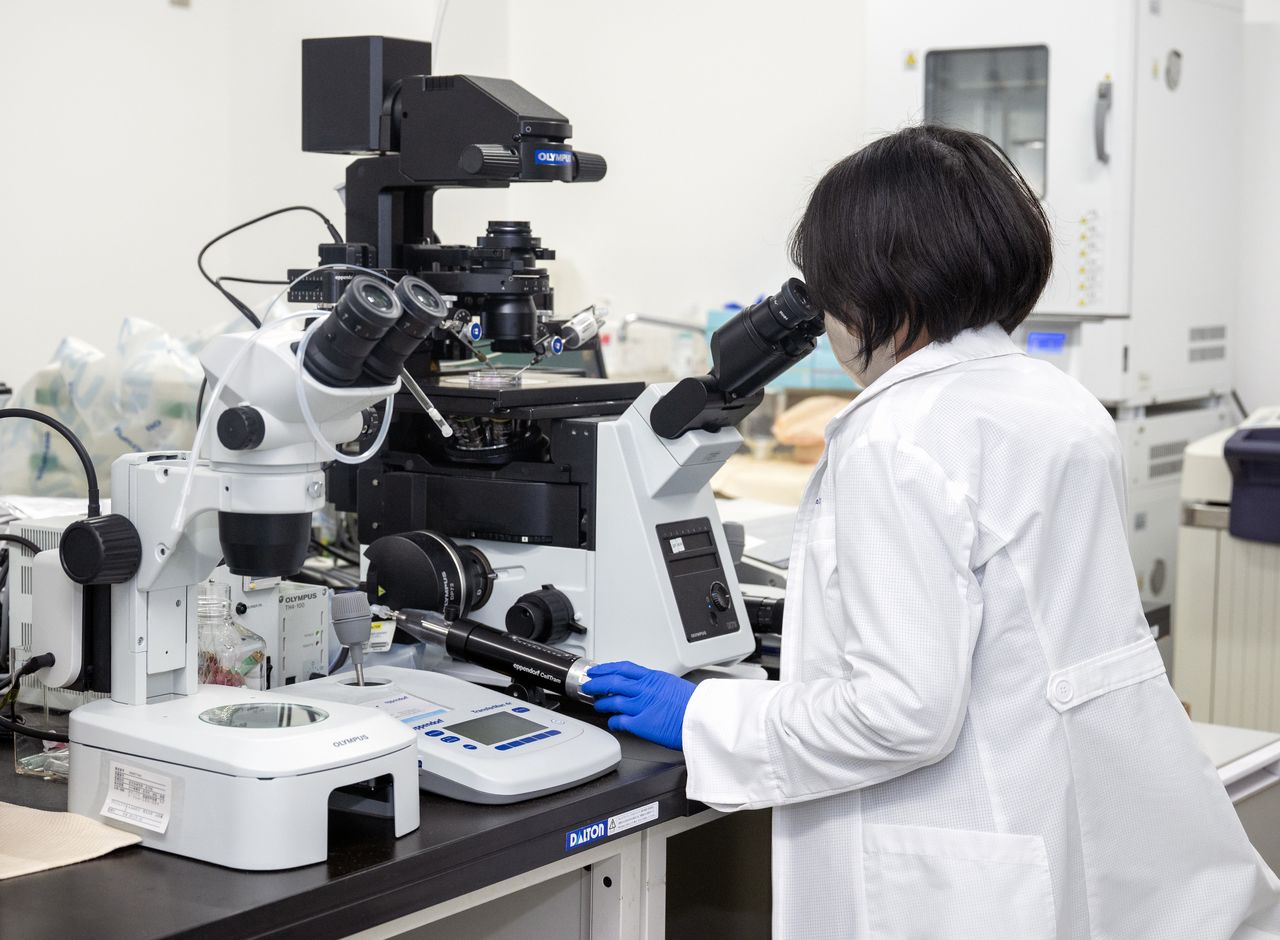
(© Yokozeki Kazuhiro)
Understanding the Mechanisms of Aging
Yamada is also following these developments closely, but advises caution. “We shouldn’t jump to the conclusion that we can simply prevent aging through partial reprogramming of cells. In fact, the research hasn’t even reached the starting line yet.”
Indeed, notes Yamada, a different study from the above-mentioned one published in Nature Aging reports that inducing Yamanaka factors in the cells of progeria mice for two days followed by five days of withdrawal in repeated cycles extended the lifespan of the mice by 20% to 30%. “But when it comes to why the lifespan was extended and which cells are involved,” he says, “the mechanism remains largely unknown.”
Yamada points out that the challenge is that the phenomenon of aging itself has not yet been fully understood at a molecular level. “We still don’t understand what aging truly is, or how cellular aging relates to aging of the entire body. Even if we can extend the lifespan of mice, we have no idea how partial reprogramming affects living organisms as a whole, or whether it’s safe for humans. Reprogramming cells with iPS technology means that skin cells are no longer skin cells and bone cells no longer bone cells. Not only does this not constitute ‘rejuvenation,’ but it would make life as an organism impossible. So it’s not as simple as the headlines might suggest. The research is just barely getting off the ground.”
Rejuvenation and the Risk of Cancer
The reason Yamada emphasizes caution is because he himself is engaged in researching the mechanisms of cancer through the partial reprogramming of cells. Alarmingly, there is the possibility that reprogramming, rather than promoting rejuvenation, could actually increase the cancer risk.
“We know that cells can become cancerous when DNA sequence is damaged due to the harmful substances in tobacco, radiation, and such,” Yamada says. “However, in the past twenty years, we’ve come to understand that even if the DNA sequence is intact, cancer can still develop from irregular execution of DNA instructions.”
The system that regulates gene function, rather than gene sequence, is called the epigenome. Methyl groups can attach to or detach from cytosine (one of the four chemical bases that make up DNA), and proteins in the cell nucleus called histones can undergo chemical modifications, thereby determining which DNA blueprints are turned on or off. The cellular reprogramming of iPS cell technology can be seen as a method that artificially resets or alters the epigenome without changing the underlying DNA sequence.
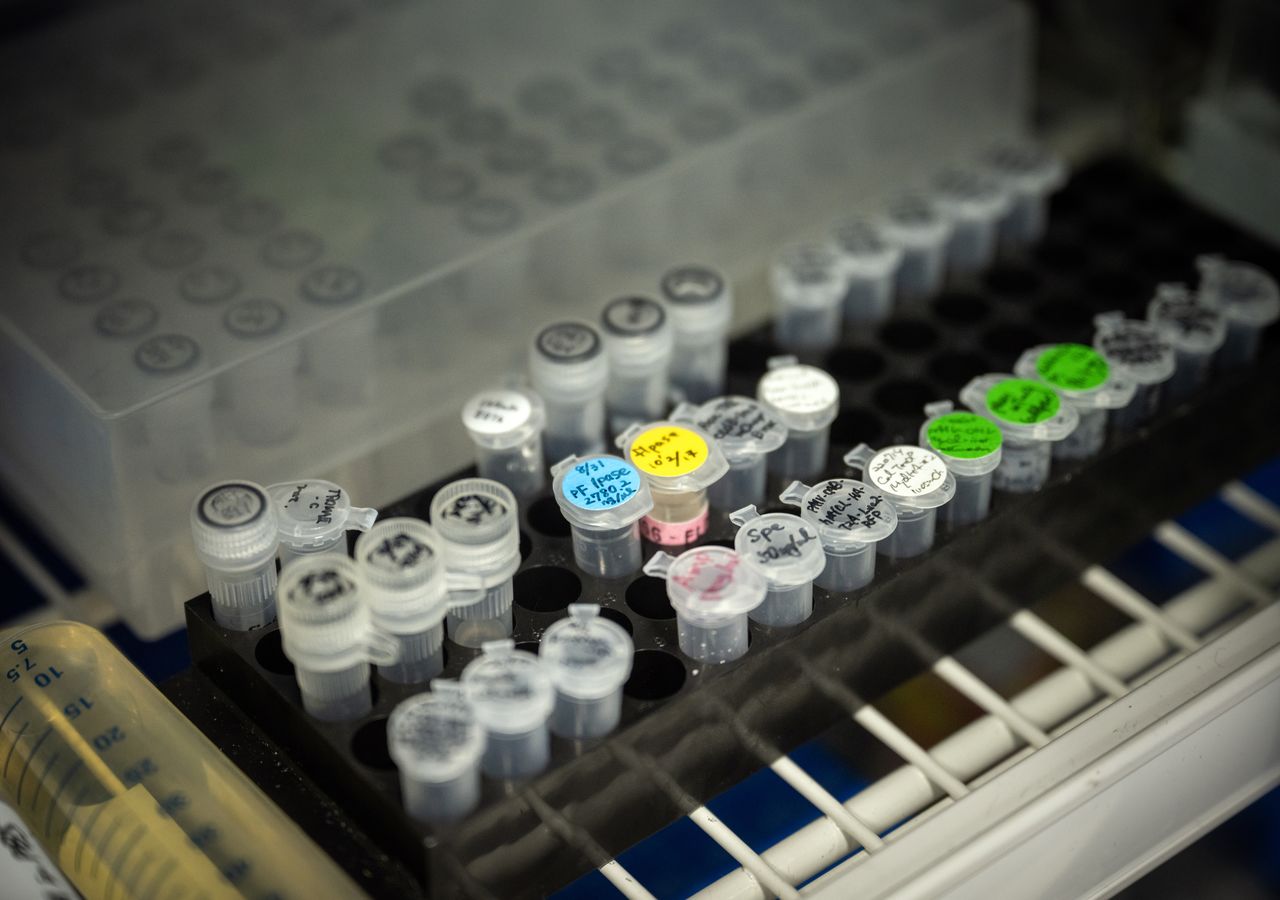
“Our research team found that inducing Yamanaka factors in mice for just one week result in the development of pediatric-like cancer during the reprogramming process,” explains Yamada. “Using a mouse model, we demonstrated that incomplete reprogramming can cause cancer, revealing that changes in the epigenome can have the same effect that DNA damage can.”
Both Yamada’s group’s study and the previously mentioned anti-aging study used incomplete or partial reprogramming, rather than full reprogramming of cells. However, the difference in just a few days in duration produced two very different outcomes—cancer in one case and lifespan extension in another.
(© Yokozeki Kazuhiro)
Bringing a Dream Technology into Society
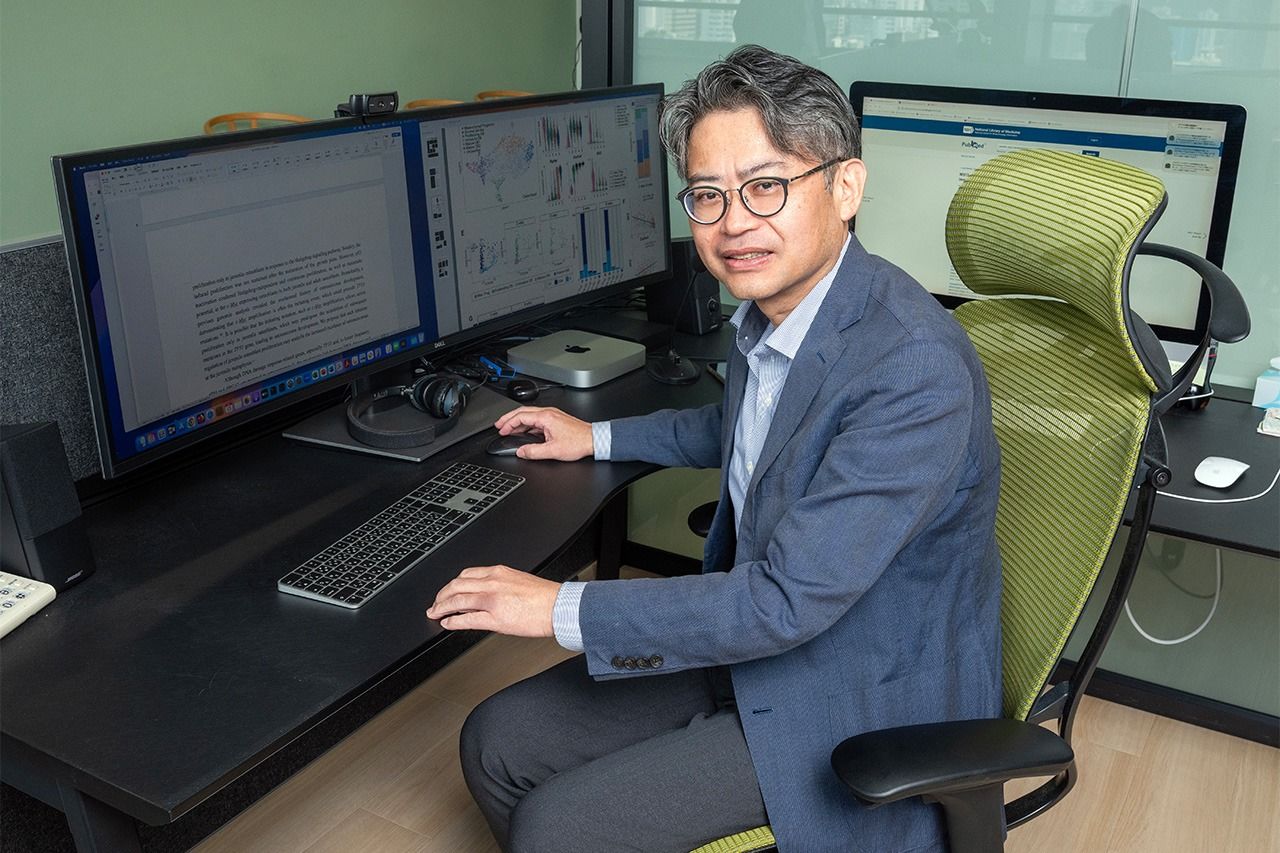
Yamada is fascinated that this difference arises, but as he notes, “The mechanism behind it remains unknown. Even if iPS cell technology could truly extend life, I think that there would have to be extensive ethical discussions before it could be implemented in society.”
(© Yokozeki Kazuhiro)
Yamada continues: “We should be careful not to have excessive expectations, but if we continue advancing fundamental research, it may one day be possible to ‘change the destiny’ of cancer cells for treatment or to develop technology that can extend healthy lifespan. However, it would be pointless if the medicine that is developed is so expensive that only some wealthy countries or individuals could afford it. As a researcher, I believe it’s important to ensure that iPS cell technology becomes something society as a whole can benefit from sustainably. In other words, I feel a responsibility to help make that possible.”
Rejuvenation through iPS cells offers us hope for an attractive future. However, as Professor Yamada has said, achieving this will first require progress in research aimed at uncovering the still-mysterious phenomenon of aging itself.
(Originally published in Japanese. Reporting and text by Ōkoshi Yutaka of Team Pascal, with editing by Power News. Banner photo: Yamada Yasuhiro, a pioneering figure in iPS cell research. © Yokozeki Kazuhiro.)