The Present and Future of iPS Cells
The Power of Connection: Driving Medical Advances from Japan with iPS Organoid Research
Science Health
Takebe Takanori
Leading researcher in regenerative medicine and the study of organoids. Professor of stem cell and organoid medicine at Osaka University’s Graduate School of Medicine, special professor at the Advanced Medical Research Center of Yokohama City University, and professor at the Institute of Science Tokyo’s Institute of Integrated Research. Also conducts basic research at Cincinnati Children’s Hospital Medical Center in the United States. Graduated from Yokohama City University’s School of Medicine and holds a doctorate in medicine. In 2024, he received the Ig Nobel Prize for discovering that mammals can absorb oxygen through their anus.
- English
- 日本語
- 简体字
- 繁體字
- Français
- Español
- العربية
- Русский
Overcoming the Limits of Organ Transplants
When patients face organ failure due to serious illness or accidents, transplants are the most effective way to keep them alive. However, as the Japan Organ Transplant Network reports, there is a severe shortage of available organs. With about 16,000 patients seeking transplants in Japan, only 500 to 600 receive them each year. Waiting periods are long, and many patients pass away in the interim.
Research into iPS cell-derived “organoids” has the potential to fundamentally change this situation. Induced pluripotent stem cells are generated by reprogramming cells from the human body—such as skin or blood—through genetic reprogramming, thus enabling them to transform into many different types of cells. When they are differentiated under appropriate culture conditions, they self-organize to form organoids, small three-dimensional tissues with organlike structures, sometimes called “mini-organs.”
The Building Blocks for 3D Organs
In 2013, Takebe Takanori, who at the time was only in his second year as a researcher after earning his medical degree from Yokohama City University, succeeded in creating a “liver bud” organoid—corresponding to the liver’s early development stage—by combining iPS-derived liver cells with vascular cells as well as mesenchymal cells, which have a connective function.
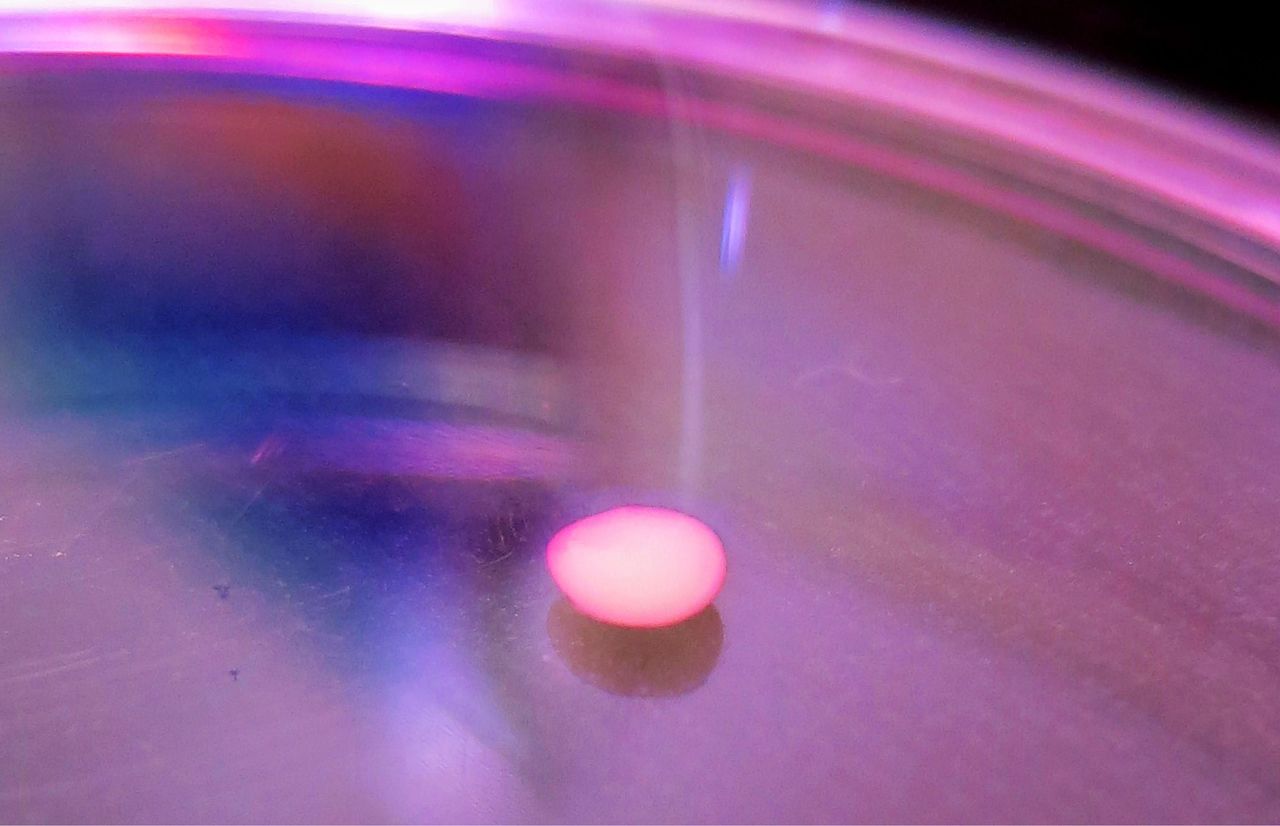
The world’s first liver organoid created from iPS cells. Yokohama City University, July 2013. (© Kyodo)
When mouse-derived liver buds measuring only about 4 millimeters were transplanted into mice with liver failure, they grew autonomously, developing vascular networks and partial liver functions. The survival rate of the subjects significantly improved as a result. This achievement demonstrated that tissue created from iPS cells can function inside the body, and it drew global attention when published in the British scientific journal Nature.
“There are two important points regarding this achievement,” explains Takebe. “The first is that we were able to highlight the importance of complexity in organ regeneration—that it’s not just about a single type of cell, but involves multiple kinds. The second point is that the liver bud we created corresponded to the very earliest stage of the liver formed in the embryo, and a major takeaway is its demonstration of the concept that transplanting such immature tissue into the body has therapeutic potential.”
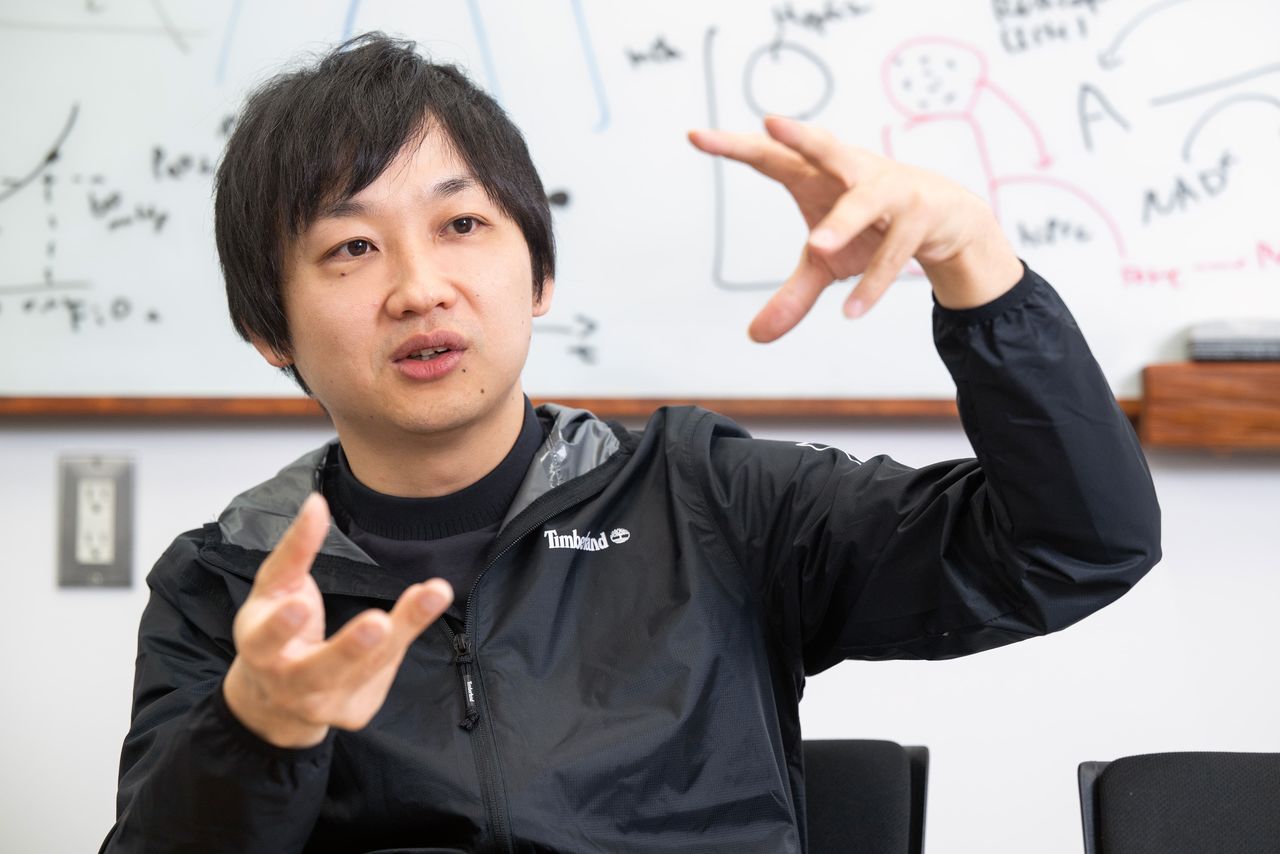
Takebe Takanori in his workspace. (© Yokozeki Kazuhiro)
Spurred On by the Limits of Transplantation
Takebe’s choice to pursue medicine traces back to when he was in the third grade. His father suffered a cerebral hemorrhage, and was in critical condition for a time. Although still a child, Takebe was forced to confront the reality of death, experiencing repeated waves of deep anxiety. His father’s life was miraculously saved, though, and he even achieved physical rehabilitation afterward. Seeing this, Takebe was inspired to consider a career dedicated to saving lives. For higher education, he chose Yokohama City University. “I was attracted by the tuition discount for Yokohama residents,” he recalls with a laugh.
At first, he aspired to become a liver transplant surgeon. That path was influenced by the experience of seeing the father of a friend from high school undergo a living donor liver transplant, only to tragically pass away a few months later.
As he worked in the field, however, he came face to face with the reality of the severe shortage of donor organs. “Transplants can fundamentally cure diseases, and I found that simplicity very compelling,” he says. “But because the supply of organs is limited, not every patient seeking a transplant can be saved. It felt as though doctors were not treating illness so much as deciding who would survive, and that was painful to see.”
He then turned to research in regenerative medicine aimed at actual generation of organs. At the time, regenerative medicine research relied primarily on embryonic stem cells, but their use was not approved at Yokohama City University due to ethical concerns about the collection of such cells from early-stage embryos. Then came the breakthrough. “iPS cells appeared on the scene and became accessible to even beginners like me,” says Takebe. “It’s still unclear what the best treatment to replace transplants will be, but I believe regenerative medicine using organs created from these cells is one of the paths forward.”
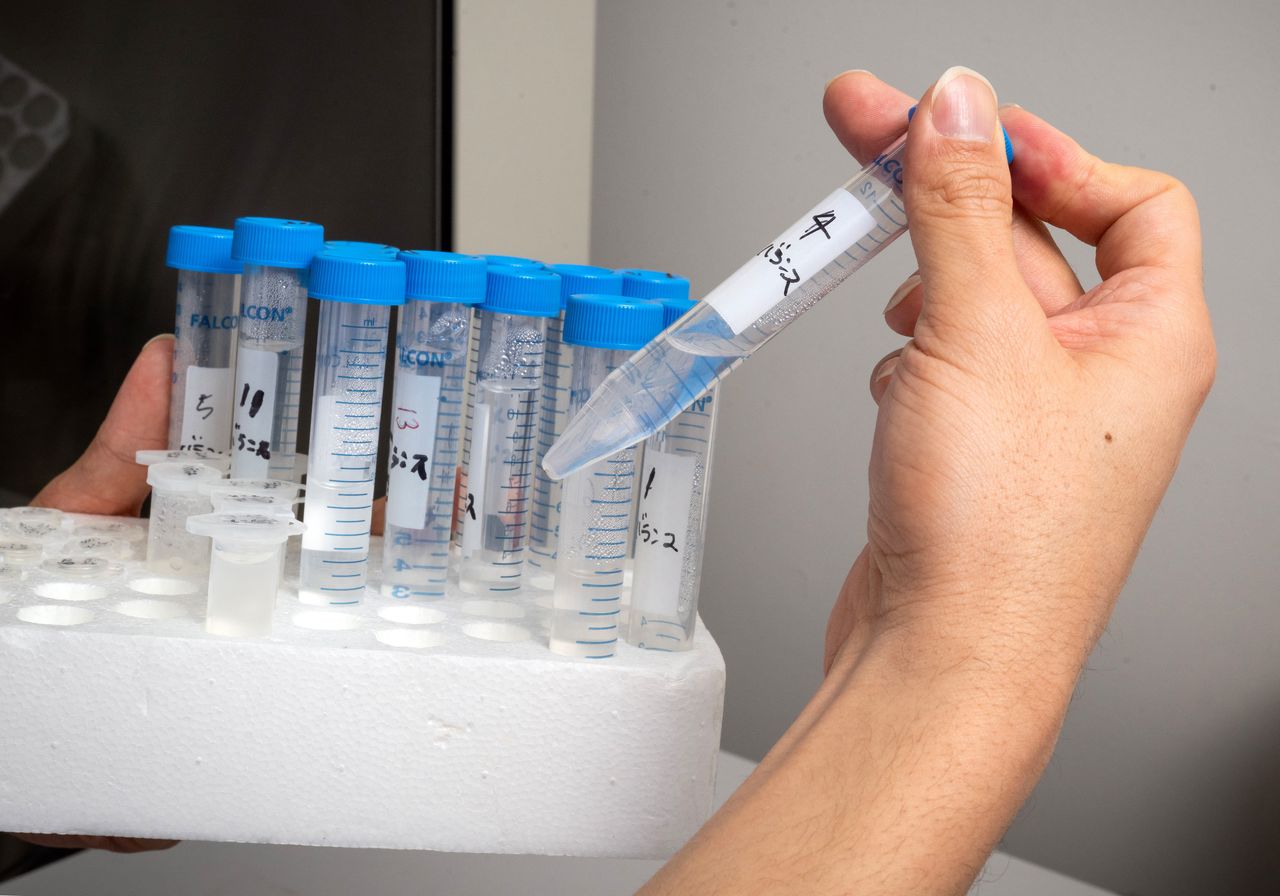
Examining samples in Takebe’s lab. (© Yokozeki Kazuhiro)
Organs Live by “Connections”
Takebe’s research evolved toward understanding organs not as isolated tissues, but as part of an interconnected system linking other organs throughout the body.
In 2019, Takebe and his team succeeded in creating a miniature multi-organoid system in which the liver, bile duct, and pancreas are continuously formed using human iPS cells. In the body, the liver develops and functions within a connected structure linked through the bile duct to organs such as the pancreas. The team succeeded in reproducing the environment in which these organs form.
Then, in 2025, they succeeded in making a liver organoid with a structure closely resembling that of an actual human liver. Within the liver, different cells perform different roles—some break down nutrients, others produce them, and so on. This project set out to reproduce this diversity of cell types and their spatial arrangement, bringing the technology closer to practical treatment applications.
“In many life science approaches, researchers try to clarify causal relationships by breaking systems down into individual components and simplifying them. For example, when studying the liver, they may isolate only liver cells and examine those. My approach is the opposite. I combine cells and tissues to create more complex conditions. The liver is not made from stem cells alone, nor does it exist independently in the body. It functions within a connected system linked to the bile duct, pancreas, and intestine. I believe it’s important to incorporate this ‘connectedness’ into the overall picture.”
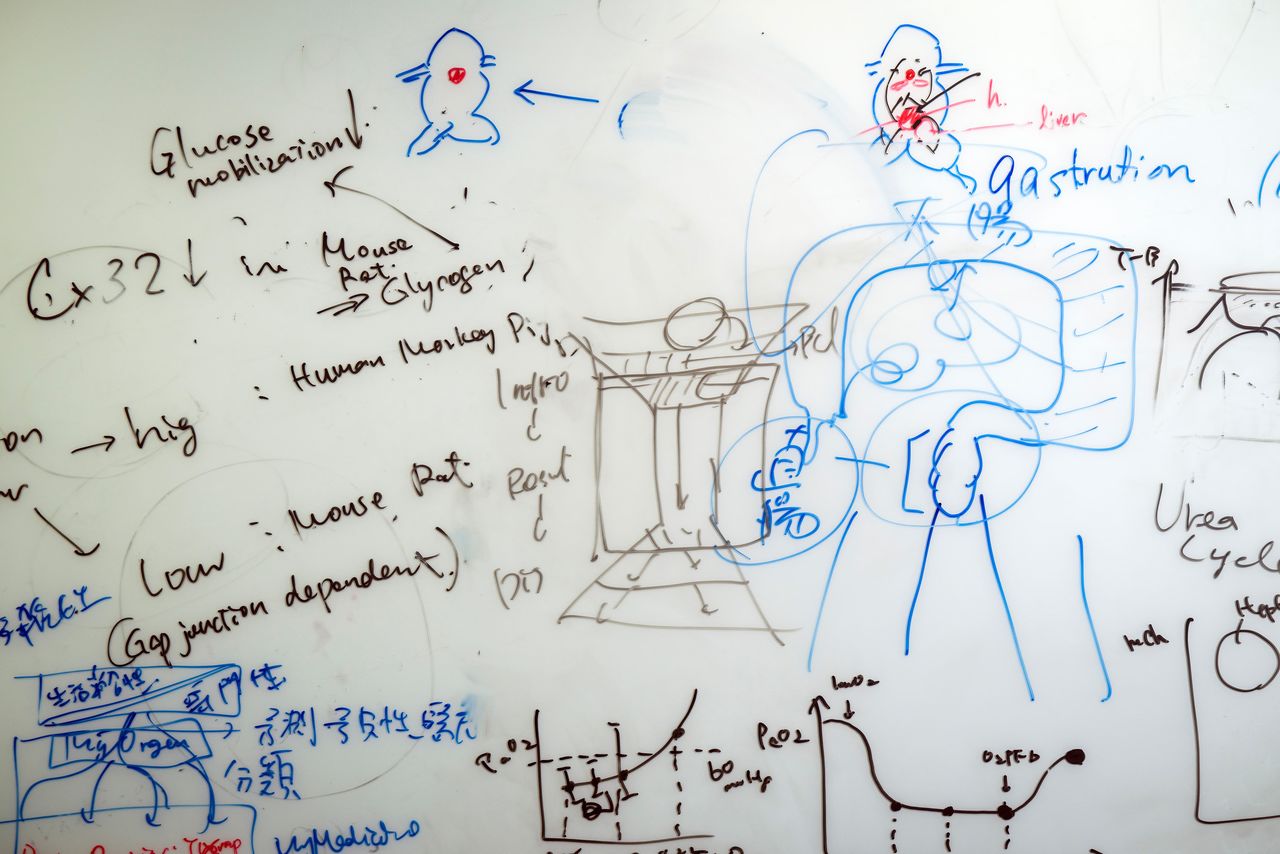
Takebe’s notes show a mind always looking for new solutions. (© Yokozeki Kazuhiro)
Using Organoids for Treatment
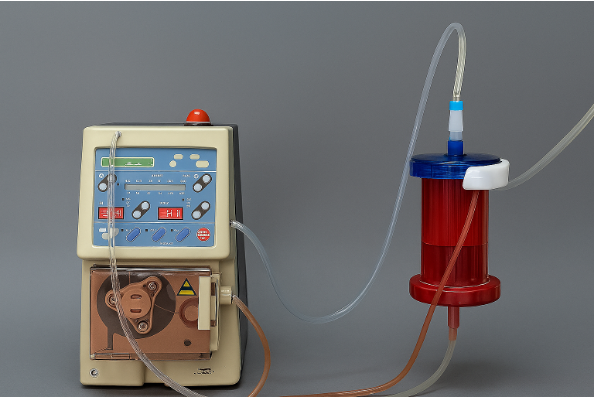
An extracorporeal circulation device. (Courtesy Institute of Science Tokyo.)
The research is now moving toward practical application. One example is the development of an extracorporeal circulation device using liver organoids. Similar in concept to dialysis, the device externally circulates the blood of patients with rapidly declining liver function, allowing organoids to take over part of the liver’s role and temporarily support the damaged organ.
The device is filled with spherical capsules, each containing about 1,000 tiny iPS-derived liver organoids. Hundreds of these capsules are packed into a cartridge through which blood is passed, thereby replacing some liver functions, such as detoxification and metabolism.
In experiments with rats, improved survival rates have been confirmed. The technology is expected to help patients with acute liver failure survive the critical period until their own liver function recovers. Clinical trials could begin as early as the second half of 2027.
“The liver governs hundreds of metabolic processes, and we still need to determine how many of those functions the extracorporeal circulation device can cover,” says Takebe. “But we already know of two important effects. In addition to being able to temporarily supplement liver function, we are learning that the substances secreted by young liver tissue can act on the diseased liver and promote recovery and regeneration.”
Research Harnessing the Vitality of Life
By combining liver cells with vascular and mesenchymal cells and creating connections between the liver, bile duct, and pancreas, Takebe has taken an entirely novel approach. What’s the secret behind its success?
“My work is based on trusting the vitality inherent to biological life itself,” he says. “Think about how a fertilized egg starts from a single cell and then develops into a fully formed human in just ten months. If the environment is right, the cells will develop on their own.”
This philosophy is directly reflected in his research. “When observing cells, you sometimes notice unexpected changes or signs,” he explains. “These are often ignored if perceived to be unrelated to the research’s purpose, but I believe they have meaning. I think about how to guide those signs and create the right conditions to draw out the innate vitality that life possesses.”
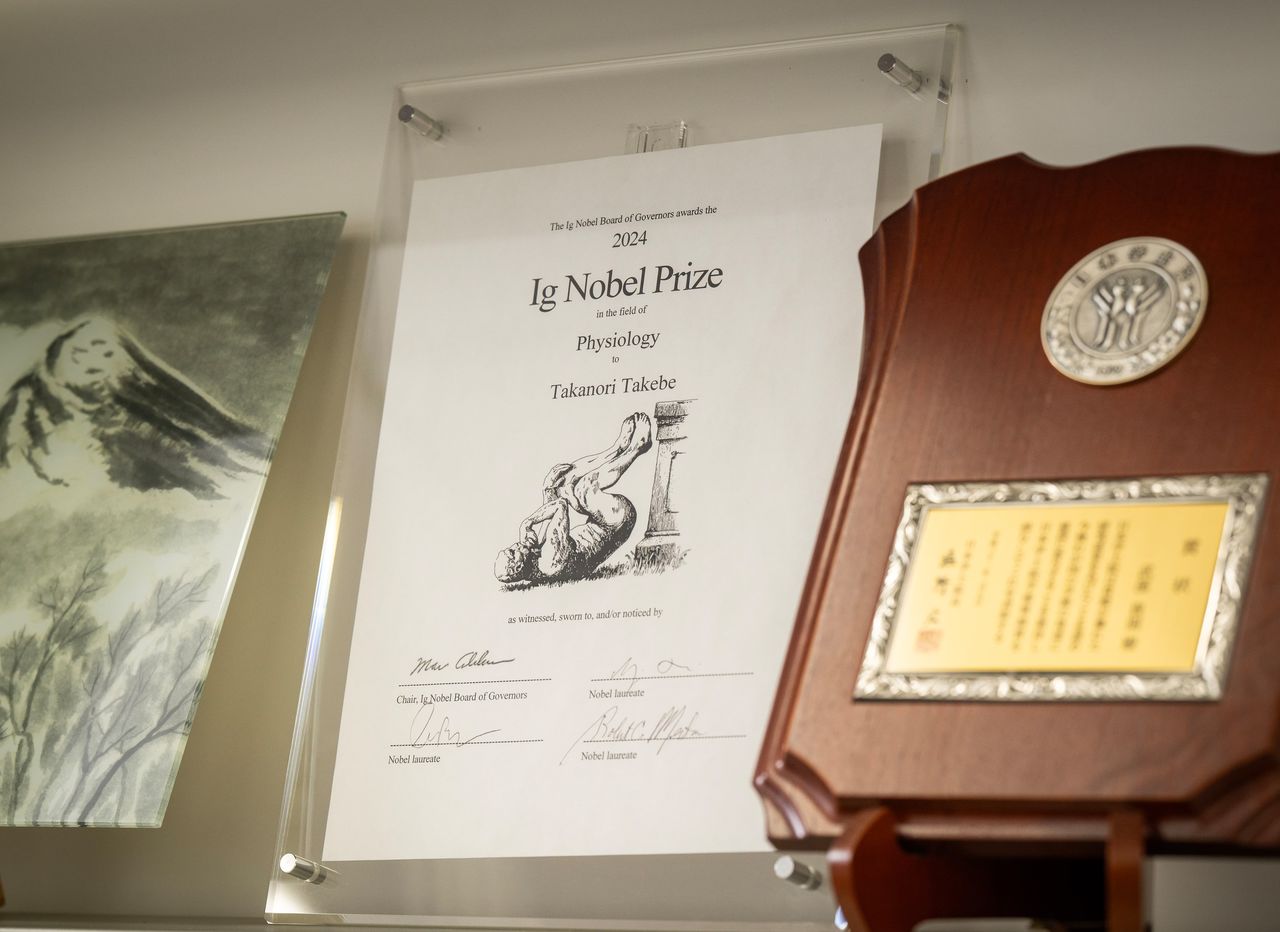
Decorating Takebe’s wall is his 2024 Ig Nobel Prize. (© Yokozeki Kazuhiro)
At present, applications of Takebe’s organoids are thought to be limited to temporary treatments for acute diseases, partly because it is not yet possible to reproduce the pathway by which bile flows from the bile duct into the duodenum. However, if the entire connected system could be reproduced—from the liver to the bile duct, the pancreas, and ultimately the duodenum, where bile exits—it may open the way to treating chronic diseases.
“Connection doesn’t just mean that individual organs are physically linked to each other. Within the body, various organs influence each other through the blood and other systems. The challenge is how to reproduce these interactions within the whole system. If we can announce the next major breakthrough, it will be in this area, so stay tuned.”
Regenerative medicine using iPS cell-derived organoids is widening its vision beyond simply creating organs; the next frontier is reproducing the complex connections between them. It looks like the field is approaching its next phase.
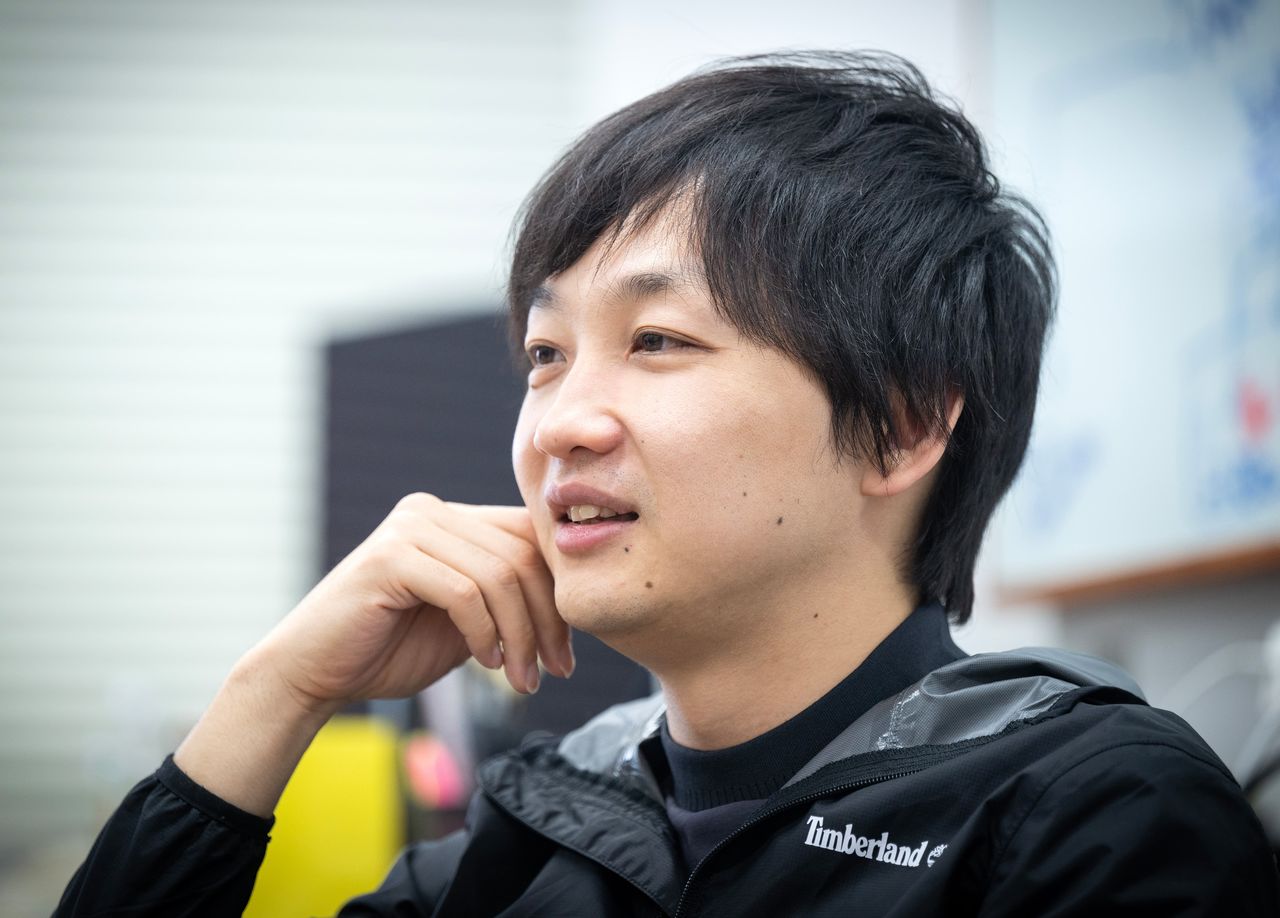
(© Yokozeki Kazuhiro)
(Originally published in Japanese on April 27, 2026. Reporting and text by Sugihara Yuka of Team Pascal, with editing by Power News. Banner photo © Yokozeki Kazuhiro.)