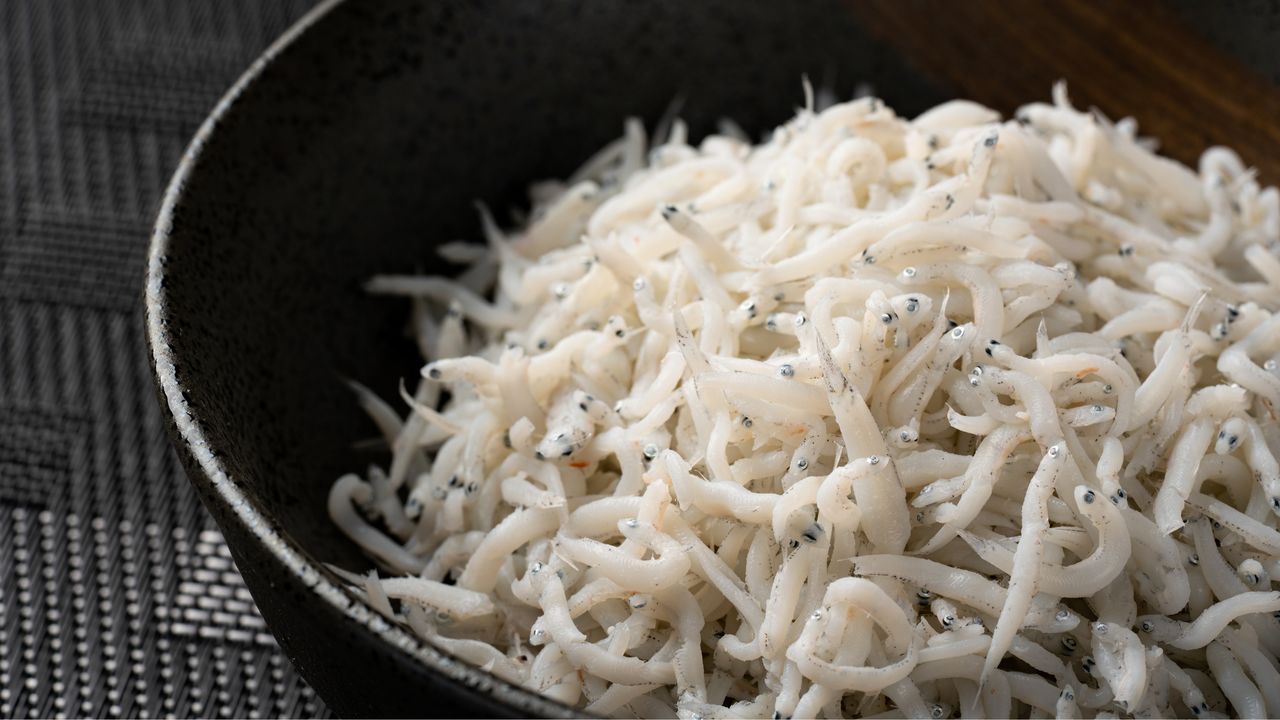
Building Blocks: The Basic Ingredients Behind Japan’s Flavors
Shirasu: Tiny Fish with Big Flavor and Nutrition
Food and Drink Culture Lifestyle- English
- 日本語
- 简体字
- 繁體字
- Français
- Español
- العربية
- Русский
Shirasu are mainly the one- to two-month-old whitebait of fish including katakuchi iwashi (Japanese anchovy) and ma-iwashi (Japanese pilchard). They have no pigment in their bodies, turning white (shiroi) when boiled, providing a part of their common name, shirasu. They have been caught using beach seines since the Edo period (1603–1868), with Sagami Bay (Kanagawa Prefecture), Suruga Bay (Shizuoka Prefecture), and the Seto Inland Sea among the most productive fishing grounds.

A shirasu fishing boat in Sagami Bay. (Courtesy Zushi municipal government)
Raw shirasu lose their freshness very quickly, so the majority are processed straight after landing. Fresh shirasu that have been briefly blanched in a kama (large pot) are called kama-age shirasu. With a moisture content of around 80%, they are plump and juicy.
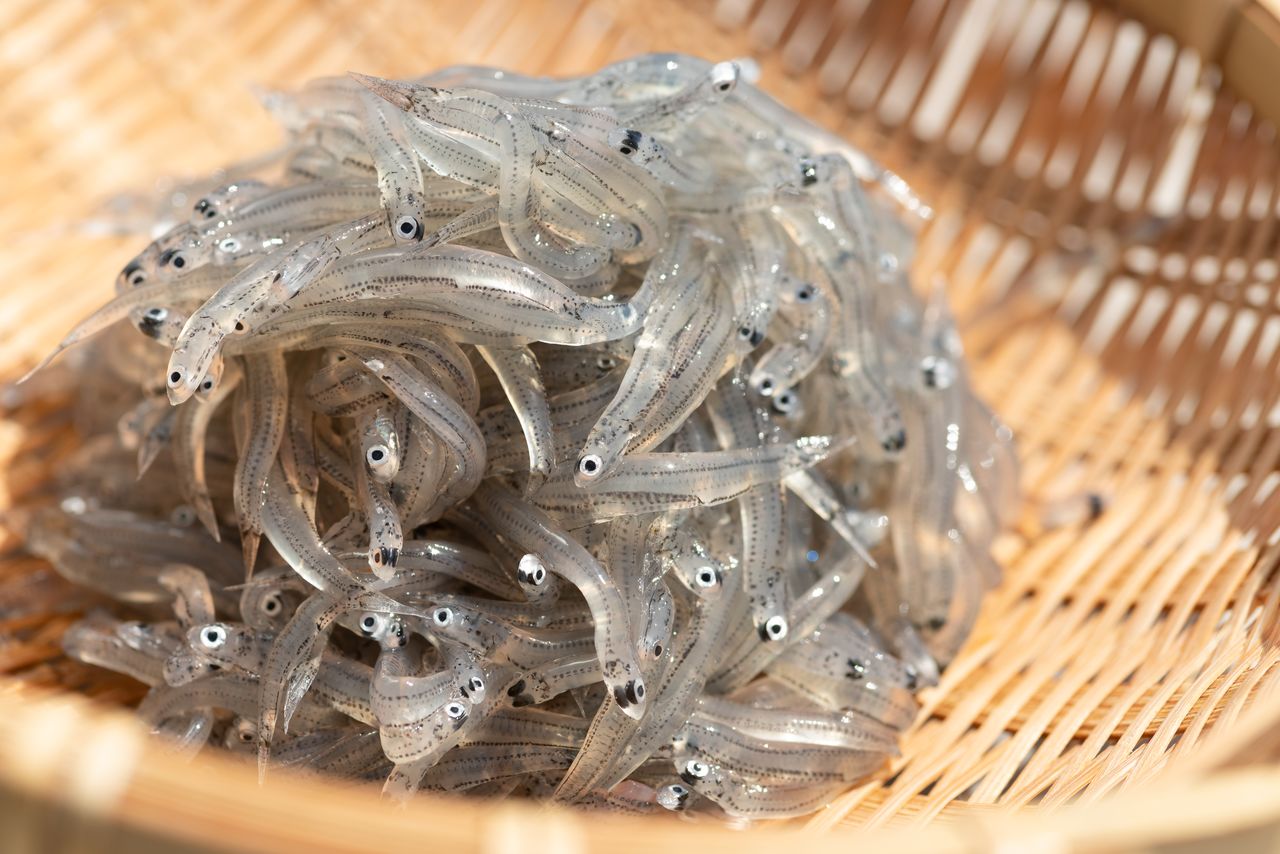
Fresh, raw shirasu. (Courtesy Shizuoka Prefectural Tourism Association)
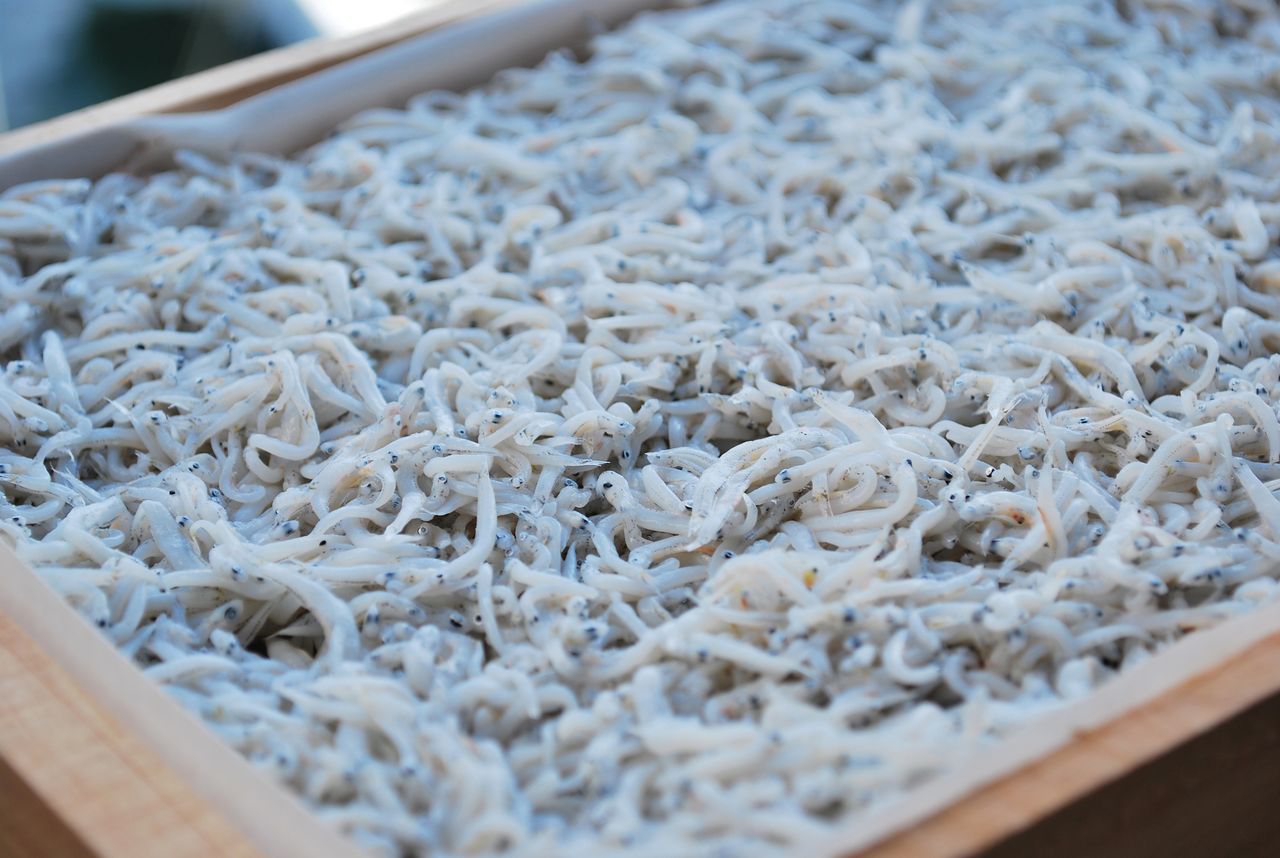
Kama-age shirasu. (Courtesy Shizuoka Prefectural Tourism Association)
Kama-age shirasu that have either been dried in the sun or by machine until the moisture content is reduced to around 60% to 70% are known as shirasuboshi. When further dried to 30% to 50%, they become chirimenjako. This naming comes from jako, a phrase for small fish, and chirimen, a type of finely crinkled crepe silk, as the shirasu when dried flat resembles that fabric. You may often hear them being called just chirimen or jako. The less moisture content the shirasu have, the easier they are to preserve and distribute, so shirasuboshi and chirimenjako are relatively more popular with the general public.
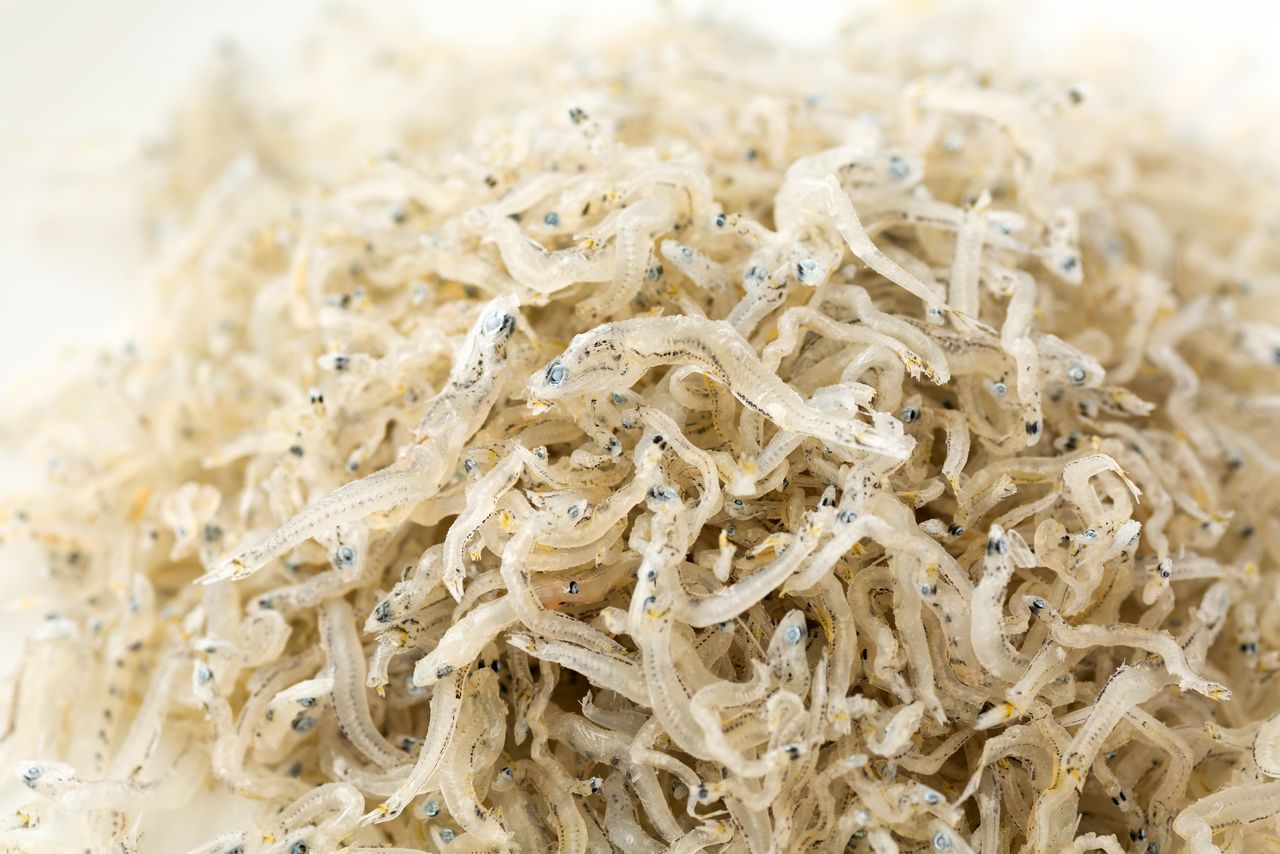
Chirimenjako. (© Pixta)
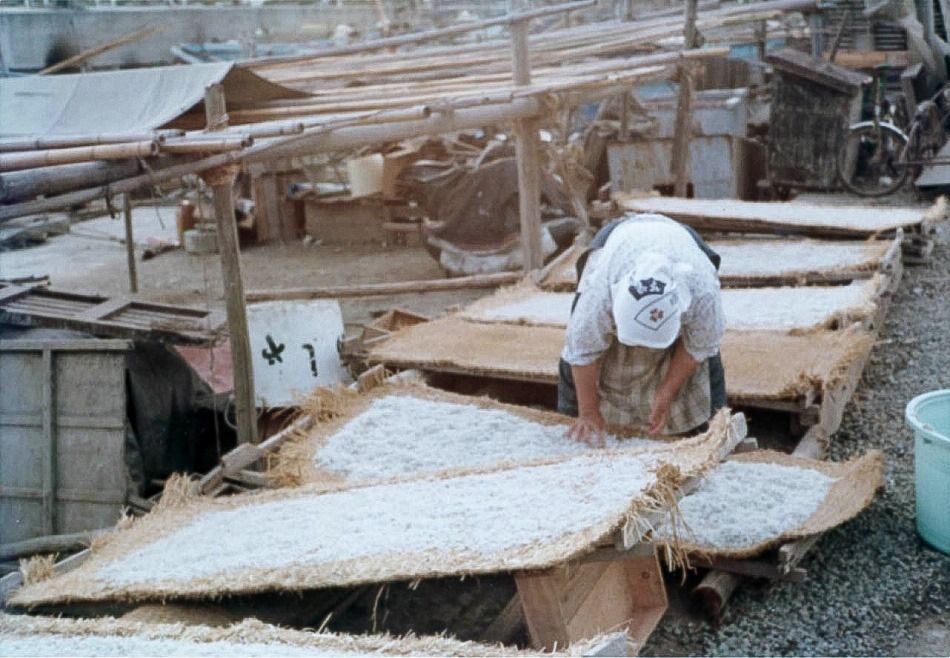
A shoreline scene from the 1960s, with blanched shirasu spread out along the beach. (Courtesy Zushi municipal government)
As it is not possible to farm shirasu, they are all caught wild. In order to conserve resources, many areas prohibit fishing for several months over winter. The shirasu caught in spring are small, plump, and light, while in autumn, when the sea temperatures drop, they are deliciously fatty.
Read on to learn about some traditional Japanese dishes making use of these flavorful, tiny fish.
Shirasudon
This rice bowl has a generous topping of shirasu, garnished with grated ginger and chopped spring onions. Freshness is key for raw shirasu, making this a dish best enjoyed close to the fishing grounds. When this dish is made at home, it is usually with kama-age shirasu or shirasuboshi.
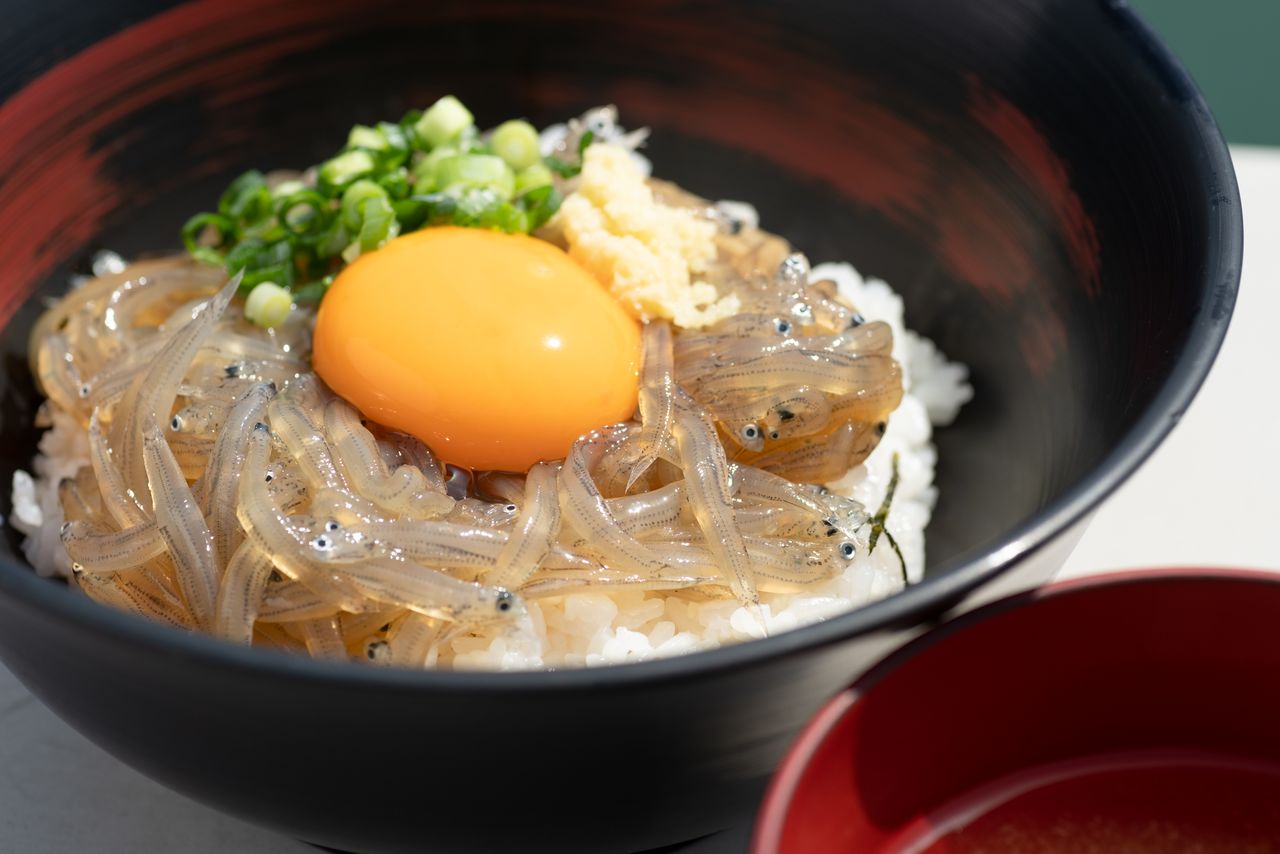
A serving of shirasudon. (Courtesy Shizuoka Prefectural Tourism Association)
Shirasu Oroshi
This is a simple dish of daikon oroshi (grated daikon) topped with shirasu and completed with a drizzle of soy sauce. It is a light, refreshing palate cleanser.
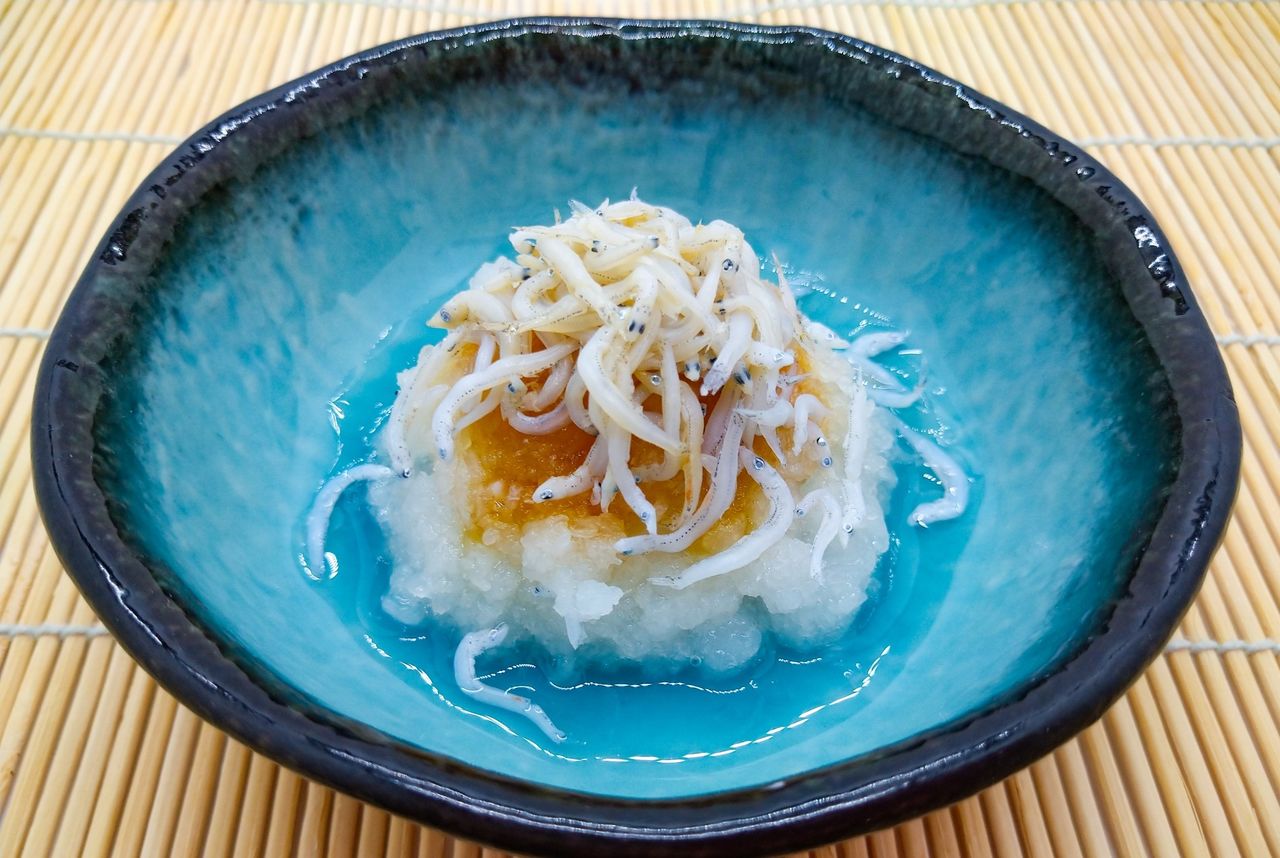
(© PhotoAC)
Jako to Pīman no Itame
The loose, fluffy chirimenjako are a great addition to stir-fries. This classic dish, familiarly known as jakopī, combines chirimenjako with pīman green bell peppers. Other greens like komatsuna (Japanese mustard spinach) and nozawana (a Japanese leaf vegetable) are often added.
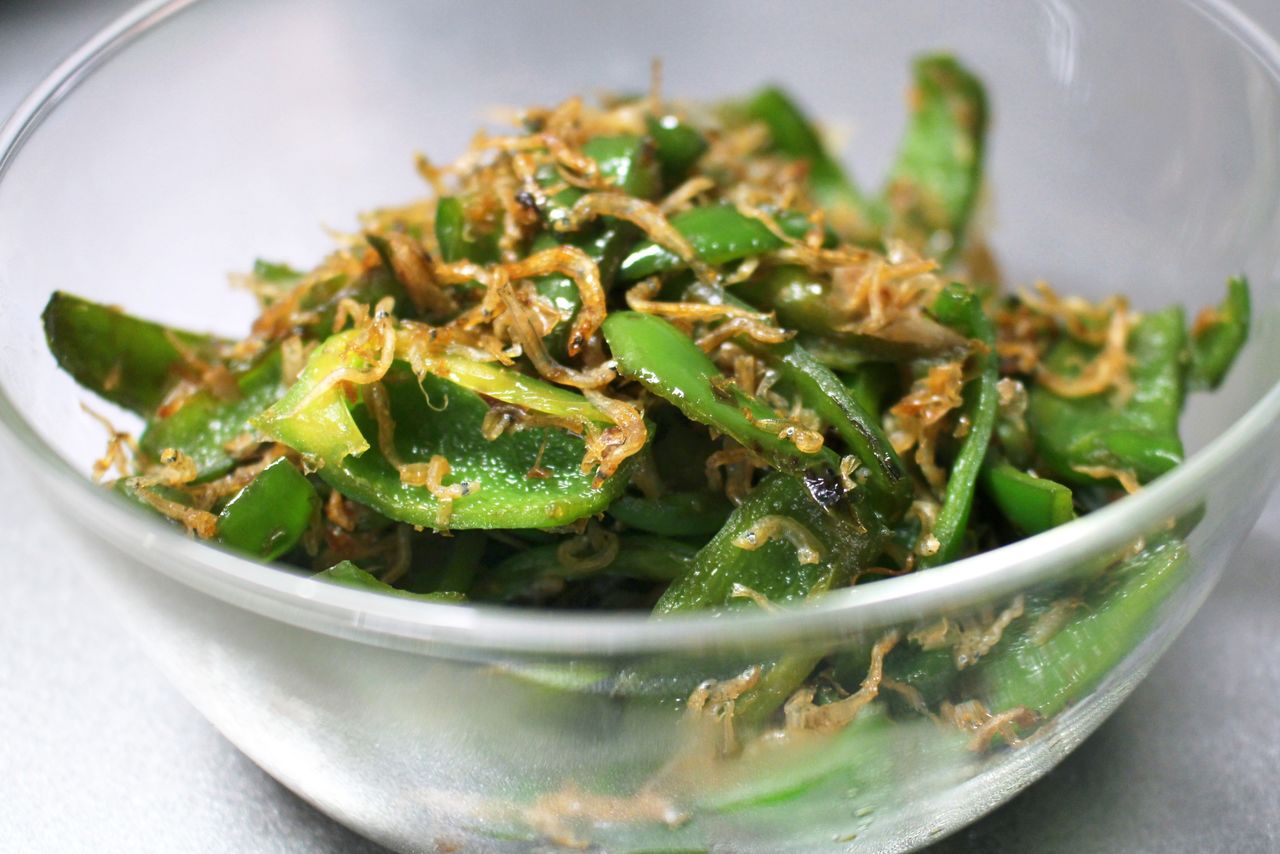
Jako to pīman no itame. (© PhotoAC)
Ume-Shirasu and Ume-Chirimen
Chopped umeboshi and shirasu are the perfect combination to enjoy with rice. It is a standard flavor for furikake rice seasoning and mixed-rice onigiri.
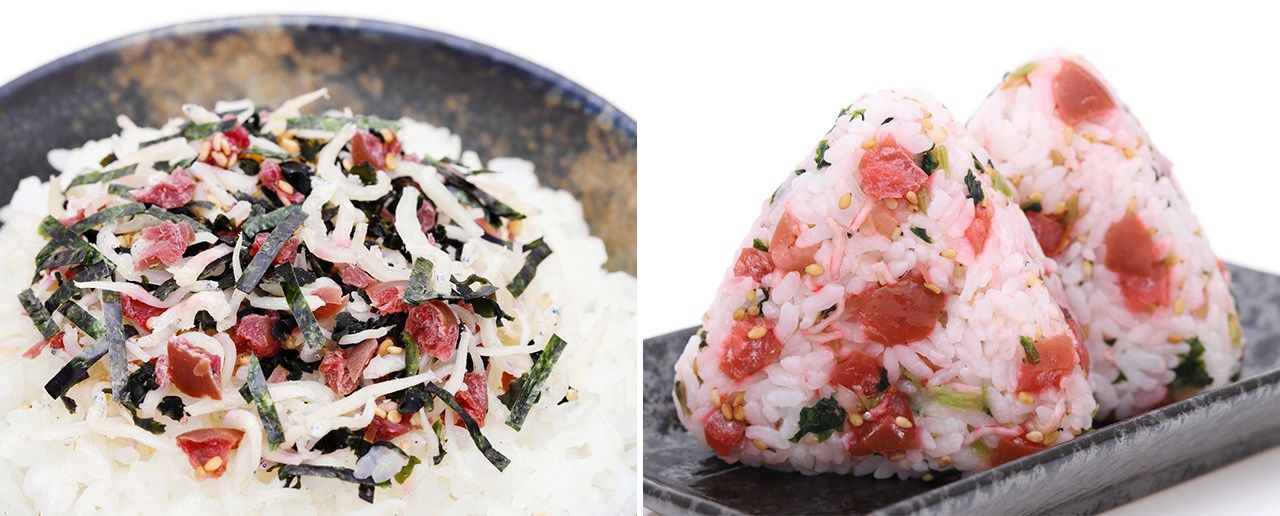
Ume-shirasu on rice (left) and mixed-rice onigiri (right). (© PhotoAC)
Chirimen-Sanshō
Originating in Kyoto, this dish of chirimenjako and sanshō berries, simmered in soy sauce, sake, and sugar to create a salty, sweet taste, is a wonderful accompaniment for rice.
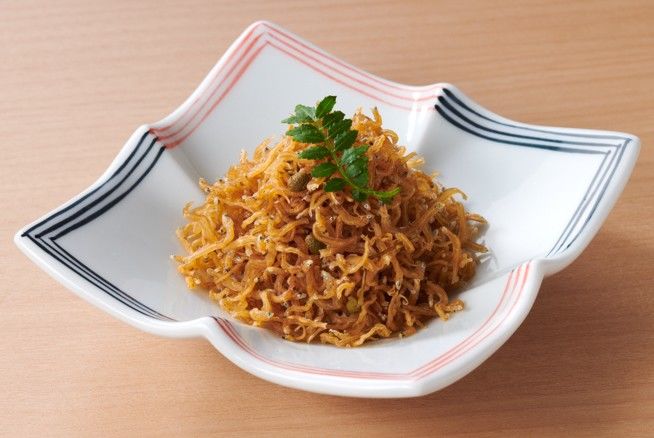
Chirimen-sanshō from Kyoto Prefecture. (Courtesy Ministry of Agriculture, Forestry, and Fisheries)
Tatami-Iwashi
To produce this, raw shirasu are spread out thinly to form sheets and then dried. The sheets are then lightly toasted and enjoyed as an accompaniment to alcohol or as a calcium-rich snack. The name comes from the fact that the shirasu were originally dried on igusa (rush grass) tatami mats.
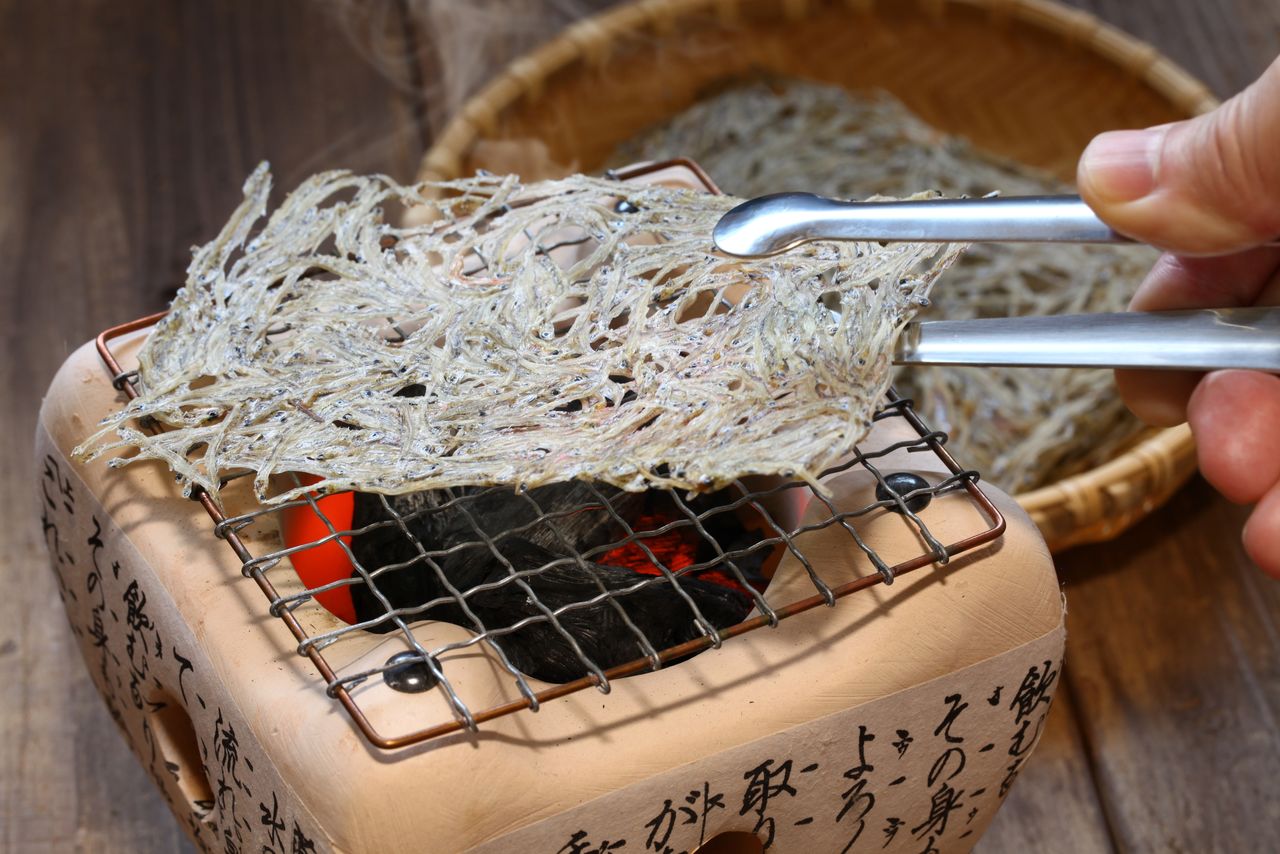
Delicious simply toasted until crisp. (© Adobe Stock)
Shirasu Pizza
You may think using shirasu as a pizza topping is a Japanese take, but in Italy this is a specialty Neapolitan dish known as cicinielli. With shirasu on pasta also popular, whitebait seems to be the perfect pairing for Italian cuisine.
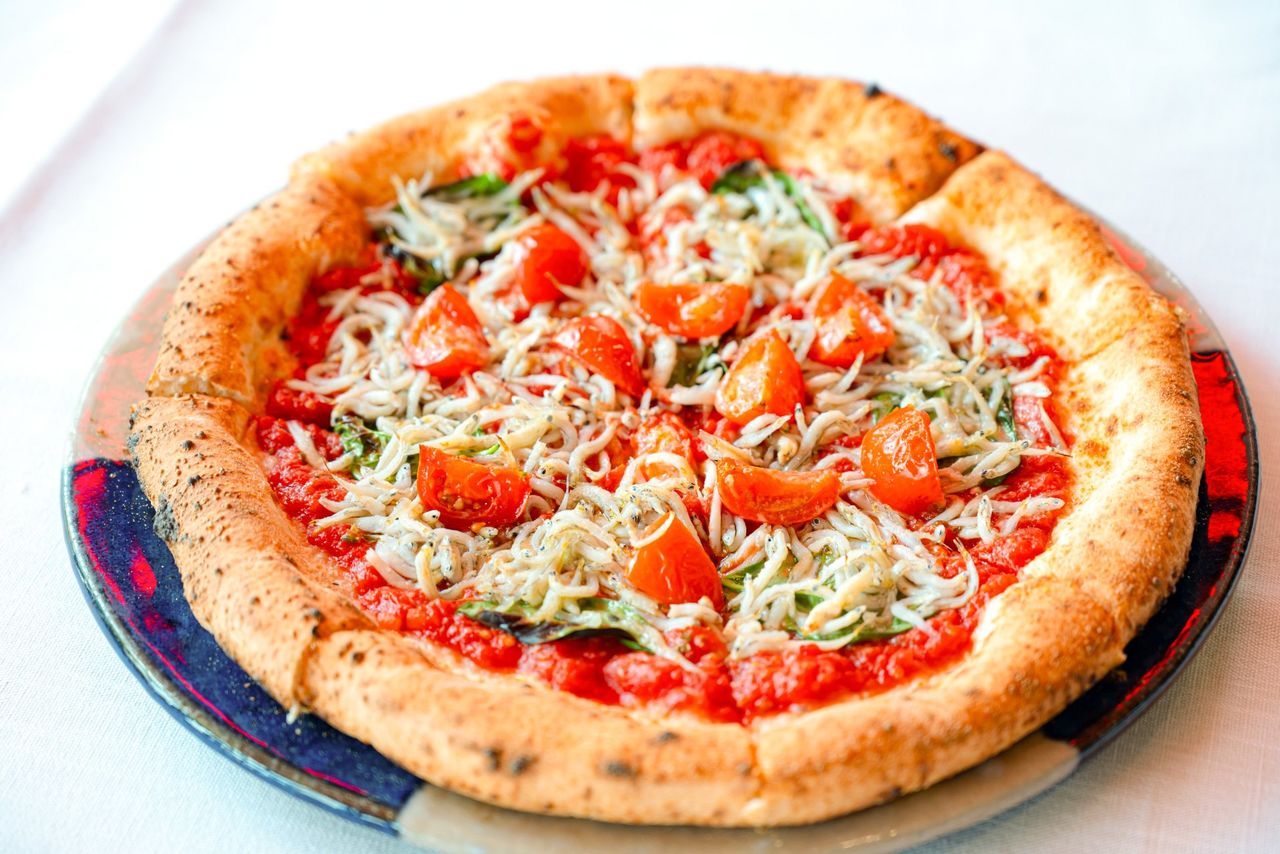
Pizza cicenielli, topped with shirasu. (© PhotoAC)
Data Sources
- Shirasu (Japanese) from the Kanagawa Prefectural Fishermen’s Association.
(Originally published in Japanese. Text by Ecraft. Banner photo: A bowl of shirasuboshi. © Pixta.)