Building Blocks: The Basic Ingredients Behind Japan’s Flavors
A Dash of Soy for Joy: Shōyu Recipes to Thrill the Palate
Food and Drink Culture Lifestyle Guide to Japan- English
- 日本語
- 简体字
- 繁體字
- Français
- Español
- العربية
- Русский
Dip, Drizzle, and Pour
As shōyu, or Japanese soy sauce, is quite strong and salty on its own, it is usually poured into a small dish and used as a dip for sushi, sashimi, and yakinori roasted seaweed. A soy sauce dispenser can also be used to lightly drizzle shōyu over nattō, hiyayakko, daikon oroshi, or tamago kake gohan (rice topped with raw egg).
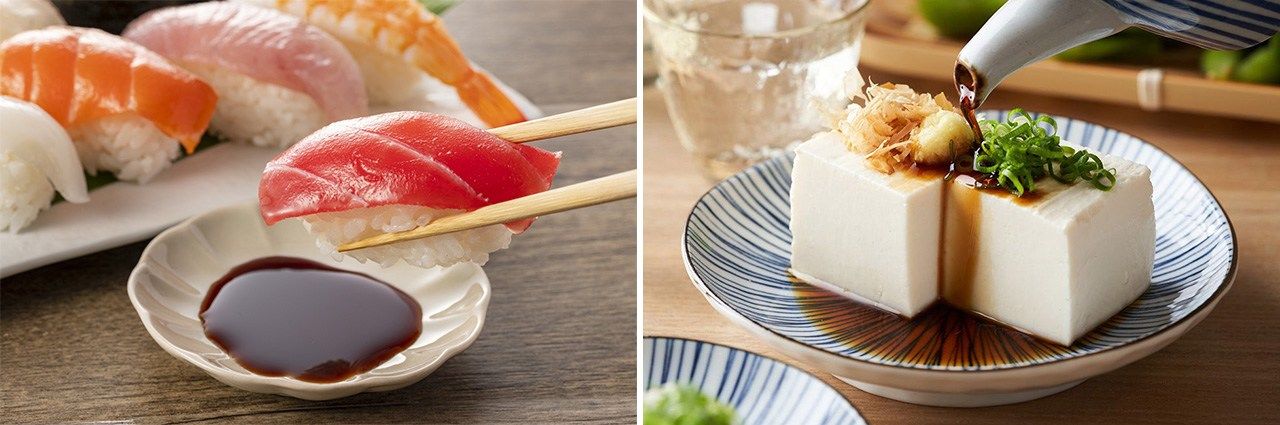
Sushi (© PhotoAC) and hiyayakko chilled tōfu (© Pixta).
Teriyaki
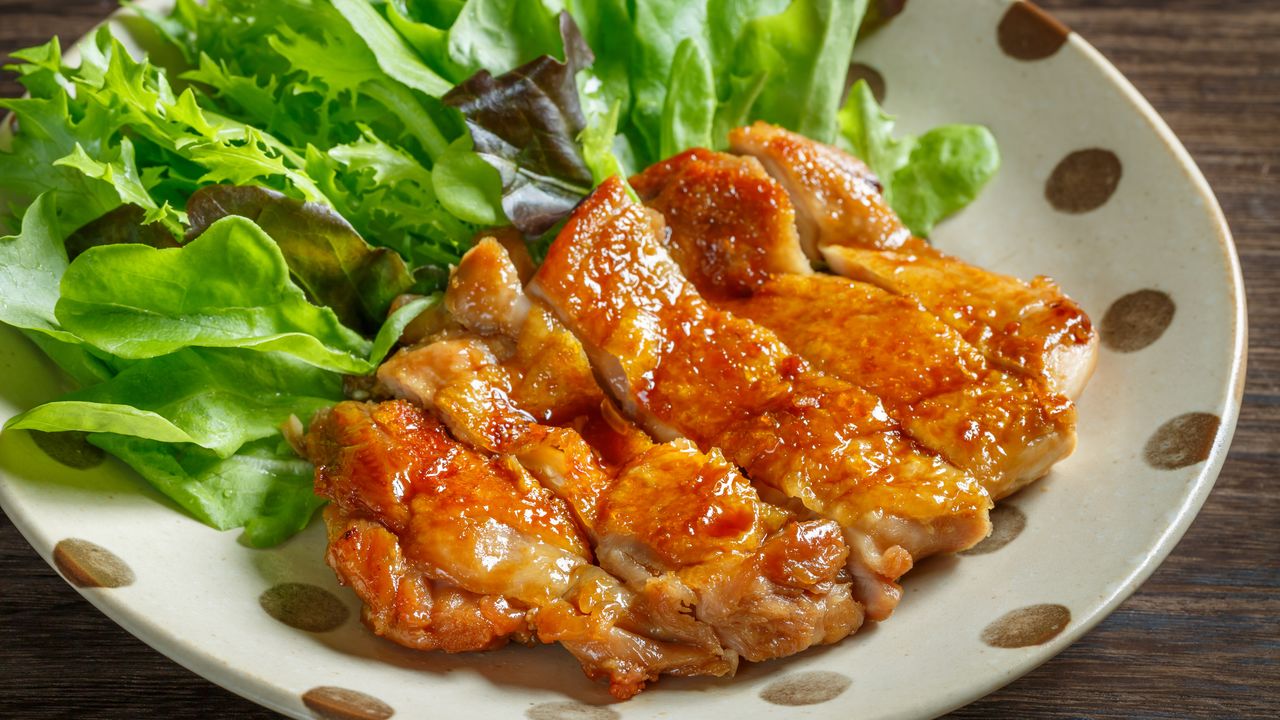
For this dish, various types of food are grilled with a glaze of shōyu, mirin, and sugar. The sugar creates a glossy, thick sauce. Chicken is standard for meat, while buri (yellowtail) is commonly used for fish teriyaki.
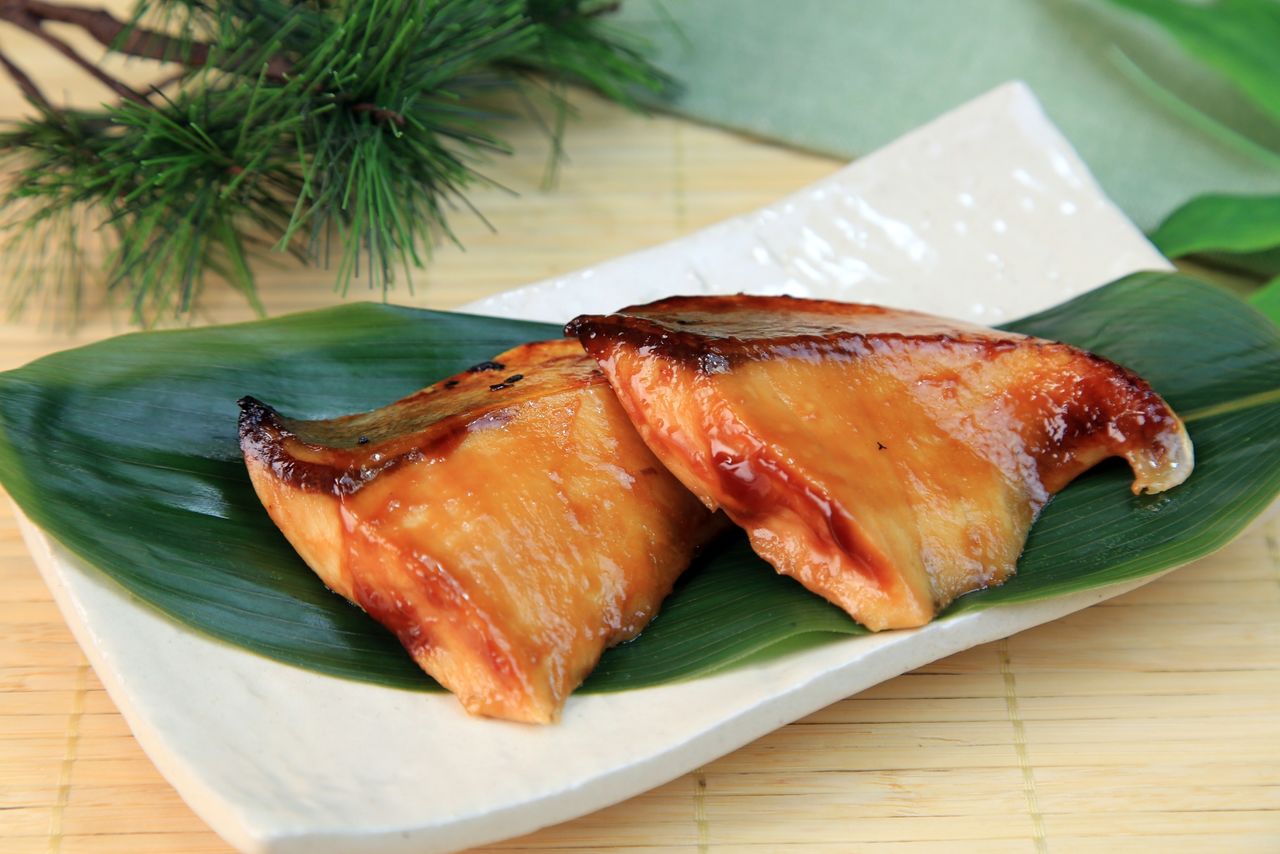
Buri teriyaki (© PhotoAC)
Yakitori
This dish has become popular overseas in recent years, but it has long been a favorite on the menu at Japanese izakaya. Chicken skewers are dipped in a shōyu-based marinade and grilled over charcoal, creating a dish that smells irresistible and makes a great accompaniment to alcohol.
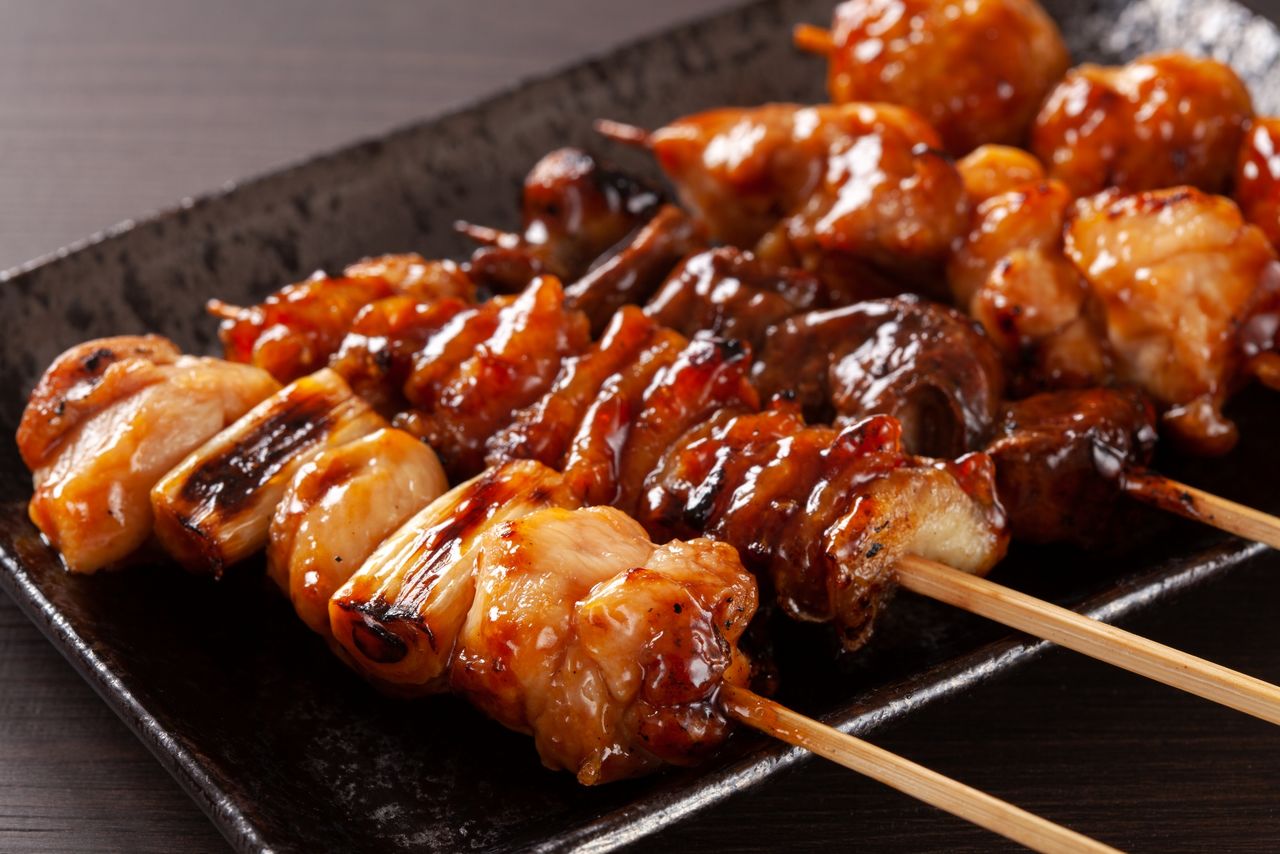
(© PhotoAC)
Sukiyaki Broth
What makes this hotpot dish of sukiyaki taste so delicious is its rich, savory flavor. Shōyu is an essential ingredient in this broth, and is often added to the broth of other hotpot dishes, too.
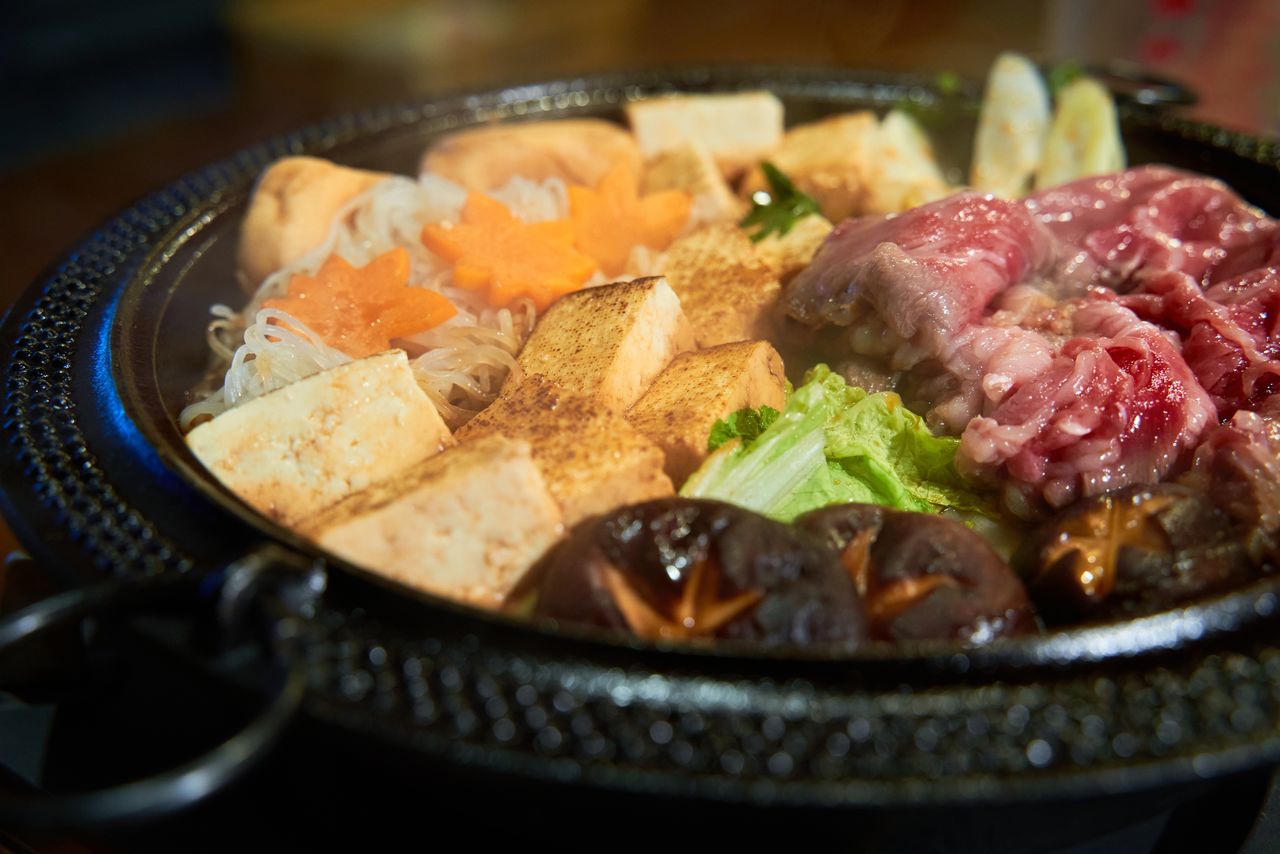
(© Pixta)
Tentsuyu
Sometimes sprinkled with matcha salt, tempura is more usually eaten dipped in a tentsuyu sauce, made by simmering shōyu and mirin together with dashi stock.
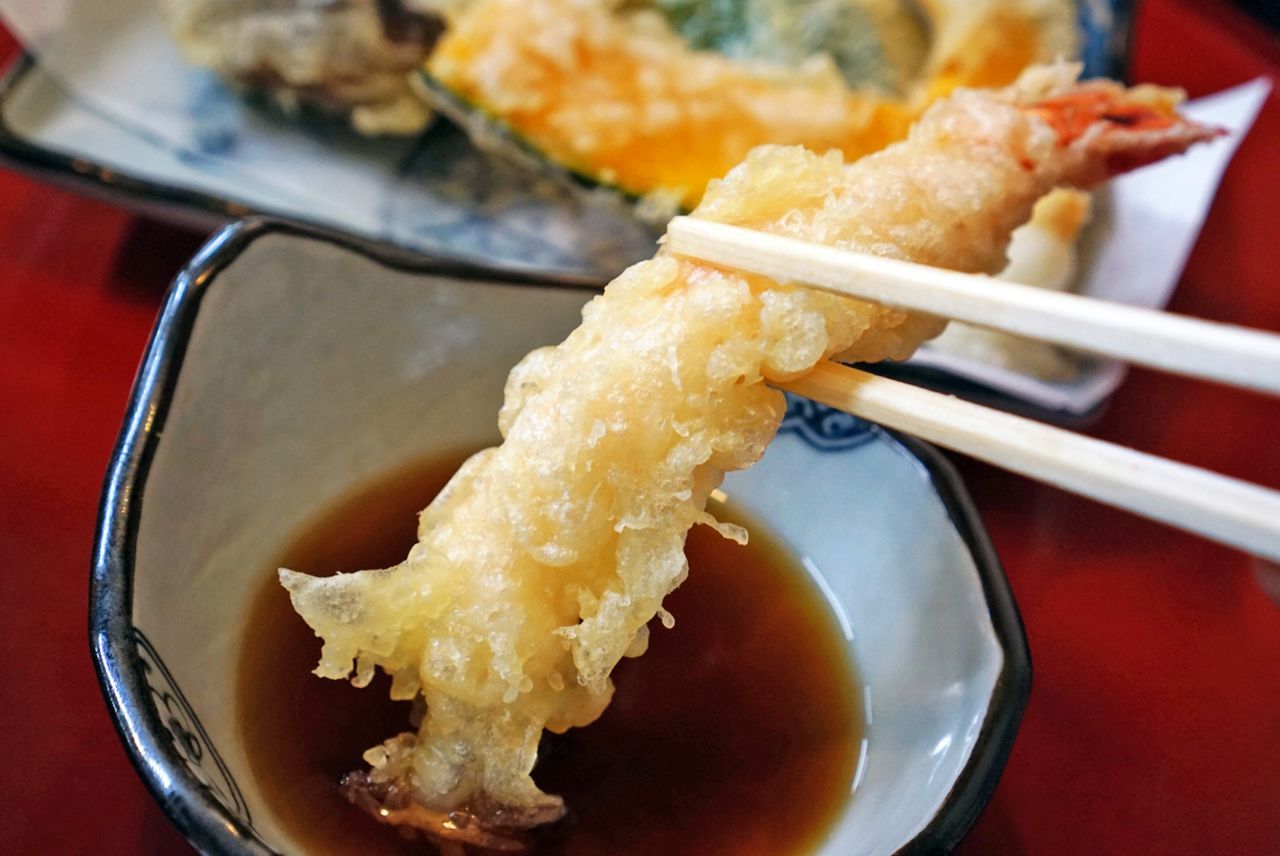
(© PhotoAC)
Ramen
This is now a recognized Japanese dish all over the world. Among the many soup variations are shōyu (soy sauce), shio (salt), miso, and tonkotsu (pork bone). Which kind of ramen is your favorite?
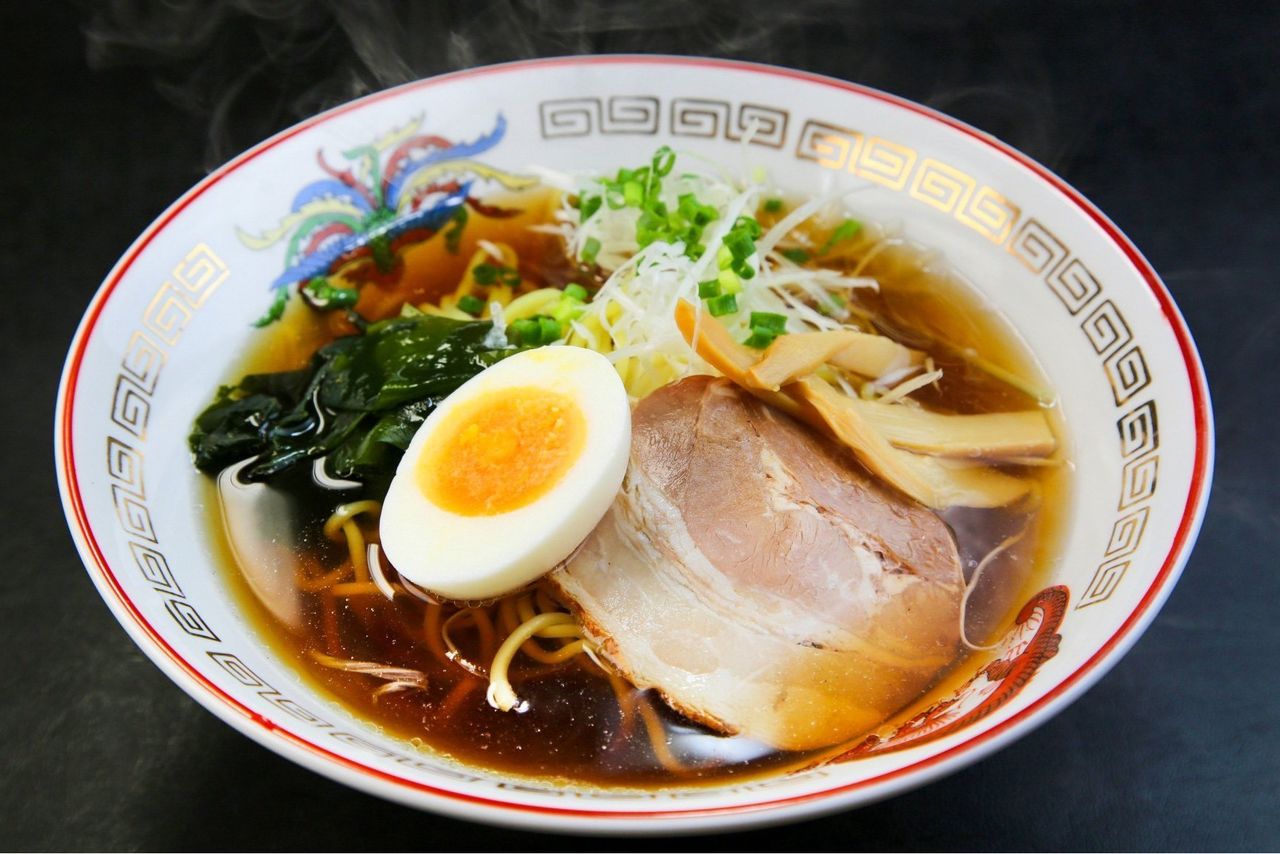
(© PhotoAC)
Soba and Udon Mentsuyu
Soba and udon would not be complete without mentsuyu, the broth that accompanies these noodle dishes. When served cold, the broth comes alongside a serving of noodles known as mori (literally “piled up”), and when the noodles are served hot together with the broth in a bowl, the name is kake (with the broth “poured over” the noodles). Most people buy ready-made tsuyu, but if you go to specialist soba or udon restaurants, they are likely to make their own, using a broth starter called kaeshi, a sauce of dashi stock, shōyu, mirin, and sugar simmered down to a concentrate and then left to mature for several weeks. It is then diluted with more dashi stock for use.
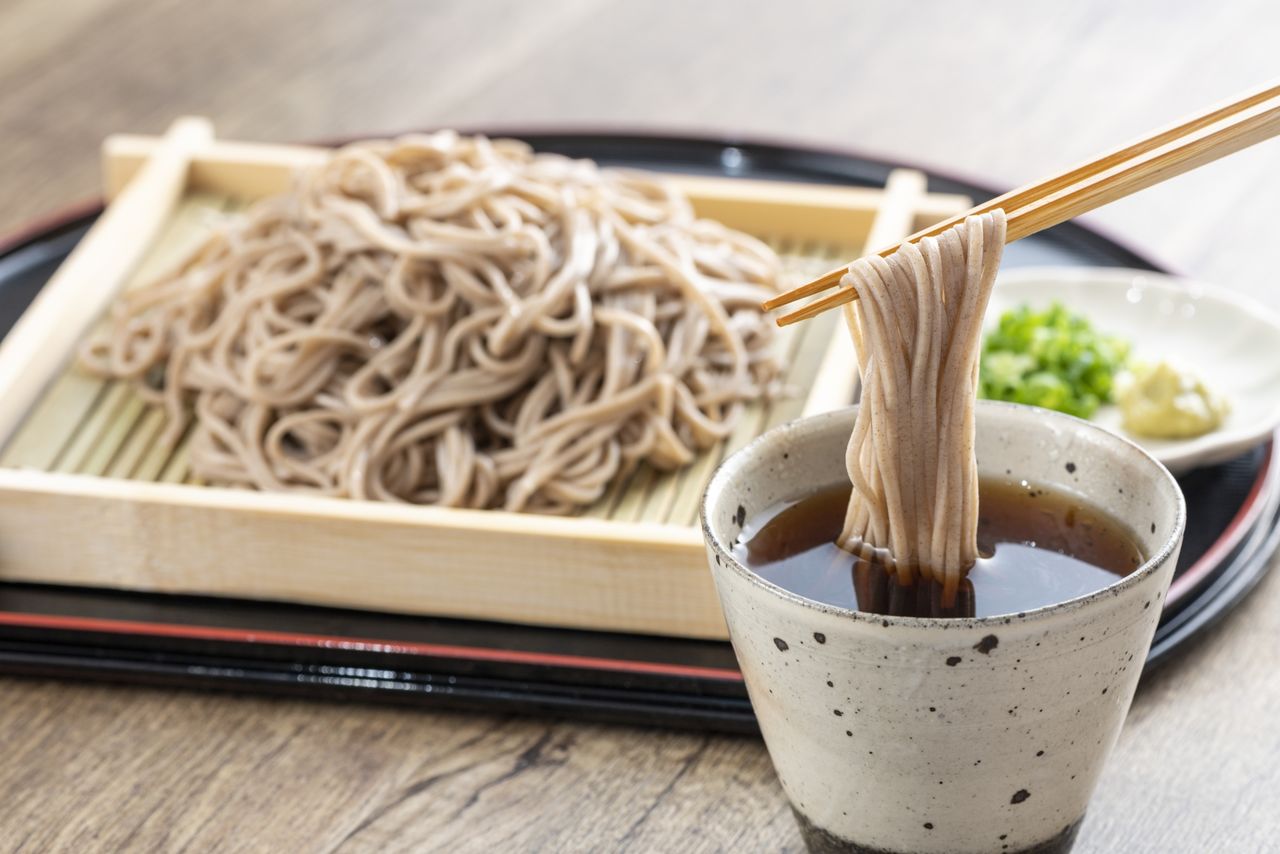
Mori soba and dipping mentsuyu. (© PhotoAC)
Nimono
If a nimono simmered dish has a brown hue, it has most likely been made using shōyu, sake, and mirin. In other words, if you add these ingredients, everything will taste delicious!
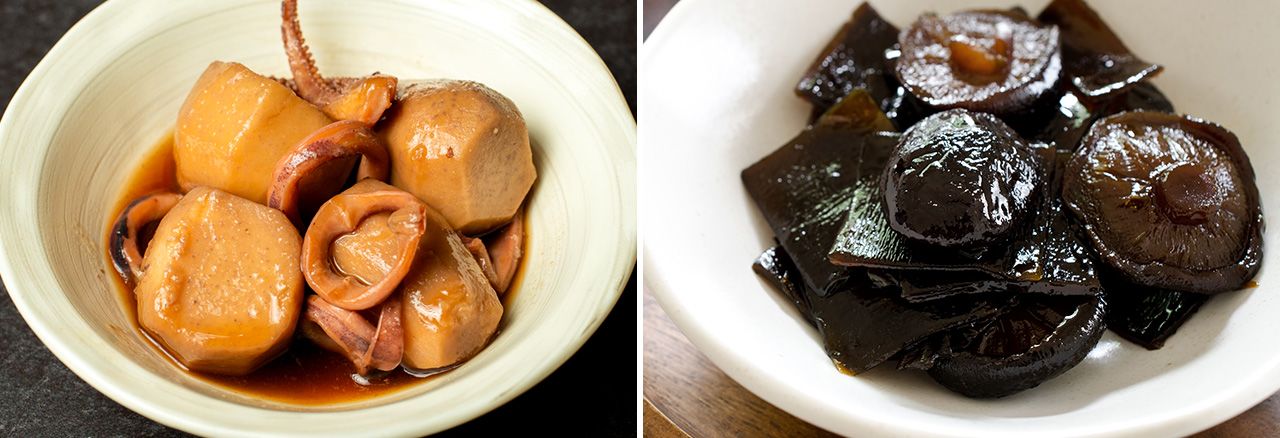
Ika and satoimo nimono, combining simmered squid and Japanese taro (© PhotoAC) and shiitake konbu tsukudani (© Pixta).
Takikomi-Gohan
This savory rice dish, also known as aji-gohan, owes its distinctive taste to shōyu. A particularly popular part of this dish is the okoge, crispy rice that has become stuck at the bottom of the pot. Diners often fight over who gets to eat it.
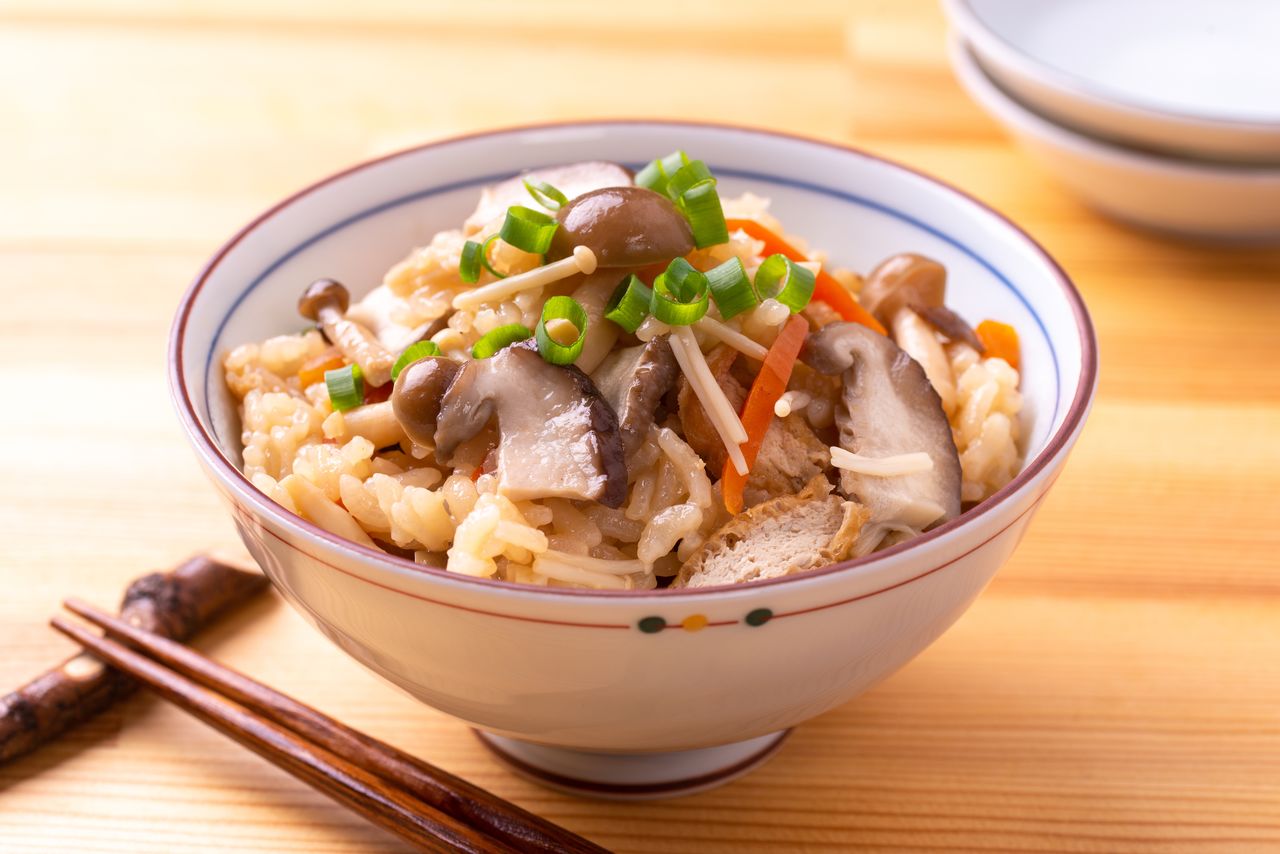
(© Pixta)
Shirumono
To enhance the flavor of some soups, such as kenchinjiru root vegetable and tōfu soup and suimono clear soup, shōyu is added to the dashi stock base.
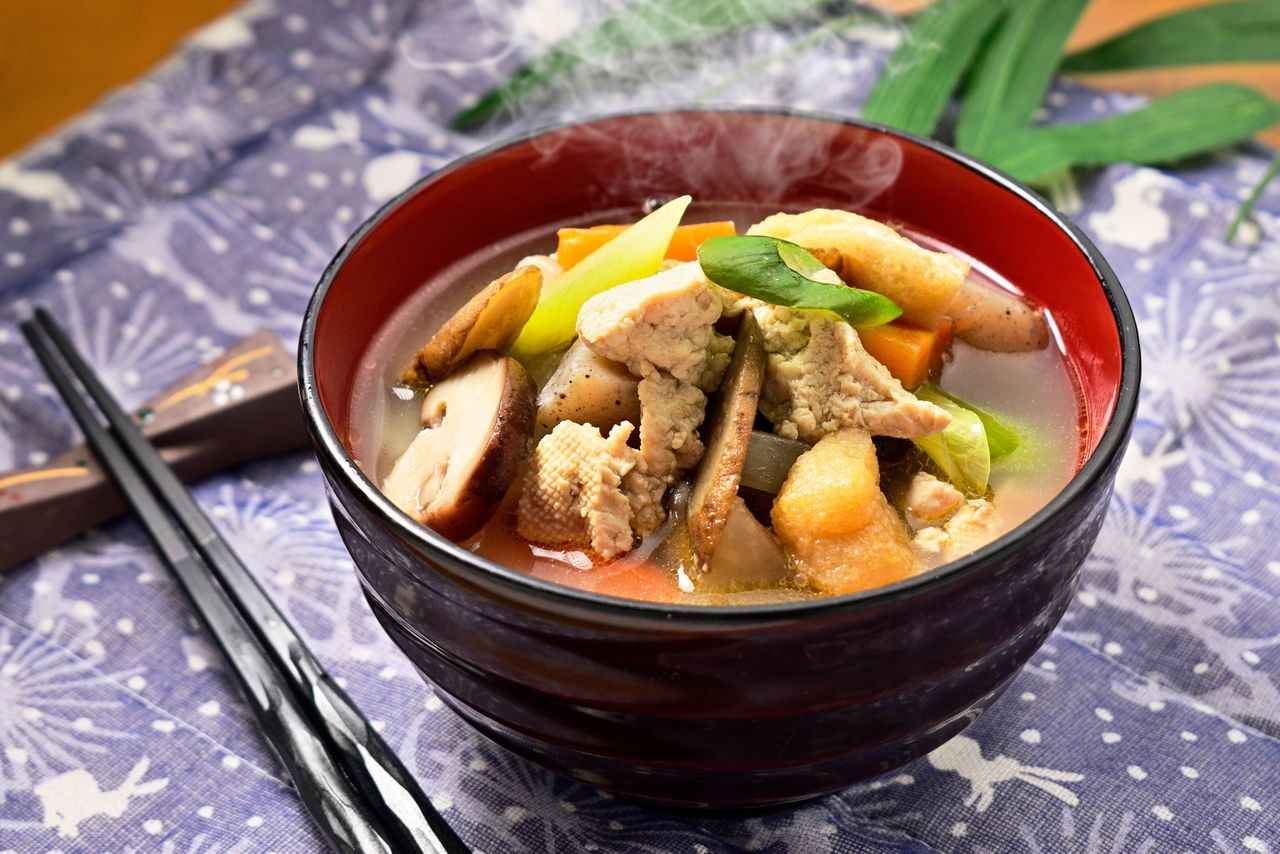
Kenchinjiru root vegetable and tōfu soup. (© PhotoAC)
Senbei and Arare
There are countless types of shōyu-flavored rice crackers available, including senbei, arare, and okaki. A perfect match for green tea, the fragrant, roasted taste of the shōyu will have you reaching out for more.
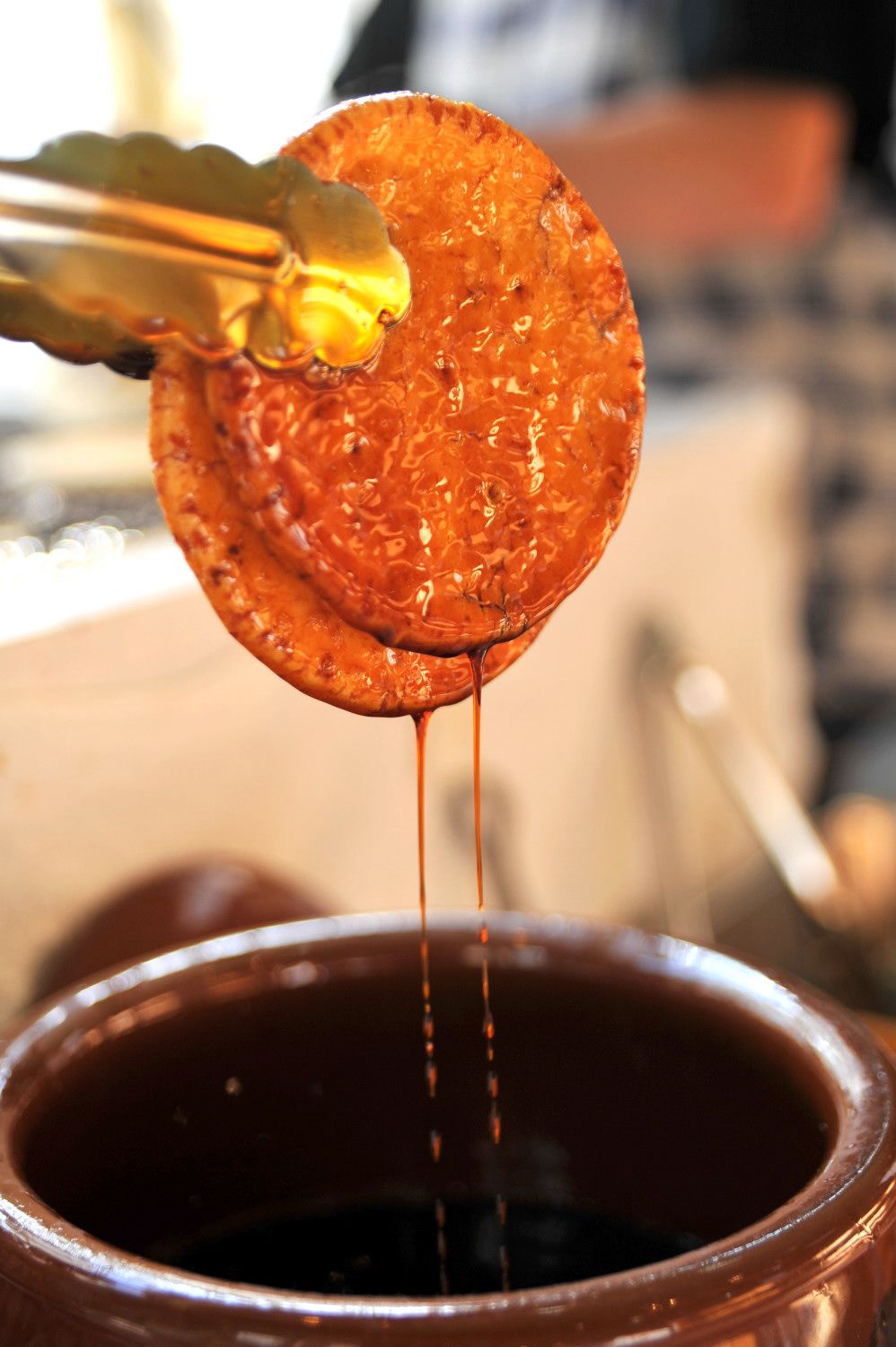
The moist nure senbei, made with locally-produced soy sauce, are a specialty of Chōshi, Chiba. (Courtesy Chiba Prefectural Tourism and Local Products Association)
Isobe Mochi and Mitarashi Dango
One of the most popular ways to enjoy mochi is to make isobe mochi, dipping sticky rice cakes in shōyu, grilling and then wrapping them in crisp sheets of nori. Another way is the classic Japanese sweet mitarashi dango, sweet rice dumplings on skewers, coated in a thick shōyu-based sauce. The skewers are sticky, but you won’t care as you’ll be too busy enjoying this salty-sweet treat!
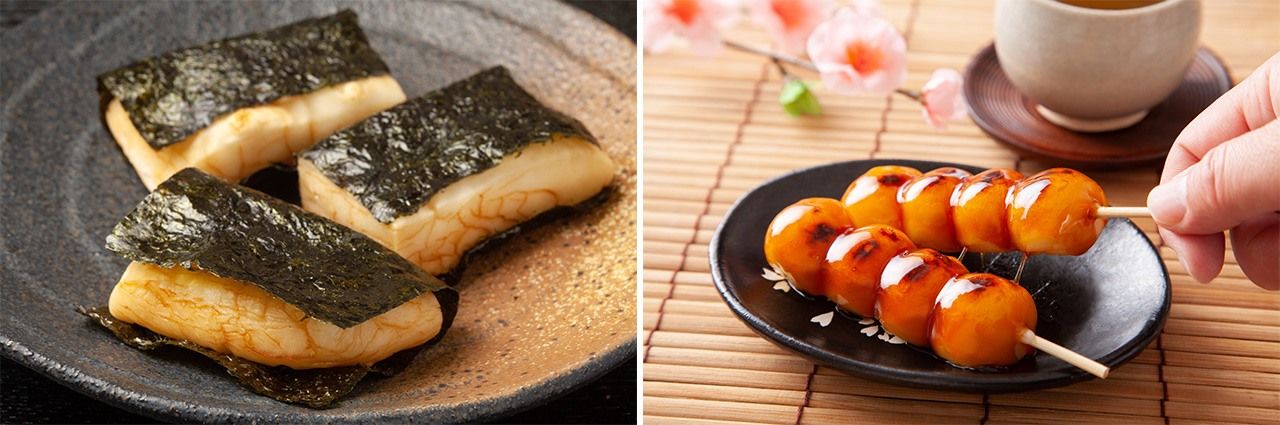
Isobe mochi (© Pixta) and mitarashi dango (© PhotoAC).
(Originally published in Japanese. Text by Ecraft. Banner photo: A delicious serving of teriyaki chicken. © Pixta.)