Building Blocks: The Basic Ingredients Behind Japan’s Flavors
From Spicy to Subtly Sweet: The Many Flavors of Negi
Food and Drink Culture Lifestyle Guide to Japan- English
- 日本語
- 简体字
- 繁體字
- Français
- Español
- العربية
- Русский
As a Condiment
Chopped raw negi is a standard condiment, often used as a topping for udon and soba noodles. The color varies by region, with white being chosen most often in Kantō and green in Kansai.
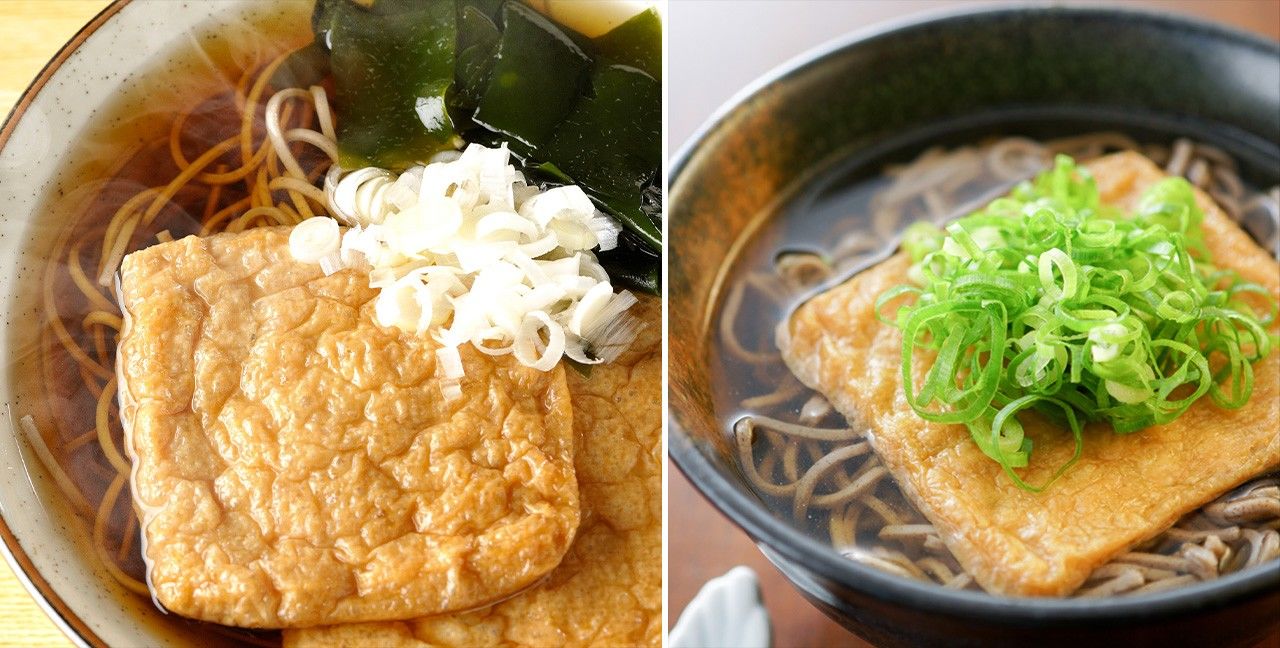
Kantō-style soba (at left) and Kansai-style soba. (© Pixta)
Negima Nabe
For this hotpot, the ma stands for maguro (tuna). In the late Edo period (1603–1868), it became customary to eat maguro in Japan, but as refrigeration did not exist at the time, the fish was preserved by marinating it in shōyu. The fatty part of the tuna, toro, didn’t marinate well, though, and spoiled easily, so was thought only good for use as fertilizer. That was until people found simmering it with negi made it taste delicious, so it no longer needed to go to waste.
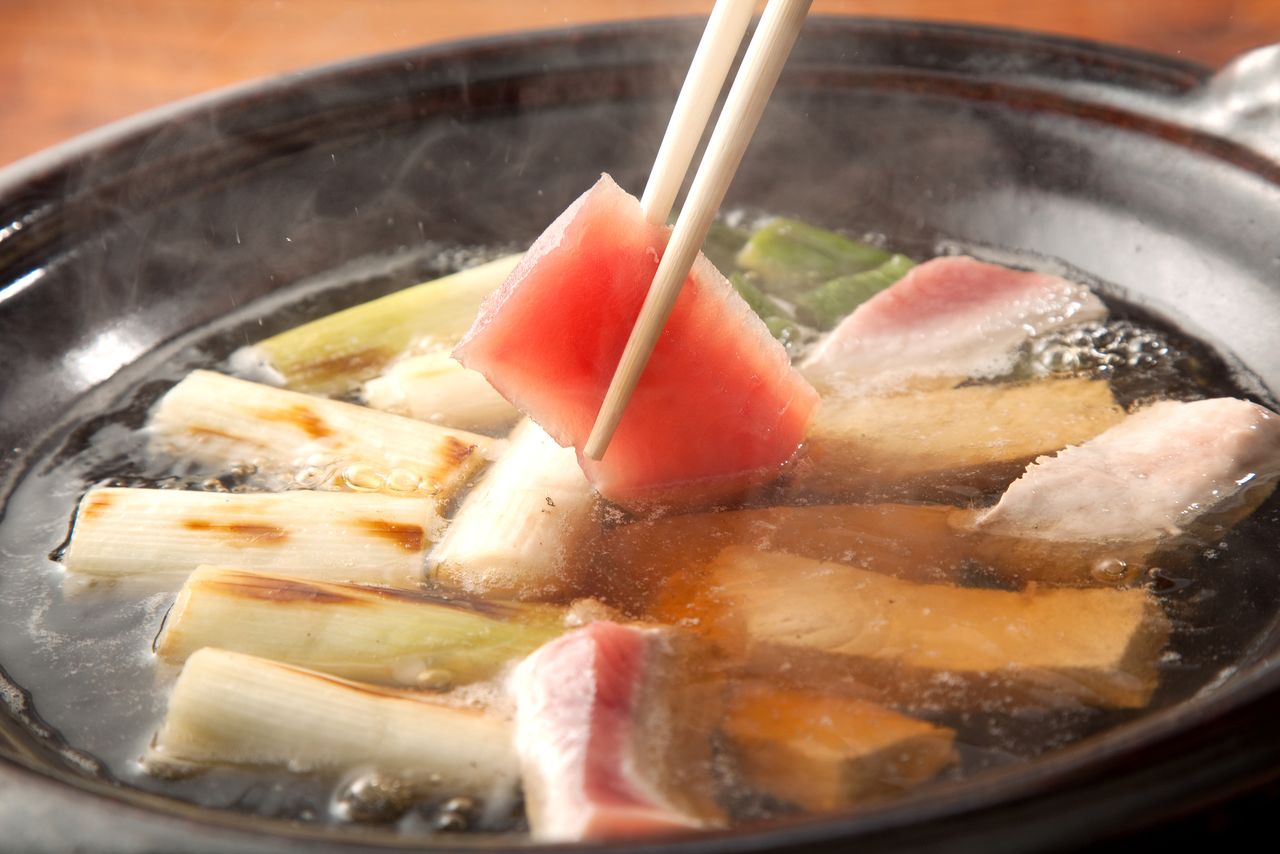
Negima nabe tuna and leek hotpot. (© Pixta)
Negima
This is a classic choice for yakitori. Skewered pieces of chicken thigh meat are alternated with chunks of negi, leading people to mistakenly think the ma refers to the negi being “between” the chicken. The original name for the dish though is negima-kushi, or negi and maguro skewers. It took its inspiration from the popular combination of toro (fatty tuna) and negi in negima nabe, but when toro became a luxury food item, it was replaced with more reasonably priced chicken.
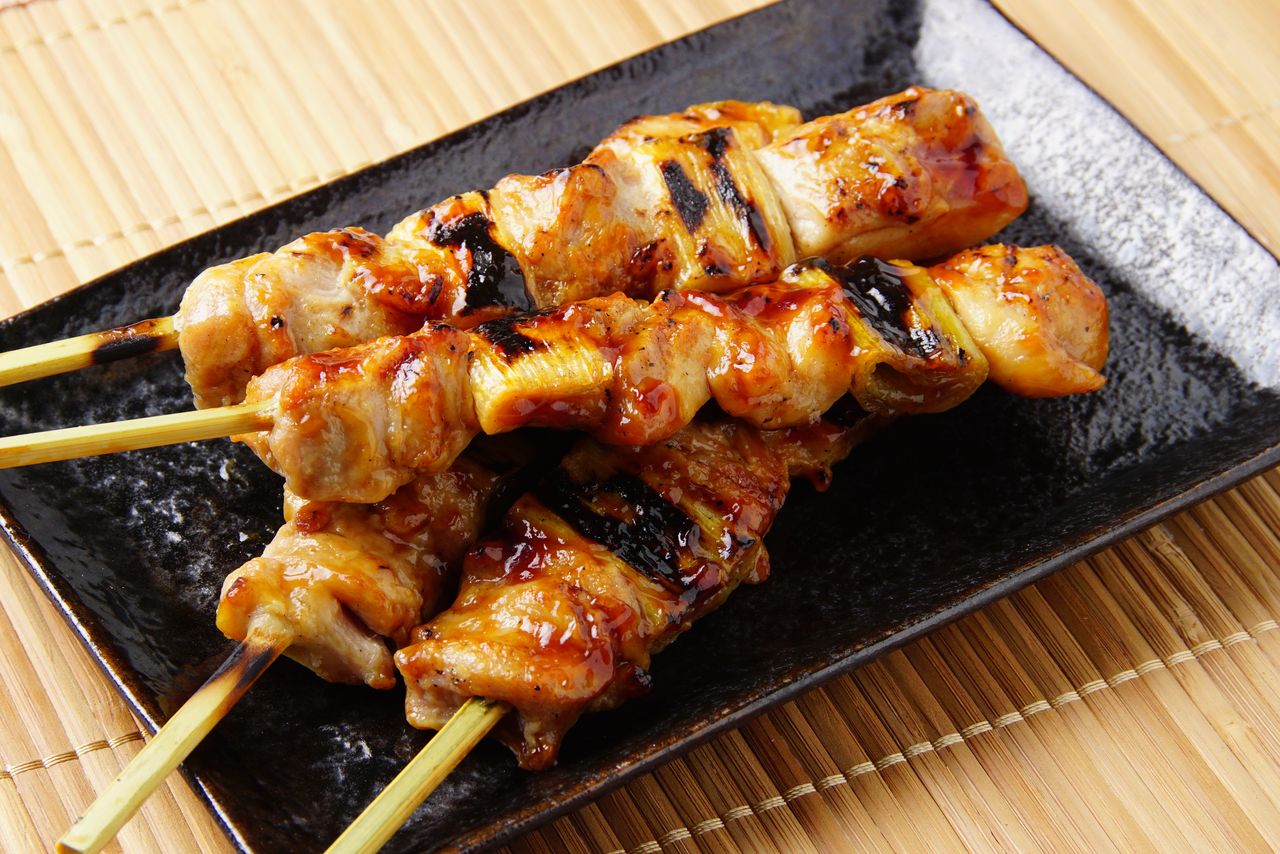
Negima skewers, a yakitori favorite. (© Pixta)
Kamo Nanban and Kamo Nabe
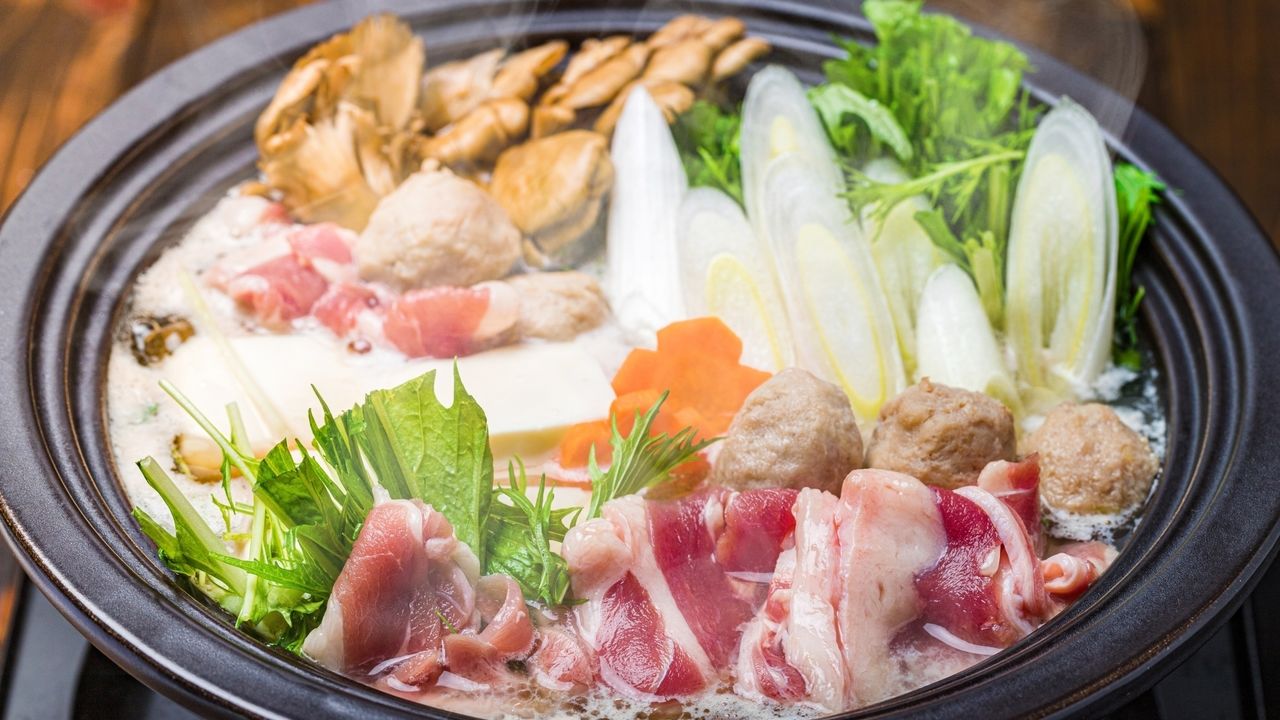
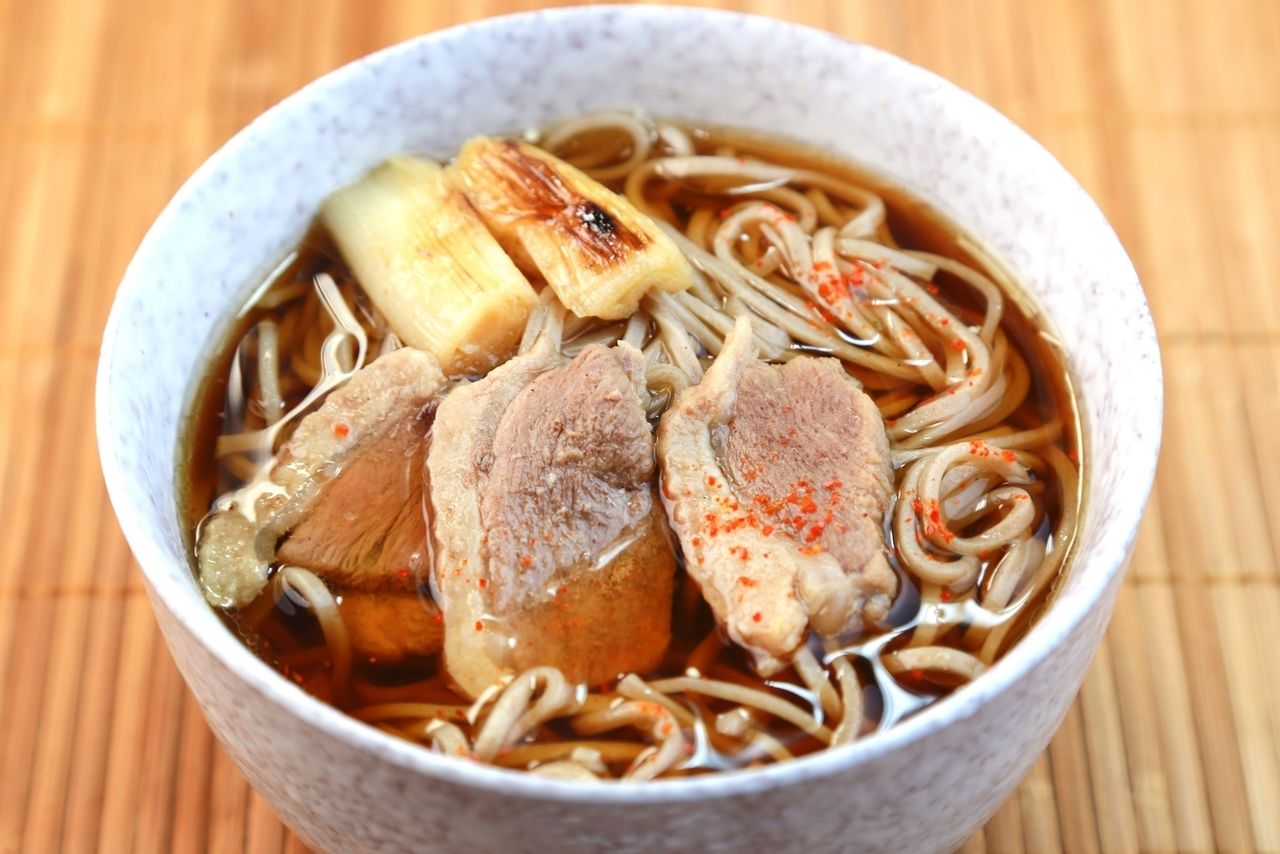
Kamo (duck) pairs exceptionally well with negi. Pan-searing the negi gives this dish a deeper, more savory aroma, making it all the more delicious. As kamo are relatively easy to catch, the phrase ii kamo (literally, “a good duck”) refers to a person who is an easy target for scams and other kinds of fraud—a sitting duck, you might say. But when negi is added, as in kamo ga negi o shotte kuru (a duck comes bearing negi), it has the more positive meaning of “a stroke of double luck.”
(© PhotoAC)
Negi Chāshū Rāmen
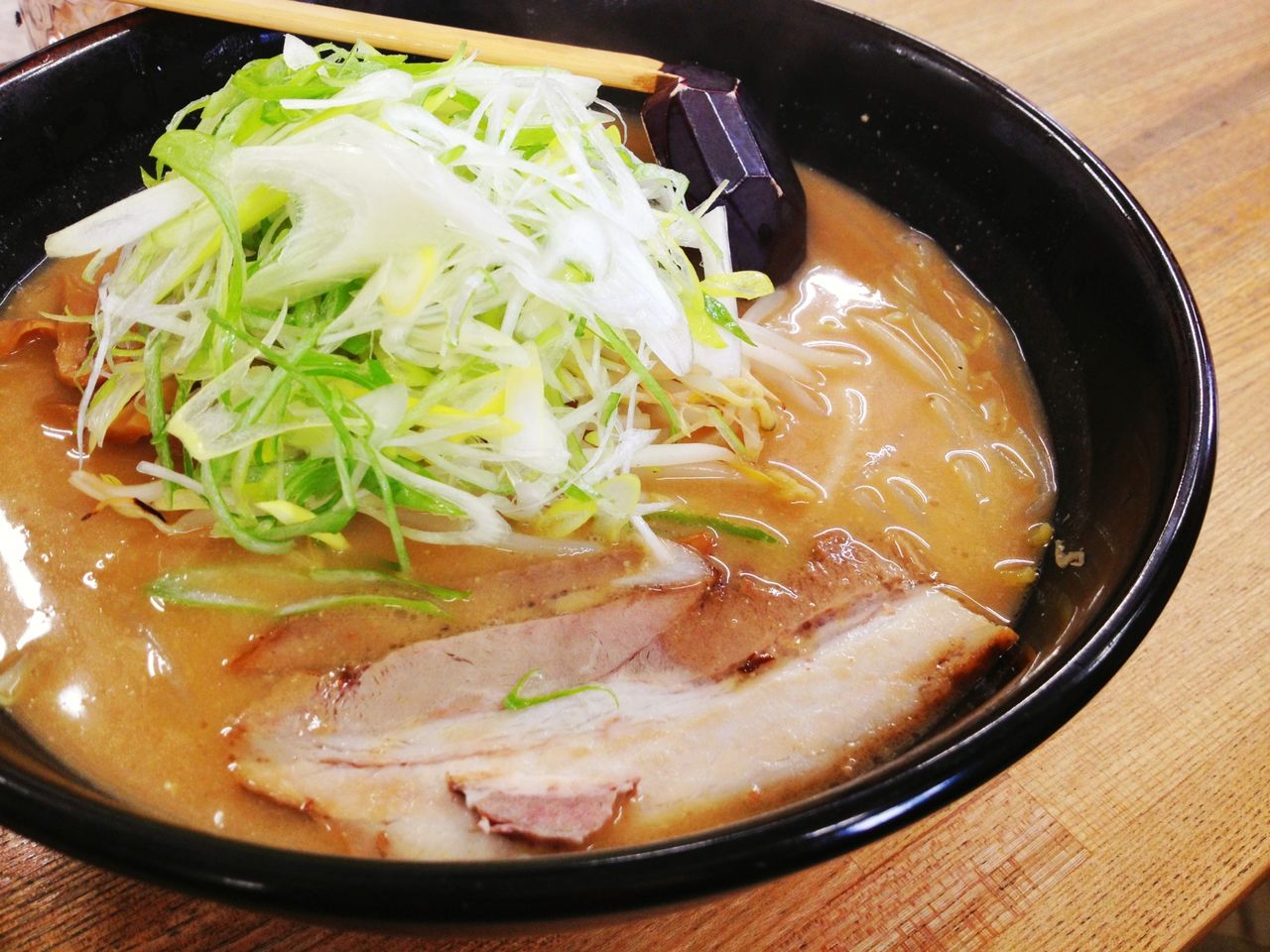
For this dish, negi is given a central role, rather than just used as a garnish. It is key in refreshing the palate alongside the rich char siu pork and adding a crisp, crunchy texture.
(© PhotoAC)
Negitoro
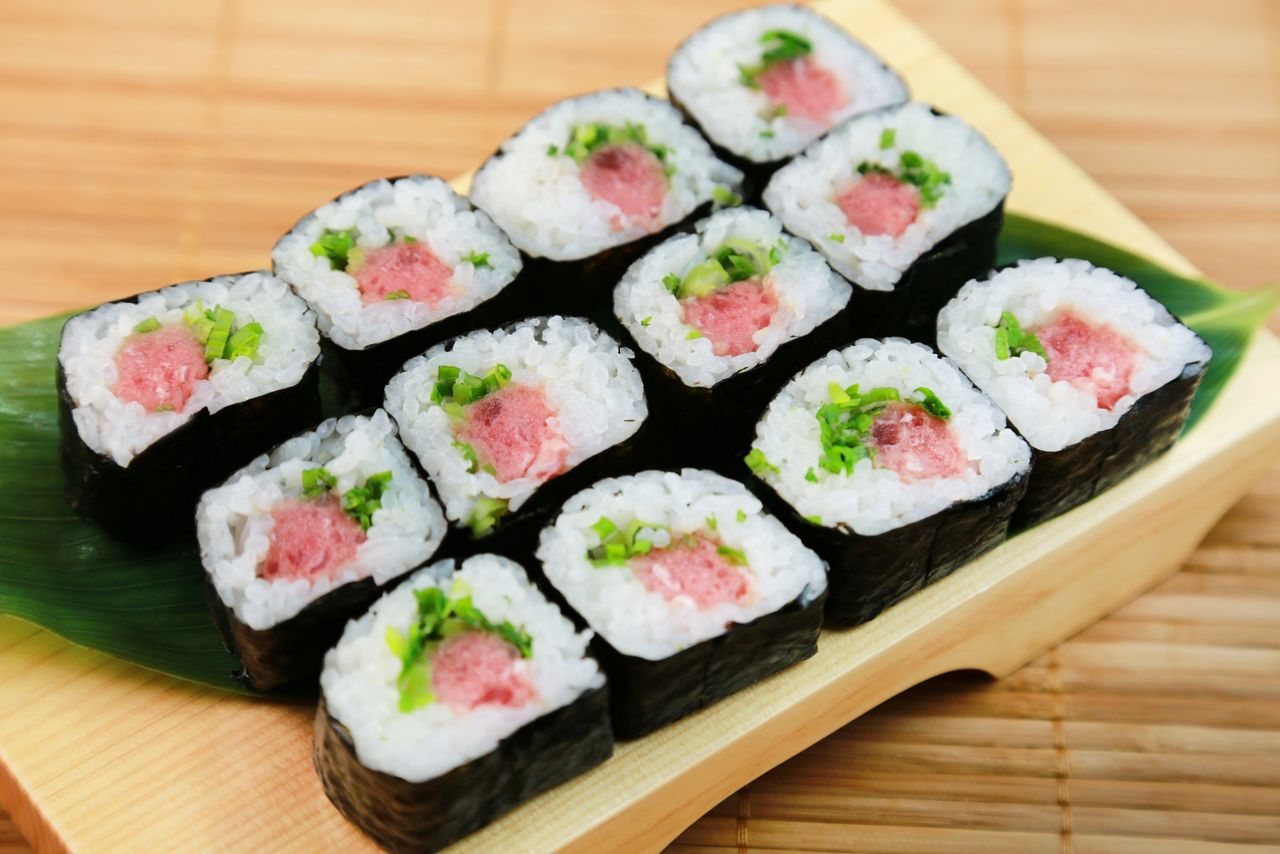
This mixture of minced toro and chopped negi is added to norimaki and gunkanmaki sushi rolls. It is a popular choice, even for children, at kaiten-zushi (conveyor-belt sushi) restaurants.
(© PhotoAC)
Negiyaki
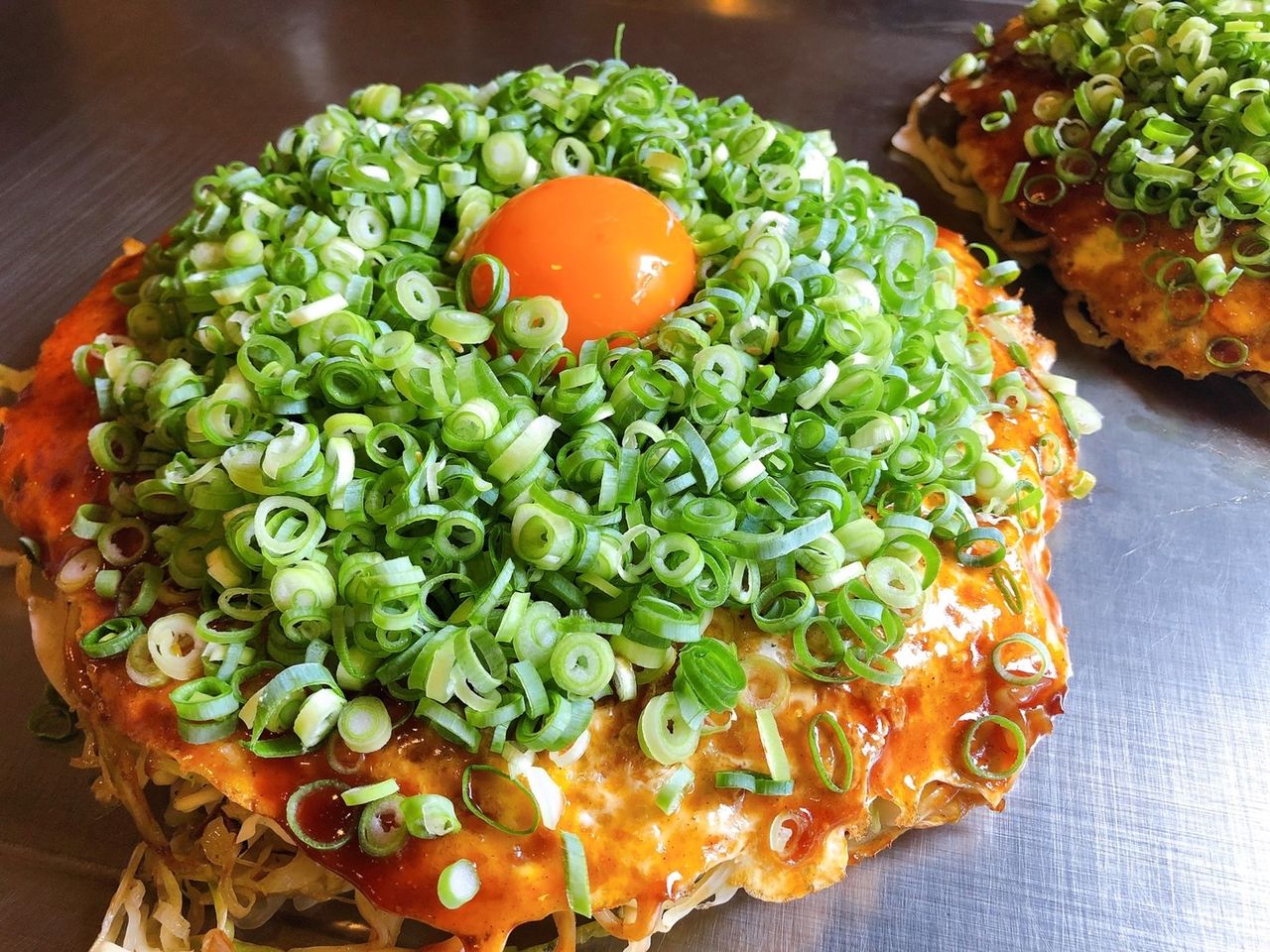
People from the Kantō region think cabbage is an essential ingredient in okonomiyaki. But in the Kansai and Chūgoku regions, negiyaki, where the cabbage is swapped out for ample amounts of chopped green negi, is also popular.
(© PhotoAC)
Data Sources
- The history and true meaning of Negima (Japanese) from Torisanwa
(Originally published in Japanese. Banner photo: Kamo nabe hot pot, with kamo [duck] and negi pairing well. © PhotoAC.)