Building Blocks: The Basic Ingredients Behind Japan’s Flavors
Mitsuba: An Aromatic Leaf That Brings Color to Every Dish
Food and Drink Culture Lifestyle- English
- 日本語
- 简体字
- 繁體字
- Français
- Español
- العربية
- Русский
One of Japan’s Few Native Vegetables
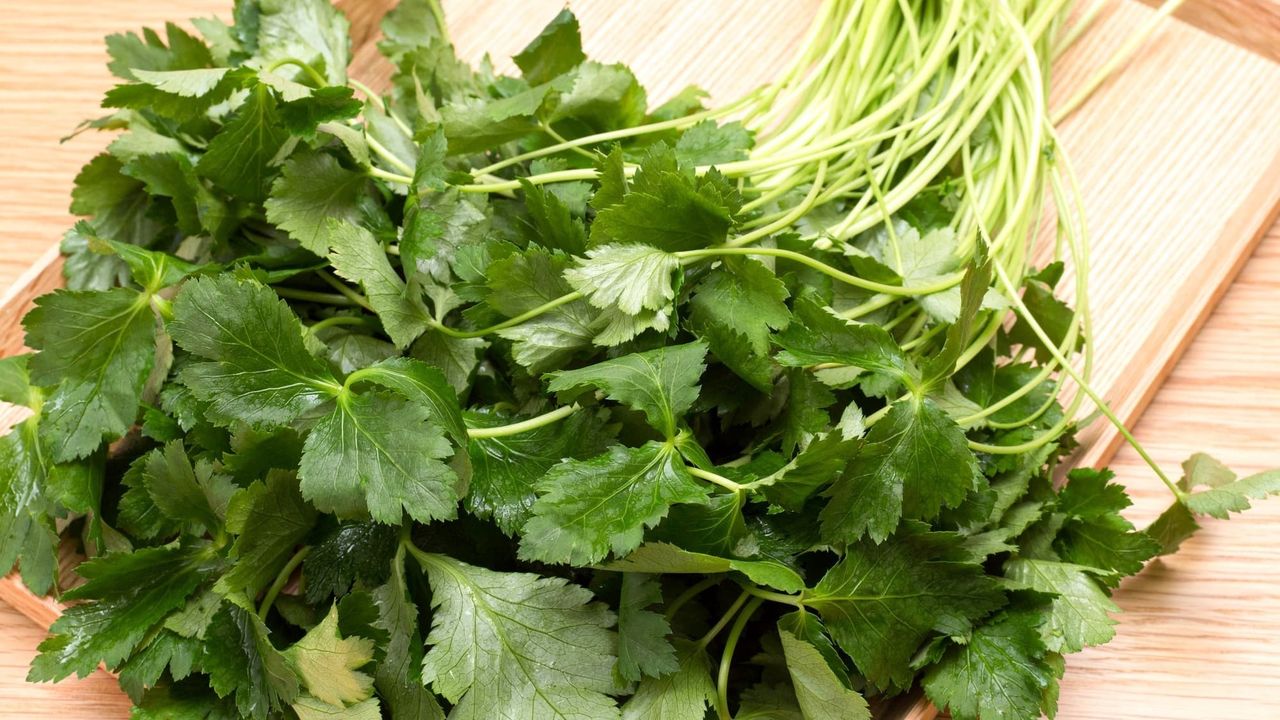
Many of the vegetables that are a staple part of Japanese cuisine were introduced from the Asian continent in ancient times, with only around 20 varieties actually confirmed as being native to Japan. Among these is mitsuba, or Japanese honeywort (Cryptotaenia japonica). Growing wild in the shaded areas of mountainous regions, it has long been consumed in Japan. Its name, literally “three-leaved,” derives from the fact it has three leaves growing from a single long stem. It has a distinctive refreshing aroma and slightly bitter taste.
The earliest written record of “mitsuba seri” (three-leaved parsley) appears in documents from the Muromachi period (1333–1568), listing it as a vegetable eaten at New Year. It is further mentioned in texts related to agriculture and natural history during the Edo period (1603-1868), when cultivation is thought to have started spreading.
There are three main types of mitsuba, based on how they are cultivated.
- Nemitsuba (Root mitsuba): This type is cultivated outdoors, with the base of the stems covered in soil to ensure they grow thick and white. It comes into season in spring and is shipped with the long roots left intact. It has a characteristic pungent “wild” aroma and a crisp texture.
- Itomitsuba (Thread mitsuba): This is hydroponically cultivated, making it available all year round. It is packed with the sponge root base still attached. The entire plant, including the stems, has a green hue.
- Kirimitsuba (Cut mitsuba): This type is grown in greenhouses, resulting in stems that are tender and white. The roots are removed before being shipped. Being only slightly bitter, it can also be enjoyed raw.
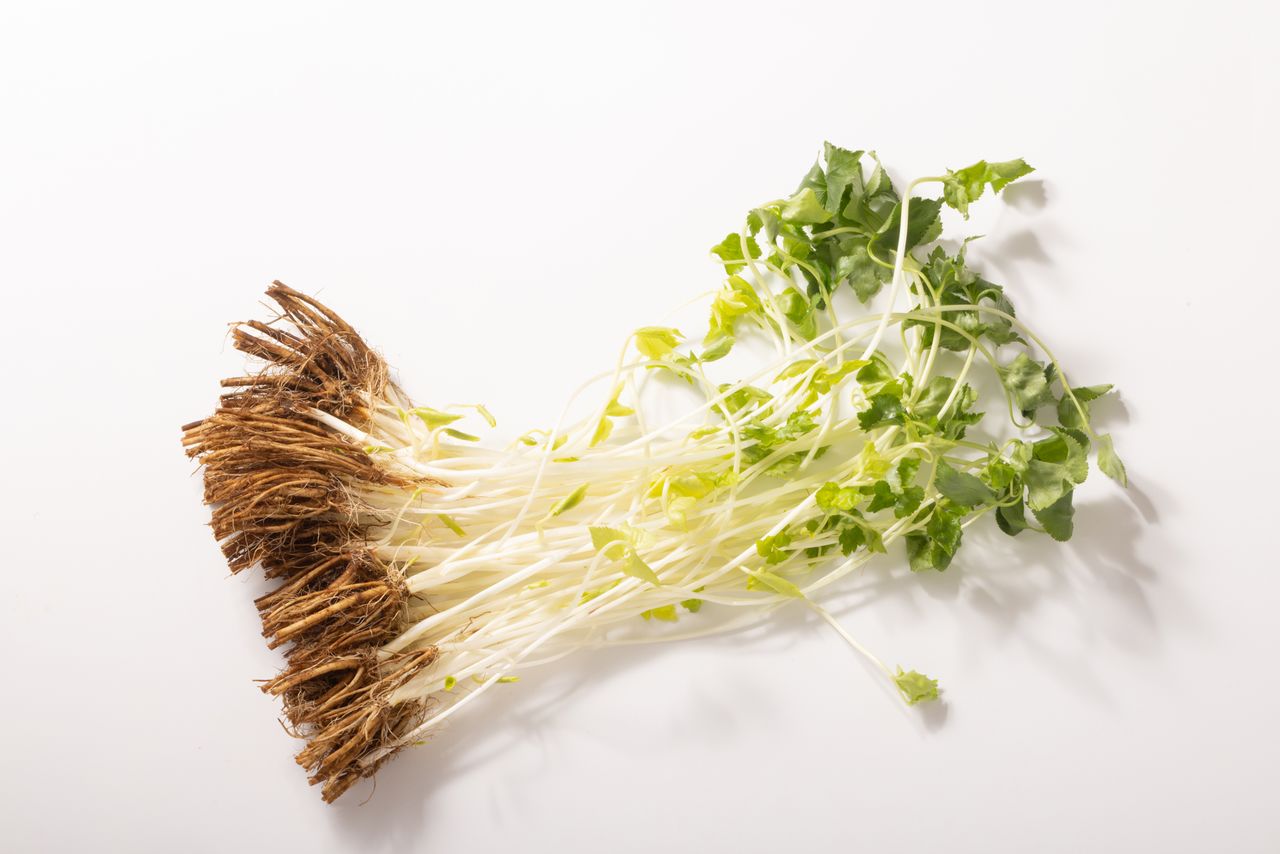
Nemitsuba, with its roots and long white stems. (© Pixta)
Originally, nemitsuba with its pungent aroma was preferred in the Kantō region, while the milder flavored itomitsuba was more popular in Kansai. Recently though, as itomitsuba can be cultivated throughout the year, it has become widely available across Japan.
The vibrant green and striking shape of the trifoliate leaves enhance dishes when added, making mitsuba a valuable garnish in Japanese cuisine.
Oyakodon and Katsudon
When Japanese people hear “mitsuba,” they most likely think of oyakodon (chicken-and-egg rice bowl) and katsudon (pork cutlet and egg on rice), topped with mitsuba. It creates a stunning contrast of green against the yellow and golden brown.

(© Pixta)
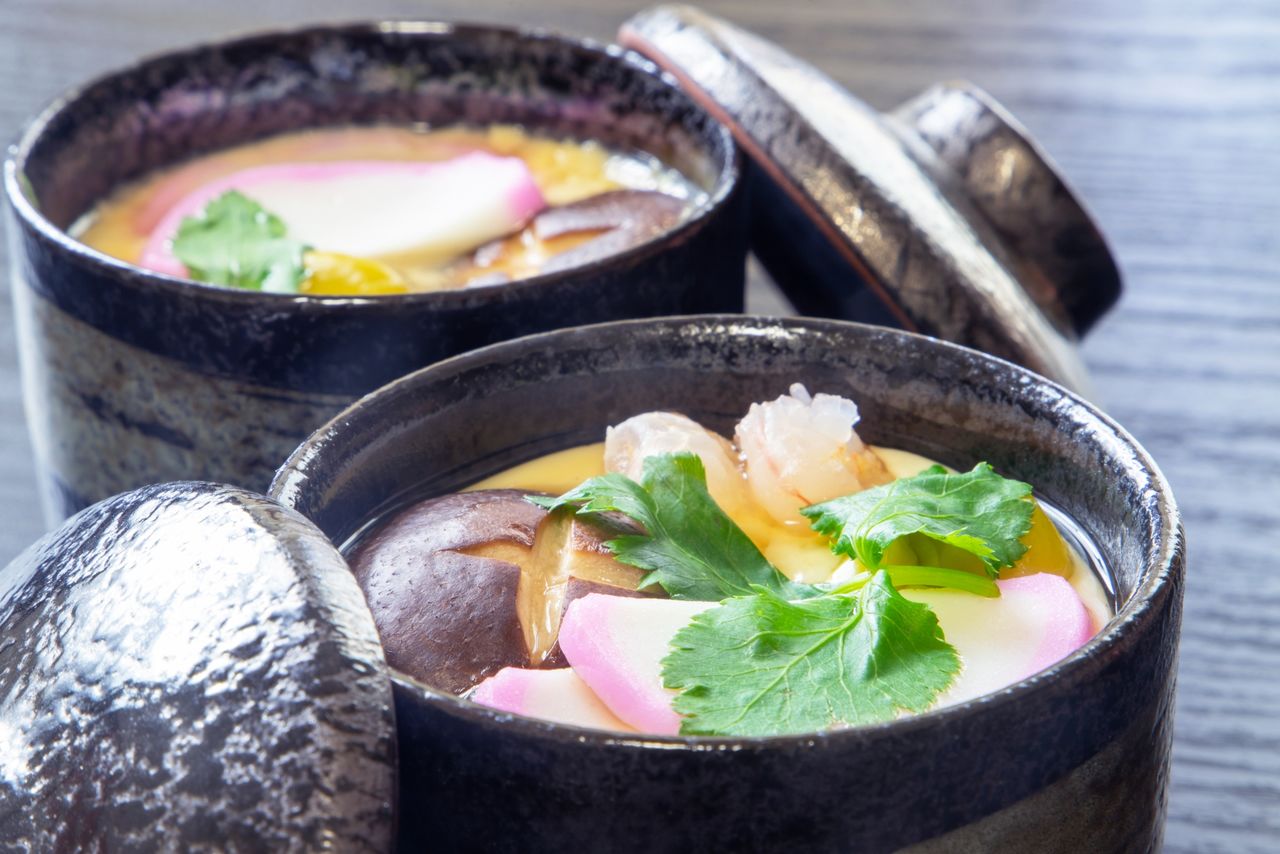
Chawanmushi
The arrangement of a three-leaved mitsuba on the top of this savory steamed egg custard gives the dish extra appeal.
(© PhotoAC)
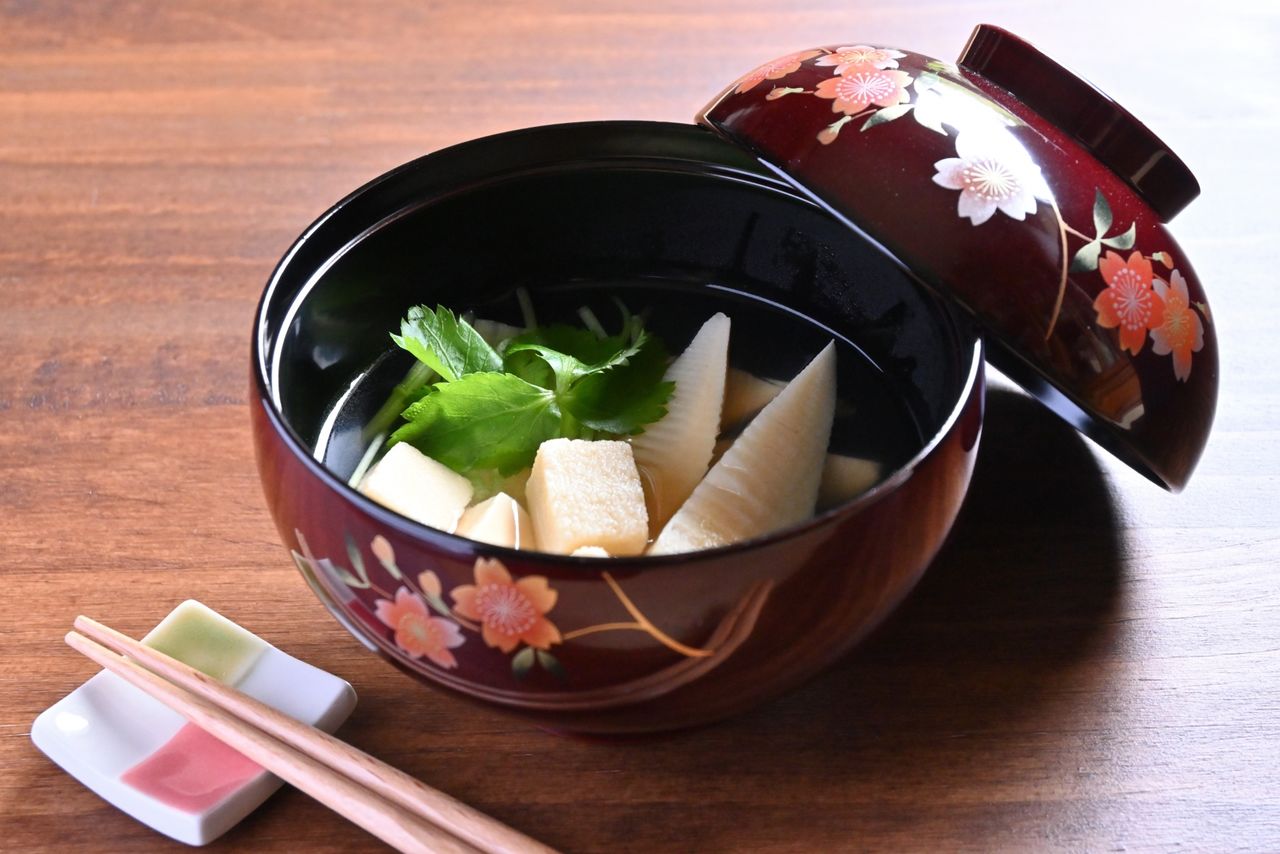
Suimono
Served in a special bowl, the moment you lift the lid on this clear soup, you are met with a refreshing aroma!
(© PhotoAC)
Chakinsushi and Fukusasushi
Here, the long stems of the mitsuba are used to tie up parcels of sushi rice wrapped in delicate egg crêpe, adding a splash of color in the process.
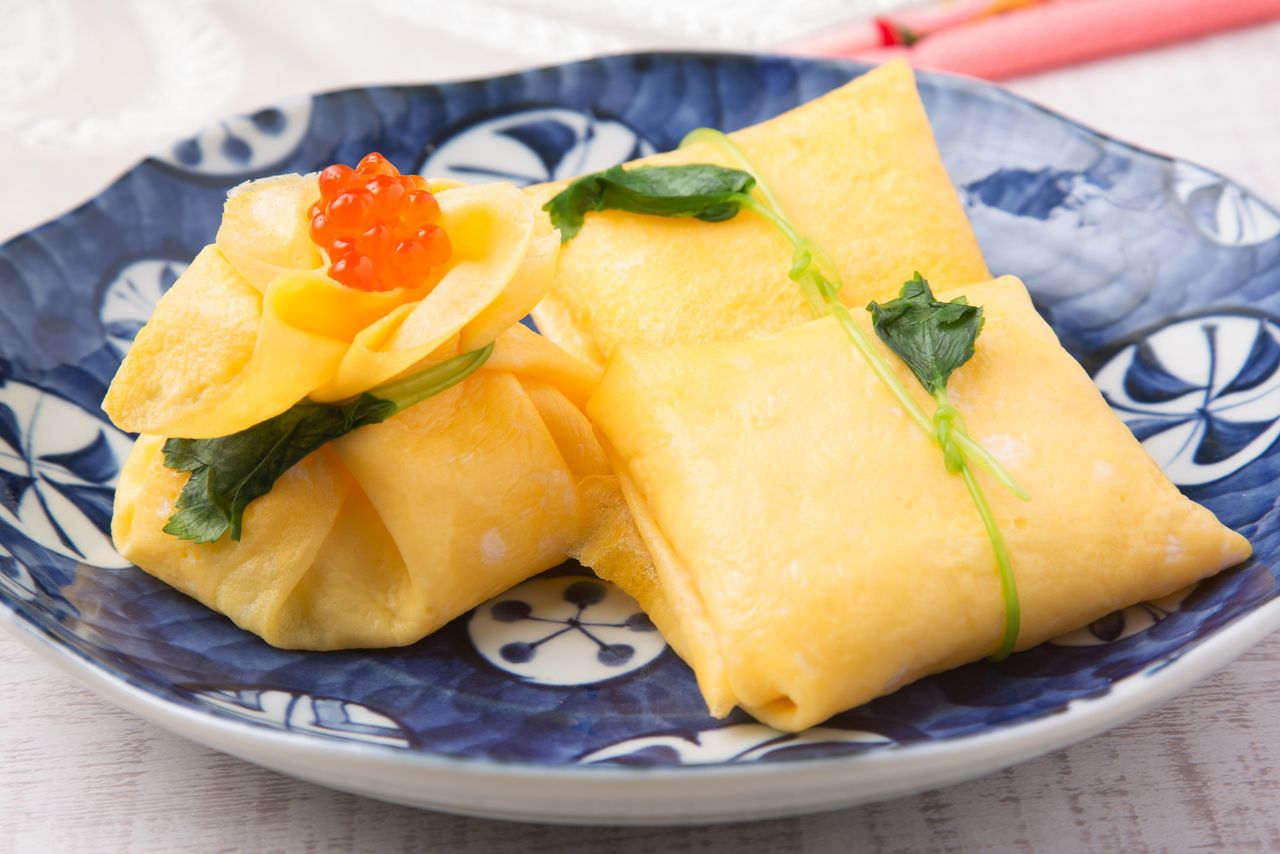
(© PhotoAC)
Ohitashi
Adding nemitsuba to ohitashi, a dish of blanched spinach steeped in dashi stock, gives it a stronger aroma and more crunch.
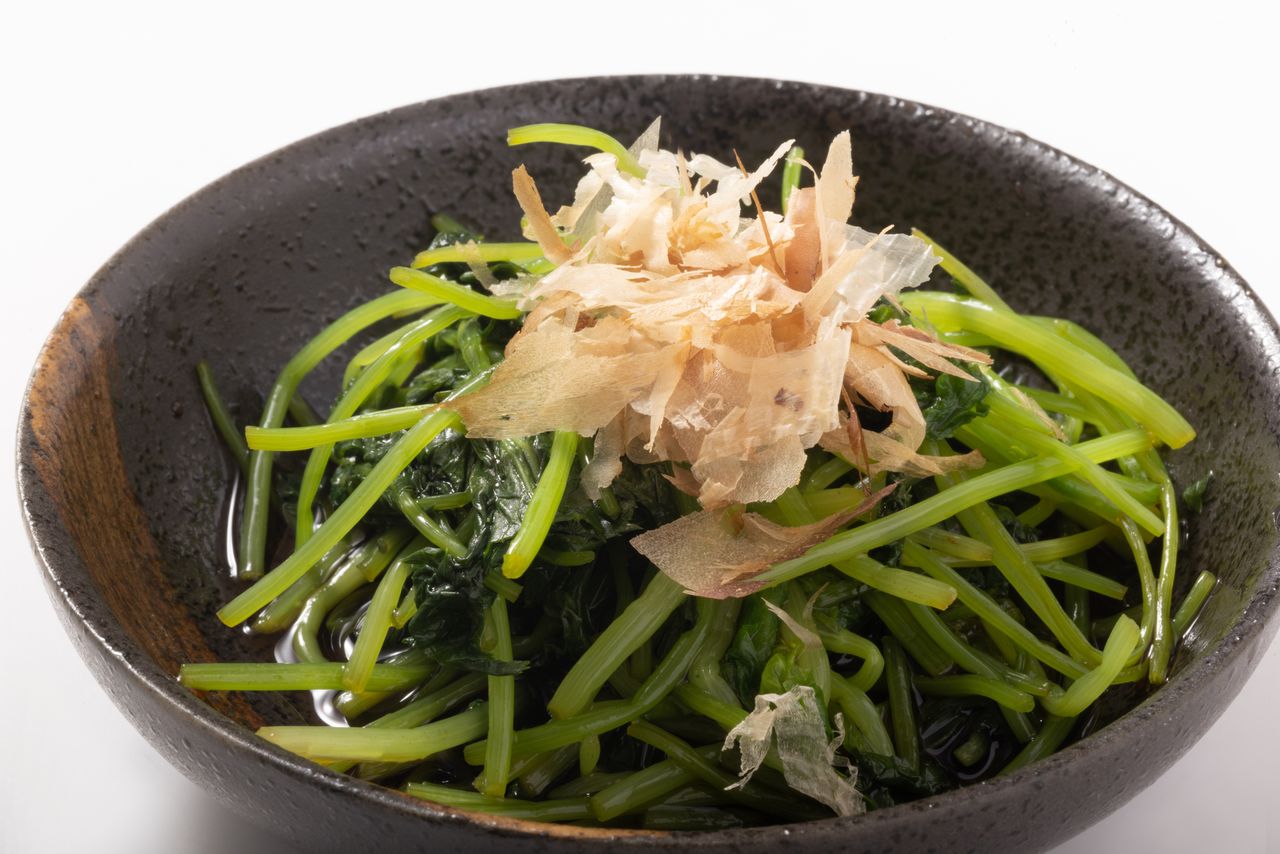
(© Pixta)
Mitsuba Root Kinpira
For this dish, gobō (burdock root) is swapped out for mitsuba roots that have been carefully washed to remove the mud and prepared to make kinpira. It is wonderfully crunchy. It is also great for improving digestion, due to the high amount of dietary fiber the roots contain.
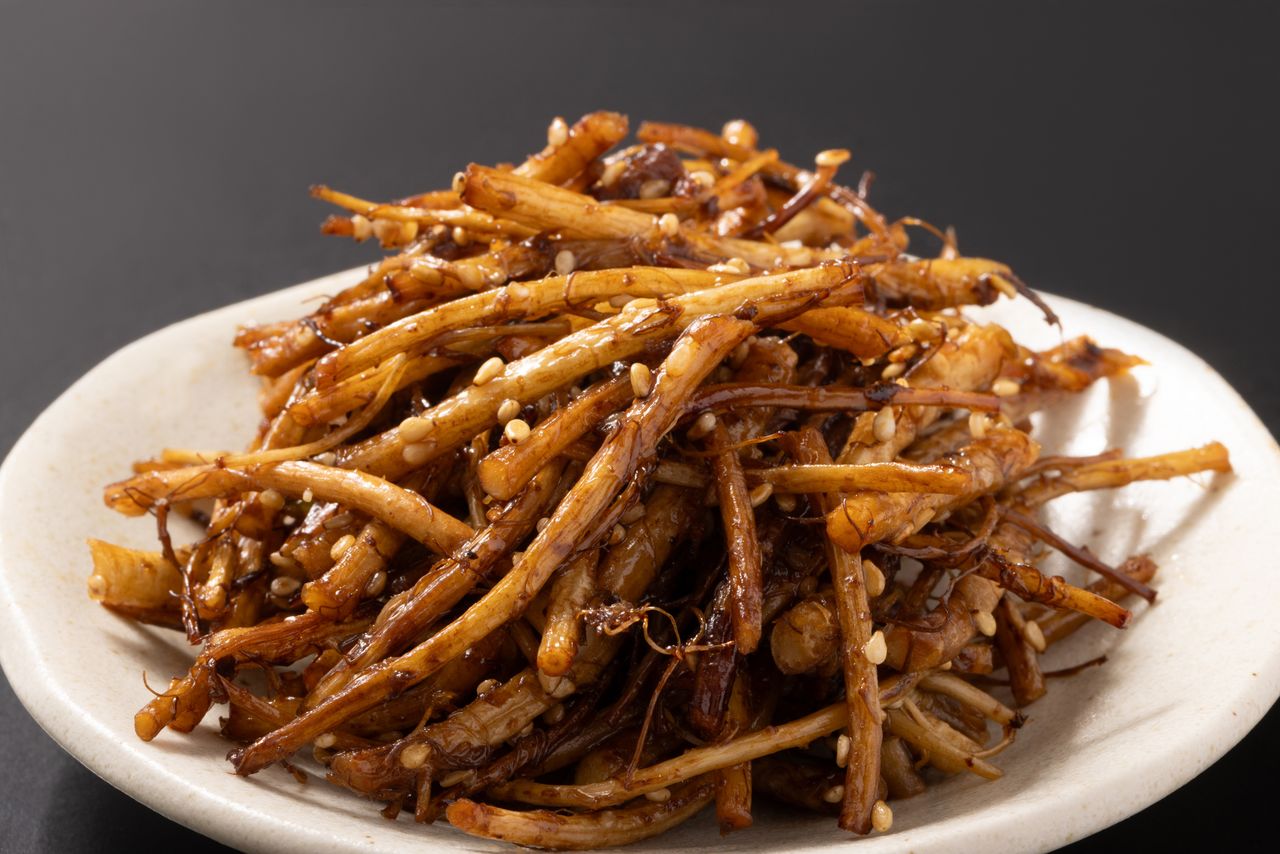
(© Pixta)
(Originally published in Japanese. Banner photo © Pixta.)