Building Blocks: The Basic Ingredients Behind Japan’s Flavors
Hon-Mirin: The Tasty Seasoning That Lets Home Cooking Shine!
Food and Drink Lifestyle- English
- 日本語
- 简体字
- 繁體字
- Français
- Español
- العربية
- Русский
The Subtle Sweetness of Rice
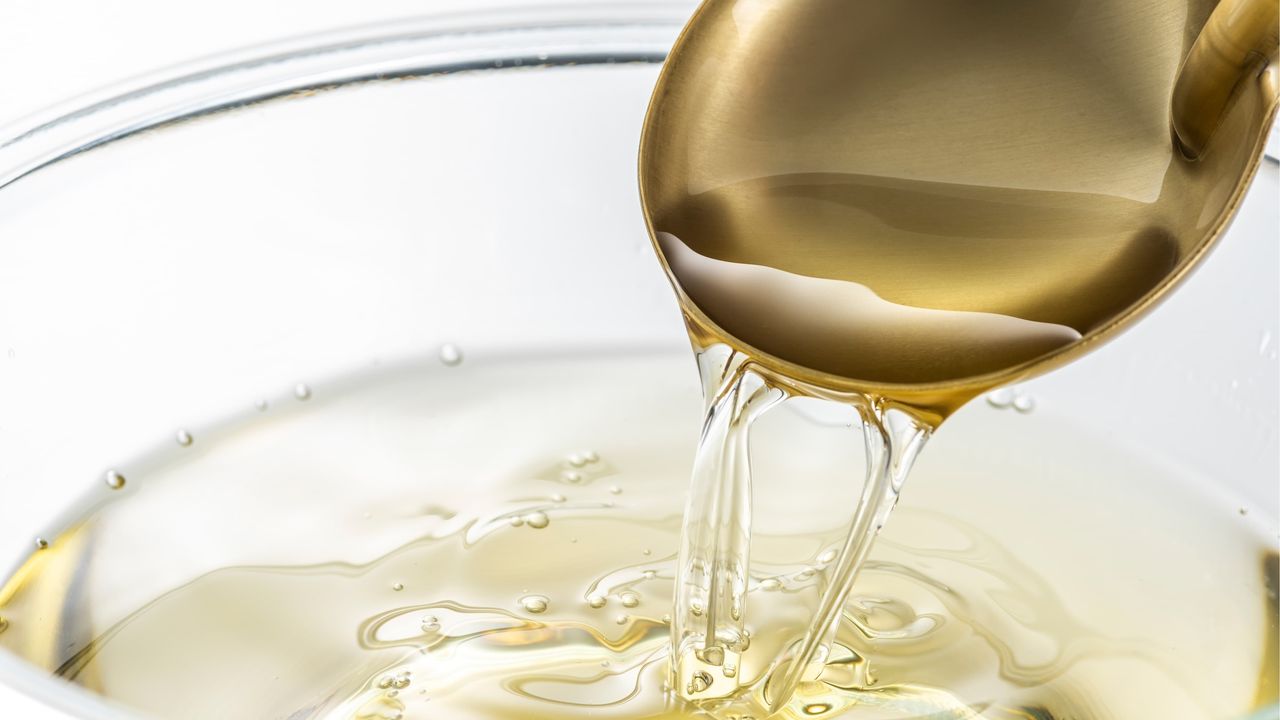
Hon-mirin is a sweet seasoning made mainly from glutinous rice, kōji mold, and alcohol. As it has an alcohol content of 14%, it is classed as an “alcoholic beverage” under the liquor tax law. Depending on the store, hon-mirin is stocked in the alcohol section rather than with the condiments, and an ID check may be involved in selling it.
Among the various theories on the origin of mirin, one is that a sweet liquor known as miirin was introduced into Japan from China in the Warring States period (1467–1568) and it became established that way. Another is that it was created in Japan when shōchū was added to ancient alcoholic liquors like nerizake, a type of sweet white sake, and shirozake, a Japanese traditional sweet liquor, to prevent them from spoiling. Samurai and wealthy merchants had a preference for them as a luxury alcohol with a subtle sweetness.

Sketch of an Edo-period eel vendor selling unagi kabayaki, which uses mirin in the tare glaze, from Morisada mankō. (Morisada’s Sketches). (Courtesy the National Diet Library)
It appears that mirin began being used as a seasoning from the Edo period (1603–1868) onward. Word spread among chefs that it improves the quality of food, as the sugar in the mirin, along with the amino acids in shōyu, or soy sauce, enhances the aroma, umami, and glaze in dishes, elevating them to a whole new level. In Morisada mankō (Morisada’s Sketches), an encyclopedic record of daily life and customs of ordinary people in the late Edo period, it describes the sauces created by unagi (eel) vendors, saying that “in Edo, they mix shōyu with mirin, while in Kyoto and Osaka, they mix shōyu with morohaku sake.” It was only after World War II that mirin started being widely used in ordinary households.
The traditional method for producing mirin involves adding kōji and shōchū to steamed glutinous rice and then slowly fermenting the mash for around 30 to 60 days. More than often, the price for 500 milliliters is over ¥1,000. Meanwhile, the hon-mirin produced by major manufacturers is slightly simplified by using brewer’s alcohol instead of shōchū, and then adding sweetening ingredients like starch syrup to speed up the fermentation process. This results in a more reasonable price of around ¥500 for 500 milliliters.
Unlike sugar, hon-mirin has a refined, subtle sweetness derived from rice and, as well as adding a glossy sheen to dishes, it prevents ingredients falling apart and reduces the odors of fish and meat, while the action of the alcohol promotes absorption of flavors.
Mikawa (Aichi Prefecture) and Nagareyama (Chiba Prefecture) have long been known as production areas of hon-mirin, and there are still breweries there that continue to use the traditional production methods.
The mirin used in a lot of households is not actually hon-mirin, but mirin-fū, a mirin-style seasoning that is much more affordable. A one-liter plastic bottle costs just a few hundred yen. This type is made by adding acidulants, flavorings, and artificial seasoning to sweetening ingredients such as glucose and starch syrup, so there is almost no alcohol content. So, while it has the same appearance and taste as hon-mirin, it does not have the same effects.
This type of mirin is cheaper than hon-mirin because, although it has a similar alcohol content to cooking sake of around 14%, it also includes salt and is therefore not suitable to drink, meaning the liquor tax law does not apply.
Below are just some of the ways that mirin, particularly hon-mirin, is put to work in the Japanese kitchen.
A Flavor Trifecta: Shōyu, Mirin, and Dashi
The sweet-and-savory cuisine that Japanese people love usually features a combination of shōyu and hon-mirin, and adding dashi stock makes this food even more delicious.
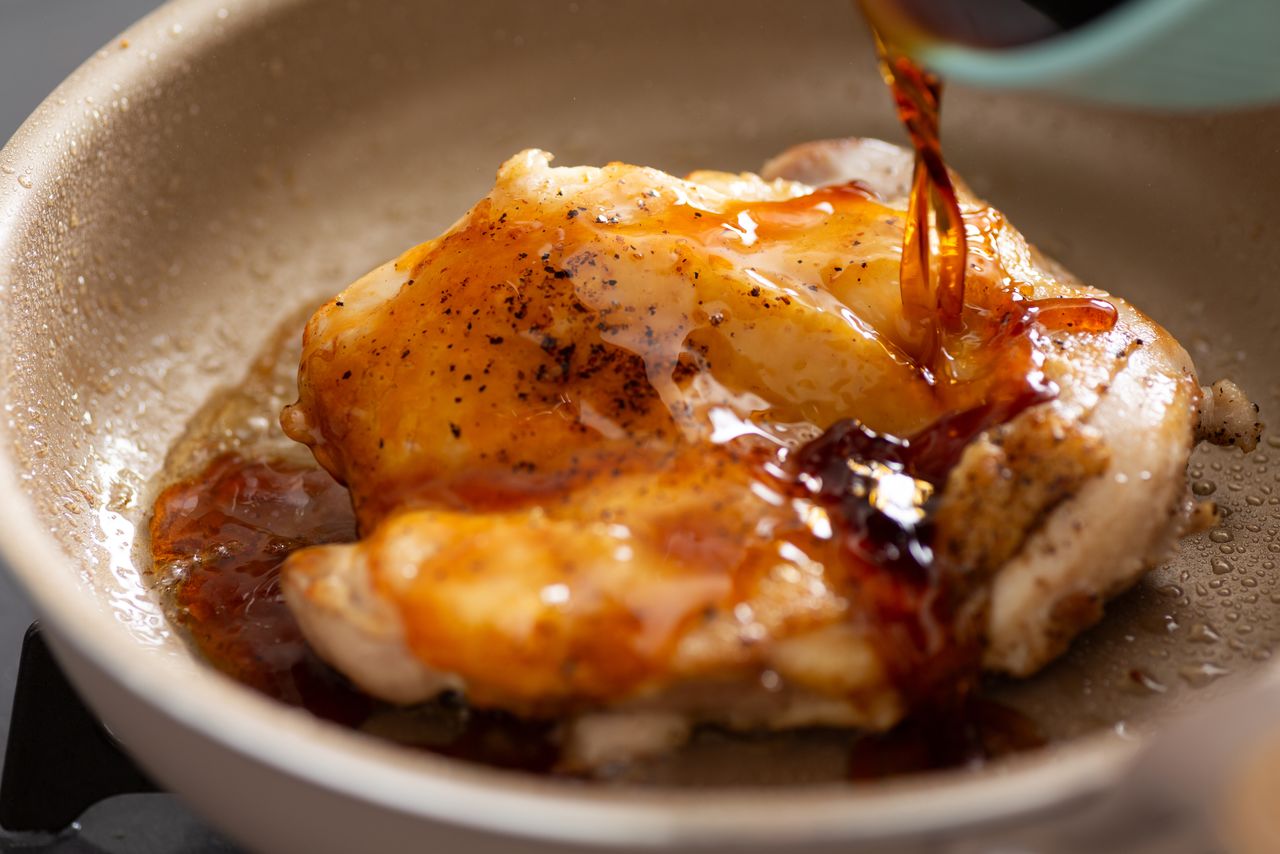
Teriyaki
A shōyu and mirin-based glaze used when grilling various types of food. Listen for the sizzle as you reduce it - an indication it has been cooked to perfection.
(© Pixta)
Chikuzen-ni and Nikujaga
These two traditional winter dishes—chikuzen-ni, with its simmered root vegetables, and nikujaga, a hearty meat and potato stew—are cooked using hon-mirin. To make it even more appetizing, drizzle some hon-mirin right at the end and bring to a quick boil to cr
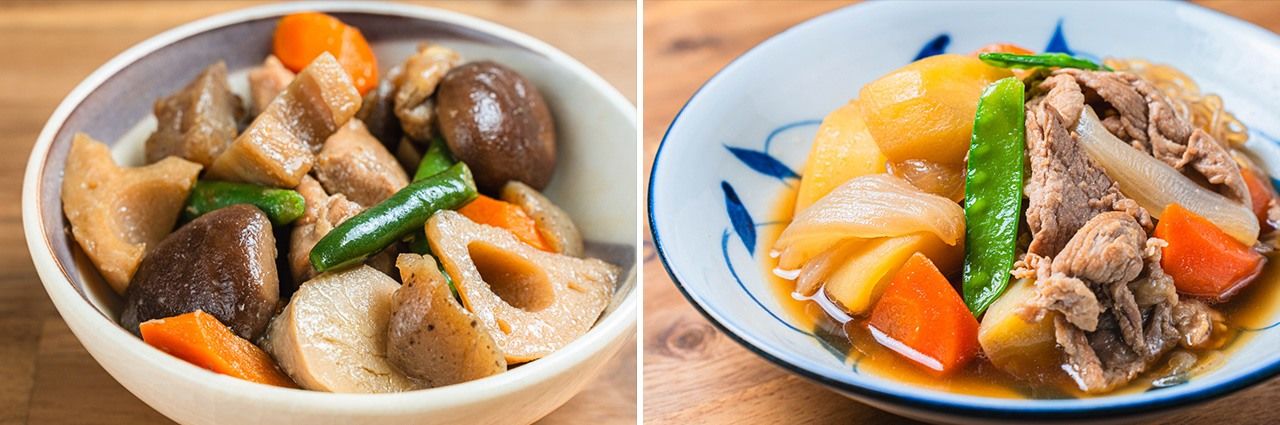
Chikuzen-ni (at left) and nikujaga. (© PhotoAC)
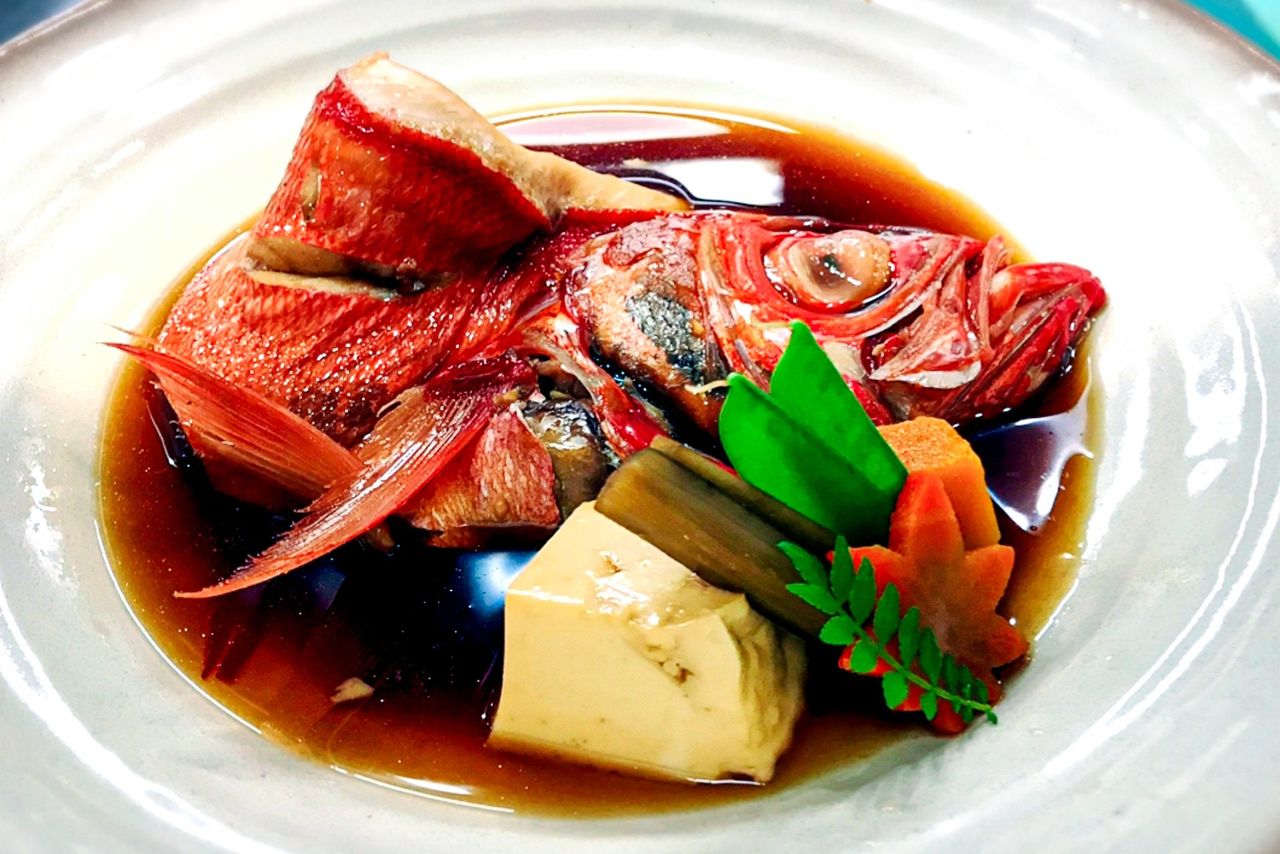
Nizakana
When hon-mirin is used to make this simmered fish dish, it masks the strong odor and also prevents the fish from falling apart during cooking. This is one time you will want to use actual hon-mirin, rather than the mirin-fū style seasoning.
(© PhotoAC)
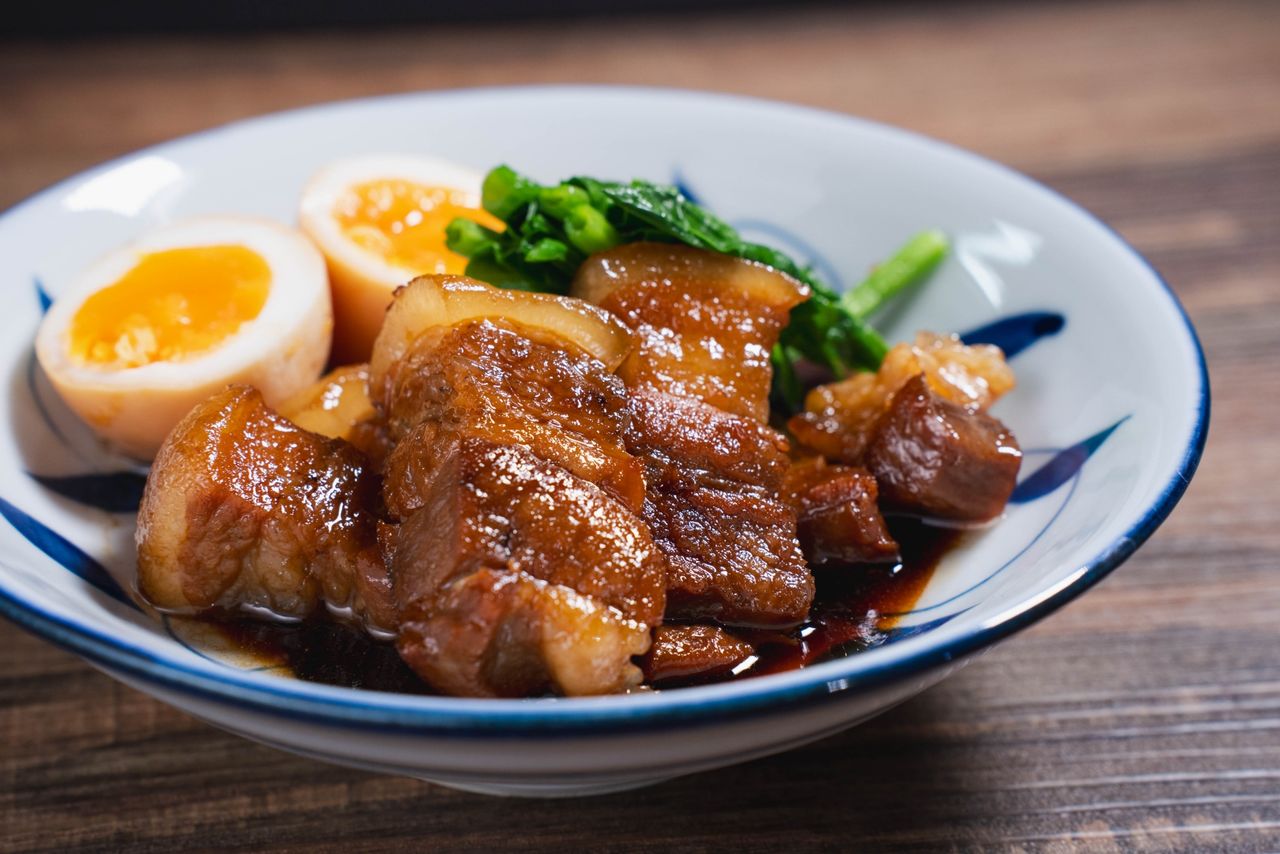
Buta Kakuni
Create this well-loved dish at home just like a pro, simply by slowly simmering a block of parboiled pork in a mixture of shōyu and hon-mirin.
(© PhotoAC)
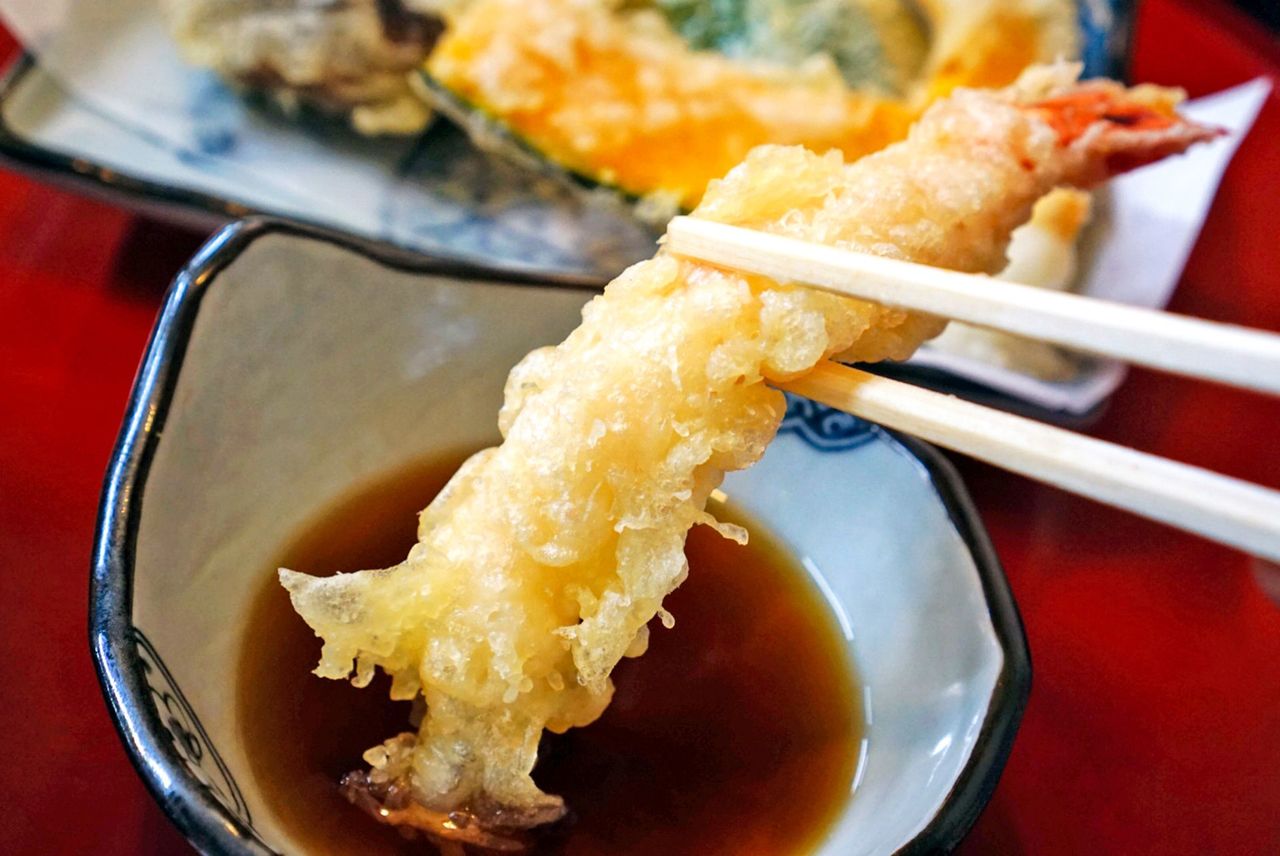
Tentsuyu and Mentsuyu
By adjusting the ratios of shōyu, hon-mirin, and dashi used, this can become a dipping sauce for tempura, a delicious broth for soba and udon noodles, or a clear soup. It is the ultimate combination of seasonings in Japanese cuisine.
(© PhotoAC)
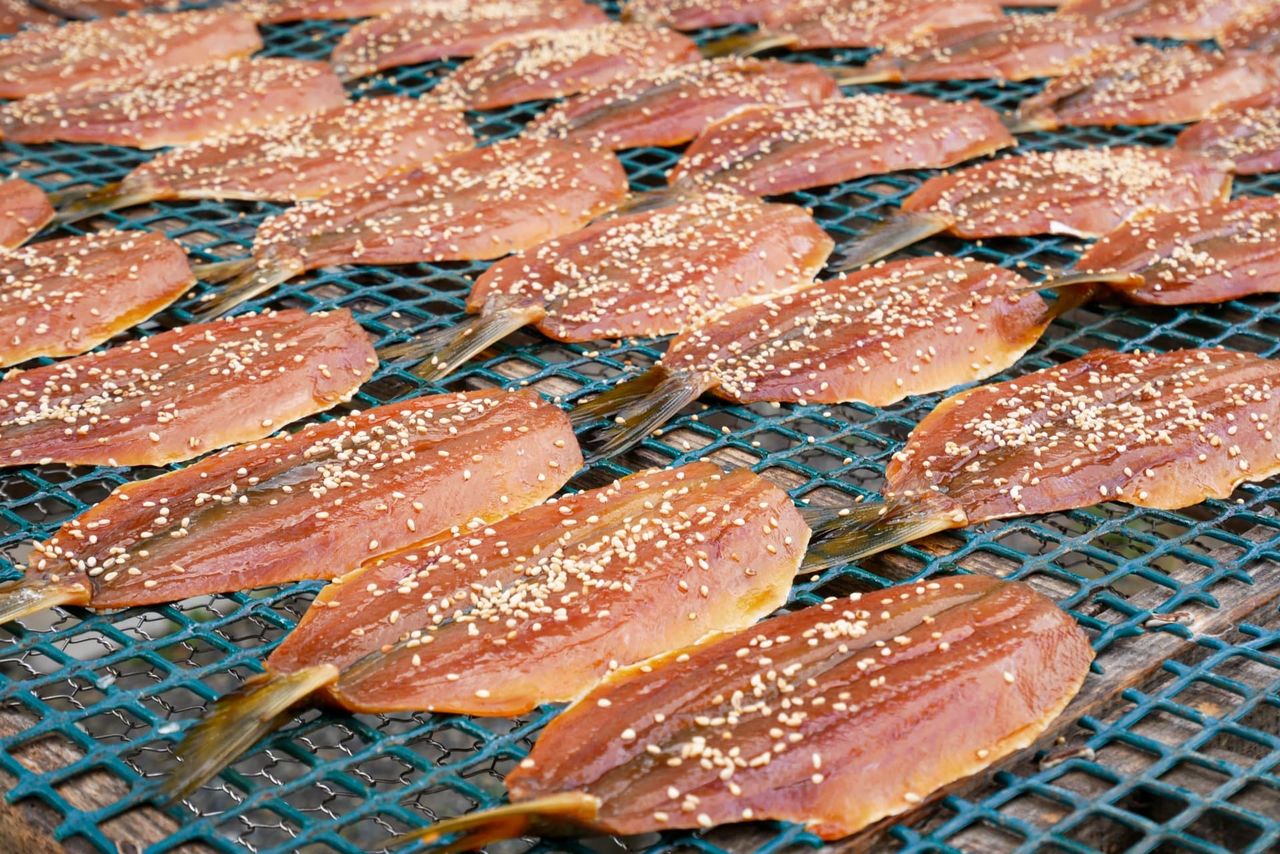
Mirinboshi
Here, fish is marinated in a mixture of shōyu, sugar, and mirin before being dried. It has a subtle sweetness that makes it both a classic accompaniment to rice and an excellent snack with alcohol.
(© PhotoAC)
(Originally published in Japanese. Text by Ecraft. Banner photo © Pixta.)