Japanese Matcha Taking the World by Storm
Society Culture- English
- 日本語
- 简体字
- 繁體字
- Français
- Español
- العربية
- Русский
International Visitors Charmed by Art of Tea
Shizuoka Prefecture is one of Japan’s leading tea-producing regions. In early October, the Tea Museum, Shizuoka, in the city of Shimada, Shizuoka, was particularly busy. During fiscal 2024, from April 2024 through March 2025, the museum had a total of 71,834 visitors, of which 7,072 were from overseas. That’s an increase of over 40% compared to the previous year, and 280% of the figure for 2019, just before the COVID-19 pandemic hit. The growth in inbound visitors shows no sign of slowing down.
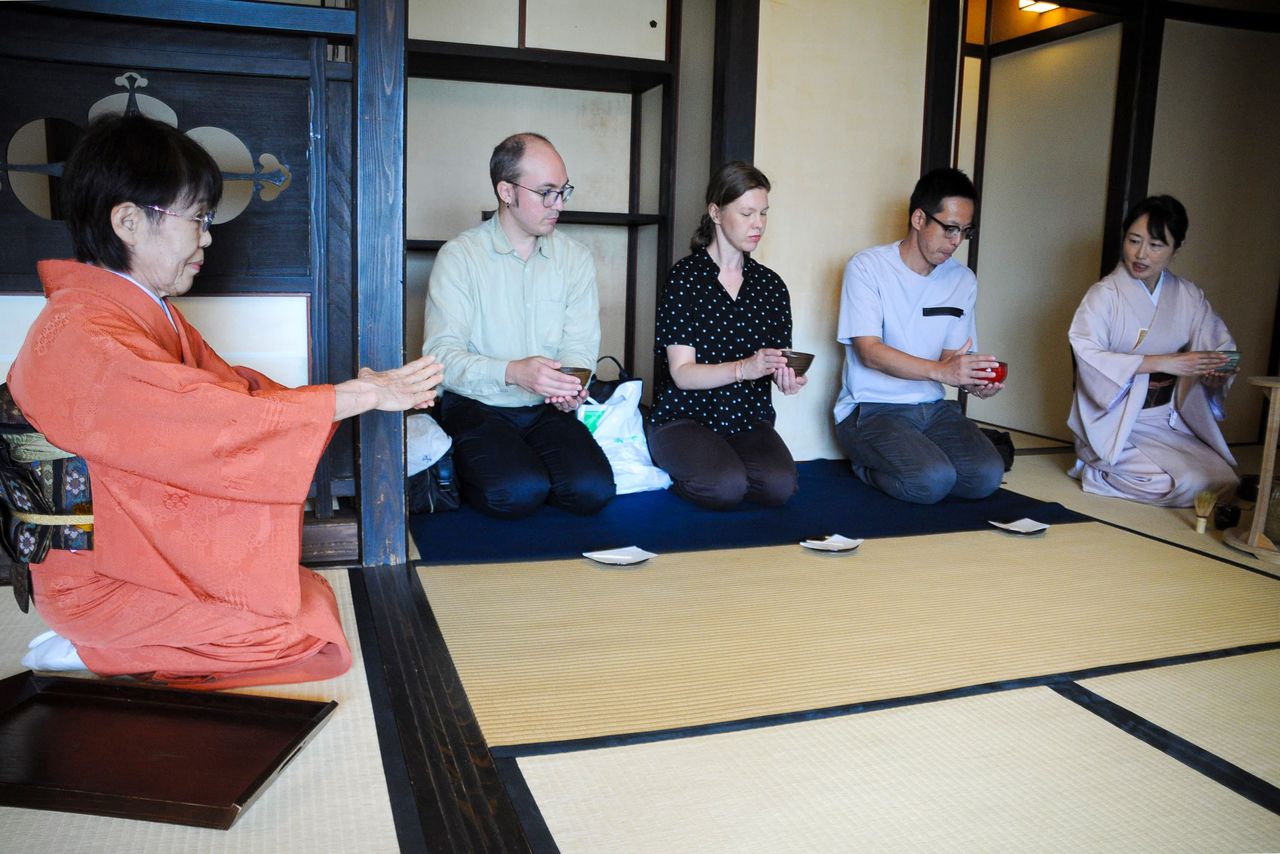
Visitors joining in a tea ceremony at the Tea Museum, Shizuoka. (© Kume Chikuma)
The museum has a tea ceremony, or chadō (often called sadō instead), room where visitors can see both how a traditional space is arranged and how matcha is prepared, then enjoy the scenery along with a bowl of matcha and seasonal sweets. A visitor from Finland comments, “I love matcha, so this was fascinating. There is a chadō school in Helsinki, too.” A companion, who previously spent time in Japan on a pottery internship, adds, “This is a good way to learn about Japanese culture and history.” A Chinese visitor chimes in: “We have matcha latte in China as well, but Japan’s matcha is the best.” A French woman also offers comments on the drink’s popularity, saying, “Many people back home drink matcha because it’s so healthy.”
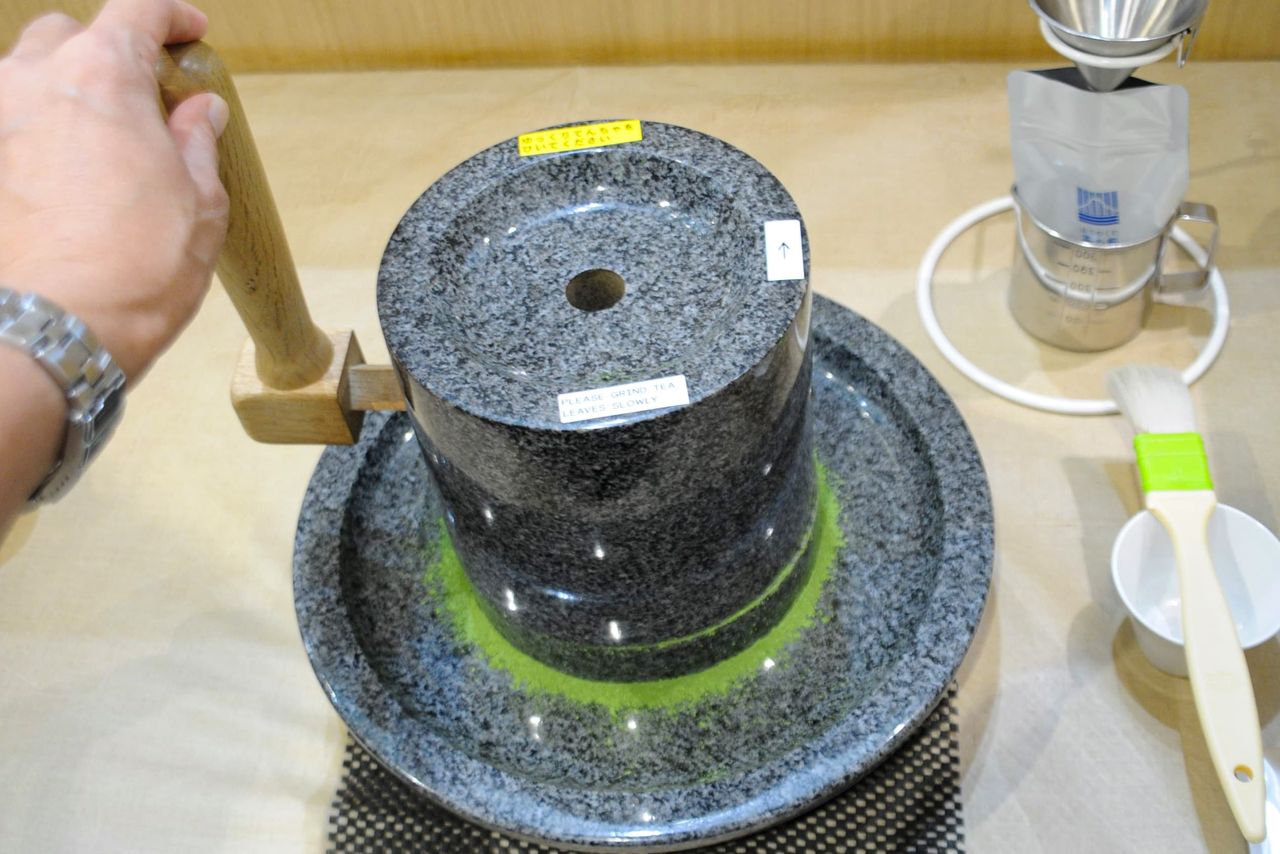
Visitors to the museum can also try grinding tea leaves in a special stone mill. (© Kume Chikuma)
Green Tea Exports Setting New Records
Exports of Japanese tea, including matcha, are growing steadily. Figures for 2024 show about 8,798 tons exported, a 16.1% increase year-on-year, and a 250% increase over 2014. The total value, which is influenced by the weak yen, was ¥36.4 billion, a year-on-year increase of ¥7.2 billion, or 24.7%. The export value for January to August 2025 reached ¥38 billion, already surpassing the total for all of 2024.
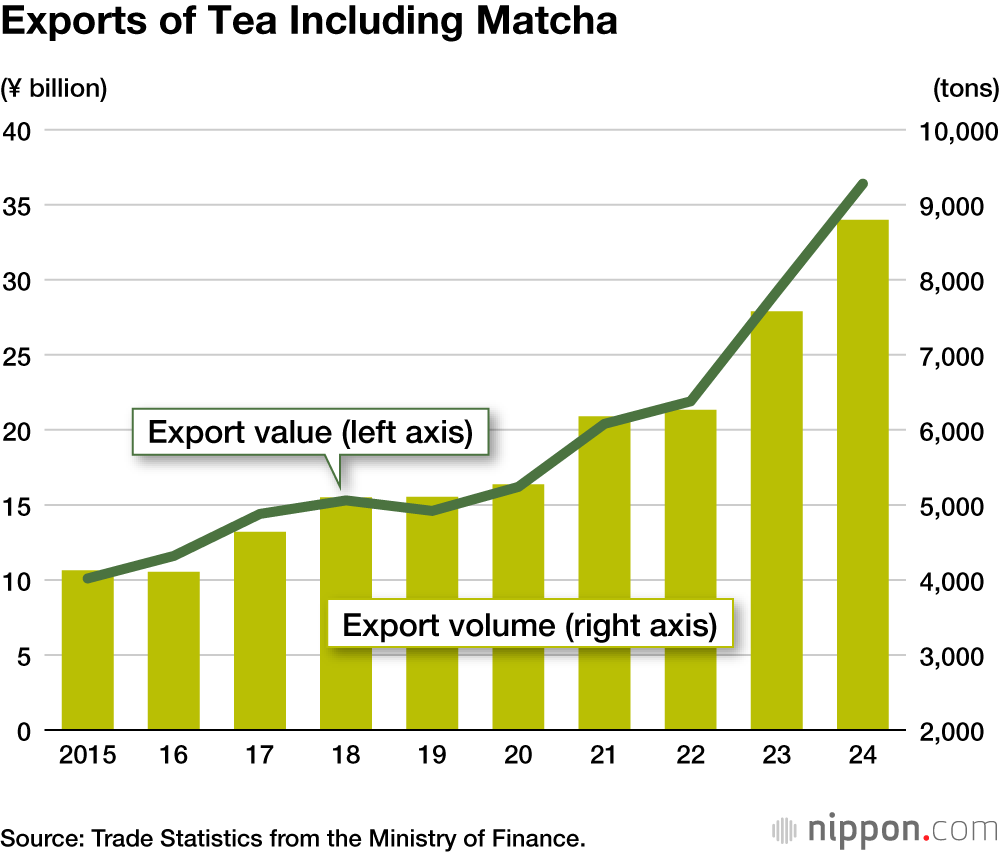
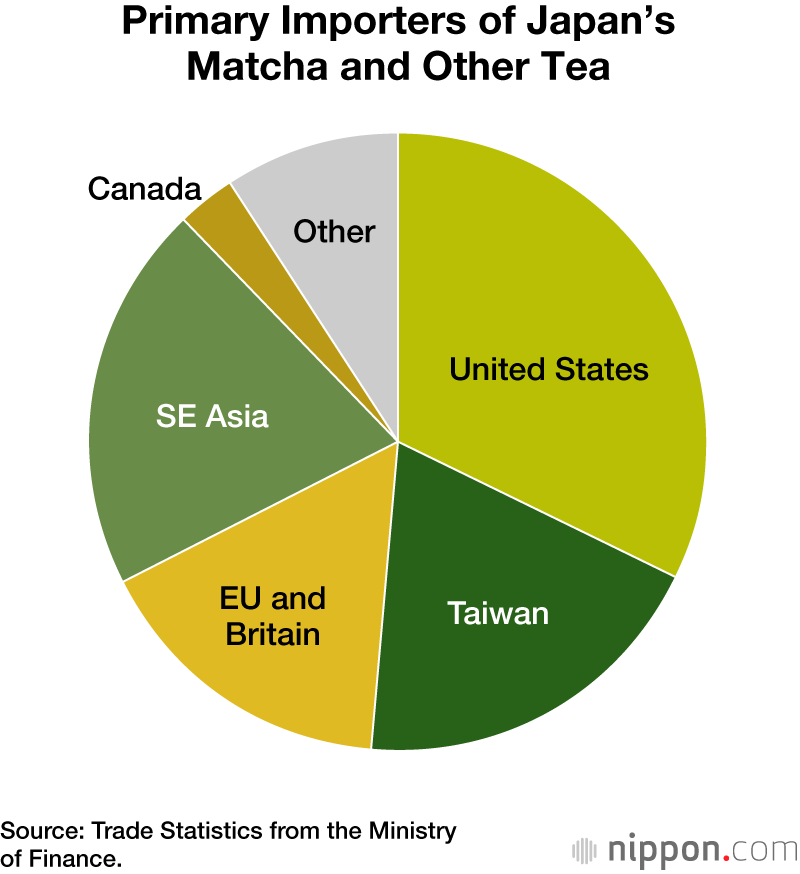
The largest importer is the United States, which takes in 32% of the total, followed by Southeast Asia at 20%, then Taiwan at 19%, and the EU plus Britain at 16%. Matcha and other powdered teas account for 58% of the total at 5,092 tons, overtaking the 3,706 tons of leaf teas. However, tastes vary by nation and region, with the US and European markets overwhelmingly preferring matcha, while leaf tea is much more popular in Taiwan.
Born in China, Nurtured in Japan
Matcha, a variation of green tea, finds its origins in China and was brought to Japan more than 800 years ago. However, the practice of enjoying matcha survives only in Japan, and over the centuries Japan has developed unique cultivation and production methods.
The leaves used to make for matcha, called tencha, are grown shaded from the sun, which encourages the new sprouts to develop a deeper green color, richer umami flavor, and distinct aroma. The harvested leaves are steamed and dried without hand-rolling. The stems and leaf veins are then removed, and the finished leaves are ground in a stone mill or, in more modern facilities, a mechanical grinder.
Matcha, which preserves all of the tea leaves’ natural makeup in the final drink, has a solid base of popularity abroad, while younger generations in particular are exploring new ways of drinking it. A new wave of popularity is also building in Japan, where matcha maintains its chadō heritage of traditional hospitality.
Building the Made in Japan Brand
Even as international praise and understanding grow, there remains a lot of mystery around tencha cultivation and matcha production methods. To address that, NARO, the National Agricultural and Food Research Organization, and other entities are promoting administrative moves toward an international matcha definition. In April of 2022, a technical report on the definition of matcha published by the International Standards Organization described the cultivation and production methods and history of matcha, which marked a step toward international matcha certification.
The NARO Institute of Fruit Tree and Tea Science has said, “We believe that adopting the name matcha (as an international standard) will reduce the circulation of substandard products and reduce harm to Japanese products in the marketplace. International certification alone will not expand the market, but we see international standardization as one step toward that goal, alongside technical improvements in product or production progress and brand-name recognition.”
Domestic Growers Boosting Production
The mountains of Hamamatsu, Shizuoka are home to tea makers like Tenryū Aguri Farm, which grows and processes both tencha and aracha (steamed, rolled, and dried) tea leaves. In response to the products’ increased popularity, the farm has since May 2025 adopted a new production structure and improved facilities for better product quality. Tenryū Aguri Farm has struggled with dropping prices of green tea as domestic consumers drink less tea brewed from the leaf and more bottled versions. Cultivation and processing manager Ōishi Narumi, who remembers his father’s efforts as a tencha tea farmer in his childhood, has started a study group to help preserve that heritage. He is now hoping to raise his own district to the same level of tea-growing fame as Uji, Kyoto, or Nishio, Aichi.
Ōishi says that every comment he gets from overseas buyers complimenting the aroma or color of his tea increases his desire to grow more. “I want to keep focusing on high quality tencha.”
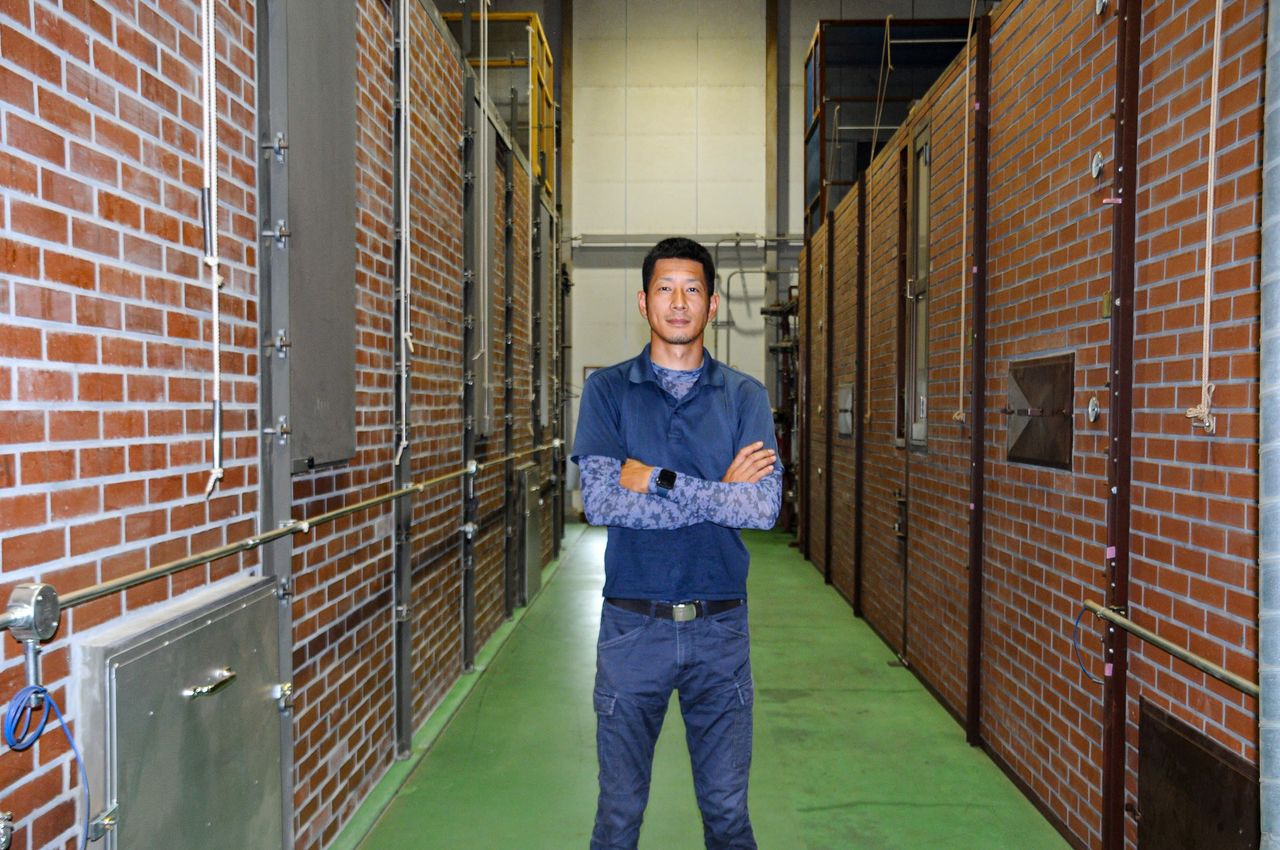
Ōishi shows off his brick kilns used to dry tencha for matcha. (© Kume Chikuma)
Social Media Key to Overseas Sales
The Ōishi Tea Factory in Yame, Fukuoka, grows, produces, and sells tea, and began exporting from 2010. Managing director and fourth-generation owner Ōishi Ken’ichi first wanted to share Japan’s traditional tea culture overseas after studying abroad in France. As domestic consumption continued to fall, he managed to catch onto the growing trend of foreigners making matcha a part of daily life.
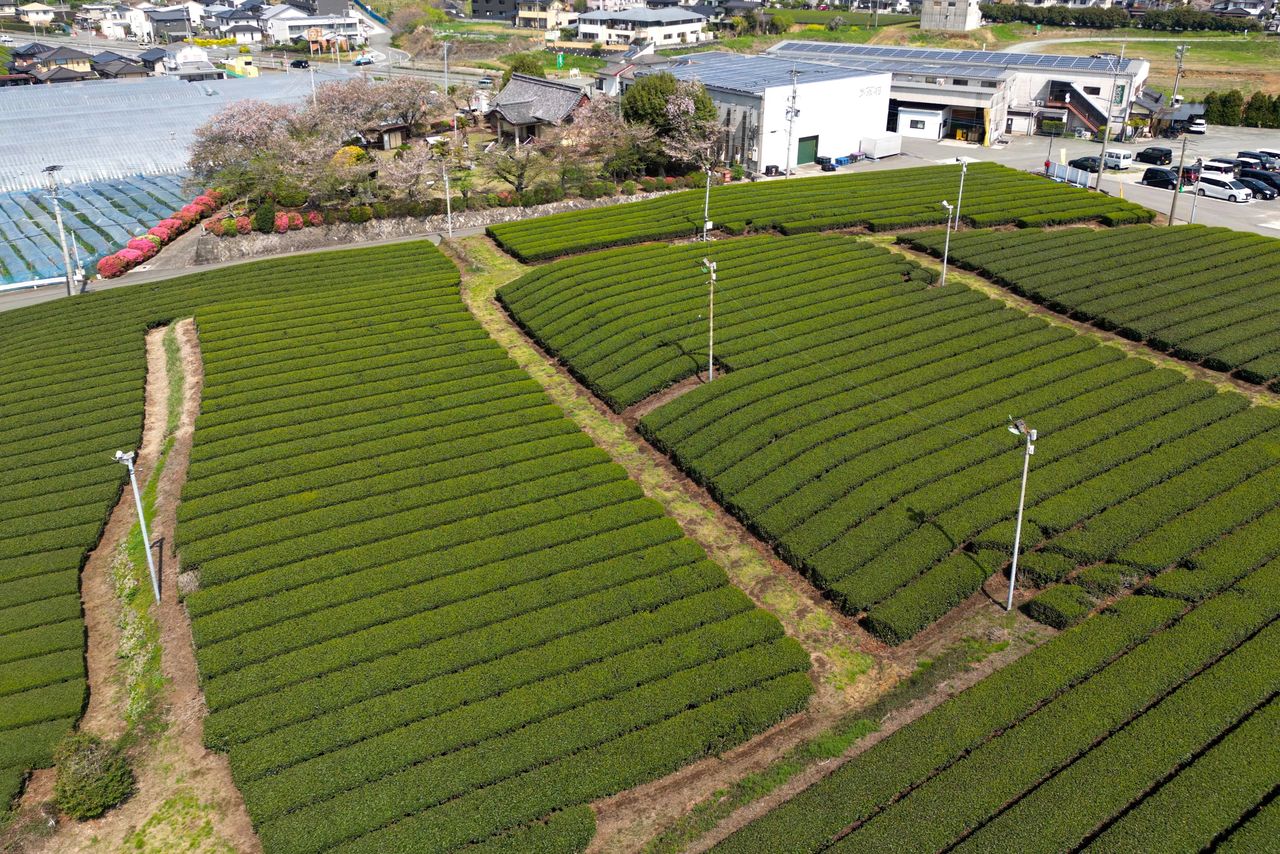
Tea fields in Yame, Fukuoka, before being covered for tencha cultivation. (Courtesy Ōishi Tea Factory)
“There’s been an enormous spike in consumption these past five years or so,” Ōishi says. He has expanded his farm’s sales channels by posting on the websites and social media pages of international cafes and makers of sweets, ice cream, and more. He now has 500 clients in 40 markets abroad, including Britain, France, Taiwan, Thailand, and the United States. He also has employees from Taiwan, France, Indonesia, and Nepal, to ensure a better understanding of international market needs.
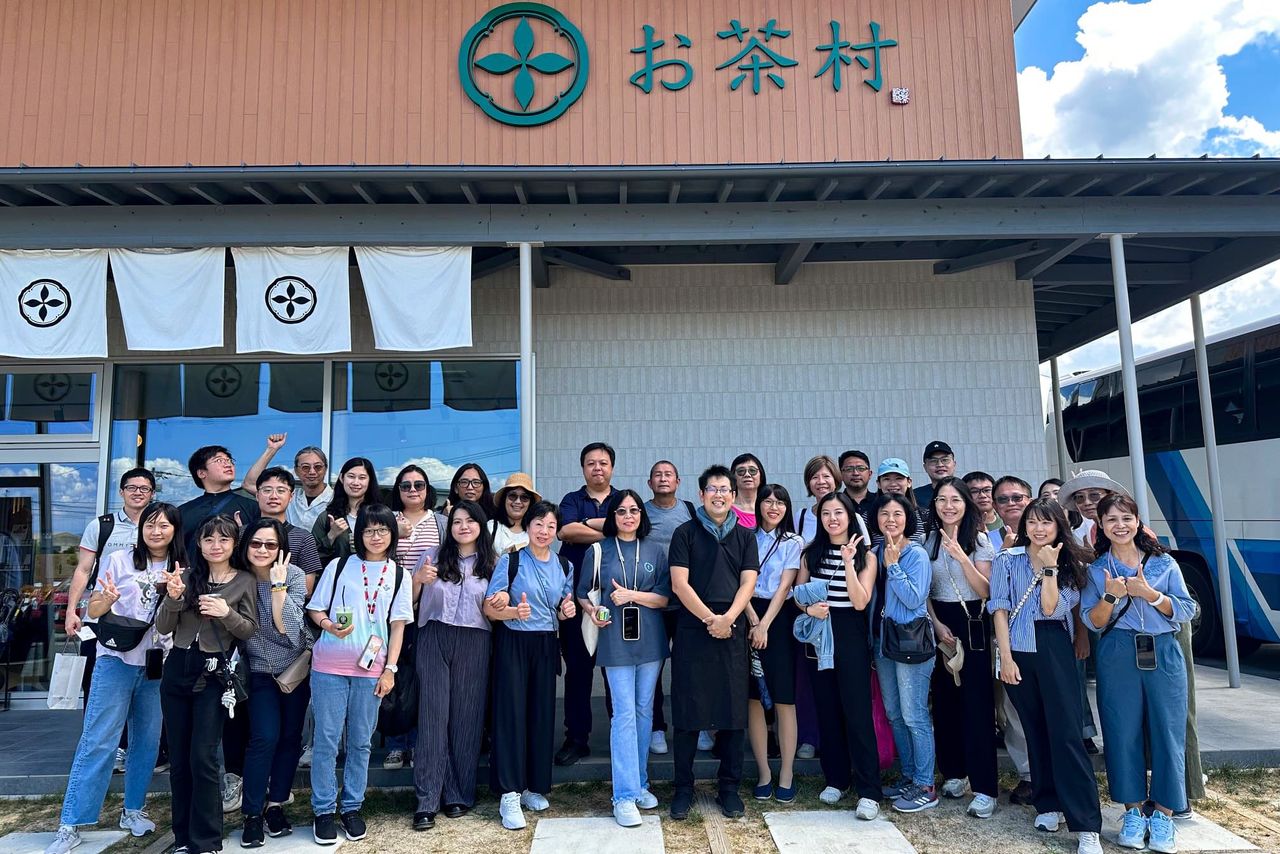
Ōishi Ken’ichi (front row center, in the black shirt) welcomes international tourists at his farm’s sales shop and cafe. (Courtesy Ōishi Tea Factory)
Ongoing Product Development
Matcha is showing up in one new product after another. The variety is wide, from lattes mixed with milk or soy milk to all kinds of sweets, and even beverages like beer. Overseas visitors are also tending to choose matcha-related products as souvenirs and to enjoy themselves after returning home.
In keeping with that trend, a company called World Matcha has developed and marketed a matcha-making machine for customers to enjoy the drink more casually at home. The company developed the idea after matcha began to gain popularity as a healthy drink and more cafes began serving it. The machine, which recreates the chadō steps of grinding in a stone mill and whipping with a whisk, went on sale in the United States in 2020 and launched in Japan the next year. There are now retailers in 20 nations, and as of October 2025 total sales had exceeded 10,000 units. Around the same time, the company began selling Japanese-grown tencha certified as organic by the Japan Agricultural Standards organization under the name Matcha Leaf, building a bridge between producers and consumers.
The World Match’s PR representative Tsukada Shino emphasizes, “We hope customers can have a moment with matcha that helps them connect the cup in their hands with the tea field.”
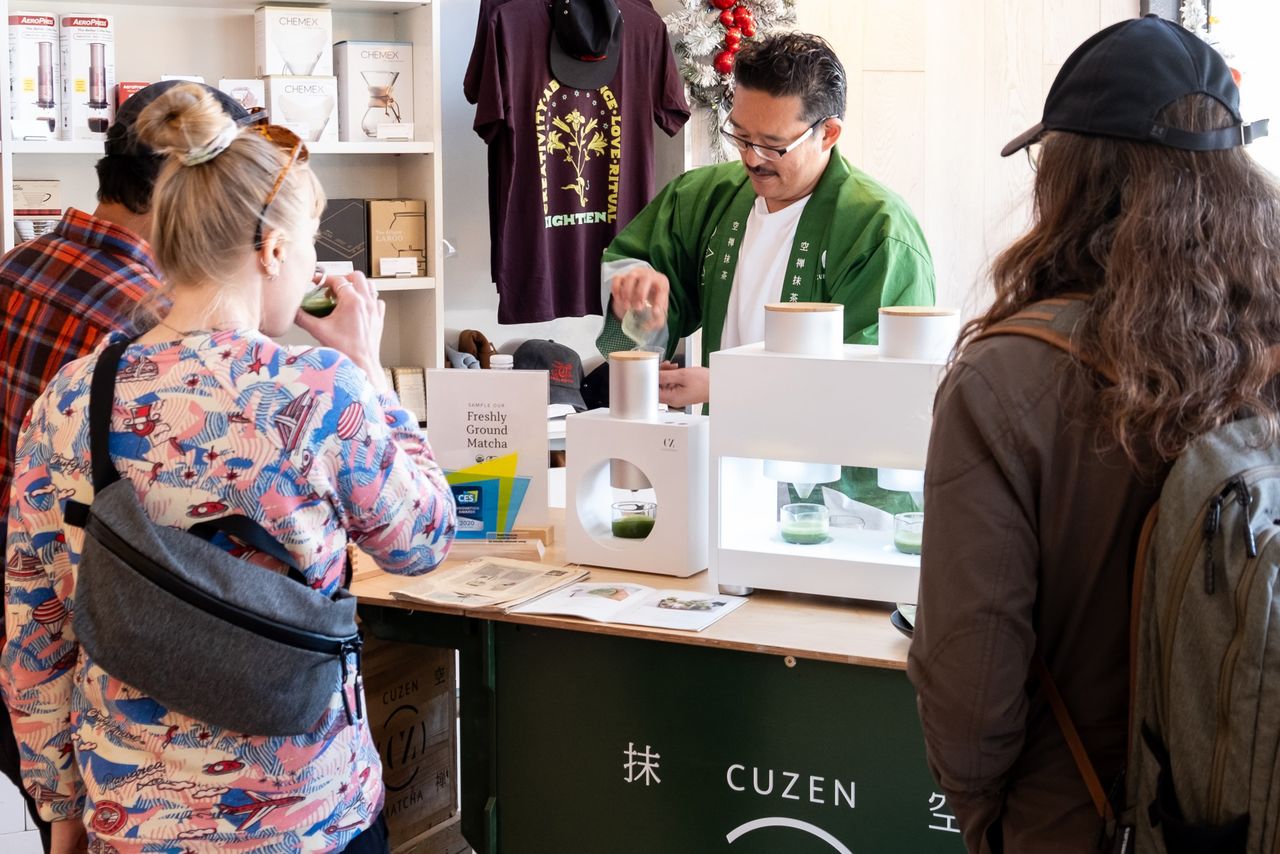
A popup event in the United States using the matcha maker. Drinks made with fresh-ground matcha are increasingly popular. (Courtesy World Matcha)
The Japan External Trade Organization’s Agricultural, Forestry, and Fishery Products and Food division has seen increased interest in matcha as a new export product as a benefit. Notes a JETRO officer, “We believe the overseas market for matcha still has room for expansion.”
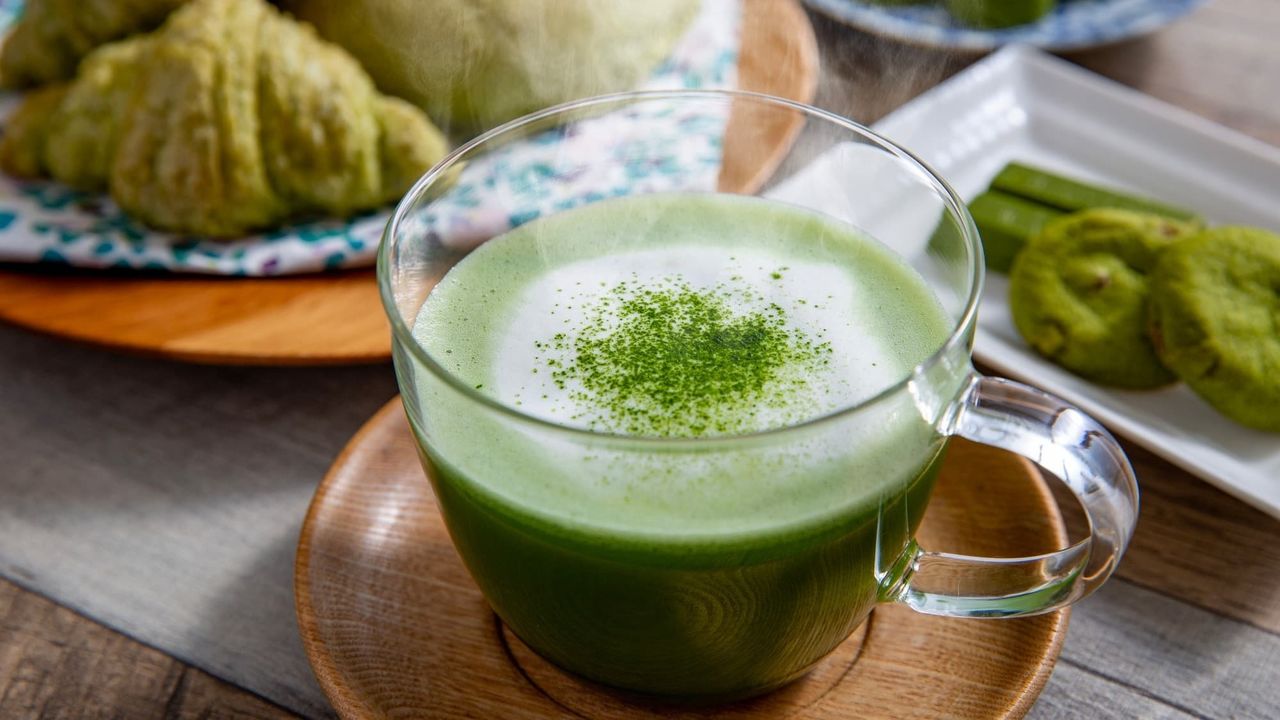
(Originally published in Japanese. Banner photo: Matcha is popular all over the world. © Pixta.)