Japan’s Top Events in Spring 2026
Lifestyle Guide to Japan- English
- 日本語
- 简体字
- 繁體字
- Français
- Español
- العربية
- Русский
Mito Plum Blossom Festival at Kairakuen: February 11–March 22
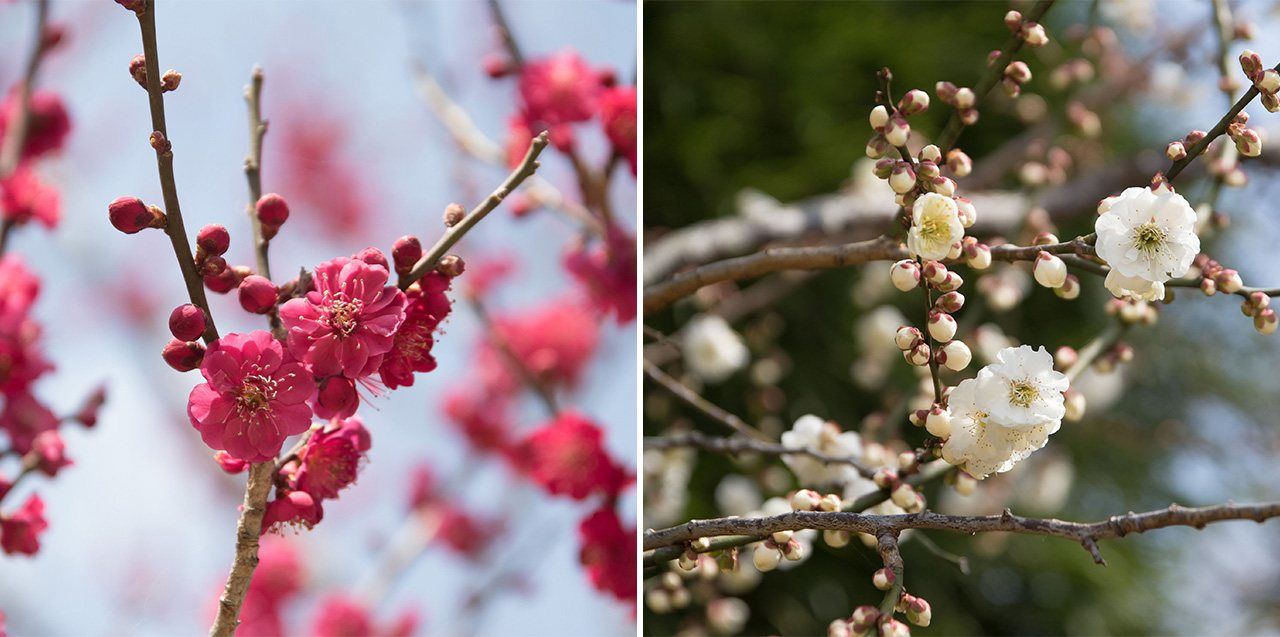
Kairakuen in Mito, Ibaraki, is considered to be one of Japan’s three great gardens. Within its vast grounds, there are around 3,000 plum trees in total, of around 100 different varieties, collected from around the country by the ninth daimyō of the Mito Domain, Tokugawa Nariaki (1800–1860). The wide range of blooming periods means visitors can enjoy plum blossoms for over a month.
(© Kairakuen)
Yanagawa Hina Water Parade: March 15
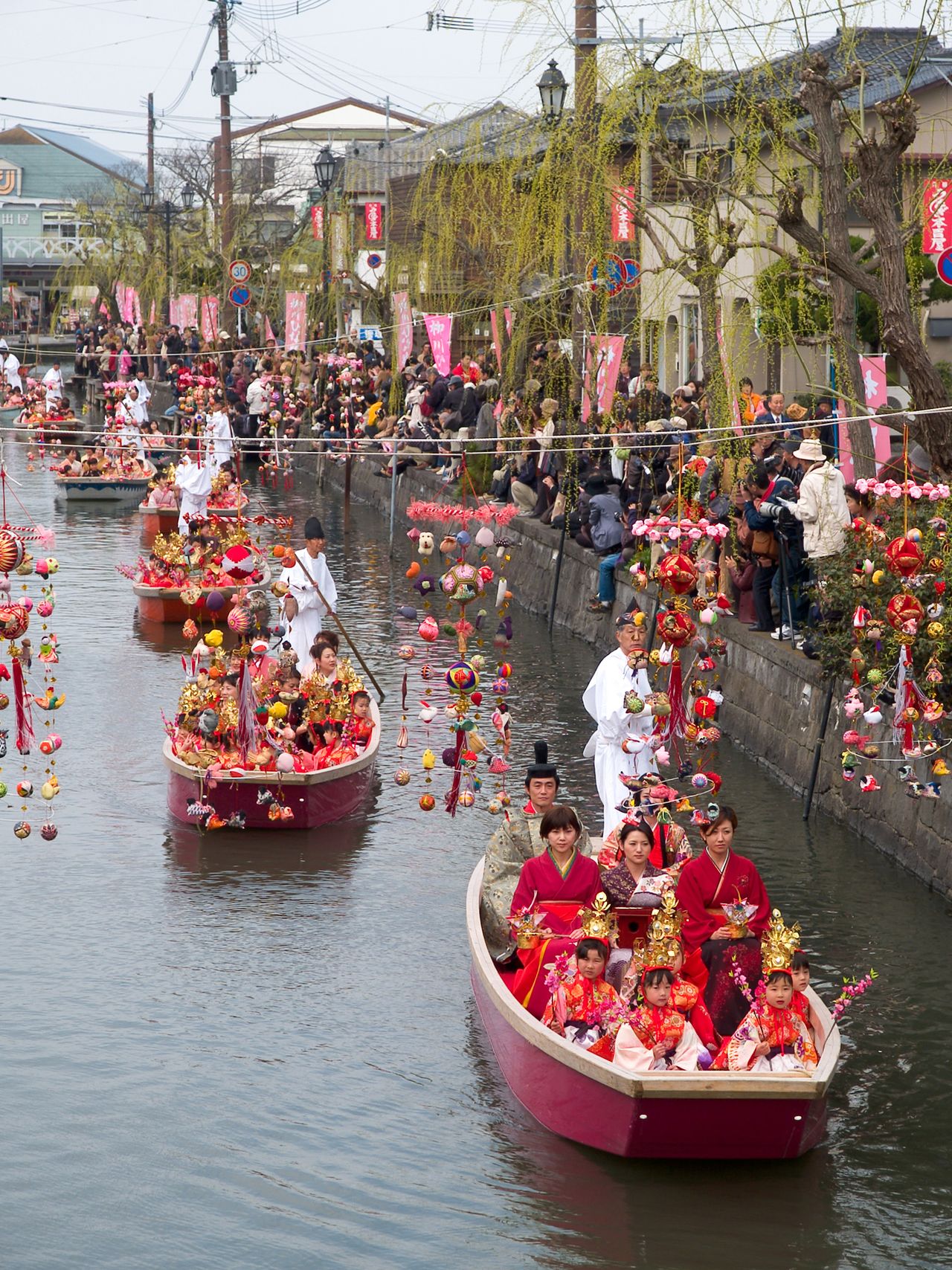
While hina dolls are associated with Japan’s Hinamatsuri festival on March 3, the Yanagawa Hina Festival in Yanagawa, Fukuoka, takes place over a longer period, from February 11 to April 5 each year. The highlight is the Water Parade on March 15, in which local kindergarten children dressed as dolls ride boats along the city canals. Hanging decorations called sagemon include ornaments like cranes, turtles, and chicks. These were originally displayed in homes where girls were born, but have since spread to stores and public facilities as part of this festival welcoming the arrival of spring.
(© Yanagawa Tourism Bureau)
Official website: https://www.yanagawa-net.com/en/
Asahi Funagawa Spring Quartet: Early to Mid-April
Rows of cherry trees combine with blooming tulips, rapeseed flowers, and the lingering snow on the Northern Alps to create a splendid spring quartet of colors in the town of Asahi, Toyama Prefecture. It feels as though the energy of the earth is bursting out again after the chill of winter.
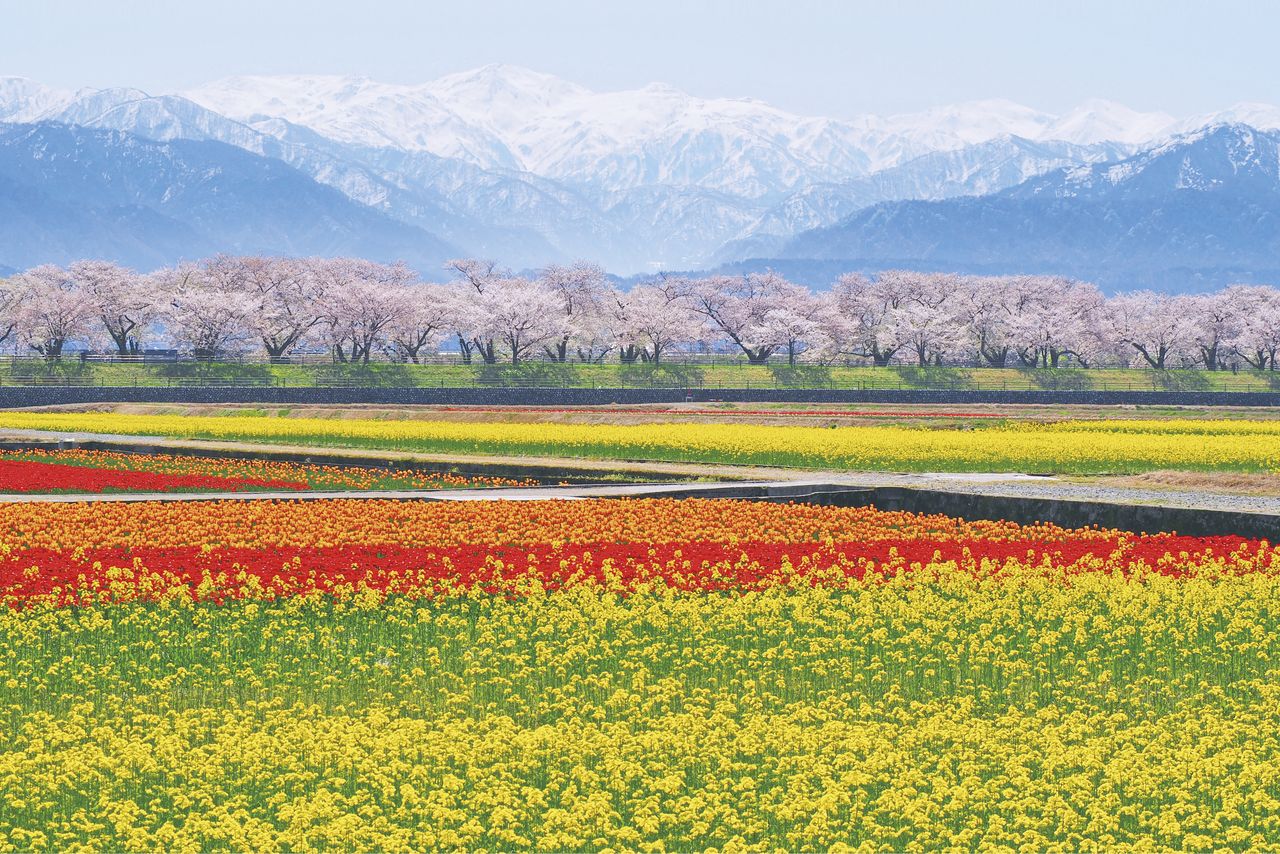
Asahi’s spring quartet. (© Asahi Town Tourism Association)
The World Heritage Sites of Yoshino and Ōmine: Prayers and Beauty Dedicated to the Mountain Deity at Nara National Museum: April 10—June 7
The mountains of Ōmine, stretching from Yoshino in Nara to Kumano in Wakayama, are said to be sacred peaks where deities live, and are the birthplace of an ancient form of mountain ascetic practice. This exhibition brings together the faith and art of Yoshino and Ōmine, located at the heart of the Sacred Sites and Pilgrimage Routes in the Kii Mountain Range, designated by UNESCO as a World Heritage site in 2004.
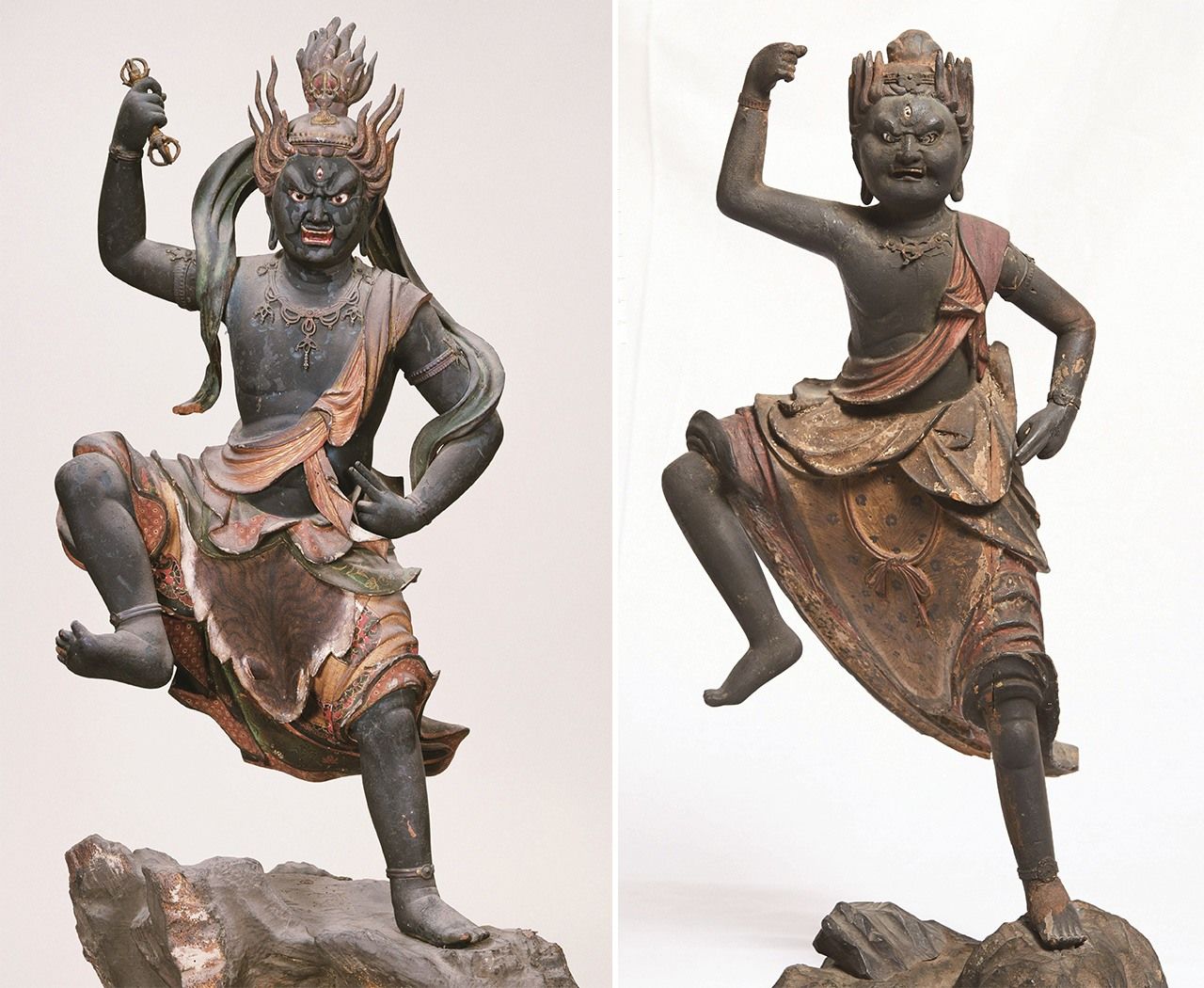
At left: Standing Zaō Gongen (Important Cultural Property), Kamakura period, 1226, from the temple Nyoirinji, Nara; at right, Zaō Gongen: Mountain Avatar, Kamakura period, thirteenth century, from the Los Angeles County Museum of Art, California, USA. (Courtesy Nara National Museum)
Official website: https://www.narahaku.go.jp/english/exhibition/special/202604_yoshino/
The Kōrin School: The Irises and Ogata Kōrin’s Followers at the Nezu Museum, Tokyo: April 11—May 10
Every year, the Nezu Museum holds a special exhibition for people to see Ogata Kōrin’s folding screen painting Irises at the same time that irises are in bloom in the garden. This year, visitors can also see works by Kōrin’s followers, such as his younger brother and disciple Kenzan, and by Kenzan’s own disciples.
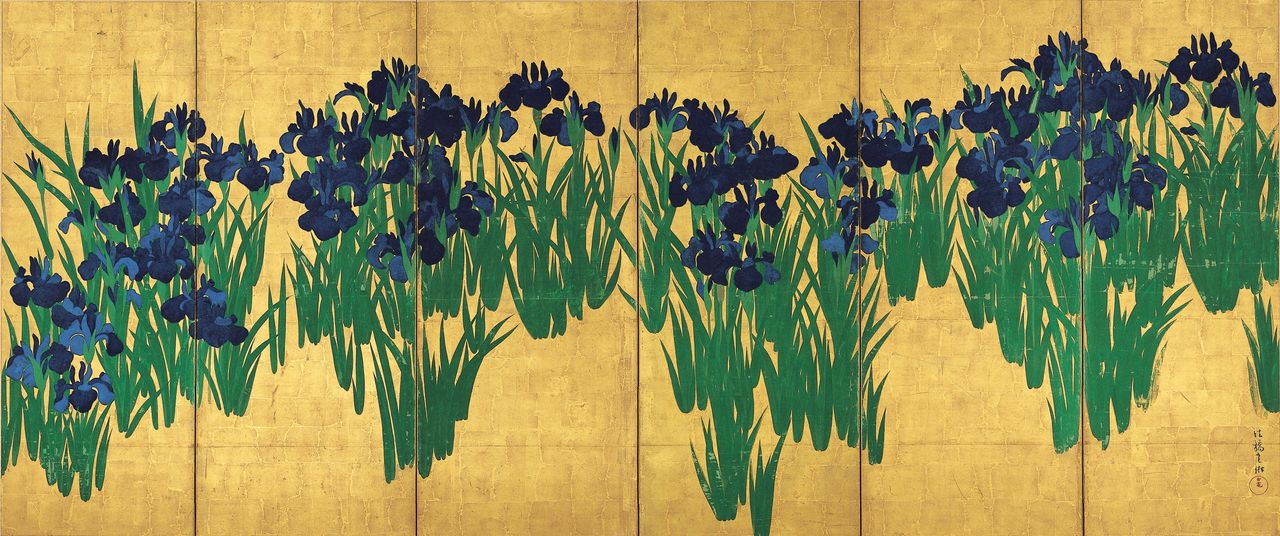
Kakitsubata zu byōbu (Irises), National Treasure; right screen of a pair of six-panel screens. By Ogata Kōrin, Edo period, eighteenth century. (Courtesy Nezu Museum)
Official website: https://www.nezu-muse.or.jp/en/exhibition/next.html
The Great Wisteria Festival at Ashikaga Flower Park: Mid-April to Mid-May
Ashikaga Flower Park in Ashikaga, Tochigi, is known for its wisteria, including a 150-year-old tree that is a symbol of the park. As sunlight filters though the trellis, it highlights the delicate beauty and power of the flowers. For around a month, visitors can appreciate the various charms of wisteria, including a white tunnel of blossoms, double-flowered varieties, and a rare yellow wisteria that is difficult to cultivate in Japan. Nighttime illuminations create a magical atmosphere.
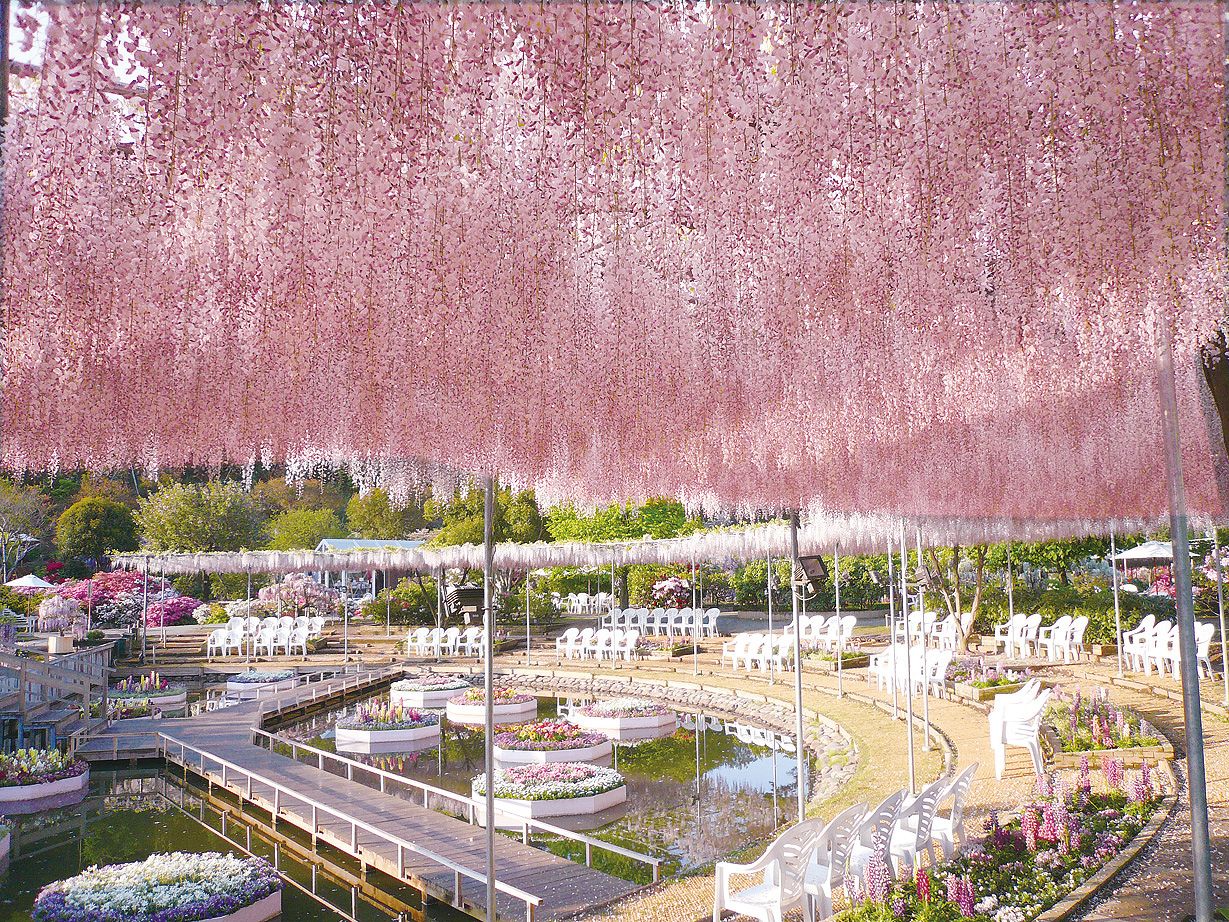
(© Ashikaga Flower Park)
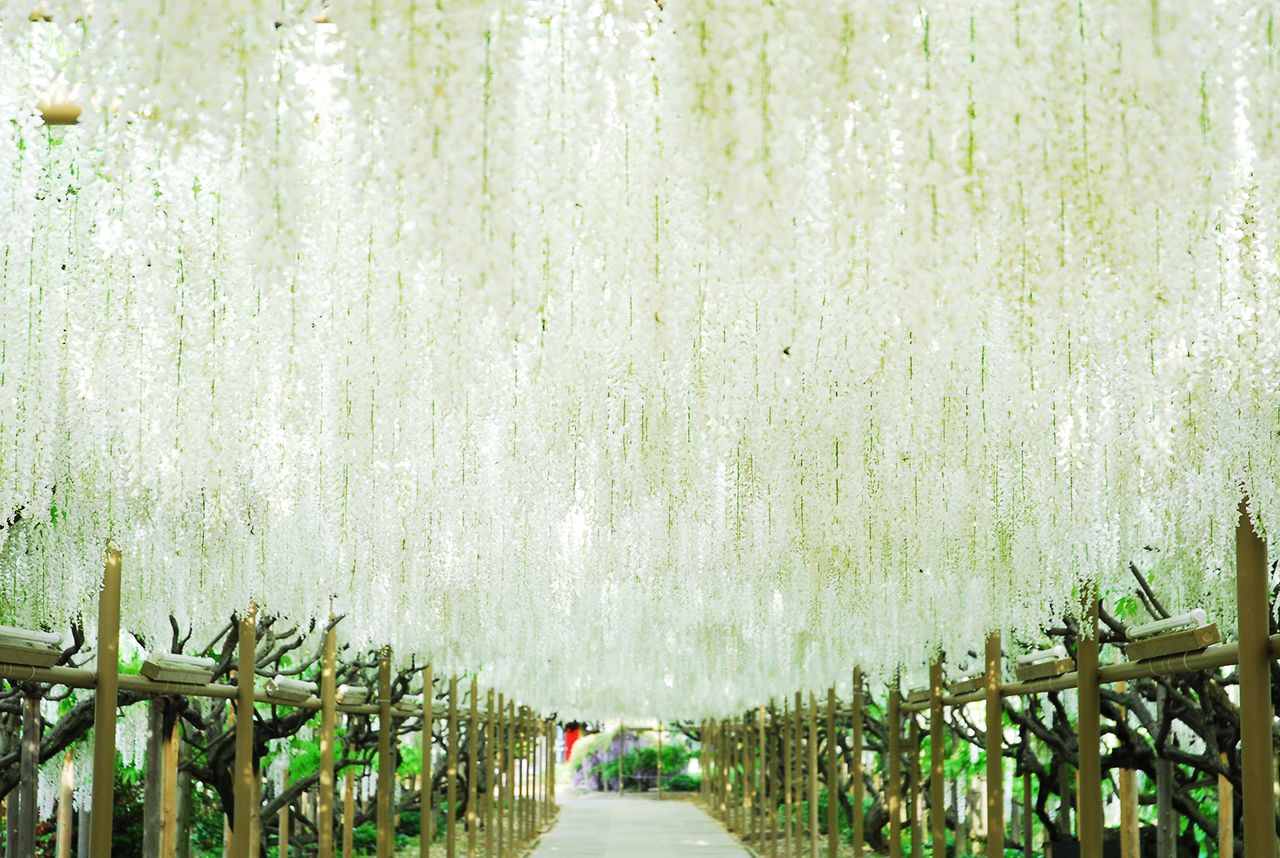
(© Ashikaga Flower Park)
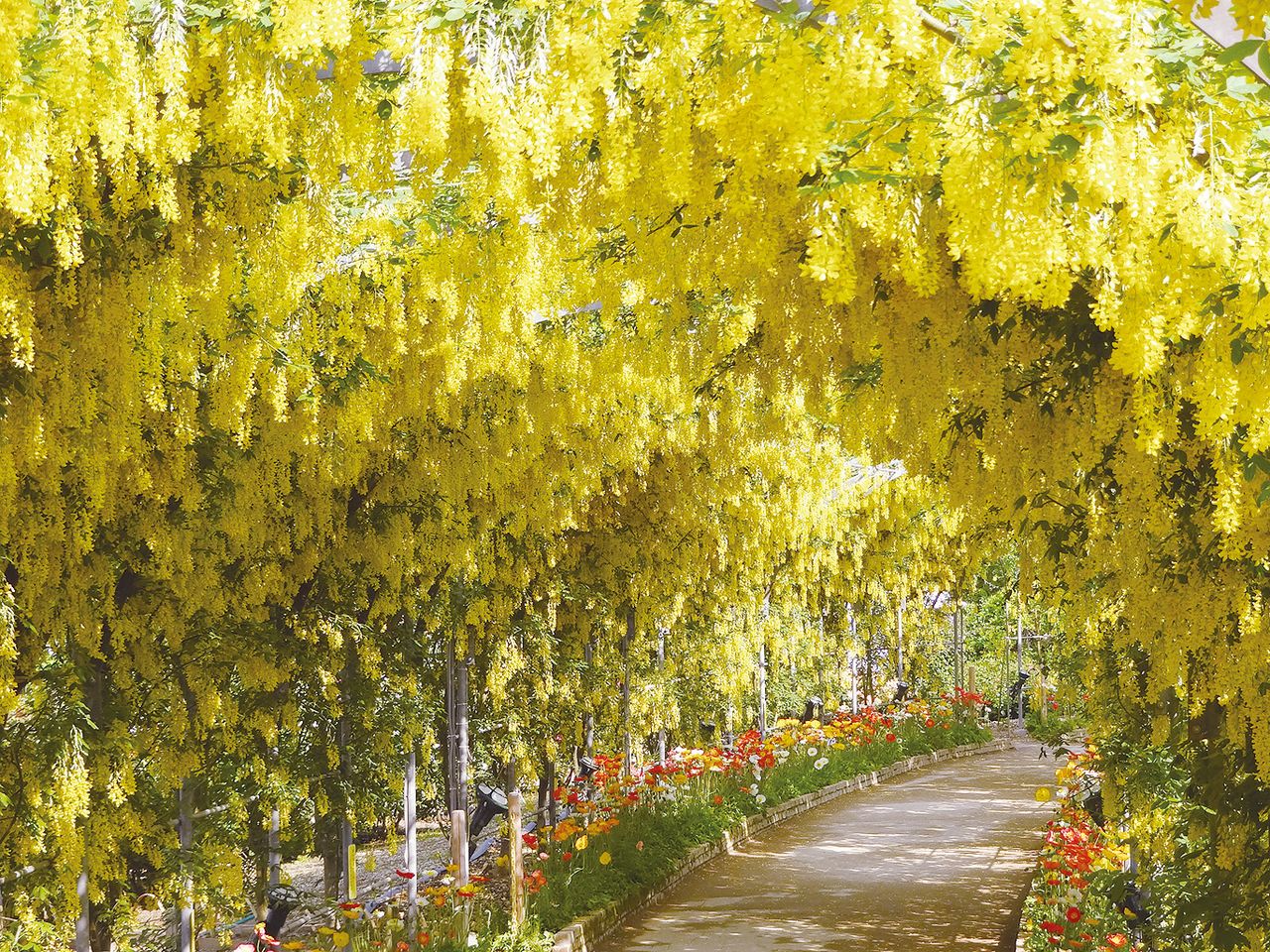
(© Ashikaga Flower Park)
Official website: https://www.ashikaga.co.jp/english/index.html
Mashiko Pottery Fair: April 29–May 6
Visitors to this fair in Mashiko, Tochigi, can browse at around 50 shops and 700 tents for pottery items ranging from affordable plates and mugs for daily use to works of art. There is the chance to talk directly with up-and-coming artists and kiln artisans, and a vast variety of goods are on hand to suit everyone’s personal taste. Local agricultural products and other souvenirs are also on sale.
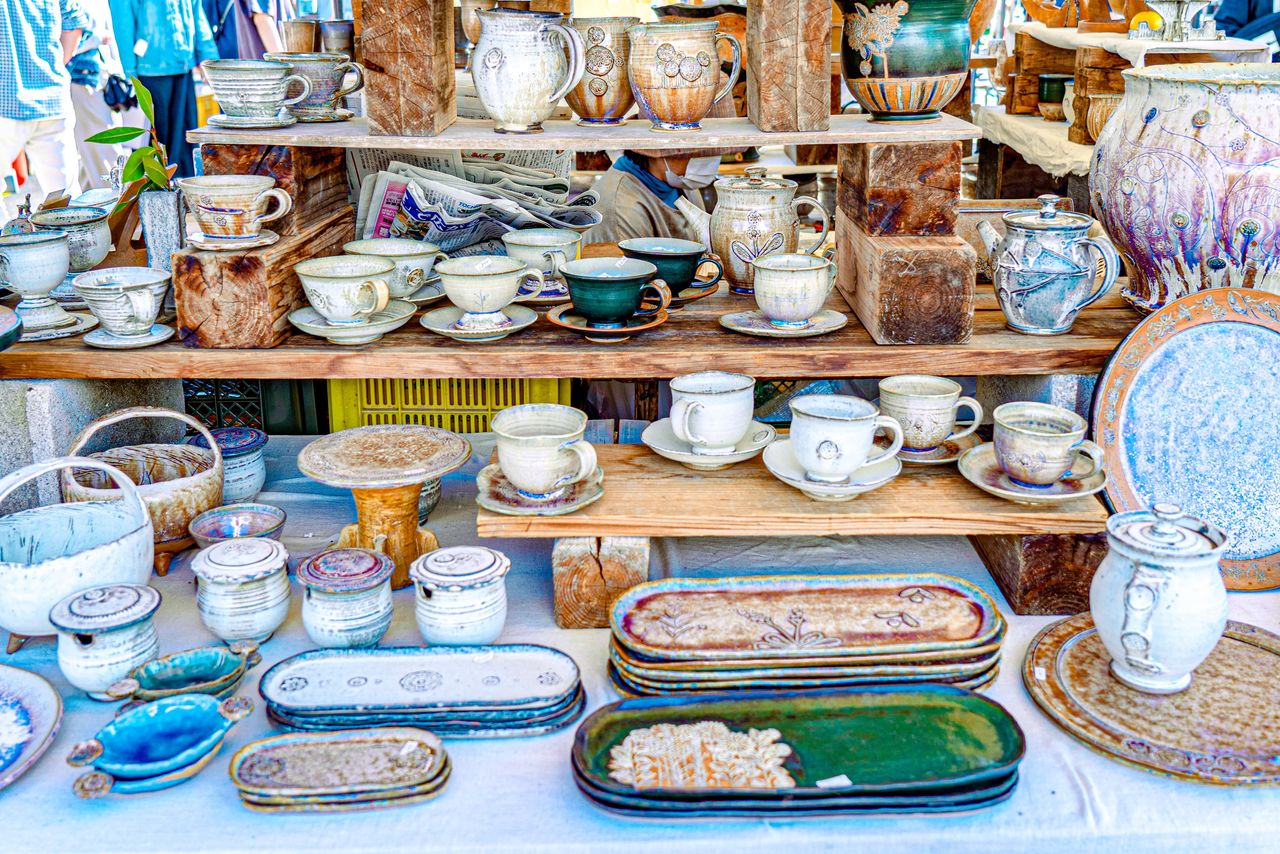
Wares at the Mashiko Pottery Fair. (© Pixta)
Matsumoto Gunnery Display: May 10
At Matsumoto Castle’s Sannomaru compound, a group dressed as samurai soldiers fires matchlock guns in this military demonstration. As the guns roar and white smokes billow in this Nagano Prefecture city, it feels like traveling in time back to the turbulence of the Warring States period (1467–1568).
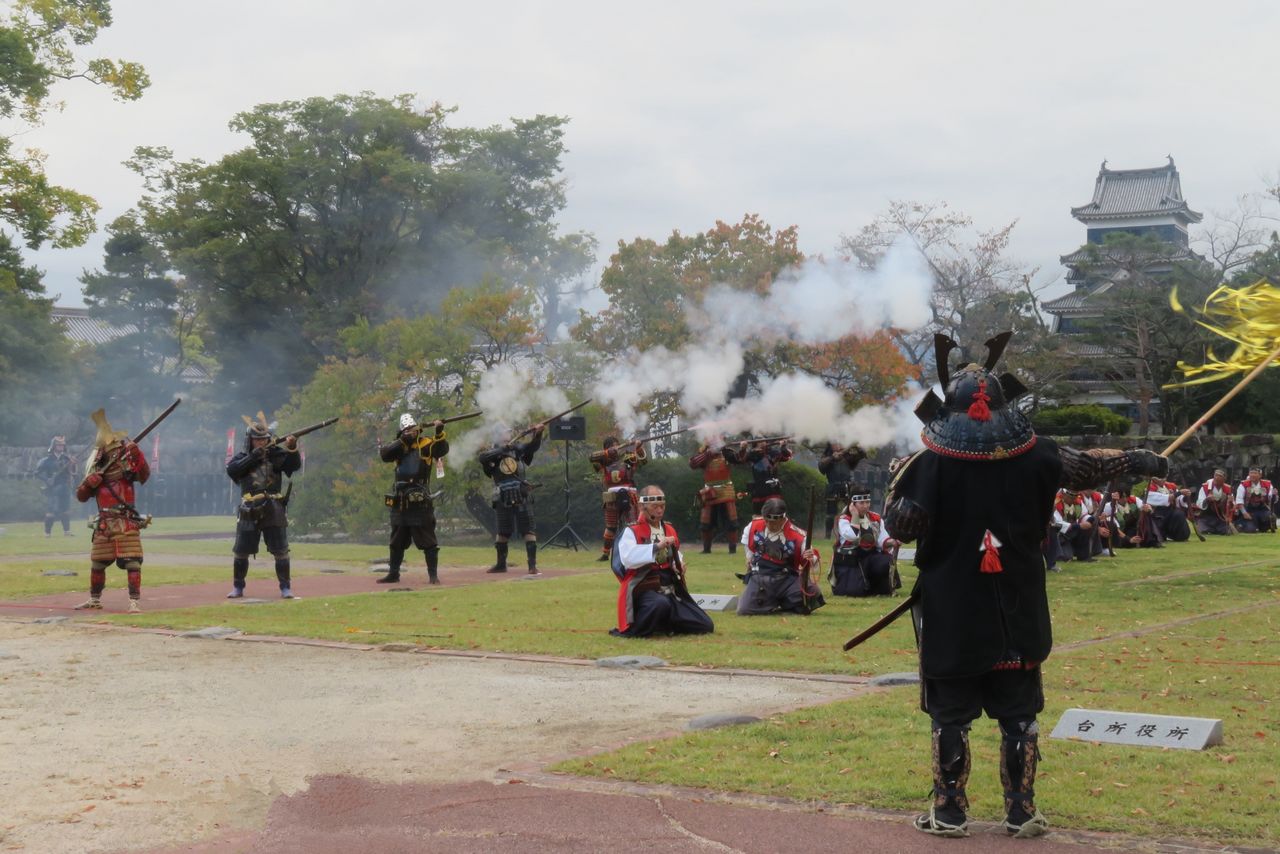
The Matsumoto Gunnery Display. (© Matsumoto Castle Management Office)
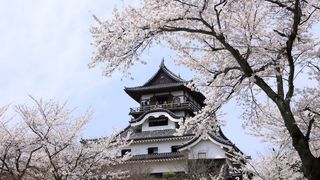
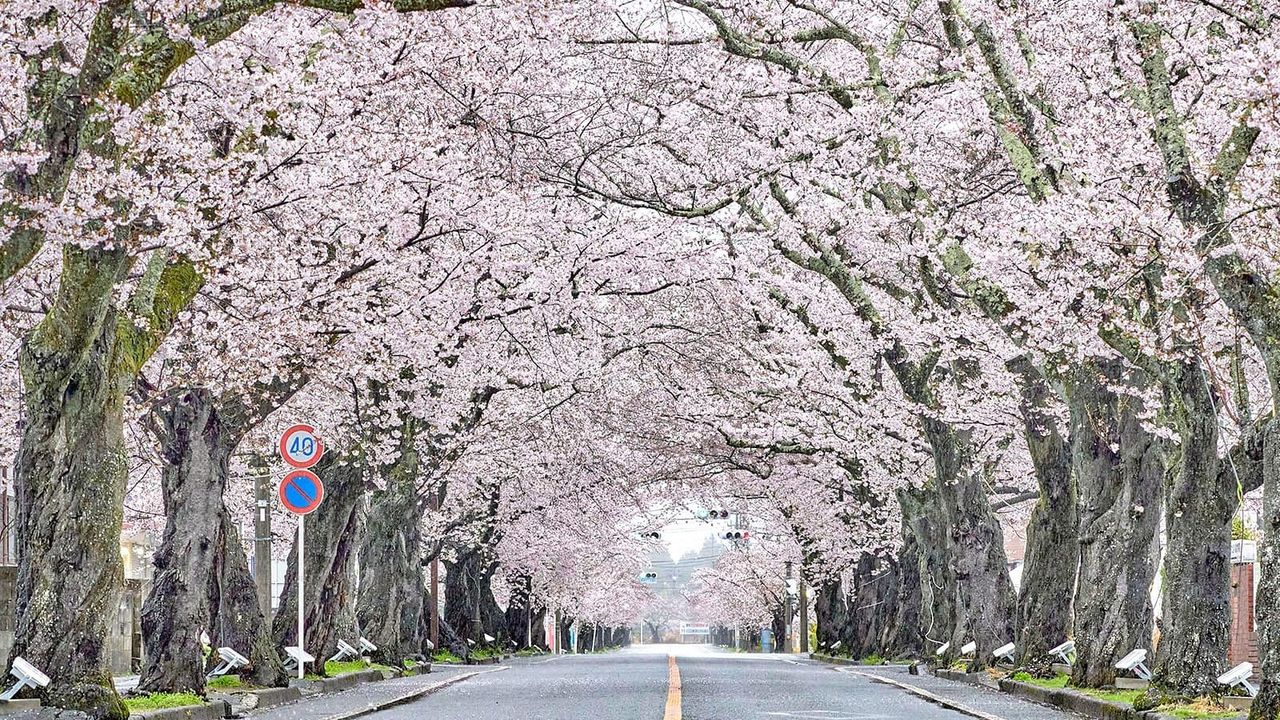
(Translated from Japanese. Banner photo: Cherry trees form a magnificent tunnel of blossoms in the Fukushima town of Tomioka. It was closed to visitors following the 2011 nuclear plant disaster, but restrictions were gradually eased and the full 2.2 kilometers have been open since spring 2022. © Fukushima Prefecture Tourism and Local Products Association.)