School Refusal and Alternative Paths: Overcoming Pressures in the Educational Space
Society- English
- 日本語
- 简体字
- 繁體字
- Français
- Español
- العربية
- Русский
Overwhelmed Students Hitting the Breaking Point
“Shōta, our eldest, couldn’t keep up with the heavy workload, and it just wasn’t working for him,” reflects Takahashi Nanako, a mother living in Osaka Prefecture.
Her son, Shōta (a pseudonym, as is his mother’s name above), was accepted into a prestigious school combining the six years of junior and senior high school. But the family was surprised at the orientation session before enrollment. There was an enormous amount of homework assigned before classes even began, covering subjects from math and English to science and social studies. The day after the entrance ceremony, there was a check-up test. “The school expected students to study at home for three hours every day after class,” says Nanako. “But our son’s study had mainly taken place in cram schools in the leadup to the junior high exams. He didn’t have a habit of studying at home, and we became worried.”
At first, Shōta was enjoying life at school. However, he struggled to keep up with the assignments, was constantly preparing for quizzes, and grew exhausted from commuting on crowded trains. The stress gradually built up. Tensions at home increased during the summer break, and by the second semester of his first year, he had stopped attending school altogether. He also became depressed and found it difficult to even leave the house, making it impossible for him to attend a “free school” or other support programs for truant students. He now spends his days playing video games at home. “He has little motivation to study,” says his mother. “It’s video games at night and sleep during the day. His whole routine is upside down.”
Surging School Refusal at Private Junior Highs
According to estimates by the mock examination company Onetes, 52,050 students took entrance exams for private and national junior high schools in the Tokyo metropolitan area in 2026. Although the number declined for the third consecutive year, the examination rate remained high, with 18.1% of all sixth graders sitting for tests.
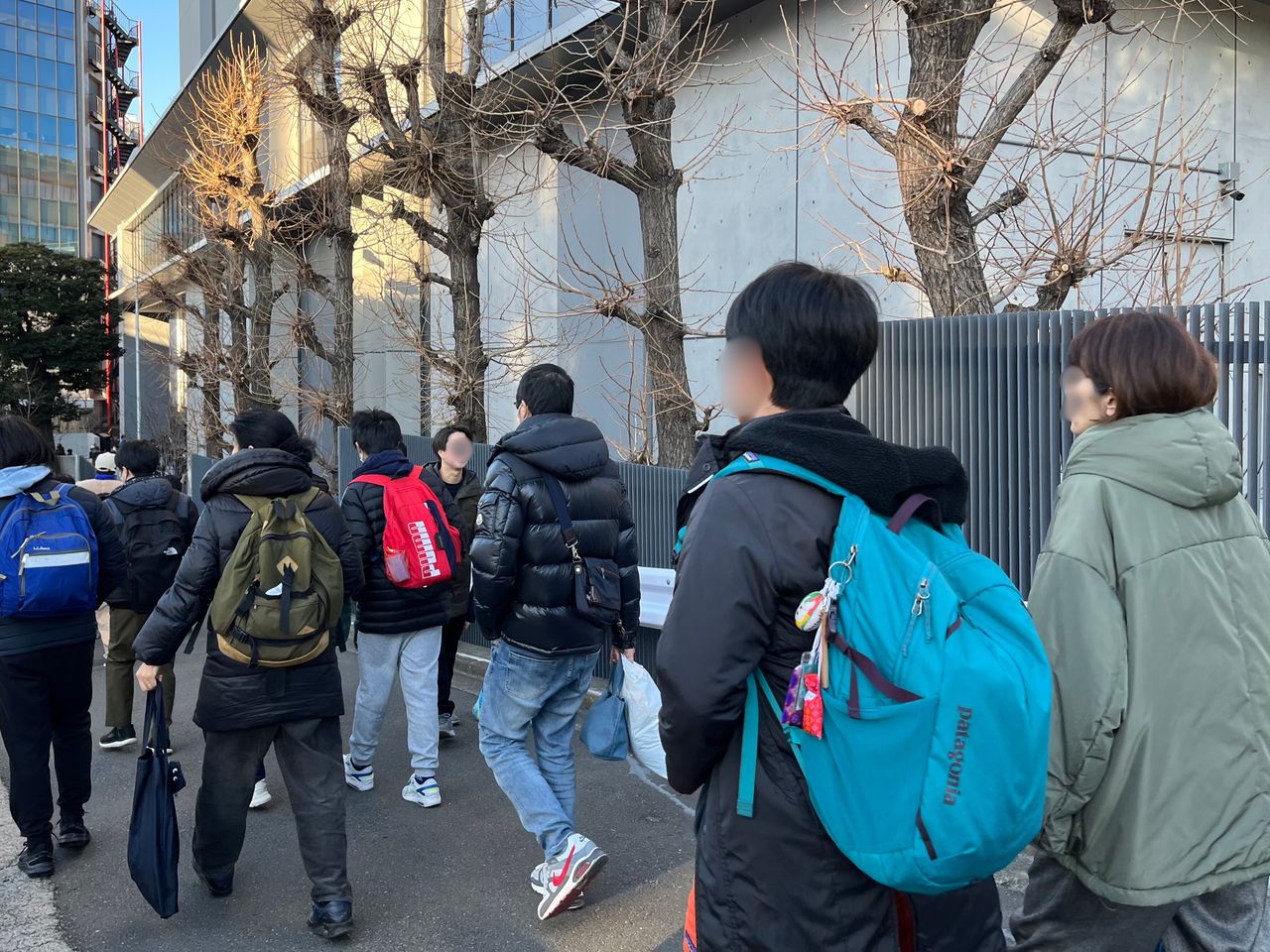
Students going to take junior high entrance exams in Tokyo, February 2026. (© Tanaka Ruiko)
Meanwhile, according to a survey by the Ministry of Education, Culture, Sports, Science, and Technology (MEXT), 7,803 private junior high school students nationwide were classified as not attending school in the 2024 academic year (from April 2024 through March 2025). Although this was slightly below the recent peak recorded in 2023, it represented an increase of 2,909 students, or about 60%, compared with five years earlier. The school refusal rate at private junior high schools was 3.1%, lower than the 6.8% rate among all junior high school students nationwide, but the rapid increase is notable.
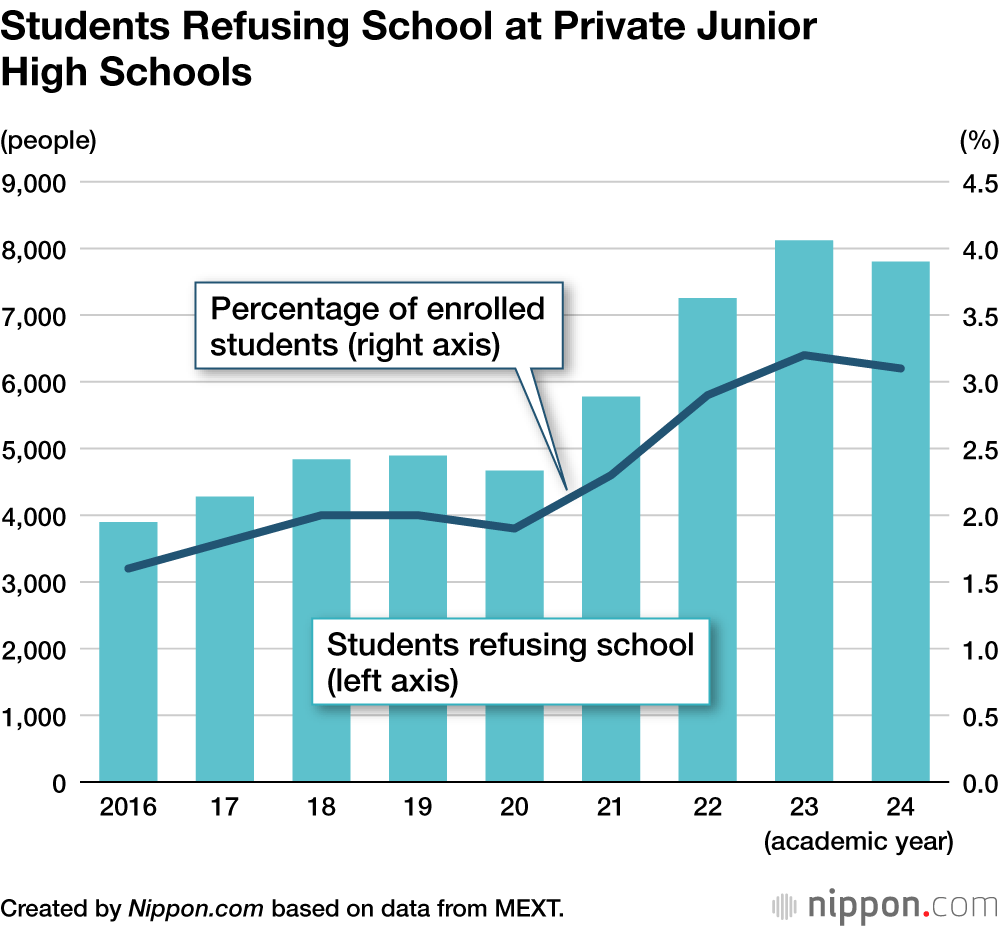
The main causes were “disruption of daily rhythm” (28.2%), “anxiety and depression” (23.2%), “lack of motivation” (21.9%), and “poor academic performance or frequent failure to submit assignments” (18.2%). Compared to public schools, disruption of daily rhythm and study is more common, likely related to students’ long commutes and heavy study burdens.
While private schools covering grades 7–12 that improve university admission prospects have a reputation of providing close support and making cram schools unnecessary, some students struggle greatly with the heavy workload and intense competition. One male university student, who had a history of school refusal at a private junior high school, recalls: “I thought that once I got in, I could focus on sports. But the environment made me obsess over test scores, and it got to the point where I couldn’t continue going to school.” It is said that one cause of the imbalance and depression is the shattering of the hopes and positive expectations students had about the school.
Limited Support Compared to Public Schools
Support for students refusing school has become increasingly well developed in public junior high schools, with local boards of education operating adaptation classrooms and providing psychological and academic support. For private schools, however, the situation varies. Students may find it harder to receive accommodations such as attending classes from a separate room (such as the school nurse’s office). Some schools will recommend that the student transfer to a public school if he or she has been absent for an extended period.
Shōta is now meeting with an outside counselor at home. Nanako meets with a counselor at the school, but says, “When I hear the cheerful voices of students coming from the classrooms, it leaves me with a complicated feeling.” She says that she had been avoiding the topic of school with her son. “But I’m starting to feel that it’s time to have a serious conversation with him about his future path.”
Hesitation About Changing Schools
One option for a prolonged absence from school is transferring to a public school. But even that is not easy. Some parents of school-refusing students say their children are reluctant to change environments. Others feel it would be embarrassing to transfer to a local public school after working so hard to gain admission to a private school.
Another challenge is that as public schooling only goes through grade 9, students who have already passed an entrance exam to get into their private school must take another exam for high school if they transfer to a public school, adding yet another layer of stress. Also, the application process for many high schools focuses on student academic records, club activities, and school participation, meaning that students who have not been attending school must prepare for those exams from a disadvantaged position.
Kanagawa Private Schools Offer a Support System
As the issue of school refusal at private junior highs has become more visible, support efforts have gradually expanded. In Kanagawa Prefecture, the Private Junior and Senior High School Association established the Private School Learning Support Center in 2020. This gives students from private junior and senior high schools who have stopped attending classes a chance to continue their studies while remaining enrolled at their schools. The center is staffed by 10 former private school teachers. It served 24 students in its first year, with enrollment growing to 76 by 2025.
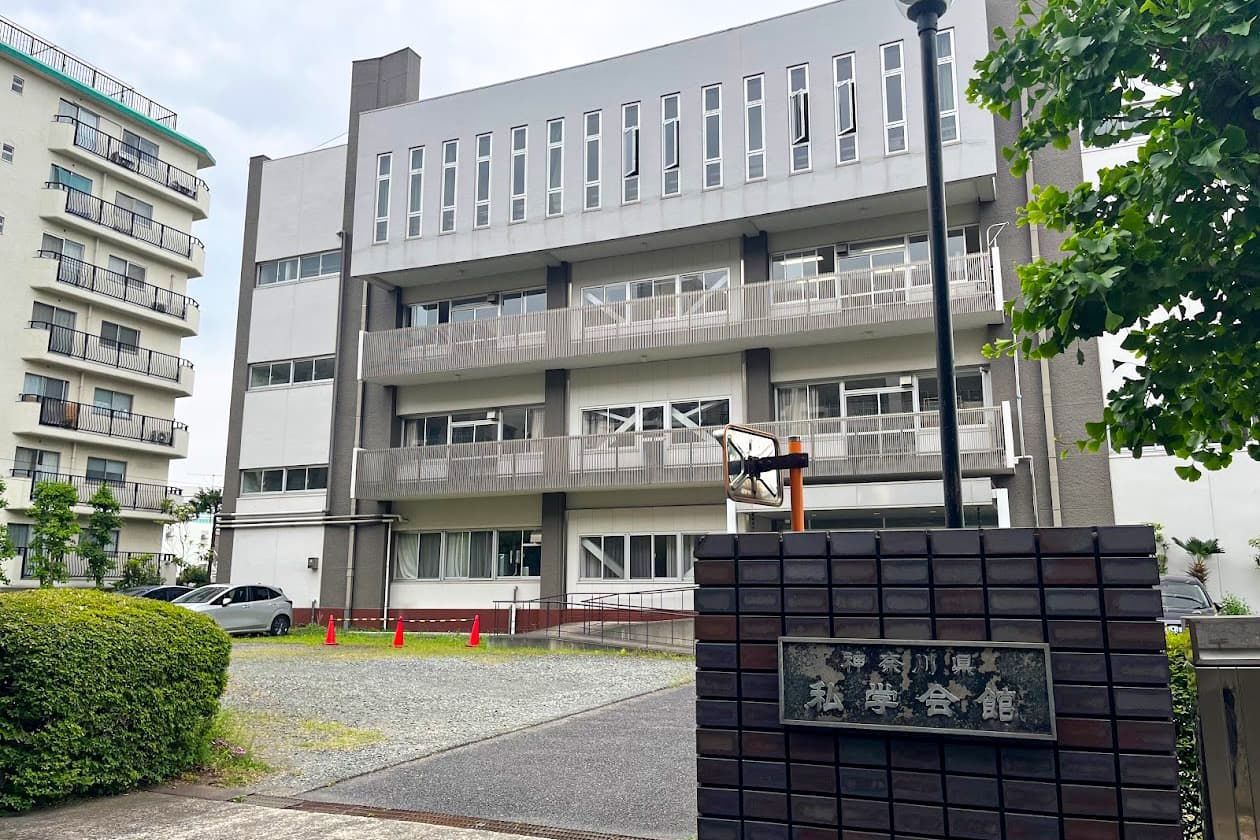
The Kanagawa Private School Hall houses the Private School Learning Support Center. (© Tanaka Ruiko)
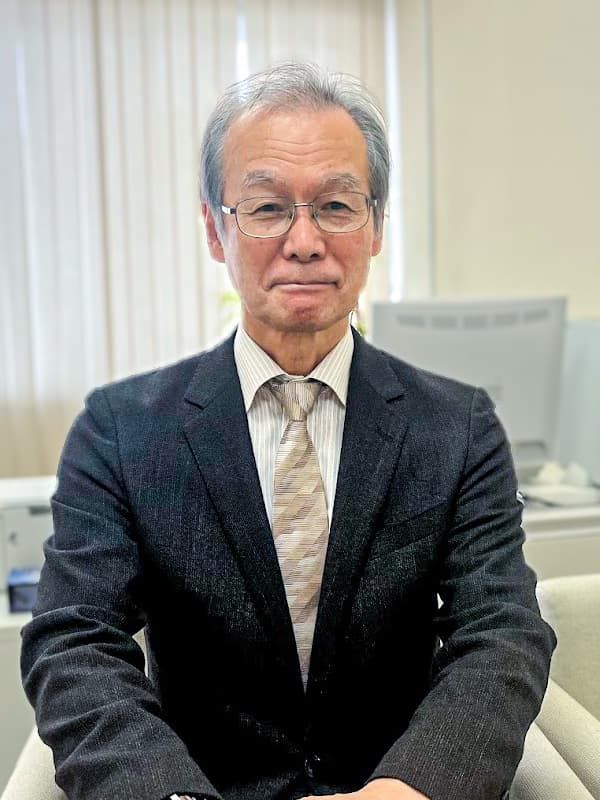
Ataka Katsumi, head of the Learning Support Center. (© Tanaka Ruiko)
Ataka Katsumi, who heads the center, says, “It’s difficult for individual private schools to provide support on their own. There are limits to what they can do. This is an initiative supported by the association, and we also value the students’ connection to their schools.”
Academic support is coordinated with each student’s school, using the same teaching materials employed there. Of the 76 students registered in the 2025 school year, about a quarter returned to their original schools. About half continued attending the center, while the remaining quarter transferred schools when advancing to high school. The center does not pressure students to return to school, instead respecting the students’ own decisions.
Suginami, Tokyo, is home to a cram school called Nishiogi Gakuin that has become a refuge for junior and senior high students who have stopped attending school.
Tanaka Seiki, Nishiogi’s headmaster, was formerly a teacher at a private combined junior-senior high school. He said he was seeing students slip through the cracks with the pace of learning being so fast. For some, it only took a week of missing class. “I came to question the philosophy of certain schools that pile on assignments and promote intense competition in the name of boosting university admissions. That’s why I dedicate myself to supporting these students.”
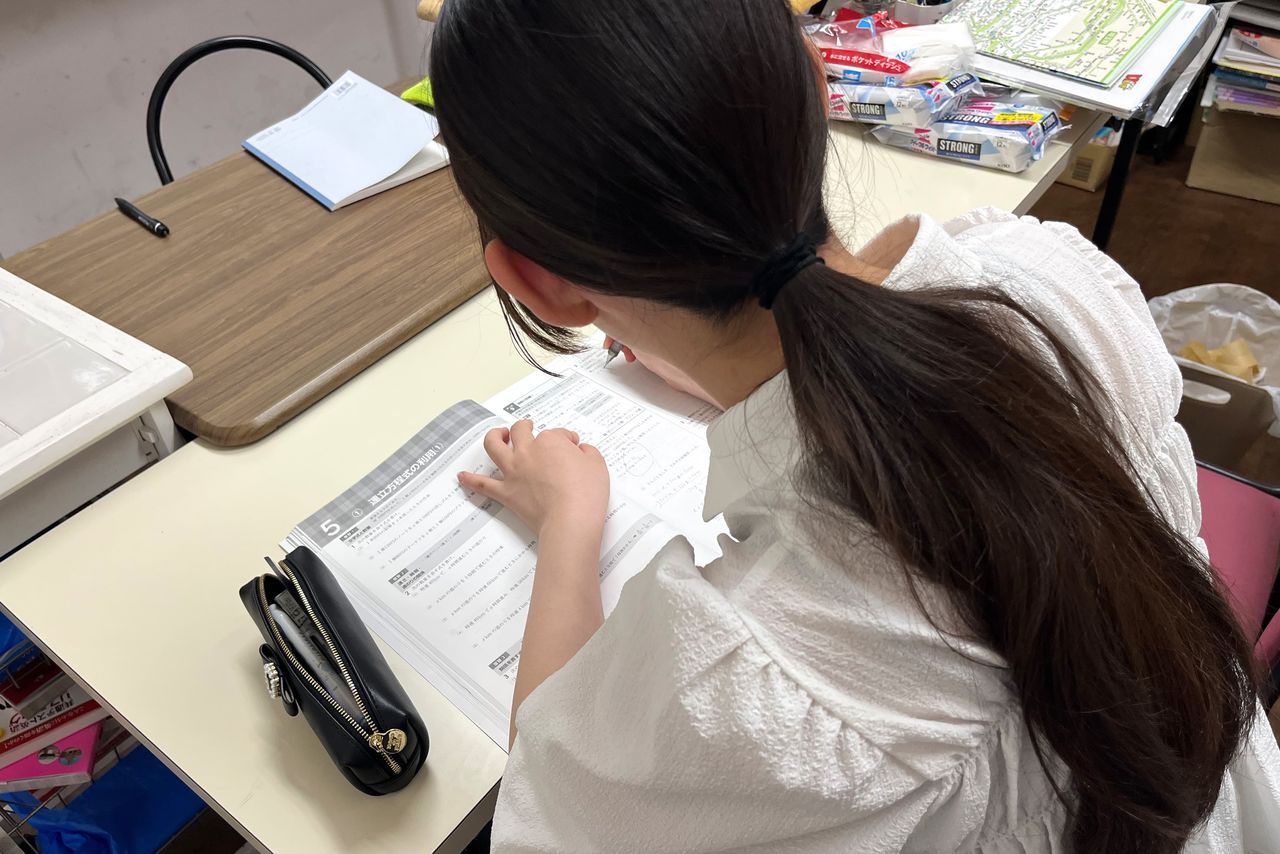
A female student studying at Nishiogi Gakuin. After becoming a school refuser at a private junior high, she transferred to a public school and is now aiming to enter a public high school in Tokyo. (© Tanaka Ruiko)
At Nishiogi Gakuin, instructors work one-on-one with students to address gaps in their understanding. Unlike “managed” approaches that emphasize memorization and repetitive drills, students learn at their own pace in a relaxed setting. The goal is admission to credit-based schools, part-time schools, or “challenge schools” that place less emphasis on numerical grades. Some students who followed this route have gone on to enter elite national and other public universities.
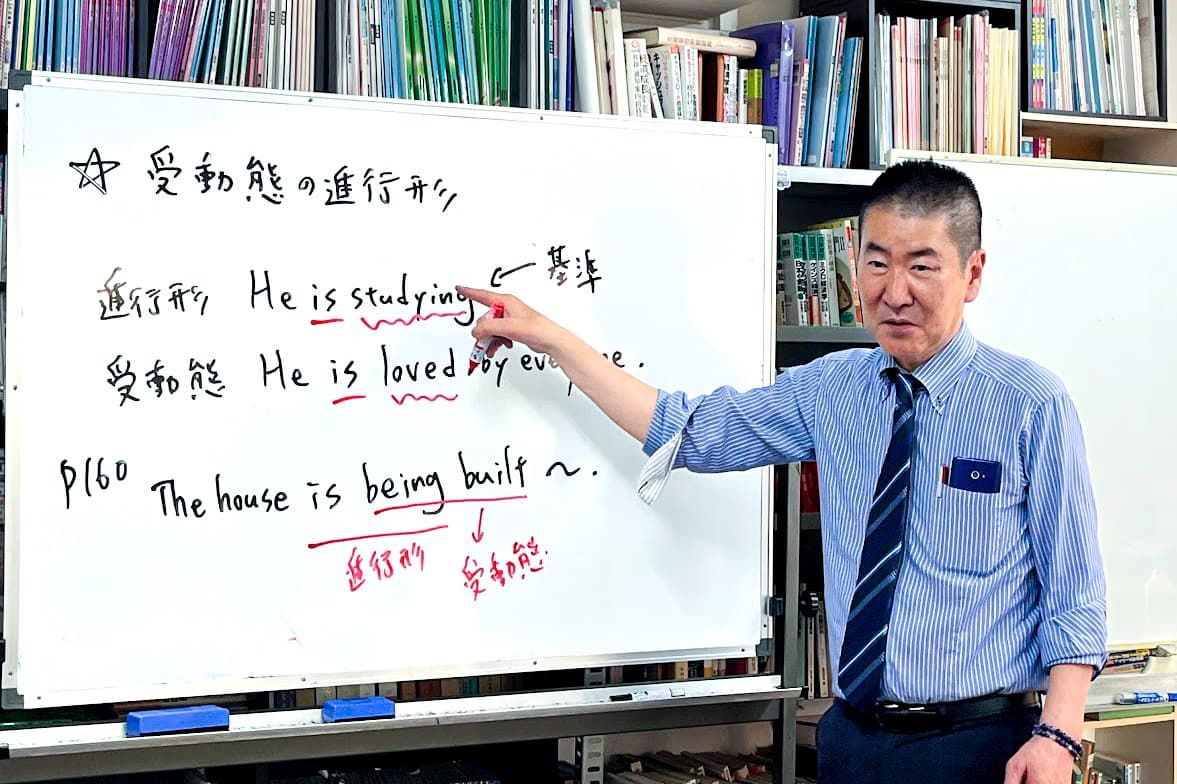
Tanaka Seiki teaching a student one on one at Nishiogi Gakuin, which he heads. (© Tanaka Ruiko)
Another Option: Students Creating Their Own Schedules
Nakanishi Mio (a pseudonym), who lives in Tokyo, stopped attending classes while attending one of Tokyo’s “big three” elite girls’ combined junior-senior high schools. She later transferred as a tenth grader to the part-time, correspondence-based Tokyo Metropolitan Shinjuku Yamabuki High School.
She first started to be unwell during the summer vacation of her first year of junior high school. She found herself unable to wake up in the mornings, and the cause was unclear.
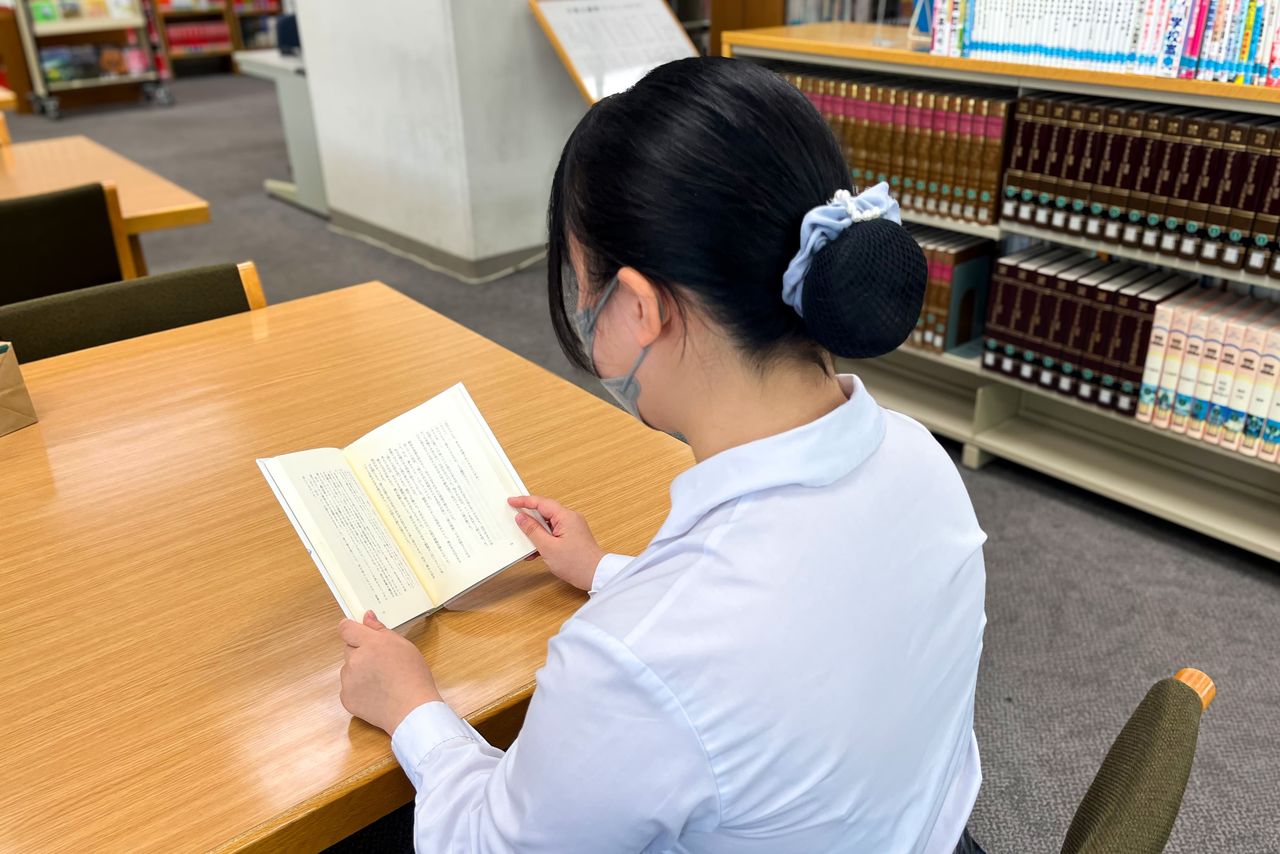
Nakanishi Mio reading at Shinjuku Yamabuki High School. She is interested in going on to study law. (© Tanaka Ruiko)
She took about a year off beginning in the third term of her seventh-grade year. Although she later returned, she felt she had fallen behind academically. “When I became a high school student, mathematics suddenly became much more difficult. I felt I needed to go back and rebuild the foundations from those early junior high years. So, I transferred to Yamabuki, where I could relearn what I had missed.”
At Shinjuku Yamabuki, students choose their own classes from a schedule spanning the entire day to create their personal timetables. Because she is not a morning person, Mio takes classes starting after 10:00 am and ending before 5:00 pm. She belongs to the Science Research Club and the Multicultural Coexistence Research Group.
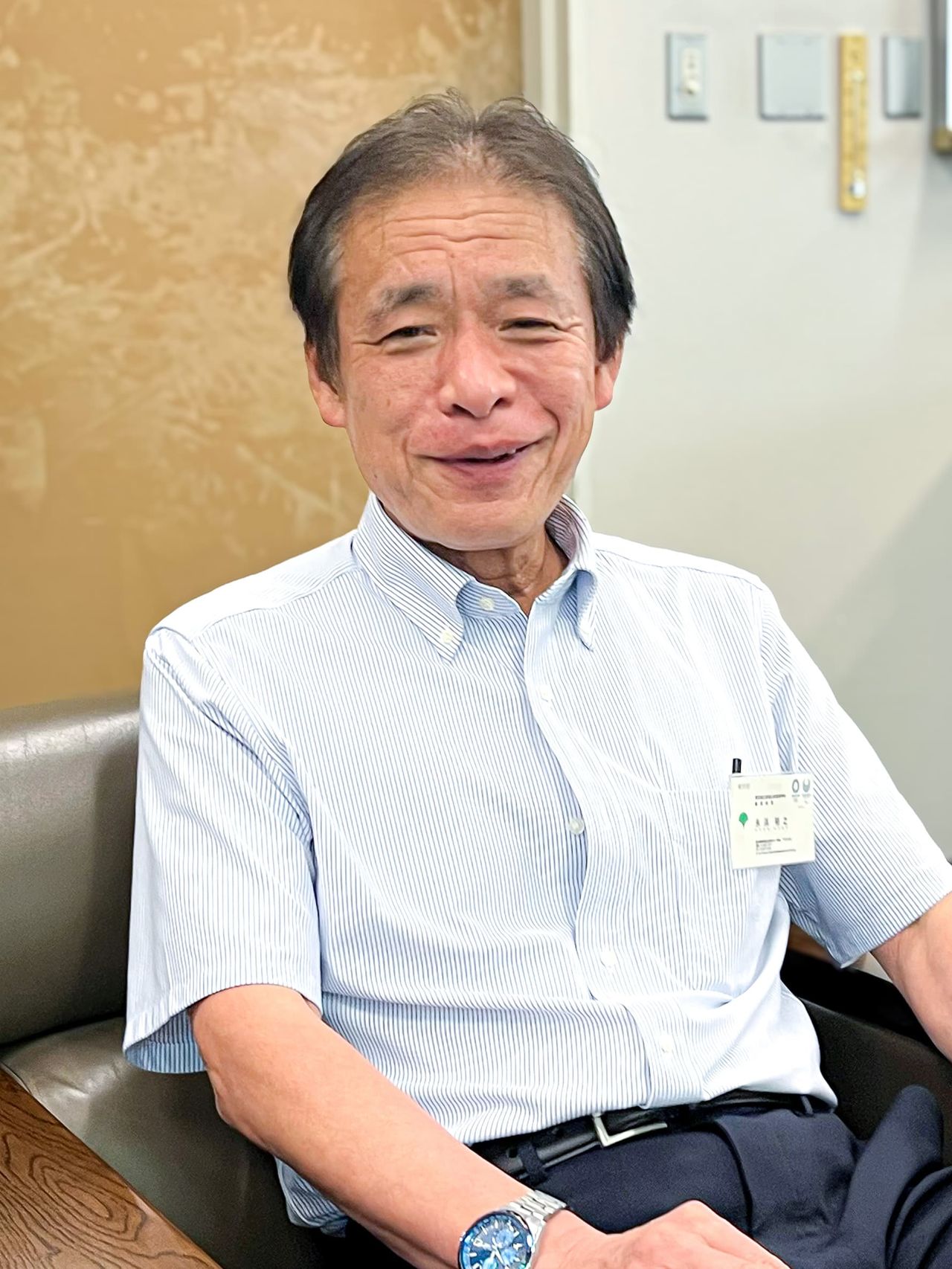
Nagahama Hiroyuki, principal of Shinjuku Yamabuki High School. (© Tanaka Ruiko)
“A notable number of students at Shinjuku Yamabuki are those who stopped attending private combined junior-senior high schools,” notes Nagahama Hiroyuki, the principal. Many students adjust their schedules so they can focus on their interests. The school also sends students to highly competitive universities every year.
Nakanishi does not regret all the effort she put into her junior high exams. “Because I was still young and flexible, I was able to absorb knowledge that will later help with university entrance exams, and what I learned in mathematics and history has continued to be useful. Even if you stop attending school after enrollment, there are a lot of options available. Just like I’ve moved from a girls’ school to a coeducational part-time school and enjoyed the differences, new discoveries await wherever you go.”
A Growing Range of Options
Private schools can make recovery from school refusal more difficult because of their rapid academic pace and limited support systems. Because students have invested so much effort into gaining admission, the psychological toll can be heavy, making it difficult for them to calmly consider alternative paths.
But, as Nishiogi Gakuin’s headmaster Tanaka points out, “There are many ways to start learning again.” Efforts that extend beyond individual schools, such as specialized extracurricular learning programs and support centers, are beginning to emerge. High schools are also creating more accommodating environments through nongraded credit systems and flexible day-and-evening schedules. Some of these schools do not require school reports or internal evaluation scores during the admissions process. There are also private correspondence high schools centered on online learning, such as N High School, and even students who do not fit the combined junior-senior high school model have expanding opportunities to continue learning and move on to the next stage of their lives.
Tanaka offers this message: “When students stop attending school, they may become anxious about their future, with questions of university admission and the rest of their lives looming over their heads. But I want them to know that many options remain available even if they have been absent from school. There are more places than ever that can help students academically and in daily life, so I hope they will reach out for support.”
(Originally published in Japanese. Banner photo: Increasing numbers of students are struggling to adapt to the culture of combined junior-senior high schools. © Pixta.)