Esports Return to the Asian Games: Looking Beyond Aichi-Nagoya
Sports Technology Global Exchange- English
- 日本語
- 简体字
- 繁體字
- Français
- Español
- العربية
- Русский
Japanese Titles Hit the Competitive Stage
Esports first appeared at the Asian Games as a demonstration sport at the 2018 Jakarta-Palembang Games before becoming an official medal fixture at the Hangzhou Games in 2023. The Aichi-Nagoya Games will feature 13 titles across 11 events, more than at the previous Games. This time, the lineup includes a large number of titles linked to Japanese publishers, such as Fighter 6, Tekken 8, Puyo Puyo Champions, Gran Turismo 7, eFootball, and Pokémon Unite, reflecting the strength of the host country’s game industry. Japan will send 25 players to compete for nine titles across seven events.
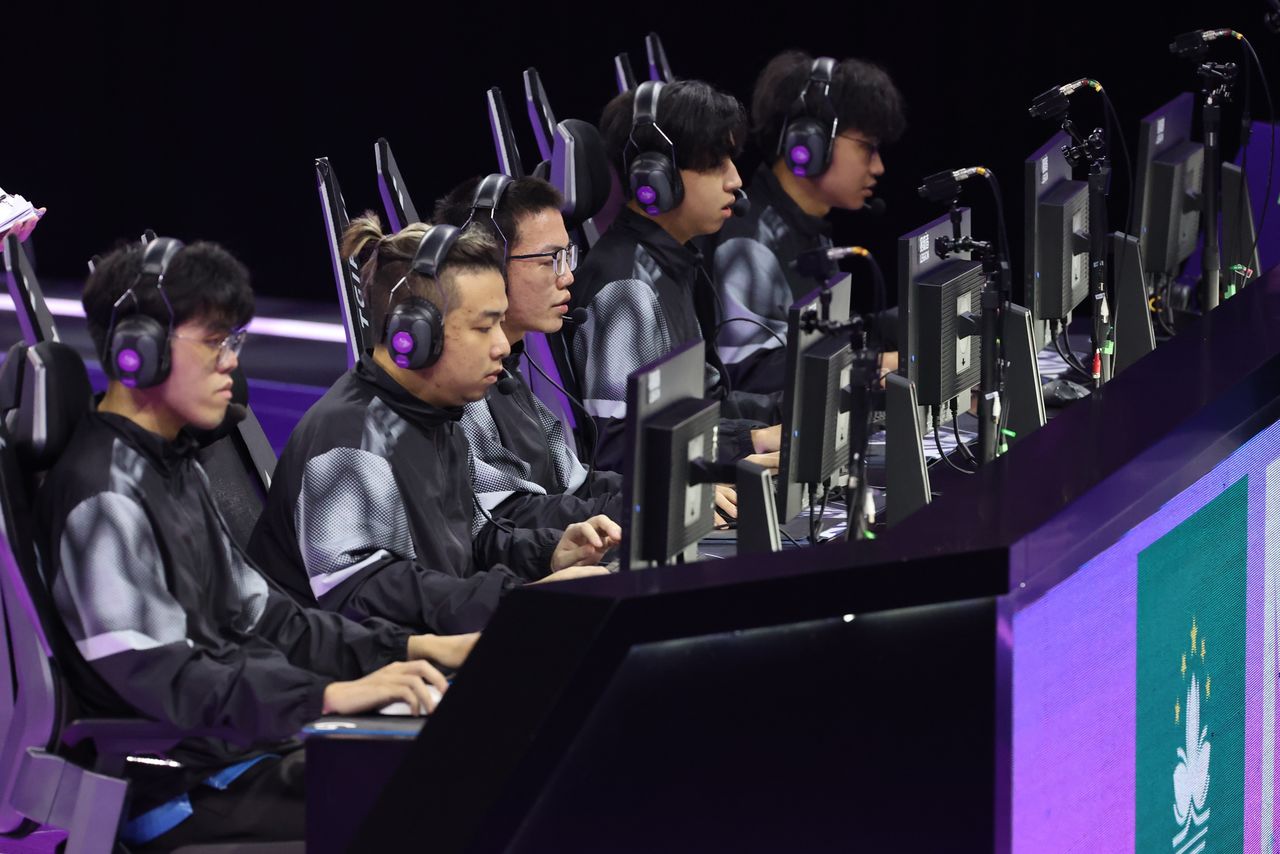
Players compete in esports at the Hangzhou Asian Games in China, September 2023. (© Jiji)
What distinguishes esports from ordinary gaming is the competitive factor. Games in which players compete to win under clearly defined rules are considered esports. Genres range from shooters and territory-based titles in the real-time strategy and multiplayer arena fields to fighting games, traditional sports games, puzzle games, and rhythm games.
Because esports competition takes place on a screen, it may seem far removed from conventional ideas of physical activity, leading some to question whether it should be considered a sport. Yet esports share many characteristics with traditional sports, including quick reflexes, split-second decision-making, skills honed through practice, strategy, and the psychological battle between opponents. The English word “sports“ itself can refer not only to physical exercise but also to recreation and competition, giving the term a broader meaning than the Japanese word undō, which generally refers only to the former.
The Esports Lab, part of the High Performance Sport Center, opened in Tokyo in July 2026 to help improve Japan’s competitive esports performance. Japan may not be the world’s largest esports market, but it maintains a strong presence through its ability to create popular game titles and characters, its long-established competitive fighting game culture, the drawing power of its tournaments, and growing national efforts to strengthen the country in the field.

When Copyright Meets Competition
One of the first concerns when treating esports as a competitive sport is whether it can provide a level playing field in which everyone competes under the same conditions.
Game companies hold the copyrights to their titles, as well as the authority to determine how they may be used. At ordinary tournaments and in online broadcasts, competition rules may therefore be shaped by the wishes of these publishers. The question is how to balance this model against the requirements of international competitions that are meant to separate themselves from commercial interests in the name of fair play.
In practice, at major events like the Asian Games, competition is adjusted to ensure that every player has an equal playing environment. More fundamentally, the games themselves are designed to be independent of nationality or political position and enjoyed across borders. Online competition offers what might be called a form of “digitally native fairness,” allowing anyone to compete under similar conditions.
While traditional sports often use referees from neutral countries to ensure impartiality, in esports, many decisions are handled by computers, making officiating errors and suspicions of bias less likely. On this measure, esports may already be ahead of traditional sports.
That said, questions have been raised over how Japan selected its representatives for the Games. The process was relatively straightforward for team-based fighting games such as Street Fighter 6: top performers at designated qualifying events advanced to a tournament, with the winner earning a place on the national team. For events such as Pokémon Unite and Identity V, however, the criteria stated that selection would be based on an overall consideration of performance and match play. This left room for subjective judgment and some ambiguity. Such issues are hardly unique to esports, though, and can also be found in traditional sports.
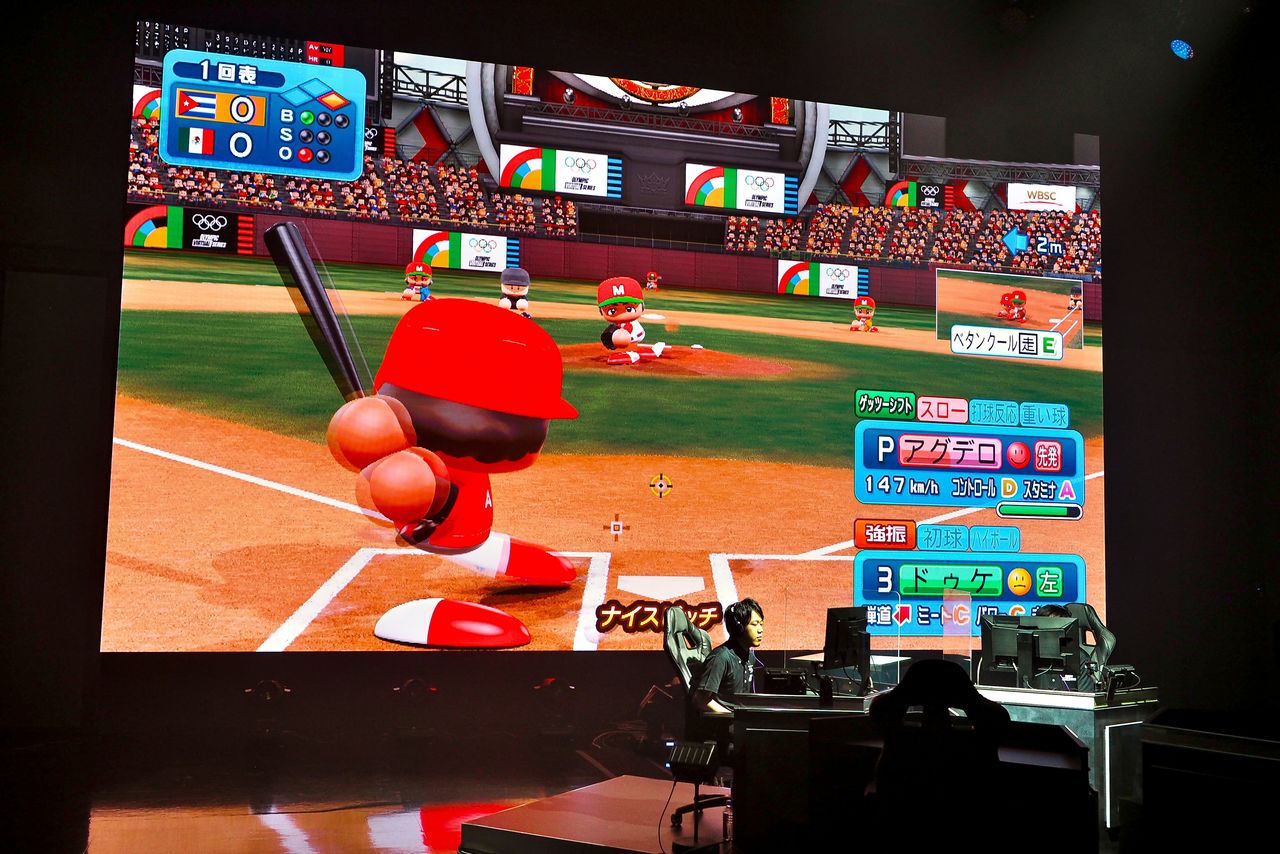
The Olympic Virtual Series, held in Tokyo with participants connected from around the world, June 2021. (© Okayasu Manabu)
Changing Titles Raise Continuity Questions
Another issue is continuity, or whether a competitive scene can remain accessible and enjoyable over the long term.
Games may be discontinued or replaced by sequels for reasons determined by their publishers, and tournaments may also switch from one title to another within the same genre. This is partly a consequence of games being continually updated and replaced, but it frequently leads to the competitors themselves jumping from title to title as they pursue a lasting esports career. In Street Fighter 6, for example, many top players have come over from other fighting game series such as Virtua Fighter and Guilty Gear.
Still, established genres such as fighting games and racing games have stable player bases, so a competitive environment can often be maintained even when the title itself changes. Traditional sports also regularly see once-dominant athletes struggle after changes to rules or standards, so adapting to shifts in the competitive environment is not an issue unique to esports.
Titles may also be changed for reasons on the organizers’ side. At the Aichi-Nagoya Games, 11 of the 13 titles are newly adopted. This creates another challenge: When the games themselves change from one edition to the next, it becomes difficult to recognize achievements with distinctions such as “consecutive champion.”
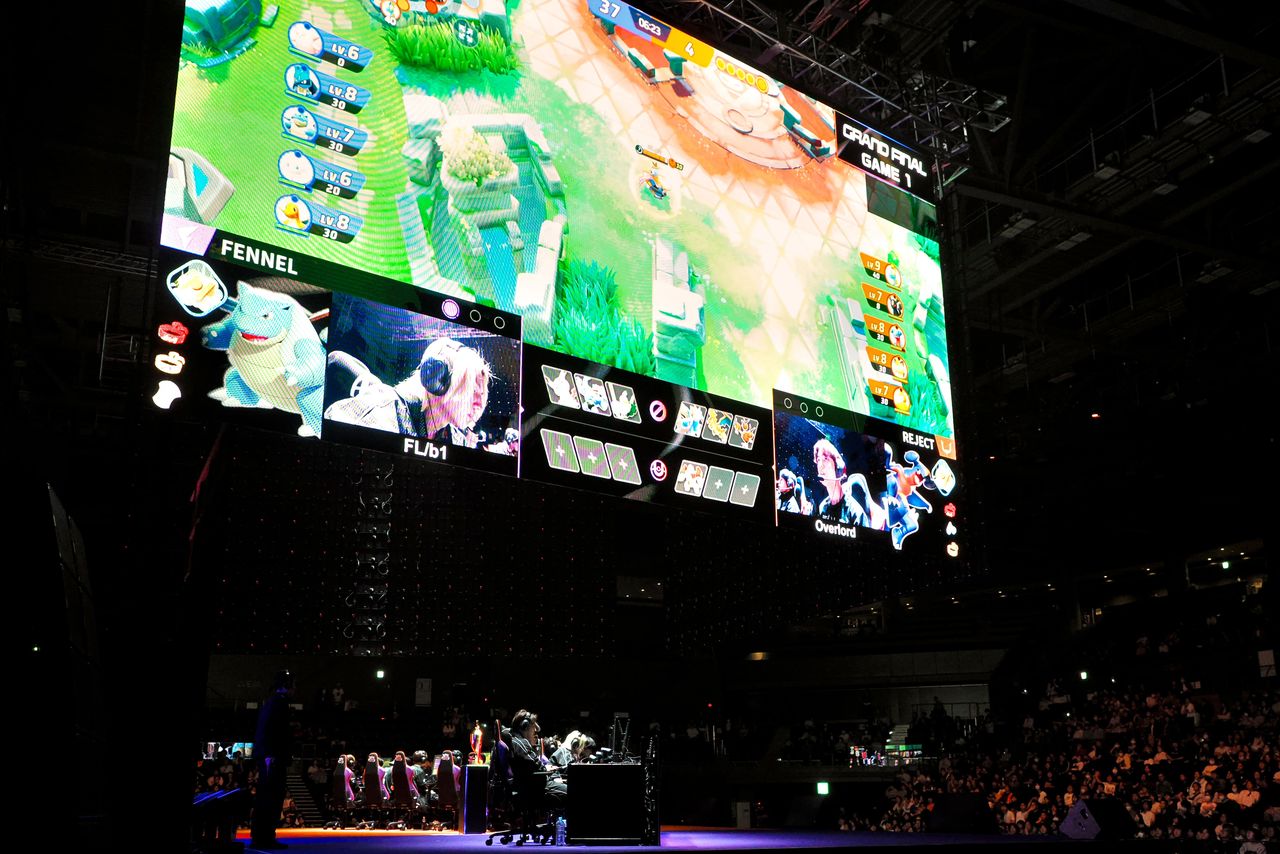
Pokémon Unite, one of the titles featured at the Asian Games. Photograph taken in Yokohama, March 2026. (© Okayasu Manabu)
Room for Diversity in the Competitor Pool
Esports may still carry an image of being a niche pursuit for dedicated gamers, but their very nature as a form of digital competition makes them accessible to a remarkably broad range of people, with minimal impact of age, gender, or disability on their gaming performance.
Kurihara Yūki, Japan’s representative in Puyo Puyo Champions at the Aichi-Nagoya Asian Games, is an 11-year-old elementary school student. He holds a Japan Esports Union professional license and earned his place on the national team by competing successfully against adult players. At the other end of the age spectrum, Sawada Akihito, better known by his gaming moniker Score, is a 43-year-old veteran representing Japan in The King of Fighters XV, played as a team fighting game at the competition.
This is where esports has one of its greatest universal strengths. Because physical ability and body type have relatively little impact on performance, people from a wide range of backgrounds can take part and compete.

Kurihara Yūki pledges to give his all as Japan’s representative at an August 2026 press conference for the country’s Asian Games team. (© Okayasu Manabu)
Esports Events Continue to Thrive
Esports continues to grow.
The 2024 final of the League of Legends World Championship, or Worlds, drew more than 50 million concurrent viewers worldwide. In 2026, the Esports World Cup was moved from Saudi Arabia to Paris due to the situation in the Middle East, with its economic impact estimated at up to €600 million.
Japan has also hosted major international events. The world championship for the shooter Apex Legends has been held in Sapporo since 2025, and sold more than 38,000 tickets over four days in 2026. Street Fighter 6, meanwhile, draws attention each year with the Capcom Cup, held since 2025 at Tokyo’s Ryōgoku Kokugikan, where the champion takes home $1 million. Tickets range from around ¥2,000 to more than ¥10,000, putting the event on par with live concerts and theater performances in terms of pricing.
Esports has shown that it can successfully stage major global events in its own right, while increasingly rivaling established forms of entertainment in both attendance and economic impact.
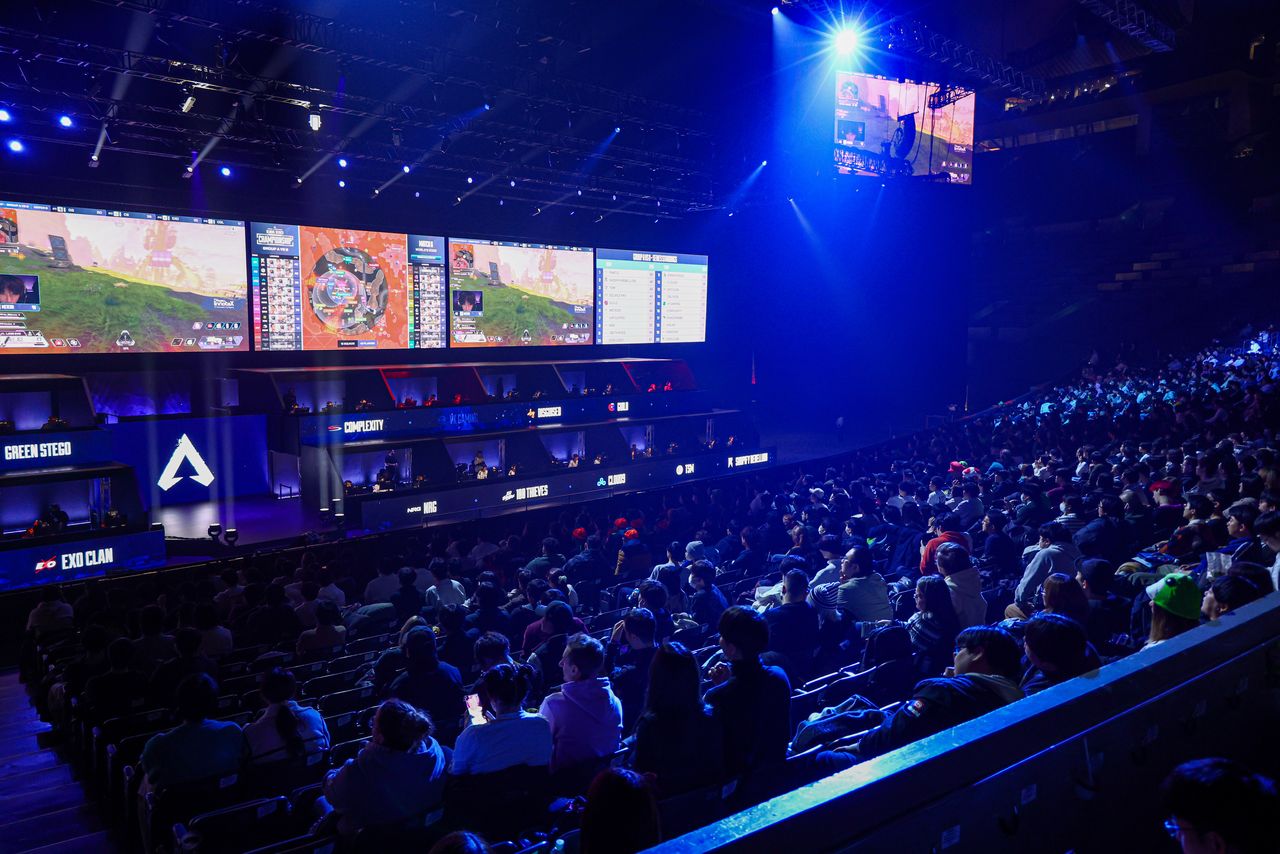
A January 2025 esports tournament for the popular game Apex Legends at Sapporo Dome. This was the tournament’s first edition held in Asia. (© Jiji)
Tough to Treat as a Single Sport
Esports has sought greater social acceptance by aligning itself with traditional sports, but as the field continues to grow, the difficulties of incorporating it into large, multisport gatherings like the Asian Games have become increasingly apparent.
One fundamental problem is treating esports as a single sport at all. Different genres demand completely different abilities. Puzzle games rely heavily on logical thinking and spatial awareness, while fighting games depend more on reflexes and rapid decision-making. In traditional sports terms, the difference can be as great as that between soccer and jūdō.
At the Asian Games, however, esports are treated as a single sport, which tends to limit the number of participants. Puyo Puyo Champions, for example, is just one event within the broader esports category, so Japan is represented by only one player, the young Kurihara Yūki. That makes it difficult to generate the same level of excitement as a standalone Puyo Puyo tournament featuring a large field of top players. If Puyo Puyo were treated as a sport in its own right, with a larger group of competitors to match those seen in other sporting categories, it could attract greater attention. But given the need to maintain balance with other sports, significantly expanding esports alone would be unrealistic.
Esports is therefore not necessarily a natural fit for multisport events like the Olympics or Asian Games. The International Olympic Committee had planned an Olympic Esports Games in partnership with Saudi Arabia, but scrapped the initiative in October 2025. No official announcement has been made about the future of esports at the Asian Games, but some people involved have questioned whether its inclusion can be sustained.
Thinking About Esports’ Future at the Asian Games
The value of including esports in the Asian Games and other multievent gatherings lies in moving beyond the dismissive idea that they are “just video games” and establishing them as part of global sports culture. Traditional sports, meanwhile, can attract new and younger audiences. Bringing esports and established sports together could also create new forms of competition through the adoption of new technologies and changes to tournament formats. From that perspective, there is no reason to dismiss the Asian Games’ efforts.
At the same time, many issues remain unresolved, including differing perceptions of what constitutes a sport and the conditions for participation. Rather than forcing esports and events such as the Olympics or Asian Games into the same framework, it may ultimately be better for both to develop through separate competitions.
In September 2026, the Japan Sport Association announced that it would spin off the esports tournament it had been running as a cultural program within the Japan Games, the country’s national competitive gathering, and establish a new esports competition pitting prefectural teams against one another. This marks a further step forward in the relationship between sport and esports.
Once the Aichi-Nagoya Games have concluded, there should be a thorough discussion of what the future relationship between esports and multisport events should look like.
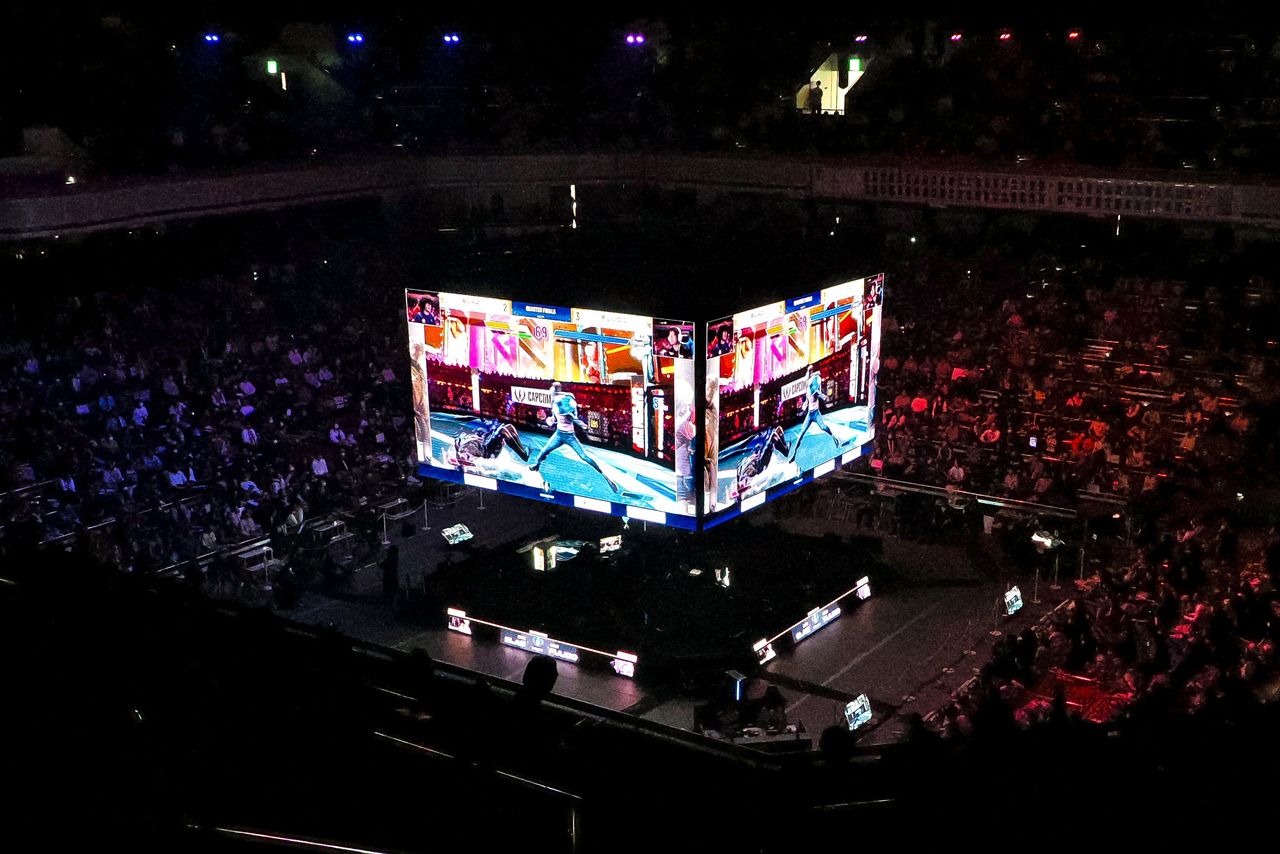
Capcom Cup 12 at Ryōgoku Kokugikan, Tokyo, in March 2026. (© Okayasu Manabu)
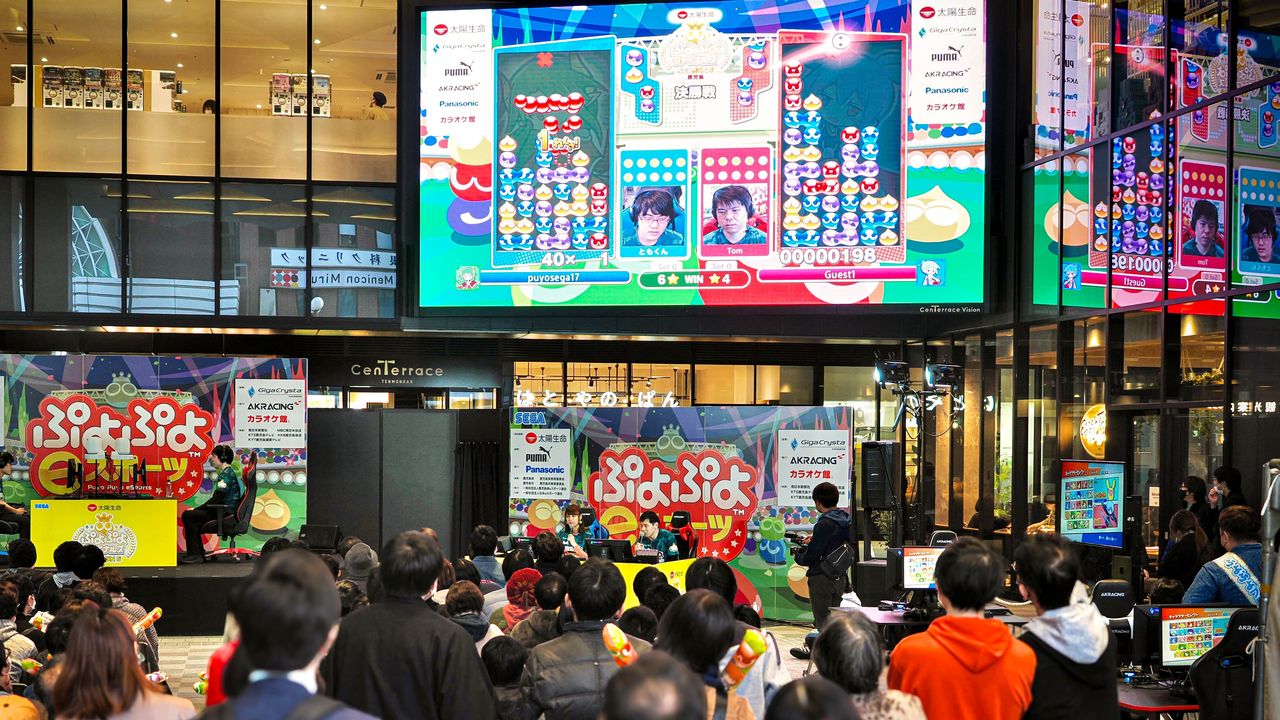
(Originally published in Japanese. Banner photo: Puyo Puyo Finals 2023, the national championship for Puyo Puyo Champions, Kagoshima, March 2023. © Okayasu Manabu.)