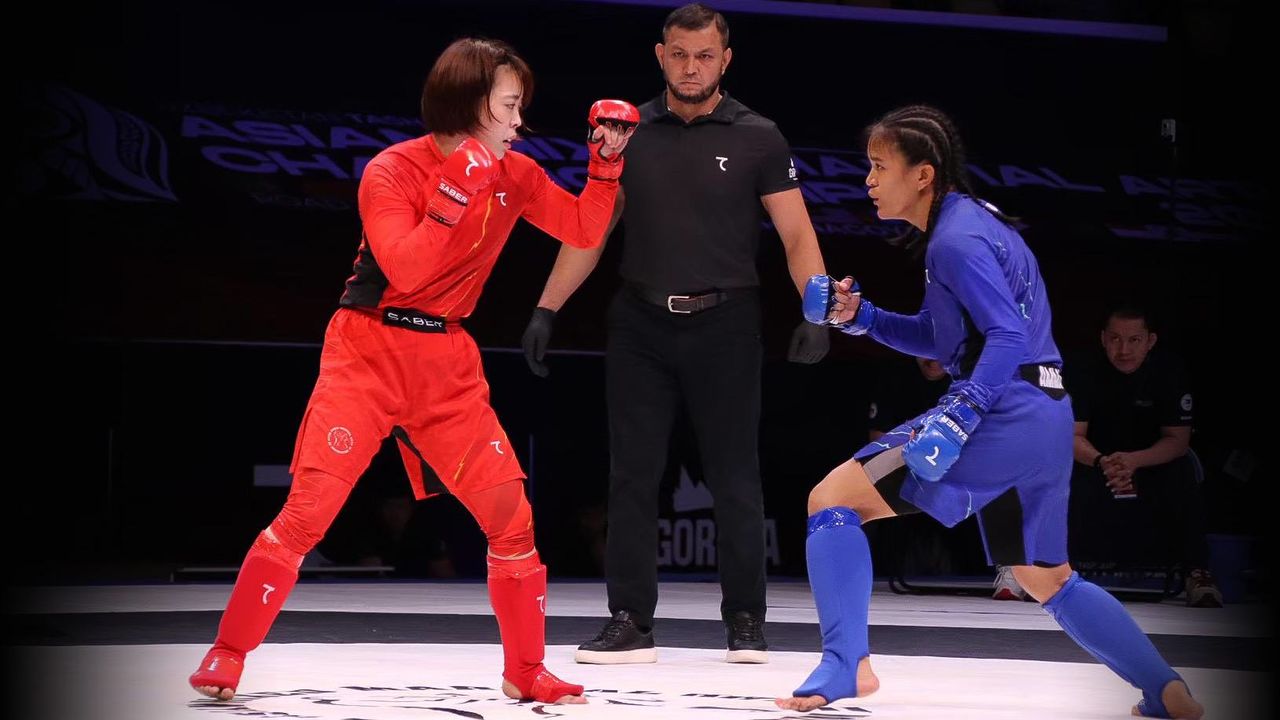
Diverse Non-Olympic Sports Under the Spotlight at the Aichi-Nagoya 2026 Asian Games
Sports World Entertainment- English
- 日本語
- 简体字
- 繁體字
- Français
- Español
- العربية
- Русский
Traditional and Unique Sports from Across Asia
One of the highlights of the Asian Games is enjoying events reflecting the sports culture of different regions. For the Aichi-Nagoya 2026 Games, each of the five geographic zones within the Olympic Council of Asia nominated a sport for inclusion based on their popularity in that region: sepak takraw (Southeast Asia), kabaddi (South Asia), and the martial arts wushu (East Asia), jūjitsu (West Asia), and kurash (Central Asia).
Sepak takraw is described as “volleyball played with the feet.” Using a rattan or plastic ball measuring fourteen centimeters in diameter, this sport is played on a badminton-sized court. Kabaddi, a contact team sport, is thought to have originated from ancient Indian hunting tactics and is similar to a game of tag.
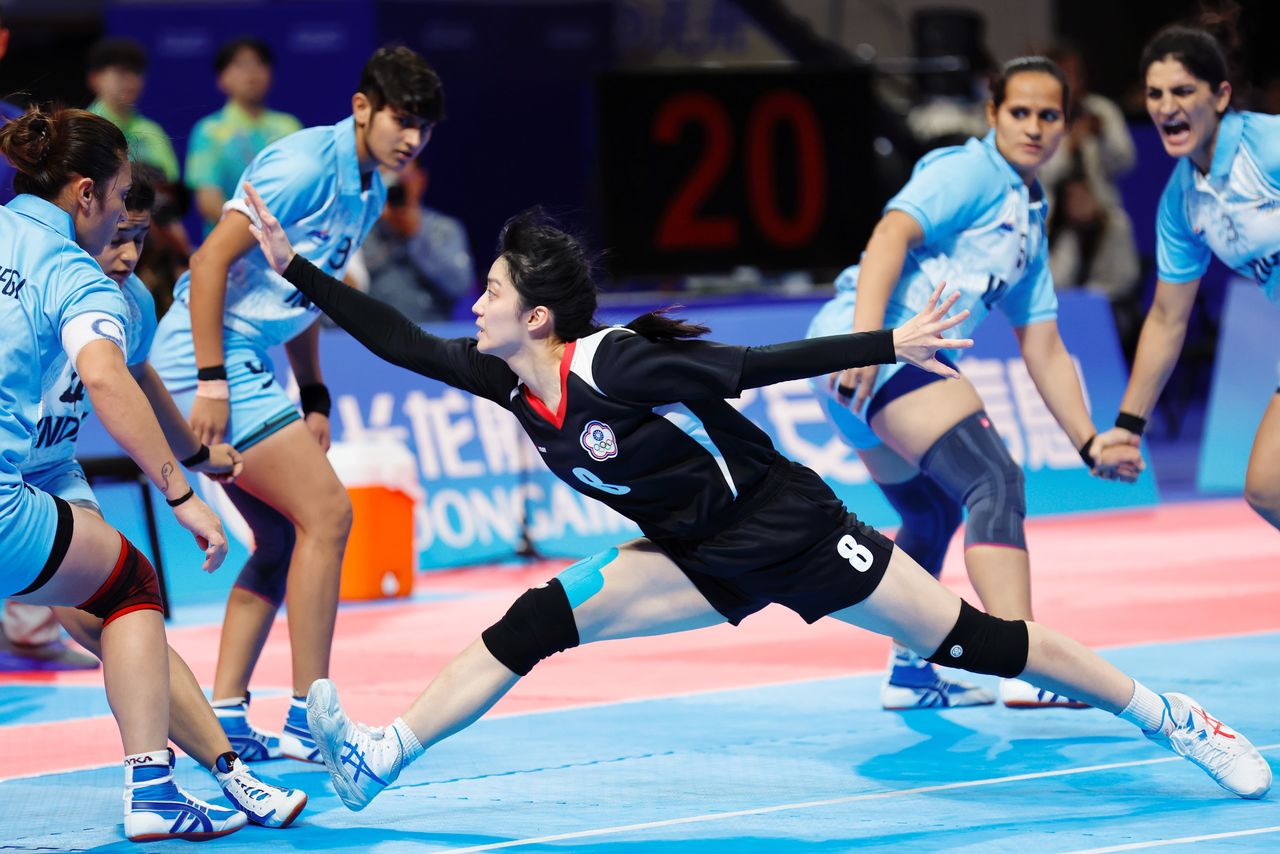
Kabaddi being played at the Asian Games in Hangzhou, October 2023. (© Han Haidan/China News Service /VC/Reuters)
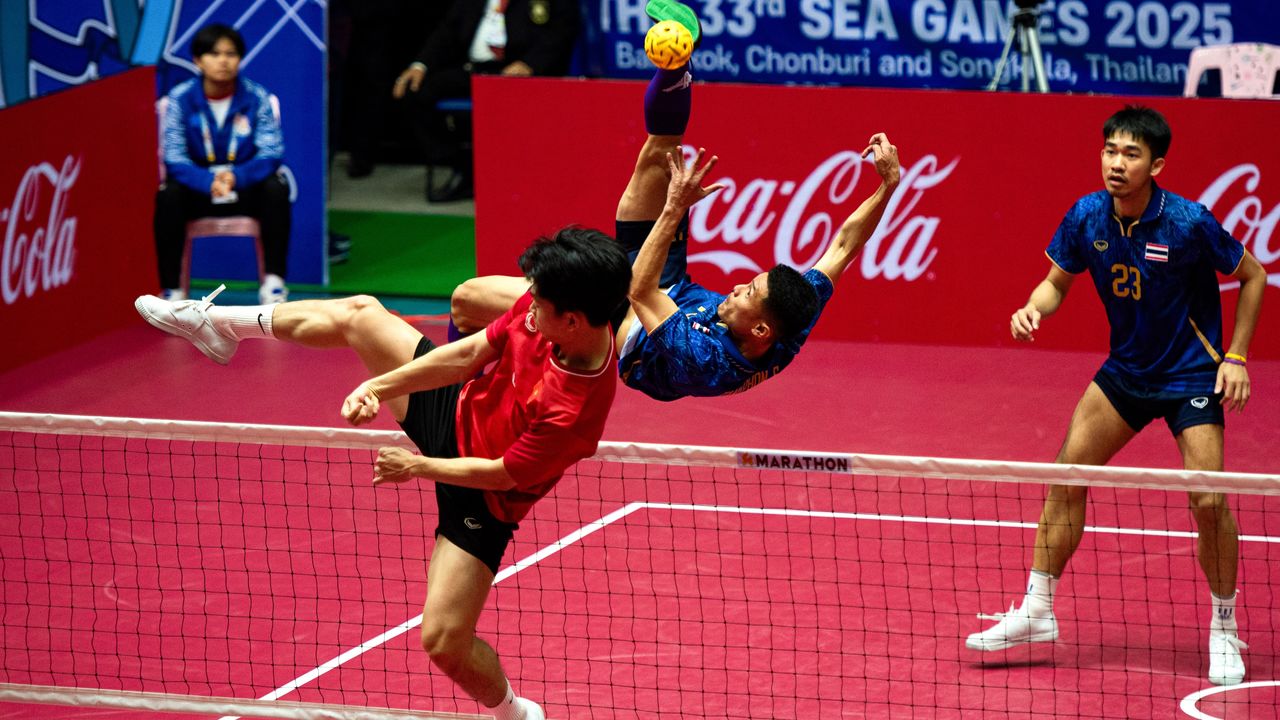
Thailand and Vietnam competing at sepak takraw at the Southeast Asian Games in Thailand in December 2025. (© Teera Noisakran/Sipa USA via Reuters Connect)
Combat Sports Showcase Regional Diversity
The Asian Games has a rich variety of combat sports, including jūjitsu, kurash, and mixed martial arts (MMA). Jūjitsu, which began as a traditional Japanese martial art (jūjutsu), is now known all around the world, especially in West Asia, which selected the sport. This will be the first time that Japan has a jūjitsu squad participating in this event at the games. Kurash, meanwhile, is a traditional wrestling style that has been practiced in Central Asia since ancient times. The rules are simple—the athletes have to wrestle in a standing position and use only throws and sweeps to try and win. MMA, which combines a number of elements from martial arts—including striking, throwing, and ground fighting—was first developed into a competitive sport in Japan and Brazil. This sport will make its debut at the 2026 games and feature two divisions: traditional, where the competitors wear gi uniforms, and modern, in which they wear shorts and rash guards.
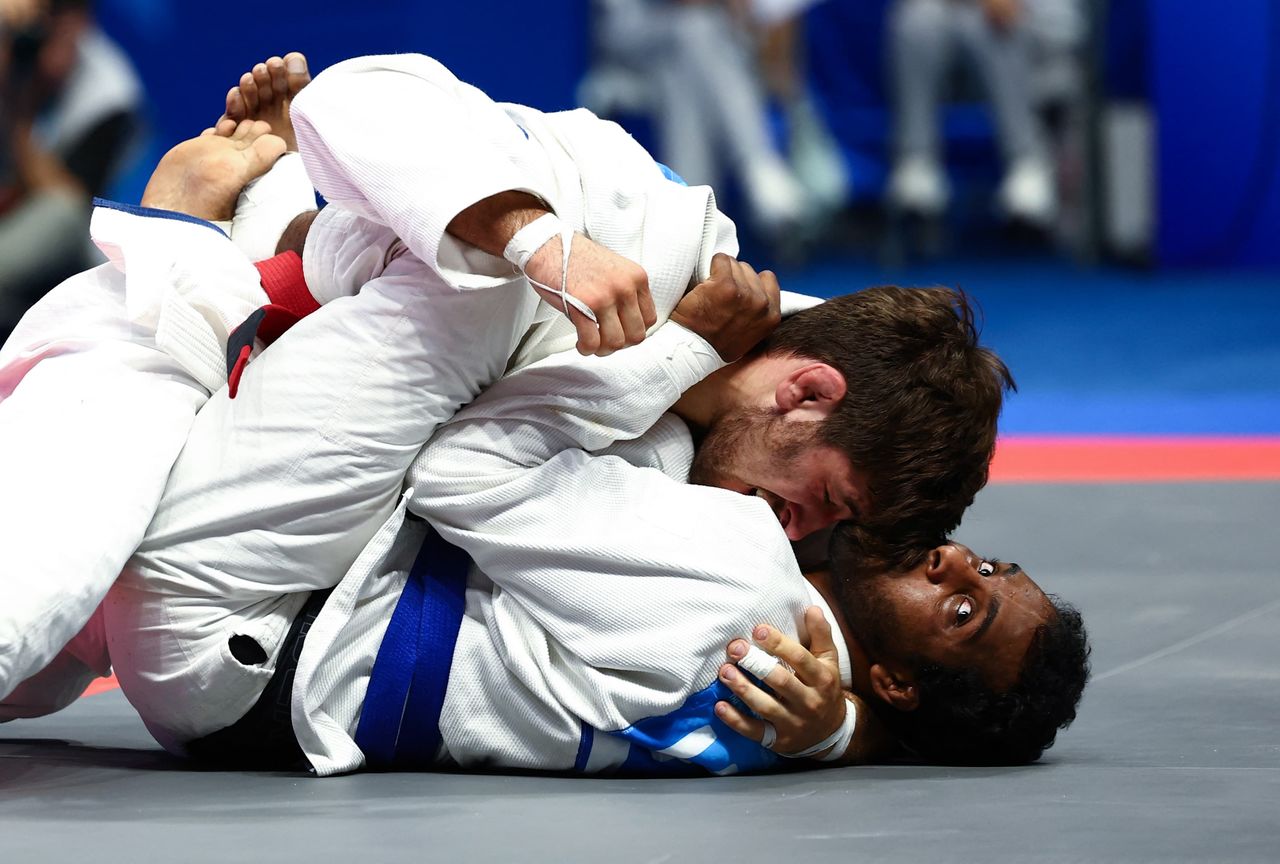
Jūjitsu at the Chengdu 2025 World Games in August 2025. (© Reuters)
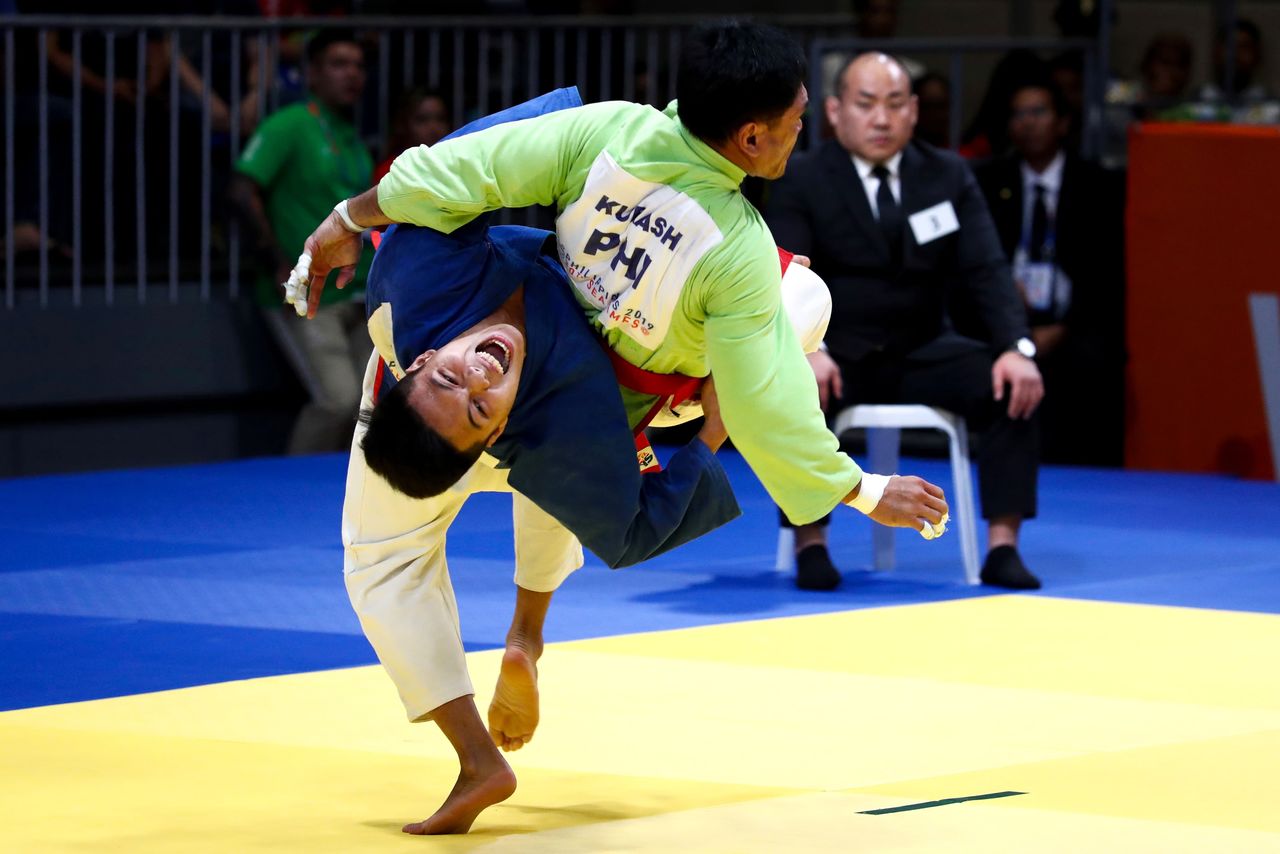
Kurash at the 2019 Southeast Asian Games in San Fernando, the Philippines, in December 2019. (© Reuters)
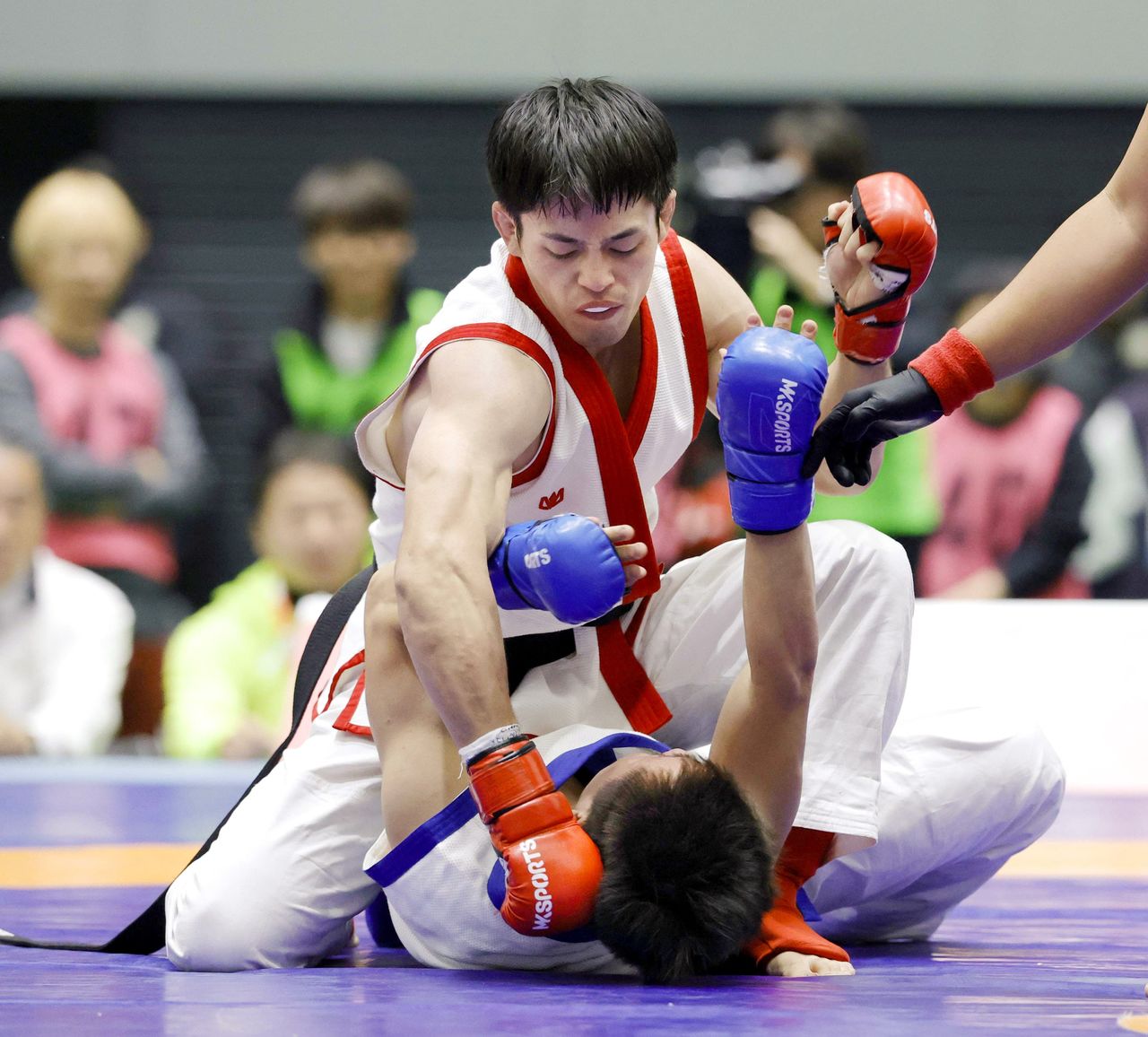
The Japanese domestic qualifying round, held at Komazawa Gymnasium in Tokyo in December 2025, to decide the participants for the Men’s MMA event at the Aichi-Nagoya Asian Games. (© Kyōdō)
Wushu is another combat sport chosen by regional selection that has two forms: taolu, with its choreographed routines, and sanda, which involves sparring. Other combat sports include karate, originating from Okinawa as a martial art and now practiced worldwide. Its two forms are kata, involving demonstrations of techniques against an imaginary opponent, and kumite, where two competitors spar. Jūdō and taekwondo, both Olympic sports, are also included in the program.
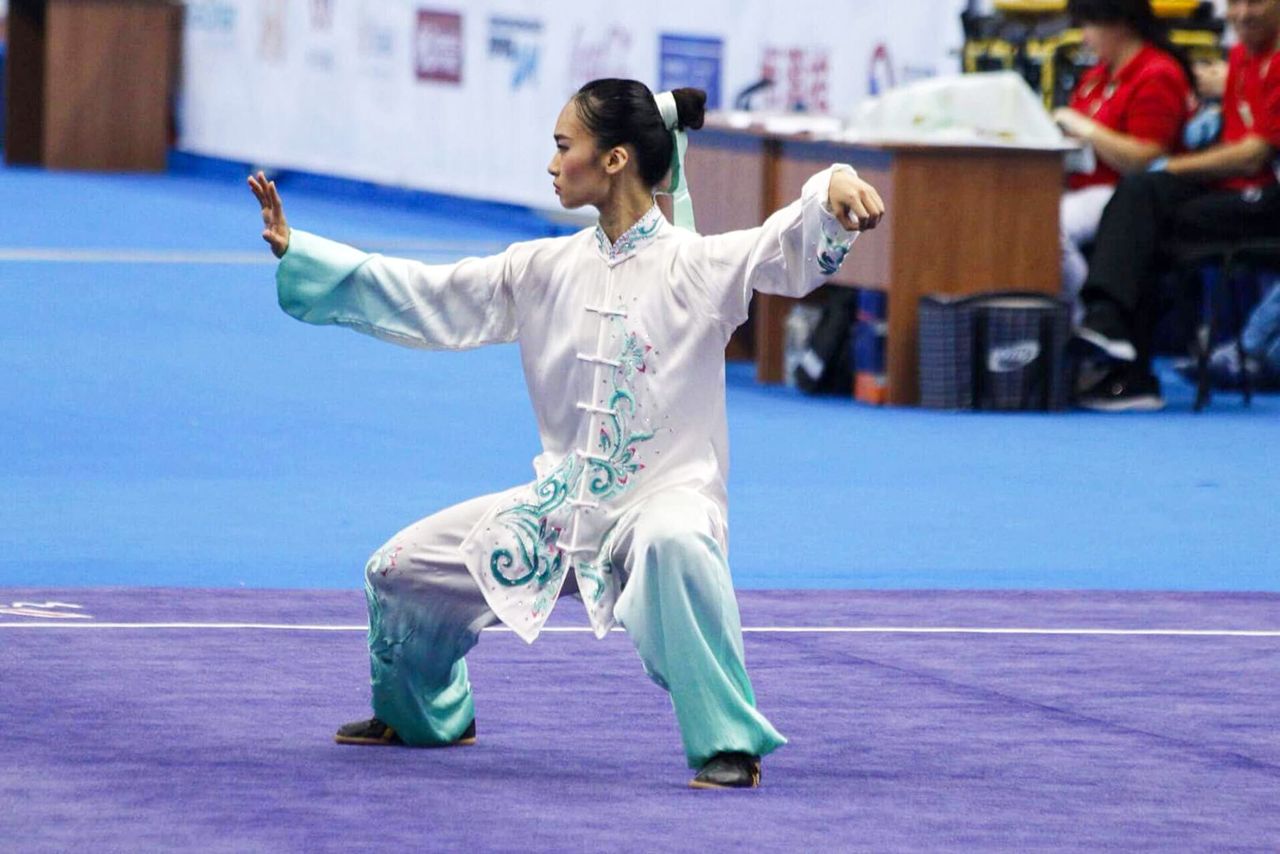
Women’s taijiquan (tai chi), part of taolu, being performed at the World Wushu Championships in Kazan, Russia, in October 2017. (© Jiji/Japan Wushu Taijiquan Federation)
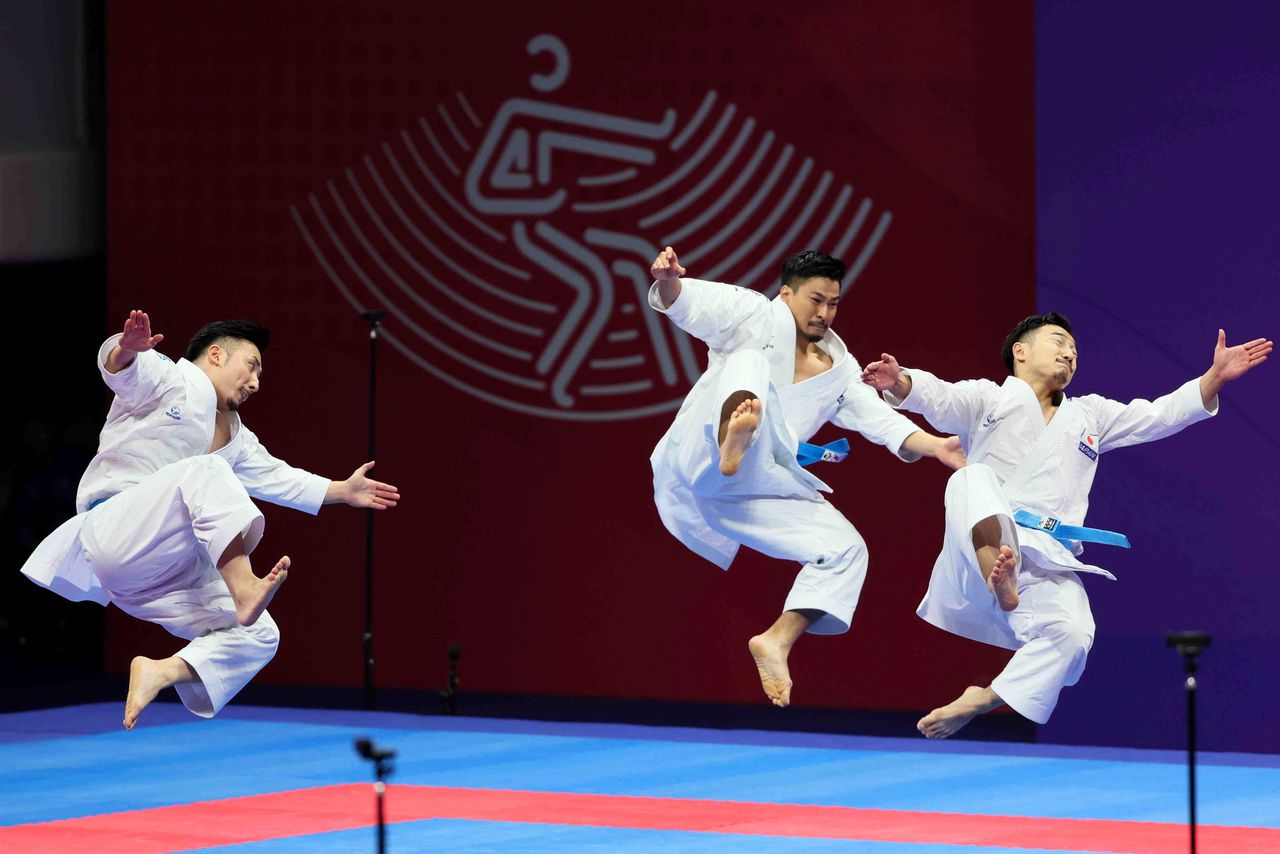
The Japan men’s team’s kata performance in the karate finals at the Hangzhou Asian Games in China in October 2023. (© Jiji)
Going Digital and More
Sports using digital technology are also becoming more popular. After being introduced as a demonstration sport at the 2018 Asian Games, esports was included as an official medal event in 2023, with 473 competitors participating from 30 countries and regions. At the Aichi-Nagoya Games, there will be 11 medal events featuring 13 video game titles, including League of Legends, Pokémon Unite, and Puyo Puyo Champions.
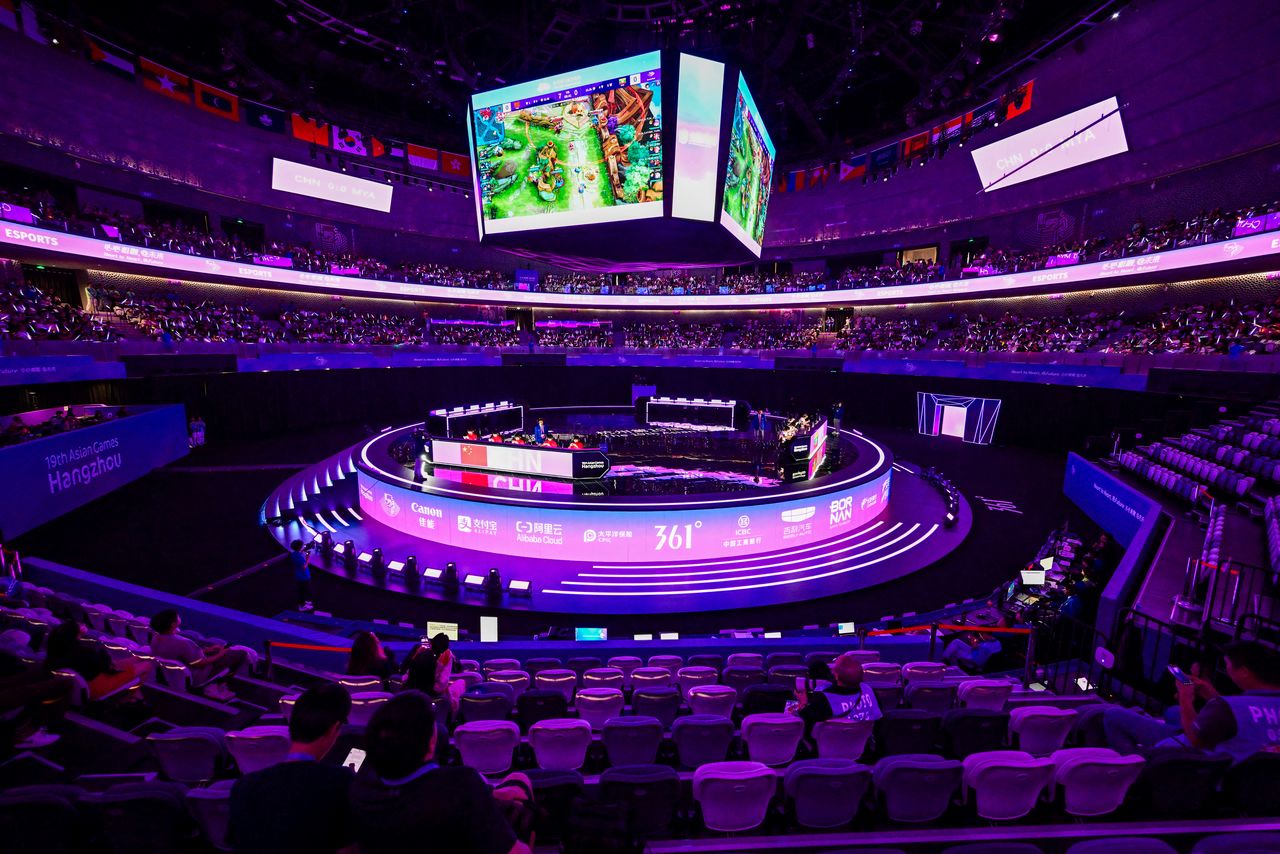
The esports venue at the Hangzhou Asian Games in Hangzhou, China, in September 2023. (© AFP/Jiji)
There will also be a virtual form of taekwondo at the games. Here, competitors wear VR headsets and motion-tracking equipment to control avatars that sync their movements in order to fight. This is a new mixed gender individual event where the athletes engage in offensive and defensive moves without any direct physical contact.
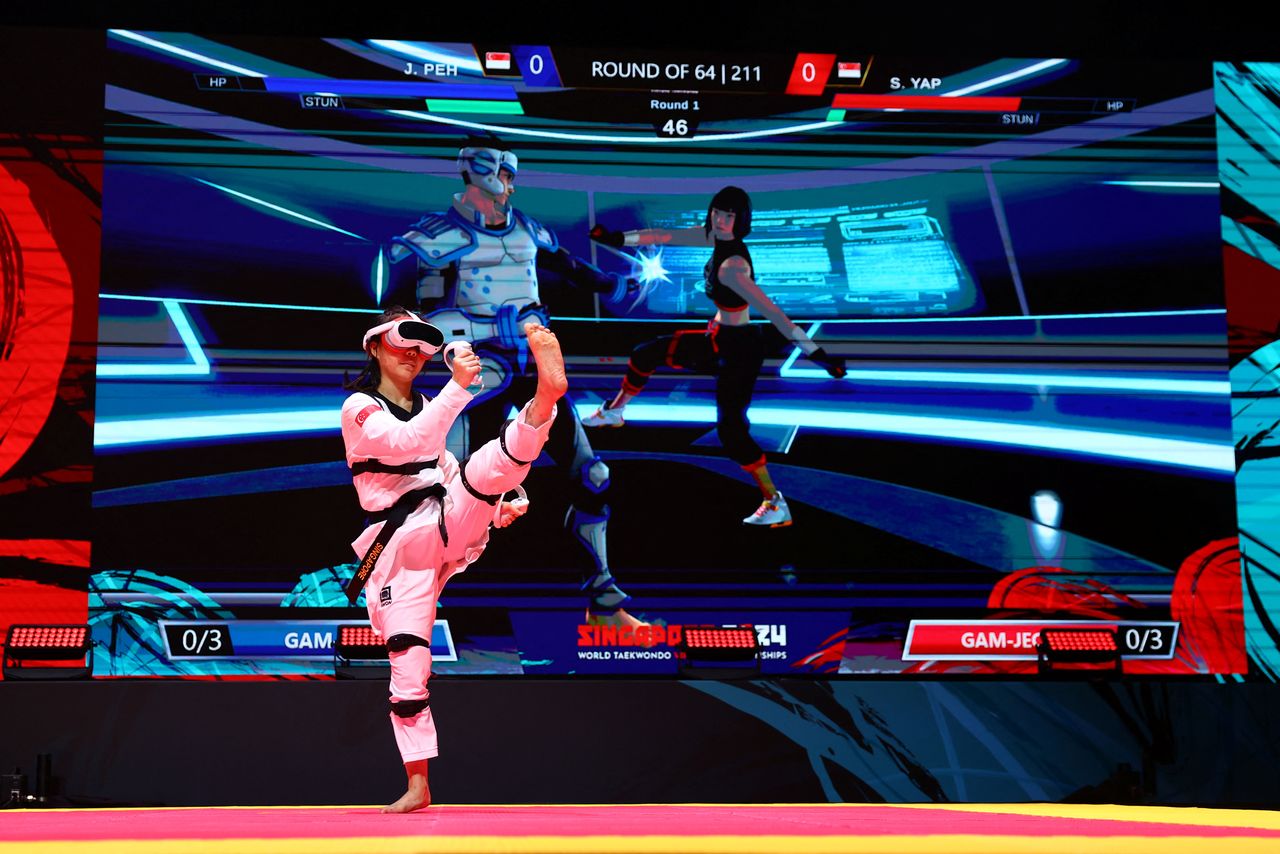
The World Taekwondo Virtual Championships in Singapore in November 2024. (© Reuters)
Also included in the program are baseball, softball, and lacrosse, all former Olympic sports set to make a comeback at the 2028 Los Angeles Olympics, along with breaking, which was an official event at the 2024 Paris Olympics, but dropped from the 2028 lineup. These are joined by padel, a racket sport that combines elements of tennis and squash, and teqball, an acrobatic sport in which athletes use their feet and heads, in a similar way to soccer, to hit a ball back and forth across a specially curved table.
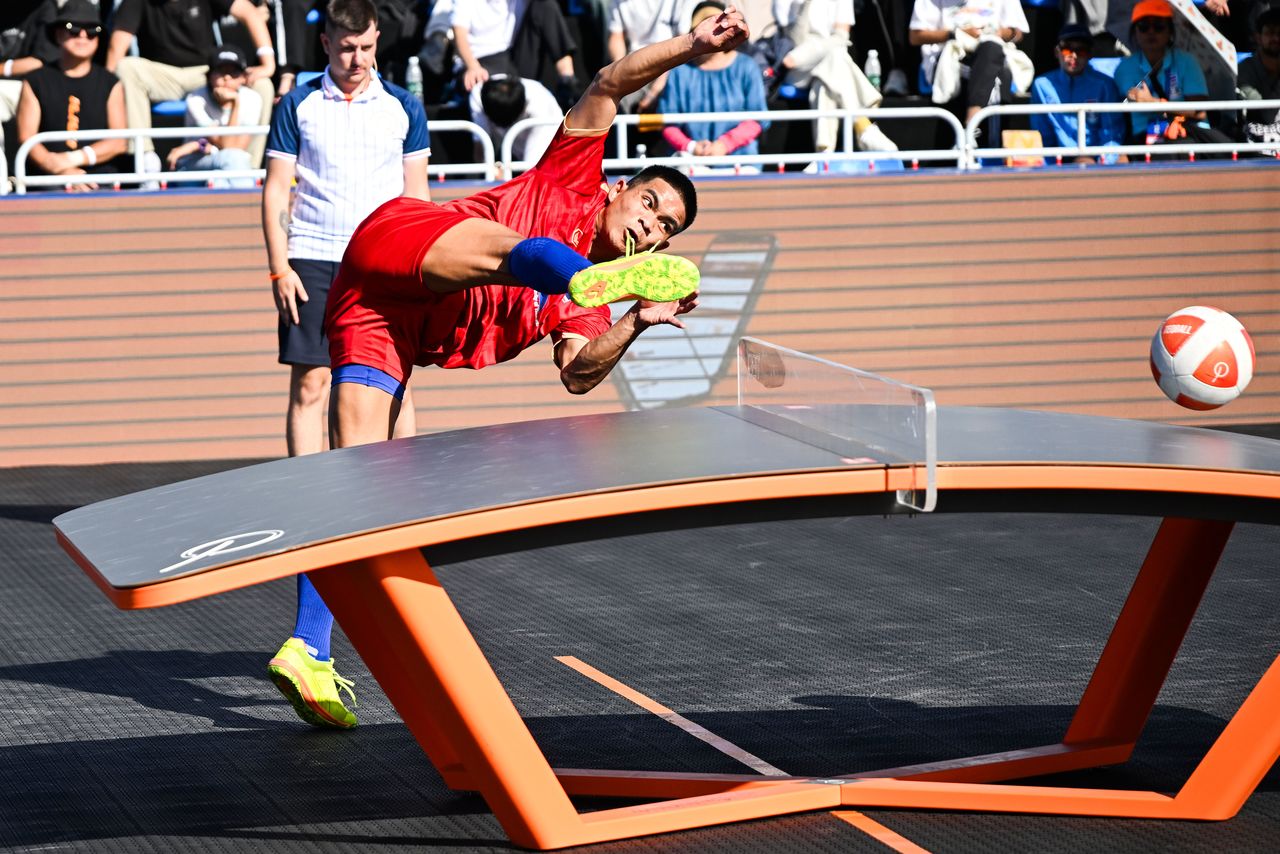
Action from the Teqball World Series Beijing in September 2025. (© VCG via Reuters Connect)
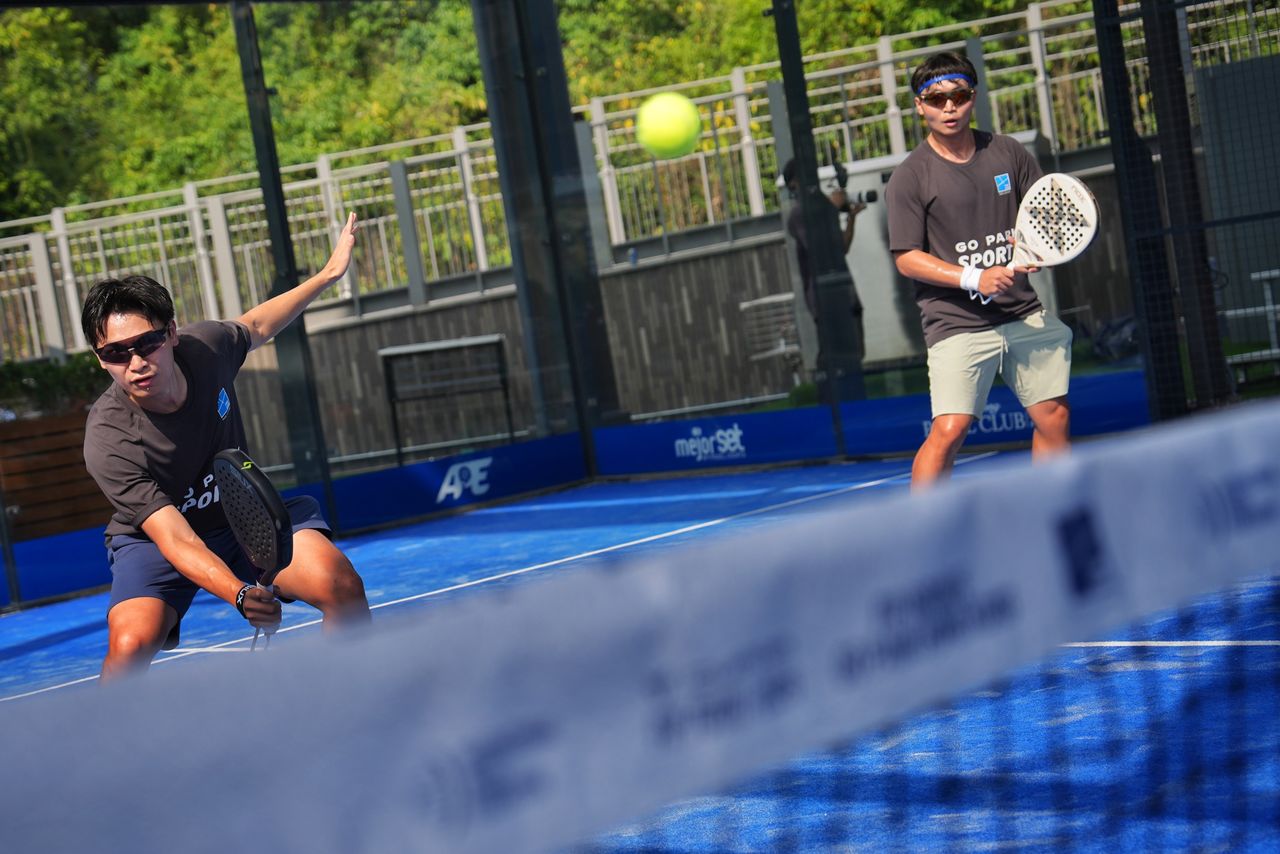
Players in the FIP Bronze Go Park padel competition in Hong Kong in March 2026. (© SCMP via Reuters Connect)
Data Sources
- Data on sports from the official Aichi-Nagoya Asian Games 2026 website
(Translated from Japanese. Banner photo: MMA has been newly introduced to the 2026 Asian Games. Courtesy Asian Mixed Martial Arts Association in Japan; photo by AMMA/JAMMA.)