Japan’s Rising Bear Attacks Drive Surge in Demand for Deterrent Products
Society Lifestyle Environment- English
- 日本語
- 简体字
- 繁體字
- Français
- Español
- العربية
- Русский
Traditional and High-Tech Goods
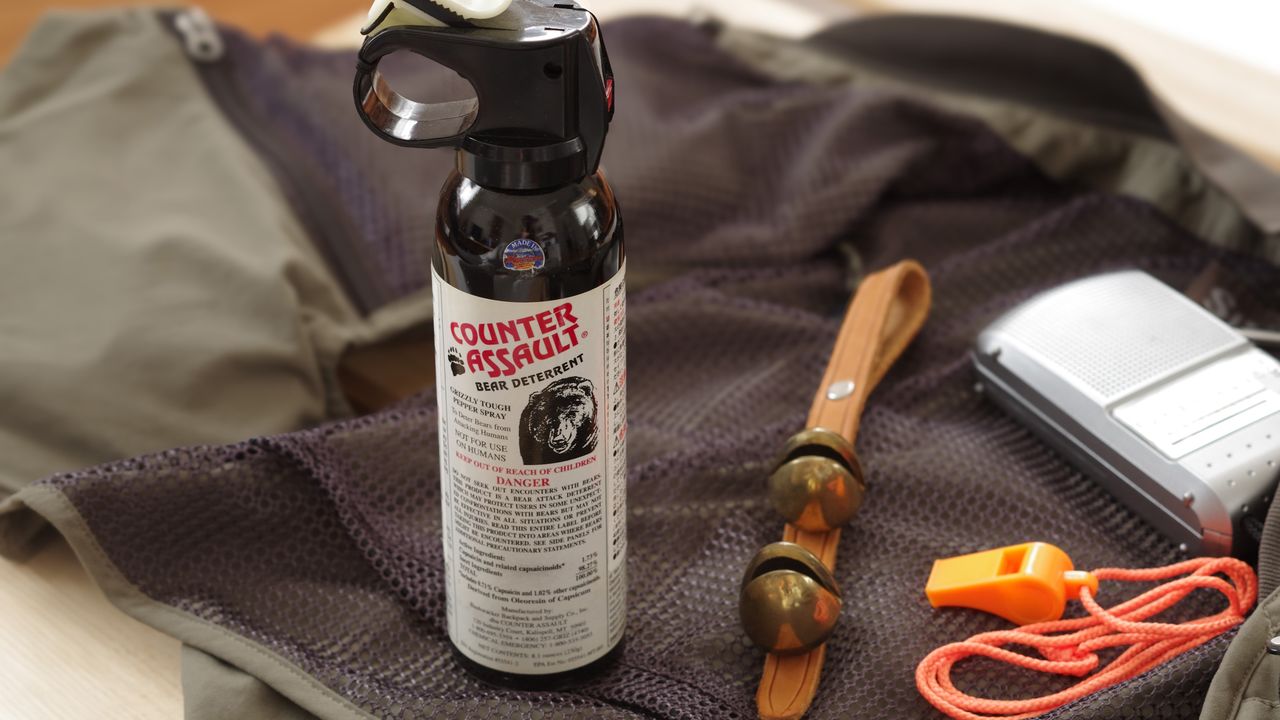
For hikers in Japan, bear bells are a familiar part of mountain safety gear. Their ringing alerts bears to the presence of people, and as bears naturally avoid humans, these simple items make an effective deterrent.
In fact, Japan’s Ministry of the Environment recommends that people heading into bear habitat carry a noisemaker like a radio or bell, check information on bear sightings, and travel in groups.
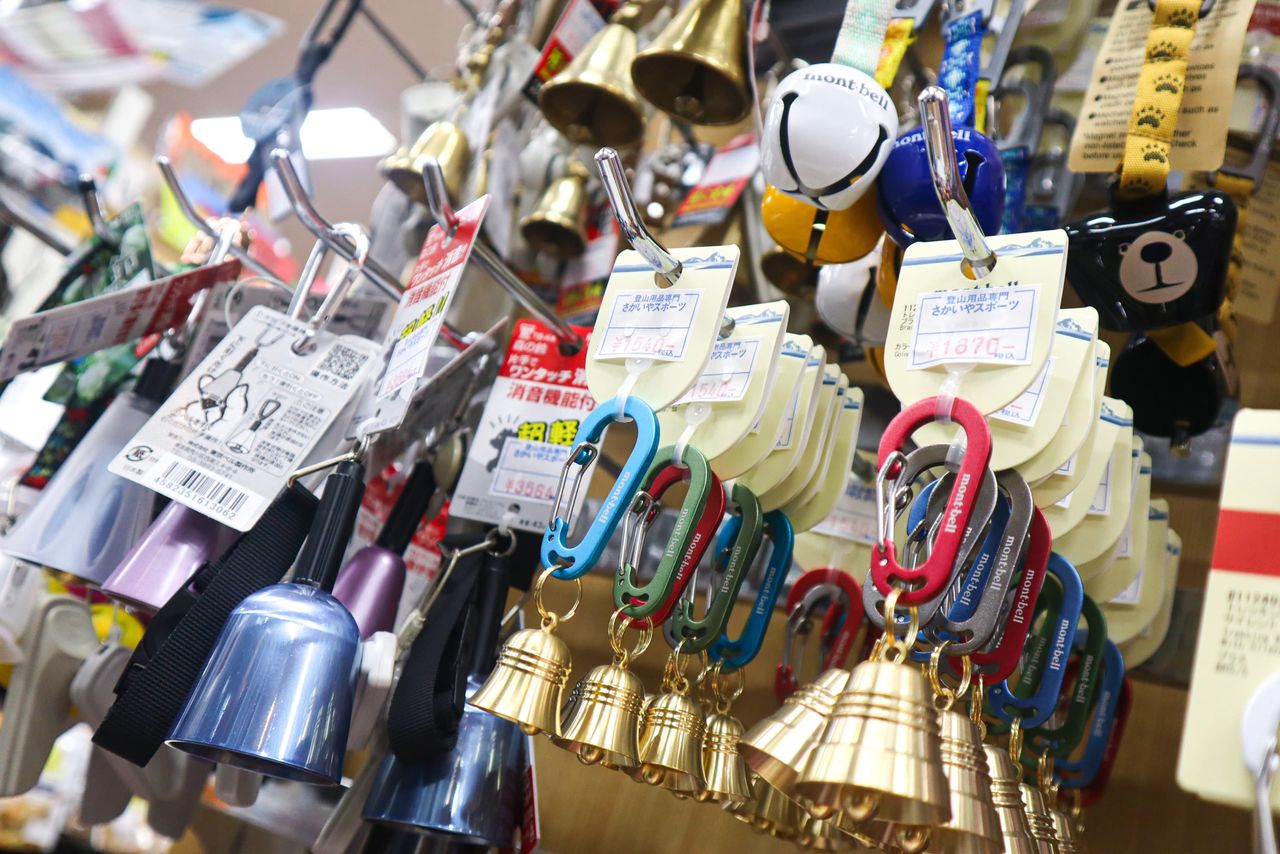
Bear bells come in a variety of sizes and types. (© Nippon.com)
With the rise of bear-related incidents, Sakaiya Sports, a mountaineering equipment store in Tokyo’s Jinbōchō district, has set up a corner featuring a wide range of bear bells near the store’s entrance. Among the varieties on offer are traditional and decorative types as well as models that can be muted or come with a whistle.
“Most customers choose a bell based on its sound and features,” explains Suga Shin’ya, the store’s sales manager. Buyers tend to be hikers, but he notes that demand has been expanding, telling how a company conducting environmental surveys in the mountains once even bought up the store’s entire stock of bells.
The store also sells an array of electronic noisemaking devices, including those that at a press of a button emit loud sounds mimicking a dog bark, siren, or a ringing bell. Some also have strobe lights to deter bears.
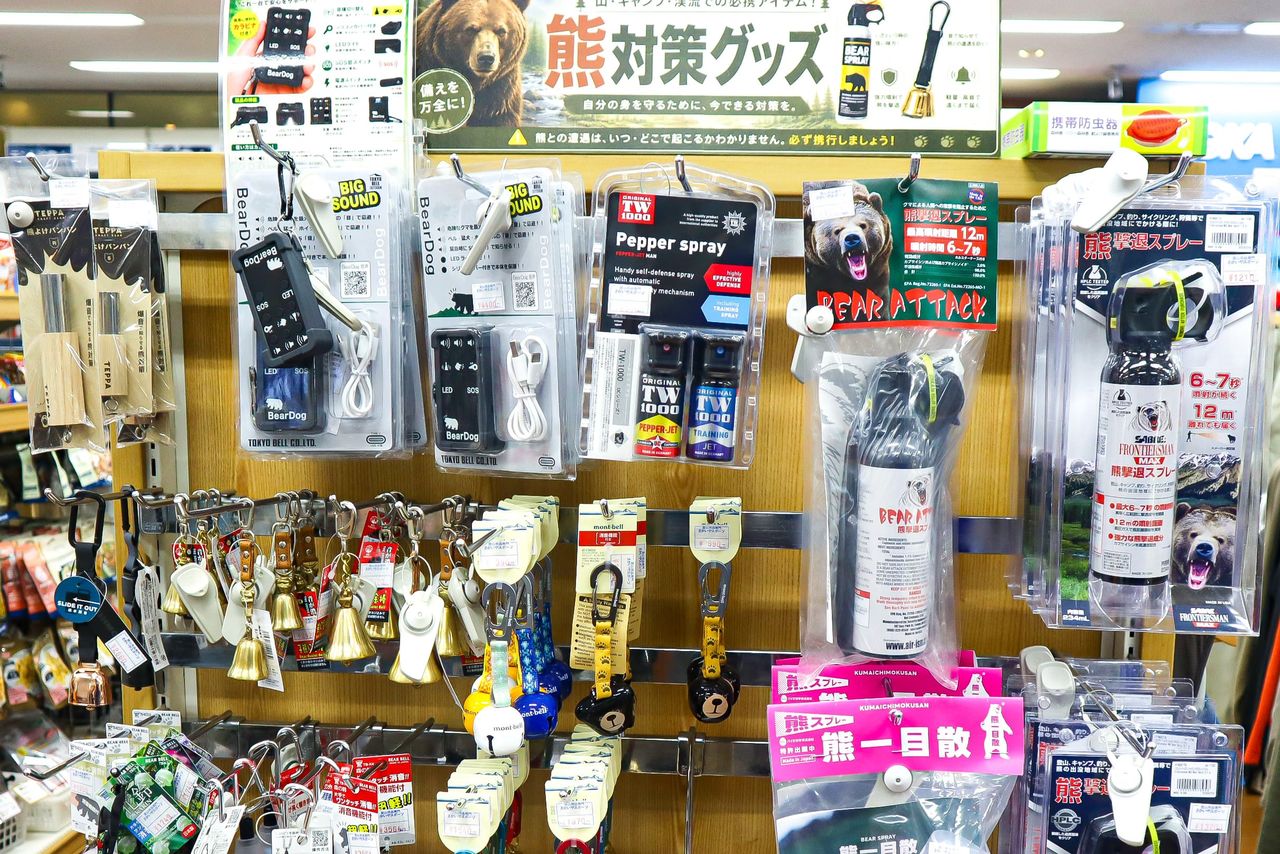
A display of bear deterrent goods at Sakaiya Sports. (© Nippon.com)
Bear Spray Effectiveness
Bells are not foolproof deterrents, however. Bears are also losing their natural aversion to humans, giving rise to bolder “urban bears” that venture deep into residential areas.
When confronted by an aggressive bear, repellent sprays are often a last resort against an attack. These sprays contain capsaicin, the active component of chili peppers, and aiming the jet at a bear’s face at close range can temporarily deter the animal from approaching or attacking.
Sakaiya Sports carries a range of sprays priced from ¥6,000 to ¥20,000. One new product boasts a spray range of 12 meters, while another comes bundled with a practice spray. Although pricey, the sprays are popular among hikers and people who work in the mountains.
Bear sprays come in a variety of sizes with different ranges and spray patterns that determine their effectiveness. In August 2026, the Environment Ministry set out guidelines for bear repellent sprays covering such factors as the active ingredients, spraying mechanism, and spray range, duration, and pattern. The Consumer Affairs Agency advises purchasers to make certain that a product is specifically intended for use against bears and to ensure that it can be quickly deployed in an emergency.
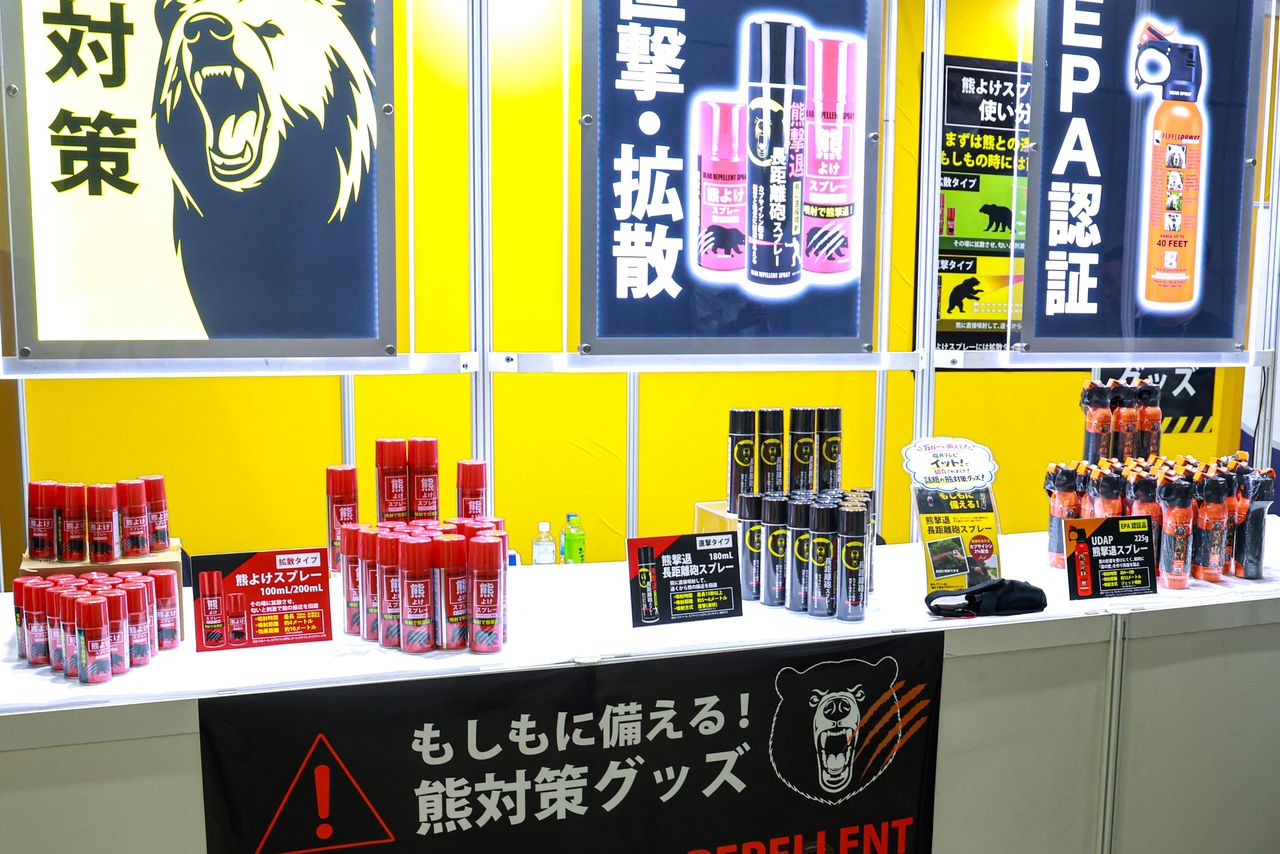
Bear deterrent goods on display at a regional disaster prevention trade show in Tokyo in May, 2026. (© Jiji)
When shopping, though, consumers need to keep in mind that bear sprays are prohibited on aircraft, making renting a spray or purchasing one locally a better option if flying to an outdoor destination.
Reducing Injury in a Bear Attack
Bears tend to concentrate their attacks on the area around the face and head, with their powerful strikes and sharp claws and teeth capable of inflicting life-threatening injuries. In response, a team at Akita University launched a project in September aimed at reducing the severity of injuries from bear attacks. The project combines efforts to raise awareness of effective defensive postures to take during an attack with the development of protective equipment, such as specially designed hats and gloves, that shield the body.
Protective wear is not a new idea. Several companies already offer clothing designed to protect a wearer from serious injury if struck by a bear.
Monitoring with AI and Sensors
Increasingly, digital devices are being used to identify and share information about bear sightings, showing how technology is helping people avoid encounters.
A growing number of communities are installing AI-equipped cameras in places where bears are known to frequent, with the devices notifying registered users when an animal is spotted.
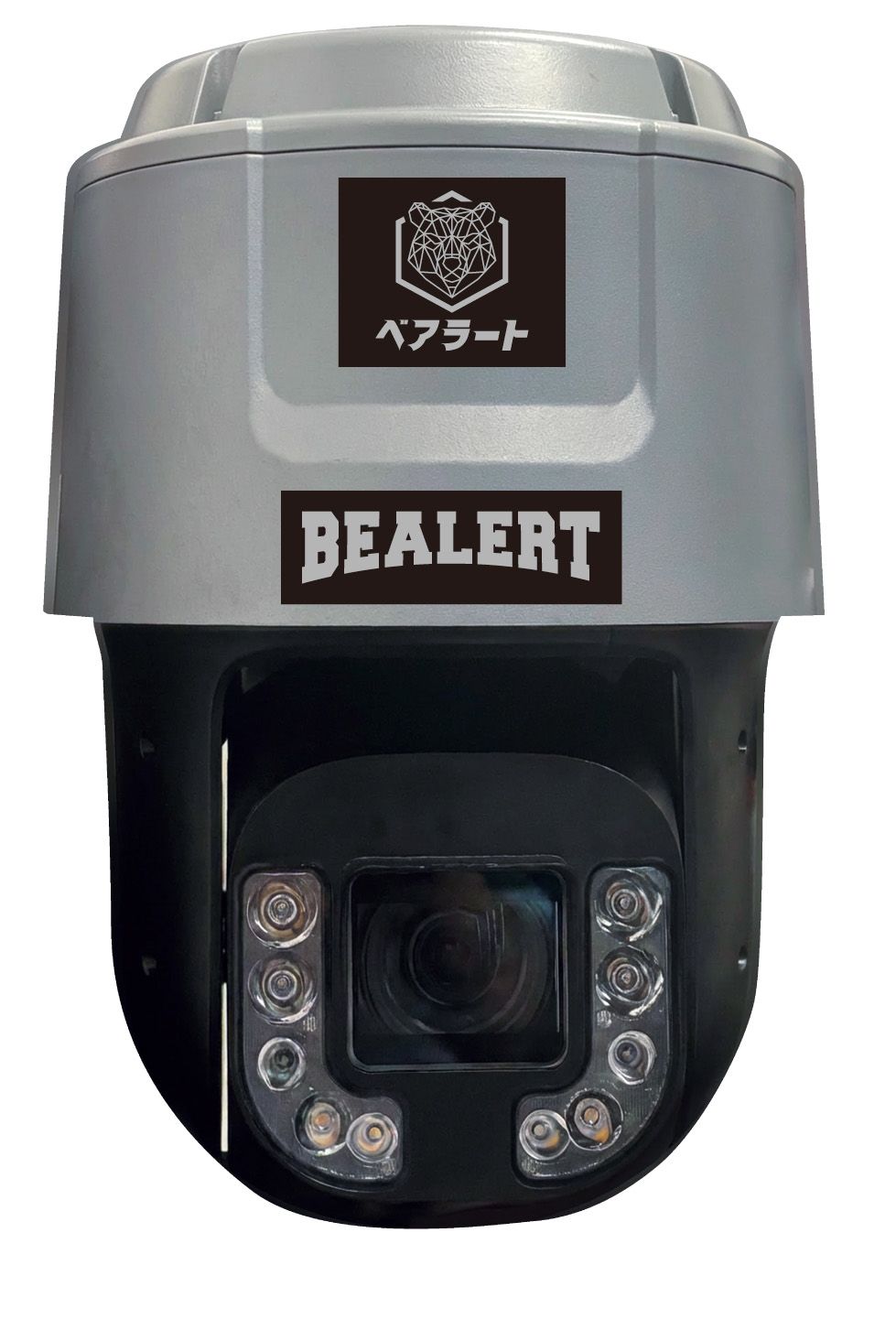
The Bealert system uses cameras equipped with AI sensors to detect bears, then warns residents and repels the animal by blasting it with loud sounds. (© Bōjo Kenkyūsho/PR Times)
A number of prefectures have also created online maps compiling information on bear sightings. The websites go by different names, but they provide a comprehensive database of bear sighting. Local government websites often link to these maps and explain how to use them.
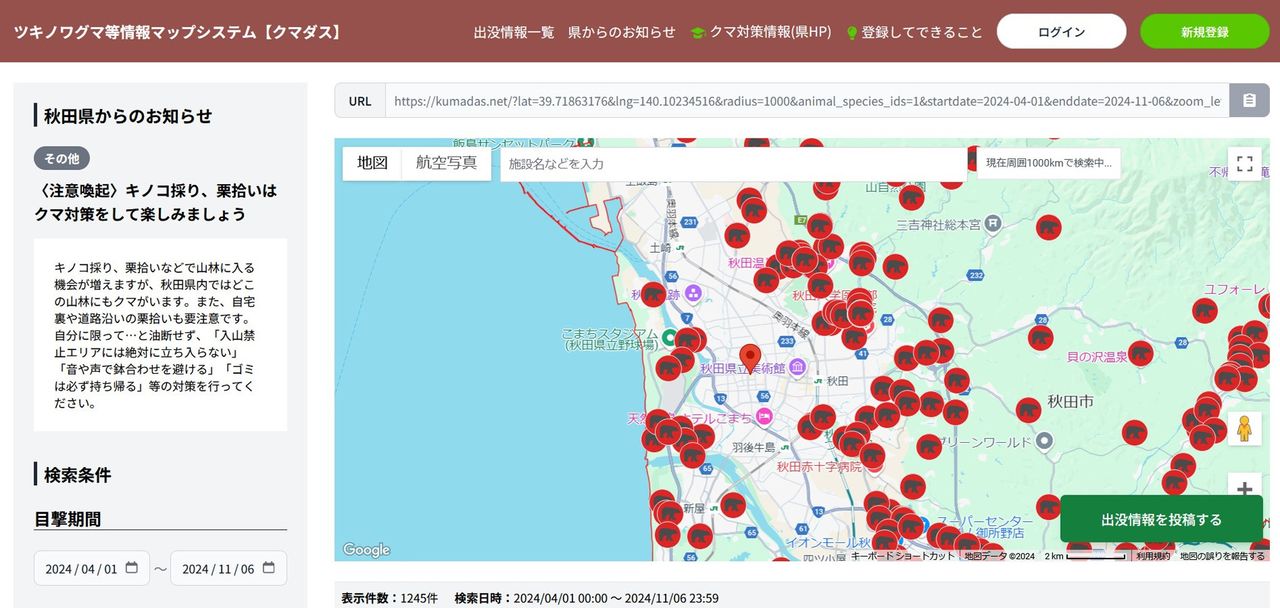
Akita Prefecture’s bear sighting map, Kumadas. (© Jiji)
New services like Kumap and Fastbear have also emerged, compiling nationwide sighting information from local government reports and camera data.
New Ways to Repel Bears
Another element being enlisted in prevention efforts is the bear’s keen sense of smell. Manufacturers have developed products that utilize strong odors to deter the animals, including repellents with active ingredients like wolf urine, dried starfish, and capsaicin.
Managing odors is equally important. The smell of food and garbage can easily draw bears to an area in search of a meal, and at campsites, campers are advised to use trash bags with odor-sealing properties to avoid any unwanted encounters.
In nature-rich prefectures like Hokkaidō and Nagano, which have a long history of dealing with urban bears, communities have developed approaches aimed at keeping animals from rummaging through residents’ trash. These include the use of containers equipped with heavy-duty doors at waste storage sites. One such example is the Bear Smart Box, sold by Karuizawa-based NPO Picchio, which is built so sturdily that bears cannot open it.
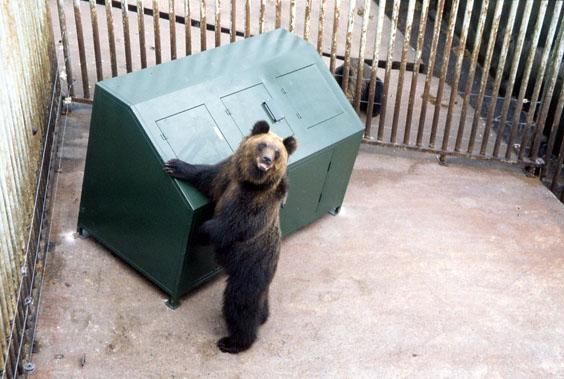
bear leans on the Bear Smart Box during a demonstration experiment at Noboribetsu Bear Farm. (© Noboribetsu Bear Farm/PR Times)
Bear countermeasures have evolved far beyond the humble bear bell, but no tool can provide complete protection. The best defense remains understanding what each device can and cannot do, and adjusting our behavior to avoid encounters with bears.
(Originally published in Japanese. Banner photo: A display of bear deterrent goods. © Pixta.)