80 Years On: Guerrilla Weapons Made for Japan Mainland Battle on Display
Newsfrom Japan
Society- English
- 日本語
- 简体字
- 繁體字
- Français
- Español
- العربية
- Русский
Tokyo, Dec. 10 (Jiji Press)--In the final stages of World War II, as Japan braced for desperate fighting on its main islands and prepared to mobilize civilians for combat, the former Imperial Japanese Army's Noborito Laboratory manufactured weapons for guerrilla warfare.
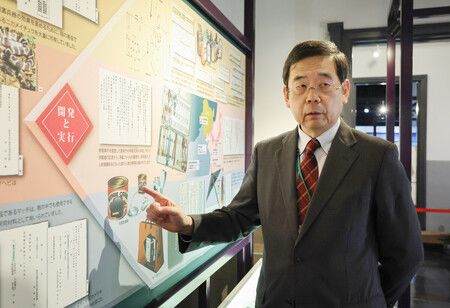
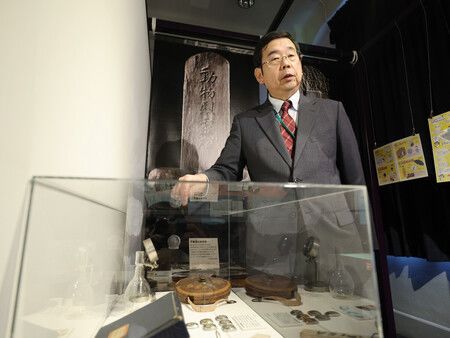
A special exhibition highlighting the laboratory's activities during the period has opened at a museum in Kawasaki, Kanagawa Prefecture, near Tokyo, which occupies part of the former facility.
The laboratory traces its origins to the Army Scientific Research Laboratory, founded in 1919. In September 1939, it was reorganized as the Noborito branch, commonly known as the Noborito Laboratory.
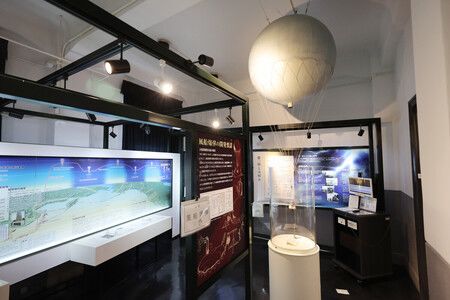
During the war, the institute was involved in a range of covert military projects, including the research and development of balloon bombs, biological and chemical weapons, secret cameras for spies, and poison injectors disguised as fountain pens. It also engaged in the forgery of passports and Chinese bank notes.
After entering the war in 1941, Japan achieved a series of early victories, but its strategic position gradually deteriorated. A major turning point came in July 1944, when Japan lost control of Saipan in the Pacific, bringing most of the Japanese archipelago within range of U.S. bombing raids.
[Copyright The Jiji Press, Ltd.]