Japan's Asuka-Fujiwara Sites Added to World Heritage List
Newsfrom Japan
Society Culture- English
- 日本語
- 简体字
- 繁體字
- Français
- Español
- العربية
- Русский
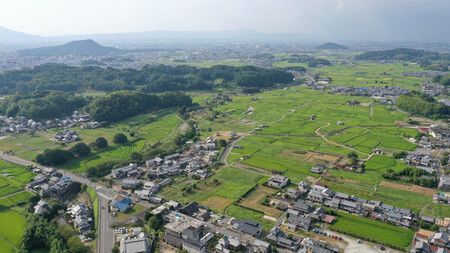
Busan, South Korea, July 26 (Jiji Press)--The UNESCO World Heritage Committee on Sunday decided to inscribe the Asuka-Fujiwara archaeological sites, a collection of Asuka-period ruins in the western Japan prefecture of Nara, on the World Heritage List as a cultural property.
The decision, made at the committee's meeting in Busan, South Korea, marks the inscription of Japan's 22nd cultural World Heritage site, following the addition of the Sado Island Gold Mines in Niigata Prefecture, central Japan, in 2024. Including natural heritage sites, the total number of World Heritage properties in Japan now stands at 27.
The committee said the property demonstrates exchanges with the Chinese mainland and the Korean Peninsula, as well as the introduction of Buddhism, which had a profound cultural impact on later generations. It also described the property as important tangible evidence of the process through which ancient capitals were formed in East Asia.
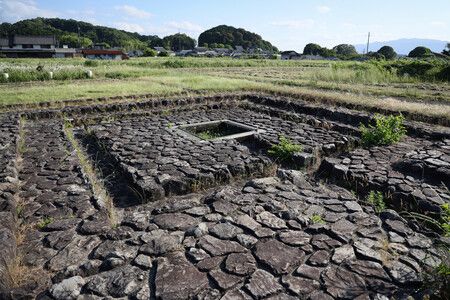
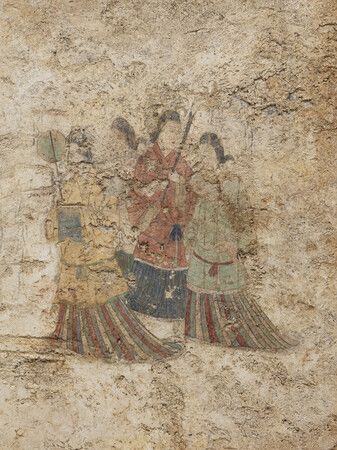
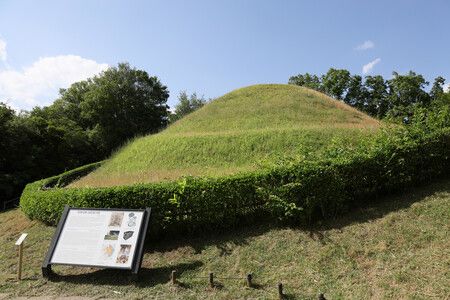
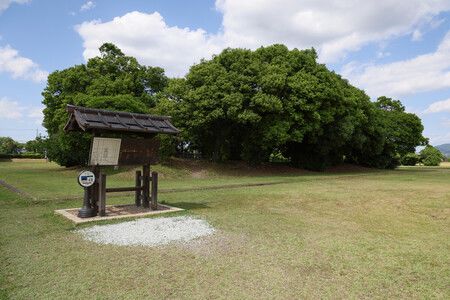
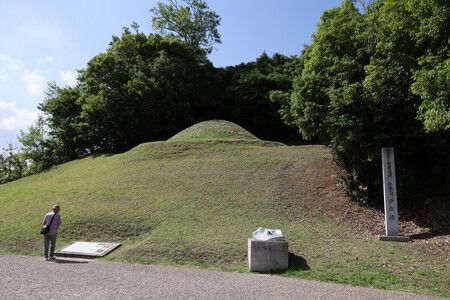
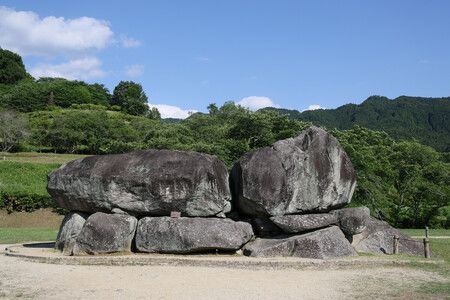
The Asuka-Fujiwara property consists of 19 archaeological sites dating from the sixth to eighth centuries and associated with the ancient Imperial capitals of Asuka and Fujiwara, scattered across the village of Asuka and the cities of Kashihara and Sakurai in Nara Prefecture. They include the ruins of the Asuka palace and those of the Fujiwara palace, which succeeded Asuka as the Imperial capital, as well as the Takamatsuzuka tomb, known for its vividly colored murals designated as a national treasure.
The property was placed on UNESCO's Tentative List in 2007. It took time, however, to demonstrate the "outstanding universal value" required for World Heritage inscription and to establish adequate measures for the protection of the property.
[Copyright The Jiji Press, Ltd.]