History of Housing for Japanese Postwar Returnees Kept Alive
Newsfrom Japan
Society- English
- 日本語
- 简体字
- 繁體字
- Français
- Español
- العربية
- Русский
Tokyo, Aug. 15 (Jiji Press)--Efforts have been made to keep alive the history of public housing for those who returned to Japan from former Manchuria, a northeastern China region once controlled by Japan, and elsewhere after the end of World War II.
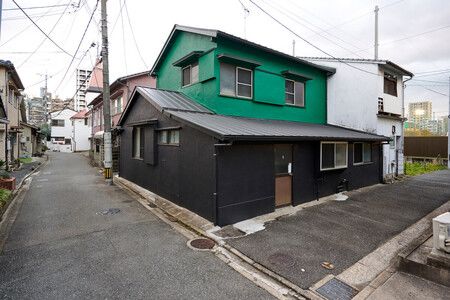
Soon after the war ended in 1945, some 600 wooden houses called "Oimawashi Jutaku" were built on a site that had hosted a facility of the now-defunct Imperial Japanese Army in Sendai, the capital of Miyagi Prefecture, northeastern Japan, for returnees from abroad. As many as up to some 4,000 people lived there.
When the government body in charge of building the houses was disbanded at the end of 1946, residents bought out their houses and continued living there by paying land rent to the state.
But residents were asked to move out when the Sendai city government came up with a plan to build a park in the Oimawashi Jutaku area. After many years of negotiations, the last remaining house in the area was demolished in February 2023.
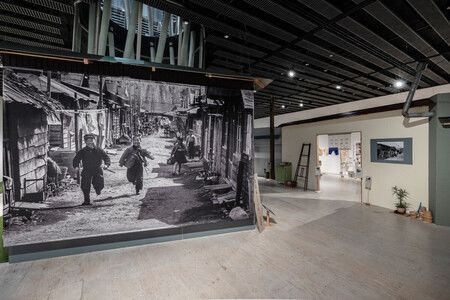
In winter that year, an exhibition featuring Oimawashi Jutaku was held at the city's Sendai Mediatheque cultural center, with exhibits including full-size mock-ups of houses, photos of the area and narratives from former residents.
[Copyright The Jiji Press, Ltd.]