Japan Edo-Era Diets Richer in Minerals than Modern Ones: Study
Newsfrom Japan
Society Culture- English
- 日本語
- 简体字
- 繁體字
- Français
- Español
- العربية
- Русский
Tokyo, Aug. 17 (Jiji Press)--Japanese researchers have found that commoners who lived in urban areas of Japan during the Edo and Meiji periods had diets that were richer in minerals than those of people today.
The study by a team of researchers from Ryukoku University, the National Institute of Japanese Literature and other institutions was published in the British journal Scientific Reports on Monday.
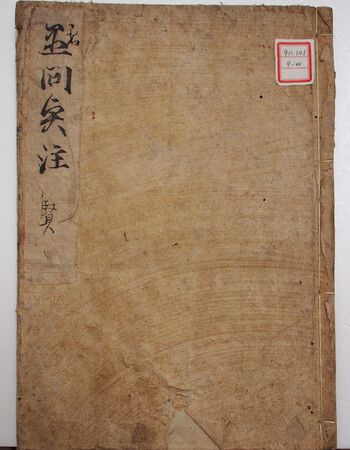
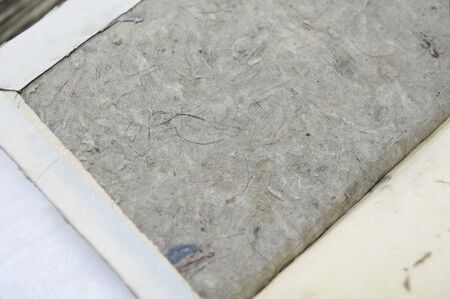
The finding was based on an analysis of hair samples taken from historical books from the Edo period (1603-1868) and the Meiji period (1868-1912), when the country underwent modernization.
During the Edo period, waste paper was collected and reused, resulting in the frequent presence of hair in recycled paper used for book covers.
Atsushi Maruyama, professor at Ryukoku University, and Atsushi Iriguchi, professor at the National Institute of Japanese Literature, collected hair samples from about 400 books whose publishers and publication years could be identified, out of roughly 70,000 volumes of Japanese books stored at the university.
[Copyright The Jiji Press, Ltd.]