Ōmisoka: New Year’s Eve in Japan
Society Culture- English
- 日本語
- 简体字
- 繁體字
- Français
- Español
- العربية
- Русский
Cleansing Worldly Passions
New Year’s Eve in Japan is known as Ōmisoka. Misoka is derived from the word meaning “thirtieth,” and since each month of the former lunar calendar ended on the thirtieth day, the term came to mean the last day of the month. The final day of the year became known as Ōmisoka, or “the great misoka.”
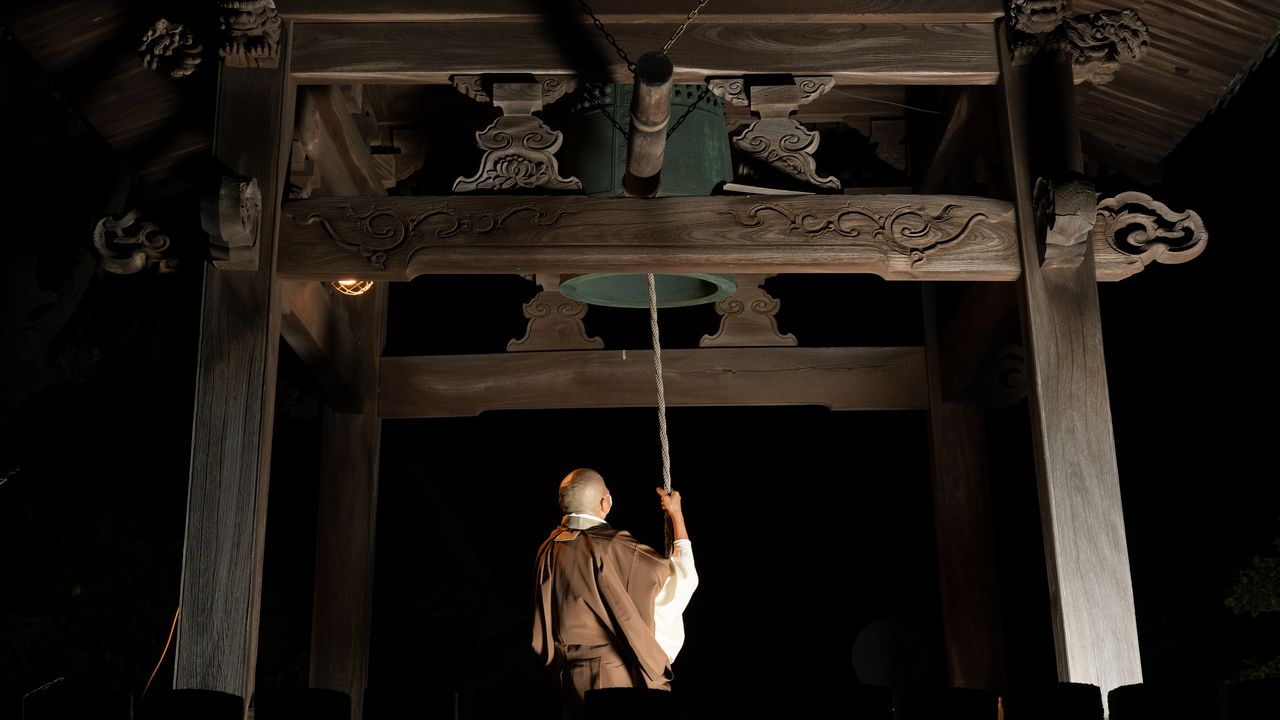
On Ōmisoka, temple bells are struck 108 times in a Buddhist ritual called joya no kane to dispel the 108 worldly passions, such as greed and envy. The ceremony symbolizes cleansing oneself of these attachments to welcome the new year with a peaceful mind. Although monks usually perform the ringing, at some locations, ordinary temple-goers are allowed to take part in the experience.
Toshikoshi Soba
Eating toshikoshi, or “year-crossing,” soba on Ōmisoka has been common since around the mid‑eighteenth century. The long, slender shape of the noodles symbolizes a wish for long life, while their tendency to break easily is thought to represent cutting off hardships and misfortune before the end of the year.
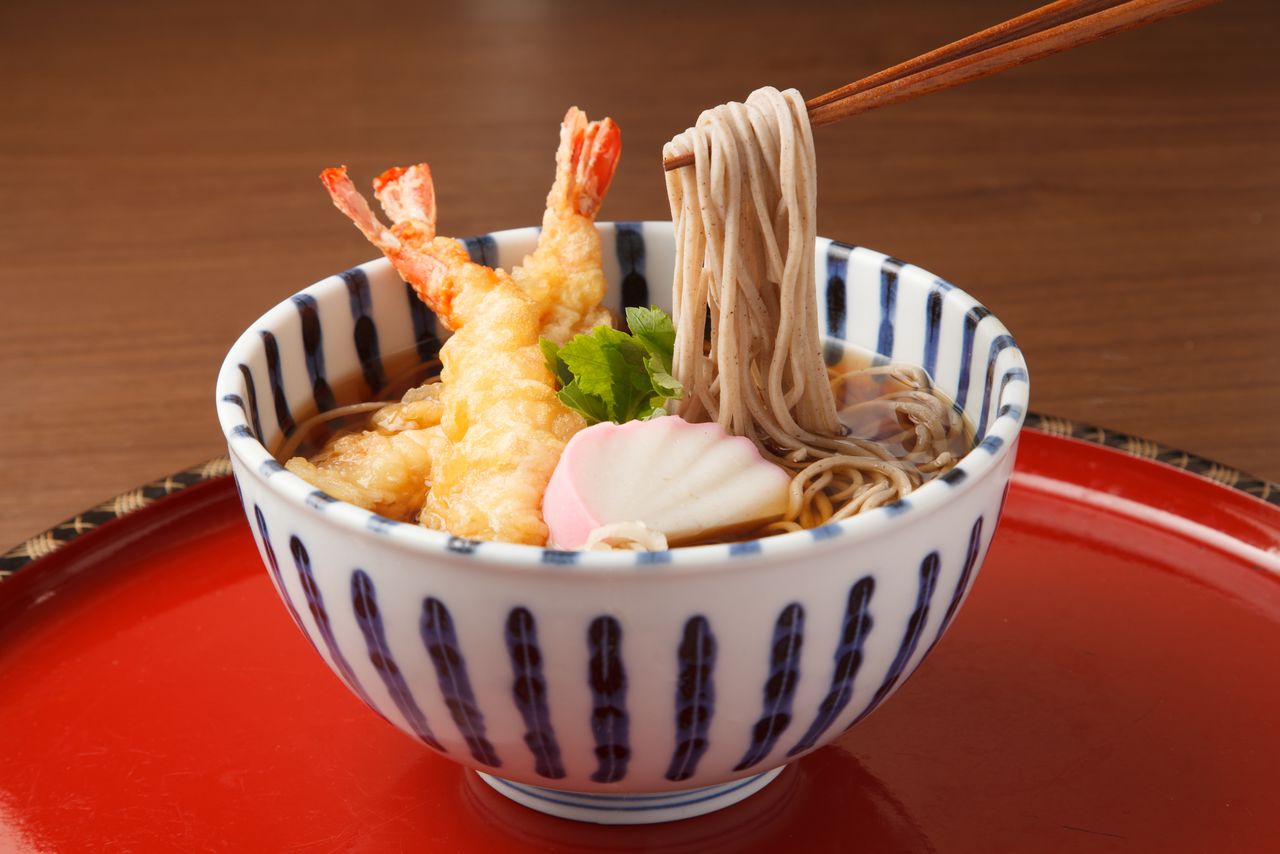
Toshikoshi soba. (© Adobestock)
Singing Out the Year
One way to enjoy Ōmisoka is by watching Kōhaku uta gassen, a song contest on NHK that has been broadcast every year since 1951. Teams of singers and celebrities compete in the four-and-a-half-hour show, angling for the votes of viewers and guest judges. Traditionally, the red team is made up of women and the white team of men, although this sharp division is no longer strictly observed due to changing attitudes toward gender identity. The program remains one of the highlights of the musical calendar.
For those with more classical tastes, Beethoven’s Ninth Symphony is also closely associated with the end of the year in Japan. It has been commonly performed by orchestras in December since the late 1940s, with concerts being held across Japan, including on Ōmisoka.
Countdown events are also held nationwide, aimed particularly at young people. Popular locations include theme parks like Universal Studios Japan in Osaka and Huis Ten Bosch in Nagasaki, as well as the Tokyo Metropolitan Government Building.
(Banner photo: Ringing bells in the joya no kane ritual. © Adobestock.)