Children’s Day (Japan’s National Holidays)
Guideto Japan
Society- English
- 日本語
- 简体字
- 繁體字
- Français
- Español
- العربية
- Русский
Celebrating Children’s Growth
In Japan, there have long been festivals that celebrate children’s growth: Hinamatsuri on March 3 for girls, and Tango no Sekku on May 5 for boys. Established as a national holiday in 1948, Children’s Day is observed regardless of gender, to celebrate children and work toward their happiness. It is the last day of the Golden Week holiday period.
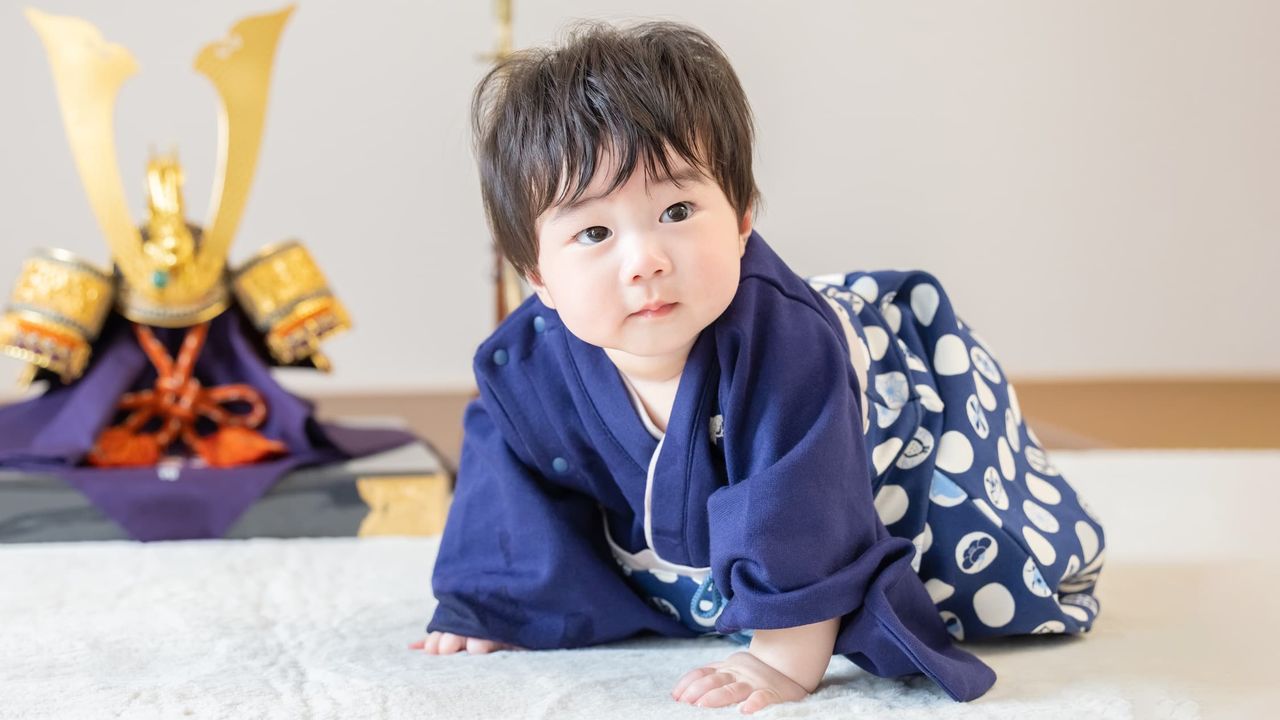
On Children’s Day, many families display traditional good-luck items and pray for their children’s healthy growth. Households with boys, in particular, customarily display samurai dolls and helmets, as well as koinobori carp streamers. The helmet is regarded as a symbol of protection, while carp streamers reflect the fish’s association with success and upward advancement. There is also a tradition of bathing with iris leaves, as their fragrance is believed to ward off evil spirits.
On this day, it is also customary to eat kashiwamochi (oak leaf-wrapped rice cakes filled with bean paste) and chimaki (glutinous rice wrapped in bamboo leaves and steamed). Many families prepare meals featuring children’s favorite dishes, while others serve foods with auspicious meanings, such as buri (yellowtail), another fish linked to success and advancement, or bamboo shoots, which symbolize straight, vigorous growth.
In connection with Children’s Day, an increasing number of facilities such as zoos, aquariums, and science museums offer free admission for children. Events geared toward young visitors are also held across the country, drawing large crowds of families.
Data Sources
- National Holidays (Japanese) from the Cabinet Office.
(Translated from Japanese. Banner photo: A young boy with a helmet display. © Pixta.)