Manga Media and Content in Postwar Japan
The Magazine Culture that Nurtured Shōjo Manga
Culture Entertainment Manga Anime Art- English
- 日本語
- 简体字
- 繁體字
- Français
- Español
- العربية
- Русский
Growing International Popularity
The shōjo manga Kimi ni todoke: From Me to You, by Shiina Karuho, has been gaining popularity around the world. It tells the story of love between gloomy, quiet Kuronuma Sawako and class hero Kazehaya Shōta in a small Hokkaidō town.
It was serialized in the magazine Bessatsu Margaret from 2006 to 2017. The anime adaptation had one season in 2009, with a second in 2011. Netflix and TV Tokyo cooperated on a live-action drama adaptation streamed from 2023, with Netflix holding exclusive streaming rights for the third season of the anime premiering in August 2024. That, it seems, is what finally sparked global interest.
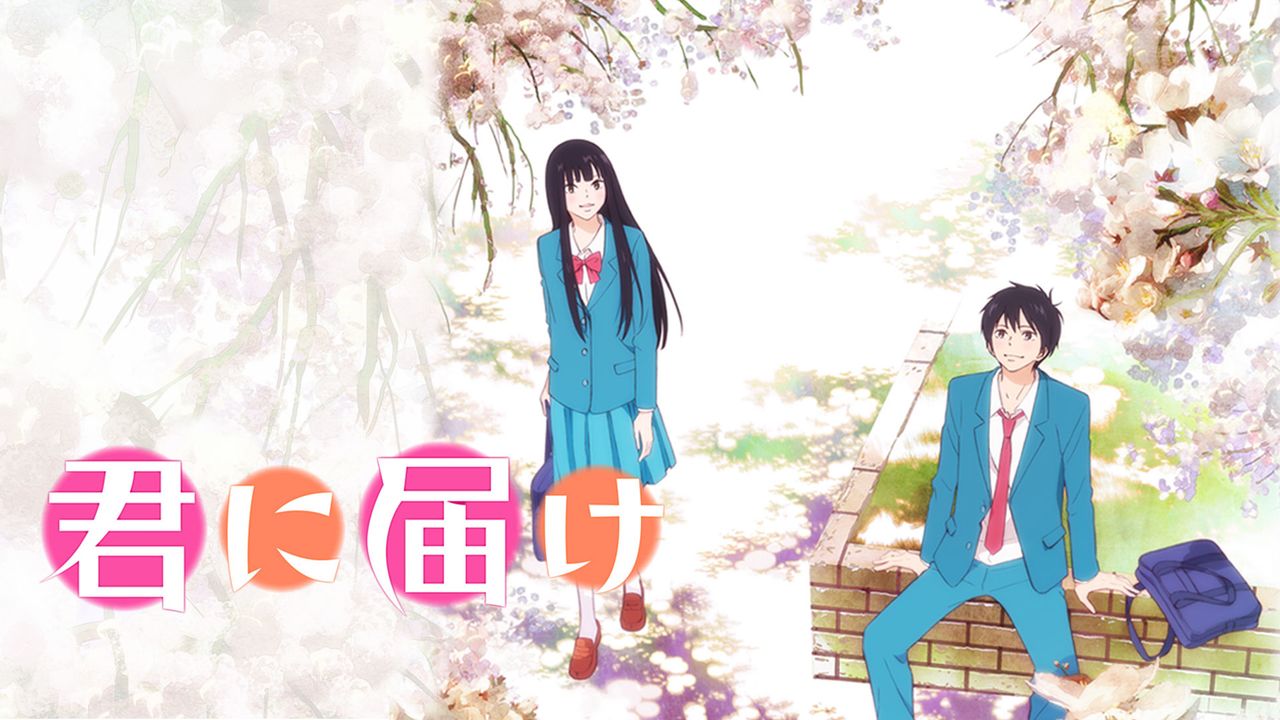
Japanese streaming service Abema offered some of the anime adaptation of Kimi ni todoke for free. (© Shiina Karuho/Shūeisha; Kimi ni todoke Production Committee. [Abema, PR Times])
The core of its appeal is probably how it depicts the globally recognizable discords of young love. The stories are so fundamentally relatable that the Young Adult Library Services Association in the United States chose it for its list of Great Graphic Novels for Teens in 2010, leading to its placement on library shelves in schools and communities across the country.
Series like One Piece or Attack on Titan, which began as serials in magazines aimed at men and boys, have long been very popular overseas, but more recently works that started in women’s magazines are gaining popularity.
One example of that rise is Takaya Natsuki’s Fruits Basket, a school fantasy which ran in Hana to Yume magazine from 1998 to 2006. The American editions ranked at the top of the BookScan Manga sales in 2005 and 2006, and in 2007 volume 16 reached number 15 in the USA Today Bestselling Books Top 150. That same year, it got a Guinness World Record for Best-Selling Shōjo Manga.
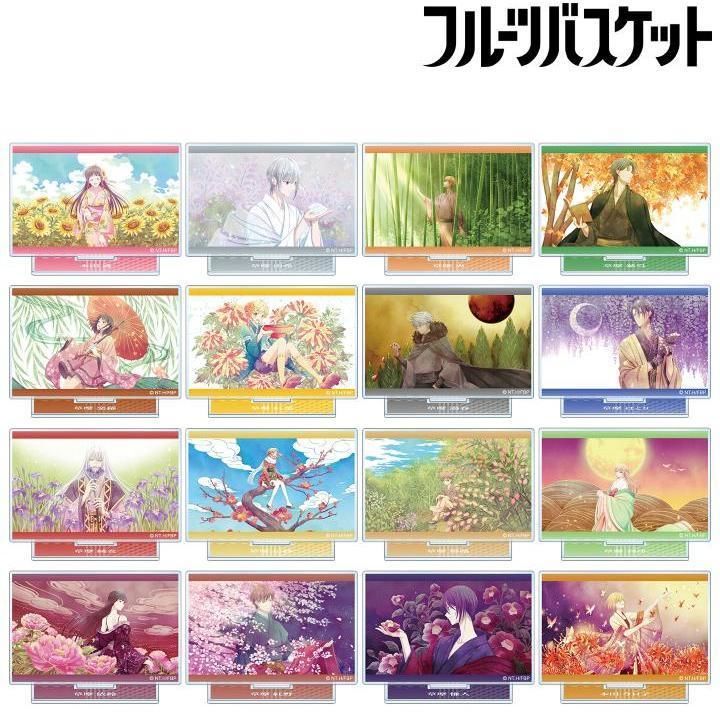
Acrylic cards with scenes from the ending of the Fruits Basket anime adaptation. (© Takaya Natsuki/Hakusensha and the Fruits Basket Production Committee [Arma Bianca, PR Times])
Tada Kaoru’s Itazura na Kiss (A Playful Kiss), which started its run in Bessatsu Margaret in 1990, has been adapted into live-action television dramas in Taiwan, South Korea, and Thailand.
Postwar Fragmentation
The Japanese practice of regularly delivering serialized manga to fans in weekly and monthly magazines has offered a way for readers and artists to grow and develop together.
Each magazine has its own very clear target audience broken down by age and interest, with further segmentation within the content itself. Some countries, like Taiwan or South Korea, have magazines similar to Japan’s shōjo manga magazines, but their market breakdown is not nearly as fine-grained, so from the international perspective Japan’s manga magazine style still remains unusual.
Today’s shōjo manga magazines can trace their roots back to girl’s magazines of the prewar era. In the early twentieth century, schooling in Japan was segregated by gender, and magazines for children followed suit with different publications for girls and boys. But even after schools were made co-ed in the post–World War II era, the magazines maintained their gendered divisions.
In the late 1940s, publishing companies began establishing new girls’ magazines one after the other, and in the 1950s they started further fine-tuning their output, with publications aimed specifically at lower-grade-school students. At first, they were mostly filled with short stories and other text-heavy materials, but over time they devoted more and more space to manga. Part of the reason for that shift was that in those early foundational days, most of the manga artists were men, but then women became more prominent as the postwar manga boom brought artists like Mizuno Hideko, Hosokawa Chieko, and Maki Miyako to the forefront.
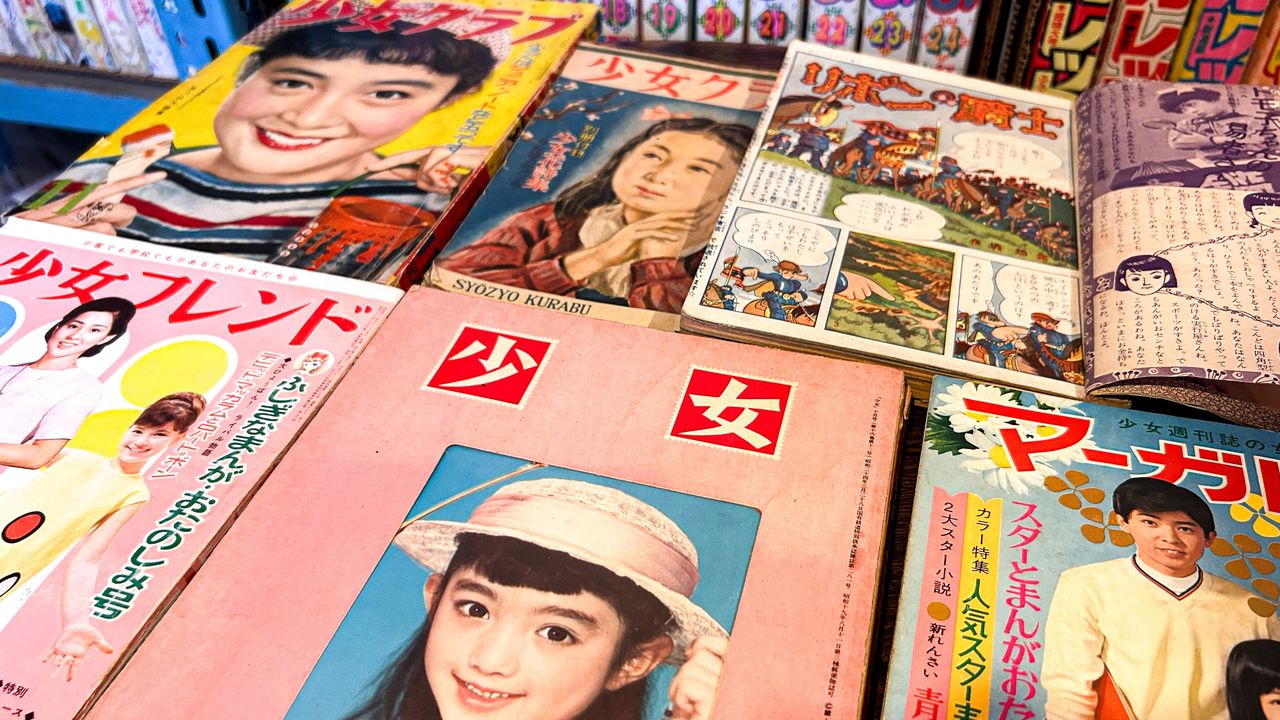
Magazines targeting girls eventually developed into shōjo manga magazines. (Courtesy Shōjo Manga Kan)
Shōjo Manga Grew with Women’s Liberation
The history of shōjo manga can be seen as a reflection of the history of women’s independence and liberation.
Prewar girl’s magazines were strongly influenced by social norms of the time, which dictated that women were meant to be good wives and mothers, so articles providing models of home life were a mainstay. But as the idea of women’s equality took hold after the war, more pieces began to depict girls as independent and free. While many still focused on romance, there were also articles depicting women taking a more active role in society. They showcased careers that girls found exciting, like stewardess or fashion designer.
In Ribon no kishi (Princess Knight), a Tezuka Osamu manga that ran from 1953 to 1956 in the magazine Shōjo kurabu (Girls’ Club), main character Princess Sapphire is born with both the heart of a girl and of a boy. Although she is raised as a prince at first, the series antagonist learns Sapphire’s secret and uses it to overthrow the kingdom. Sapphire then becomes the Ribbon Knight and fights evil. This work’s take on the fluidity of gender held powerful influence over later generations of artists.
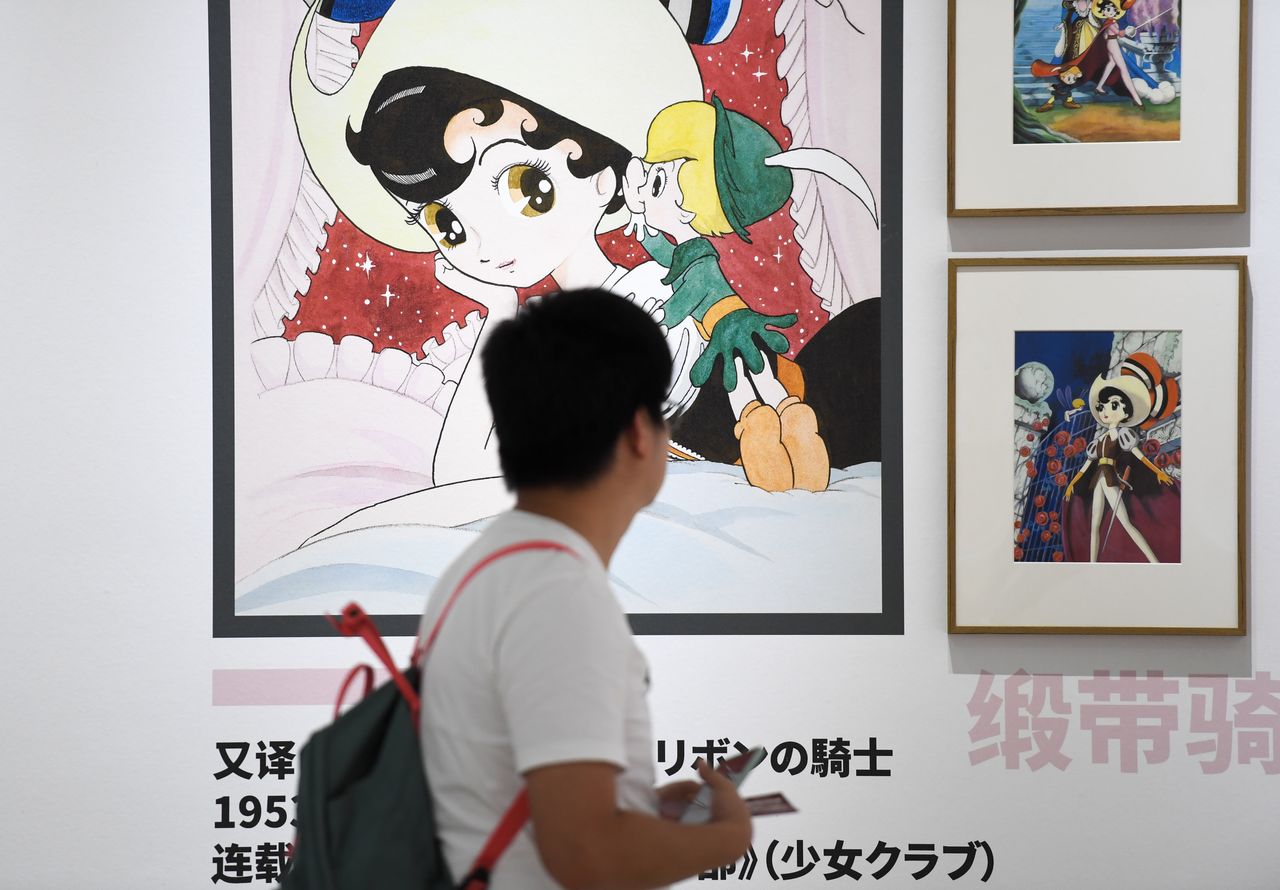
A Princess Knight display at the Tezuka Osamu Special Exhibition held in Hunan, China in September, 2019. (© Xinhua News Agency/Kyōdō)
As opposed to shōnen manga, which tend to go all-in on battle and victory, shōjo manga focus on expressing characters’ perspectives and emotional states. Artists began to play freely with panel shape, making use of negative space. The past and the present could be shown on a single page, and works often have decorative textual and layout techniques, such as layering protagonist monologues, demonstrating how they have followed a different evolution to shōnen manga.
Shōjo Manga Evolve with the Weeklies
At the end of 1962, publisher Kōdansha started the magazine Shōjo Friend, and Shūeisha released Weekly Margaret in 1963.
Both magazines actively sought out new artists. Satonaka Machiko debuted at the age of 16, when she was still in high school, after winning the Kōdansha Debut Manga Award in 1964. Many of the new shōjo manga artists made their debuts while still in high school or immediately after graduating. They became a cadre of older-sister figures for the elementary- and middle-school students who made up the manga readership, understanding the worries and the hopes of younger girls.
Serials in monthly magazines tended toward short runs of six months at the longest. Those that lasted for years, like Princess Knight, were exceptions. But the weeklies offered four times the page number over the same period, offering an opportunity for greater development in a shorter amount of time. This encouraged an increase in mangaka looking to try writing longer stories.
Shūeisha and Kōdansha also put out quarterly and monthly magazines at the same time. That created a showcase for artists who could not keep up with the weekly pace and gave them room to develop and grow.
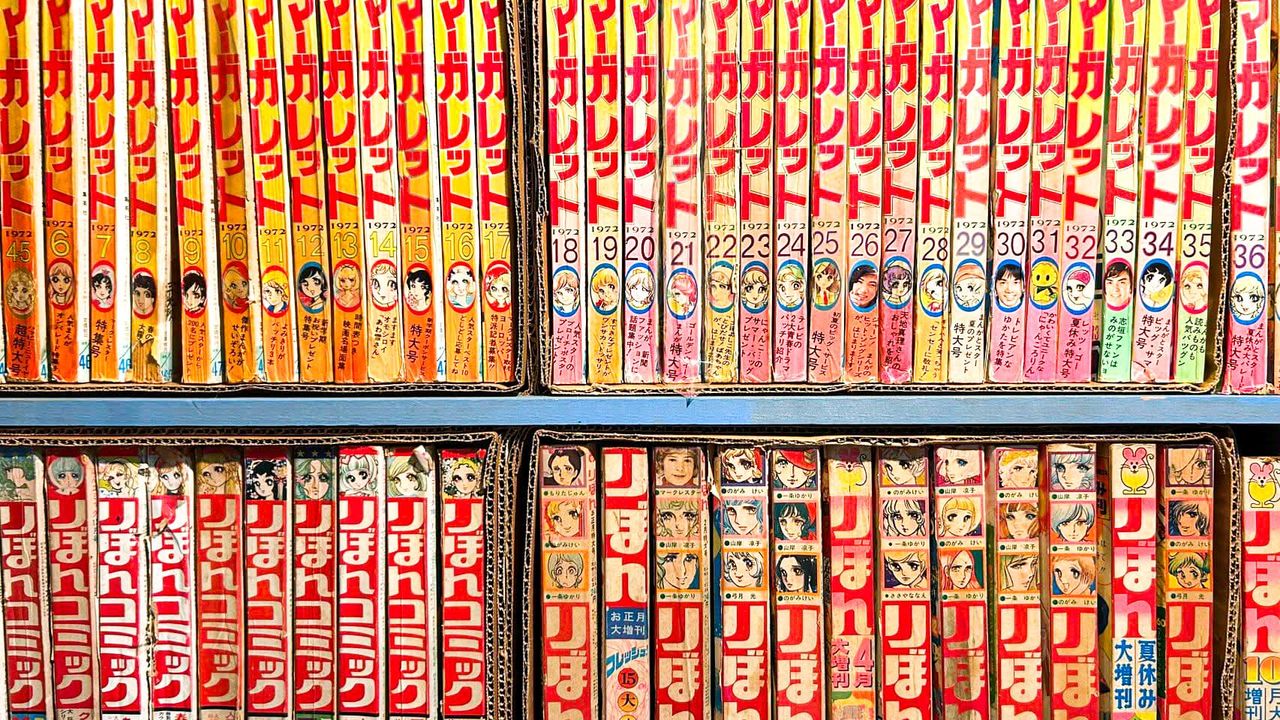
Manga magazines eventually began to feature more long-form stories. (Courtesy Shōjo Manga Kan)
Mizuno Hideko serialized Shiroi toroika (White Troika) in Weekly Margaret from 1964–65. It depicted the life of a young woman born to a Russian revolutionary against the backdrop of the fall of the Russian Empire, and introduced to shōjo manga a sweeping historical drama to rival any novel. Weekly Margaret also ran Ikeda Riyoko’s story set during the French Revolution, Berusaiyu no bara (The Rose of Versailles), from 1972 to 1973. The shift toward weekly publication helped bring about works with a greater emphasis on detailed expression.
The Origins of BL
Shōgakukan publishing took Shōjo Comic magazine from monthly, to biweekly, to weekly. As a late starter in the field, it struggled to win over veteran artists, so it put its efforts into uncovering new talent.
Works like Takemiya Keiko’s Kaze to ki no uta (The Poem of Wind and Trees), serialized from 1976 to 1984, and Hagio Moto’s 1974 work Tōma no shinzō (The Heart of Thomas) showed stories of love between boys at European boarding schools. The taboo-shattering topic was shocking for the day, but the comics won over readers by depicting the drama of true love transcending the usual fare of love between men and women. With artists like Aoike Yasuko and Yamagishi Ryōko writing similar stories, soon they formed a genre of their own.
The style was taken up by the magazine June, founded in 1978, and then fused with the dōjinshi zine and gay culture of the 1970s and 1980s, filtering through the development of comic market culture in the 1990s to eventually take shape as the “boys’ love” genre.
Shōjo manga magazines offered a sanctuary for girls, a place for them to escape the difficulty of daily life with works that helped them face their worries and share their dreams. Works linked to these roots continue to appear to this day and are inspiring similar feelings around the world. The introspective delicacy and abundant expressiveness in art style that shōjo manga birthed have transcended the borders of genre and are now seen in a wide variety of works. And the magazines that nurtured the genre are well worth more attention amid Japanese manga culture.
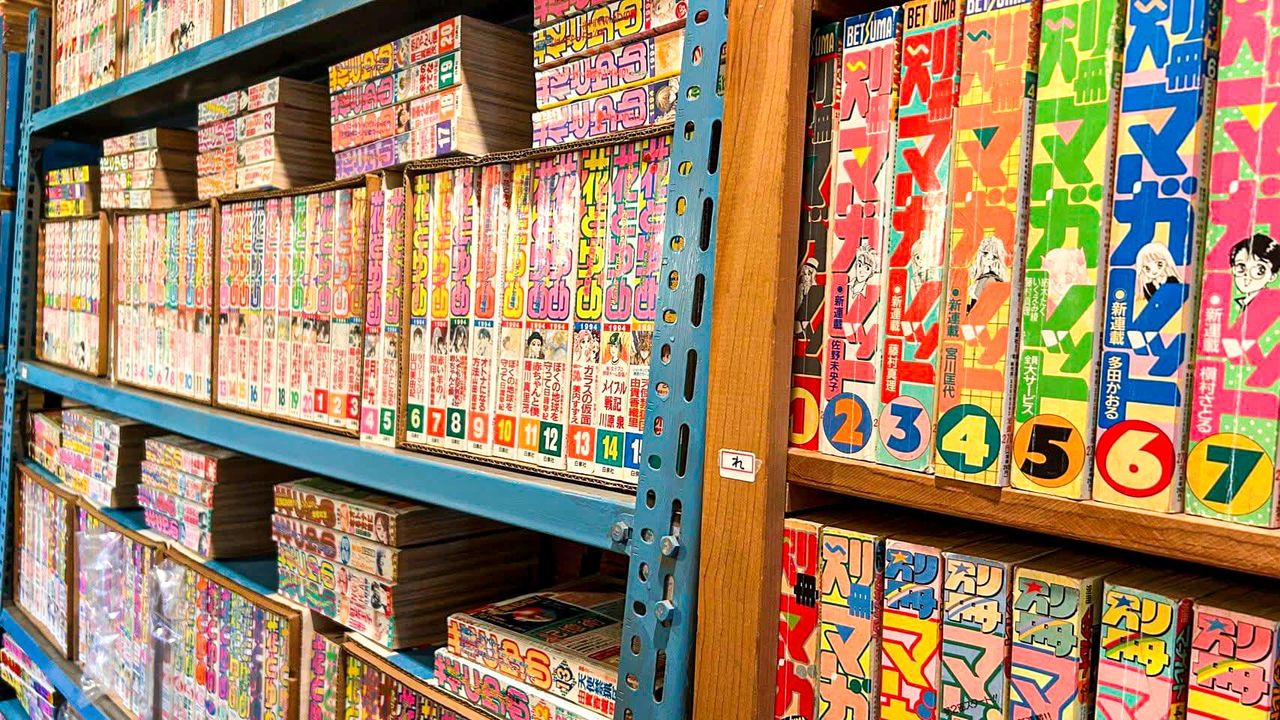
The Shōjo Manga Kan is a private archive in Akiruno, Tokyo, collecting some 60,000 pieces of material related to manga magazines and more. It is open on Saturday afternoons, by reservation only. (© Nippon.com)
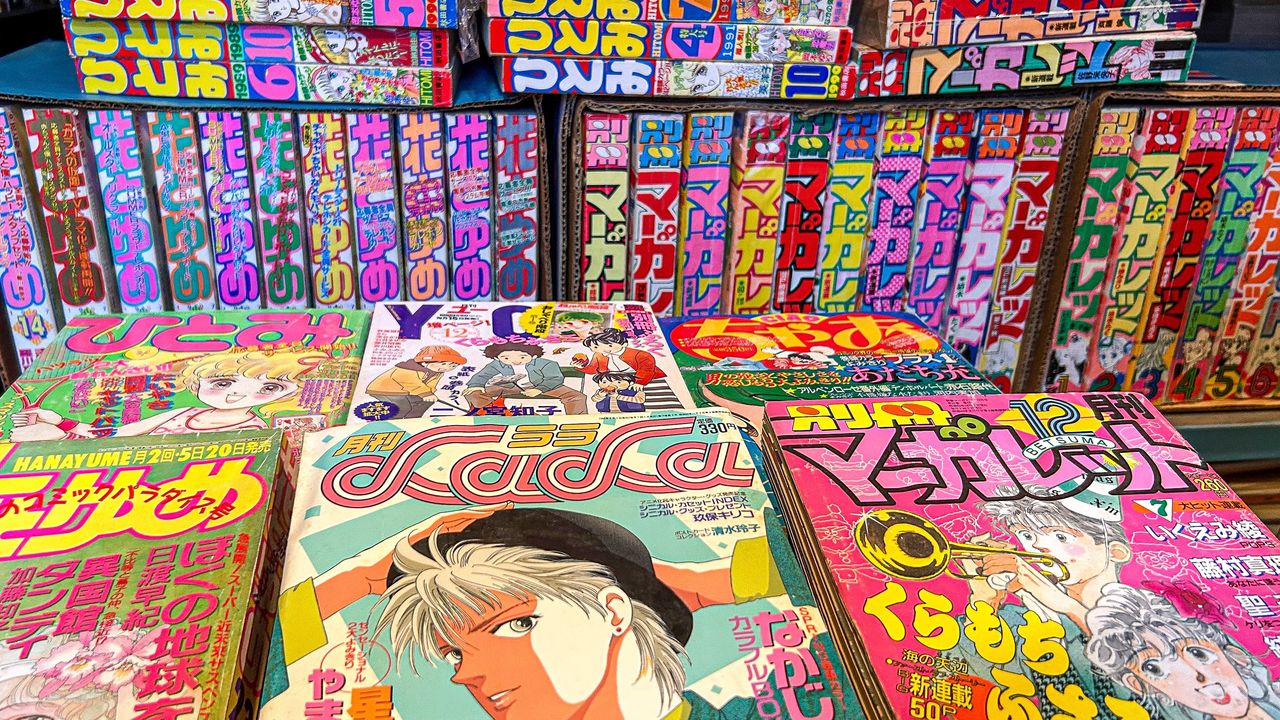
(Originally published in Japanese. Banner photo: Manga magazines aimed at women are finely subdivided by target age and art design. Courtesy Shōjo Manga Kan.)