Looking Good! “Biju” Chosen as One of Japan’s Words of 2025
Language Society- English
- 日本語
- 简体字
- 繁體字
- Français
- Español
- العربية
- Русский
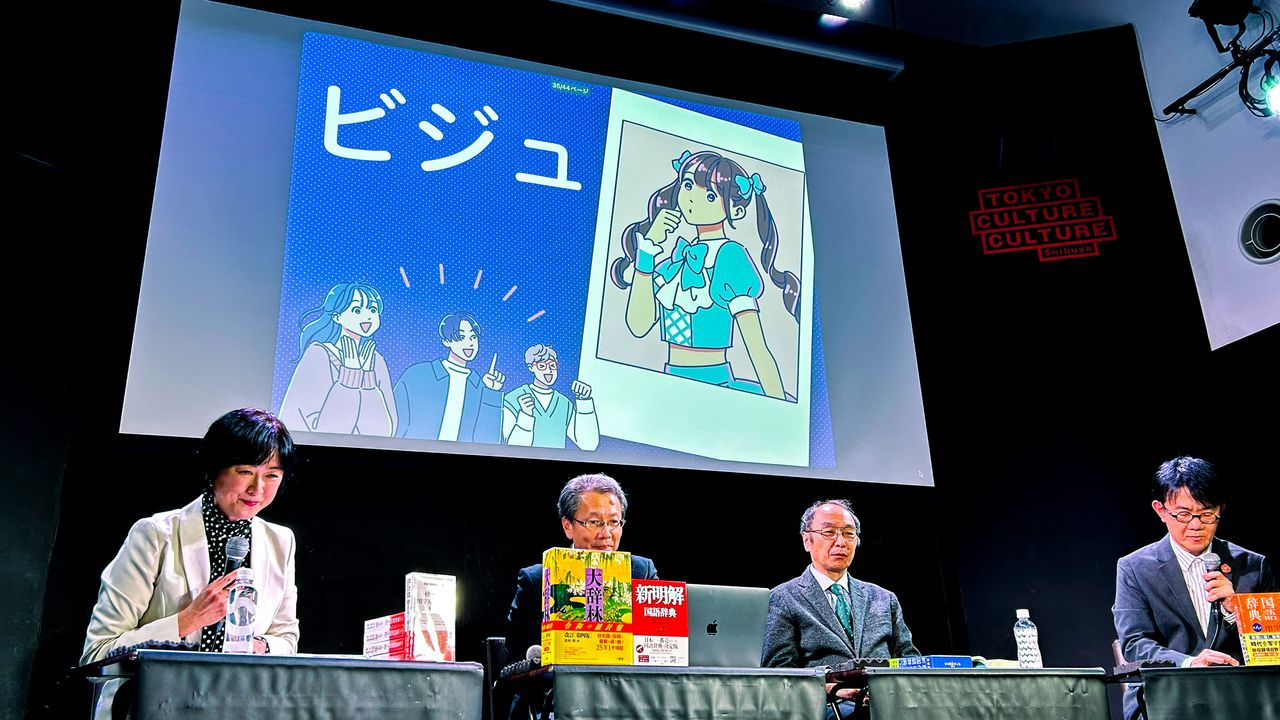
Dictionary publisher Sanseidō’s word of the year for 2025 is biju, an abbreviation of bijuaru, from the English “visual,” used for talking about personal appearance.
Biju got a huge boost this year by featuring in the hit song “Ii jan” (meaning roughly “it’s good” or “I like it”) by the boy band M!LK. The phrase Kyō biju ii jan (You look great today—I like it), which appears as the idol pop tune takes a sudden sidetrack into rap, caught on with Generation Z. Videos of young dancers showing off their moves to the rap segment flooded TikTok and Instagram.
While Japanese has many words for praising appearance, like ikemen for handsome guys and bijin for beautiful women, these tend to be associated with the perfectly proportioned features of models and idols, and thereby limited in scope. Biju takes a broader view of appearance by encompassing the general air that people have around them, the impression they give, and the sense that they are being true to themselves. The dictionary editor judges appreciated this inclusiveness.
Rival dictionary publisher Shōgakukan picked kinkyū jūryō, or “emergency hunting,” as its word of 2025. This is related to the introduction of legislation for shooting of bears, boars, and other dangerous animals that enter populated areas, in a year when attacks by bears in particular came under the spotlight.
Sanseidō’s Top 10 New Words of the Year for 2025
- ビジュ — Biju [Winner]. An abbreviation of bijuaru (visual), mainly used by young people to describe the overall appearance of idols or other favorite stars, including their makeup, clothes, and the general feeling they convey. Biju ga ii means that someone is looking great. It can be used to praise aesthetically as well as for attractiveness.
- オールドメディア — Ōrudo media. “Old media” spread in the 2020s, initially as a pejorative term for traditional forms like newspapers, magazines, and television, as opposed to social media and other new online alternatives.
- えっほ えっほ — Ehho ehho. This huffing, puffing exclamation, associated with running all out to make a delivery or pass on news, has its origins in a 2021 picture by Dutch photographer Hannie Heere of a baby owl dashing across grass. The photo became a 2025 meme with the ehho ehho phrase attached.
- しゃばい — Shabai. With a meaning of “boring” or “stingy,” this term derives from the Buddhist word shaba referring to “this world,” where people must suffer. It was previously common in the 1980s, but has seen new rise in usage over the last few years.
- 権力勾配 — Kenryoku kōbai. Literally a “power slope,” this describes the subtle differences in power that arise between individuals or in a group.
- 男消し — Otoko keshi. This term, meaning “male erasure,” refers to the tendency of not describing a perpetrator as male when reporting an incident. It highlights the difference with how media reporting almost always notes when a perpetrator, or a victim, is female.
- 共連れ — Tomozure. This describes the act of entering a location without authorization by, for example, following someone who is authorized through a door with an automatic lock. While this is not always illegal, it can cause anxiety and has been seen as a social problem in recent years.
- 体験格差 — Taiken kakusa. The “experience gap” describes a difference between children who can and cannot enjoy experiences like travel or sports and other extracurricular activities, based on differences in their families’ social and economic situations. The publication of a book with this title by Imai Yūsuke, who heads an organization called Chance for Children, which addresses issues related to child poverty, brought the problem to wider attention.
- 夏詣 — Natsumōde. Japan’s long-standing hatsumōde (first visit) tradition is to make a visit to a shrine at the start of the year. The new, rhyming term natsumōde (summer visit) is for similar visits in the summer, especially from July 1 onward. Tokyo’s Asakusa Shrine introduced the idea in 2014, and it has gradually spread since then.
- 緊急銃猟 — Kinkyū jūryō. On September 1, new “emergency hunting” legislation was introduced allowing for shooting of dangerous animals including bears that enter populated areas, based on the decision of the mayor.
Shōgakukan’s Top New Words of the Year for 2025
緊急銃猟 — Kinkyū jūryō [Winner]. “Emergency hunting” drew attention as a measure to tackle increased problems involving wild animals, including bear attacks.
ビンテージ米 — Bintēji mai [Runner-up]. Amid shortages, government stockpiled rice from past years was released to end up on supermarket shelves. This was commonly known by names like kokomai or kokokomai (“old old rice” or “old old old rice”) depending on its age, but the convenience store chain Lawson also made headlines for using the phrase “vintage rice” to describe its products.
しごでき — Shigodeki [Runner-up]. This short form for shigoto ga dekiru, describing people good at their jobs, previously appeared in the Sanseidō list for 2024.
Original Lists (Japanese)
(Originally published in Japanese on December 4, 2025. Banner photo: Representatives from the dictionary publisher Sanseidō, at center, announce its words of the year on December 3, 2025. © Nippon.com.)