


Oratory Shortcomings
In the eyes of many experts, the current breakdown in political communication can be attributed largely to legislators not knowing what to say. The author Takamura Kaoru says that it is not so much a matter of language—even very small children, after all, can make themselves understood if they try hard enough—as a failure to fully consider how today’s complex social issues impact the electorate. “Ideally, politicians should make every effort to understand the problems people face,” he explains. “Only by first making the well-being of their constituency their prime consideration can they can begin to speak with conviction.”
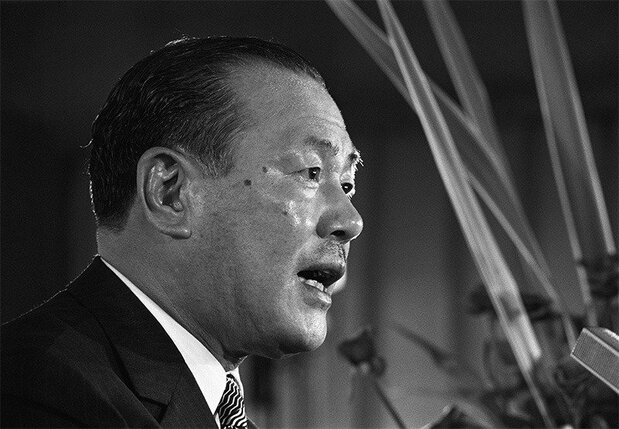
As an example, Takamura points to Prime Minister Tanaka Kakuei (1972–74). “Regardless of whether you are a fan of his policies or not, his words packed a punch that enabled him to sway the nation with his vision for transforming Japan.”
In contrast, Takamura says Abe has yet to publicly voice his views on such policy planks as education and amending Japan’s Constitution. “Abe keeps his motives hidden,” says Takamura. “He doesn’t appear to have an avid devotion to the imperial system but does look favorably at the conservative prewar Imperial Rescript on Education. When he talks about revising the Constitution, though, he doesn’t put forward his personal views or ideology. Without articulating his ideas, he can only make arguments that fall flat.”
Takamura says that as head of the Party of Hope, Koike also dulled her message by not making her intentions obvious. “While she spoke a lot, there wasn’t much substance to what she said.”
Recharging the Power of Speech
To overcome the communication gap, average citizens must recognize that they are also part of the problem. “Voters,” says Takamura, “are responsible for holding their representatives accountable. But people have become complacent about how Abe and Koike speak.” There are reasons to believe, though, that some people are growing frustrated with the political status quo. Take for example the Constitutional Democratic Party of Japan. While the party floundered in media polls in the lead-up to the October 2017 lower house election, three days after forming it managed to garner 130,000 followers on Twitter, the most of any party.
Takamura insists that for political discourse to improve, legislators will need to reevaluate why they were elected. “Politicians must foster empathy for their constituents, but unless it’s a disaster situation they hardly ever stop to consider what average people are going through.” In a somber tone, he continues. “It will likely take a major crisis before they finally look their constituents in the eyes and try to connect with them in earnest.”
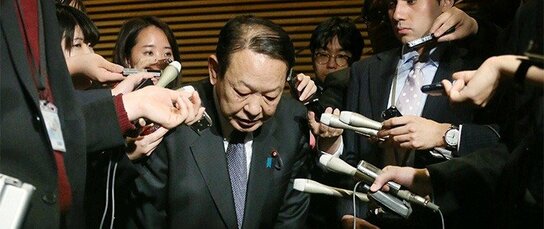
(Originally published in Japanese on March 29, 2018. Text by Power News. Banner photo: After resigning his post, former Cabinet Office Vice Minister Matsumoto Fumiaki [at center] apologizes at the prime minister’s residence on January 26, 2018, for inappropriate comments following the crash of a US military helicopter in Okinawa Prefecture. © Jiji.)









 Read in other languages