



Connecting Through the Internet and in the Real World
MASUZAWA Whether IVS or ICC, venture capital events (conferences) for entrepreneurs in Japan are basically invitation only, and they have the impression of being closed events for people who already know each other. What should entrepreneurs who want to join the community do?
HORI While this depends to some extent on how startup villages are defined, they aren’t all closed communities. Currently in Ōtemachi, Roppongi, and Shibuya, startup-related events are held on a daily basis. They may be about Bitcoin, AI, the internet of things, the marketplace, or other themes. By participating in such events regularly, it should be easy to join such a community.
Even so, an entrepreneur’s trustworthiness, creditworthiness, and track record are important considerations when venture capital firms make investment decisions. The hurdles may diminish somewhat if you can be introduced by someone already well known in the industry.
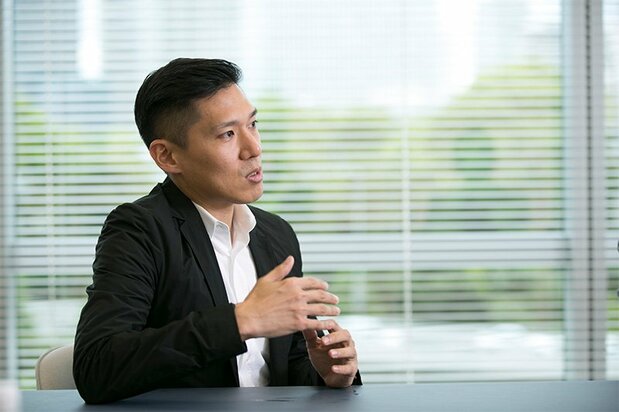
 Hori Shin’ichirō.
KAWABE Since you can readily get acquainted through the Internet, basically these communities are completely open. Agreements to become partners are sometimes reached just through Twitter. In this process, there will be the step of meeting in person and of establishing close relationships in the real world. So, I don’t think these communities are closed as a whole. There are young people who claim you can access venture capital through the Internet without even attending conferences.
MASUZAWA So, if the language barrier can be overcome, can you say that people from abroad can fully participate in Japan’s startup community?
KAWABE That shouldn’t be a problem. However, Tokyo being an extremely large city may be a special factor. Day and night something interesting is happening. If you live in Tokyo, where you can attend these events, and can speak Japanese to some degree, you should be able to participate openly.
Needed: An Environment for New Challenges
MASUZAWA If the expression “Things go easier once you know each other” is seen as an advantage, what are the ways you would like Japan’s startup community to develop going forward? Former PayPal employees known as the “PayPal mafia” have emerged in the United States. I believe such companies as Yahoo Japan are likely to emerge as a source of future startup talent in Japan.
KAWABE Building a track record will be important. In the early years of a startup, there is a strong element of chance in whether the business will work out. While a business plan and a budget plan are necessary, in the end the decision to invest becomes a matter of risking it on the person. When an ecosystem is in place, it will be possible to take on new challenges repeatedly and to build a track record, which entrepreneurs, venture capital, and angel investors can refer to in deciding whether to proceed with the business. The reproducibility of success will also increase.
HORI One way Japan’s ecosystem lags behind that in the United States is the few examples of people who start one business, exit, and start another. I see Yamada Shintarō, who will soon list Mercari on the stock exchange, as a possible role model. Mitsumoto Yūsuke launched Stores.jp, then started Bank Inc., and is assuming new challenges. Should such young people who start businesses and take on new challenges increase, this will bring about a better startup community.
The example of Katagiri Takanori is interesting. He’s the former president of the startup Pixiv, a highly popular website both in Japan and abroad. He was then scouted unexpectedly by DMM, a much larger company, where he became president. While Pixiv is a great startup, DMM is reported to have the highest earnings among all of Japan’s Internet-related companies. There are still too few companies in Japan that engage in such dynamic hiring and management practices. Should such trends accelerate, industry itself will likely grow stronger.










 Read in other languages